
Yellow-rumped Warbler


Yellow-rumped Warbler (Setophaga coronata): Complete Identification, Winter Feeding & Song Library
Quick Answer: How to Attract & Identify Yellow-rumped Warblers
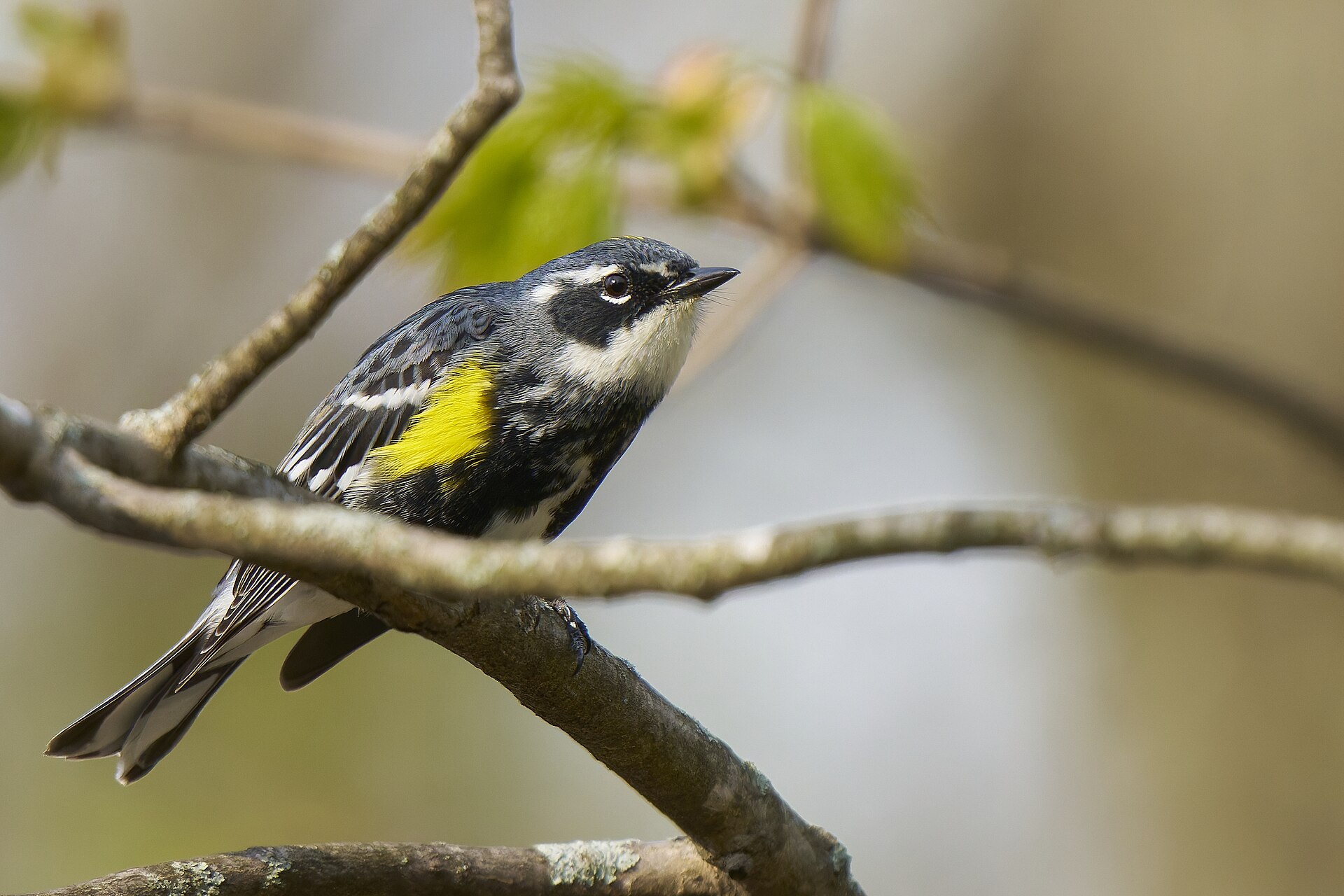
The Yellow-rumped Warbler (Setophaga coronata) is the butter-butt — the abundant warbler with the bright yellow rump and yellow shoulder patches that flashes through every migration and, uniquely among warblers, winters at suet feeders across the South and both coasts. Breeding males are blue-gray and black with yellow crown and shoulders; winter birds are browner but always keep the yellow rump. Attract them with suet cakes and crumbles, peanut butter, sunflower chips, and a shallow birdbath — and plant bayberry or wax myrtle for the long term. Compare the duller Orange-crowned Warbler, the only other warbler likely at a winter feeder.
Species Physical Profile & Morphometrics
The Yellow-rumped Warbler belongs to the wood-warbler family (Parulidae) and comes in two well-marked forms: the eastern Myrtle (white throat, bold white eyebrow) and the western Audubon’s (yellow throat, plainer face). Both share the yellow rump, crown patch, and shoulder patches that anchor identification in any season.
The identification formula: yellow rump + yellow shoulders + streaky gray-brown or blue-gray body + sharp check call. In winter, any warbler-like bird at a suet feeder in most of the U.S. is a Yellow-rump until proven otherwise.
Essential Morphometric Field Marks:
- Body Length & Mass: 4.7 to 5.5 inches (12–14 cm) and 0.4 to 0.5 ounces (12–13 grams) — a mid-sized, sturdy warbler, bigger-bodied than most of its relatives.
- Wingspan: 7.9 to 9.1 inches (20–23 cm); flight is buoyant and sallying — birds leap out from a perch to snatch insects and flutter back.
- Bill Structure & Color: A thin, sharp, all-dark insect bill — finer than a sparrow’s seed-cracker, stouter than a kinglet’s needle.
- Color Pattern: Breeding males: blue-gray above, black breast and cheek, yellow crown, yellow shoulders, yellow rump. Females and winter birds: brown-gray and streaky, but always with the yellow rump and at least a hint of yellow at the shoulder. Myrtle has a white throat; Audubon’s a yellow throat.
- Juveniles & Seasons: Juveniles are browner still, softly streaked, with the same yellow rump; the two forms intergrade where their ranges meet in the Canadian Rockies.
The spring dresser: by April the male molts into high contrast — black mask and breast, crisp white eyebrow (Myrtle) or yellow throat (Audubon’s), and flashing yellow crown and shoulder patches. He sings his loose trill from spruce tops on the breeding grounds and from yard trees during migration.
The subtle version — females are browner and softer year-round, and by fall both sexes wear muted, streaky plumage that hides in bark and reeds. The yellow rump and shoulders never vanish: learn those two patches and every season’s bird is identifiable.
Yellow-rumped Warbler Vocalization Guide (3 Field Recordings)
The song is a loose, soft trill — unhurried and musical — but the yard-useful sound is the hard, dry check call. All three recordings below are real field audio, shared under free licenses via Wikimedia Commons — no simulations. For a deeper library, browse xeno-canto: Yellow-rumped Warbler.
1. The Loose Trill
2. Song and Check Calls
3. The Western Voice
Habitat, Range & the Backyard Life
The Yellow-rumped Warbler breeds in northern and mountain conifer forests across Canada, New England, and the western ranges — but its backyard fame comes from the rest of the year, when it spreads through open woods, thickets, parks, and yards across nearly the whole country.

The Warbler That Stays North
A unique digestive talent lets this species live on the waxy berries of bayberry and wax myrtle — so while every other warbler flees to the tropics, Yellow-rumps winter across the southern and coastal United States, and some linger as far north as the berries hold out. They are the first warblers of spring and the last of fall.
For backyard birders, that means opportunity in every month: migration waves in April–May and September–October, and reliable winter birds at suet from the Carolinas to California and up both coasts.
Backyard Behavioral Patterns & Social Dynamics
The Yellow-rumped Warbler breaks every warbler stereotype — it is hardy, versatile, and willing to come to you. Four behaviors explain most of what you will observe:
🧈 The Wax Eater
The species’ superpower: it can digest the waxy coating of bayberries and wax myrtles, a trick almost no other songbird shares. That is why it winters farther north than any other warbler — where bayberry thickets grow, butter-butts overwinter.
🍂 The Feeder Warbler
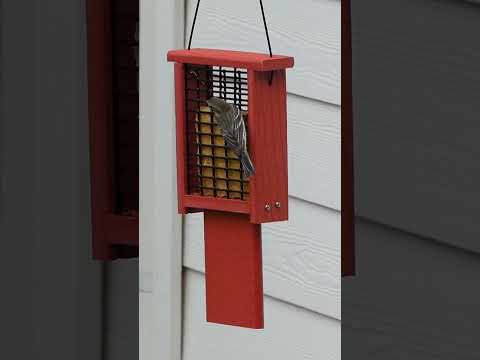
In winter, Yellow-rumps visit suet cages, suet logs, and peanut-butter smears, and take sunflower chips from trays — behavior that shocks people who assume all warblers are tropical insect-eaters. A yard with suet can host the same birds daily for months.
🪰 The Sallying Hunter
In warm months watch the feeding style: a bird sits exposed, then leaps out to snatch a flying insect and loops back — flycatching, warbler-style. Over water and lawns on summer evenings they hawk insects like tiny swallows.
🌊 The Wave Migrant
Yellow-rumps migrate in enormous waves — they dominate April and October counts across the continent, and a single cold front can fill your yard trees with dozens at dawn. By late morning the wave has moved on; timing is everything.
Problem: “There’s a Streaky Brown Bird at My Suet Feeder in January — Warblers Don’t Do That. What Is It?”
Congratulations — you have correctly identified an impossibility, and it is the Yellow-rumped Warbler:
The confusion is understandable: in winter the bird wears brown-gray streaky plumage nothing like the sharp black-and-yellow breeding dress, and no field habit says warblers eat suet. But this species alone among our warblers routinely winters in the States, thanks to its bayberry-digesting gut, and it treats suet as a perfectly good substitute for wax. Confirm it with two marks that never go away: the yellow rump, visible when the bird flies or flares its tail, and the yellow shoulder patches. The call — a hard, dry check — clinches it. If you want to keep your winter visitor, keep suet stocked through the season, add a shallow unfrozen water source, and plant wax myrtle or bayberry for the years ahead. Some individuals return to the same winter yards annually.
Method 1: Winter Feeding — Suet Done the Butter-Butt Way
Winter is when a yard can genuinely attract this warbler:
-
Hang a Suet Cage Early
Get suet out by October, before birds settle into winter routes — a wire cage on a tree trunk or shepherd’s hook near shrubs is ideal. Plain or berry-blend suet both work; insect-blend cakes match the natural diet best.
-
Try a Suet Log
A drilled log feeder stuffed with suet plugs mimics the bark-foraging style the species uses all year — birds cling and pick, just as they do on tree trunks. Hang it where you can watch from a window; the visits are frequent and fearless.
-
Offer Crumbles and Peanut Butter
Suet crumbles on a tray, or plain peanut butter pressed into bark crevices, serve birds that won’t cling to a cage. In hard freezes, soft food matters — a bird that can’t grip icy suet can still pick crumbs.
-
Add Sunflower Chips on a Tray
As a supplement, hulled sunflower chips on a platform or stump get taken readily in winter — a food the species shares peaceably with chickadees and titmice. Skip whole seeds in tubes; the warbler bill isn’t built for cracking.
Method 2: Berry Shrubs, Water & Insect Habitat
Long-term attraction is planted, not poured:
-
Plant Bayberry or Wax Myrtle
The direct play: northern bayberry in the Northeast and Midwest, southern wax myrtle from Virginia to Texas — the waxy fruit is the species’ winter staple, and an established shrub can hold a flock for weeks. Both are tough, native, and handsome.
-
Add Supporting Natives
Juniper (eastern red cedar), poison ivy (in a far corner, honestly), and Virginia creeper all carry winter fruit Yellow-rumps eat — as do sumac and viburnum. A mixed native hedge beats any single planting.
-
Keep Water Open
A shallow heated birdbath near cover draws winter birds daily — wax digestion leaves them thirsty, and unfrozen water in a cold snap is a genuine magnet. One to two inches deep, scrubbed weekly.
-
Skip Insecticides
Spring and fall migrants hunt insects in your trees and shrubs — a yard free of broad-spectrum sprays offers the caterpillars and midges that fuel migration. The birds do your pest control; let them.
Tool Solution: Recommended Hardware for Yellow-rumped Warblers
Equipment matched to a bark-foraging, suet-eating winter warbler:
Suet Log Feeder
A drilled hardwood log with suet plugs, hung horizontally — matches the species’ natural trunk-foraging style and outperforms cages for shy first-time visitors. Refill plugs through winter.
- • Food: Suet plugs
- • Style: Horizontal log
- • Placement: Near shrub cover
Wire Suet Cage
The classic cage on a trunk or hook — reliable for Yellow-rumps, woodpeckers, and chickadees alike. Choose berry or insect blends; in the Deep South use no-melt dough formulas.
- • Food: Suet cakes
- • Mount: Trunk or hook
- • Season: October–March
Heated Birdbath
A shallow heated bath keeps water open in the exact cold snaps when wintering warblers need it most — wax-heavy diets make daily drinking essential.
- • Depth: 1–2 in, gently sloped
- • Feature: Thermostat-controlled
- • Placement: Beside cover
Frequently Asked Questions
- Species Profile: The Yellow-rumped Warbler (Setophaga coronata) is a 4.7–5.5 inch, 0.4–0.5-ounce songbird (Parulidae), band code YRWA — the butter-butt, North America’s most winter-hardy warbler.
- ID in One Look: Yellow rump plus yellow shoulder patches in every plumage; breeding males add black mask and breast, blue-gray back, yellow crown. Myrtle (East) has a white throat, Audubon’s (West) yellow.
- The Sound: A loose, unhurried trill in spring; a hard, dry check call all year — three real field recordings above.
- Range & Habit: Breeds in Canadian and mountain conifers; winters across the southern and coastal U.S. on bayberry and wax myrtle — the warbler that stays when others leave.
- Attraction Formula: Suet cage or log stocked October through March, suet crumbles and peanut butter, sunflower chips on a tray, a heated birdbath, and planted bayberry or wax myrtle for the long term.
- The Surprise: That streaky brown bird at your January suet is this species — its wax-digesting gut makes feeder visits and northern winters possible, and some individuals return to the same yard every winter.

Bird Watching Log
Species: Yellow-rumped Warbler (Setophaga coronata)
| Yellow-rumped Warbler (Yellow Rump Seen: Yes / No — Throat: White / Yellow — Suet Feeder Used: Yes / No — Check Call Heard: Yes / No) | |