
Best Heated Bird Baths for Winter


Best Heated Bird Baths for Winter: Types, Safety & Setup Guide
What is the best heated bird bath?
For most yards, the best heated bird bath is a thermostatically controlled heated basin (60–150 watts) with a rough-textured surface and a depth of one to two inches, mounted on a pedestal near cover and plugged into a GFCI outlet. Already own a good bath? Drop in an immersion de-icer instead — same open water, a third of the price. Either way, open water in a hard freeze will outdraw every feeder in your yard within a week.
Why Winter Water Outdraws Winter Seed
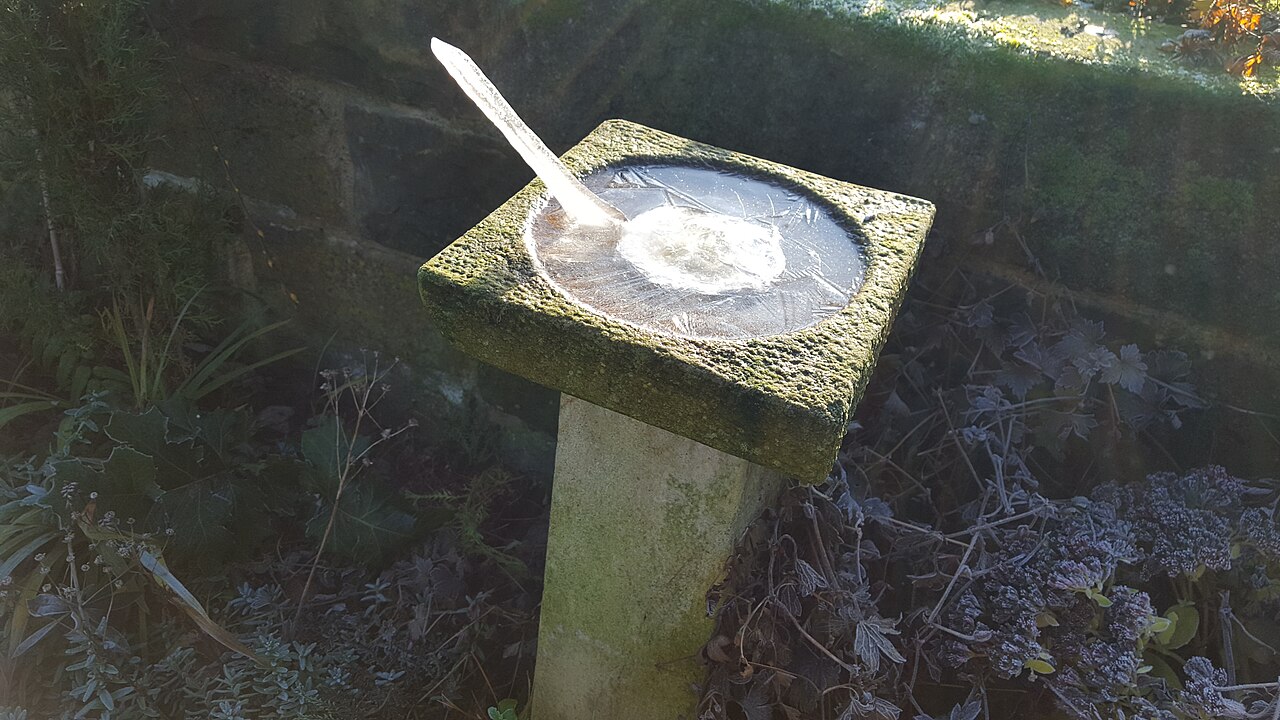
Here is the counterintuitive truth of winter bird feeding: when temperatures drop below freezing, water becomes scarcer than food. Seed persists on stalks and feeders everywhere; liquid water vanishes entirely. Birds can eat snow, but melting snow inside a tiny warm body costs calories that a winter bird cannot spare. An open water source in a frozen neighborhood is not a luxury — it is a magnet.
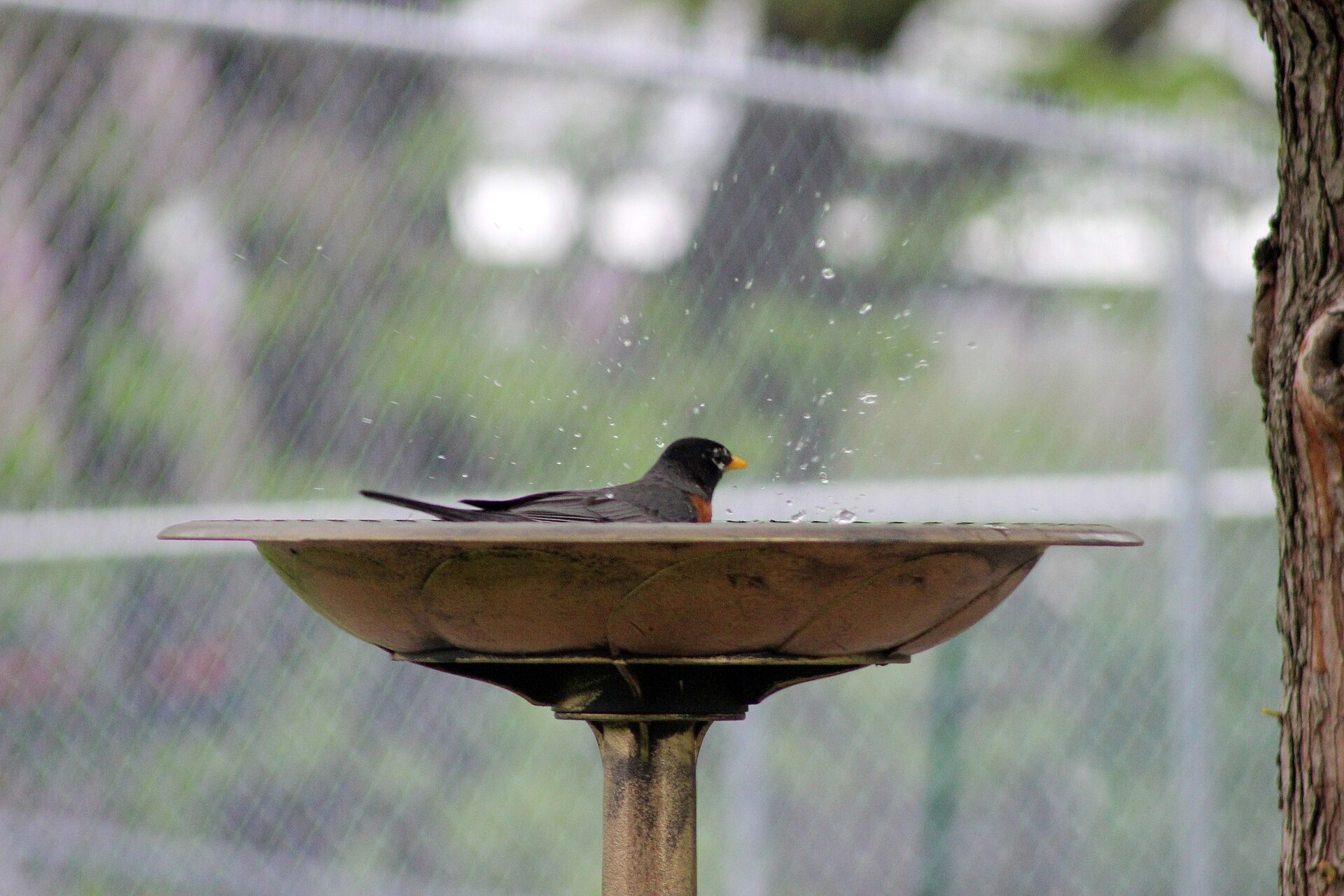
I’ve run the experiment many times across thirty winters: on the first sub-zero morning with every puddle locked in ice, a heated bath pulls in species that have never touched my feeders. American Robins arrive in flocks of twenty. Bluebirds materialize from the woodlot. Cedar Waxwings drop in chattering waves. If your winter birding feels flat, open water is the single upgrade that changes it.
The 3 Heated Bath Types
1. Heated Pedestal Basins — The All-in-One
A basin with the heating element sealed inside, standing on its own pedestal. This is the simplest, safest route: the cord is designed for outdoor exposure, the thermostat cycles on only near freezing, and the whole unit arrives as one decision. Look for a rough or textured basin surface (ice-wet plastic is slippery footing for small birds), a rim wide enough to perch on, and a depth you can keep at one to two inches. Expect 60–150 watts — a few dollars a month on the electric bill, cycling only when needed.
2. Deck-Mounted & Rail-Clamp Heated Baths
The same heated basin on a clamp or bracket instead of a pedestal, fastening to a deck rail or porch post. The great advantage is viewing distance: a rail bath sits ten feet from your favorite chair, and birds habituate to a window-side bath remarkably fast. The cautions are weight when full (check your rail), splash-out on the deck boards below, and keeping the cord routed where nobody trips over it.
3. Ground-Level Heated Basins
Low heated bowls that sit directly on the ground — the natural drinking height for juncos, doves, sparrows and every mammal in the neighborhood (a feature or a problem, depending on your stance on raccoons). Ground baths pull the ground-feeding guild that ignores pedestals entirely. Place them where you can rinse them easily; they collect debris fastest of all.
Immersion De-Icers: The Budget Champion
If you already own a good bath, don’t buy another — buy a thermostatically controlled immersion de-icer. These submersible pucks or rings sit in the basin, keep a hole in the ice down to about −20°F, cost a third of a new heated bath, and draw similar wattage. Two rules from long use:
- Match the de-icer to the basin material. Most are safe in plastic and concrete; check the label before dropping one in a thin resin bowl.
- Keep the water above the element. A de-icer run dry overheats and dies. In cold dry wind, basins evaporate faster than you’d think — check levels every couple of days.
One warning worth repeating: a de-icer keeps water liquid, not warm. Birds drink and bathe in 34°F water happily. There is no such thing as water too cold for birds — only water too frozen.
Electric Safety: The Non-Negotiables
- GFCI outlet, always. Any outdoor outlet powering a bath or de-icer must be GFCI-protected. If yours isn’t, a GFCI adapter costs fifteen dollars and installs in a minute. This is the one rule with no exceptions.
- Outdoor-rated extension cords only. If you need a cord, use a single outdoor-rated cord sized to the run, connections off the ground and out of standing water.
- Never add salt, glycerin or chemicals to keep water open. Every antifreeze additive sold for other purposes is toxic to birds. Heat or ice — there is no third option.
- Never break ice with boiling water in a glass or ceramic bath. Thermal shock cracks the basin. Melt gradually with the heater, or carry the bath in to thaw.
- Inspect cords each fall. Rodents chew insulation over summer. A two-minute check in October prevents the December surprise.
Winter Cleaning: The Chore Nobody Expects
Open winter water gets dirty faster than summer water, because every bird in the neighborhood uses the only unfrozen bath in town. My schedule: tip, scrub and refill every two to three days, and a full bleach wipe-down (1:9 solution, rinsed thoroughly) weekly. Watch for the red flag — a slick pink or gray film on the basin is bacterial buildup, and it arrives fast at 34°F with this much traffic.
Practical winter tip from thirty frozen mornings: keep a plastic pitcher by the door. Refilling with a pitcher from the kitchen tap beats wrestling a frozen garden hose every single time.
Placement & Setup
- Near cover, not under it. About ten feet from a shrub — close enough to escape a Cooper’s Hawk, far enough to deny a cat an ambush. Directly under branches means a basin full of droppings.
- Level and visible. Birds favor water they can see while approaching, and a level basin keeps the shallow end shallow.
- Stones for footing. A few flat stones rising to just below the water surface give small birds confidence and something to stand on while drinking.
- Within reach of the outlet — plan the cord run before you commit to the spot, not after.
7 Heated Bath Mistakes I’ve Made So You Don’t Have To
- Buying a deep bath. Songbirds want one to two inches. A deep basin goes unused until you add stones to raise the floor.
- Skipping the GFCI. Water plus electricity plus winter is not the place to save fifteen dollars.
- Letting the basin run dry. De-icers burn out in hours without water; heated basins fare no better.
- Adding “safe” antifreeze. There is no bird-safe antifreeze chemical. Heat only.
- Dumping boiling water on ice. Cracked two basins this way before learning patience.
- Cleaning on the summer schedule. Winter traffic is heavier, not lighter — clean more often, not less.
- Hiding it from yourself. The bath belongs where you can see it from a window. The January robin flock is the whole reward.
Frequently Asked Questions
- Winter water beats winter seed — open water in a freeze is the strongest backyard magnet there is.
- Heated basin or de-icer — buy the bath if starting fresh, drop a de-icer in a bath you already own.
- One to two inches deep, rough surface, perchable rim — depth is the spec everyone gets wrong.
- GFCI outlet, outdoor cords, no chemicals — the three safety non-negotiables.
- Never boiling water on ice — thermal shock cracks basins; melt gradually.
- Clean every 2–3 days in winter — the only open bath in town gets dirty fast.
- Put it where you can watch — the January robin flock is the payoff.