Backyard Birds in Wisconsin: A Year-Round Seasonal Identification Guide | BackyardBird.org
State Guide • The Badger State

Backyard Birds of Wisconsin

Wisconsin runs from Lake Michigan’s shore through dairy-farm driftless country to the Northwoods and Lake Superior — a Badger State feeding station works twelve months a year. Sixteen portraits are pinned on the map below, right where each species is most characteristic. Hover any portrait to see its name, tap to jump to its profile, then open its photo gallery and play its call.

Jump to a Species

The state bird — the American Robin — leads the list, followed by feeder regulars, boreal winter finches, and summer songsters. Every entry links to a full species guide.

Backyard Birds in Wisconsin: A Year-Round Seasonal Identification Guide

Written by Avian Biology Editorial Team • Updated: October 2026 • Verified Backyard Field Data • Coverage: All 84 profiles link to full species guides
State Summary

Quick Answer: Birding a Wisconsin Backyard

Wisconsin spans two Great Lakes, farm country, and a million-acre Northwoods, so backyard birding works 12 months a year. Anchor birds are year-round residents led by the Black-capped Chickadee, Northern Cardinal, Downy and Hairy Woodpeckers, both nuthatches, Blue Jay, Mourning Dove, American Goldfinch, House Finch, and Song Sparrow. Winter adds Dark-eyed Junco flocks and irruptive Pine Grosbeaks in the north. Summer brings American Robins (the state bird), Ruby-throated Hummingbirds, and Baltimore Orioles. One rule for the northern half of the state: black bears are abundant in the Northwoods — take seed feeders down from April through November there.

Meet the 84 Backyard Birds of Wisconsin

The state bird leads the list, followed by year-round regulars, winter visitors, and summer breeders. Every card opens a photo gallery, plays a real field recording, and links to the full species guide. Use the seasonal filter bar above to narrow the list.
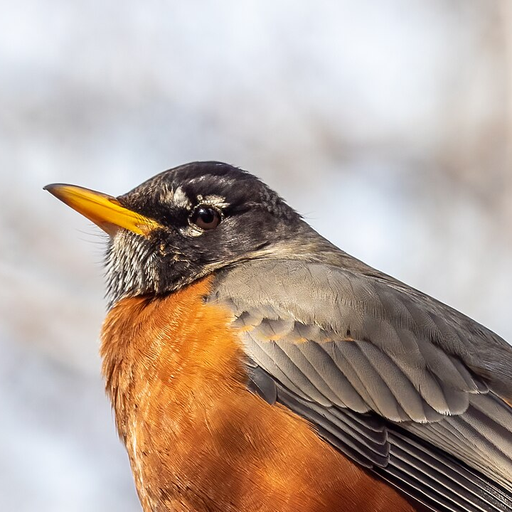
American Robin avatar 📍 Madison

American Robin

Turdus migratorius
WI State BirdBreeder; Some WinterBanding: AMRO

Wisconsin’s official state bird (designated 1949) is the familiar 7.9–11-inch thrush: gray above, brick-red below, yellow-billed. The April dawn chorus over a Wisconsin lawn is built on its cheerily-cheerup phrases. Robins raise two or three broods in porch-light nests, and while most depart in October, hardy flocks overwinter in the southern counties wherever crabapples and sumac hold fruit.
Read Full Guide →
Feeder Preference: Soaked raisins, mealworms, and a ground-level bath; fruit trees hold winter flocks.
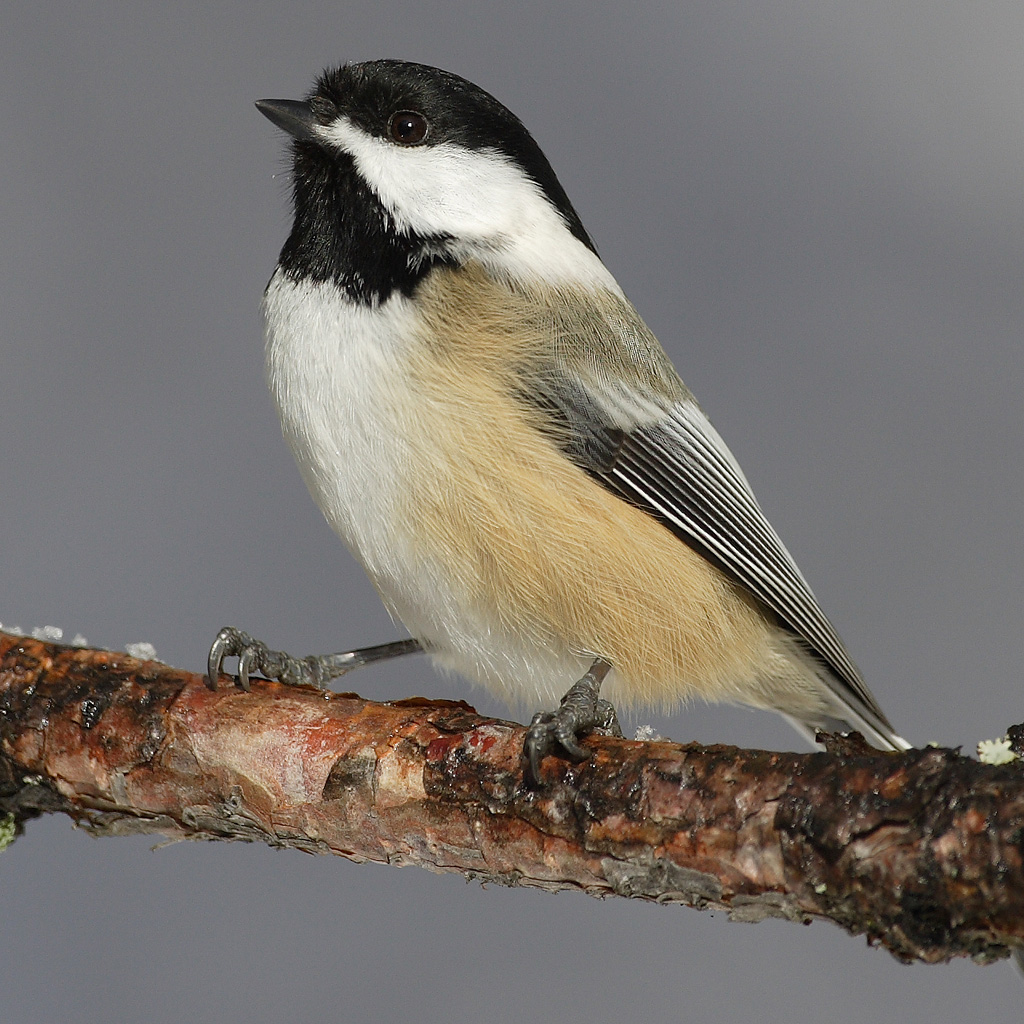
Black-capped Chickadee avatar 📍 Wausau

Black-capped Chickadee

Poecile atricapillus
Year-Round ResidentBanding: BCCH

A 4.7–5.9-inch bundle of fearless energy with a solid black cap and bib framing bright white cheeks. Chickadees anchor every Wisconsin feeder from Kenosha to Superior, surviving -30°F Northwoods nights by dropping into regulated hypothermia. Listen for the clear two-note fee-bee whistle and the scolding chick-a-dee-dee-dee that names the bird.
Read Full Guide →
Feeder Preference: Black oil sunflower, peanut pieces, and suet — caches seeds in bark crevices.
Northern Cardinal avatar 📍 Milwaukee

Northern Cardinal

Cardinalis
Year-Round ResidentBanding: NOCA

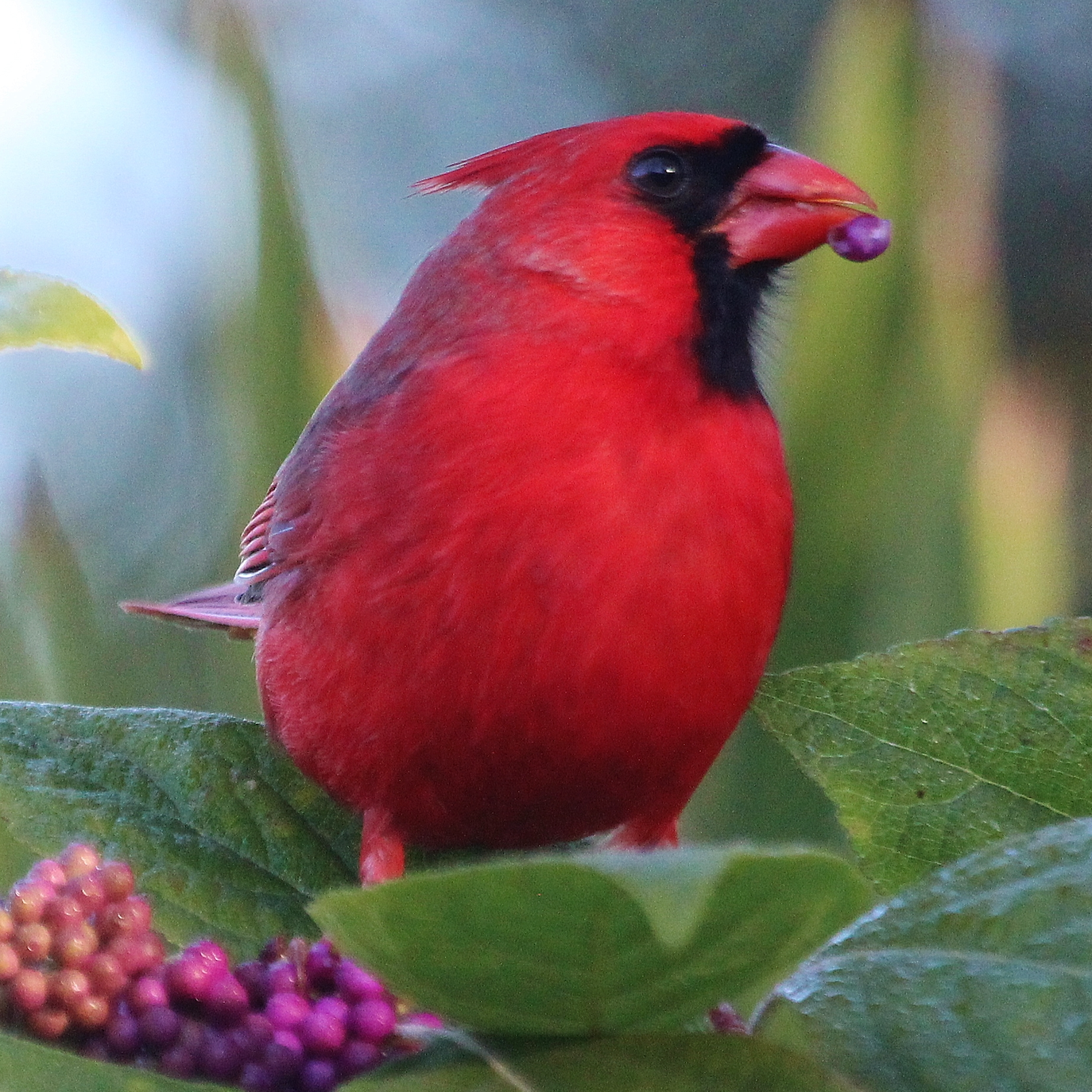
The male is an 8.3–9.1-inch blaze of crimson with a black mask and proud crest; the female is warm buff with red accents — and she sings too. Cardinals spread into Wisconsin in the early 20th century and are now permanent residents statewide south of the Northwoods, densest in the southeast. Pairs visit feeders together at dawn and dusk.
Read Full Guide →
Feeder Preference: Sunflower and safflower on a platform feeder near dense shrub cover.
Blue Jay avatar 📍 Appleton

Blue Jay

Cyanocitta cristata
Year-Round ResidentBanding: BLJA

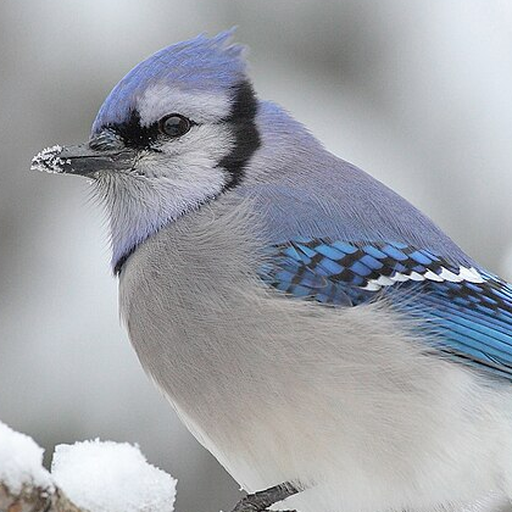
A brilliant 9.8–11.8-inch crested jay in azure blue, white, and black. Blue Jays are the alarm system of the Wisconsin yard, screaming jay-jay at hawks, and they cache thousands of acorns each fall. Northern birds partially migrate — the September jay flights down the Lake Michigan shore and around Green Bay can pass a single point by the thousand.
Read Full Guide →
Feeder Preference: Whole in-shell peanuts and coarse sunflower on a large tray feeder.
Downy Woodpecker avatar 📍 La Crosse

Downy Woodpecker

Dryobates pubescens
Year-Round ResidentBanding: DOWO

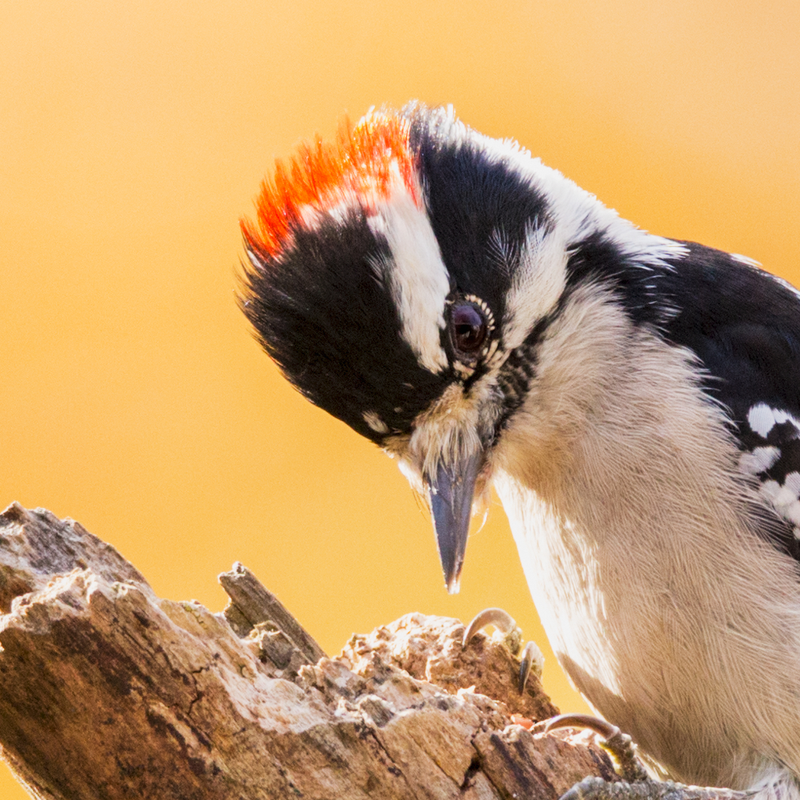
North America’s smallest woodpecker (5.5–6.7 inches) is a Wisconsin backyard regular in every season. Black-and-white checkered wings, a clean white stripe down the back, and a tiny stubby bill separate it from the larger Hairy Woodpecker; males wear a small red patch on the nape. Downys ride suet cages all winter, often trailing chickadee flocks.

Recording via Wikimedia Commons / xeno-canto

Read Full Guide →
Feeder Preference: Suet cakes, peanut bits, and black oil sunflower — uses tail as a prop on feeders.
Hairy Woodpecker avatar 📍 Minocqua

Hairy Woodpecker

Dryobates villosus
Year-Round ResidentBanding: HAWO

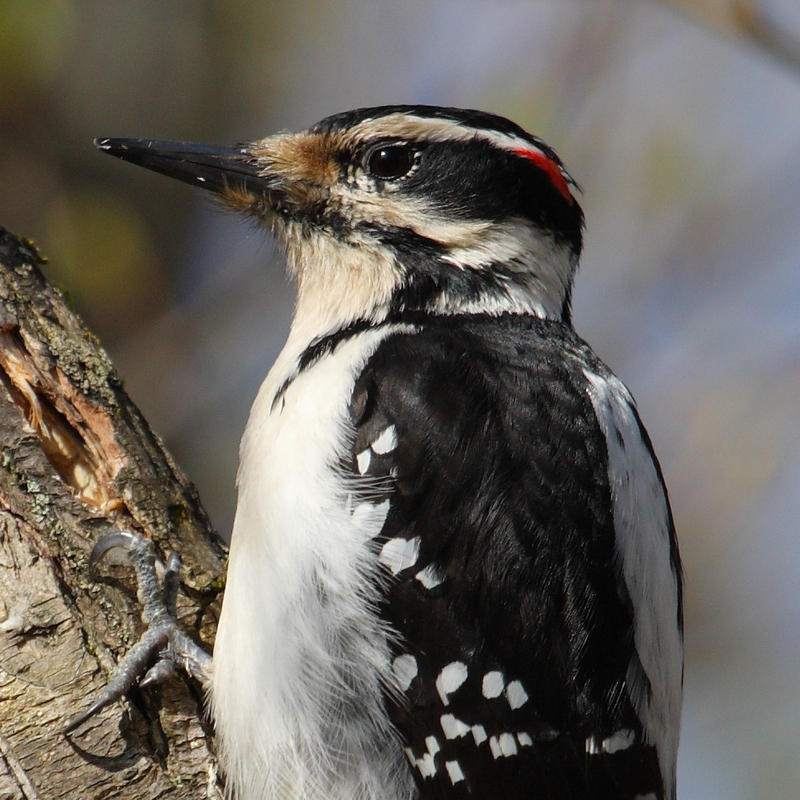
The Downy’s bigger lookalike: 7.1–10.2 inches with a long, chisel-tipped bill nearly as long as its head and pure white outer tail feathers. Hairies favor Wisconsin’s big timber — the Northwoods around Minocqua are prime — but visit suet feeders statewide, especially in hard winters. Their sharp peek call is louder and more emphatic than the Downy’s pik.
Read Full Guide →
Feeder Preference: Suet on a big tree trunk; shyer than the Downy, favors mature woods.
Red-breasted Nuthatch avatar 📍 Phillips

Red-breasted Nuthatch

Sitta canadensis
Northern ResidentBanding: RBNU

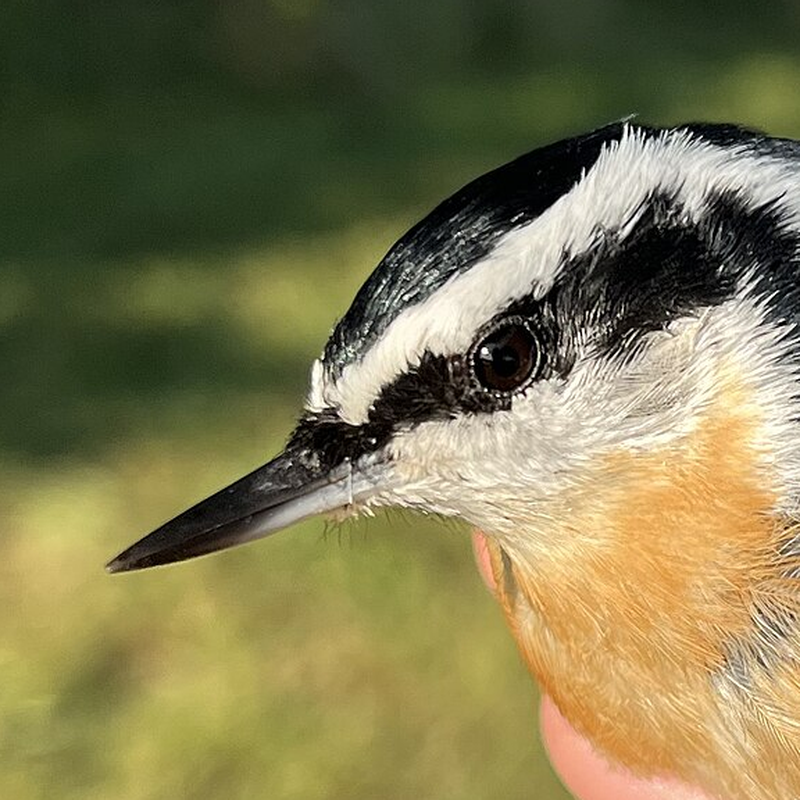
Smaller and bolder than its white-breasted cousin: 4.3–4.7 inches of blue-gray with rusty underparts and a crisp white eyebrow stripe. A year-round bird of Wisconsin’s northern conifer belt, it spills into southern feeders statewide when Canadian cone crops fail. Its tin-horn yank-yank-yank gives away winter flocks at suet cages.
Read Full Guide →
Feeder Preference: Suet and black oil sunflower — a spruce-fir specialist.
White-breasted Nuthatch avatar 📍 Baraboo

White-breasted Nuthatch

Sitta carolinensis
Year-Round ResidentBanding: WBNU

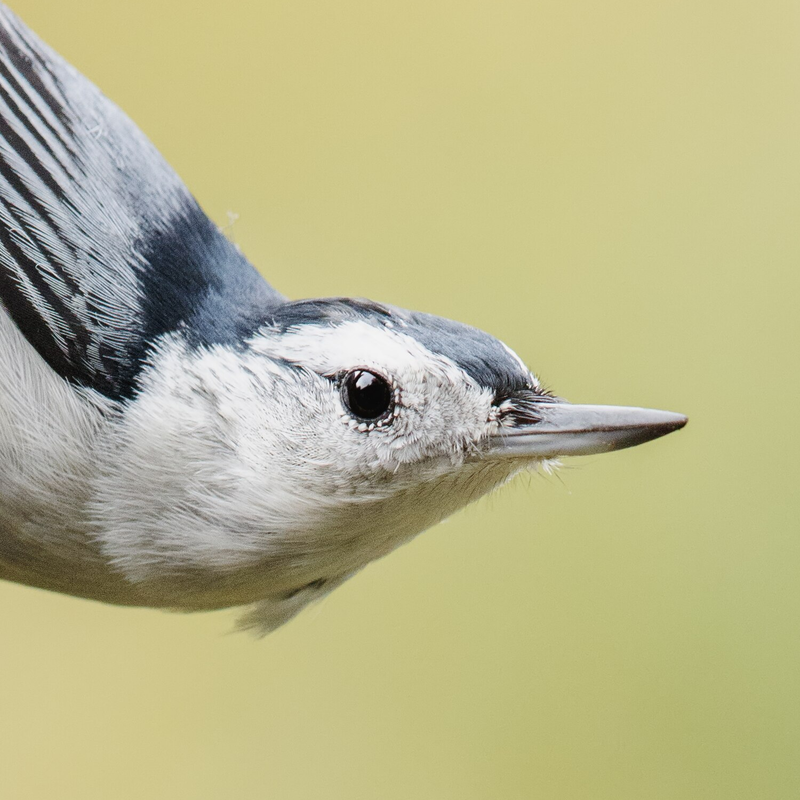
A compact 5.1–5.5-inch bird in blue-gray with a clean white face and breast and black cap. Nuthatches are the acrobats of the feeder, famously walking headfirst down tree trunks. Year-round residents of Wisconsin’s hardwoods — the Baraboo bluffs’ oaks are classic — they wedge seeds into bark and call a nasal yank-yank.
Read Full Guide →
Feeder Preference: Suet, whole peanuts, and sunflower — walks headfirst down tree trunks.
Mourning Dove avatar 📍 Janesville

Mourning Dove

Zenaida macroura
Year-Round ResidentBanding: MODO

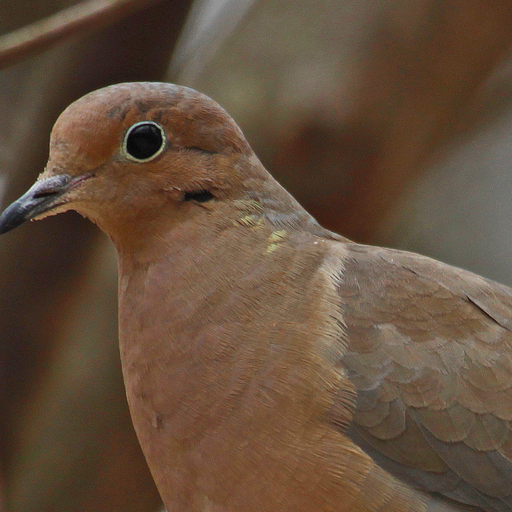
A plump, gentle 9.1–13.4-inch dove in soft gray-brown with a long pointed tail edged in white. Named for its mournful cooing, it whistles sharply on takeoff. Mourning Doves feed on the ground beneath feeders across Wisconsin’s southern farm country and nest astonishingly early, sometimes on a March snowbank.
Read Full Guide →
Feeder Preference: White millet and cracked corn scattered on the ground or a low platform.
American Goldfinch avatar 📍 Stevens Point

American Goldfinch

Spinus tristis
Year-Round ResidentBanding: AMGO

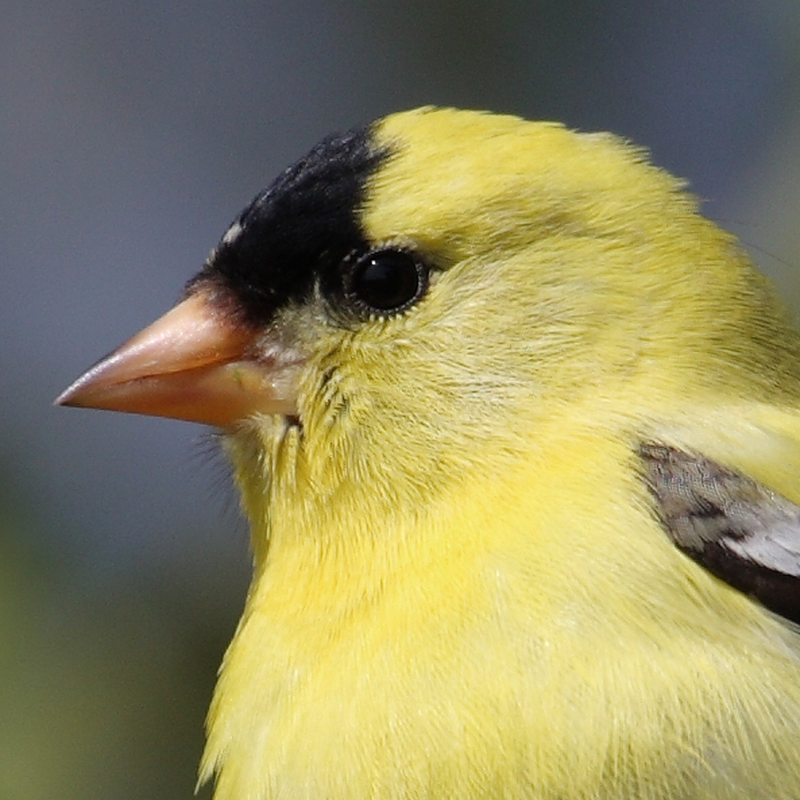
Breeding males are unmistakable: lemon-yellow body, jet-black cap and wings. In winter both sexes molt to soft olive-drab — the drab birds at your January feeder are the same goldfinches. Strict seedeaters that nest late (July–August) when Wisconsin meadows go to thistle seed, they adore Nyjer and bound through the air calling po-ta-to-chip.
Read Full Guide →
Feeder Preference: Nyjer (thistle) socks and fine sunflower chips — feeds in twittering flocks.
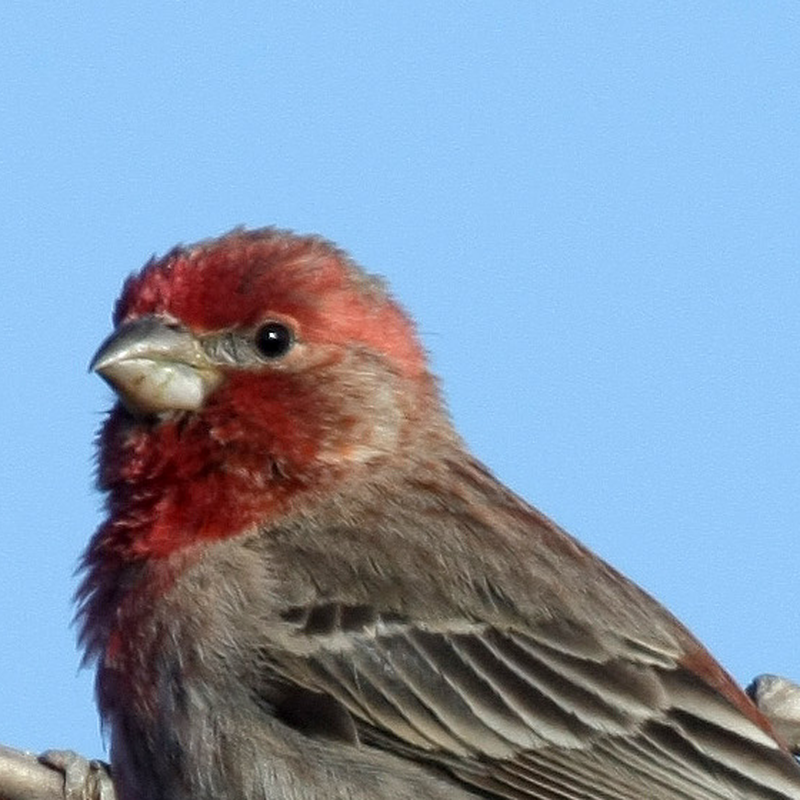
House Finch avatar 📍 Milwaukee South

House Finch

Haemorhous mexicanus
Year-Round ResidentBanding: HOFI

A 5.1–5.5-inch finch: males washed strawberry-red on head, breast, and rump; females plainly streaked. House Finches are western natives — a handful released on Long Island in 1940 colonized the entire East, reaching Wisconsin in the 1980s. Their long warbling song ends in an up-slurred veer. Flocks crowd tube feeders all winter.

Read Full Guide →
Feeder Preference: Black oil sunflower at tube feeders; nests in hanging baskets and wreaths.
Song Sparrow avatar 📍 Manitowoc

Song Sparrow

Melospiza melodia
Year-Round ResidentBanding: SOSP

A streaky 4.7–6.7-inch sparrow with breast streaks converging into one bold central spot and a long rounded tail it pumps in flight. One of Wisconsin’s most widespread singers — marsh edges, lakeshore willows, and garden hedges all hold pairs — it delivers its bright three-note-and-a-trill song from March into August.
Read Full Guide →
Feeder Preference: Mixed seed and white millet near brushy edges; loves a shallow birdbath.
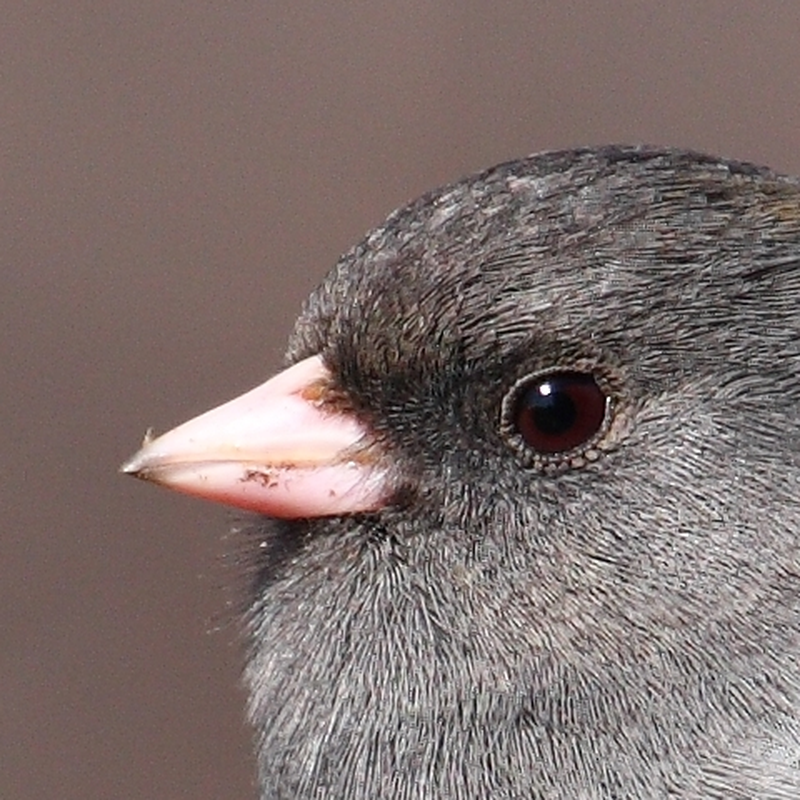
Dark-eyed Junco avatar 📍 Antigo

Dark-eyed Junco

Junco hyemalis
Winter FlocksBanding: DEJU

The classic snowbird: a 5.5–6.3-inch sparrow with a slate-gray hood set cleanly against a white belly, with white outer tail feathers that flash in flight. Juncos breed across Wisconsin’s Northwoods, then winter flocks thicken at feeders statewide from October through April, double-scratching for millet below.
Read Full Guide →
Feeder Preference: White millet scattered on the ground or a snow-cleared low platform.
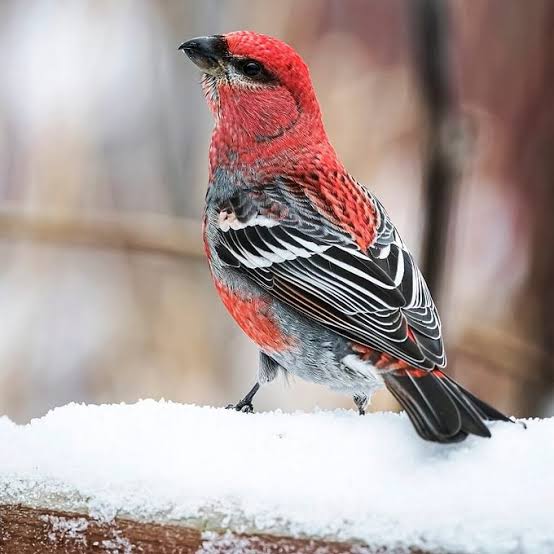
Pine Grosbeak avatar 📍 Hayward

Pine Grosbeak

Pinicola enucleator
Winter IrruptiveBanding: PIGR

A large, tame 7.9–9.8-inch finch of the boreal forest: males washed in rose-red, females and young gray with olive-russet heads. Pine Grosbeaks drift into northern Wisconsin in winter, crunching frozen crabapples and visiting sunflower feeders around Hayward and the Namekagon, often so confiding they feed at arm’s length. Numbers swing wildly between irruption years.
Read Full Guide →
Feeder Preference: Sunflower seeds plus crabapple and mountain-ash berries left on the tree.
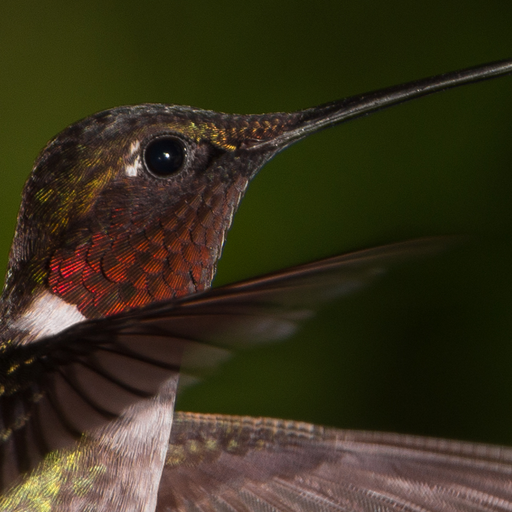
Ruby-throated Hummingbird avatar 📍 Prairie du Chien

Ruby-throated Hummingbird

Archilochus colubris
Summer BreederOnly Breeding HummerBanding: RTHU

The only hummingbird that breeds in Wisconsin: 2.8–3.5 inches of emerald green, the male with an iridescent ruby-red gorget. Arriving in early May, it works bee balm, jewelweed, and feeders all summer, then slips south by late September. Change sugar water every two to three days in heat.
Read Full Guide →
Feeder Preference: 1:4 white sugar water in a red feeder, early May through September.
Baltimore Oriole avatar 📍 Waupaca

Baltimore Oriole

Icterus galbula
Summer BreederBanding: BALO

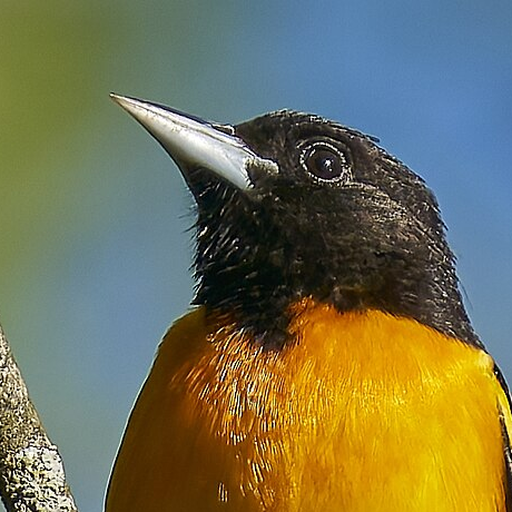
A stunning 6.7–7.5-inch songbird: the male is flame-orange below with a black head and back; females are softer yellow-orange. Orioles reach Wisconsin in the first week of May, whistling rich flutelike phrases from tall shade trees, and weave hanging pouch nests over quiet streets. Tempt them with orange halves and grape jelly; they depart by early September.

Read Full Guide →
Feeder Preference: Halved oranges and grape jelly in early May; also visits nectar feeders.

More Backyard Birds in Wisconsin +68 species

Every other species from our backyard bird library that regularly occurs in Wisconsin — each with its own photo gallery, playable call, and full species guide. Browse 16 per page using the dots below.
American Crow avatar
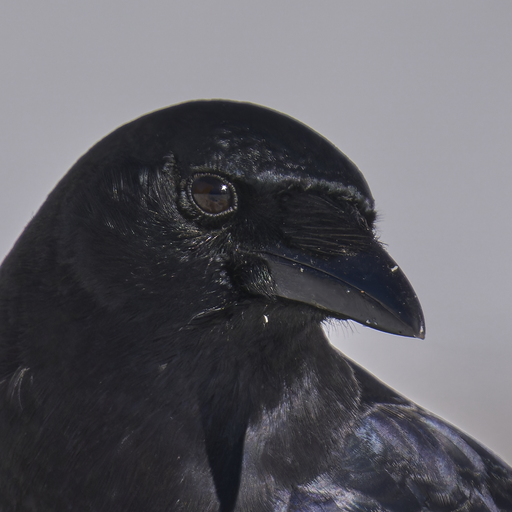
American Crow Corvus brachyrhynchos
Year-Round

Feeder: Whole corn, peanuts, and a shallow water pan on open ground.
Guide →
American Kestrel avatar
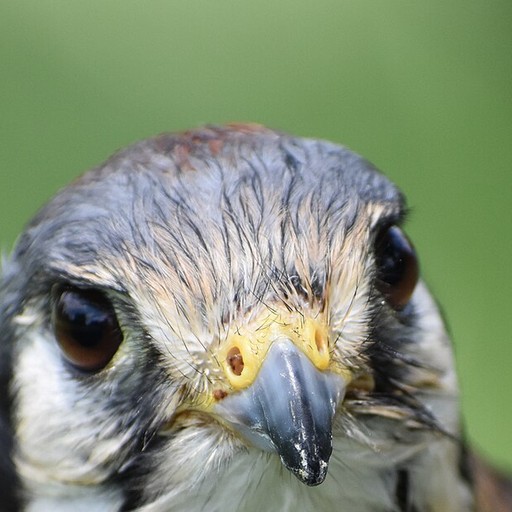
American Kestrel Falco sparverius
Year-Round

Feeder: Perches on fences; nest boxes on poles in open country.

Guide →
American Tree Sparrow avatar
American Tree Sparrow Spizelloides arborea
Winter Visitor

Feeder: White millet and fine cracked corn on ground or platform.
Guide →
Barn Owl avatar
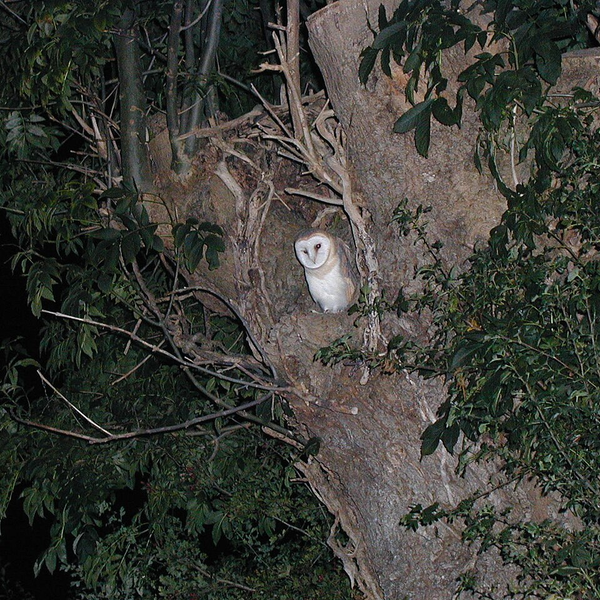
Barn Owl Tyto alba
Year-Round

Feeder: Visits backyard feeders and water features.
Guide →
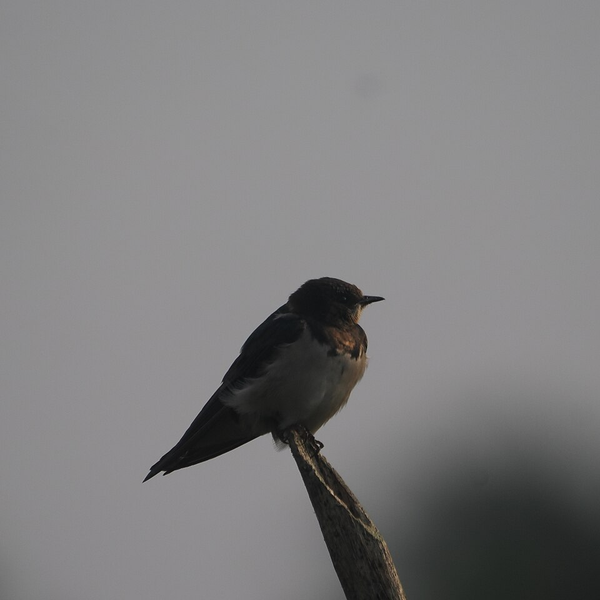
Barn Swallow avatar
Barn Swallow Hirundo rustica
Summer Breeder

Feeder: Visits backyard feeders and water features.
Guide →
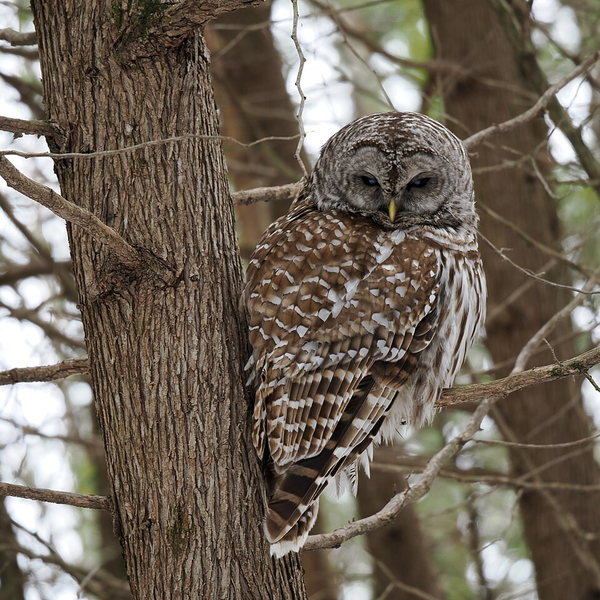
Barred Owl avatar
Barred Owl Strix varia
Year-Round

Feeder: Visits backyard feeders and water features.
Guide →
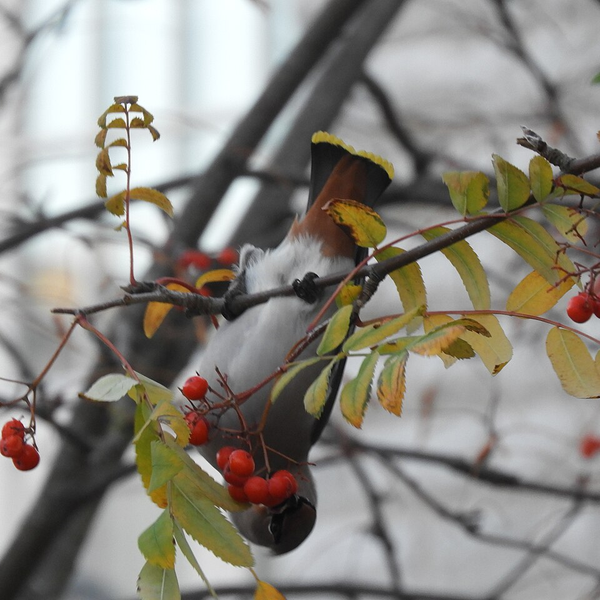
Bohemian Waxwing avatar
Bohemian Waxwing Bombycilla garrulus
Winter Visitor

Feeder: Visits backyard feeders and water features.

Guide →
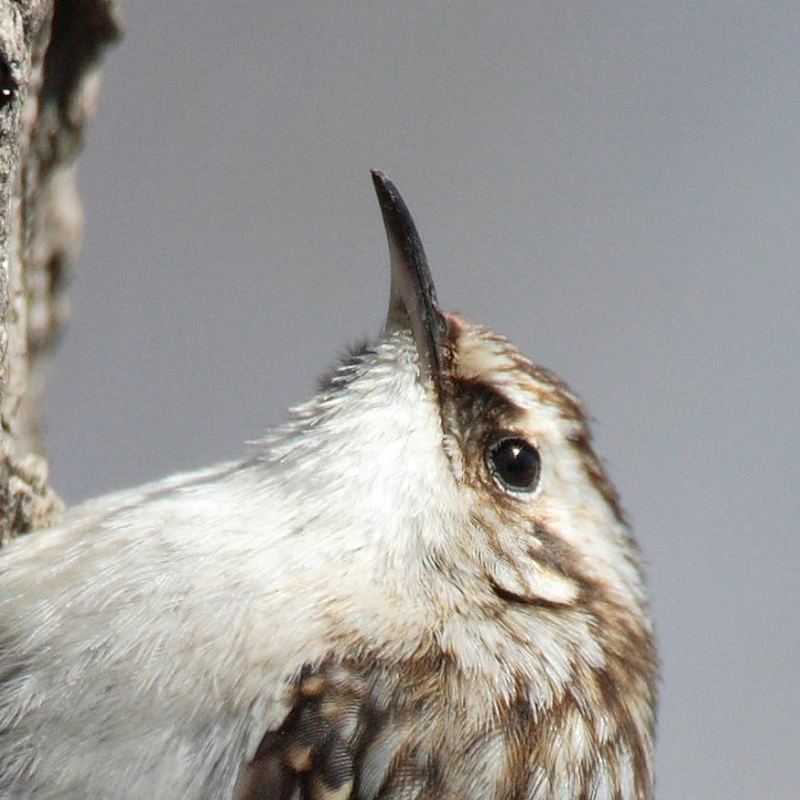
Brown Creeper avatar
Brown Creeper Certhia americana
Year-Round

Feeder: Suet smeared on tree bark; spirals up trunks for hidden insects.
Guide →
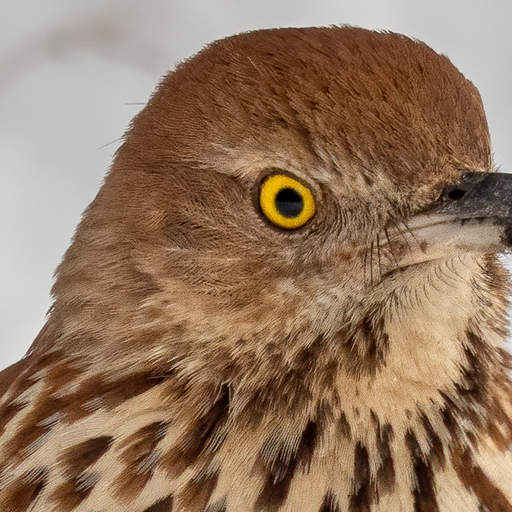
Brown Thrasher avatar
Brown Thrasher Toxostoma rufum
Summer Breeder

Feeder: Ground-scattered peanuts and corn near thick brush piles.

Guide →
Brown-headed Cowbird avatar
Brown-headed Cowbird Molothrus ater
Year-Round

Feeder: Cracked corn and grain on the ground; a nest parasite.
Guide →
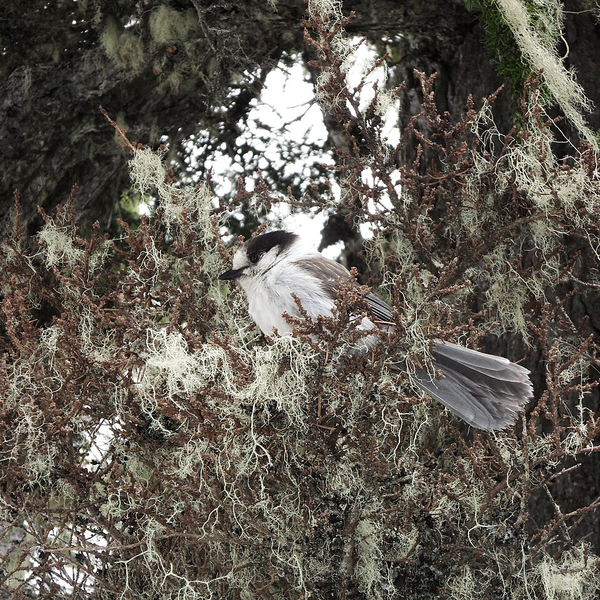
Canada Jay avatar
Canada Jay Perisoreus canadensis
Year-Round

Feeder: Visits backyard feeders and water features.

Guide →
Cedar Waxwing avatar
Cedar Waxwing Bombycilla cedrorum
Year-Round

Feeder: Berry-producing trees and a fountain or moving water.
Guide →
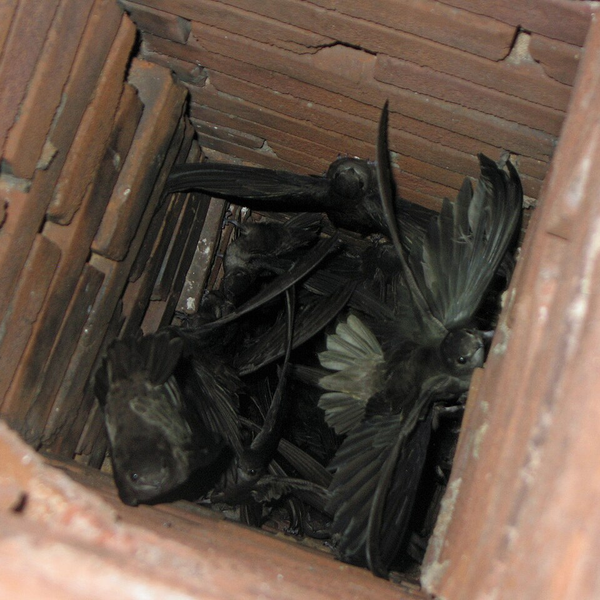
Chimney Swift avatar
Chimney Swift Chaetura pelagica
Summer Breeder

Feeder: Visits backyard feeders and water features.

Guide →
Chipping Sparrow avatar
Chipping Sparrow Spizella passerina
Summer Breeder

Feeder: Fine seed mix and grass seed scattered on open ground.

Guide →
Common Grackle avatar
Common Grackle Quiscalus quiscula
Year-Round

Feeder: Cracked corn and sunflower; dominates feeders — use caged feeders.
Guide →
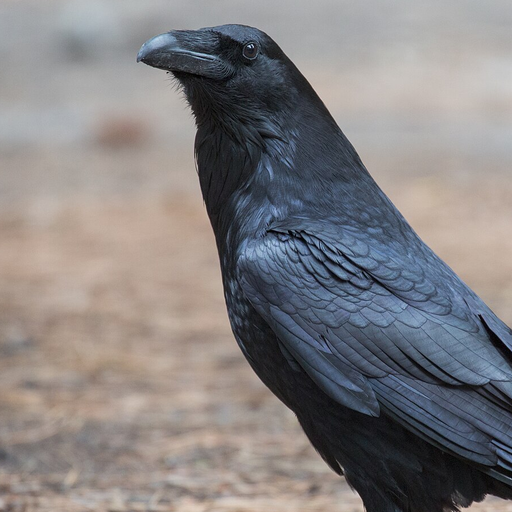
Common Raven avatar
Common Raven Corvus corax
Year-Round

Feeder: Rarely visits feeders; appreciate these giants from the window.
Guide →
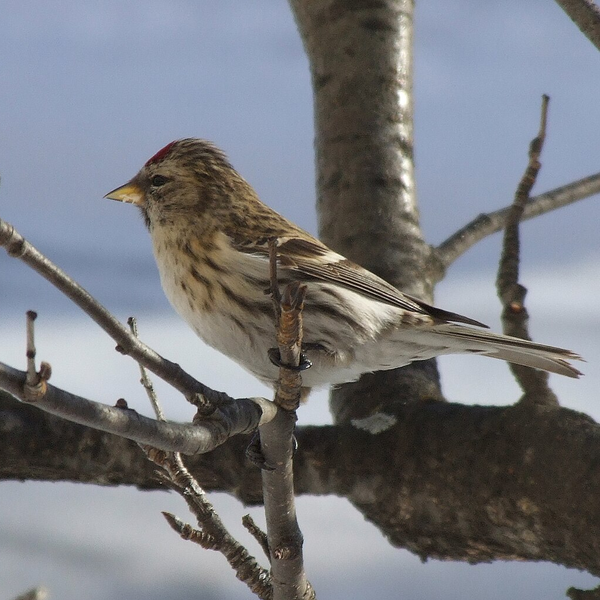
Common Redpoll avatar
Common Redpoll Acanthis flammea
Winter Visitor

Feeder: Visits backyard feeders and water features.

Guide →
Cooper's Hawk avatar
Cooper’s Hawk Accipiter cooperii
Year-Round

Feeder: Not a feeder guest — it hunts the birds at your feeders.
Guide →
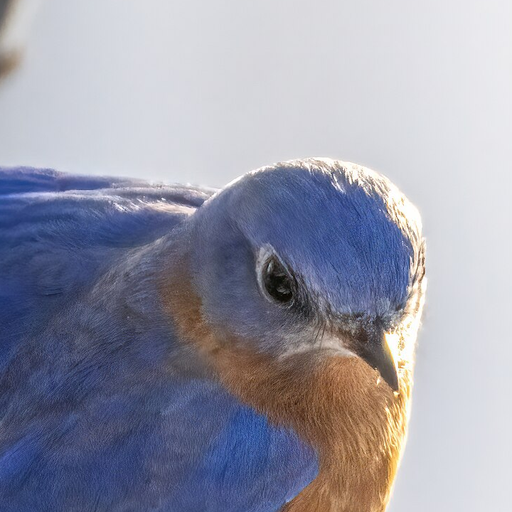
Eastern Bluebird avatar
Eastern Bluebird Sialia sialis
Summer Breeder

Feeder: Live mealworms in a tray; nest boxes with a 1.5-inch hole.
Guide →
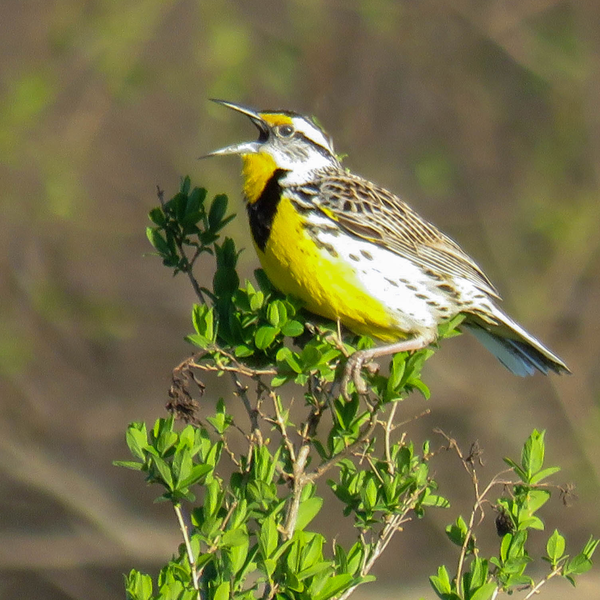
Eastern Meadowlark avatar
Eastern Meadowlark Sturnella magna
Summer Breeder

Feeder: Visits backyard feeders and water features.
Guide →
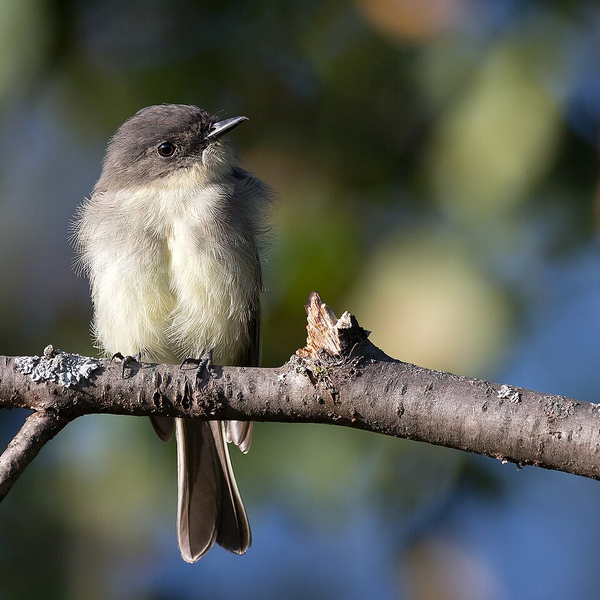
Eastern Phoebe avatar
Eastern Phoebe Sayornis phoebe
Summer Breeder

Feeder: Visits backyard feeders and water features.

Guide →
Eastern Screech-Owl avatar
Eastern Screech-Owl Megascops asio
Year-Round

Feeder: Deep wooden nest boxes in mature trees; hunts at night.

Guide →
Eastern Towhee avatar
Eastern Towhee Pipilo erythrophthalmus
Summer Breeder

Feeder: Whole peanuts and sunflower under dense shrubs; scratches in leaves.
Guide →
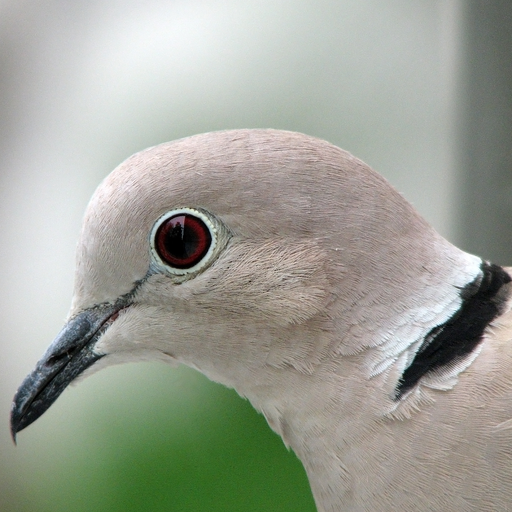
Eurasian Collared-Dove avatar
Eurasian Collared-Dove Streptopelia decaocto
Year-Round

Feeder: Large grains on big platform feeders; spreading fast.

Guide →
European Starling avatar
European Starling Sturnus vulgaris
Year-Round

Feeder: Suet and crumbs; use starling-resistant caged feeders.
Guide →
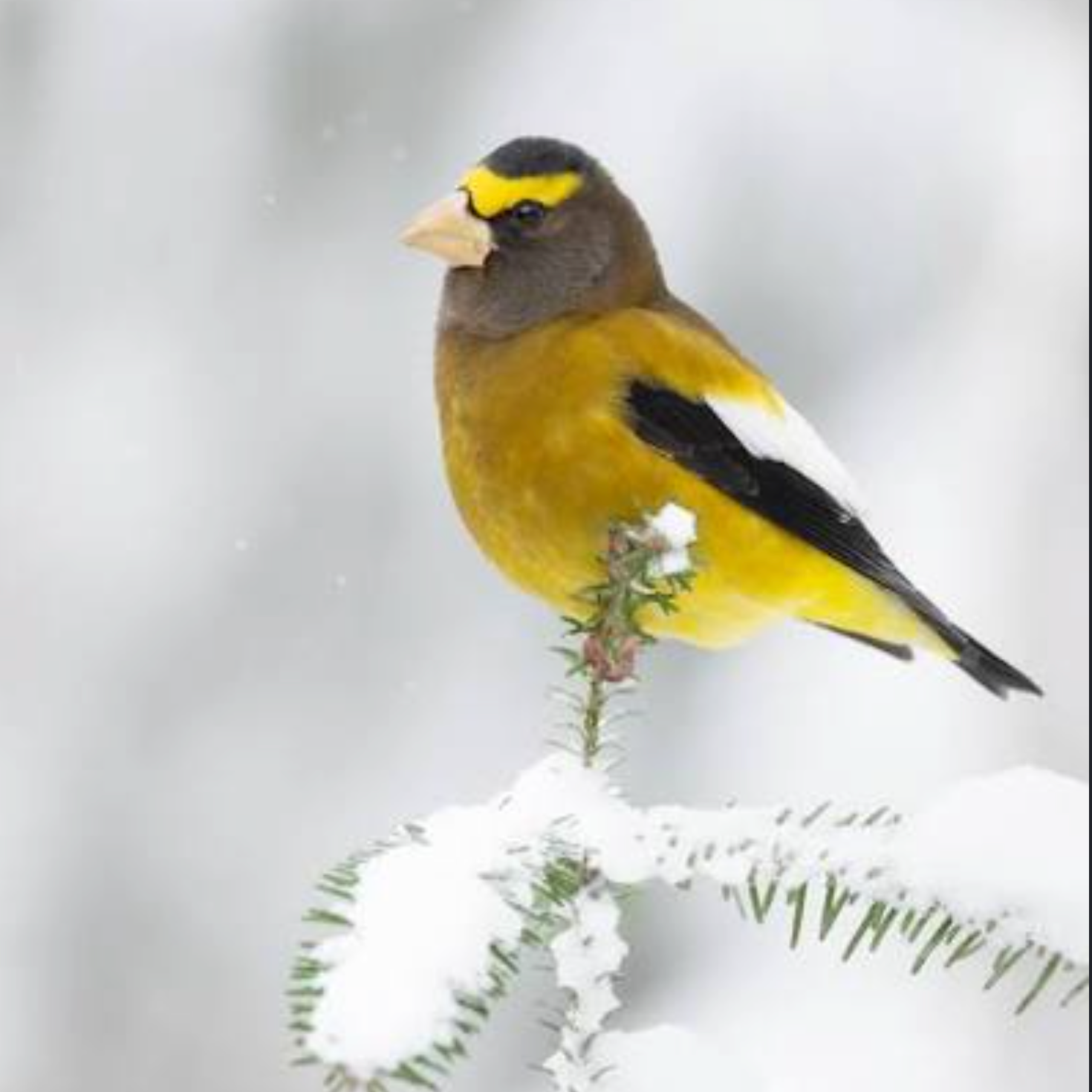
Evening Grosbeak avatar
Evening Grosbeak Hesperiphona vespertina
Year-Round

Feeder: Striped sunflower on big platform feeders — arrives in hungry flocks.

Guide →
Fox Sparrow avatar
Fox Sparrow Passerella iliaca
Winter Visitor

Feeder: Sunflower pieces and cracked corn; double-scratches in leaf litter.
Guide →
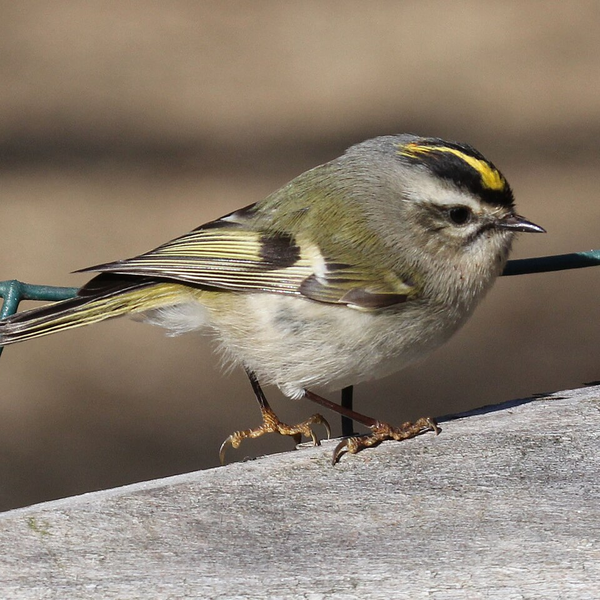
Golden-crowned Kinglet avatar
Golden-crowned Kinglet Regulus satrapa
Summer Breeder

Feeder: Visits backyard feeders and water features.
Guide →
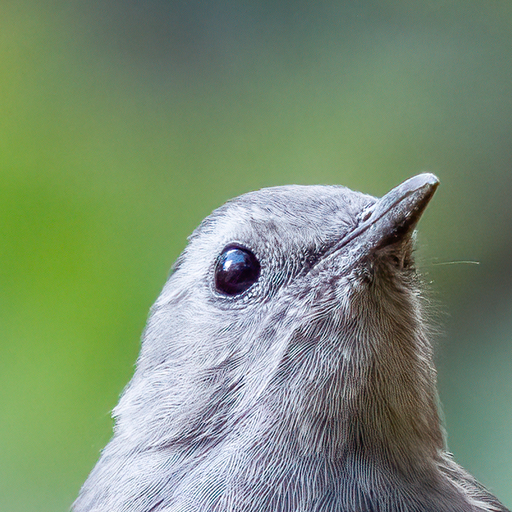
Gray Catbird avatar
Gray Catbird Dumetella carolinensis
Summer Breeder

Feeder: Grape jelly, halved oranges, raisins, and dense shady shrubs.
Guide →
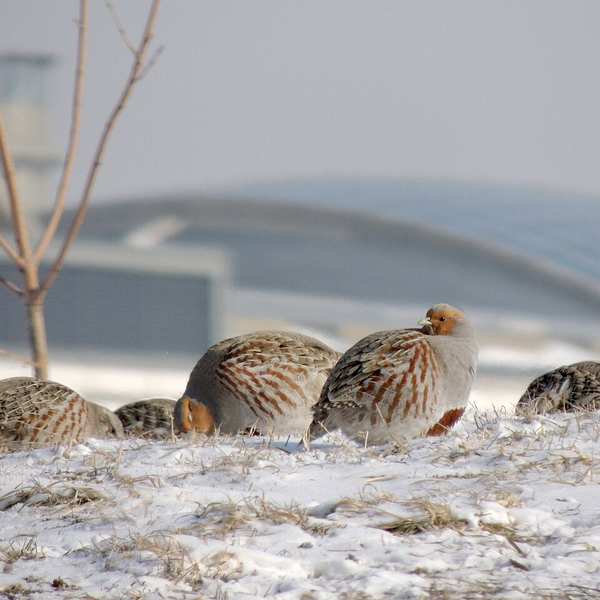
Gray Partridge avatar
Gray Partridge Perdix perdix
Year-Round

Feeder: Visits backyard feeders and water features.
Guide →
Great Crested Flycatcher avatar
Great Crested Flycatcher Myiarchus crinitus
Summer Breeder

Feeder: Visits backyard feeders and water features.
Guide →
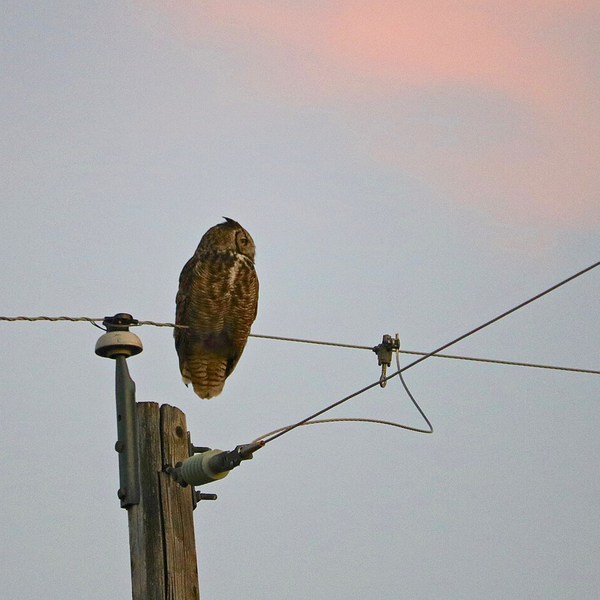
Great Horned Owl avatar
Great Horned Owl Bubo virginianus
Year-Round

Feeder: Visits backyard feeders and water features.

Guide →
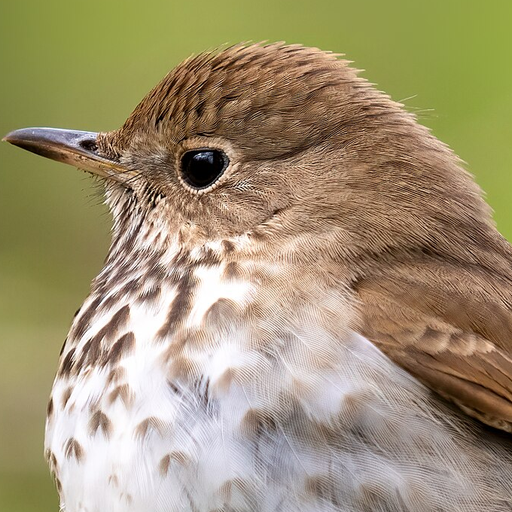
Hermit Thrush avatar
Hermit Thrush Catharus guttatus
Summer Breeder

Feeder: Berry-producing shrubs and a ground birdbath in shady yards.
Guide →
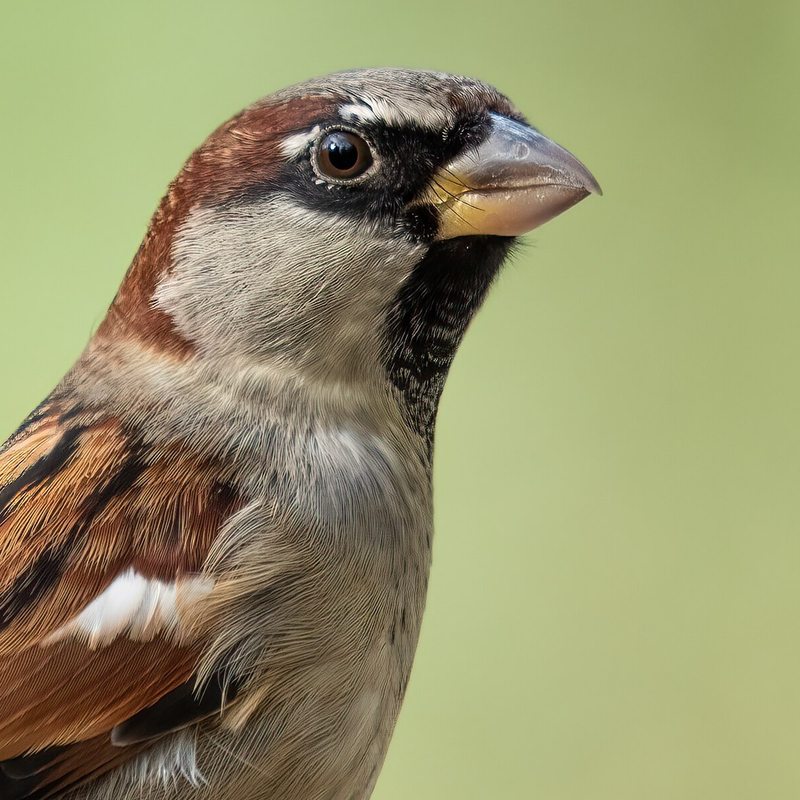
House Sparrow avatar
House Sparrow Passer domesticus
Year-Round

Feeder: Cracked corn, millet, and crumbs; nests in cavities and crevices.

Guide →
House Wren avatar
House Wren Troglodytes aedon
Summer Breeder

Feeder: Nest boxes with 1-inch holes; eats insects, not seed.
Guide →
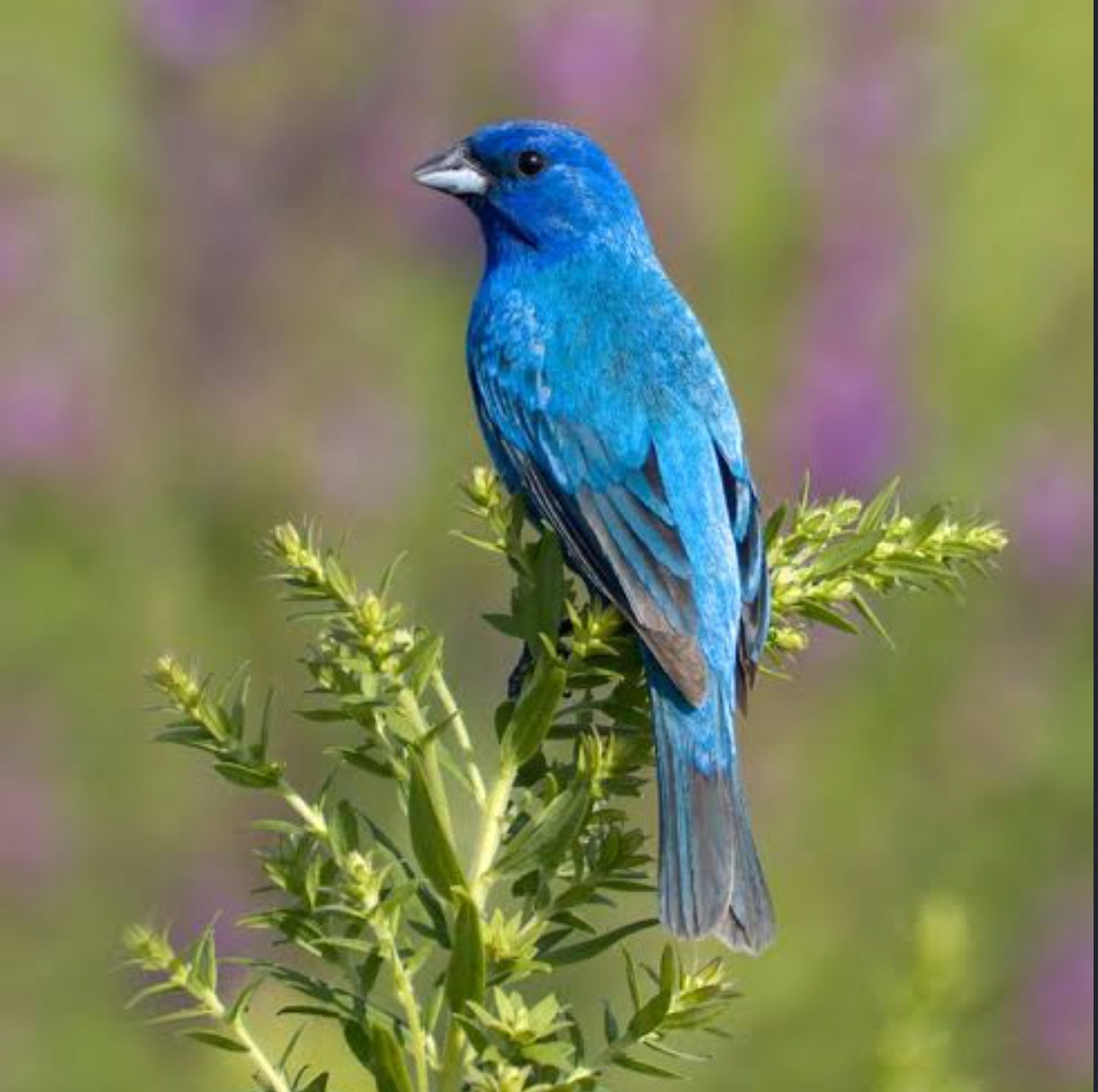
Indigo Bunting avatar
Indigo Bunting Passerina cyanea
Summer Breeder

Feeder: Nyjer, white millet, and live mealworms; likes weedy edges.
Guide →
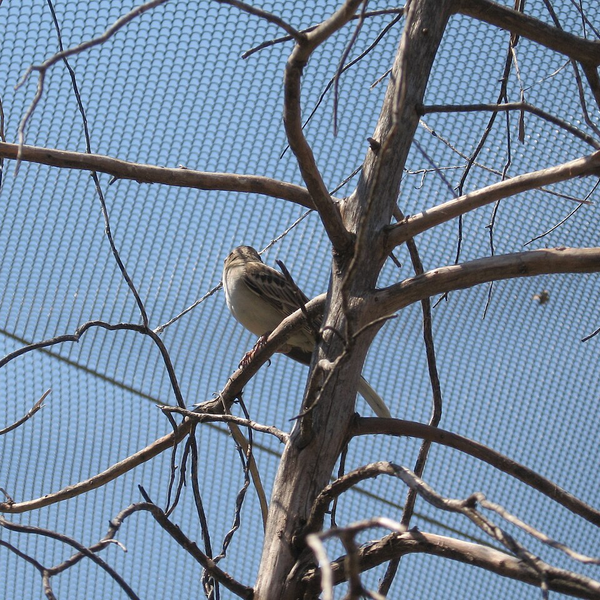
Lark Sparrow avatar
Lark Sparrow Chondestes grammacus
Summer Breeder

Feeder: Visits backyard feeders and water features.
Guide →
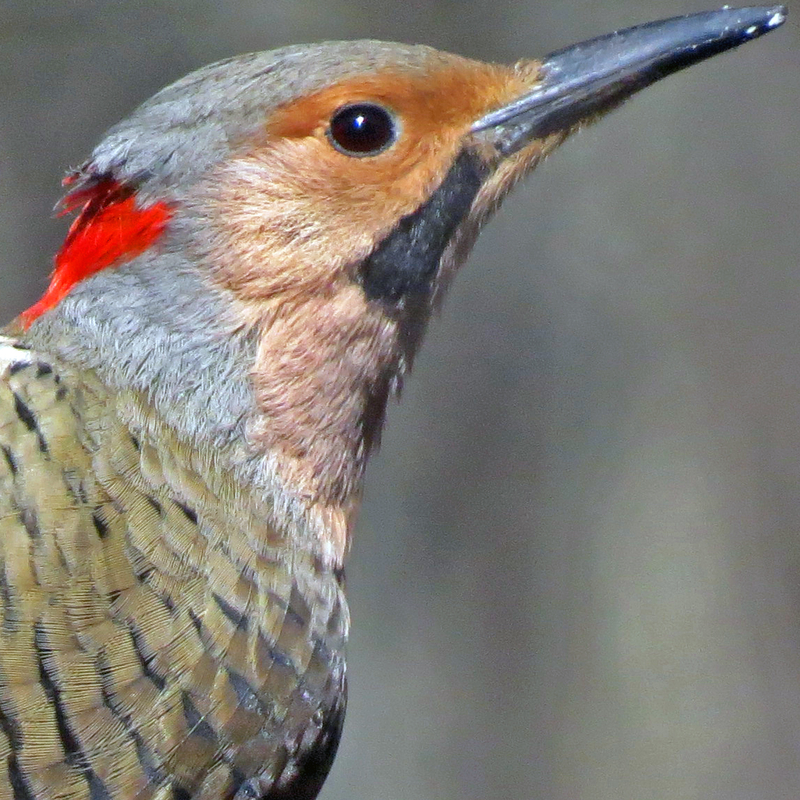
Northern Flicker avatar
Northern Flicker Colaptes auratus
Year-Round

Feeder: Suet on a sturdy cage; often feeds on the ground for ants.

Guide →
Orchard Oriole avatar
Orchard Oriole Icterus spurius
Summer Breeder

Feeder: Nectar feeders and fruit slices near riverside trees.
Guide →
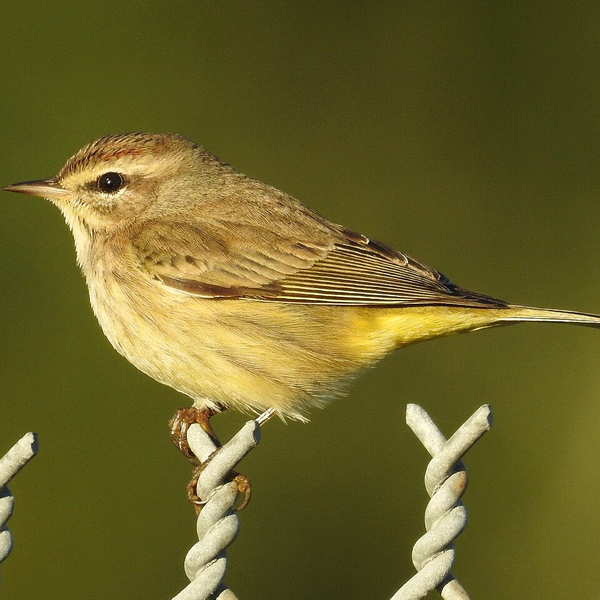
Palm Warbler avatar
Palm Warbler Setophaga palmarum
Summer Breeder

Feeder: Visits backyard feeders and water features.
Guide →
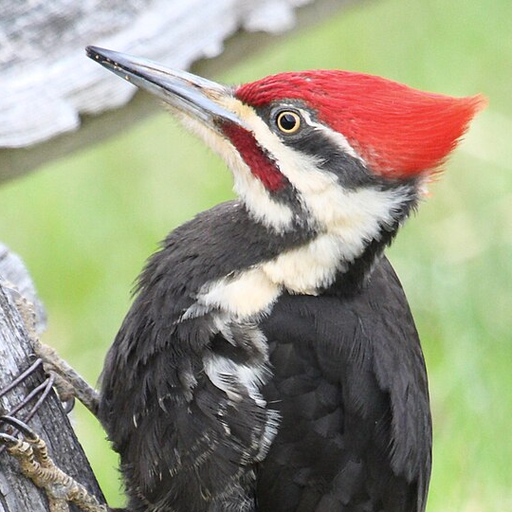
Pileated Woodpecker avatar
Pileated Woodpecker Dryocopus pileatus
Year-Round

Feeder: Large suet feeders mounted on a board or big trunk.
Guide →
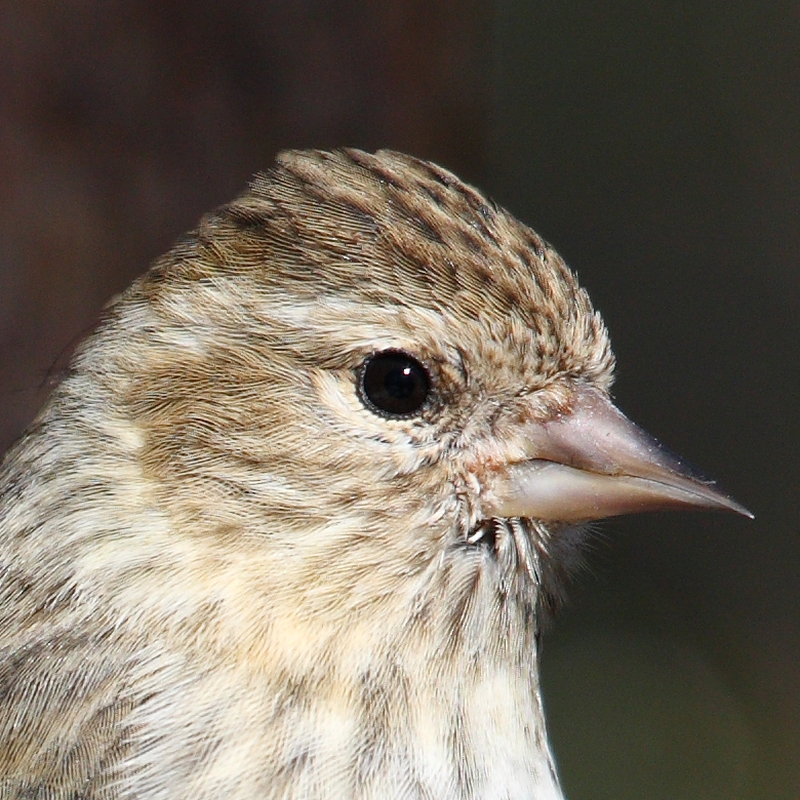
Pine Siskin avatar
Pine Siskin Spinus pinus
Year-Round

Feeder: Nyjer and fine sunflower chips; irrupts to feeders in dense flocks.
Guide →
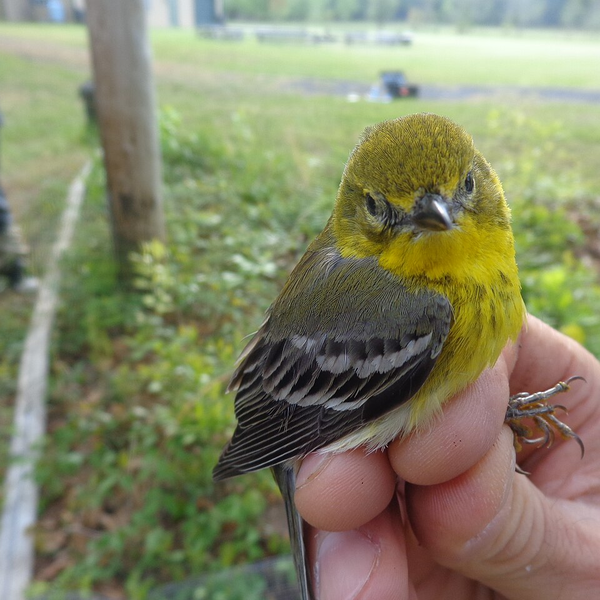
Pine Warbler avatar
Pine Warbler Setophaga pinus
Summer Breeder

Feeder: Visits backyard feeders and water features.
Guide →
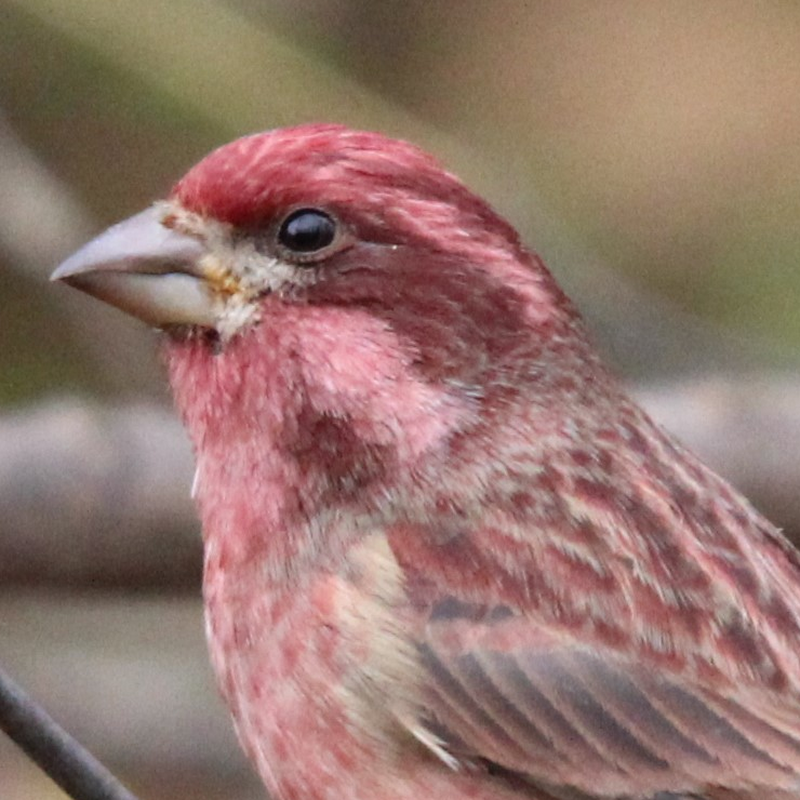
Purple Finch avatar
Purple Finch Haemorhous purpureus
Year-Round

Feeder: Black oil sunflower, especially at tube feeders, in winter and spring.
Guide →
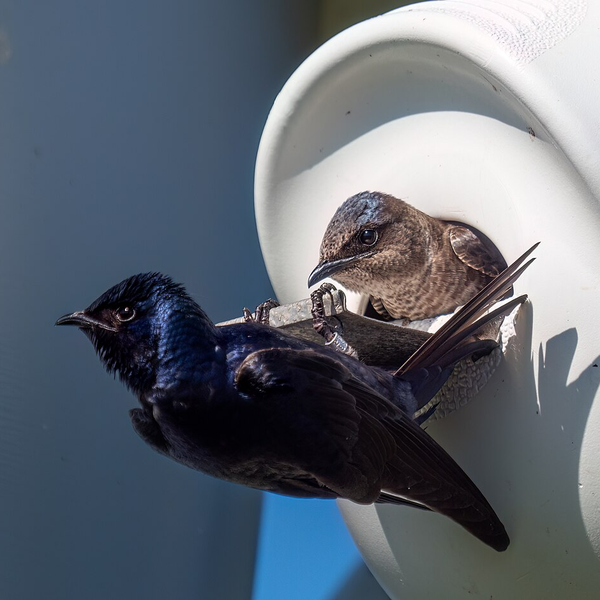
Purple Martin avatar
Purple Martin Progne subis
Summer Breeder

Feeder: Visits backyard feeders and water features.
Guide →
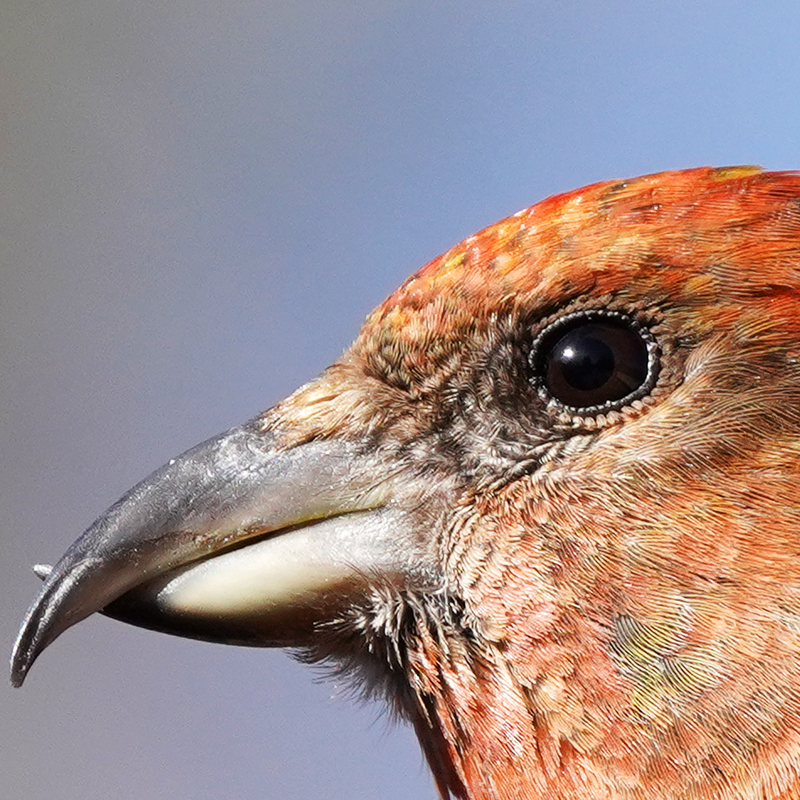
Red Crossbill avatar
Red Crossbill Loxia curvirostra
Year-Round

Feeder: Sunflower seeds on open platforms; visits erratically with cone crops.
Guide →
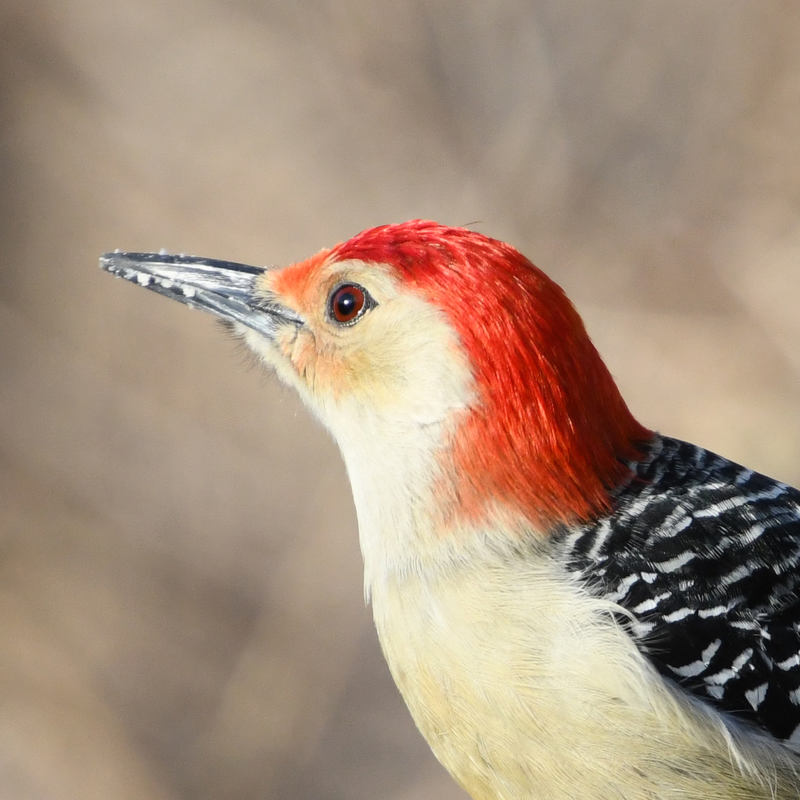
Red-bellied Woodpecker avatar
Red-bellied Woodpecker Melanerpes carolinus
Year-Round

Feeder: Suet, whole peanuts, and orange halves; rolling churr call.
Guide →
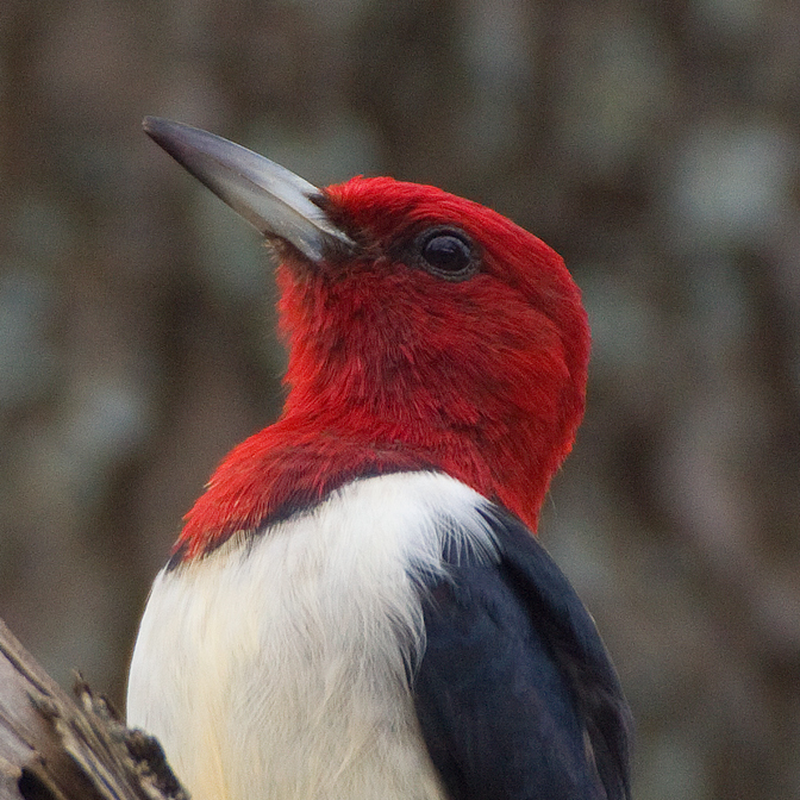
Red-headed Woodpecker avatar
Red-headed Woodpecker Melanerpes erythrocephalus
Summer Breeder

Feeder: Acorns, whole corn, and suet near open mature woodland.
Guide →
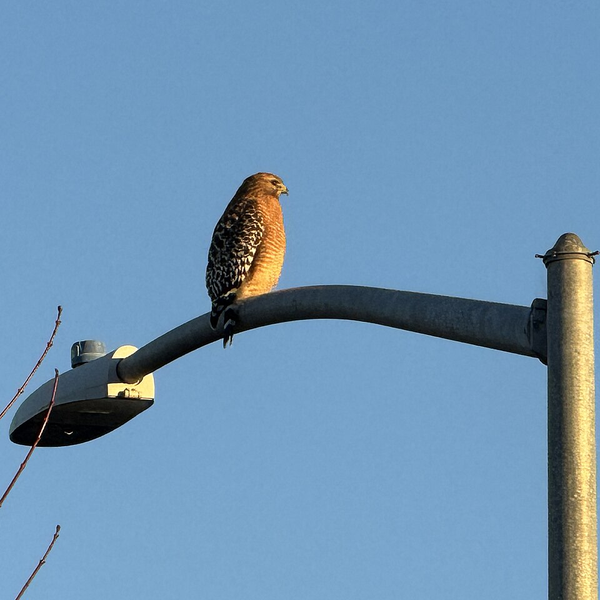
Red-shouldered Hawk avatar
Red-shouldered Hawk Buteo lineatus
Year-Round

Feeder: Visits backyard feeders and water features.
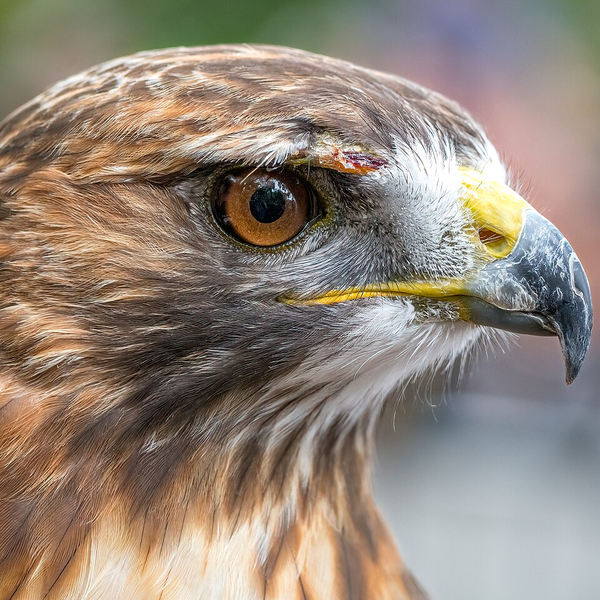
Guide →
Red-tailed Hawk avatar
Red-tailed Hawk Buteo jamaicensis
Year-Round

Feeder: Visits backyard feeders and water features.

Guide →
Red-winged Blackbird avatar
Red-winged Blackbird Agelaius phoeniceus
Year-Round

Feeder: Sunflower, millet, and corn — arrives in loud flocks.
Guide →
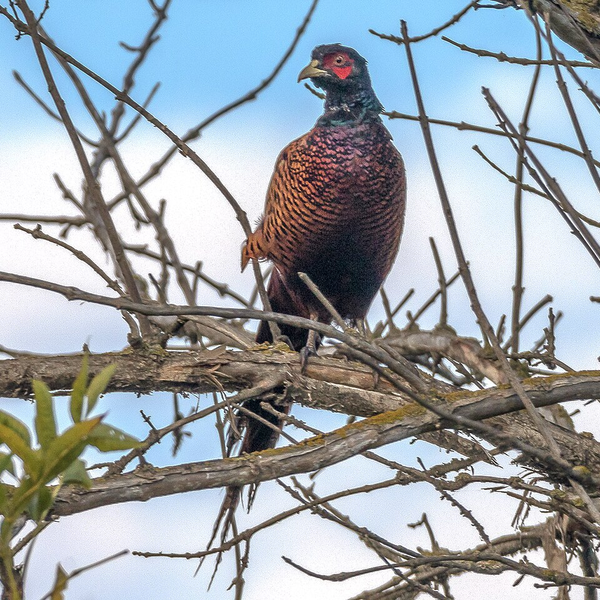
Ring-necked Pheasant avatar
Ring-necked Pheasant Phasianus colchicus
Year-Round

Feeder: Visits backyard feeders and water features.
Guide →
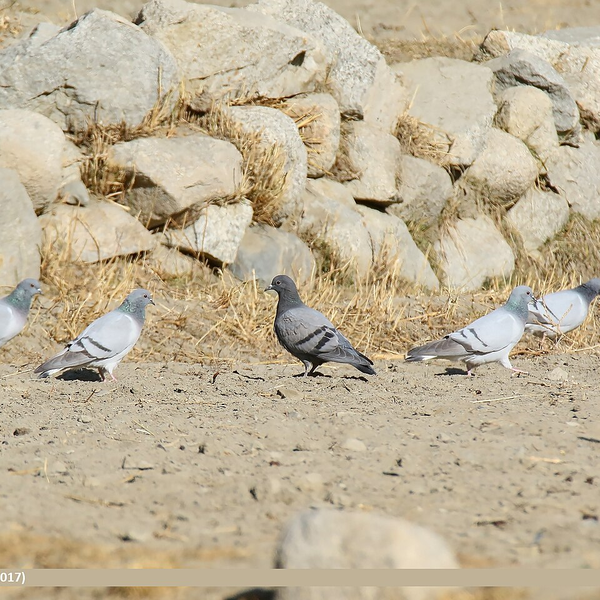
Rock Pigeon avatar
Rock Pigeon Columba livia
Year-Round

Feeder: Visits backyard feeders and water features.
Guide →
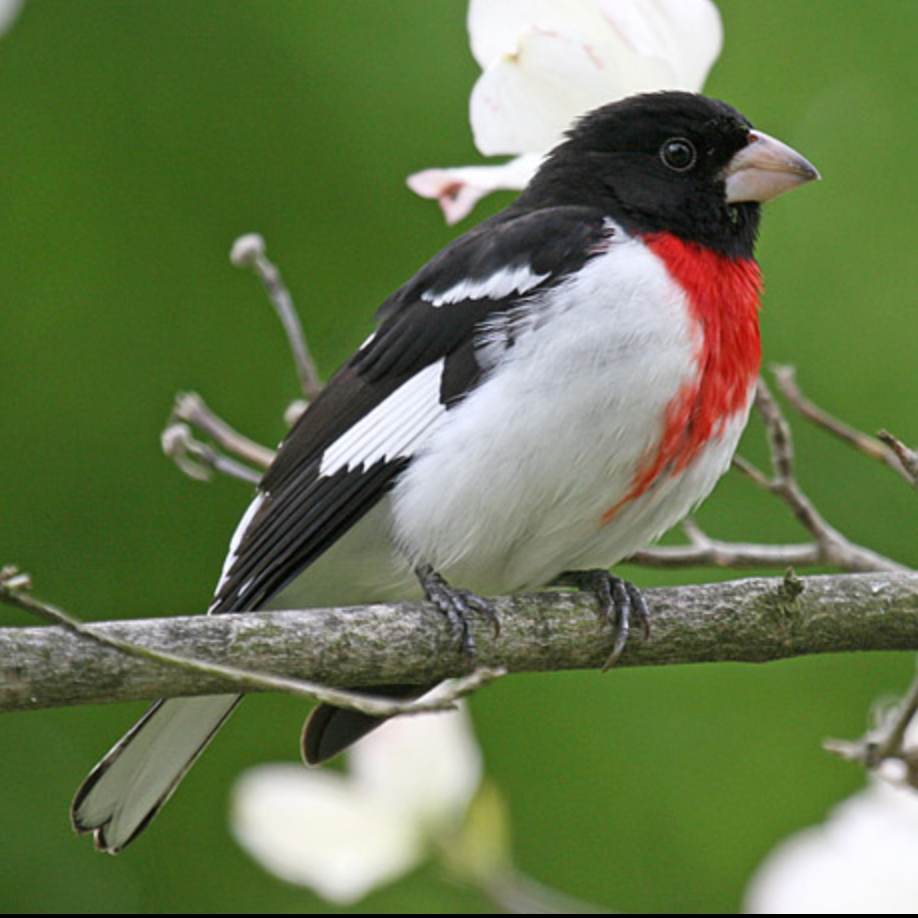
Rose-breasted Grosbeak avatar
Rose-breasted Grosbeak Pheucticus ludovicianus
Summer Breeder

Feeder: Black oil sunflower on a platform; visits May through summer.
Guide →
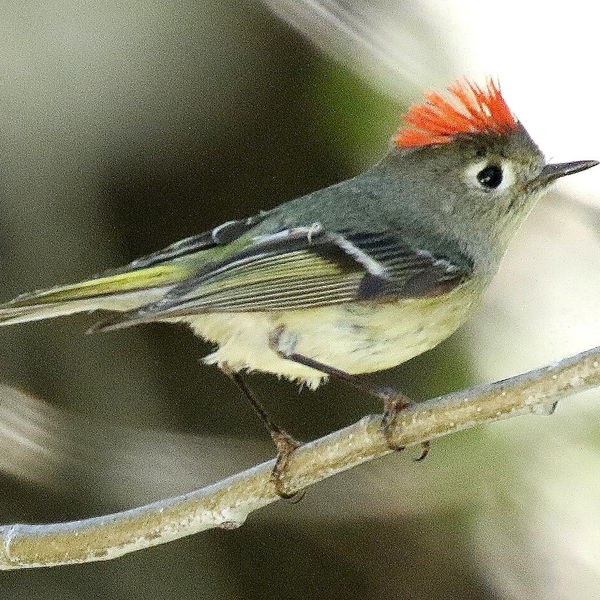
Ruby-crowned Kinglet avatar
Ruby-crowned Kinglet Corthylio calendula
Summer Breeder

Feeder: Visits backyard feeders and water features.
Guide →
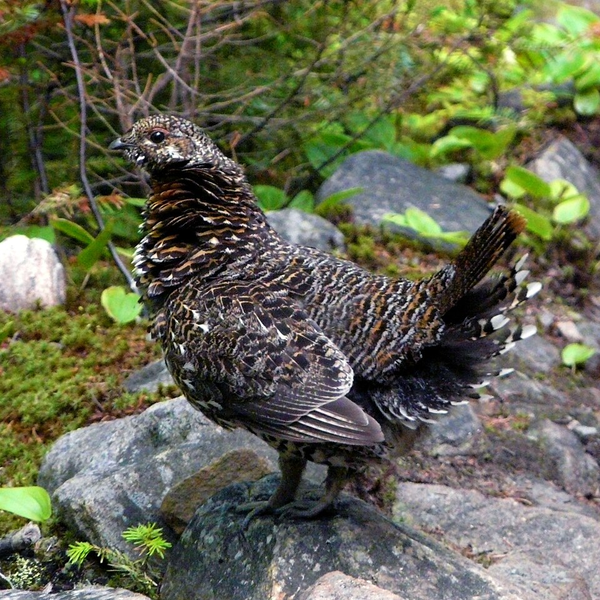
Ruffed Grouse avatar
Ruffed Grouse Bonasa umbellus
Year-Round

Feeder: Visits backyard feeders and water features.
Guide →
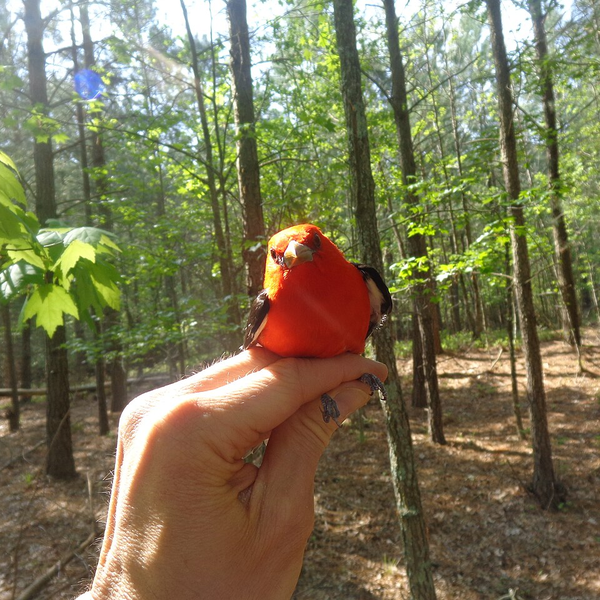
Scarlet Tanager avatar
Scarlet Tanager Piranga olivacea
Summer Breeder

Feeder: Visits backyard feeders and water features.
Guide →
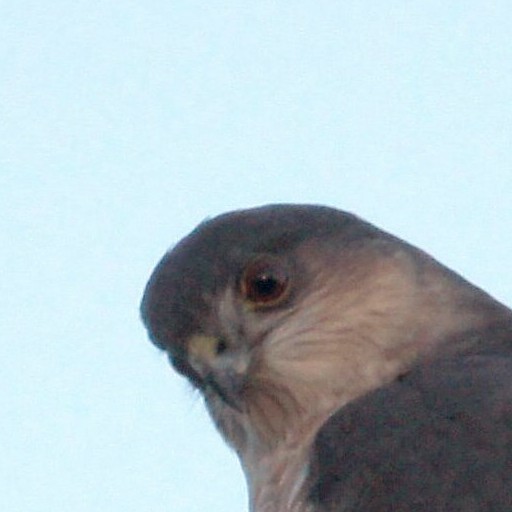
Sharp-shinned Hawk avatar
Sharp-shinned Hawk Accipiter striatus
Summer Breeder

Feeder: Hunts small feeder birds in winter; give feeders escape cover.
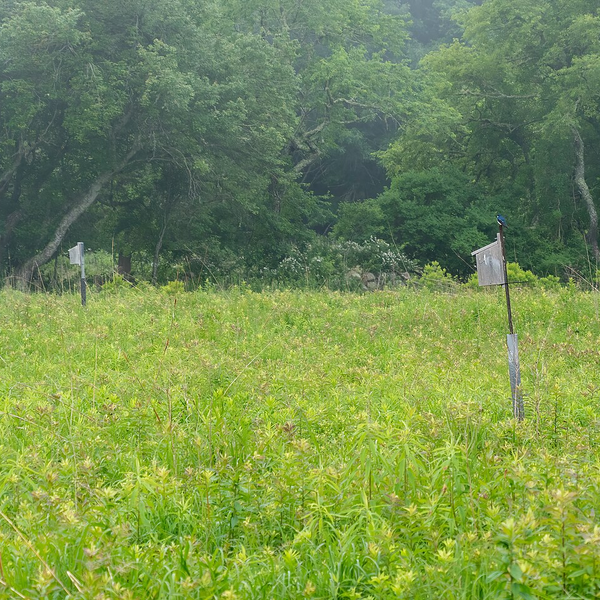
Guide →
Tree Swallow avatar
Tree Swallow Tachycineta bicolor
Summer Breeder

Feeder: Visits backyard feeders and water features.
Guide →
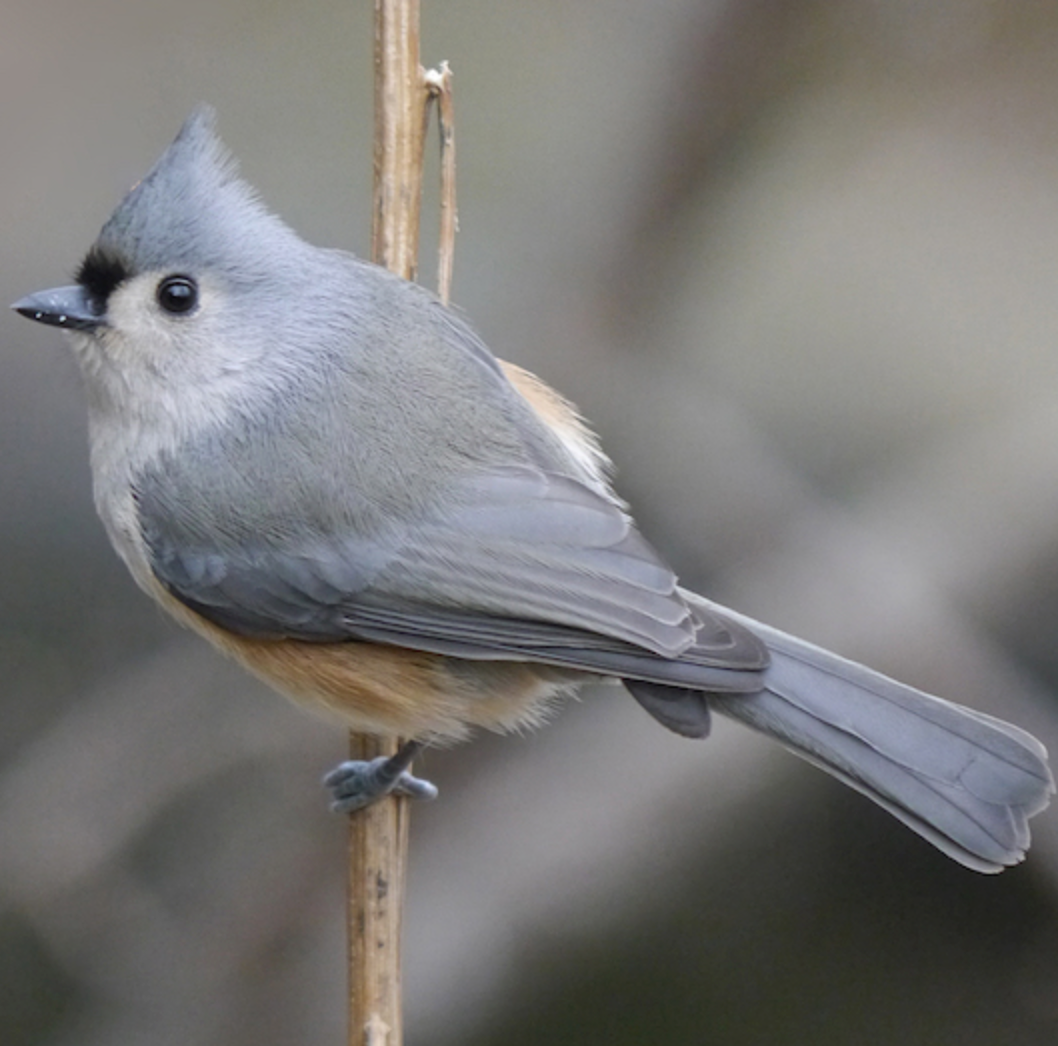
Tufted Titmouse avatar
Tufted Titmouse Baeolophus bicolor
Year-Round

Feeder: Whole peanuts, sunflower seeds, and suet; a devoted cacher.
Guide →
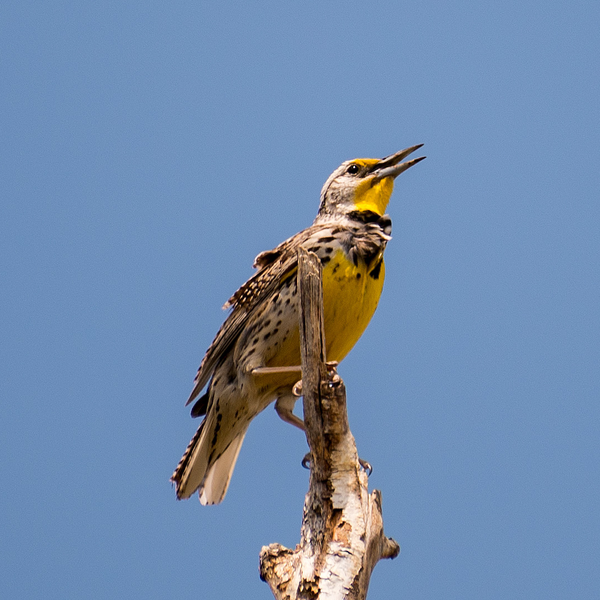
Western Meadowlark avatar
Western Meadowlark Sturnella neglecta
Summer Breeder

Feeder: Visits backyard feeders and water features.

Guide →
White-throated Sparrow avatar
White-throated Sparrow Zonotrichia albicollis
Summer Breeder

Feeder: Cracked corn and millet scattered under shrub cover.
Guide →
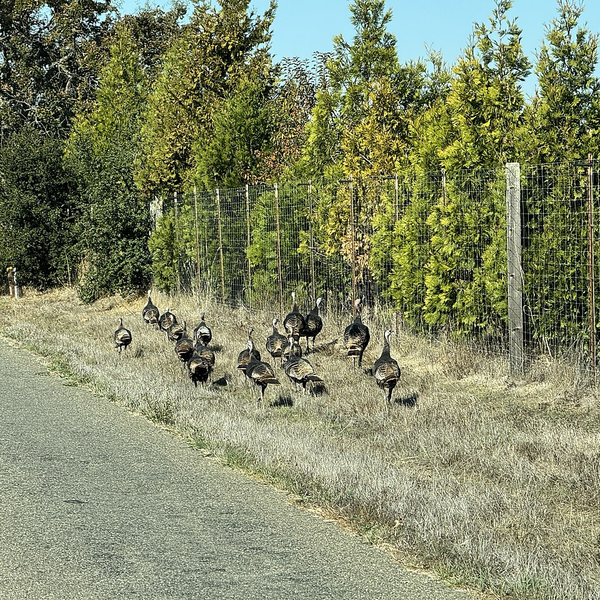
Wild Turkey avatar
Wild Turkey Meleagris gallopavo
Year-Round

Feeder: Visits backyard feeders and water features.
Guide →
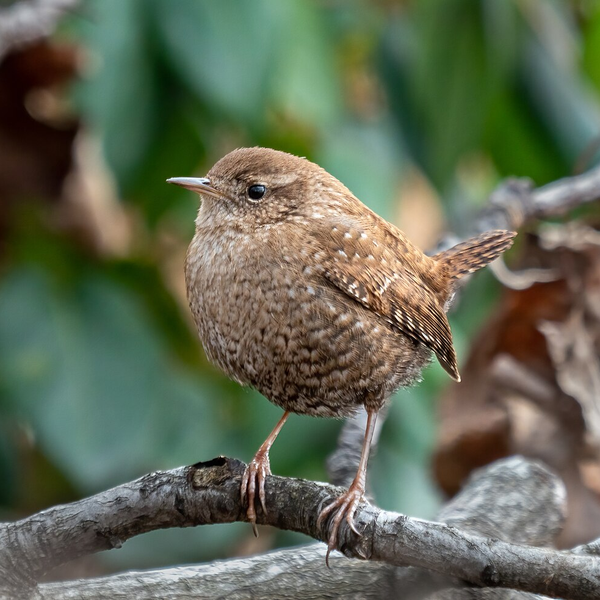
Winter Wren avatar
Winter Wren Troglodytes hiemalis
Year-Round

Feeder: Visits backyard feeders and water features.
Guide →
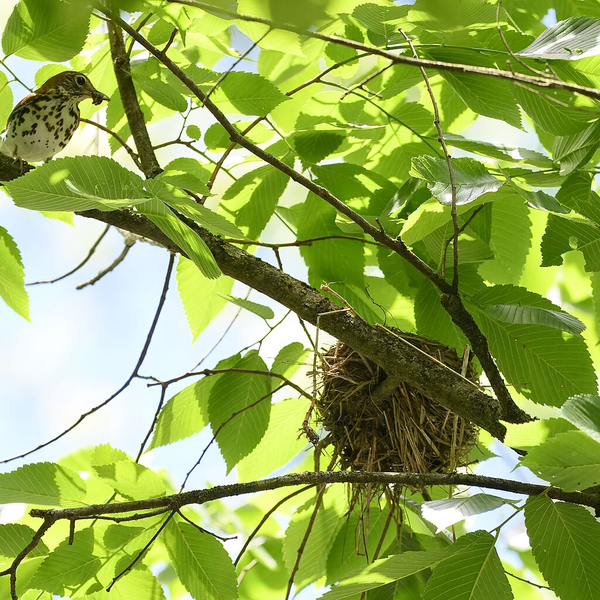
Wood Thrush avatar
Wood Thrush Hylocichla mustelina
Summer Breeder

Feeder: Visits backyard feeders and water features.
Guide →
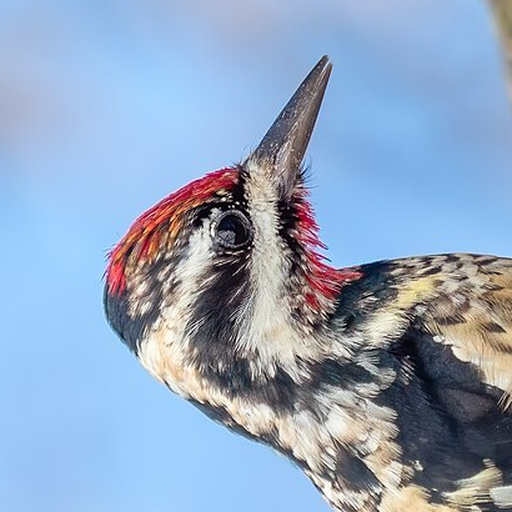
Yellow-bellied Sapsucker avatar
Yellow-bellied Sapsucker Sphyrapicus varius
Summer Breeder

Feeder: Suet and sap wells; drills rows of holes in tree bark.
Guide →
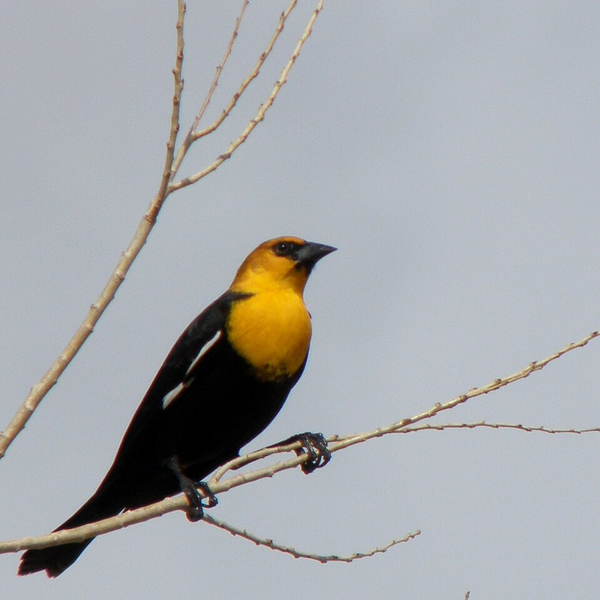
Yellow-headed Blackbird avatar
Yellow-headed Blackbird Xanthocephalus xanthocephalus
Summer Breeder

Feeder: Visits backyard feeders and water features.

Guide →
Yellow-rumped Warbler avatar
Yellow-rumped Warbler Setophaga coronata
Summer Breeder

Feeder: Suet cakes, berries, and peanut butter smeared on bark.

Guide →

The Wisconsin Seasonal Feeder Calendar

🌱 Spring

March – May

Robins return to southern lawns in March. In Northwoods bear country, feeders come down by early April. Switch to nectar for hummingbirds (early May) and oranges plus jelly for orioles. April storms bring junco and sparrow waves to southern feeders. Clean nest boxes for chickadees.

☀️ Summer

June – August

Bear season up north — no seed or suet there. Keep hummingbird nectar fresh (change every 2–3 days in heat) and offer a clean birdbath. Goldfinches nest late, timing chicks to the July thistle crop. Watch oriole families at jelly dishes through July.

🍂 Autumn

September – November

Jay flights stream down the Lake Michigan shore, and hawk counts along the ridge lines peak in September. Juncos return in October; hummingbirds leave by late September. Feeders may go back up after bears den (late November). Winter finch forecasts hint at Pine Grosbeak years ahead.

❄️ Winter

December – February

Prime feeding season. Black oil sunflower, suet, and white millet serve the resident corps plus junco flocks. The Northwoods can host Pine Grosbeaks, Evening Grosbeaks, and redpolls in irruption years. A heated birdbath earns its keep through January deep freezes.

Frequently Asked Questions: Backyard Birding in Wisconsin

What is the state bird of Wisconsin? +
The American Robin (Turdus migratorius), designated in 1949 after a vote by Wisconsin schoolchildren — the robin beat the mourning dove and the chickadee. It nests in every Wisconsin county, its pre-dawn singing defines the spring, and its March return to southern lawns is the state’s favorite sign of winter’s end. Not all robins leave, though: flocks overwinter in the southern counties wherever crabapples, mountain ash, and sumac hold fruit, visiting heated birdbaths on the coldest days.
When should I take down my bird feeders in Wisconsin because of bears? +
The Wisconsin DNR recommends taking seed and suet feeders down by early April and keeping them down until bears den in late November in the northern half of the state — bear range covers the Northwoods and has been spreading south into central counties. Birdseed is a leading bear attractant, and a fed bear becomes a repeat visitor. In Milwaukee, Madison, and other southern urban areas, year-round feeding is fine. Hummingbird nectar should come inside at night in bear country.
What birds come to Wisconsin feeders in winter? +
The dependable resident corps: Black-capped Chickadees, Downy and Hairy Woodpeckers, both nuthatches, Blue Jays, Northern Cardinals, Mourning Doves, House Finches, American Goldfinches (drab in winter), and Song Sparrows. Dark-eyed Juncos arrive in October. The Northwoods adds boreal bonuses: Pine Grosbeaks, Evening Grosbeaks, Common Redpolls, and Pine Siskins in irruption years — watch sunflower and Nyjer feeders after November cold fronts out of Canada.
Do hummingbirds live in Wisconsin? +
Yes — one species. The Ruby-throated Hummingbird is the only hummingbird that breeds regularly in Wisconsin, arriving in early May and departing by late September. Feed a 1:4 solution of white sugar and water (never honey or red dye), changing it every two to three days in hot weather, and plant bee balm, cardinal flower, and jewelweed. Leave one feeder up until early October for stragglers; any hummingbird after mid-October is likely a rare Rufous Hummingbird worth reporting to the Wisconsin Society for Ornithology.
What is the best seed to attract the most birds in Wisconsin? +
Black oil sunflower is the single best choice: its thin shell and high fat content attract cardinals, chickadees, nuthatches, woodpeckers, goldfinches, and House Finches — nearly the whole cast. Add white millet on the ground or a low platform for juncos, doves, and sparrows; a suet cage for woodpeckers; and a Nyjer sock for goldfinches and irruptive redpolls. In the Northwoods, a large platform feeder handles grosbeak flocks in irruption winters. Skip cheap mixes heavy in red milo, which Wisconsin birds kick aside.
Key Takeaways
  • The State Bird: The American Robin — Wisconsin’s state bird since 1949 — builds the April dawn chorus and winters wherever crabapples and sumac hold fruit in the southern counties.
  • The Bear Rule: Black bears are abundant across the Northwoods; there, seed and suet feeders stay down from April through November. Southern cities feed year-round.
  • Winter Bonanza: Juncos arrive every October, and irruption years bring Pine Grosbeaks, Evening Grosbeaks, and redpolls to northern sunflower platforms.
  • Summer Jewels: Ruby-throated Hummingbirds (May to September) and Baltimore Orioles (early May) answer to nectar, oranges, and grape jelly — no seed required.
  • The Map: The pinned map at the top of this page shows where each of the 16 birds is most characteristic; every pin jumps to a profile with photos, a playable call, and a full guide link.
  • Best Single Upgrade: A heated birdbath — open water in a subzero January pulls in more species than any seed blend.

Wisconsin Backyard Bird Watching Checklist

Large-print checklist format designed for American seniors. Print or download as a 1-page PDF, then tick off each species as you see it.

American Robin Avatar

Wisconsin Birding Checklist

Region: Wisconsin — 84 Backyard Species

DATE: LOCATION:
TIME: OBSERVERS:
SPECIES CHECKLIST — TICK & COUNT
American Robin Turdus migratorius
Black-capped Chickadee Poecile atricapillus
Northern Cardinal Cardinalis
Blue Jay Cyanocitta cristata
Downy Woodpecker Dryobates pubescens
Hairy Woodpecker Dryobates villosus
Red-breasted Nuthatch Sitta canadensis
White-breasted Nuthatch Sitta carolinensis
Mourning Dove Zenaida macroura
American Goldfinch Spinus tristis
House Finch Haemorhous mexicanus
Song Sparrow Melospiza melodia
Dark-eyed Junco Junco hyemalis
Pine Grosbeak Pinicola enucleator
Ruby-throated Hummingbird Archilochus colubris
Baltimore Oriole Icterus galbula
American Crow Corvus brachyrhynchos
American Kestrel Falco sparverius
American Tree Sparrow Spizelloides arborea
Barn Owl Tyto alba
Barn Swallow Hirundo rustica
Barred Owl Strix varia
Bohemian Waxwing Bombycilla garrulus
Brown Creeper Certhia americana
Brown Thrasher Toxostoma rufum
Brown-headed Cowbird Molothrus ater
Canada Jay Perisoreus canadensis
Cedar Waxwing Bombycilla cedrorum
Chimney Swift Chaetura pelagica
Chipping Sparrow Spizella passerina
Common Grackle Quiscalus quiscula
Common Raven Corvus corax
Common Redpoll Acanthis flammea
Cooper’s Hawk Accipiter cooperii
Eastern Bluebird Sialia sialis
Eastern Meadowlark Sturnella magna
Eastern Phoebe Sayornis phoebe
Eastern Screech-Owl Megascops asio
Eastern Towhee Pipilo erythrophthalmus
Eurasian Collared-Dove Streptopelia decaocto
European Starling Sturnus vulgaris
Evening Grosbeak Hesperiphona vespertina
Fox Sparrow Passerella iliaca
Golden-crowned Kinglet Regulus satrapa
Gray Catbird Dumetella carolinensis
Gray Partridge Perdix perdix
Great Crested Flycatcher Myiarchus crinitus
Great Horned Owl Bubo virginianus
Hermit Thrush Catharus guttatus
House Sparrow Passer domesticus
House Wren Troglodytes aedon
Indigo Bunting Passerina cyanea
Lark Sparrow Chondestes grammacus
Northern Flicker Colaptes auratus
Orchard Oriole Icterus spurius
Palm Warbler Setophaga palmarum
Pileated Woodpecker Dryocopus pileatus
Pine Siskin Spinus pinus
Pine Warbler Setophaga pinus
Purple Finch Haemorhous purpureus
Purple Martin Progne subis
Red Crossbill Loxia curvirostra
Red-bellied Woodpecker Melanerpes carolinus
Red-headed Woodpecker Melanerpes erythrocephalus
Red-shouldered Hawk Buteo lineatus
Red-tailed Hawk Buteo jamaicensis
Red-winged Blackbird Agelaius phoeniceus
Ring-necked Pheasant Phasianus colchicus
Rock Pigeon Columba livia
Rose-breasted Grosbeak Pheucticus ludovicianus
Ruby-crowned Kinglet Corthylio calendula
Ruffed Grouse Bonasa umbellus
Scarlet Tanager Piranga olivacea
Sharp-shinned Hawk Accipiter striatus
Tree Swallow Tachycineta bicolor
Tufted Titmouse Baeolophus bicolor
Western Meadowlark Sturnella neglecta
White-throated Sparrow Zonotrichia albicollis
Wild Turkey Meleagris gallopavo
Winter Wren Troglodytes hiemalis
Wood Thrush Hylocichla mustelina
Yellow-bellied Sapsucker Sphyrapicus varius
Yellow-headed Blackbird Xanthocephalus xanthocephalus
Yellow-rumped Warbler Setophaga coronata
FIELD NOTES — WEATHER, SEASON & SIGHTINGS
Weather, season, and notable conditions
✏️
Unexpected visitors, flock counts, first arrival dates