
Gray Partridge
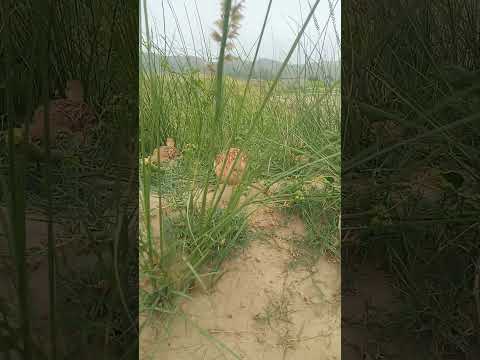


Gray Partridge (Perdix perdix): Complete Identification, Habitat Guide & Sound Library
Quick Answer: How to Attract & Identify the Gray Partridge
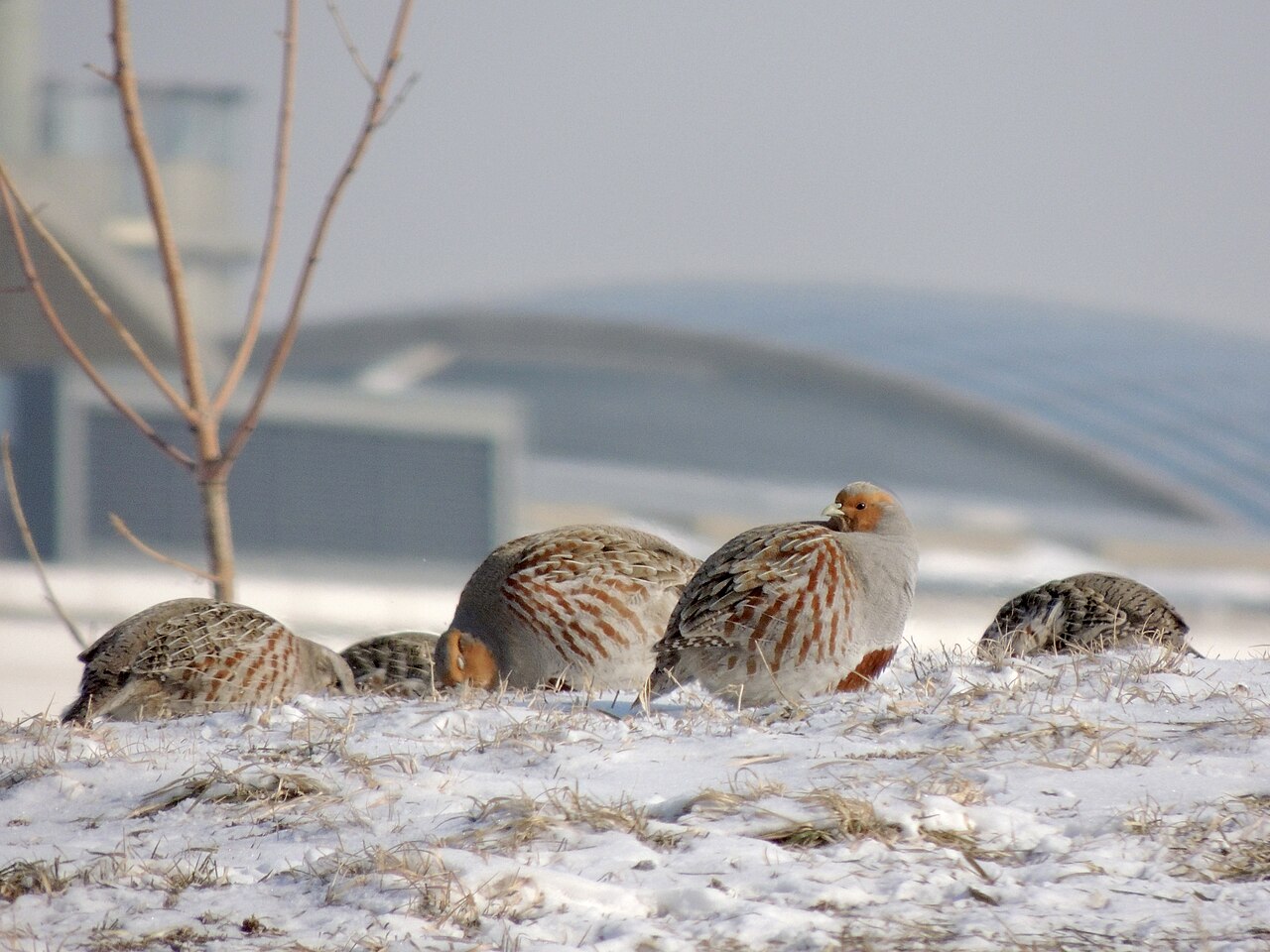
The Gray Partridge (Perdix perdix) — known to generations of hunters as the Hungarian partridge or Hun — is the covey bird of northern farmland: a plump, gray-breasted partridge with a rusty face, chestnut-barred flanks, and a dark belly patch on the male. Its voice is a raspy, mechanical kerr-ick given at dawn and dusk. Coveys of a dozen birds burst from stubble at your feet and sail away on stiff wings. Rural properties support them with grassy field margins, winter weed cover, and scattered grain near shelterbelts. They share the stubble with the Ring-necked Pheasant and the Wild Turkey.
Species Physical Profile & Morphometrics
The Gray Partridge belongs to the pheasant and partridge family (Phasianidae) — an introduced Eurasian species naturalized across the northern Great Plains and prairie farmland, where it is often the most abundant upland ground bird on open agricultural land.
The identification formula: gray breast + rusty face + chestnut-barred flanks, on flat farmland. The Chukar wears a black throat band and owns rocky western slopes; a pheasant is far larger and long-tailed. A covey of plump gray birds bursting from stubble is almost always this species in the northern plains.
Essential Morphometric Field Marks:
- Body Length & Mass: 11.8 to 12.6 inches (30–32 cm) and 13.4 to 19.4 ounces (380–550 grams) — a compact, plump, small-tailed partridge, much smaller than a pheasant.
- Wingspan: Wings are short and rounded — the whirring burst of a flushing covey carries birds low over the stubble for a few hundred yards, then down again.
- Bill Structure & Color: A short, stout dark bill for picking seeds, grain, and green shoots off the ground.
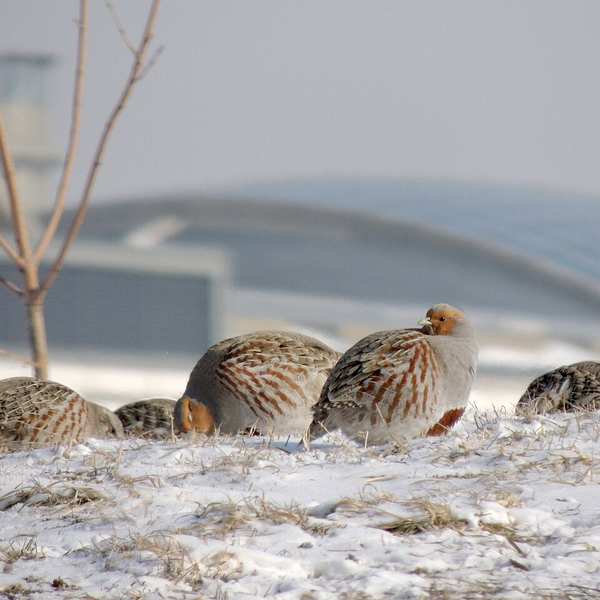
- Color Pattern: Rusty-orange face and throat, soft gray breast, flanks finely barred with chestnut, and a dark chestnut belly patch — large on males, small or absent on females.
- Male vs. Female: Look at the belly: the male’s dark horseshoe patch is large and deep chestnut; the female’s is small, pale, or missing — otherwise the pair matches feather for feather.
The horseshoe-bellied cock: rusty-faced and gray-breasted, standing upright in the stubble as lookout while the covey feeds, the dark horseshoe on his belly catching the low winter sun.
The plainer partner — same rusty face without the bold belly patch — she hides a nest of fifteen olive eggs in a grassy fencerow and leads the chicks to insect-rich margins by their first morning.
Gray Partridge Vocalization Guide (1 Field Recording)
The Gray Partridge speaks in a raspy, mechanical two-note call — kerr-ick or ka-REE-ik — given mostly at dawn and dusk, plus the covey’s excited cackling at the flush. All recordings below are real field audio via Wikimedia Commons — no simulations. For a deeper library, browse xeno-canto: Gray Partridge.
1. The Raspy Kerr-ick
2. The Covey Flush
3. The Rally Calls
Habitat, Range & the Northern Farmland
The Gray Partridge is a bird of open farmland — grain stubble, hay meadows, alfalfa, and grassy field margins across the northern plains. It thrives where small grain fields meet weedy fencerows and shelterbelts; wall-to-wall tilled monoculture starves it, and heavy cover hides it. Winter weed patches and windbreaks decide whether coveys survive to spring.

The Hun of the Northern Stubble
Introduced from Europe in the early twentieth century, the species is now established from the Canadian prairies south through the Dakotas, Minnesota, and Montana, east into the Great Lakes states, with western outposts in Washington and Oregon.
For rural landowners: a farmyard or acreage with grassy margins, a shelterbelt, and winter weed cover can hold a covey all year. The raspy kerr-ick at dawn from your own fencerow is one of the plains’ great homely pleasures.
Backyard Behavioral Patterns & Social Dynamics
The Gray Partridge is a covey-living farmland bird ruled by season and stubble. Four behaviors explain most of what you will observe:
👨👩👧👦 The Covey Year
From fall through spring they live in coveys of 10–15 birds — a family group that feeds, dusts, and roosts together, splitting into pairs only as spring arrives.
⭕ The Circle Roost
Coveys roost in a circle, tails to the center and heads out — often in a snow hollow — so a dozen pairs of eyes watch every direction at once.
🌅 The Dawn & Dusk Caller
The raspy kerr-ick sounds mostly at first and last light — birds calling from the roost site and answering across the stubble.
💥 The Burst Flush
Coveys hold tight, then flush all at once — a whirring explosion of gray wings that has startled generations of plains walkers.
Problem: “A Covey Fed Here All Fall, Then Vanished in January. What Should I Do?”
The three most common Gray Partridge puzzles all have proven answers:
First, the winter disappearance: coveys contract to heavy winter cover near dependable food — if your weed patches were mowed or snow covered the stubble, they moved to a shelterbelt farm. Leave standing weeds and scatter grain near cover in hard weeks and the covey returns. Second, the mistaken pheasant: a lone hen pheasant in winter stubble can read as a big partridge — check the tail; partridges have short rusty tails, pheasants long pointed ones. Third, the silent summer question: pairs go quiet and secretive when nesting in grassy margins — delay mowing fencerows until July and listen again at dawn in August, when the family covey reforms.
Method 1: Keep the Margins — Cover First, Grain in Winter
Design for a covey through the hard months:
-
Leave Grassy Margins Standing
Un-mowed fencerows, ditch banks, and field corners are nesting cover in summer and escape cover all year.
-
Keep Winter Weed Patches
Standing weeds and un-tilled stubble hold seeds above the snow — the winter pantry that keeps a covey on your land.
-
Scatter Grain in Blizzards
During deep-snow weeks, scattered cracked corn or wheat beside the shelterbelt carries the covey through — plain lifesaving.
-
Plant a Shelterbelt
A dense row of shrubs or conifers breaks the wind and gives roosting cover — the anchor of every partridge farm on the plains.
Method 2: Read the Covey — Dawn Listening & Distance
Enjoy the birds without burning their reserves:
-
Listen at First Light
The raspy kerr-ick at dawn maps every covey on your land — count calling directions in October and you have your winter census.
-
Watch the Evening Feed Run
Coveys feed out to stubble in the last hour of light — glass the field edge from the yard rather than walking it.
-
Keep Dogs Off the Dusk Roost
No dog runs in stubble at dusk in winter — every forced flush burns calories the covey cannot spare.
-
Mow Late or Never
Fencerows mowed after mid-July protect nests and hens — the cheapest conservation a landowner can practice.
Tool Solution: Recommended Hardware for Gray Partridge
Equipment matched to a farmland covey bird:
Grassy Fencerow Margin
Un-mowed grass and weeds along fences and ditches — nesting cover, escape cover, and a seed pantry in one strip.
- • Width: 15 ft or more
- • Mowing: After July 15
- • Bonus: Hens & pheasants
Grain Scatter by the Shelterbelt
Cracked corn or wheat beside dense cover in deep-snow weeks — the emergency ration that brings a covey through a blizzard.
- • Food: Cracked corn, wheat
- • Timing: Hard weather
- • Placement: Next to cover
First-Light Listening Post
A thermos and ten quiet minutes on the porch at dawn in October — calling coveys reveal themselves better than any search.
- • Season: Fall & winter
- • Timing: First light
- • Method: Count directions
Frequently Asked Questions
- Species Profile: The Gray Partridge (Perdix perdix) is an 11.8–12.6 inch, 13.4–19.4 ounce introduced partridge (Phasianidae), band code GRAP — the Hun of the northern plains.
- ID in One Look: Rusty face, gray breast, chestnut-barred flanks, dark belly horseshoe on the male, short rusty tail.
- The Sound: A raspy mechanical kerr-ick at dawn and dusk; real field recordings above.
- Range & Habit: Year-round covey bird of northern farmland; circle-roosts in snow, flushes in a whirring burst.
- Landowner Formula: Un-mowed margins, winter weed patches, shelterbelts, and blizzard-week grain beside cover.
- The Plains Companion: A covey bursting from your own stubble is the prairie farm’s oldest thrill.
Bird Watching Log
Species: Gray Partridge (Perdix perdix)
| Gray Partridge (Covey Size: ___ — Belly Patch Seen: Yes / No — Calling: Yes / No — Flushed: Yes / No — Date & Time: ___) | |