
Rock Pigeon



Rock Pigeon (Columba livia): Complete Identification, Feeder Guide & Coo Library
Quick Answer: How to Attract & Identify the Rock Pigeon
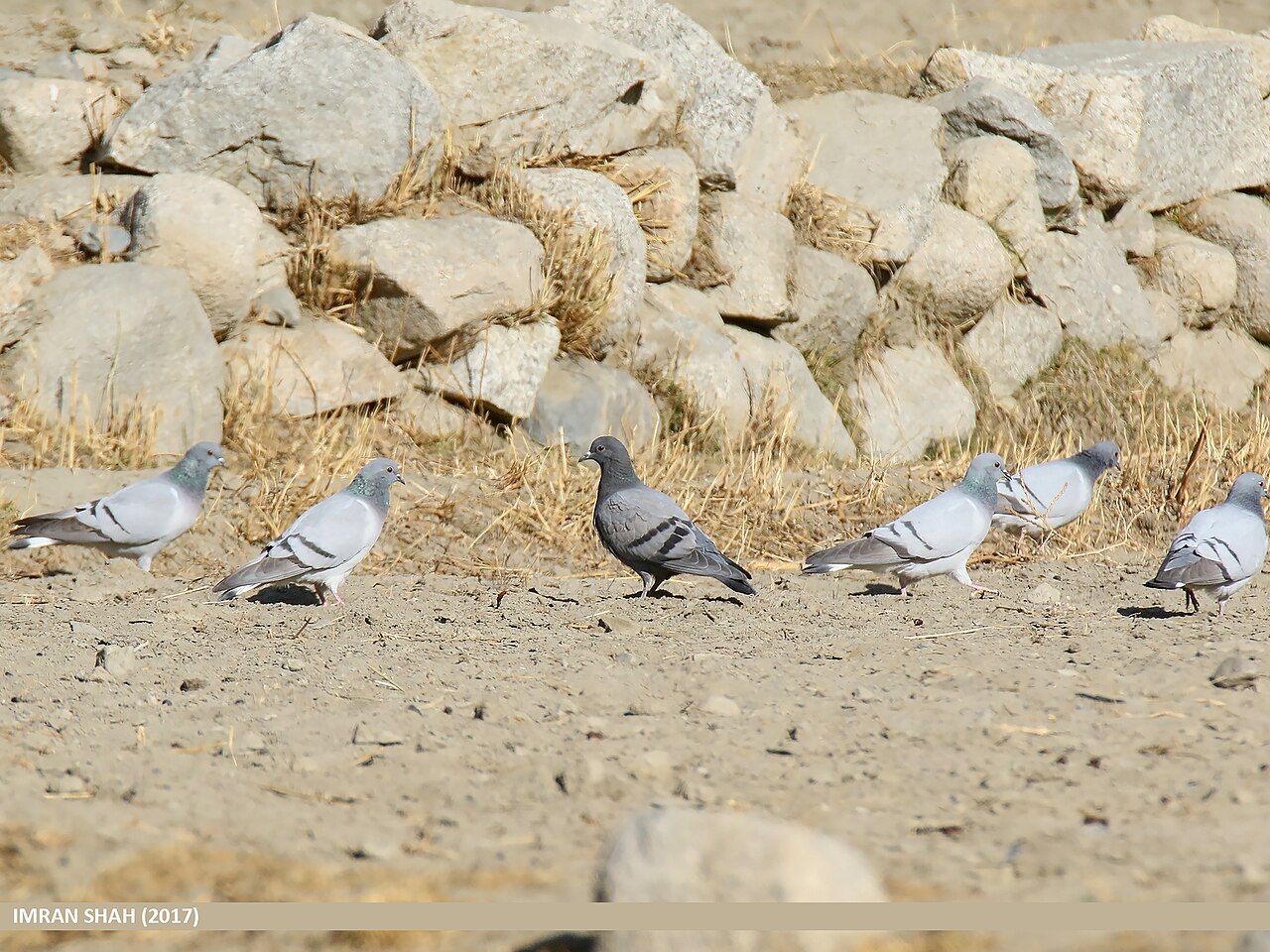
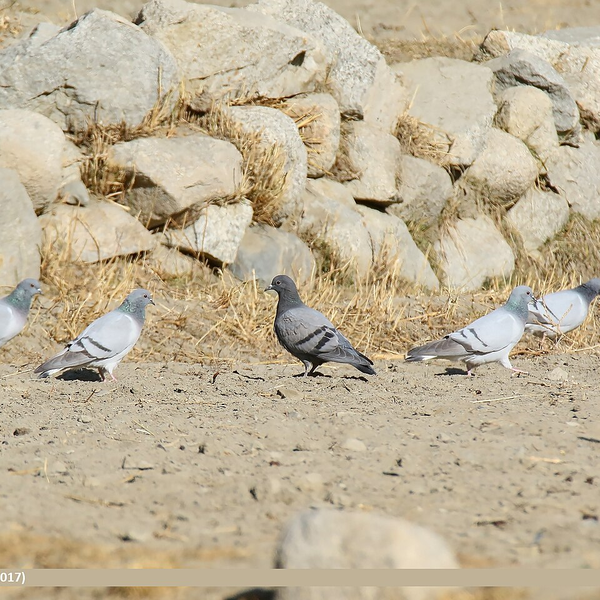
The Rock Pigeon (Columba livia) — ancestor of every domestic pigeon — is the most familiar bird on Earth, descended from wild cliff-nesting rock doves and established across every American city, town, and farmyard. The classic bird is blue-gray with two black wing bars, an iridescent green-purple neck, and a white rump, but feral flocks mix in checkered, red, and white morphs. At feeders they are platform and ground feeders on corn, millet, and sunflower — welcome guests to some, vacuum cleaners to others; management is a choice, and this guide covers both. They share the pavement with the Mourning Dove and the House Sparrow.
Species Physical Profile & Morphometrics
The Rock Pigeon belongs to the pigeon and dove family (Columbidae) — plump, small-headed, short-legged grain eaters with a distinctive head-bobbing walk. Domesticated for at least five thousand years, escaped and feral birds have rewilded themselves onto every continent; in North America they arrived with European colonists in the 1600s.
The identification formula: plump gray pigeon + two black wing bars + white rump + iridescent neck for the standard morph — but feral birds come in checkered, rusty red, pied, and white. The Band-tailed Pigeon of the West is larger with a pale tail band and yellow bill; the Mourning Dove is slim and pointed-tailed; the Eurasian Collared-Dove is pale buff with a black collar. Nothing else matches the city flock’s bulk and bustle.
Essential Morphometric Field Marks:
- Body Length & Mass: 11.4 to 14.2 inches (29–36 cm) and 9.3 to 13.4 ounces (265–380 grams) — much bulkier than a Mourning Dove, about crow-sized in body though shorter-tailed.
- Wingspan: 19.7 to 26.4 inches (50–67 cm); flight is fast, direct, and powerful — feral pigeons retain the racing stock’s 40-plus mph cruising speed and can wheel over a city block in perfect unison.
- Bill Structure & Color: A small, slender dark bill with a fleshy white cere at the base — a grain-picker, not a cracker; pigeons swallow seeds whole and grind them in a muscular gizzard.
- Color Pattern: The wild-type blue-bar: blue-gray with a darker head, iridescent green-purple neck, two black wing bars, white rump, and black-tipped tail. Feral flocks mix in checkered (speckled), red (rusty), pied, and white morphs — domestication’s rainbow.
- Male vs. Female: Nearly identical; the male is slightly larger with a bolder iridescent neck and does the bowing, cooing, spin-on-one-foot courtship display. The female answers with softer coos and, after mating, builds the flimsiest nest in birding — a few sticks on a ledge.
The bowing showman: slightly larger, neck flashing emerald and violet, he courts with an inflated crop, spread tail, and a spinning, cooing parade around the female — the full display that plays out on every city sidewalk.
Same plumage, subtler shine — slightly smaller with a quieter neck gloss. She lays two white eggs on a ledge-nest of loose sticks, and both parents feed the squabs crop milk — a rich, curd-like secretion few birds can make.
Rock Pigeon Vocalization Guide (3 Field Recordings)
The Rock Pigeon’s voice is the soft, rolling coo of the city: a rhythmic coo-coo-coo with an inflated throat, plus the squealing calls of squabs and the wing-clap whistle of a flushing flock. All recordings below are real field audio via Wikimedia Commons — no simulations. For a deeper library, browse xeno-canto: Rock Pigeon.
1. The Cooing Courtship
2. The Flock Murmur
3. The Squab’s Squeal
Habitat, Range & the Concrete Cliff
Wild Rock Doves nested on sea cliffs; feral Rock Pigeons simply read buildings, bridges, and barns as cliffs. They live wherever people do: city centers, small towns, farms, grain terminals, and suburbs with open feeding ground. A pigeon flock needs three things — a ledge to nest on, grain to glean, and a wire to survey it from.

From Sea Cliffs to Every City
Native to coasts and cliffs of Europe, North Africa, and western Asia, the Rock Pigeon followed people everywhere: it is now one of the most widespread birds on Earth, established across all of North America wherever buildings and grain exist. In the U.S. there is no state without it.
For backyard birders the map is academic — if you have grain, pavement, and buildings, pigeons can appear. The real geography is local: flocks center on roosting ledges (bridges, barns, old warehouses) and commute to feeding grounds, which is why a yard near a roost gets daily visits.
Backyard Behavioral Patterns & Social Dynamics
The Rock Pigeon is five thousand years of domestication wearing wild feathers — social, faithful, and smarter than its reputation. Four behaviors explain most of what you will observe:
🏠 The Cliff Memory
Every city pigeon carries the cliff-dweller’s instincts: ledges, beams, and bridges are nest cliffs; building faces are home rock. Homing pigeons navigate hundreds of miles by sun, landmarks, smell, and Earth’s magnetic field — the same brain steers your local flock.
🥛 The Crop Milk Makers
Pigeons are among the few birds that produce crop milk — a rich, curd-like secretion both parents feed their squabs for the first weeks. It lets them breed year-round, independent of insect seasons.
💃 The Bowing Parade
Courtship is street theater: the male inflates his neck, spreads his tail, and spins in circles cooing around the female; a receptive hen answers with tail-lifts and billing — beak-to-beak feeding that seals the lifelong pair bond.
👥 The Wheeling Flock
Flocks flush and wheel in tight synchrony — an anti-falcon maneuver perfected over millennia of Peregrine pursuit. The flock that erupts off your roof and returns in one coordinated swirl is running an ancient defense program.
Problem: “Pigeons Empty My Feeders and Drive Off the Songbirds. What Should I Do?”
The three most common Rock Pigeon conflicts all have proven, humane answers:
First, the feeder hogs: pigeons are platform-and-ground birds with big appetites — switch to weight-sensitive feeders, caged tube feeders, and Nyjer socks, which pigeons physically cannot use; skip tray feeders and stop scattering ground seed where flocks gather. Second, the droppings problem: concentrated droppings come from concentrated roosting — block favorite ledges with sloped boards or wire (not sticky gel, which fouls feathers) and never feed beside the house; move the food, and the flock’s center of gravity moves with it. Third, the hygiene worry: pigeon droppings at feeders can spread disease among birds — clean feeding areas weekly and space seed widely; a managed yard with proper feeders keeps songbirds fed and pigeons to a dignified few. And if you simply enjoy them — platform feed at a set time and the flock becomes clockwork entertainment.
Method 1: Set the Table — or Set the Boundaries
Design deliberately, whichever side you’re on:
-
For Pigeon Fans: Platform & Grain
If you enjoy them: a low platform with cracked corn, millet, and wheat at a set daily time gives you a punctual, personable flock that learns your schedule within days.
-
For Songbird Firsts: Caged & Weight-Sensitive
If pigeons are the problem: caged tube feeders, Nyjer socks, and weight-sensitive perches exclude birds of pigeon size automatically — the songbirds barely notice the change.
-
Stop the Ground Scatter
Ground scattering is pigeon invitation — sweep up spill, use catch trays under feeders, and feed measured amounts that songbirds finish by midday.
-
Water With Boundaries
Pigeons drink deeply and bathe big: a deep, ground-level dish placed away from the songbird station keeps both parties watered without crowding the main stage.
Method 2: Manage the Flock — Roosts, Ledges & Long Memory
Control the geography, and you control the flock size:
-
Exclude the Ledge Roosts
Flocks anchor to roosting ledges: sloped boards, wire, or netting over beams and ledges (never sticky repellents) shift roosts off your structures within weeks.
-
Feed on a Schedule
Pigeons remember feeding times precisely — a measured morning portion that is gone by noon feeds songbirds without provisioning an all-day pigeon buffet.
-
Respect the Homing Brain
Relocated pigeons simply come back — the only durable fix is food and roost management, not trapping and hauling; the flock’s map is older than your house.
-
Enjoy the Ancient Partnership
Consider the alternative view: pigeons carried messages in two world wars, won medals, and domesticated themselves alongside us — a few well-fed, well-managed pigeons are heritage with feathers.
Tool Solution: Recommended Hardware for Rock Pigeon
Equipment matched to your pigeon policy — host or gatekeeper:
Low Platform Feeder
A sturdy ground platform with cracked corn and millet — a punctual daily gathering of iridescent necks for those who enjoy the world’s oldest companion bird.
- • Seed: Corn, millet, wheat
- • Style: Ground platform
- • Timing: Set morning hour
Caged Tube Feeder
A metal cage around a tube feeder — finches and chickadees pass freely; pigeons, starlings, and squirrels stay out. The single best pigeon-management purchase.
- • Seed: Sunflower hearts
- • Style: Caged tube
- • Excludes: Pigeons & starlings
Ledge Slope Boards & Netting
Humane physical exclusion for roosting ledges and beams — moves the flock’s bedroom without touching a feather, and shrinks yard traffic accordingly.
- • Material: Slopes, wire, netting
- • Avoid: Sticky gel repellents
- • Effect: 2–4 weeks to relocate
Frequently Asked Questions
- Species Profile: The Rock Pigeon (Columba livia) is an 11.4–14.2 inch, 9.3–13.4 ounce columbid (Columbidae), band code ROPI — the world’s most familiar bird.
- ID in One Look: Plump gray pigeon with two black wing bars, white rump, iridescent green-purple neck — plus checkered, red, and white feral morphs.
- The Sound: The soft coo-coo-coo of courtship, flock murmurs, and the wing-clap of a flushing flock; real field recordings above.
- Range & Habit: Introduced from European sea cliffs; established everywhere people and grain exist; strictly resident and site-faithful.
- Feeder Formula: Hosts: low platform with corn and millet at a set hour. Gatekeepers: caged tubes, Nyjer socks, no ground scatter, excluded ledges.
- The Ancient Partner: Five millennia of domestication, war medals, and homing genius — whether you feed them or manage them, they are heritage with feathers.
Bird Watching Log
Species: Rock Pigeon (Columba livia)
| Rock Pigeon (Morph: Blue-Bar / Checker / Red / Pied / White — Flock Size: ___ — Cooing Display: Yes / No — At Feeder: Yes / No) | |