
Buff-bellied Hummingbird


Buff-bellied Hummingbird (Amazilia yucatanensis): Complete Identification, Habitat Guide & Behavior Library
Quick Answer: How to Attract & Identify the Buff-bellied Hummingbird
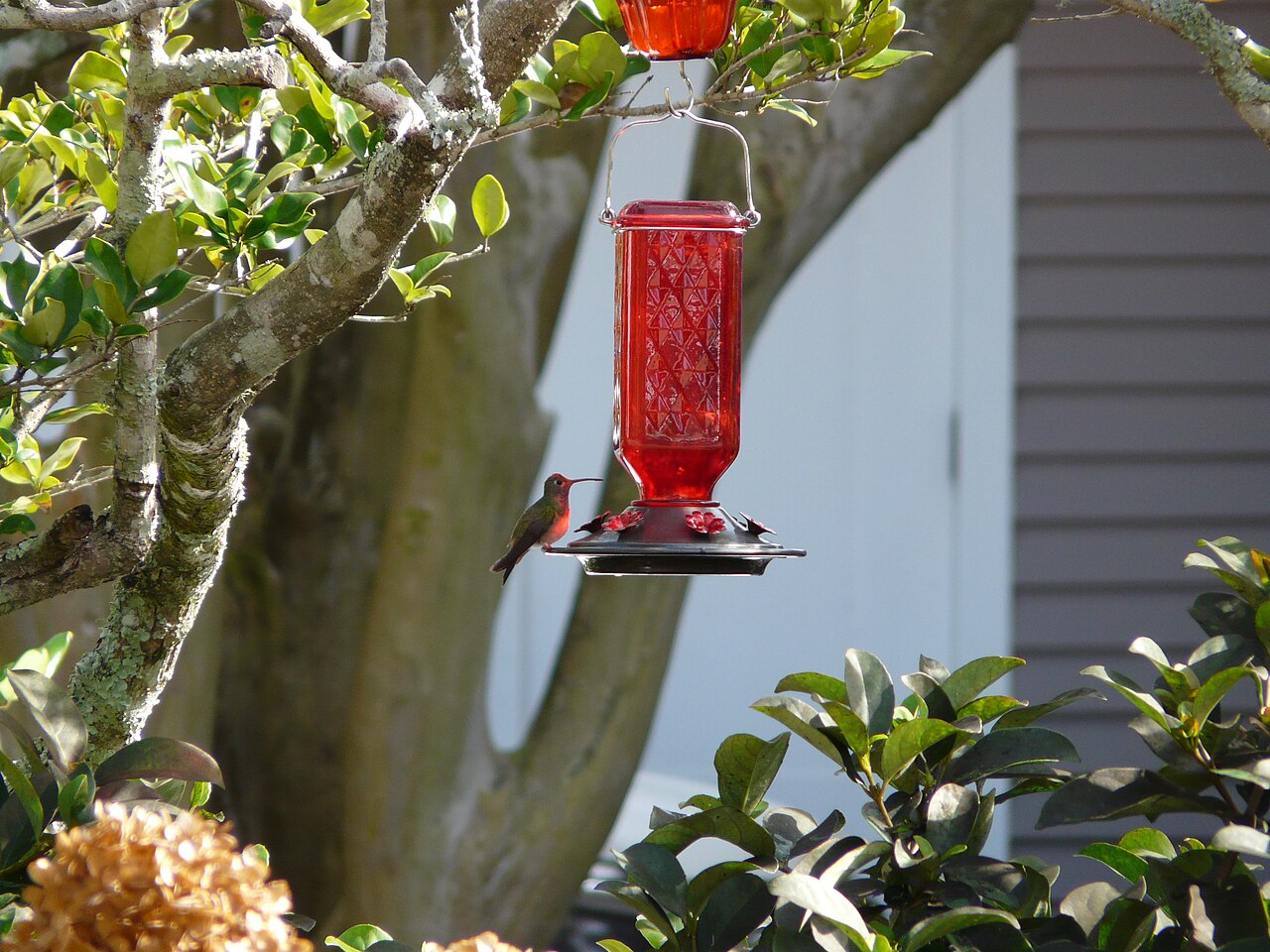
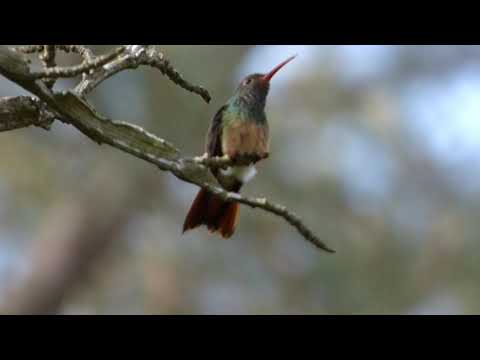
The Buff-bellied Hummingbird (Amazilia yucatanensis) is the big green hummingbird of the Gulf Coast — metallic green with a buff-tan belly, a rufous tail, and a red bill tipped in black. It lives year-round in south Texas and wanders north along the Gulf each fall, wintering at feeders as far as Louisiana and Florida. The voice is a shrill squeaky twittering. Gulf Coast yards attract them with sugar-water feeders and tropical red blooms. They share the garden with the Ruby-throated Hummingbird and the Rufous Hummingbird.
Species Physical Profile & Morphometrics
The Buff-bellied Hummingbird belongs to the hummingbird family (Trochilidae) and is a tropical species at the northern edge of its range in south Texas, with a famous fall dispersal that carries individuals up the Gulf Coast to Louisiana, Mississippi, Alabama, and Florida.
The identification formula: green body + buff belly + rufous tail + red bill. The combination is unique in the U.S. — Ruby-throated and Black-chinned are gray-bellied and dark-tailed. A big green hummingbird with a rusty tail on the Gulf Coast is a Buff-bellied.
Essential Morphometric Field Marks:
- Body Length & Mass: 3.9 to 4.3 inches (10–11 cm) and 0.1 to 0.2 ounces (4–5 grams) — noticeably larger and longer-billed than a Ruby-throat.
- Wingspan: 5.7 inches (14.5 cm); flight is powerful and direct between flower patches, with the rufous tail flashed in every squabble.
- Bill Structure & Color: A red bill with a dark tip, slightly decurved — tropical in style and shared with few U.S. species.
- Color Pattern: Metallic green above and on the throat, buff-tan belly and undertail, and a rich rufous tail — the rusty fan is the flash to watch for.
- Male vs. Female: The sexes look nearly alike — the male’s throat is a touch more iridescent; both carry the buff belly and rufous tail.
The green patrician: metallic throat glittering, rufous tail flared at every rival, ruling the turk’s cap hedge like a tropical aristocrat.
Near-identical — same green and buff and rust — she builds a downy cup in a shaded shrub and feeds the chicks nectar and gnats, unbothered by any notion of migration.
Buff-bellied Hummingbird Vocalization Guide (0 Field Recordings)
The Buff-bellied Hummingbird’s voice is a shrill, squeaky twittering — ti-ti-ti and squealing chase notes. All recordings below are real field audio via Wikimedia Commons — no simulations. For a deeper library, browse xeno-canto: Buff-bellied Hummingbird.
1. The Squeaky Twitter
2. The Chase Squeals
3. The Wing Whir
Habitat, Range & the Gulf Garden Belt
The Buff-bellied Hummingbird lives in tropical scrub, citrus groves, and gardens — south Texas’s Lower Rio Grande Valley is its U.S. stronghold, with coastal woodlands and suburban gardens hosting it year-round. Each fall, wanderers ride the Gulf Coast north and east to winter at feeders.

The Gulf’s Tropical Regular
The U.S. core is the Lower Rio Grande Valley, with birds resident year-round. The species is famous for its post-breeding dispersal: each fall, individuals appear along the Gulf Coast east to Florida, many wintering at Gulf garden feeders.
For backyard birders: south Texas yards host them every month; Houston, New Orleans, and Gulf-side gardens should keep feeders up through fall and winter — the wandering Buff-bellied is a Gulf Coast institution.
Backyard Behavioral Patterns & Social Dynamics
The Buff-bellied Hummingbird is a tropical resident with a wandering streak. Four behaviors explain most of what you will observe:
🌴 The Tropical Regular
A species of Mexico and Central America that lives year-round in south Texas — citrus groves, gardens, and hedges of turk’s cap are its U.S. parlor.
🧭 The Fall Wanderer
Each autumn, birds disperse north and east along the Gulf — a reverse migration that puts Buff-bellieds at Louisiana and Florida feeders all winter.
🌺 The Flower Loyalist
It traplines tropical blooms — turk’s cap, shrimp plant, salvia — visiting the same circuit daily and defending the best patch.
❄️ The Winter Feeder Dependent
Gulf winterers rely on maintained feeders through cold snaps — a keeper’s faithfulness in December is genuinely life-supporting.
Problem: “There’s a Big Green Hummingbird at My Gulf Coast Feeder in Winter. What Is It? What Should I Do?”
The three most common Buff-bellied Hummingbird puzzles all have proven answers:
First, the December hummingbird: on the Gulf Coast, a big green winter hummingbird with a rusty tail is a Buff-bellied — check for the buff belly and red-based bill; Rufous Hummingbirds (orange-flanked) winter there too. Second, the cold-snap worry: winter birds survive Gulf freezes if feeders stay liquid — rotate two feeders so one thaws indoors while the other hangs, and never stop feeding once a bird commits to your yard. Third, the identification fine print: the red bill suggests Broad-billed, but Broad-billed lacks the rufous tail and buff belly — tail color and belly color settle it in ten seconds.
Method 1: Set the Table — Nectar, Blooms & Winter Care
Design for a tropical Gulf hummingbird:
-
Keep Feeders Up Year-Round
Sugar water all winter on the Gulf — wandering Buff-bellieds depend on it during cold snaps.
-
Mix 4:1, Change Often
Four parts water, one part sugar — in warm humid air, clean every 2–3 days without fail.
-
Plant Tropical Bloomers
Turk’s cap, shrimp plant, salvia, and firebush — the Gulf garden classics this bird evolved to work.
-
Hang Feeders in Shade
Shade slows fermentation — fresh nectar keeps the resident and the wanderers healthy.
Method 2: Build the Habitat — Blooms, Cover & Winter Refuge
Garden for the tropics, and the green patrician stays:
-
Plant in Bloom Succession
Something red and tubular every month — the Gulf climate makes a year-round bloom calendar possible.
-
Keep Dense Shrub Cover
Shrubby shelter near feeders — night roosts and storm refuge for a bird that never migrates.
-
Skip Insecticides
Gnats and spiders are protein — nesting females hunt them relentlessly in spring.
-
Protect Winter Water
A dripper or mister in the mild months — bathing hummingbirds are the gardener’s reward.
Tool Solution: Recommended Hardware for Buff-bellied Hummingbird
Equipment matched to a Gulf Coast hummingbird:
Year-Round Nectar Feeder
A saucer feeder kept fresh every month of the year — the Gulf Coast’s winter hummingbird lifeline.
- • Ratio: 4:1, no dye
- • Care: Clean every 2–3 days
- • Winter: Keep one always up
Two-Feeder Rotation
A spare feeder to swap in during freezes — liquid nectar at dawn is survival for wintering birds.
- • Method: Rotate two feeders
- • Trigger: Freeze nights
- • Rule: Never gap the nectar
Tropical Bloom Beds
Turk’s cap, firebush, shrimp plant — the red tubes that make a Gulf yard a hummingbird address.
- • Plants: Turk’s cap, salvia
- • Bloom: Nearly year-round
- • Bonus: Orioles & butterflies
Frequently Asked Questions
- Species Profile: The Buff-bellied Hummingbird (Amazilia yucatanensis) is a 3.9–4.3 inch, 0.1–0.2 ounce hummingbird (Trochilidae), band code BBEH — the Gulf Coast’s tropical regular.
- ID in One Look: Green body, buff belly, rufous tail, red bill with dark tip.
- The Sound: Shrill squeaky twittering and chase squeals; real field recordings above.
- Range & Habit: Resident in south Texas; wanders the Gulf Coast each fall; winters at Gulf feeders.
- Feeder Formula: Year-round fresh nectar, tropical red blooms, freeze-night feeder rotation.
- The Winter Covenant: On the Gulf, the keeper who never takes the feeder down hosts the tropical wanderers.
Bird Watching Log
Species: Buff-bellied Hummingbird (Amazilia yucatanensis)
| Buff-bellied Hummingbird (Rufous Tail Seen: Yes / No — Buff Belly: Yes / No — Red Bill: Yes / No — Feeder Visits: Frequent / Rare — Date & Time: ___) | |