
Lark Sparrow
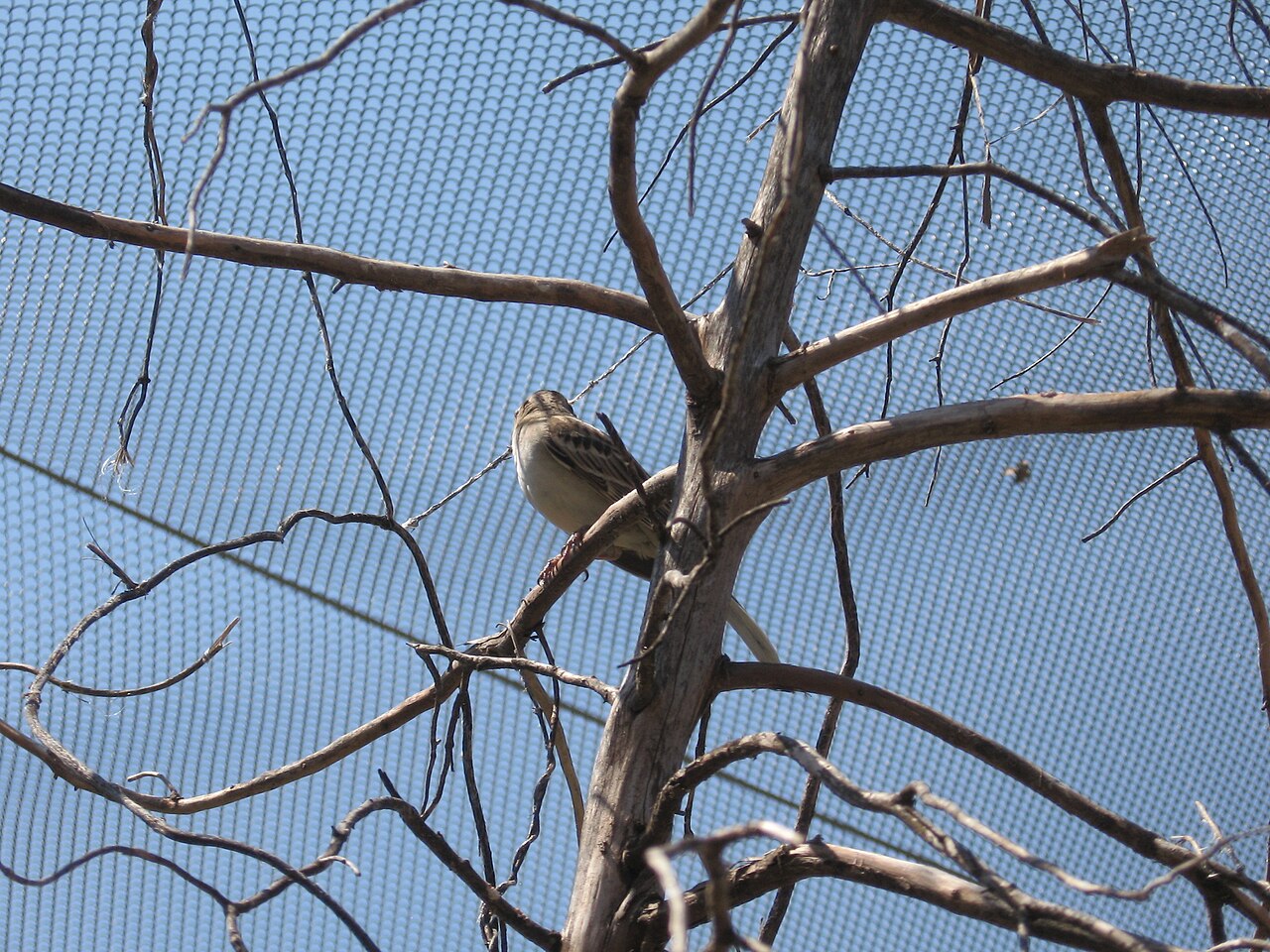
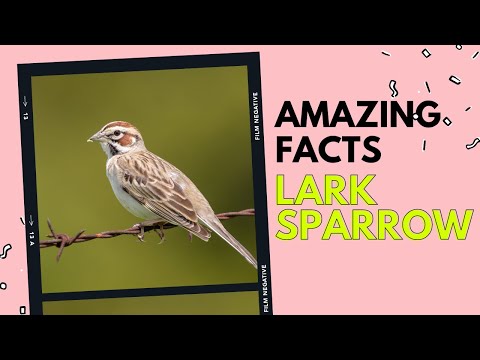


Lark Sparrow (Chondestes grammacus): Complete Identification, Habitat Guide & Sound Library
Quick Answer: How to Attract & Identify the Lark Sparrow
The Lark Sparrow (Chondestes grammacus) is the harlequin-headed sparrow of open country — chestnut, white, and black on the head, clean white below with a single black breast spot, and a rounded tail flashing white corners in flight. It walks the ground of pastures and prairie edges and sings one of the longest, most melodious sparrow songs from fence posts. Open-country yards attract them with scattered millet and cracked corn, ground water, and weedy field edges. They share the fence line with the Chipping Sparrow and the Western Meadowlark.
Species Physical Profile & Morphometrics
The Lark Sparrow belongs to the New World sparrow family (Passerellidae) and breeds in open country across most of the U.S. — prairies, pastures, sagebrush flats, and orchard edges — wintering in the Southwest and Mexico. It is the only member of its genus.
The identification formula: chestnut-and-white harlequin head + single black breast spot + white-tipped tail corners. No other sparrow combines the bold head pattern with the clean spotted breast — if the face looks like a tiny harlequin mask, it is a Lark Sparrow.
Essential Morphometric Field Marks:
- Body Length & Mass: 5.9 to 6.7 inches (15–17 cm) and 0.8 to 1.2 ounces (23–33 grams) — a large, long-tailed sparrow with a big-headed, full-chested look.
- Wingspan: 11.0 inches (28 cm); flight is low and bounding, the rounded tail fanning to flash its white corners on landing.
- Bill Structure & Color: A stout, pinkish-gray conical bill — heavier than most sparrows’, suited to cracking grass and weed seeds on hard ground.
- Color Pattern: Chestnut crown and ear patches framed by white stripes, white underparts with one central black breast spot, brown-streaked back, and a dark rounded tail with white corners.
- Male vs. Female: The sexes look alike — both wear the harlequin head; the male does the singing from the fence line at dawn.
The fence-post tenor: harlequin head thrown back, pouring out a long sweet song of trills and buzzes over the pasture at first light.
Identically patterned — the same bold mask — she nests on the ground at the edge of a shrub or grass clump, hidden in plain sight in the open field.
Lark Sparrow Vocalization Guide (2 Field Recordings)
The Lark Sparrow’s song is long, rich, and melodious — a flowing sequence of clear whistles, trills, and soft buzzes, among the most musical of all sparrows. All recordings below are real field audio via Wikimedia Commons — no simulations. For a deeper library, browse xeno-canto: Lark Sparrow.
1. The Fence-Post Song
2. The Morning Medley
3. The Contact Chip
Habitat, Range & the Open Field
The Lark Sparrow lives in open country with scattered cover: pastures, prairie edges, sagebrush flats, old orchards, roadsides, and farmyards. It wants bare or short ground to forage, a shrub or fence line for song posts, and a weedy margin for seed.

The Heartland’s Harlequin
Breeding range covers most of the Lower 48 east of the mountains and through the interior West — the open-country belt from the plains to the Pacific valleys. Winter concentrates the population in the Southwest, Texas, and Mexico.
For backyard birders: rural and edge-of-town yards with open ground, a weedy margin, and a fence line can host them April–September across most of the country, and all winter in the southern tier.
Backyard Behavioral Patterns & Social Dynamics
The Lark Sparrow is a walking, singing, open-ground original. Four behaviors explain most of what you will observe:
🚶 The Ground Walker
It walks and runs on bare or short ground like a miniature meadowlark, picking seeds from the soil surface — watch the open patch, not the shrub.
🎼 The Marathon Singer
The male’s song runs long and varied — trills, whistles, and buzzes strung into minutes-long medleys from a fence post at dawn.
🦃 The Turkey Strut
In courtship the male struts with tail spread and wings drooped like a tiny turkey — one of the oddest displays of any sparrow.
🌾 The Weed-Seed Specialist
It favors seeds of weeds and grasses on hard open ground — a weedy margin beats a mowed lawn every time.
Problem: “I Saw a Sparrow with a Stunning Head Pattern — What Was It? What Should I Do?”
The three most common Lark Sparrow puzzles all have proven answers:
First, the identity: the chestnut-and-white harlequin head plus a single black breast spot is unique — check the tail as it flies; white corners on a rounded tail confirm Lark Sparrow. Second, the feeder question: it is a ground bird — scatter millet and fine cracked corn on bare soil near a weedy edge; hanging feeders barely interest it. Third, the seasonal gap: it is a warm-season bird in most of the country — April through September; winter sightings belong to the Southwest and Texas. Mark your calendar for the April return and keep the weedy margin standing.
Method 1: Set the Table — Scattered Seed on Bare Soil
Design for a walking open-country sparrow:
-
Scatter Millet & Fine Corn
White millet and fine cracked corn on bare or short ground — refreshed at dawn along the field edge.
-
Keep a Weedy Margin
Unmown weedy strips along fences — the natural seed bank the species is built to harvest.
-
Provide Low Water
A shallow ground dish near cover — open-country birds drink where they can see danger coming.
-
Delay the Mowing
Mow weedy margins after August — ground nests and ripening seed both need the summer.
Method 2: Build the Habitat — Edges, Posts & Open Ground
Keep the edges rough, and the tenor returns each spring:
-
Keep Fence Lines Shaggy
Unsprayed fence lines with weeds and shrubs are song posts, nest cover, and pantry in one.
-
Plant Scattered Shrubs
Low shrubs at the field edge — plum, sumac, wild rose — give ground birds song posts and shelter.
-
Leave Grass Standing
Native grass clumps hold seed and hide ground nests — ornamental neatness is empty habitat.
-
Welcome the Fence Post
Leave old posts standing — a singing perch is the stage from which the male advertises your yard.
Tool Solution: Recommended Hardware for Lark Sparrow
Equipment matched to an open-country ground sparrow:
Ground Seed Scatter
Millet and fine cracked corn scattered on bare soil along the weedy edge — the Lark Sparrow’s exact table.
- • Food: Millet, fine cracked corn
- • Placement: Field edge
- • Timing: Dawn
Shallow Ground Water
A shallow dish at the field margin — open-country birds drink where sightlines stay clear.
- • Depth: One inch
- • Placement: Open, near edge
- • Care: Daily refresh
Weedy Margin & Shrubs
An unmown, unsprayed field margin with scattered shrubs — the habitat that brings the song to your fence line.
- • Plants: Native grasses, sumac
- • Structure: Rough & unmown
- • Bonus: Meadowlarks & buntings too
Frequently Asked Questions
- Species Profile: The Lark Sparrow (Chondestes grammacus) is a 5.9–6.7 inch, 0.8–1.2 ounce sparrow (Passerellidae), band code LASP — the harlequin-headed tenor of open country.
- ID in One Look: Chestnut-and-white head, single black breast spot, white tail corners in flight.
- The Sound: A long, flowing song of whistles and trills from the fence post; real field recordings above.
- Range & Habit: Open country across most of the U.S. in summer; Southwest in winter; walks bare ground for seeds.
- Feeder Formula: Millet and corn on bare soil, weedy margins, ground water, and unmown fence lines.
- The Display: The courtship strut — tail spread, wings drooped — is a tiny turkey act worth watching for.
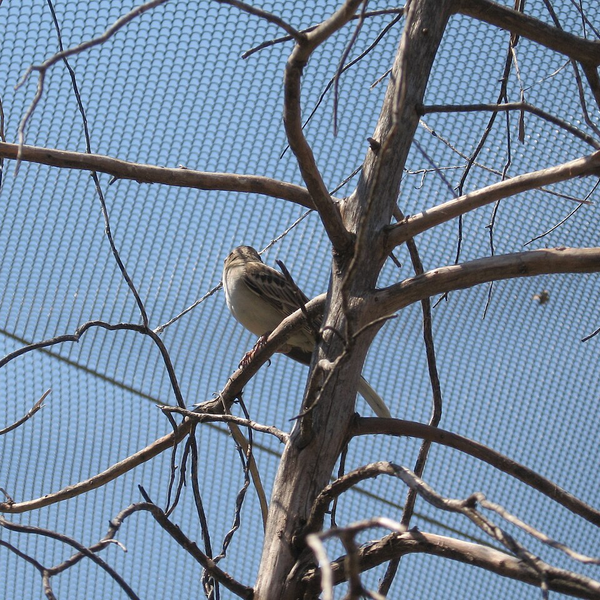
Bird Watching Log
Species: Lark Sparrow (Chondestes grammacus)
| Lark Sparrow (Head Pattern Seen: Yes / No — Tail Corners: Yes / No — Song Heard: Yes / No — At Ground Seed: Yes / No — Date & Time: ___) | |