
Backyard Birds of Hawaii
Hawaii’s backyard birding is unlike anywhere else in America — a tropical mix of introduced songbirds from five continents, living in paradise year-round. The portraits below are pinned on the islands where each species is most at home. Hover any portrait to see its name, tap to jump to its profile, then open its photo gallery and play its call.
Jump to a Species
The Northern Cardinal — introduced in 1929 and now singing from every Honolulu hedge — leads the list of Hawaii’s backyard regulars. Every entry links to a full species guide.
Backyard Birds in Hawaii: A Year-Round Guide to Island Feeding Stations
Quick Answer: Birding a Hawaii Backyard
Hawaii has no native backyard feeder birds left in most neighborhoods — the native honeycreepers retreated to high forests — so island backyard birding is built on introduced species that thrive in yards: the Northern Cardinal (introduced 1929), House Finch, House Sparrow, European Starling, California Quail (Big Island), and Northern Mockingbird, alongside doves, mynas, and Java Sparrows. Feeding works 12 months a year in the eternal Hawaiian summer — the real challenges are mold in the humidity, rats at spilled seed, and mosquitoes near standing water. Feed clean, drain saucers, and enjoy birds found in no mainland yard.
Meet the 19 Backyard Birds of Hawaii
The cardinal leads the list of Hawaii’s backyard regulars. Every card opens a photo gallery, plays a real field recording, and links to the full species guide.
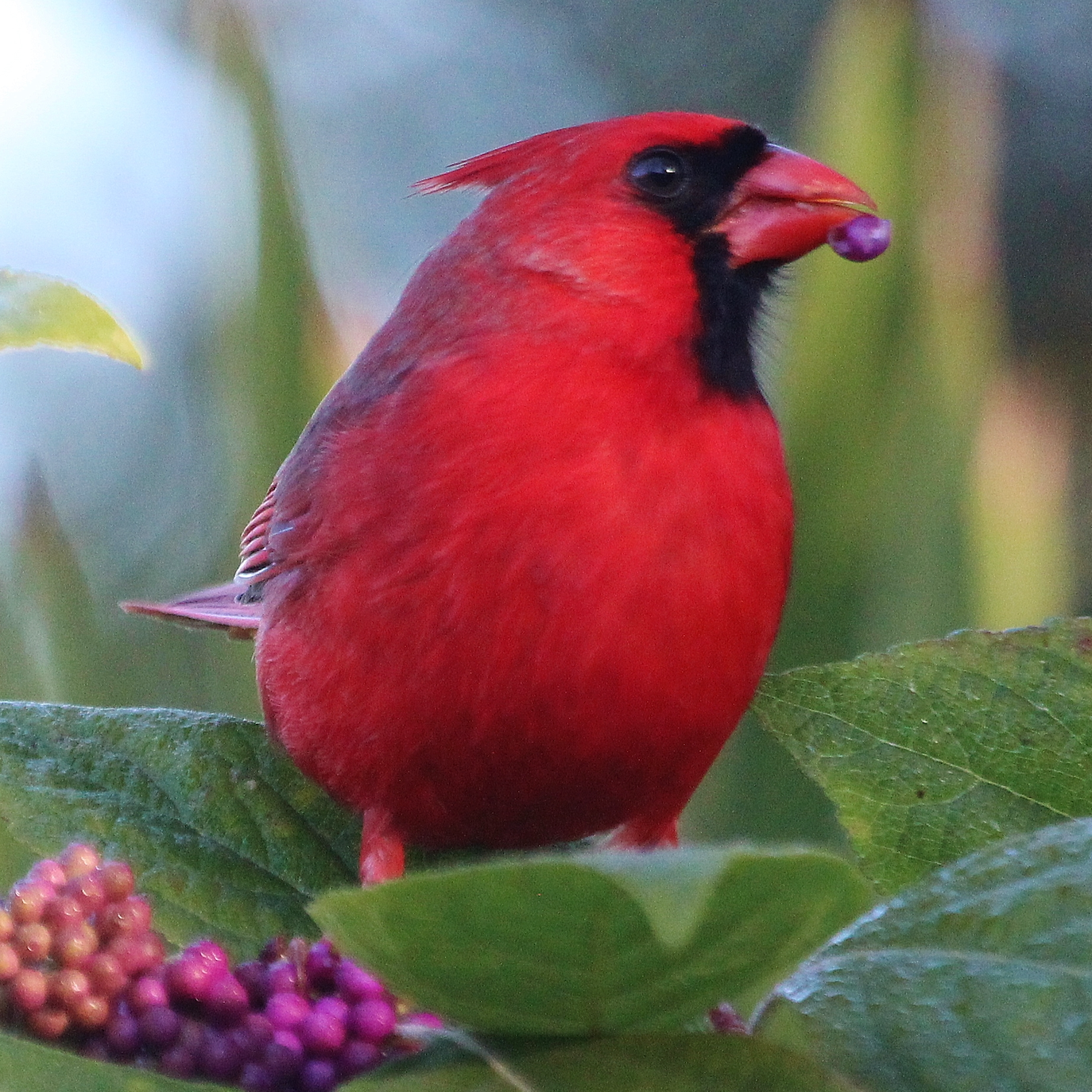 📍 Honolulu
Northern Cardinal
CardinalisThe male is an 8.3–9.1-inch blaze of crimson with a black mask and proud crest; the warm-buff female sings too — one of few female songbirds that do. Cardinals are permanent residents in every Hawaii county, thickest in hedgerows and suburban tangles. Pairs visit feeders together at dawn and dusk, and males sing cheer-cheer-cheer year-round.
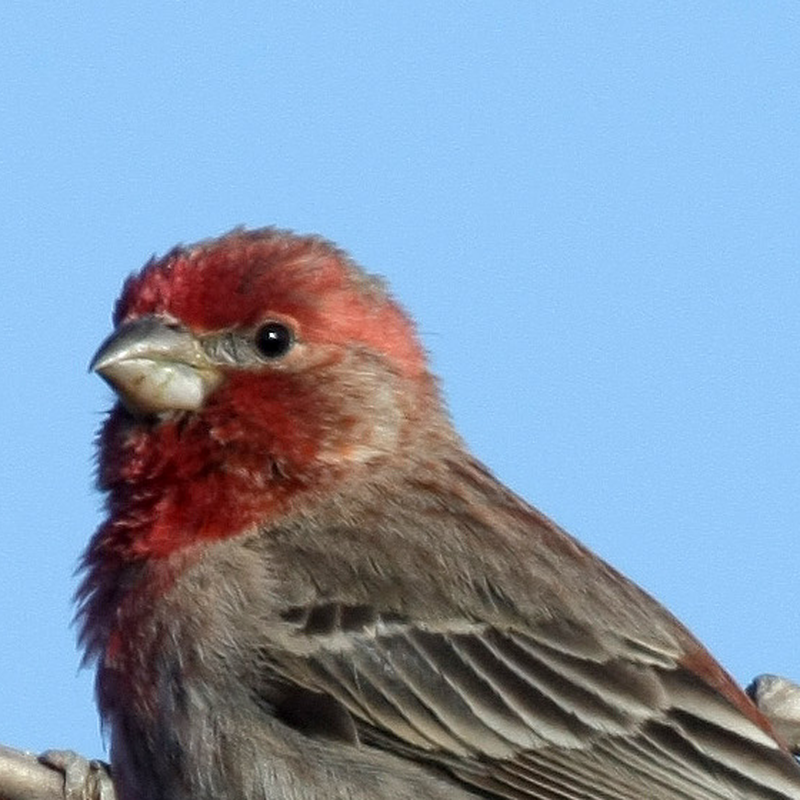 📍 Hilo
House Finch
Haemorhous mexicanusA 5.1–5.5-inch finch: males washed strawberry-red on head, breast, and rump; females plainly streaked. House Finches spread across the East in the 1990s and now crowd Hawaii tube feeders year-round, warbling long songs that end in an up-slurred veer.
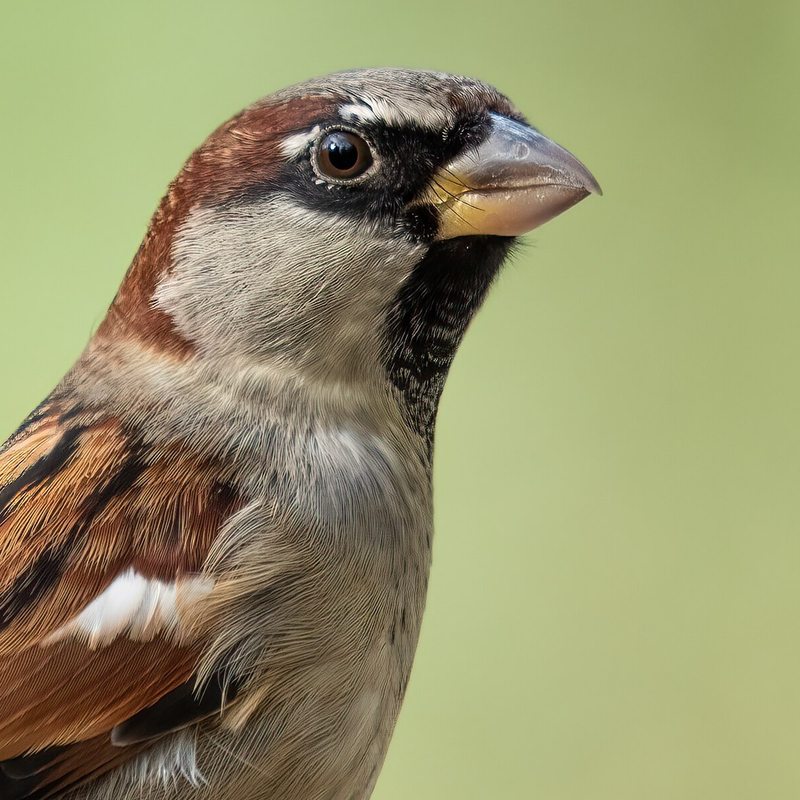 📍 Kailua-Kona
House Sparrow
Passer domesticusAn Old World sparrow (5.9–6.7 inches) living with Americans since 1852: males with gray crown, black bib, and chestnut nape; females plain buffy-brown. House Sparrows crowd Hawaii feeders and nest in any cavity — monitor bluebird boxes and remove their nests.
Recording via Wikimedia Commons / xeno-canto
Read Full Guide → 📍 Lahaina
European Starling
Sturnus vulgarisStocky 7.9–9.1-inch birds: iridescent purple-green in summer, speckled buff in winter, with yellow bills in spring. Descended from 100 birds released in New York in 1890, starlings now swarm Hawaii feeders in every season — talented mimics, but hard on native cavity nesters.
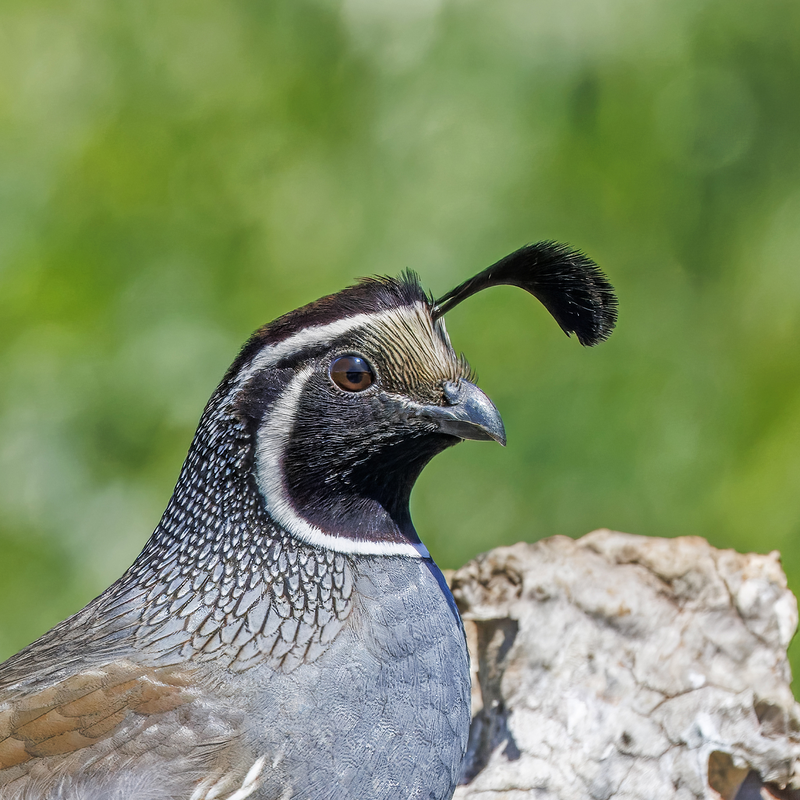 📍 Waimea
California Quail
Callipepla californicaA plump 9.4–10.6-inch quail with a forward-curling black head plume, scaled belly, and (on males) a bold black face. California Quail — the Golden State’s state bird — scurry through Hawaii yards in coveys, bursting into cover at a cat’s shadow and calling chi-CA-go from fence posts.
 📍 Lihue
Northern Mockingbird
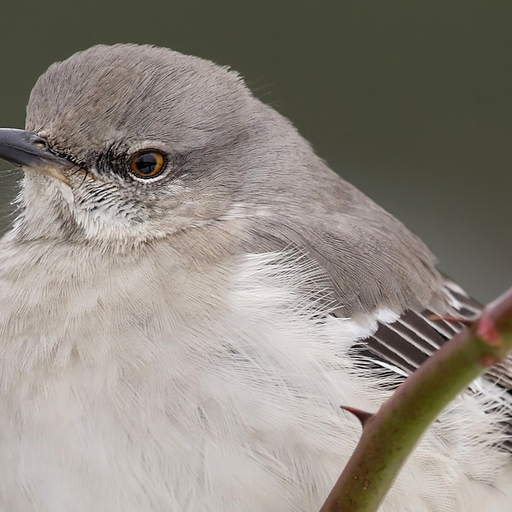
Mimus polyglottosA slender 8.3–10.2-inch gray bird with white wing patches that flash in flight — and a voice that borrows everyone else’s. Mockingbirds imitate dozens of species and sing through moonlit nights. In Hawaii they defend berry bushes and feeders against all comers, year-round.
More Backyard Birds in Hawaii +13 species
Every other species from our backyard bird library that regularly occurs in Hawaii — each with its own photo gallery, playable call, and full species guide. Browse 16 per page using the dots below.
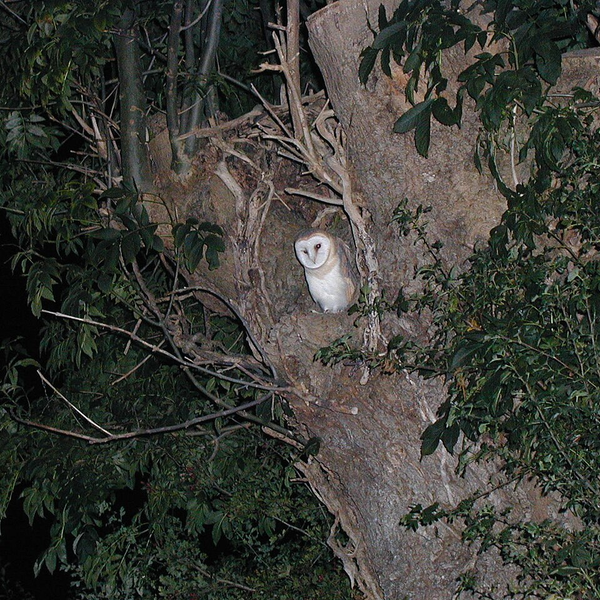
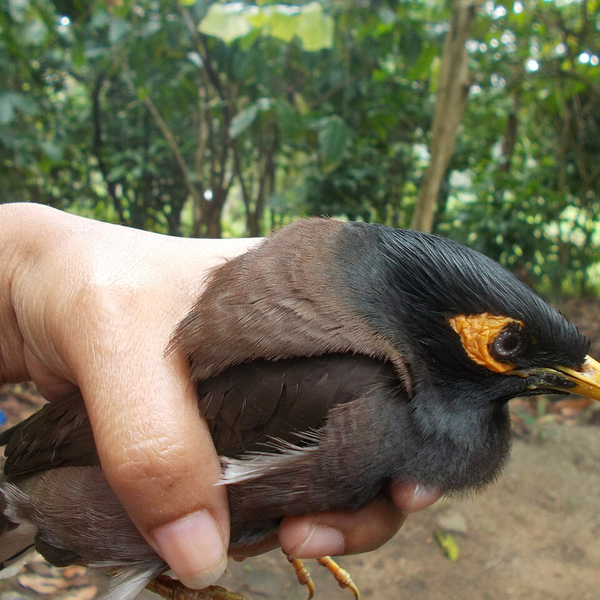
Feeder: Visits backyard feeders and water features.
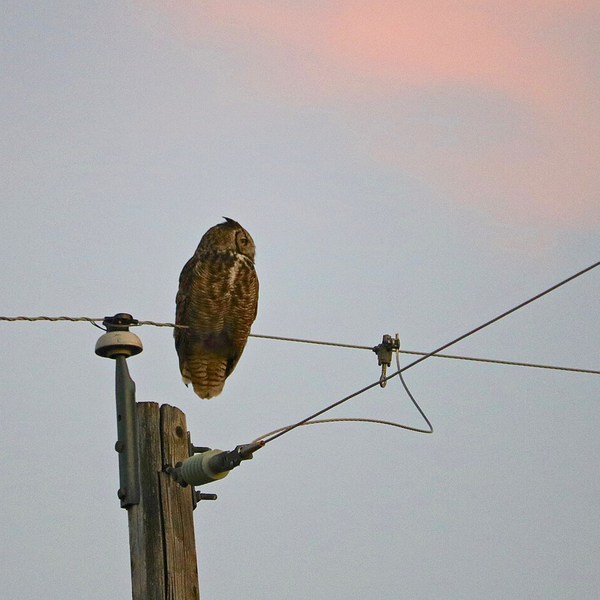
Feeder: Visits backyard feeders and water features.
Feeder: Visits backyard feeders and water features.
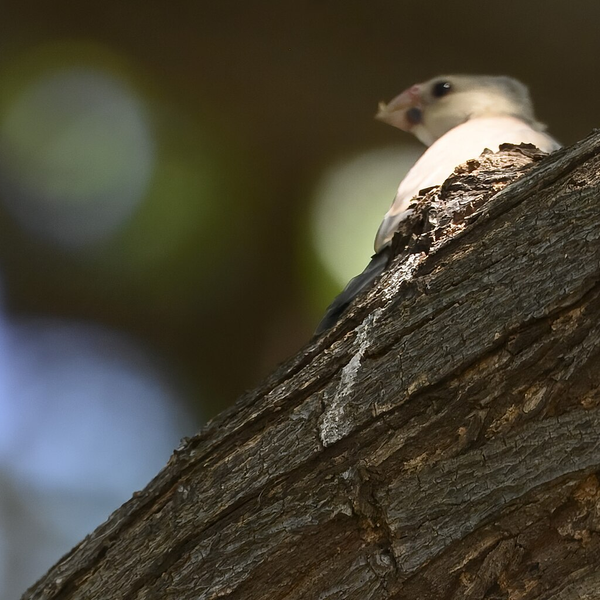
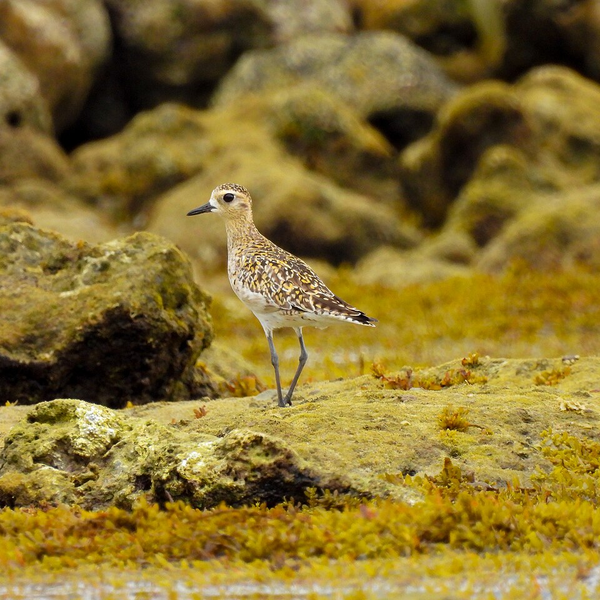
Feeder: Visits backyard feeders and water features.
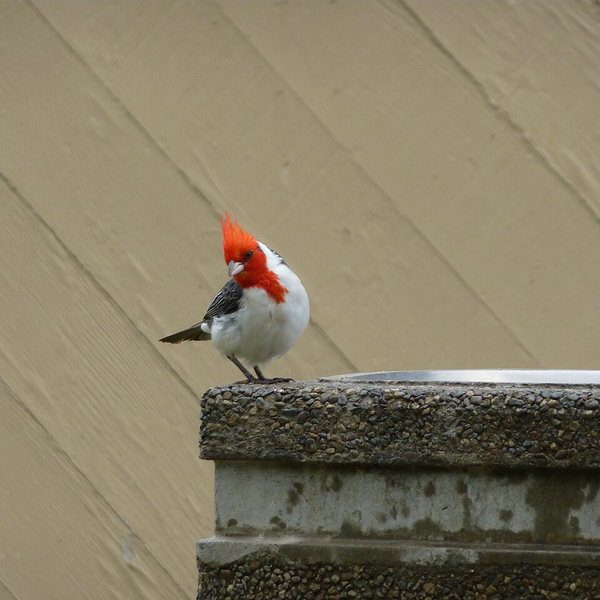
Feeder: Visits backyard feeders and water features.
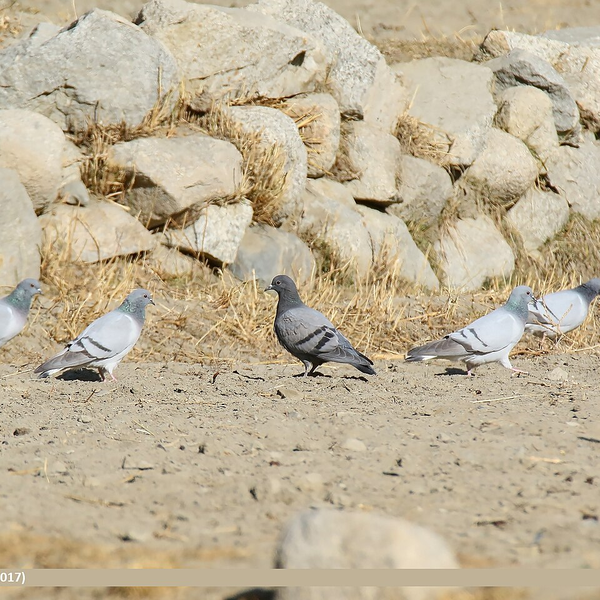
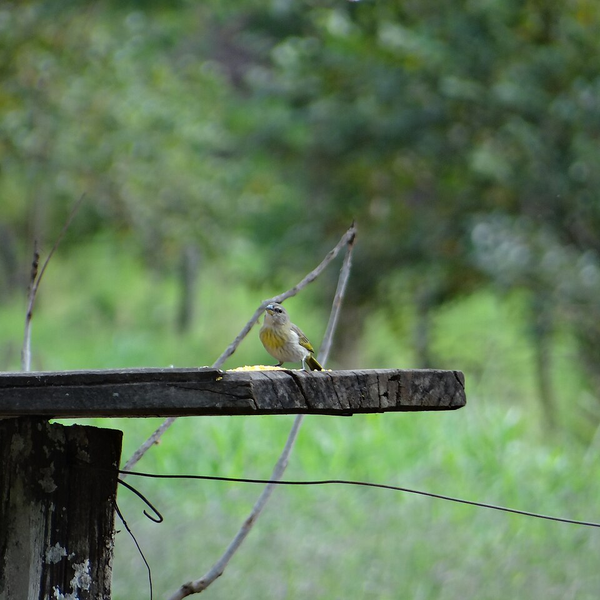
Feeder: Visits backyard feeders and water features.
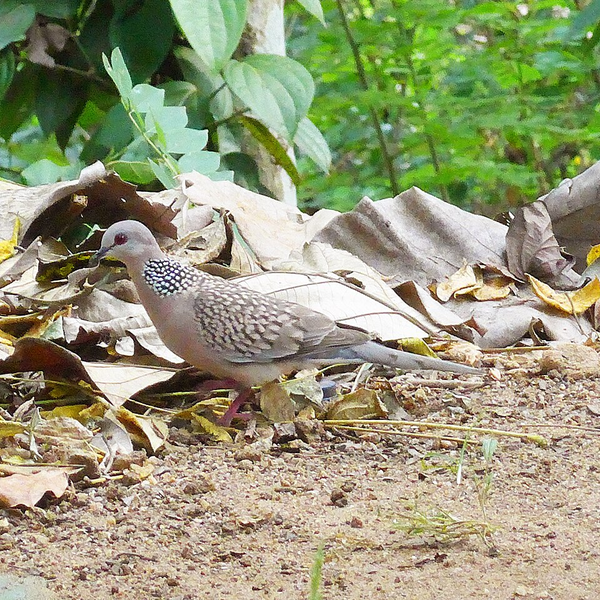
Feeder: Visits backyard feeders and water features.
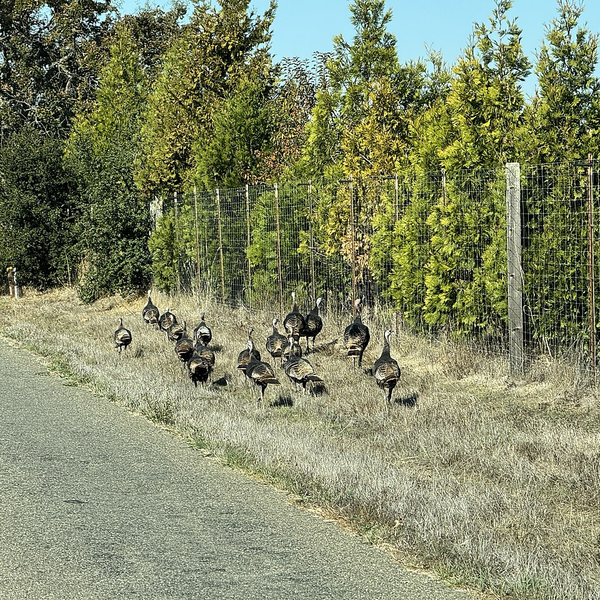
Feeder: Visits backyard feeders and water features.
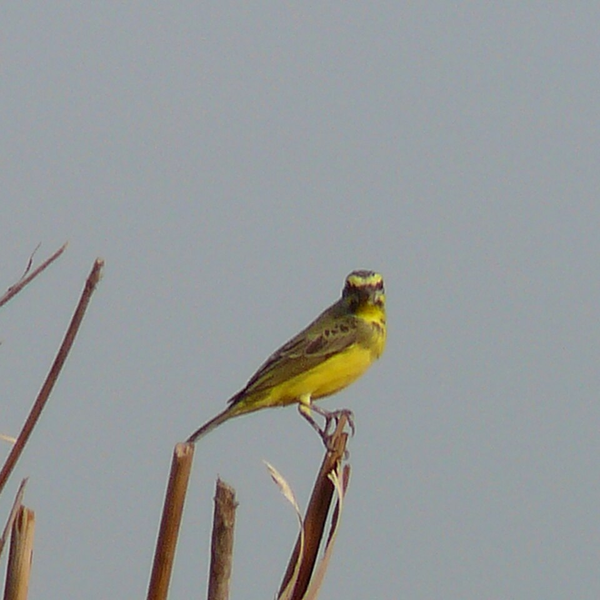
Feeder: Visits backyard feeders and water features.
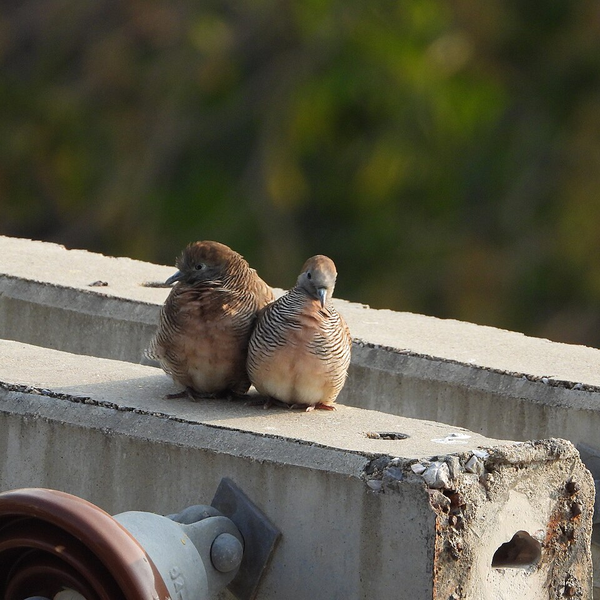
The Hawaii Seasonal Feeder Calendar
🌱 Spring
March – MayHawaii’s birds breed nearly year-round, but spring is peak song — cardinals and mockingbirds sing from hedges and rooftops. Humidity climbs: scrub feeders weekly and buy seed in small bags. Keep nectar feeders (for introduced birds) clean and ant-free with a moat.
☀️ Summer
June – AugustTrade winds ease the heat. House Finch and cardinal chicks fledge into yards; watch for streaky juveniles begging at feeders. Seed molds fast in summer showers — weather guards and small trays are essential. Drain any standing water weekly to deny mosquitoes a breeding site.
🍂 Autumn
September – NovemberThe wet season begins on windward sides. Rats target spilled seed at night — bring trays in at dusk and store seed in sealed metal cans. Mockingbirds defend autumn fruiting trees; cardinals flock to feeders at dawn and dusk.
❄️ Winter
December – FebruaryHawaii’s winter is birding weather — 78°F and showery. Quail coveys visit Big Island yards; starlings flock noisily. Rain spikes mold: clean feeders after every wet spell with a 10% bleach solution, and keep the birdbath fresh — a clean bath in a dry leeward yard is the busiest spot on the island.
Frequently Asked Questions: Backyard Birding in Hawaii
- The Backyard Icon: The Northern Cardinal — introduced from North America in 1929 — is now the red songbird of every Hawaiian neighborhood, year-round.
- An Introduced Avifauna: Hawaii’s yard birds are introduced species; the native honeycreepers survive mostly in high-elevation forests. Enjoy the yard birds — and visit a refuge like Hakalau to meet the natives.
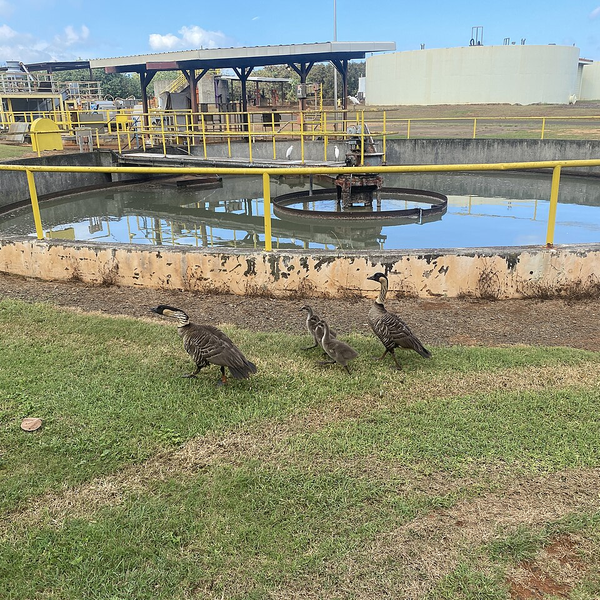
- The State Bird: The Nēnē (Hawaiian Goose, state bird since 1957) is a wild goose of volcano slopes — recovered from 30 birds to thousands — not a feeder bird; admire it at a distance.
- Humidity & Rats: Mold and rats, not cold, are Hawaii’s feeder challenges — small trays, sealed storage, nightly cleanup, weekly bleach scrub.
- The Map: The pinned map at the top of this page shows where each featured bird is most characteristic; every pin jumps to a profile with photos, a playable call, and a full guide link.
- Best Single Upgrade: A shallow, clean birdbath in a leeward yard — in dry Kona or Kihei, water outdraws seed every day of the year.
Hawaii Birding Checklist
Region: Hawaii — 19 Backyard Species