
Yellow-fronted Canary


Yellow-fronted Canary (Crithagra mozambica): Complete Identification, Habitat Guide & Sound Library
Quick Answer: How to Attract & Identify the Yellow-fronted Canary
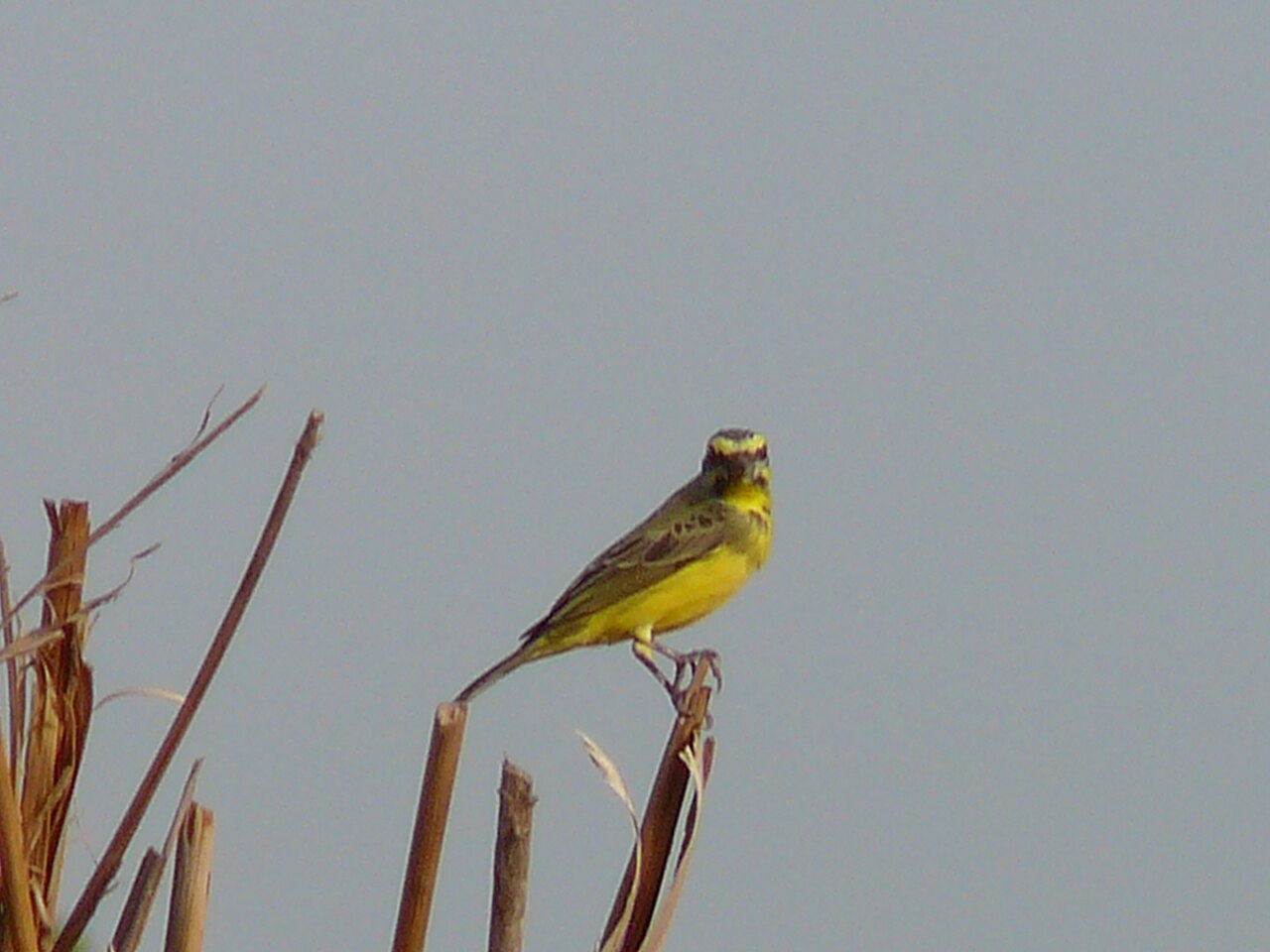
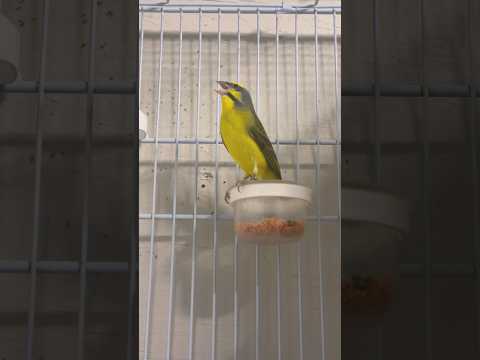
The Yellow-fronted Canary (Crithagra mozambica) is the tiny yellow-faced serenader of Hawaiian parks — an African serin introduced in the 1960s, with a bright yellow face and eyebrow, dark whisker marks, and a streaked gray-green back. The male sings a sweet, rolling canary song. It feeds on small seeds, taken from grass heads and garden feeders. Island yards attract them with nyjer and millet, seeding grass, and a shallow water dish. They share the lawn with the Java Sparrow and the Common Waxbill.
Species Physical Profile & Morphometrics
The Yellow-fronted Canary belongs to the true finch family (Fringillidae) — a small African serin introduced to Hawaii in the 1960s, now common on Oahu and established on the Big Island and Maui in parks, gardens, and dry grassland.
The identification formula: small yellow-faced finch + dark whisker marks + streaked gray-green back. The yellow face with its bold eyebrow stripe separates it from every other small Hawaiian seed-eater; juveniles are duller but show the same pattern. The sweet canary song — their relative is the domestic canary — gives them away from the treetops.
Essential Morphometric Field Marks:
- Body Length & Mass: 4.3 to 5.1 inches (11–13 cm) and 0.3 to 0.5 ounces (10–14 grams) — one of the smallest birds in the Hawaiian yard, barely heavier than a sheet of paper.
- Wingspan: Wings are short and pointed, driving the bouncy, undulating finch flight between grass and tree.
- Bill Structure & Color: A small, pale, conical seed bill — delicate but efficient on grass and herb seeds.
- Color Pattern: Bright yellow face, eyebrow stripe, and underparts, with dark whisker stripes framing the throat; back gray-green and streaked; rump yellow.
- Male vs. Female: The male’s yellow is brighter and cleaner, with bolder face markings; the female is duller and more heavily streaked — and only the male delivers the full song.
The little serenader: yellow-faced and fine-boned, pouring his rolling canary song from the tip of a flowering tree, then dropping to the lawn to work the seed heads with the flock.
The duller partner — same pattern in olive and gray — she builds a neat little cup in a garden shrub and the pair raises broods through the warm island year.
Yellow-fronted Canary Vocalization Guide (0 Field Recordings)
The male’s song is a sweet, rolling, canary-like warble — this species is a close relative of the domestic canary — delivered from exposed perches through much of the year. All recordings below are real field audio via Wikimedia Commons — no simulations. For a deeper library, browse xeno-canto: Yellow-fronted Canary.
1. The Canary Song
2. The Flock Twitter
3. The Flight Call
Habitat, Range & the Island Park
In Hawaii the Yellow-fronted Canary lives in parks, gardens, lawns, pasture edges, and dry open woodland — open ground with seeding grass and scattered trees for song posts and cover. It is a lowland bird, commonest around towns and resort landscapes.

Africa’s Canary, Hawaii’s Songster
Native to Africa south of the Sahara, the species was introduced to Hawaii in the 1960s — likely from cage-bird releases — and now thrives on Oahu, Hawaii, and Maui. It is one of several African finches that found the islands to their liking.
For island yards: seeding grass, a nyjer or millet feeder, and a water dish draw the local flock — and the male will repay the table with song from your tallest shrub.
Backyard Behavioral Patterns & Social Dynamics
The Yellow-fronted Canary is a tiny flocking seed-eater with an oversized song. Four behaviors explain most of what you will observe:
🎤 The Persistent Songster
Males sing through most of the year from exposed treetop perches — the song carries far beyond what such a small bird should manage.
🌾 The Seed-Head Acrobat
They cling to grass and herb stalks, bending seed heads down to husk them — acrobatic feeding in the waxbill style.
👥 The Small Flock
Outside nesting they feed in loose flocks, often mixed with waxbills and Java Sparrows on a good seeding lawn.
💧 The Bath Lover
They visit water eagerly and often — a shallow dish draws bathing parties on warm afternoons.
Problem: “I Hear a Canary Singing Outside. Is Someone’s Pet Loose?”
The three most common Yellow-fronted Canary puzzles all have proven answers:
First, the escaped-pet assumption: usually not — the song is the wild Yellow-fronted Canary, an established Hawaiian species and close relative of the cage canary; look for the small yellow-faced, streaky-backed bird on the treetop. Second, the feeder no-show: they favor very small seed — switch to nyjer or fine millet in a tube or on a tray, and the flock finds it within days. Third, the disappearing song: males sing less when molting and when nesting is active — watch the seed heads instead; the flock feeds on regardless of the concert schedule.
Method 1: Set the Table — Nyjer, Millet & Fresh Water
Design for a tiny seed specialist:
-
Offer Nyjer & Fine Millet
Nyjer in a tube feeder and white millet on a tray or ground — the seed sizes this small bill handles best.
-
Let a Lawn Strip Seed
Un-mowed grass gone to seed head is the natural buffet — leave one section ripening at all times.
-
Provide Shallow Water
A shallow dish, refreshed daily — bathing parties gather at dependable water.
-
Feed Near Shrubs
Every feeding spot within a dash of shrubby cover — small birds count the distance to safety.
Method 2: Grow the Refuge — Shrubs, Song Posts & Safety
The flock stays where cover and perches are:
-
Keep Dense Shrubs
Shrubby edges are escape cover and nest sites — the flock feeds where shrubs stand close.
-
Leave a Tall Song Perch
A small tree or tall shrub top over the lawn is the male’s stage — he sings from the same tip each morning.
-
Keep Cats Indoors
Ground-level flock feeders are cat bait — the indoor-cat rule protects the whole mixed flock.
-
Skip Pesticides
Unsprayed lawn and weeds keep the seed heads and insects coming — a sprayed yard is a silent one.
Tool Solution: Recommended Hardware for Yellow-fronted Canary
Equipment matched to a tiny yellow serenader:
Nyjer Tube Feeder
A fine-mesh nyjer tube hung beside shrubs — the exact seed size this species is built for, in a feeder larger birds waste.
- • Food: Nyjer, fine millet
- • Style: Tube or tray
- • Placement: Beside cover
Shallow Water Dish
An inch of fresh water on a stable dish — the afternoon bathing crowd will include canaries, waxbills, and doves.
- • Depth: 1 inch
- • Refresh: Daily
- • Bonus: Whole yard flock
Shrub Line + Tall Perch
Dense shrubs for cover and one tall exposed perch for song — the arrangement that keeps a singing male resident.
- • Cover: Dense shrubs
- • Stage: Exposed top
- • Bonus: Nest sites
Frequently Asked Questions
- Species Profile: The Yellow-fronted Canary (Crithagra mozambica) is a 4.3–5.1 inch, 0.3–0.5 ounce finch (Fringillidae), band code YFCA — the tiny serenader of Hawaiian parks.
- ID in One Look: Yellow face and eyebrow, dark whisker marks, streaked gray-green back — very small.
- The Sound: A sweet rolling canary song from the treetop; real field recordings above.
- Range & Habit: African serin introduced in the 1960s; common on Oahu, established on Hawaii and Maui.
- Garden Formula: Nyjer tube, seeding lawn strip, shallow water, shrubs close by.
- The Wild Canary: That canary song outside your window is a wild Hawaiian bird, not an escaped pet.
Bird Watching Log
Species: Yellow-fronted Canary (Crithagra mozambica)
| Yellow-fronted Canary (Male or Female: M / F — Singing Heard: Yes / No — Flock Size: ___ — At Feeder: Yes / No — Date & Time: ___) | |