
Best Bird Feeders for Cardinals



Best Bird Feeders for Cardinals: Setup, Seed & Schedule Guide
What feeder do cardinals actually use?
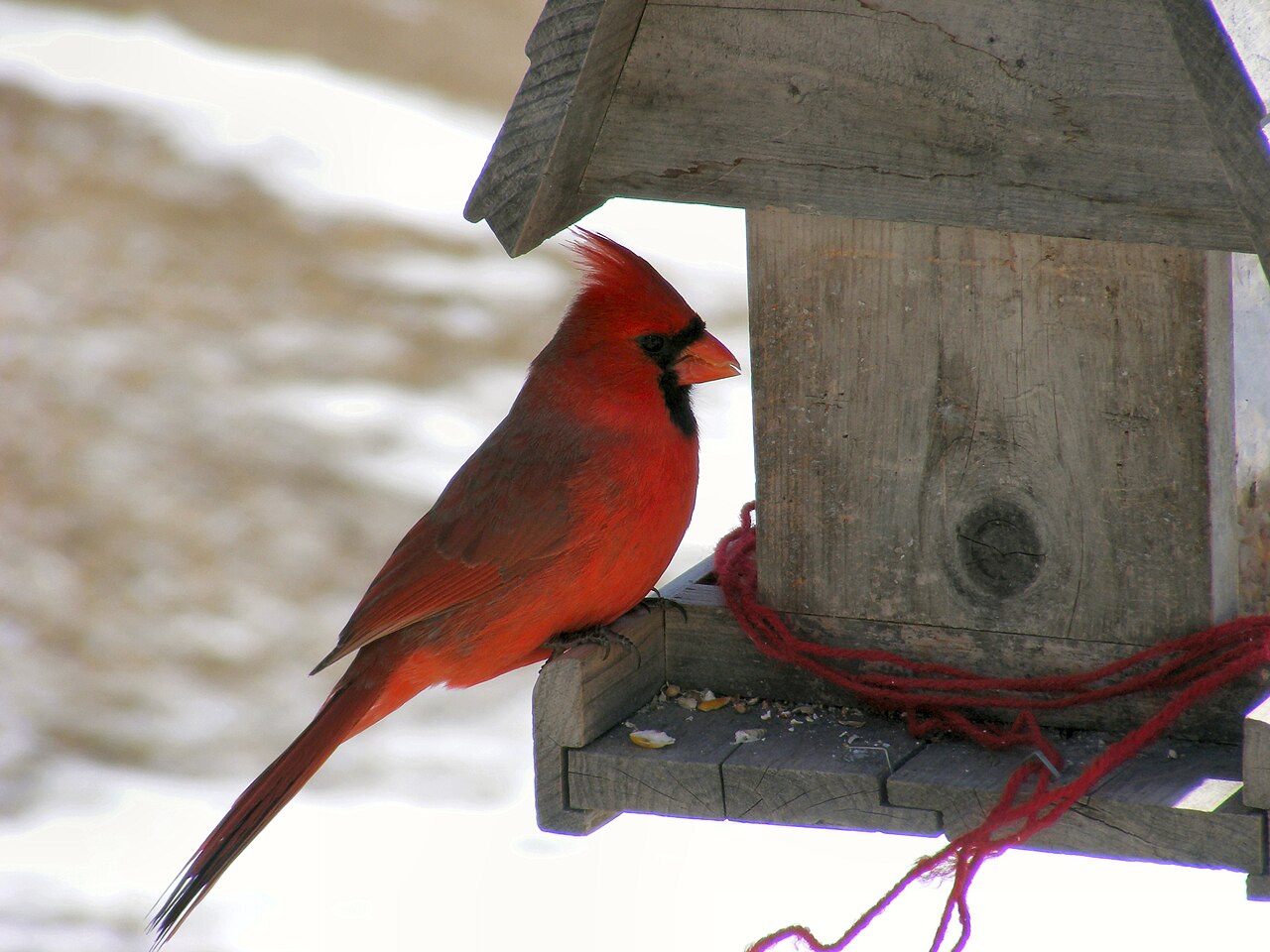
Northern Cardinals feed forward-facing on a flat floor — they can’t comfortably perch sideways on a stick. Give them a hopper feeder with a wide floor, or a platform tray, filled with safflower and black oil sunflower, placed near dense shrubs, and serve the day’s last refill in the late afternoon. Cardinals are the first birds at the station at dawn and the last at dusk; the yard that stocks those two windows owns its local cardinals year-round.
Built Like a Cardinal: Why the Perch Is the Problem
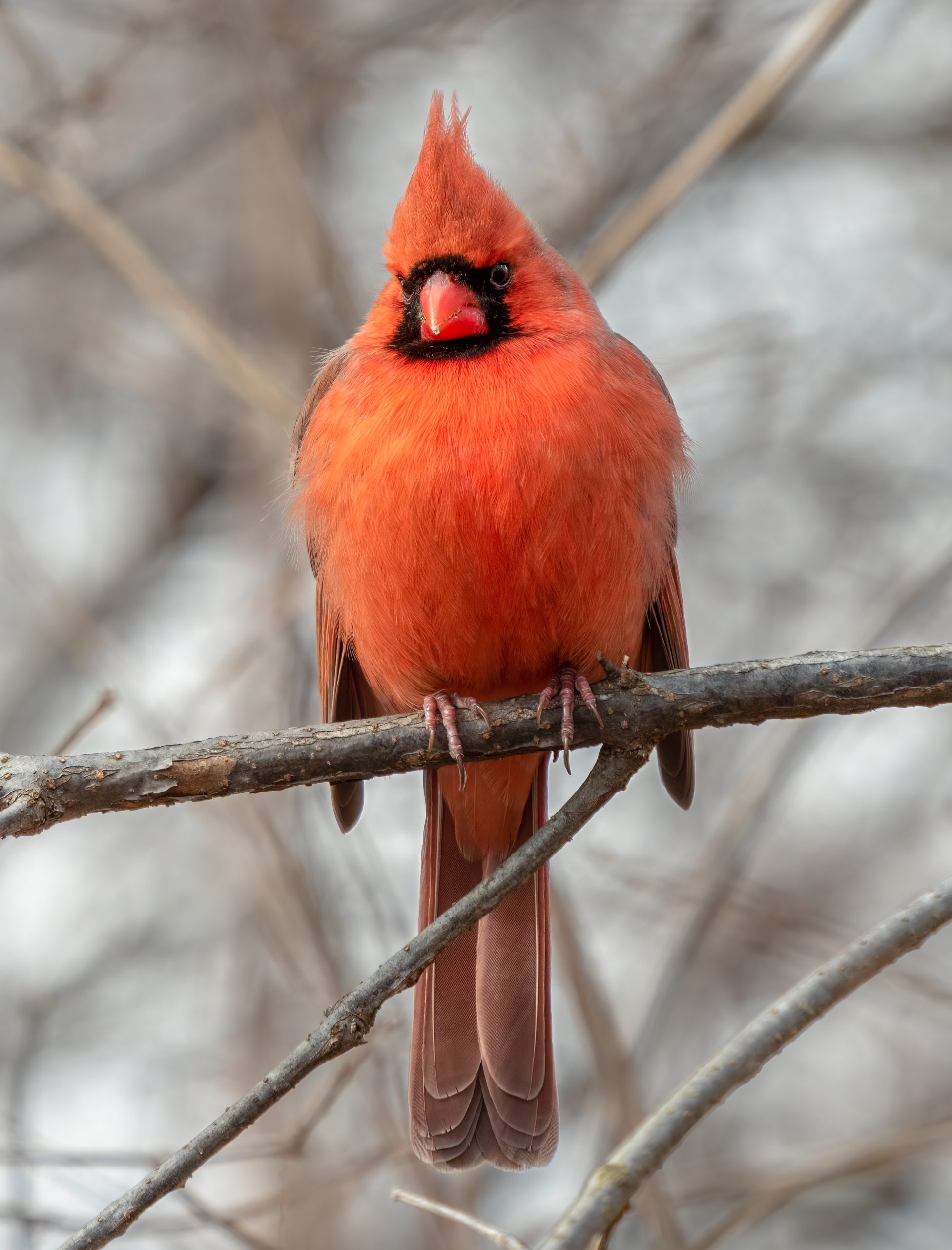
Most feeder birds are acrobats — chickadees cling, goldfinches hang sideways, nuthatches feed upside-down. The cardinal is none of these. It is a big-bodied, short-legged seed-crusher built to feed standing on the ground or a broad flat surface, facing its food straight on. Watch a cardinal attempt a small tube perch: it lands sideways, cranes its neck around to reach the port, wobbles, and leaves. Within days it stops trying.
That single anatomical fact explains every cardinal-feeding success and failure I’ve watched in thirty years. The yard with the “cardinal-proof” tube feeder isn’t unlucky — it’s anatomically mismatched. Fix the stance and the cardinals arrive; it’s that mechanical.
The 3 Feeders Cardinals Actually Use
1. The Hopper Feeder — The Cardinal Classic
A roomy hopper with a wide floor and a roof is the traditional cardinal feeder and still the best. The floor gives the forward-facing stance, the roof keeps seed dry for days, and the reservoir means you’re not refilling daily. Buy one with a floor at least six inches deep front-to-back; the narrow-ledge “decorative” hoppers fail the stance test exactly like tubes do.
2. The Platform Tray — The Crowd Option
An open tray, pole-mounted at four feet or hanging, serves cardinals perfectly — and every other big bird besides. If your goal is cardinals specifically, pair the tray with a baffle below and safflower above, and the platform becomes a cardinal table that squirrels and grackles largely ignore.
3. The Big-Tube with a Cardinal Ring
Several manufacturers sell tube feeders with a wrap-around tray or “cardinal ring” at the base — a circular perch that lets cardinals ride a tube facing forward. These genuinely work, and they’re the answer where you want one feeder serving both the tube crowd and cardinals. Buy the version with a metal ring and drainage slots in the tray; plastic rings crack by the second winter.
Seed Strategy: The Cardinal’s Short List
- Safflower — the cardinal’s signature seed and your secret weapon. Cardinals crack the hard white shell happily; squirrels, grackles and starlings taste the bitterness and quit. In a bully-heavy yard, a safflower hopper is a cardinal-only restaurant within two weeks.
- Black oil sunflower — the everyday staple. Cardinals take it eagerly; so does everything else, which is why safflower earns the top slot in crowded yards.
- Striped sunflower — cardinals crack it as easily as you crack a peanut. A cheap way to stock the platform when the small-bird tube runs black oil.
- White millet and cracked corn — taken on the ground below feeders. Cardinals spend real feeding time on the ground; a light scatter under the shrubs is part of the program.
The Dawn-Dusk Window: When Cardinals Actually Eat
Cardinals are crepuscular feeders — the first birds at the station in gray dawn light and the last to leave at dusk, often feeding when the light is too dim for any other species. Two practical consequences:
- Refill late in the day, not just in the morning. The yard that tops off at 4 PM owns the dusk shift. I learned this watching my neighbor’s fuller feeder steal my cardinals every evening for a month.
- Predawn and dusk feeding is predator-vulnerable. Keep the station within a quick dart of dense cover — a hunting cat works the same dim hours cardinals do.
Cover & Water: The Other Half of Cardinal Real Estate
Cardinals are edge birds. They live their whole lives within a short dart of dense shrubbery, and a feeder in the open middle of a lawn — however well stocked — gets brief, nervous visits at best. Place the cardinal feeder within ten feet of dense cover: a hedge, a tangle of blackberry, a row of evergreens. The birds stage in the cover, dash to the floor, and retreat to hull their seeds in safety.
Water matters as much as food. Cardinals are dedicated bathers — watch for the female at dusk, often the day’s last bather — and a shallow bath near the cover edge gets used daily. In freezing weather, open water near the cardinal thicket is the strongest winter draw I’ve found for them.
7 Cardinal Feeding Mistakes I’ve Made So You Don’t Have To
- Expecting cardinals at a perch tube. Sideways stance, cramped body, quick exit. Fix the stance first.
- Feeding only at dawn. The dusk window is half the cardinal day; refill late afternoon.
- Hanging the feeder in the open. Ten feet from dense cover or the visits stay nervous and short.
- Buying decorative hoppers with narrow ledges. Measure the floor depth; cardinals need room to stand.
- Fighting squirrels with hardware alone. Safflower in the hopper solves squirrels and grackles at the seed level.
- Forgetting the ground. Cardinals feed on the ground daily; a light millet scatter under the shrubs doubles their time in your yard.
- Skipping water. The bath near the thicket is used every single day — the feeder is only half the address.
Frequently Asked Questions
- Fix the stance first — cardinals need a flat floor and a forward-facing position; tubes fail the anatomy test.
- Hopper or platform, floor at least six inches deep, is the cardinal classic.
- Safflower is the secret seed — cardinals love it; squirrels and grackles don’t.
- Own the dawn-dusk window — refill at 4 PM, not just at breakfast.
- Ten feet from dense cover — edge birds feed where escape is one dart away.
- Water counts double — the bath near the thicket gets used daily, dusk included.
- Cardinals are residents — stock steadily and the same pair is yours for years.