
Brown-headed Cowbird


Brown-headed Cowbird (Molothrus ater): Complete Identification, Feeder Guide & Song Library
Quick Answer: How to Identify & Manage Brown-headed Cowbirds
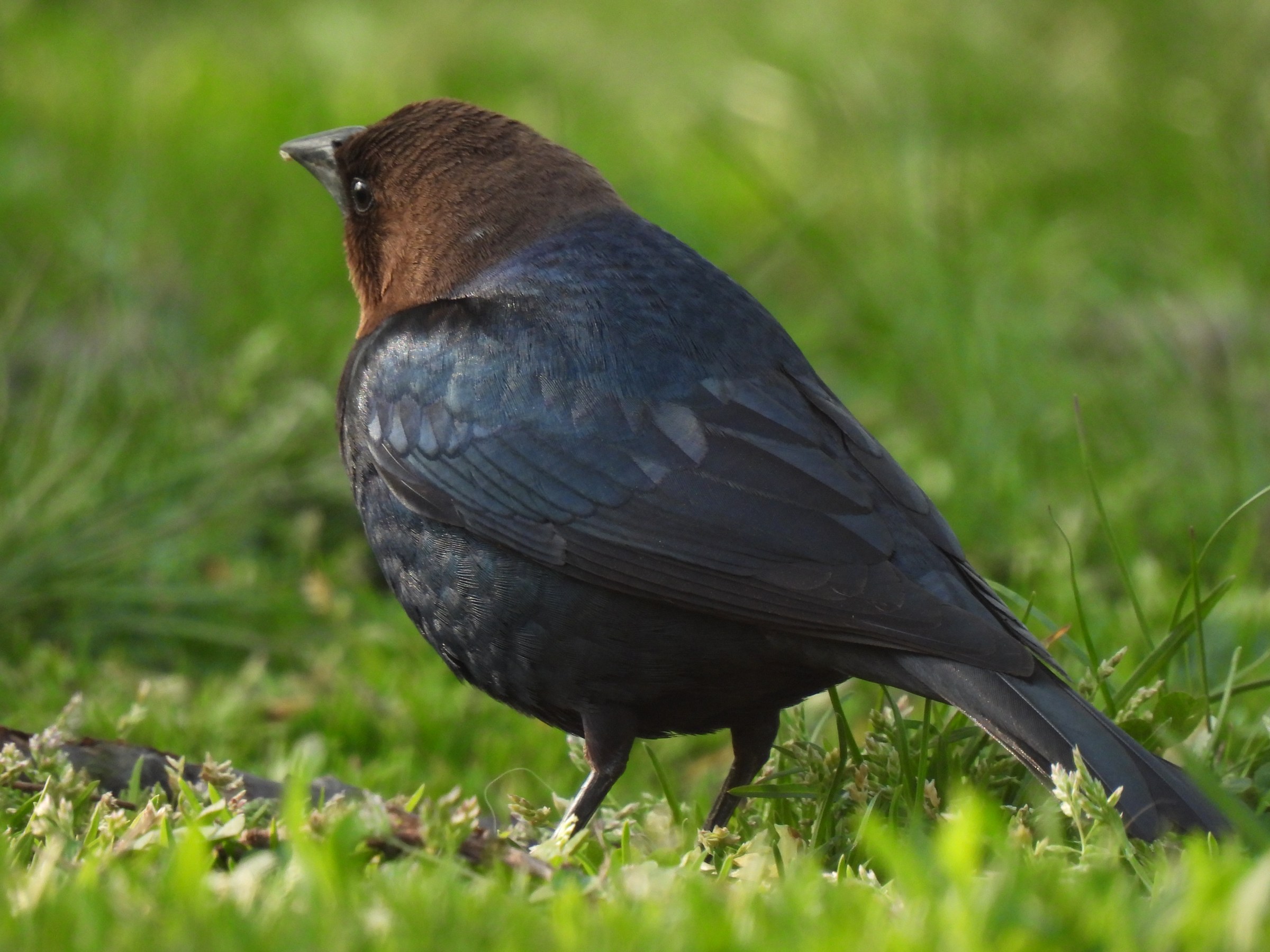
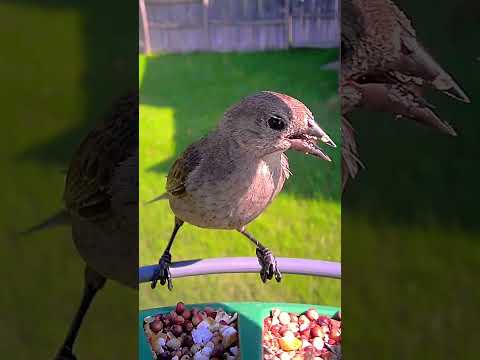
The Brown-headed Cowbird (Molothrus ater) is the stocky blackbird with a chocolate-brown head — a native of open country that once followed bison herds and now patrols lawns, pastures, and backyard feeders across most of North America. The male is glossy black with a cocoa-brown hood; the female is plain gray-brown with a pale throat. Its claim to fame is brood parasitism: it builds no nest and lays its eggs in the nests of other birds. Expect it at platform feeders and on spilled seed on the ground for millet, cracked corn, and sunflower — often in the company of the Red-winged Blackbird and the Common Grackle.
Species Physical Profile & Morphometrics
The Brown-headed Cowbird belongs to the New World blackbird family (Icteridae) and is the most widespread brood parasite on the continent. It shares its pastures and feeder trays with the Red-winged Blackbird and the Common Grackle — but it is smaller than both, with a distinctly short, thick bill and a habit of walking the ground with its tail cocked.
The identification formula: stocky black body + chocolate-brown head + short conical bill, usually walking on open ground. The female is the classic beginner’s trap — a plain, unstreaked gray-brown bird easily mistaken for a sparrow, but smoother, bigger-billed, and longer-tailed than any true sparrow at the feeder.
Essential Morphometric Field Marks:
- Body Length & Mass: 6.3 to 8.7 inches (16–22 cm) and 1.3 to 1.8 ounces (39–50 grams) — smaller than a grackle, stockier than a sparrow, with males about a third larger than females.
- Wingspan: 11.8 to 15.0 inches (30–38 cm); flight is direct with steady wingbeats, and winter flocks travel with other blackbirds in long, straggling lines.
- Bill Structure & Color: A short, thick, triangular conical bill, silvery gray to dark — noticeably stubbier than the dagger bills of blackbirds and grackles, built for crushing seeds.
- Color Pattern: The male is glossy black with a rich chocolate-brown head, the hood ending in a clean line at the nape. The female is uniform gray-brown with faint streaking below and a distinctly pale throat.
- Male vs. Female: The male’s brown-hooded black advertises from fence posts and treetops, while the female’s plain gray-brown keeps her inconspicuous — an advantage for a bird whose job is sneaking eggs into other birds’ nests. Juveniles are brown and scaly-looking above, heavily streaked below.
The cocoa-hooded showman: jet black body, warm brown head, and a courtship routine that is pure theater — he puffs his body feathers, spreads his wings and tail, and bows forward as he pours out his gurgling song from a fence post or high branch.
The quiet nest-watcher — plain gray-brown with a pale throat, she perches low and still, quietly monitoring other birds’ nests. She builds nothing herself: when a host nest is ready, she slips in at dawn, removes one host egg, and lays her own in its place.
Brown-headed Cowbird Vocalization Guide (3 Field Recordings)
The Brown-headed Cowbird’s song is a bubbly, liquid gurgle that seems to rise out of the bird like water from a spring, often topped by thin, high whistles. Calls are a dry chatter and rattle. All three recordings below are real field audio, shared under commercial-use licenses via Wikimedia Commons — no simulations. For a deeper library, browse xeno-canto: Brown-headed Cowbird.
1. The Gurgle Song
2. Song with Flight Whistles
3. Chatter and Rattle Calls
Habitat, Range & the Open Country Life
The Brown-headed Cowbird is a bird of open and edge country: pastures, feedlots, lawns, roadsides, open woodland edges, and farmyards. It evolved on the shortgrass plains following bison, and the spread of cattle, crops, and suburban lawns carried it from coast to coast.

From the Plains to Every Backyard
Brown-headed Cowbirds breed across most of North America, from Canada through the United States into Mexico, and winter across the southern half of the U.S. deep into Mexico. Much of the central and eastern U.S. holds them year-round, while northern breeders migrate south in fall to join mixed winter flocks with blackbirds, grackles, and starlings.
For backyard birders, cowbirds are most conspicuous at feeders in late winter and early spring, when flocks refuel on the move; in summer the birds scatter into breeding habitat, and the female’s nest-watching begins in earnest.
Backyard Behavioral Patterns & Social Dynamics
The Brown-headed Cowbird lives two lives — a sociable flock bird at the feeder, and a solitary strategist at nesting season. Four behaviors explain most of what you will observe:
🐄 The Hoof-Follower
The species’ name is literal: cowbirds follow grazing animals — once bison, now cattle, horses, and even lawn mowers — snatching the insects that hooves and blades flush from the grass. On a suburban lawn the same instinct plays out as deliberate walking foraging, tail cocked, picking seeds and insects one step at a time.
🎭 The Courtship Bow
Spring males put on a show: the singer puffs his body feathers, droops his wings, spreads his tail, and bows forward until he nearly topples off the perch, all while pouring out the gurgling song. Several males may display around a single watching female in a pasture-edge treetop.
🥚 The Egg Strategist
The female builds no nest. Instead she watches other birds’ nests — warblers, vireos, sparrows, cardinals, over 220 recorded hosts — waits for the right moment, then slips in at dawn, typically removes one host egg, and lays her own. A single female may lay several dozen eggs in a season, each in a different nest.
🥣 The Tray-and-Ground Feeder
At the station, cowbirds are platform and ground specialists — a roomy tray suits their walking style, and spilled seed under hanging feeders is prime foraging. Millet, cracked corn, and sunflower are reliable draws; in winter they arrive in flocks mixed with other blackbirds and can dominate an open tray.
Problem: “A Cowbird Egg Appeared in My Songbird’s Nest — and the Flock Is Taking Over the Feeder. What Should I Do?”
The two most common Brown-headed Cowbird worries both have calm, proven answers:
First, the egg in the nest: resist the urge to intervene. Cowbirds and their hosts are native species protected under the Migratory Bird Treaty Act, so removing eggs or disturbing an active nest can be unlawful without a permit — and hosts often abandon tampered nests anyway. The workable fixes are preventive and seasonal: size nest-box entrance holes to your target species, take boxes down after the last brood fledges, and accept that most healthy host pairs still raise their own young alongside an occasional cowbird. Second, the feeder takeover: winter and spring flocks eat heavily at open trays — put only a modest morning scoop on the platform, serve safflower (which cowbirds like less than sunflower), and keep one caged or weight-sensitive tube feeder reserved for chickadees and finches. Manage the buffet, not the bird, and the gurgle song from your fence post becomes one of spring’s stranger pleasures.
Method 1: Set the Table — Seeds, Platforms & Ground Feeding
Design for a walking, ground-feeding seed eater with a short, crushing bill:
-
Offer Millet, Cracked Corn, and Sunflower
White millet, cracked corn, and black oil sunflower are the proven draws, served on a platform or tray feeder where a walking bird can feed naturally. A light scatter of millet on bare ground below the feeders serves the birds that never perch at all.
-
Feed the Ground on Purpose
Cowbirds evolved to feed at hoof level — a ground-feeding corner on short grass or bare soil, set ten feet from shrubby cover, lets you watch the walking foraging style up close while keeping birds clear of ambush cover. Rake the patch weekly to keep seed fresh.
-
Time the Buffet to Late Winter
Traffic peaks in late winter and early spring, when migrant flocks refuel and natural seeds are buried or exhausted. Top up trays in the morning during snow cover, and scale back in summer when the birds disperse into breeding habitat.
-
Reserve a Small-Bird Station
A spring flock can monopolize an open tray — keep one caged or weight-sensitive tube feeder with short perches for chickadees, finches, and nuthatches, placed apart from the platforms. The flock works the open seed while the little birds eat in peace.
Method 2: Build the Habitat — Open Lawns, Water & Native Grasses
Feed the landscape, not just the feeder:
-
Keep an Open Feeding Lawn
Cowbirds are birds of short grass and open ground — a mowed lawn adjacent to shrubby edges is exactly the pasture-and-edge mosaic they evolved in. Leave one corner of the lawn a little longer as an insect-producing strip, and mow it last.
-
Add a Water Feature at Ground Level
A shallow birdbath or ground-level water dish in the open draws cowbirds to drink and bathe, especially in dry midsummer and during late-winter flock season. Moving water from a dripper advertises the station to flocks passing overhead.
-
Let Native Grasses Go to Seed
Native switchgrass, little bluestem, and annual grasses left standing through fall and winter are the original cowbird feeders — seed heads at walking height, harvested directly from the stem. Skip the fall cleanup in the meadow strip.
-
Leave Active Nests Undisturbed
If a host nest in your shrubs receives a cowbird egg, the lawful and practical choice is to let the season play out — both species are protected natives, and most host pairs manage fine. Channel the concern into next year’s prevention: right-sized entrance holes and season-timed nest boxes.
Tool Solution: Recommended Hardware for Brown-headed Cowbirds
Equipment matched to a stocky, walking, ground-and-platform feeder:
Platform / Tray Feeder
A roomy tray or platform feeder — hung or pole-mounted — where walking blackbirds can feed on millet, cracked corn, and sunflower, with drainage holes to keep seed dry in wet weather.
- • Food: Millet, corn, sunflower
- • Style: Open tray, drained
- • Placement: Open, near cover
Caged Tube Feeder
A tube feeder wrapped in a wire cage or fitted with a weight-sensitive perch — keeps sunflower and safflower flowing to chickadees and finches while the cowbird flock works the open tray instead.
- • Food: Sunflower, safflower
- • Style: Cage or weight-sensitive
- • Bonus: Excludes grackles too
Heated Birdbath
A heated shallow bath keeps open water available through freezing weather — a genuine magnet for winter blackbird flocks when every puddle and stock tank is iced over.
- • Depth: 1–2 in, gently sloped
- • Feature: Thermostat-controlled
- • Placement: Open sightlines
Frequently Asked Questions
- Species Profile: The Brown-headed Cowbird (Molothrus ater) is a 6.3–8.7 inch, 1.3–1.8 ounce songbird (Icteridae), band code BHCO — North America’s most widespread brood parasite.
- ID in One Look: The male is glossy black with a chocolate-brown head and a short conical bill; the female is plain gray-brown with a pale throat; both walk the ground with the tail cocked.
- The Sound: A bubbly, liquid gurgle climbing into thin, high whistles, plus dry chatter and rattle calls; three real field recordings above.
- Range & Habit: Breeds across most of North America, resident through much of the central and southern U.S. — northern birds winter in huge mixed blackbird flocks; a bird of pasture, lawn, and open ground.
- Feeder Formula: White millet, cracked corn, and sunflower on platform feeders and spilled ground seed — traffic peaks in late winter; keep one caged tube feeder reserved for small songbirds.
- The Season: Males bow and gurgle from fence posts in spring; females scout host nests in May and June — leave active nests undisturbed, and prevent next year with right-sized entrance holes.

Bird Watching Log
Species: Brown-headed Cowbird (Molothrus ater)
| Brown-headed Cowbird (Brown Hood Seen: Yes / No — Gurgle Song Heard: Yes / No — Ground Feeding: Yes / No — Flock Size: Small / Large) | |