
Attracting Buntings & Grosbeaks

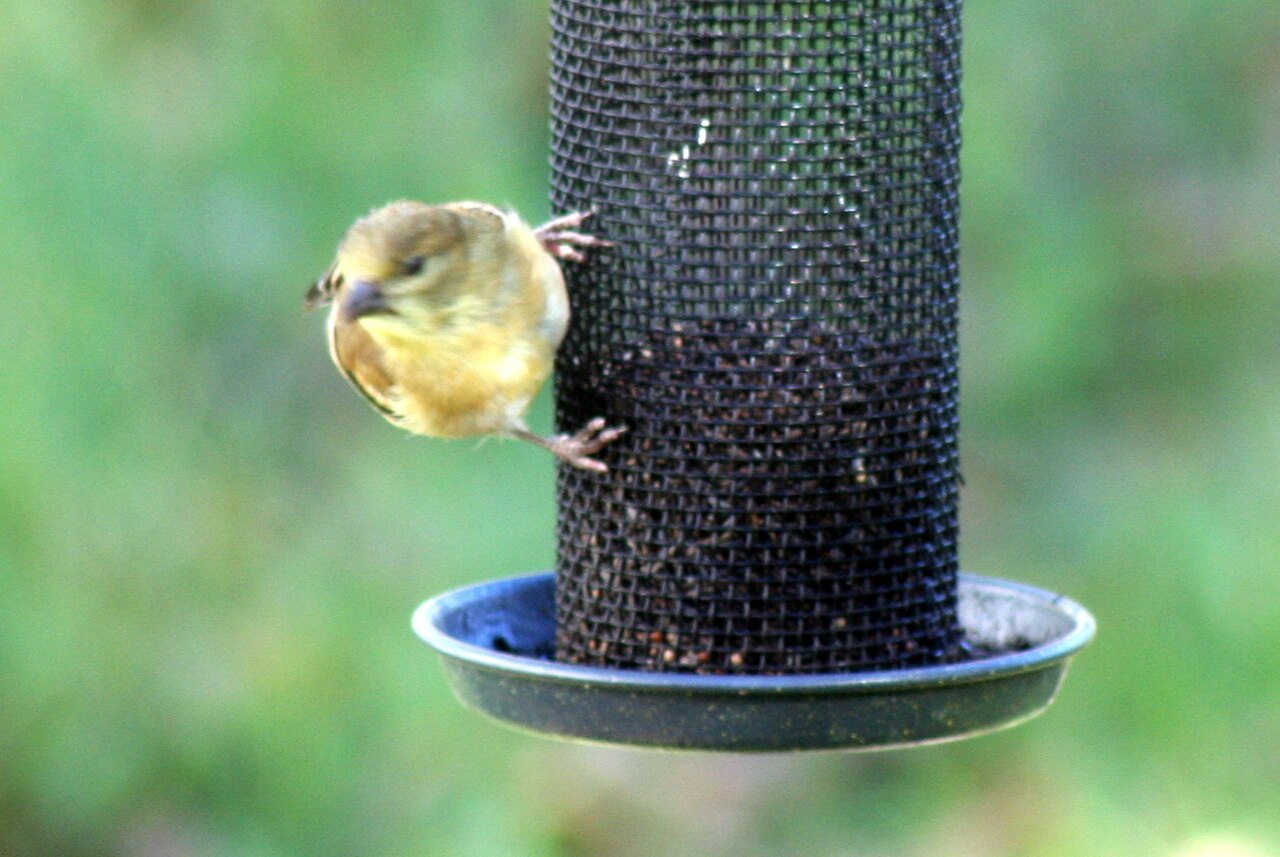
How to Attract Buntings & Grosbeaks to Your Yard
How do I attract buntings and grosbeaks to my feeders?
Serve black oil sunflower and white proso millet on a large platform or hopper, keep a clean water source running, and back the station with dense shrub cover within ten feet. Buntings prefer feeding low or on the ground; grosbeaks want a sturdy perch that fits their heavy build. Then master the calendar: Indigo Buntings and Rose-breasted Grosbeaks hit eastern feeders hardest during May migration, while Evening and Pine Grosbeaks are northern winter bonuses. Full seed out, cover close, water fresh — and patience through the quiet weeks.
Why These Birds Are Worth the Effort
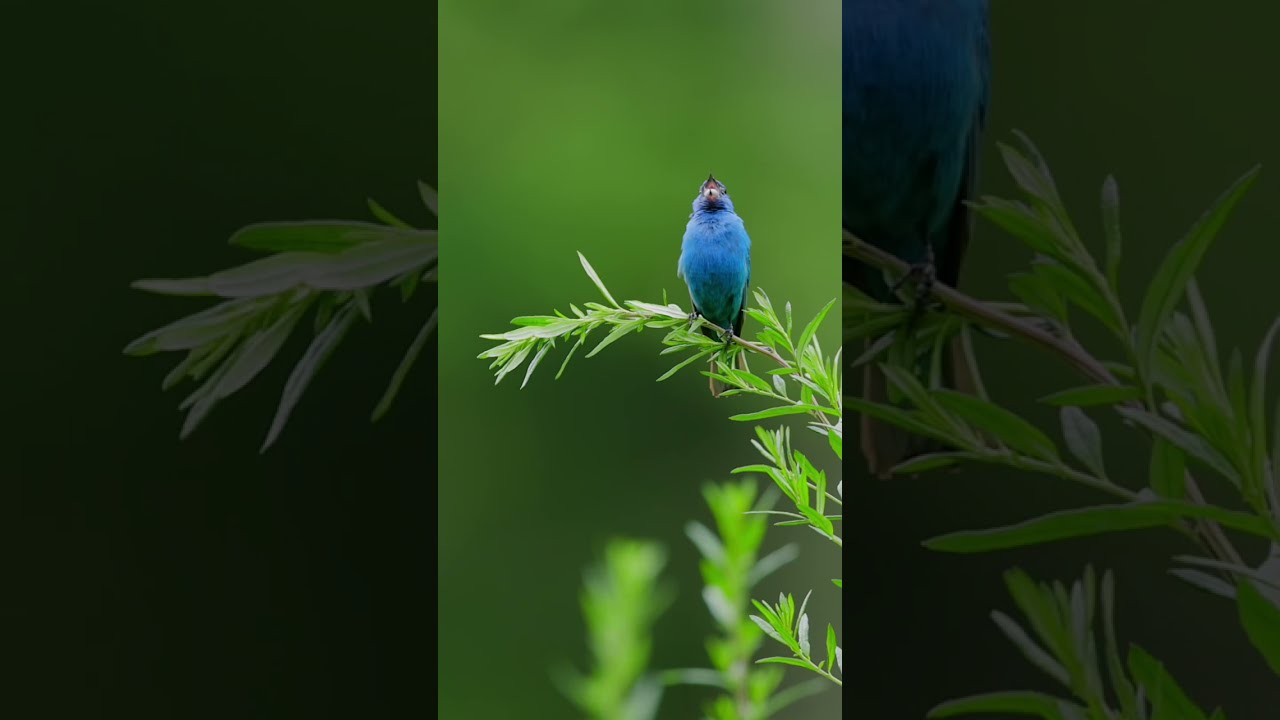
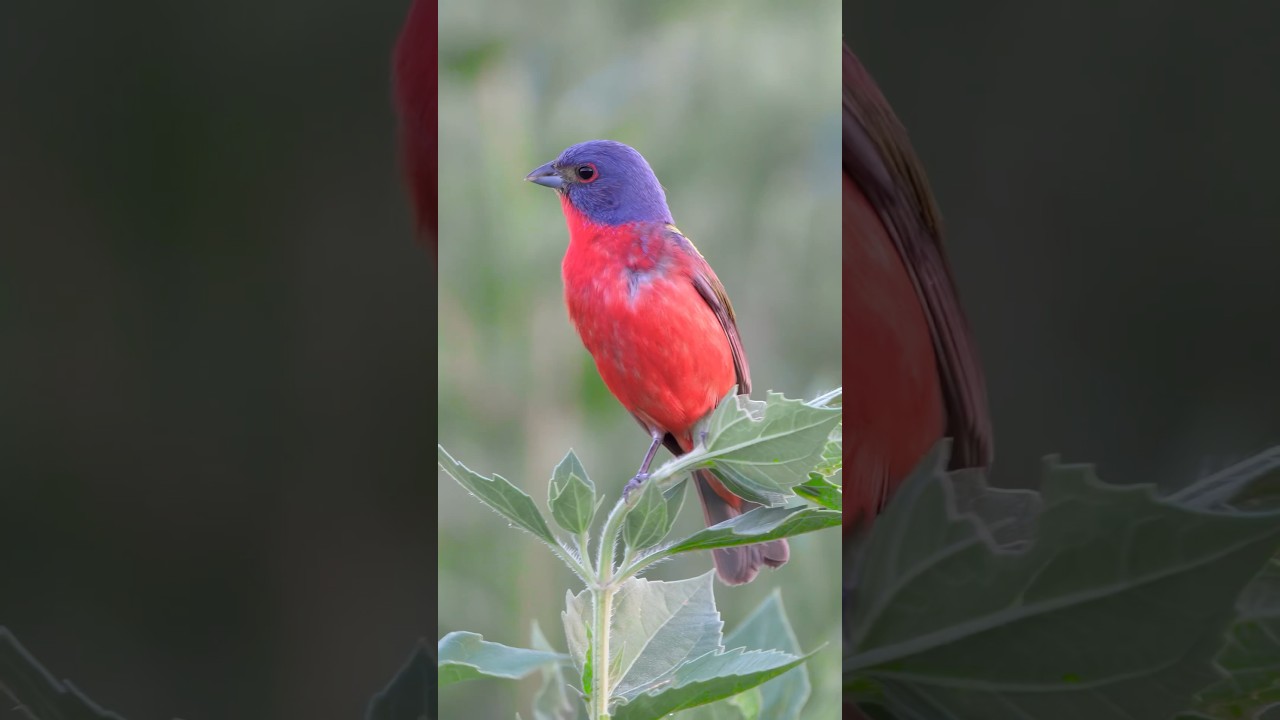
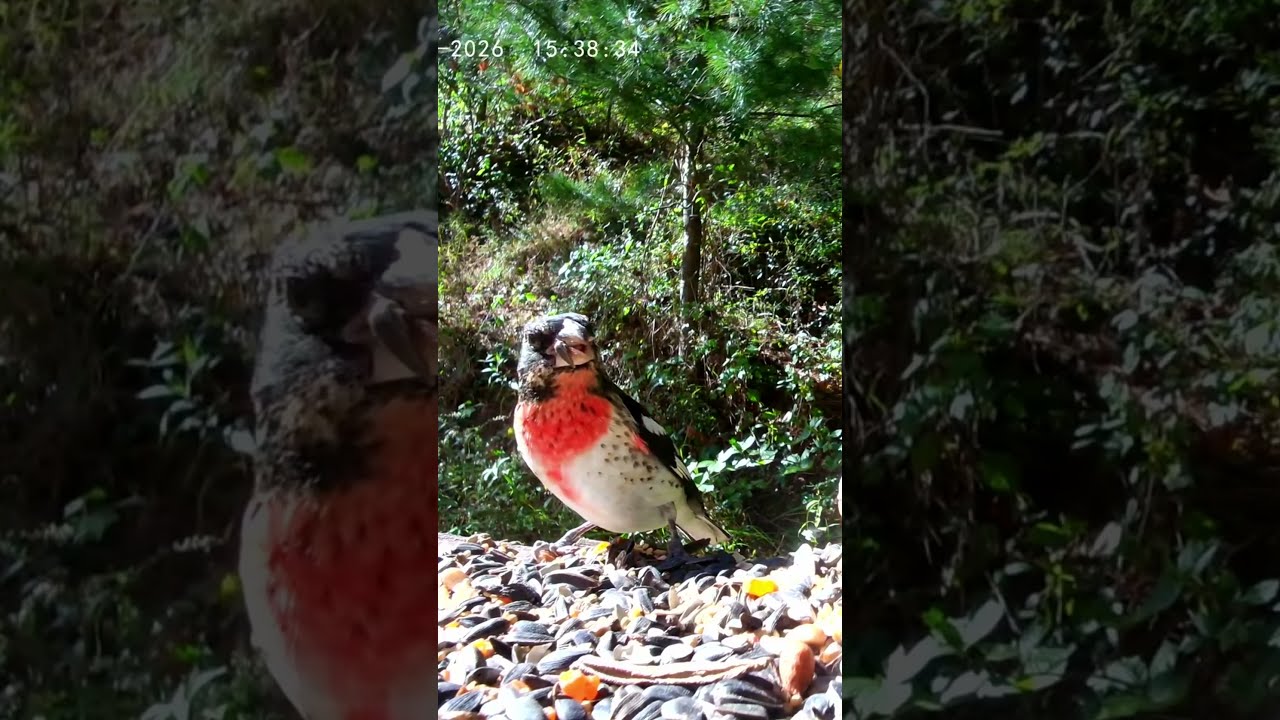
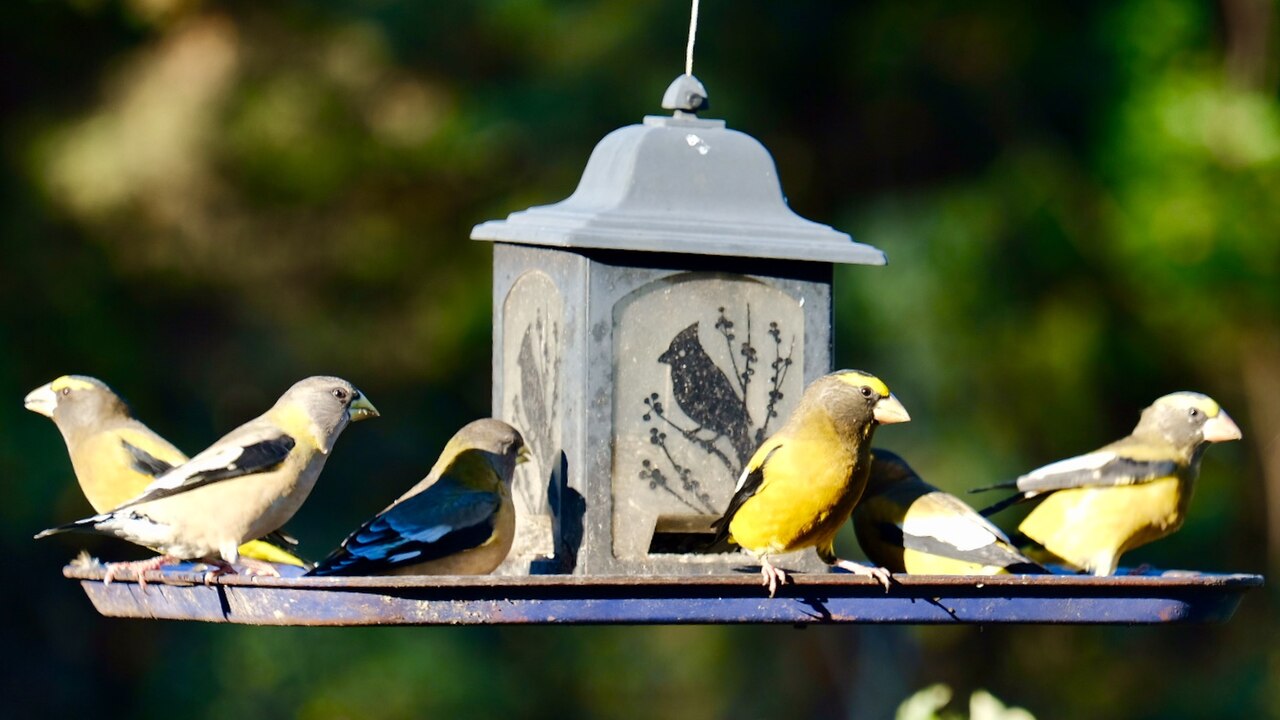
Every feeder watcher has a “day the yard went electric” story, and half of those stories involve a bunting or a grosbeak. A male Indigo Bunting in breeding plumage is a chip of lapis lazuli with wings; a male Rose-breasted Grosbeak looks like it flew through a paint store; a flock of Evening Grosbeaks mobbing a platform is gold and black and noise. Western yards get the same magic from Black-headed Grosbeaks, Blue Grosbeaks and — in the right deserts — Painted Buntings.
These are also honest birds to attract: they’re genuine seed-eaters with bills built like nutcrackers, they use feeders readily, and they respond to the same station design across most of the country. You don’t need exotic tricks. You need the right seed on the right platform at the right season — and the discipline to keep it consistent, because these species check a yard for a week or two before they commit to it.
My own turning point was a May morning in Ohio when I counted eleven Rose-breasted Grosbeaks on two platforms at once — a yard record that stood for years. The recipe that morning was embarrassingly simple: fresh black oil sunflower, millet scattered below, a dripping birdbath, and a forsythia hedge six feet behind the feeders. Everything in this guide is that morning, systematized.
Seed and Feeder Setup
Buntings and grosbeaks share a menu but differ in table manners. Grosbeaks are big, front-heavy birds that dislike wobbly tube perches; buntings are ground-feeding natives that will use a low platform but ignore a swinging feeder entirely. The station that catches both:
| Offering | Who Takes It | How to Serve It |
|---|---|---|
| Black oil sunflower | All grosbeaks, all buntings | Platform, hopper, or large tray — the backbone |
| White proso millet | Indigo & Lazuli Buntings especially | Scattered on the ground or a low platform near cover |
| Sunflower chips/hearts | Buntings, shy or young grosbeaks | Tray; premium but shell-free and instantly accepted |
| Safflower | Grosbeaks yes, buntings sometimes | Hopper; deters squirrels and grackles at the same station |
| Nyjer (thistle) | Occasional buntings | Fine-mesh feeder; a supplement, not the draw |
| Orange halves & grape jelly | Some Rose-breasted Grosbeaks | An oriole station; a spring bonus, not a staple |
Two hardware rules worth engraving: platforms beat tubes for this group (big birds, big bills, no acrobatics wanted), and seed freshness is the whole game during migration — a migrating grosbeak samples your feeder once, and stale seed loses that audition permanently. Buy seed in quantities you can cycle through in a month.
Water: The Feature Most People Skip
Ask veteran feeder-watchers what single upgrade doubled their species list and the answer is never a seed — it’s moving water. A birdbath with a dripper or small fountain is audible from a surprising distance, and migrating birds navigate toward the sound. Buntings in particular visit water more reliably than seed: they bathe daily, and a dripping bath in May will pull an Indigo Bunting into a yard that never sees one at the feeder.
Practical setup: a shallow basin (1–2 inches at the deep end, with a rough surface for footing), a dripper or solar fountain insert, and a scrub every few days. In winter grosbeak country — the northern tier and mountains — a heated bath becomes the single most reliable Evening and Pine Grosbeak magnet when every natural source is frozen. Position it near the same cover that backs your feeders, and expect the goldfinches, robins and everything else to find it first. That’s fine — activity attracts activity.
Cover and Yard Layout
A bunting’s first question about your yard is never “what’s on the menu?” — it’s “where do I dive when the Cooper’s Hawk comes?” These are edge-habitat birds, and they read your yard as a map of escape routes.
- Dense shrubs within 5–10 feet of the feeders. Native viburnums, dogwoods, elderberry, ninebark or a brush pile give buntings a staging area where they perch, assess, then commit to the feeder. An isolated feeder on a naked lawn is a grosbeak desert.
- Layered planting. Tall trees, mid-story shrubs, low ground cover — grosbeaks favor the canopy-to-feeder route, buntings work the shrub-to-ground route. Provide both.
- Seed-bearing native plants. Coneflowers, black-eyed Susans, native sunflowers and grasses left standing through fall teach buntings that your yard is habitat, not just a restaurant. Birds raised on natural seed accept your feeder faster.
- Brush piles. Ugly and unbeatable — a loose pile of prunings near the feeding station is used every single day, especially by the ground-feeding buntings and the towhees that travel with them.
The Calendar: When Each Species Is Winnable
Most “I never see buntings” complaints are calendar errors — the birds were there for three weeks in May while the feeder sat empty. Timing by region:
| Species | Prime Feeder Window | Region |
|---|---|---|
| Rose-breasted Grosbeak | Late April–May (peak), Sep–Oct | Eastern half, Midwest |
| Indigo Bunting | May (migration), summer where breeding | East and Midwest; brushy edges |
| Black-headed Grosbeak | April–May, summer in range | West, to the Rockies |
| Blue Grosbeak | May–August | Southern tier, expanding north |
| Evening Grosbeak | November–March, irruption years | North, mountains; wandering winters |
| Pine Grosbeak | December–February, irruption years | Boreal belt, northern states in winter |
The discipline: fill the station two weeks before the window opens and keep it full through it. A migrant that finds your feeder on day one may stay a week; one that finds it empty moves to the neighbor’s. Evening and Pine Grosbeaks follow cone and ash-seed crops — in poor-crop “irruption” years they push far south, and winter feeder watchers from Minnesota to Colorado get their once-a-decade bonanzas. You cannot schedule an irruption, but you can be the yard that’s ready for one.
The Patience Protocol
Here is the part nobody puts on the seed bag: a new species usually finds a yard weeks after the habitat becomes suitable, not days. Birds prospect in loops; your station enters their circuit only after repeated safe flyovers. The protocol I give every impatient beginner:
- Commit to a full season, not a weekend. Keep the platform stocked and the water dripping from mid-April through May without gaps.
- Watch the staging cover, not the feeder. Your first Indigo Bunting will usually appear as a brownish bird in the shrubs — the females and immatures scout first. Blue follows brown.
- Log what you see, even the misses. A notebook (or a notes app) recording dates turns “they never come” into “they came May 6–12 last year” — and next year you’ll be ready for them.
- Never let the seed run stale or empty during the window. One bad audition costs you the season.
- Celebrate the one bird. A single May grosbeak this year becomes three next year, because survivors remember productive stops. Yard lists compound like interest.
7 Mistakes That Keep Buntings Away
- Feeding only in tubes. Grosbeaks won’t balance on them and buntings won’t climb — platform or ground, every time.
- Stocking up in June. The May migration window is closed; mark the calendar backward from it instead.
- Offering cheap mixed seed. Filler grain (red milo, wheat) is left to rot; buntings want millet and sunflower, not sweepings.
- No water feature. A silent yard is invisible to a passing bunting; a dripping bath is a beacon.
- Bare-lawn landscaping. No staging cover within ten feet means no bunting ever commits to the open.
- Cutting the seedheads in fall. Standing coneflowers and grasses are the welcome mat; the mower removes it.
- Quitting after one quiet week. The compound-interest yard wins; the weekend yard doesn’t.
Frequently Asked Questions
- Platform + black oil sunflower is the grosbeak backbone; heavy bills, heavy birds, stable perches.
- Millet at ground level is the bunting key — feed low, beside cover.
- Moving water outpulls seed — a dripping bath is the cheapest species-list upgrade you own.
- Shrubs within ten feet — no staging cover, no commitment.
- Own the calendar — May for Rose-breasted and Indigo; winter for Evening and Pine.
- Fill early, never stale — migrants audition a feeder once.
- Yard lists compound — one May grosbeak becomes next year’s flock.