
Best Platform & Tray Feeders


Best Platform & Tray Bird Feeders: Ground Feeding Guide
What is the best platform bird feeder?
The best platform feeder is a 16–20 inch tray with a perforated metal bottom for drainage, hung or pole-mounted about four feet up near shrub cover, with a roofed model in wet climates and a baffle below in squirrel country. Serve only what birds finish by dusk — an open tray left loaded overnight feeds rats, not birds. Fill it with black oil sunflower, white millet and peanuts, and it will host the widest species list of any feeder you own.
Why a Flat Board Outfeeds Every Other Feeder
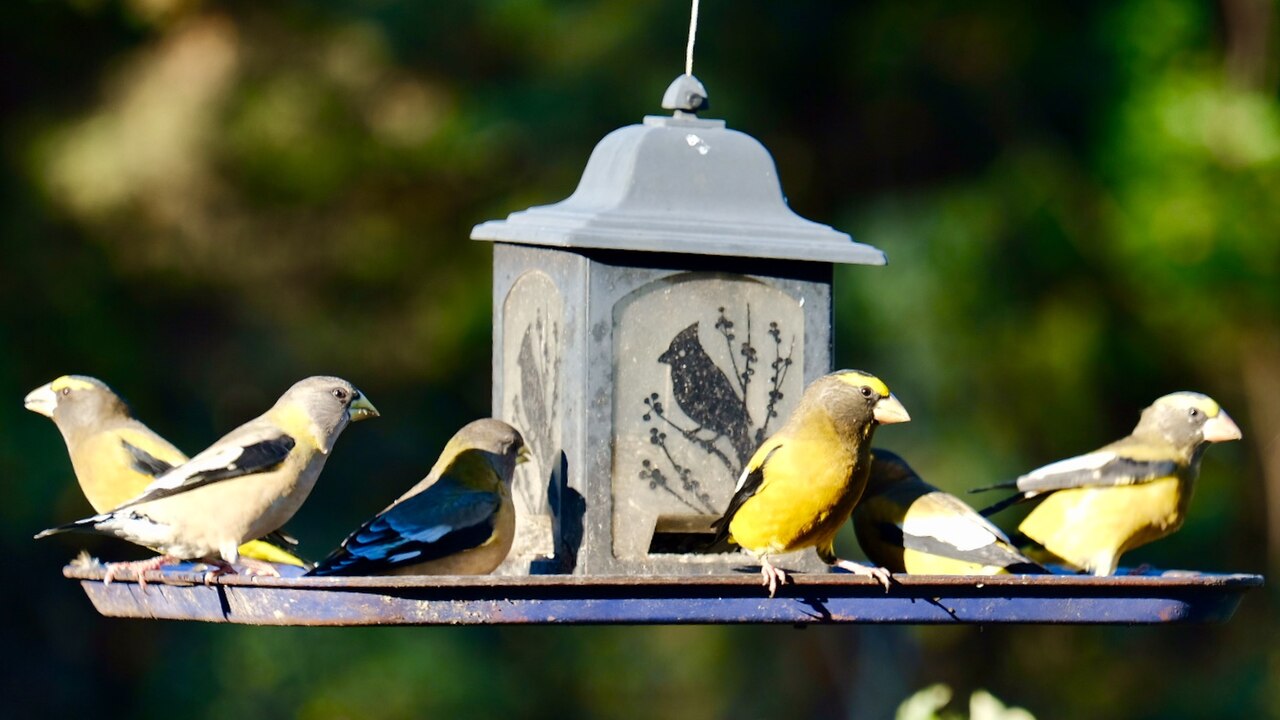
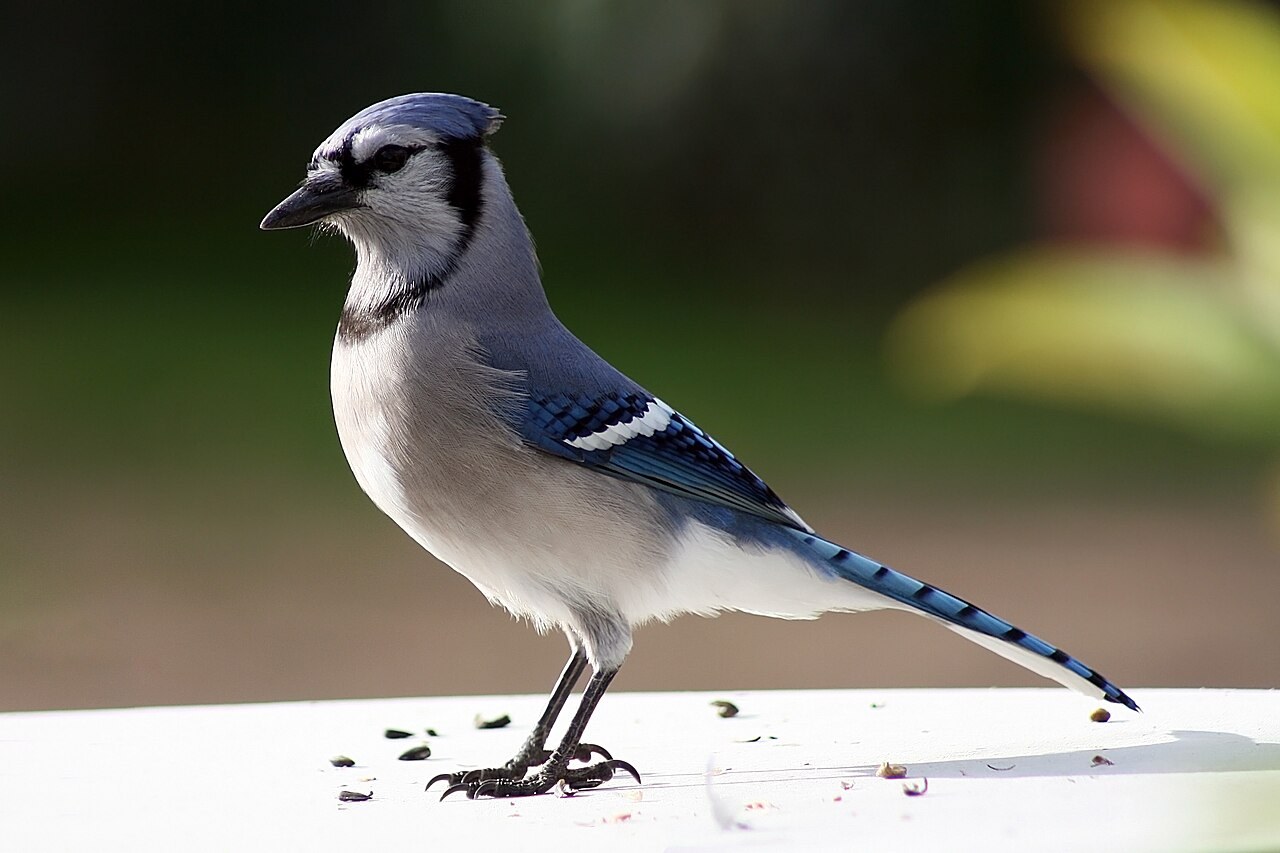
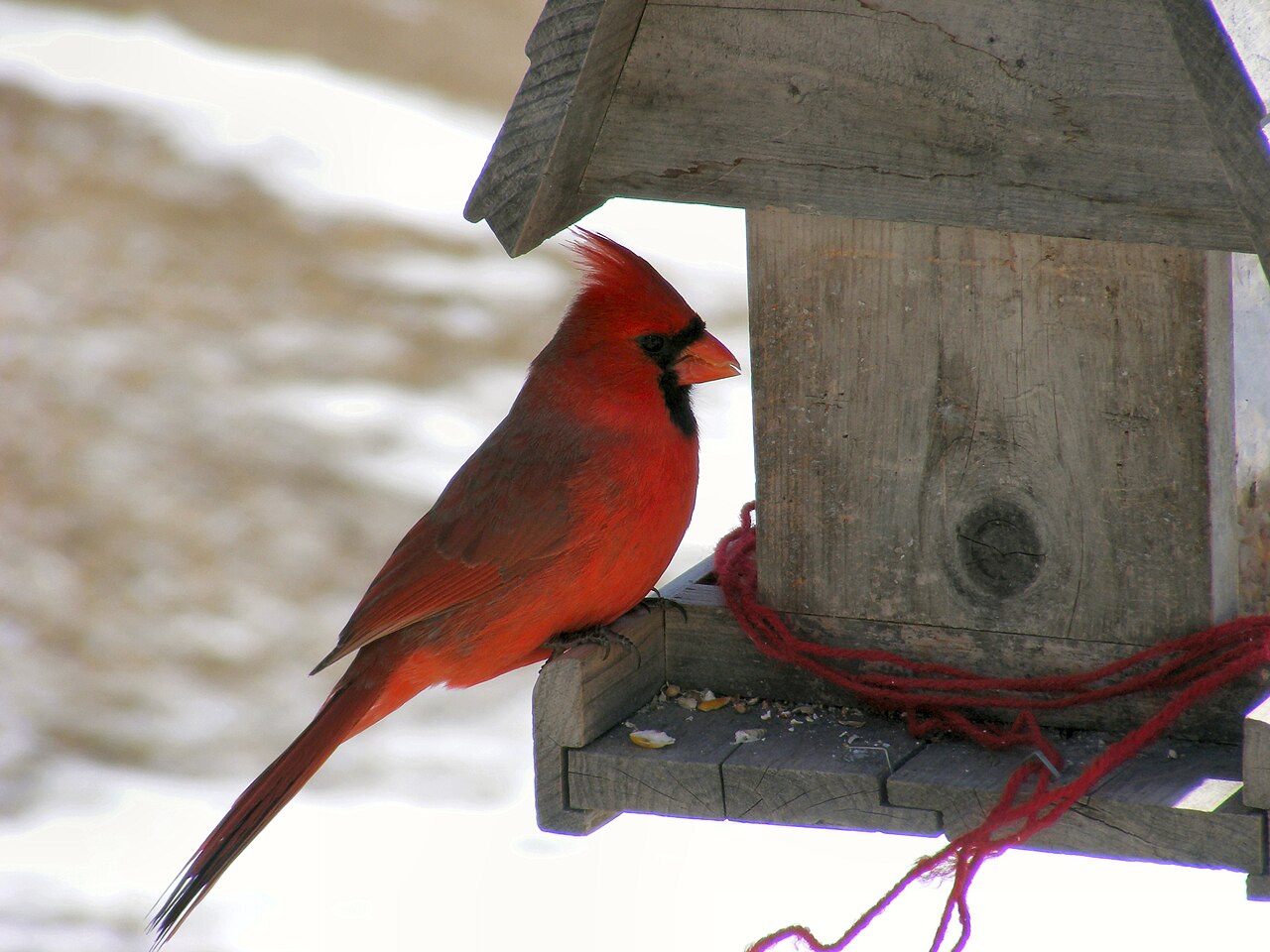
Every other feeder type filters birds by body plan — small perches exclude big birds, cages exclude non-clingers. A platform excludes nobody. Cardinals that refuse tube perches, Mourning Doves too big for any perch, Blue Jays hauling off whole peanuts, Evening Grosbeaks feeding shoulder to shoulder in a flock — the platform seats them all at one table.
It is also the only feeder that serves the ground-feeding guild on its own terms. Juncos, native sparrows and towhees evolved scratching leaf litter; a tray at knee height reads to them exactly like a forest floor. My platform has produced more first-time yard species over thirty years than every other feeder combined — precisely because it has no door policy.
The 3 Tray Styles
1. Hanging Trays
A mesh-bottomed tray on chains or cables, hung like any feeder at four to five feet. Cheapest entry into platform feeding, swings gently in wind (birds don’t mind), and keeps the seed off the ground where moisture and rodents concentrate. The must-have spec is a perforated or wire-mesh floor — a solid-bottom tray holds rainwater and turns seed to sludge within a day of any storm.
2. Pole-Mounted Trays
The same tray on a rigid pole — steadier, easier to baffle, and my preference for permanent stations. A pole-mounted tray with a stovepipe baffle below it is the one squirrel-resistant way to run an open platform. Add a second low tray at the pole base for the ground guild and you’ve built a two-story restaurant.
3. Roofed & Ground Trays
Roofed platforms (a tray with a weather cover, sometimes adjustable height) earn their premium in rainy and snowy climates — seed stays dry, and the roof excludes nothing but weather. Ground trays, set directly on the soil or a patio, are dove and junco headquarters; site them on bare ground you can rake, because hulls accumulate fast underneath.
What to Serve on a Platform
The platform’s openness is its license: anything goes. What earns its place on mine:
- Black oil sunflower — the base layer, every day. Cardinals, grosbeaks, finches and jays all work it.
- White proso millet — the ground-guild specialist. Juncos, native sparrows, towhees and doves take it preferentially; scatter it toward the tray’s edge or on the ground below.
- Whole in-shell peanuts — jay and woodpecker entertainment. A handful disappears in minutes when a Blue Jay family finds them.
- Cracked corn — the decoy and the dove food; cheap, and the ground crew cleans it up.
- Fruit in season — orange halves in oriole season, apple pieces in fall, soaked raisins in winter for robins and mockingbirds.
- Sunflower chips in dry weather only — the crowd-pleaser that spoils fastest; serve small amounts, and never before rain.
The Ground-Feeding Guild: Birds the Tube Feeder Never Sees
The species that make a platform essential rarely perch anywhere else. Dark-eyed Juncos winter across the country and feed almost entirely at ground level. White-throated, White-crowned and Song Sparrows, towhees, doves of every local species — all of them read a low tray as home turf. If your winter yard feels quiet at the feeders, look down: the ground guild is probably there, waiting for a table.
The Dusk Rule: How to Feed Birds Without Feeding Rats
An open platform’s only real hazard is the night shift. Rats, raccoons, opossums and deer all read a loaded tray after dark as an invitation, and a tray that feeds rodents nightly becomes a rodent station that birds visit. The discipline that prevents it completely:
- Feed a measured amount in the morning — start with a cup or two, not a heaped tray.
- Watch what gets eaten by dusk for a week, and adjust the morning serving to match. Birds regulate to a reliable ration quickly.
- Anything left at dusk gets swept off onto the compost or into the bin. Ten seconds, every evening, and the night shift finds nothing for years.
Placement & Cover
Platforms follow the same geometry as every feeder — inside 3 feet or beyond 30 feet from windows, about 10 feet from escape cover, baffled against squirrels — with two platform-specific additions. Keep it low enough to rake under; the hull zone beneath a tray needs monthly cleanup. And give it sky: platforms draw their best crowds in the open, where approaching birds can scan for hawks before committing.
7 Platform Mistakes I’ve Made So You Don’t Have To
- Buying a solid-bottom tray. One rainstorm equals one tray of seed soup. Mesh or perforated floor, non-negotiable.
- Heaping it full and leaving for the weekend. That’s not bird feeding, that’s rat ranching. Measured morning servings only.
- Skipping the baffle on a pole tray. An unbaffled open tray is a squirrel dining room with a view.
- Serving chips before a storm. Hulled sunflower molds overnight when wet. Check the forecast before the fancy seed.
- Setting a ground tray in deep grass. You can’t rake it, hulls sour the soil, and cats hunt the edge. Bare ground or patio.
- Never raking the hull zone. The black mat under an old station harbors mold and bacteria where the ground guild feeds.
- Expecting juncos at chest height. The ground guild feeds low. If they ignore your tray, lower it — knee height changes everything.
Frequently Asked Questions
- One rule above all: feed what birds finish by dusk — that’s the whole rat-prevention program.
- Mesh floor or nothing — drainage is the spec that separates a feeder from a seed swamp.
- Platforms seat everyone — cardinals, jays, doves and the entire ground guild that tubes never serve.
- Low trays own the ground guild — juncos and native sparrows feed at knee height or below.
- Pole + baffle makes the open platform squirrel-resistant; safflower makes it squirrel-boring.
- Roofed models earn their keep in wet and snowy climates.
- Rake the hull zone monthly — the ground under the tray is part of the feeder.