
Spring Migration Feeder Setup


Spring Migration Bird Feeder Setup
How do I prepare my feeders for spring migration?
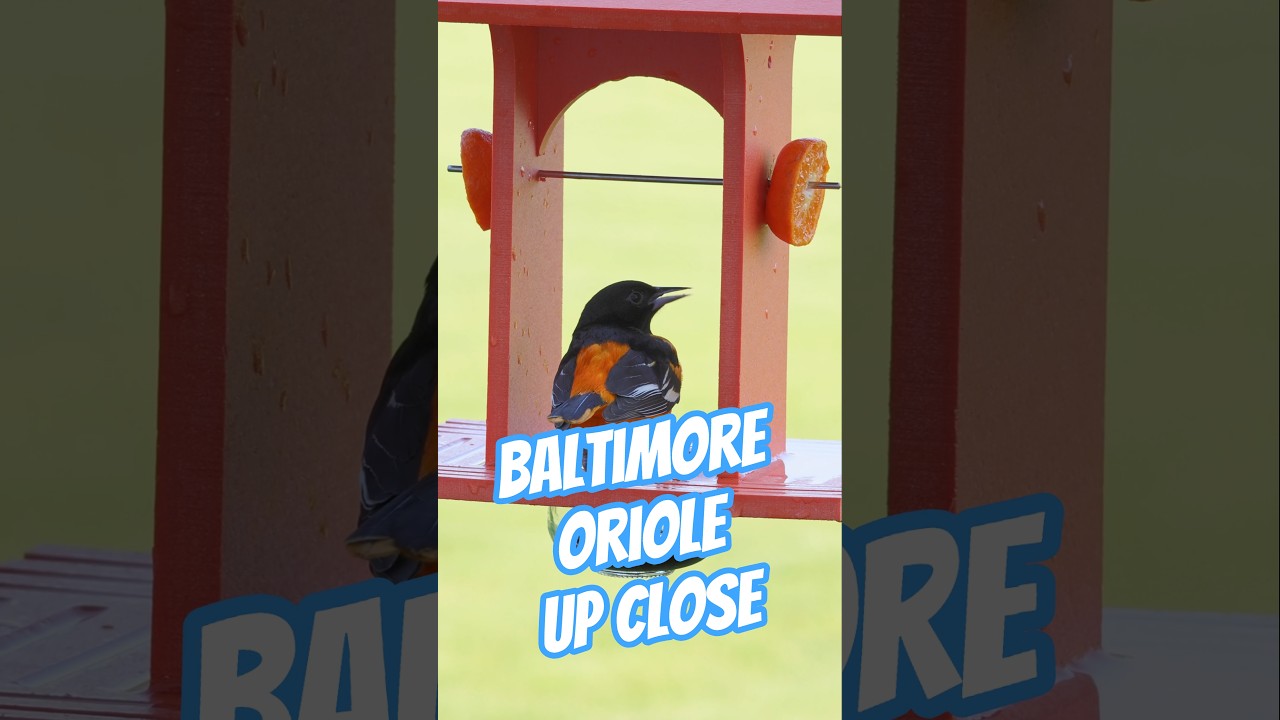
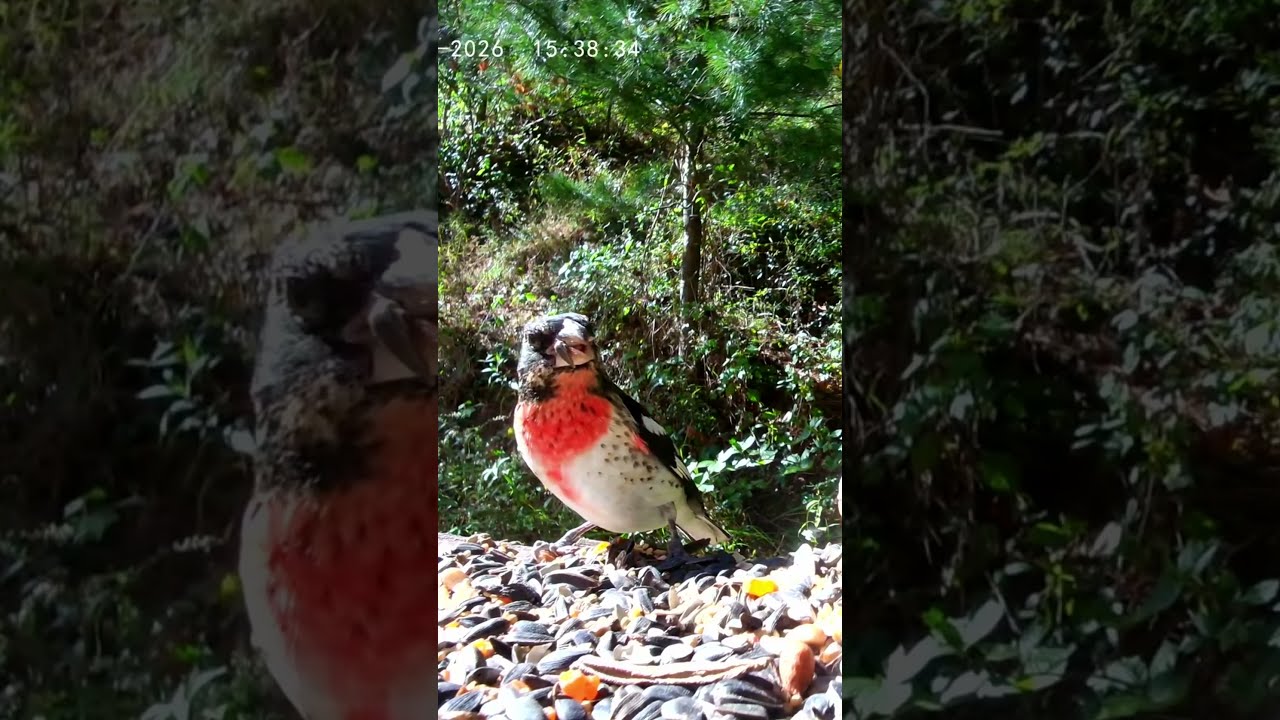
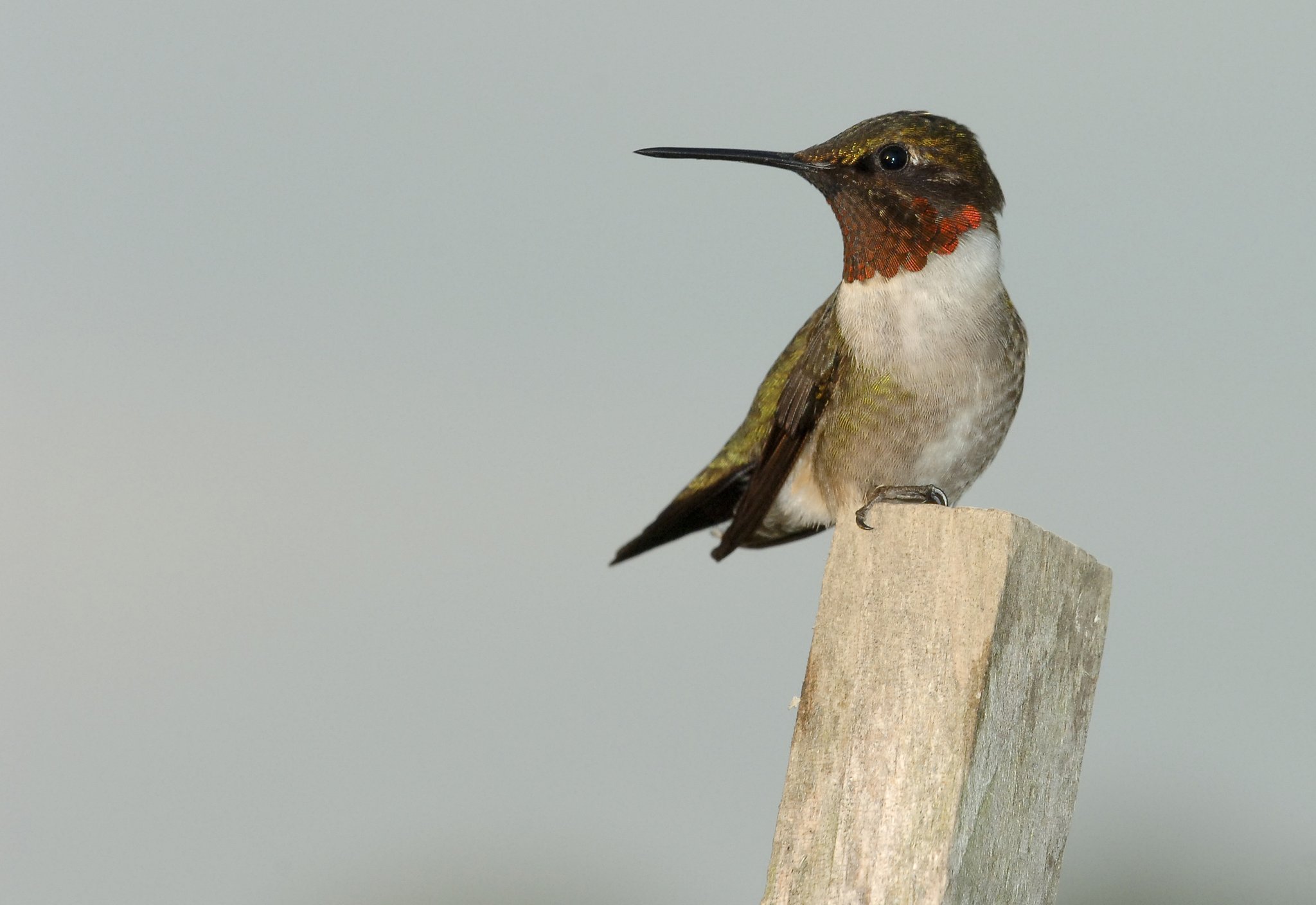
Work backward from the calendar: oriole stations (orange halves, grape jelly, nectar) out by late April in the South, early May in the North; hummingbird feeders up one to two weeks before your region’s average first-arrival date; seed stations deep-cleaned and freshly stocked through May. Spring is when migrants audition yards — a Rose-breasted Grosbeak or Baltimore Oriole that finds food on arrival day may stay a week; one that finds an empty feeder moves on permanently. Add a dripping birdbath — moving water pulls more migrants than any seed. Set up early, stock fresh, stay consistent.
The Spring Calendar, Region by Region
Spring migration is a wave rolling north at roughly 20–40 miles a day, and your setup dates are read off that wave. Anchor dates (adjust a week either way for your latitude and the year’s weather):
| Event | Gulf Coast / Deep South | Mid-Latitudes (Ohio Valley, Mid-Atlantic) | North (Upper Midwest, New England) |
|---|---|---|---|
| Hummingbird feeders out | Early March | Mid-April | Late April–May 1 |
| Oriole station ready | Early April | April 25–May 1 | May 1–10 |
| Grosbeak/bunting window | April | May 1–20 | May 10–31 |
| Peak warbler/tanager flyover | April | Early-mid May | Mid-late May |
| Seed station deep-clean | March | Early April | Mid-April |
The principle behind every row: be ready before the wave arrives, not when you see the first bird. The first hummingbird you see is the one that found you; the ones that found nothing left no trace. Local birding groups and eBird bar charts for your county give precise average arrival dates — set your setup two weeks ahead of them.
The Oriole Station: Spring’s Best Return on Investment
Of all seasonal feeding, orioles give the most spectacle per dollar — and they’re only winnable for a few weeks, because most switch to insects and caterpillars once nesting starts. The station:
- Orange halves on a spike or in a suet-cage-style holder. Fresh half daily; shriveled fruit gets ignored and molds.
- Grape jelly in a small dish — a spoonful or two, refreshed daily. This is the stronger draw; a May Baltimore Oriole (or western Bullock’s) will commute to a reliable jelly dish.
- Oriole nectar feeders — same 1:4 sugar water as hummingbirds, with bigger ports and perches. Optional; jelly and oranges outdraw them.
- Placement: in the open, visible to a bird passing at treetop height — orioles arrive high and scan. The station hidden under the porch gets found in June, by squirrels.
- Ant guards and daily service. Jelly in May sun is an ant farm by noon; moats above, small servings below.
The window is short — two to four weeks of heavy traffic at arrival, tapering as nesting starts. Some pairs keep visiting jelly all summer (western Bullock’s especially), but plan your station around the May surge. And don’t despair when it quiets: the same adults remember productive stops, and next year’s first oriole often arrives already knowing where the jelly lives.
The Grosbeak & Bunting Window
For two to three weeks each May, the eastern half of the country hosts one of feeder-watching’s great events: Rose-breasted Grosbeaks, Indigo Buntings, and in the West Black-headed Grosbeaks and Lazuli Buntings descend on seed feeders in numbers they never show in breeding season. The setup that catches them:
- Platforms and hoppers full of black oil sunflower, stocked fresh from late April — the seed grosbeaks can’t refuse.
- White millet scattered low near shrub cover for the buntings, which feed at ground level.
- Water dripping. Migrants arrive exhausted at dawn; a dripper pulls them before seed does.
- No gaps. The audition logic again: a grosbeak that finds your station on May 3 may stay to May 10; one that finds empty ports on May 3 is in the next county by noon.
My own May ritual after thirty years: the last weekend of April, every feeder gets emptied, scrubbed and refilled with the freshest seed in the house, the bath gets its dripper, and the jelly dish goes out. The yard’s best two weeks of the year follow like clockwork.
Water: The Migration Magnet
If you add one feature for spring, make it audible water. Migrating birds navigate visually but stop for sound — a dripper or small fountain carries farther than you’d guess, and birds that would never visit a seed feeder (warblers, tanagers, vireos, flycatchers) all drink and bathe.
- Dripper over a shallow bath — the classic; the plink is the beacon. Commercial drippers or a milk-jug with a pinhole both work.
- Solar fountain inserts — zero plumbing; keep the basin scrubbed, since spring traffic fouls water fast.
- Shallow and rough-surfaced — one to two inches deep with texture for footing; exhausted migrants are sloppy bathers.
- Near cover, in view of your window — the birds stage in shrubs between bath sessions, and May mornings at a watched bath out-bird any feeder.
Count on firsts: my yard’s only Summer Tanager came to the dripper, not the seed, and May baths have produced more one-time yard birds than all my feeders combined.
Hummingbird Timing: Beating the Scouts
The first Ruby-throated Hummingbirds cross the Gulf of Mexico when your yard still looks like winter, and they arrive needing calories urgently. A feeder that’s out early doesn’t just feed them — it claims them: spring hummingbirds site-faithful to a reliable station may nest within sight of it.
- Out early: one to two weeks before your county’s average first-arrival date (Gulf Coast early March, mid-latitudes mid-April, northern tier around May 1). A feeder up early costs pennies of sugar; a feeder up late costs you the season’s pair.
- Fresh from day one: spring cleaning discipline — 1:4 sugar water, changed weekly in cool spring weather, more often once heat arrives.
- Two stations by June: once territories lock in, a second feeder out of sight of the first lets subordinate birds feed — and doubles your viewing.
- Flowers as backup: red tubular natives (bee balm, cardinal flower, salvias, trumpet honeysuckle) make the yard habitat, not just a station — early bloomers matter most.
Don’t Forget the Residents: Nesting Season Support
While the migrants get the attention, your year-round birds are doing the hardest work of their year. Spring is when the seed station matters most to them:
- Natural food is scarcest in early spring — last year’s seed crops are exhausted, this year’s insects aren’t out yet. Your cardinals, chickadees and titmice lean hardest on feeders in March and April.
- Calcium for egg layers: crushed, baked eggshell scattered on the platform is taken avidly in April — free, useful, and gone in a day.
- Suet stays out (no-melt formulas as it warms): nesting woodpeckers haul suet to nestlings all spring.
- Nest boxes cleaned and up by March — bluebirds scout boxes shockingly early, and a dirty box gets refused.
- Nesting material: short lengths of natural fiber, pet fur, and moss in a suet cage get raided by everyone — free entertainment and real help.
7 Spring Setup Mistakes
- Setting out oriole food when you see the first oriole. Two weeks late; the pioneers already chose their stops.
- Waiting for hummingbird reports from your own yard. Feeders go up before arrival dates, not after sightings.
- Letting May seed go stale or empty. The grosbeak audition is one visit long.
- Skipping the deep clean. Spring warmth + old seed = mold right when traffic peaks.
- No moving water. The silent yard misses every warbler, tanager and vireo that only drinks.
- Jelly dishes without ant control. One May afternoon turns the dish into an ant colony; moats and small servings.
- Dirty nest boxes. March-cleaned boxes get tenants; last year’s nest gets refusals.
Frequently Asked Questions
- Be early, not reactive — setup dates run two weeks ahead of first sightings.
- Orioles: oranges, jelly, open placement — the window is May, the draw is sugar.
- Hummer feeders beat the scouts — early feeders claim nesting pairs.
- Fresh sunflower through May — the grosbeak audition is one visit long.
- Dripping water outpulls seed — warblers and tanagers drink; they don’t dine.
- Deep-clean before the wave — warm weather weaponizes old seed.
- Residents need spring most — calcium, suet, clean boxes, and full hoppers.