
Best Suet Feeders & Winter Suet Feeding


Best Suet Feeders for Woodpeckers: Types, Cakes & Winter Feeding Guide
What is the best suet feeder?
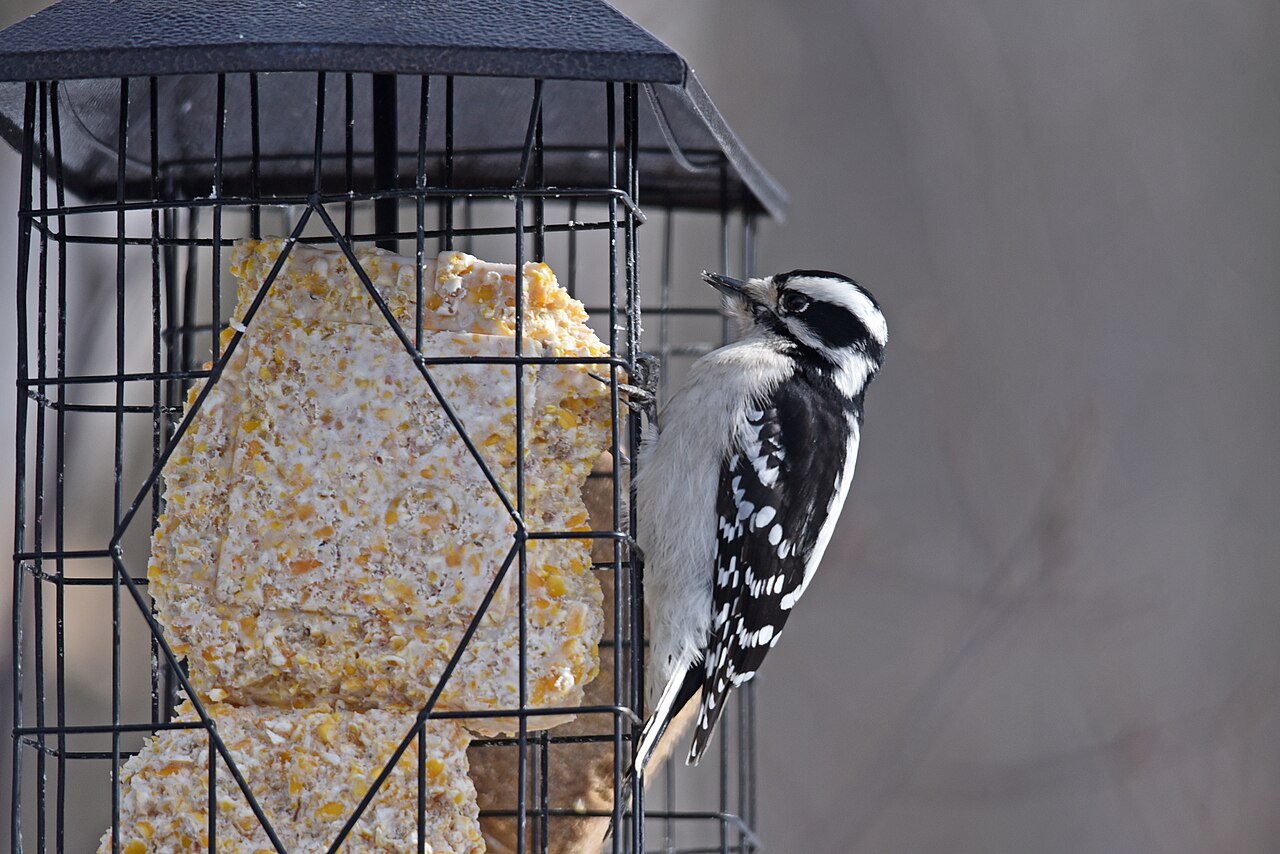
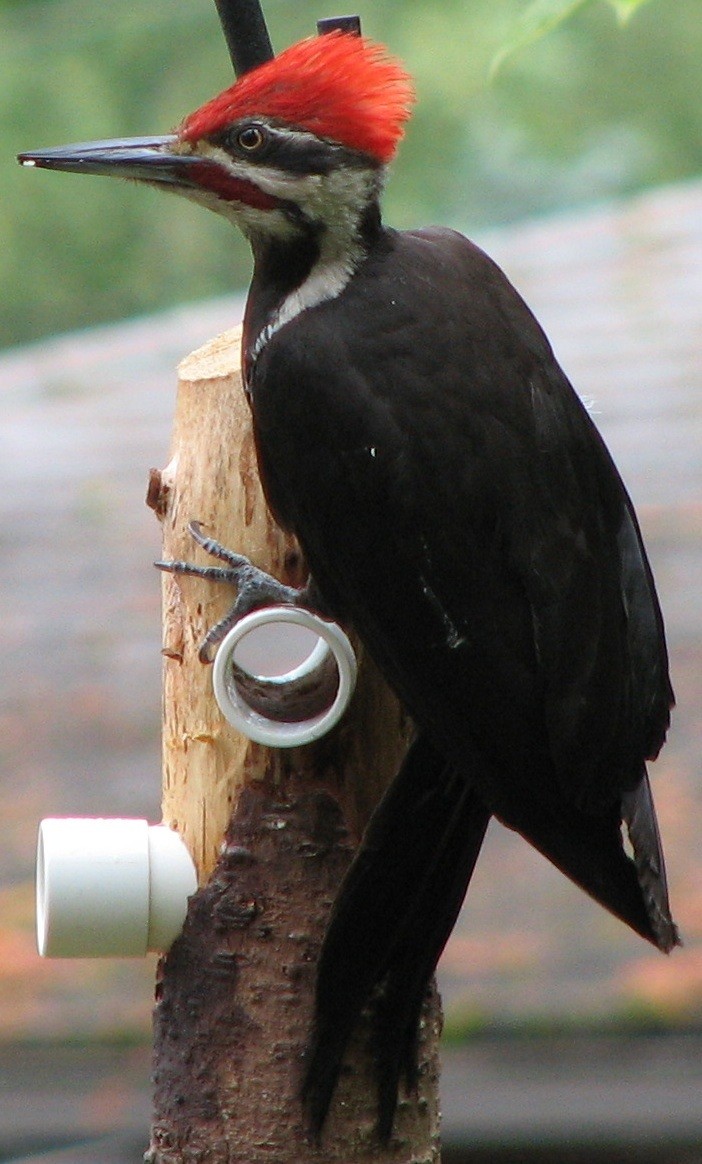
For most yards, the best suet feeder is a simple vinyl-coated wire cage hung from a baffled pole about five feet up — it serves woodpeckers, nuthatches, chickadees and wrens for under fifteen dollars. If starlings mob your suet, switch to an upside-down cage (woodpeckers cling beneath it; starlings can’t). If you want Pileated Woodpeckers, buy a tail-prop feeder with an extended base board that braces their long tails. Everything beyond those three is refinement.
Why Suet Works When Nothing Else Does
Suet — rendered beef fat, pressed into cakes with seed, nuts or fruit — is the single most energy-dense food you can offer a wild bird. A three-ounce suet cake packs more usable calories than several pounds of mixed seed, and it delivers them in the exact form winter birds need: pure fat, metabolized fast against long cold nights.
More importantly for the backyard watcher, suet attracts a guild that seed barely touches. Woodpeckers, nuthatches, wrens and wintering warblers are insect-eaters by trade; seed is a poor substitute, but animal fat is a direct replacement. A suet cage hung in November will, within weeks, be on the daily route of every Downy Woodpecker within a quarter mile. I’ve watched it happen in four states, and it has never once failed.
The 5 Suet Feeder Styles, Ranked by Usefulness
1. The Single Wire Cage — The Standard
A vinyl-coated wire square holding one standard cake. This is where everyone should start: cheap, indestructible, easy to clean, and accepted instantly by every clinging bird. Buy two — one in service, one in the wash — and hang it where you can see it from a window. Check that the latch is squirrel-defeating (a simple spring clip is not; a locking clasp is).
2. The Upside-Down Cage — The Starling Fix
A cage roofed over so the suet is only reachable from below. Downys, Hairies, nuthatches and chickadees cling upside-down without a second thought; starlings and grackles — the birds that can strip a cake in an afternoon — cannot manage the posture and give up within days. In starling country this is not an option, it is the answer.
3. The Tail-Prop Feeder — For the Big Birds
A cage mounted on an extended wooden board below the feeding surface. Large woodpeckers — Red-bellied, flickers and especially Pileated Woodpeckers — brace with their stiff tails when they feed, exactly as they do on tree trunks. A tail-prop lets a crow-sized Pileated feed comfortably for minutes instead of slipping off a small cage in seconds. If you have mature trees within sight, this feeder earns its keep the first time the big black bird with the red crest hangs on for a full meal.
4. The Double Cage & Combo Feeders
Two cages end-to-end or a cage flanked by a seed hopper. Useful in high-traffic yards where one cake empties in two days, and the combos genuinely save refilling trips. The caution: combination units concentrate birds and droppings in one spot — clean them on the short schedule, not the lazy one.
5. Suet Logs & Specialty Hangers
Drilled wooden logs packed with suet plugs or bark butter. Beautiful, and woodpeckers adore them because they mimic natural foraging exactly. Treat them as a supplement — they’re messy to refill and hard to scrub — but a suet log hung near a busy cage is a wonderful second station, and Red-headed Woodpeckers, which read vertical bark surfaces instinctively, often prefer them.
Cakes, Doughs & Flavors: What to Put in the Cage
The suet aisle is full of novelty — berry blends, insect medleys, hot-pepper cakes. Here is what thirty years of watching birds vote with their bills has taught me:
- Plain and peanut cakes win. Year after year, plain rendered suet and peanut-blend cakes empty first. Peanut butter adds protein and draws the widest crowd, from chickadees to titmice to Carolina Wrens.
- No-melt “dough” cakes for warm months. These are rendered harder, with a higher melting point. Above about 80°F, raw suet softens, turns rancid and can mat a bird’s belly feathers — switch to no-melt dough or take suet down entirely in high summer.
- Hot-pepper cakes work, with limits. Capsaicin deters squirrels (mammals feel the burn; birds don’t) and washes off in rain. Useful in squirrel-heavy yards; not a substitute for a baffle.
- Fruit and insect blends are fine but not magic. Birds eat them; they don’t empty faster than peanut in my logs, and they cost more per ounce.
- Skip anything listing milo or corn first. The same filler rule as seed applies to suet cakes — read the ingredient panel.
Starling & Grackle Defense
An unprotected suet cage in starling country is a buffet that closes in four hours. The defense ladder, in order of what actually works:
- Upside-down cage first. Starlings cannot feed hanging beneath; woodpeckers, nuthatches and chickadees can. This solves 90% of suet bullying without any other change.
- Cage-within-a-cage. A 1.5-inch-mesh outer cage admits small clingers and excludes starlings, grackles and jays entirely. Costs you Blue Jays, which is either a loss or a feature depending on your feelings about jays.
- Weight-sensitive covers. Some feeders close a shroud over the suet when anything heavier than a woodpecker lands. Effective, pricier, and worth it where the first two fail.
- Timing discipline. Put suet out at dawn and pull it at midday during peak starling flock season; the locals learn the schedule, and the mobs find nothing at their afternoon raid hour.
Placement & Height
Hang suet about five feet up — eye level for you, working height for a woodpecker — and within about ten feet of trunk or shrub cover so birds can stage their approach. Three placement rules from long practice:
- Baffle it. Squirrels eat suet as happily as birds do. A pole-mounted cage needs a stovepipe baffle below; a branch-hung cage needs a dome above.
- Shade it in summer. A cage in full afternoon sun softens its cake days faster. North or east side of cover in warm months.
- Separate it from seed feeders. Twenty feet away is ideal: suet birds are methodical clingers, seed birds are restless perchers, and each group feeds better without the other’s commotion.
The Suet Calendar
| Season | What Goes Out | What to Expect |
|---|---|---|
| October–November | First cakes of the year, peanut blend | Residents establish the route; Downys and nuthatches first, Red-bellieds within weeks |
| December–February | Full suet service, double cage if traffic demands | Peak dependence; the cake is survival food on the coldest nights |
| March–April | Keep suet up; woodpeckers feed nestlings on it | Adults haul billfuls to cavities — watch the flight lines |
| May–September | No-melt dough only, shaded, or pause entirely | Insects are abundant; suet traffic drops naturally |
7 Suet Mistakes I’ve Made So You Don’t Have To
- Leaving raw suet out in summer heat. Above 80°F it melts, mats feathers, and turns rancid. No-melt dough or nothing.
- Buying a cage without a locking clasp. Squirrels treat spring clips as puzzles. One winter, one stolen cake per week, lesson learned.
- Hanging suet unbaffled. A squirrel will sit in a cage and eat a whole cake. Baffle first, always.
- Letting starlings train you. If the cake vanishes daily to a starling mob and you change nothing, you’re feeding starlings. Go upside-down.
- Never washing the cage. Suet fat goes rancid on the wires; hot water and a brush every two weeks, dishwasher monthly.
- Buying berry-cricket novelty cakes. The birds vote for peanut. Every year. Believe them.
- Quitting too early. New suet stations take two to four weeks to enter the local circuit. Woodpeckers are cautious; patience pays.
Frequently Asked Questions
- Start simple: a $15 wire cage, hung at five feet on a baffled pole, outperforms most elaborate setups.
- Starlings? Go upside-down — woodpeckers cling beneath, starlings can’t.
- Big woodpeckers need tail-props — Pileateds feed for minutes on a braced tail, seconds on a bare cage.
- Peanut cakes win the flavor election every single year; skip the novelty blends.
- Above 80°F, no-melt only — raw suet melts, mats feathers and turns rancid.
- Baffle everything — squirrels eat suet faster than any bird.
- October to April is the suet season — summer belongs to the insects.