Backyard Birds in Oregon: A Year-Round Seasonal Identification Guide | BackyardBird.org
State Guide • The Beaver State

Backyard Birds of Oregon

Oregon runs from the rainy coast across the Willamette Valley to the high desert east of the Cascades — a Beaver State feeding station works twelve months a year. Sixteen portraits are pinned on the map below, right where each species is most characteristic. Hover any portrait to see its name, tap to jump to its profile, then open its photo gallery and play its call.

Jump to a Species

Anna’s Hummingbird — the tiny year-round resident that stays through Oregon winters — leads the list, followed by feeder regulars and winter flocks. Every entry links to a full species guide.

Backyard Birds in Oregon: A Year-Round Seasonal Identification Guide

Written by Avian Biology Editorial Team • Updated: October 2026 • Verified Backyard Field Data • Coverage: All 109 profiles link to full species guides
State Summary

Quick Answer: Birding a Oregon Backyard

Oregon’s Cascade divide creates two birding worlds — wet forest west, high desert east — and backyard birding works 12 months a year. Anchor birds are year-round residents led by Anna’s Hummingbird (which winters in Oregon yards), Chestnut-backed and Black-capped Chickadees, Bushtits, Red-breasted Nuthatches, Downy Woodpeckers, Northern Flickers, Steller’s and California Scrub-Jays, American Robins, Song Sparrows, Spotted Towhees, California Quail, and Dark-eyed Juncos. Winter adds Golden-crowned Sparrows and Varied Thrushes. (The state bird, the Western Meadowlark, sings from open fence posts rather than feeders.) In western Oregon’s rain, mold is the enemy — weather guards and weekly cleaning are essential.

Meet the 109 Backyard Birds of Oregon

The hummingbird leads the list, followed by year-round regulars, winter visitors, and summer breeders. Every card opens a photo gallery, plays a real field recording, and links to the full species guide. Use the seasonal filter bar above to narrow the list.
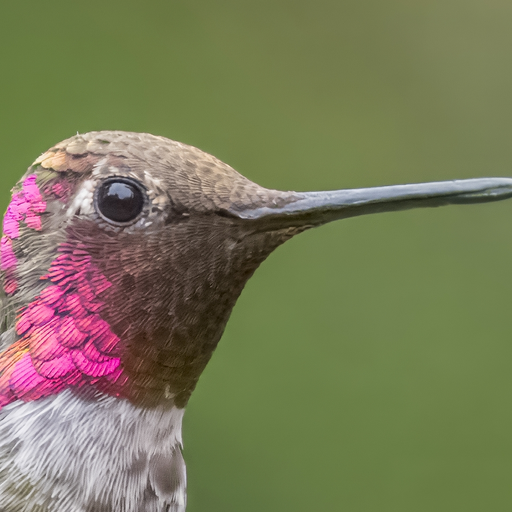
Anna's Hummingbird avatar 📍 Portland

Anna’s Hummingbird

Calypte anna
Backyard IconYear-Round HummerBanding: ANHU

The West’s year-round hummingbird (3.9–4.3 inches): males wear an iridescent rose-pink hood that blazes in sunlight; females are green with spotted throats. Anna’s Hummingbirds don’t migrate — they live in Oregon yards all year, even through frosts, and sing a scratchy, buzzy song from exposed perches, unusual among hummingbirds.
Read Full Guide →
Feeder Preference: 1:4 sugar-water feeders year-round — in cold snaps, bring feeders in at night or use a warmer.
Chestnut-backed Chickadee avatar 📍 Salem

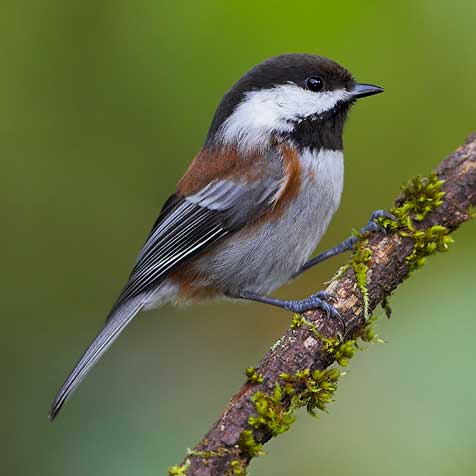
Chestnut-backed Chickadee

Poecile rufescens
Year-Round ResidentBanding: CBCH

The Pacific coast chickadee (3.9–4.7 inches): rich chestnut back and flanks, black bib, and white cheeks — a little jewel of the fog belt. Chestnut-backs live year-round in Oregon’s conifer and mixed woods, visit suet and seed feeders, and travel with winter flocks of kinglets and nuthatches.
Read Full Guide →
Feeder Preference: Suet, crushed nuts, and hanging tube feeders.
Black-capped Chickadee avatar 📍 Pendleton

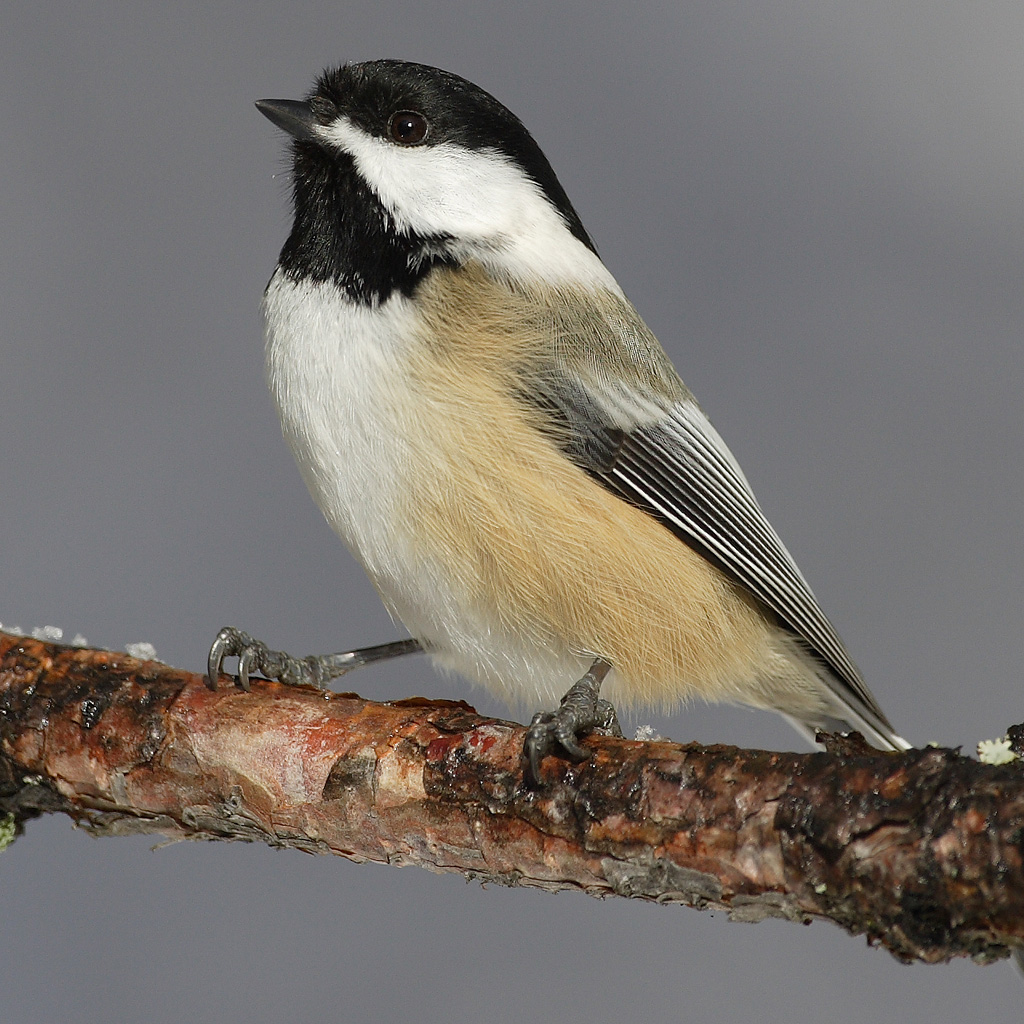
Black-capped Chickadee

Poecile atricapillus
Year-Round ResidentBanding: BCCH

A tiny 4.7–5.9-inch acrobat with a black cap and bib, white cheeks, and buffy flanks. Chickadees are the bold first visitors to any new feeder, grabbing one seed and flying off to cache it. Listen for the chick-a-dee-dee-dee call that gives the bird its name — and the clear two-note fee-bee whistle of spring.
Read Full Guide →
Feeder Preference: Black-oil sunflower, peanut bits, and suet; will take seed one at a time to cache.
Bushtit avatar 📍 Eugene

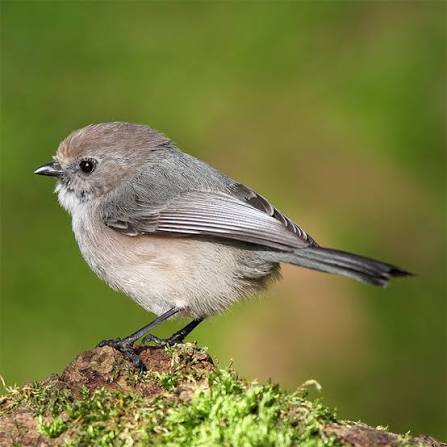
Bushtit

Psaltriparus minimus
Year-Round ResidentBanding: BUSH

A tiny 3.7–4.3-inch gray puffball with a long tail — plain, busy, and never alone. Bushtits roam Oregon in twittering flocks of 10 to 40, hanging upside down on twigs and suet cages. One minute your feeder is empty; the next it’s wearing a dozen Bushtits; then they’re gone.
Read Full Guide →
Feeder Preference: Suet in a hanging cage; flocks swarm it together — be ready for a crowd.
Red-breasted Nuthatch avatar 📍 Bend

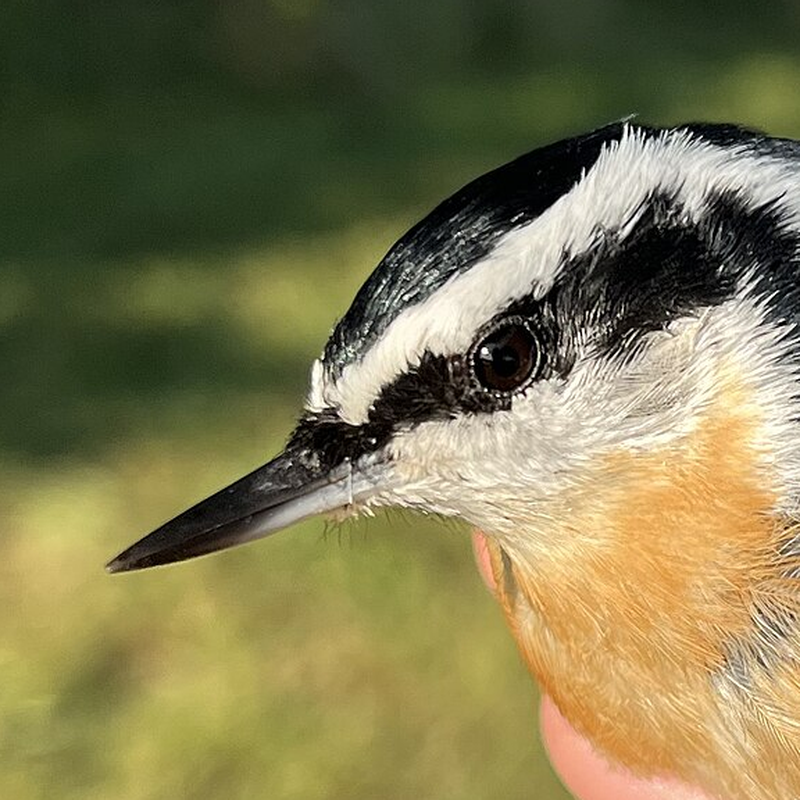
Red-breasted Nuthatch

Sitta canadensis
Year-Round ResidentBanding: RBNU

A compact 4.3-inch nuthatch: blue-gray above, rusty below, with a bold white eyebrow stripe. Red-breasted Nuthatches live in Oregon’s conifer belt year-round and irrupt southward in cone-poor winters, hitching down tree trunks headfirst and calling a tin-horn yank-yank.
Read Full Guide →
Feeder Preference: Suet, black-oil sunflower, and peanuts; announces itself with a nasal yank-yank.
Downy Woodpecker avatar 📍 Corvallis

Downy Woodpecker

Dryobates pubescens
Year-Round ResidentBanding: DOWO

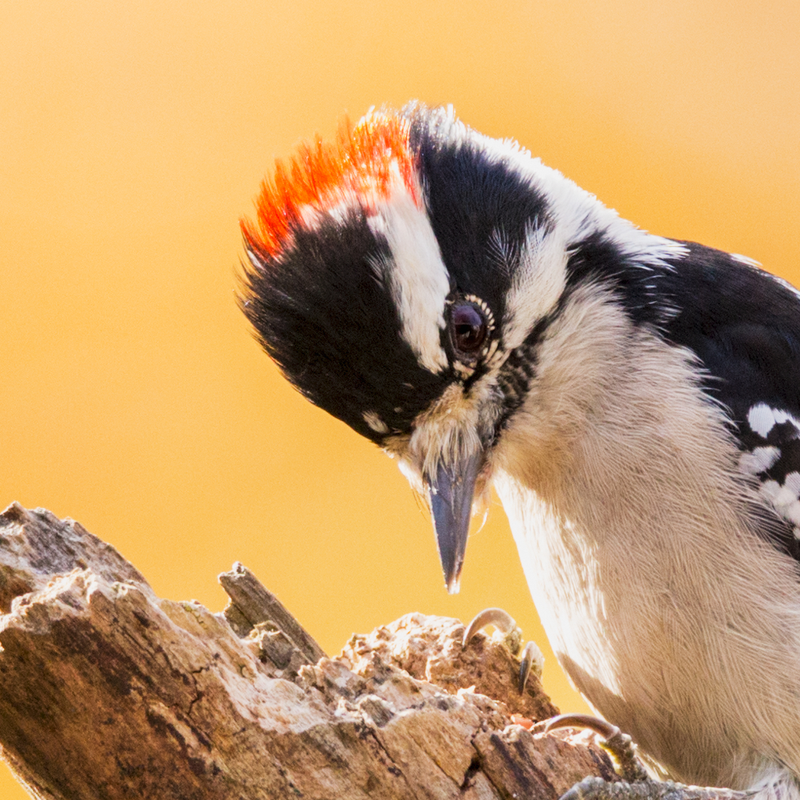
North America’s smallest woodpecker (5.5–6.7 inches) is a Oregon backyard regular in every season. Black-and-white checkered wings, a clean white stripe down the back, and a tiny stubby bill separate it from the larger Hairy Woodpecker; males wear a small red patch on the nape.

Recording via Wikimedia Commons / xeno-canto

Read Full Guide →
Feeder Preference: Suet cakes, peanut bits, and black oil sunflower — uses tail as a prop on feeders.
Northern Flicker avatar 📍 Hillsboro

Northern Flicker

Colaptes auratus
Year-Round ResidentBanding: NOFL

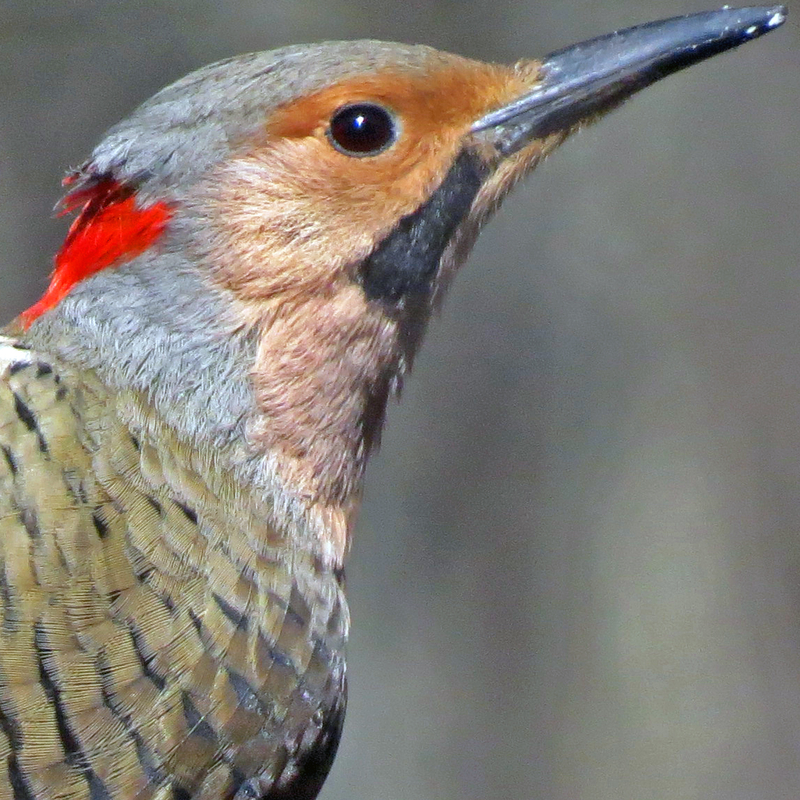
A big 11–12-inch woodpecker in brown-barred plumage with a black bib and spotted belly; eastern birds flash golden wing linings and a red nape crescent. Flickers spend much of their time on the ground lapping up ants, and drum on Oregon gutters at dawn in spring — loud, but it’s a love song.

Recording via Wikimedia Commons / xeno-canto

Read Full Guide →
Feeder Preference: Suet on a sturdy cage; often feeds on the ground for ants.
Steller's Jay avatar 📍 Astoria

Steller’s Jay

Cyanocitta stelleri
Year-Round ResidentBanding: STJA

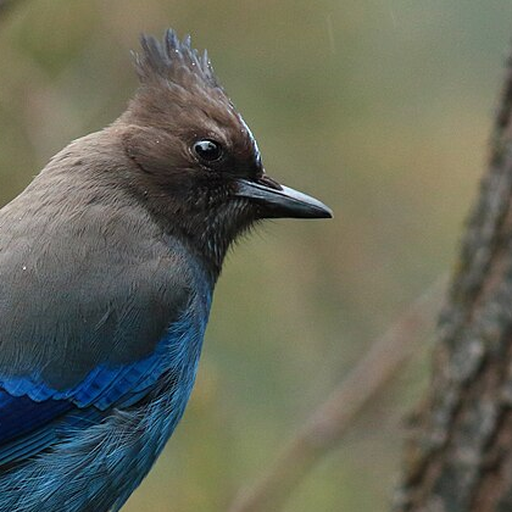
A gorgeous 11.5–12.6-inch jay: black crest and head melting into deep blue body — the crested jay of the West. Steller’s Jays dominate Oregon mountain and coastal yards, caching peanuts, imitating hawks to clear feeders, and announcing everything with a rattling shack-shack-shack.
Read Full Guide →
Feeder Preference: In-shell peanuts on open platforms; they cache thousands each fall.
California Scrub-Jay avatar 📍 Medford

California Scrub-Jay

Aphelocoma californica
Year-Round ResidentBanding: CASJ

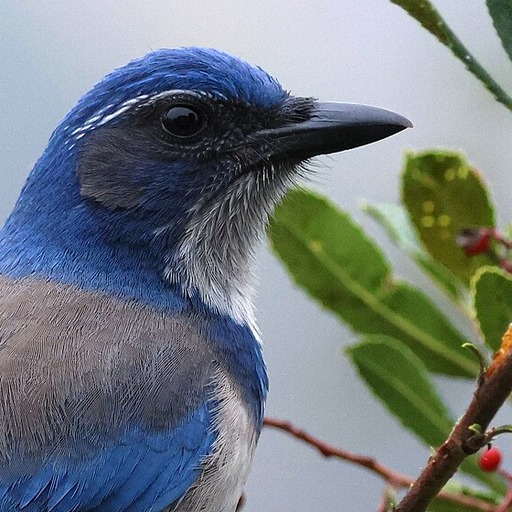
A bold 11–11.8-inch jay: azure blue above, gray-white below, with a white throat and no crest. Scrub-jays are the personalities of Oregon suburbs — they cache thousands of acorns each fall (and remember most of them), scold cats, and land on your shoulder for peanuts if you let them.
Read Full Guide →
Feeder Preference: In-shell peanuts and acorns on open platforms; they cache what they don’t eat.
American Robin avatar 📍 Albany

American Robin

Turdus migratorius
Year-Round ResidentBanding: AMRO

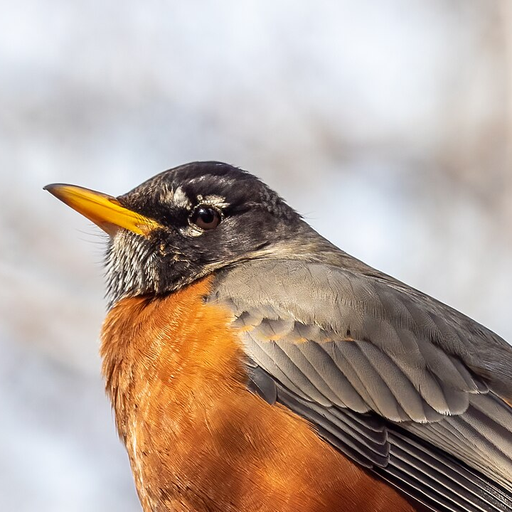
The familiar 7.9–11-inch thrush: gray above, brick-red below, yellow-billed. The dawn chorus over a Oregon lawn is built on its cheerily-cheerup phrases. Robins nest on porch lights and ledges, and big winter flocks descend on holly and hackberry trees across the state.

Read Full Guide →
Feeder Preference: Soaked raisins, mealworms, and a ground-level bath; fruit trees hold winter flocks.
Song Sparrow avatar 📍 Newport

Song Sparrow

Melospiza melodia
Year-Round ResidentBanding: SOSP

A streaky 4.7–6.7-inch sparrow with breast streaks converging into one bold central spot and a long rounded tail it pumps in flight. Song Sparrows sing their bright three-note-and-a-trill song from Oregon marsh edges, creek willows, and garden hedges nearly year-round.

Read Full Guide →
Feeder Preference: Mixed seed and white millet near brushy edges; loves a shallow birdbath.
Spotted Towhee avatar 📍 Grants Pass

Spotted Towhee

Pipilo maculatus
Year-Round ResidentBanding: SPTO

A striking 6.7–8.3-inch sparrow: black hood, white-spotted back, rusty flanks, and red eyes — the western counterpart of the Eastern Towhee. Spotted Towhees double-scratch in Oregon leaf litter, singing a buzzy tow-hee from shrubs and visiting ground feeders near cover.
Read Full Guide →
Feeder Preference: Millet and sunflower on the ground under brush; listen for the raking in leaves.
California Quail avatar 📍 Ashland

California Quail

Callipepla californica
Year-Round ResidentBanding: CAQU

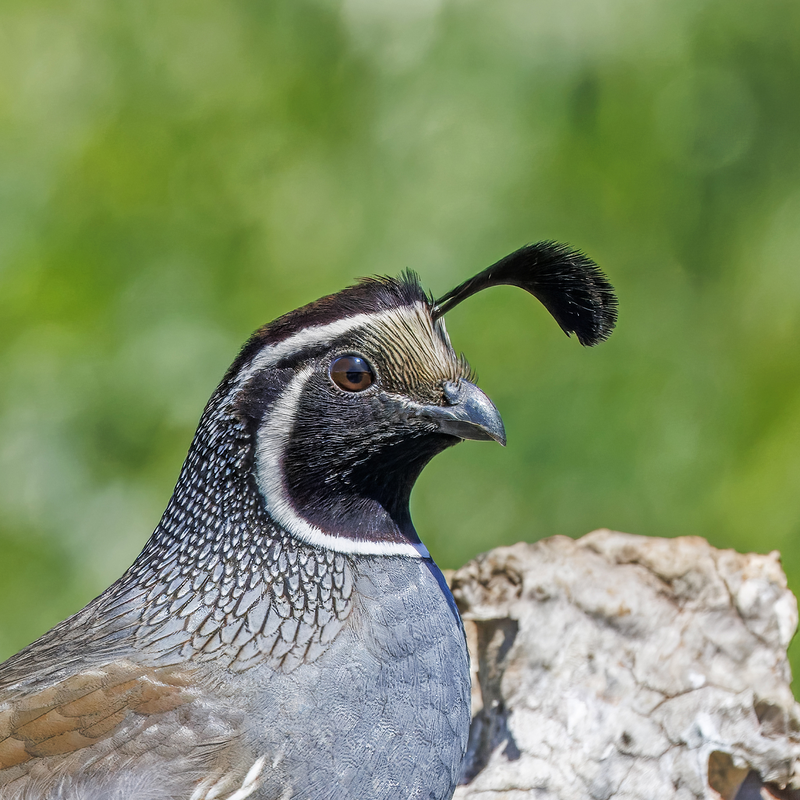
A plump 9.4–10.6-inch quail with a forward-curling black head plume, scaled belly, and (on males) a bold black face. California Quail — the Golden State’s state bird — scurry through Oregon yards in coveys, bursting into cover at a cat’s shadow and calling chi-CA-go from fence posts.
Read Full Guide →
Feeder Preference: Cracked corn scattered on the ground near dense shrub cover.
Dark-eyed Junco avatar 📍 Klamath Falls

Dark-eyed Junco

Junco hyemalis
Year-Round ResidentBanding: DEJU

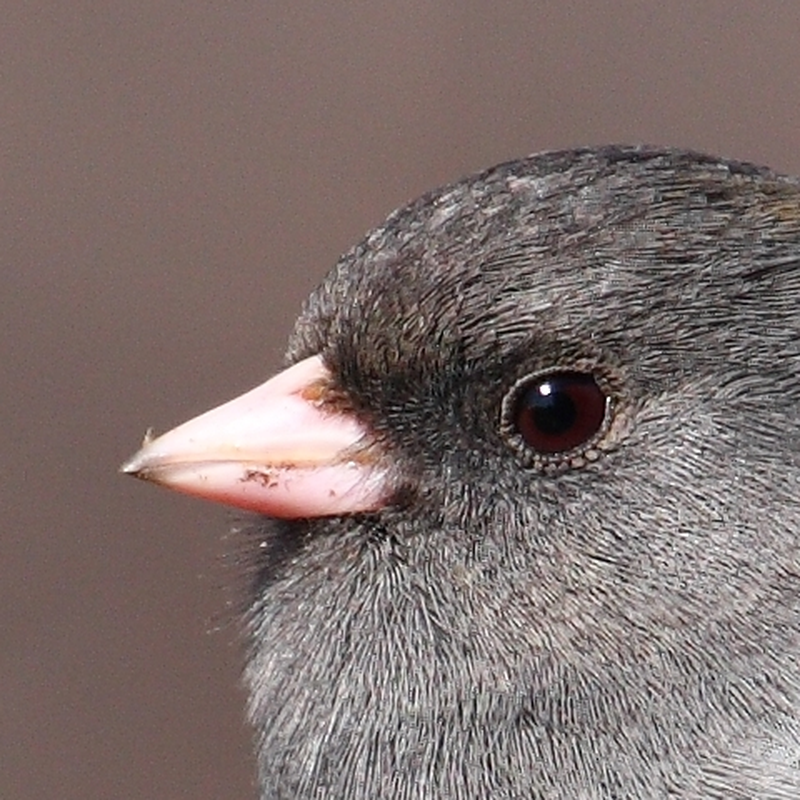
The classic snowbird: a 5.5–6.3-inch sparrow with a slate-gray hood set cleanly against a white belly, white outer tail feathers flashing in flight. Juncos pour into Oregon each October and double-scratch for millet under feeders until April — the surest sign of winter.

Read Full Guide →
Feeder Preference: White millet scattered on the ground or a snow-cleared low platform.
Golden-crowned Sparrow avatar 📍 Roseburg

Golden-crowned Sparrow

Zonotrichia atricapilla
Winter VisitorBanding: GCSP

A big 7.2–8.3-inch sparrow, gray-brown with a gold forehead patch bordered in black (brightest in spring). Golden-crowned Sparrows winter along the Pacific slope, scratching under Oregon shrubs with White-crowned flocks and singing a plaintive, descending oh-dear-me.

Read Full Guide →
Feeder Preference: Millet and cracked grain on the ground under shrubs.
California Towhee avatar 📍 Ontario

California Towhee

Melozone crissalis
Year-Round ResidentBanding: CALT

A big 8.3–9.8-inch sparrow, plain warm brown with a rusty undertail and face shading — the unglamorous workhorse of California yards. California Towhees scratch in leaf litter with double-footed hops under Oregon shrubs, mate for life, and defend territories with sharp metallic chink calls.

Read Full Guide →
Feeder Preference: Cracked corn and millet on the ground under shrubs.

More Backyard Birds in Oregon +93 species

Every other species from our backyard bird library that regularly occurs in Oregon — each with its own photo gallery, playable call, and full species guide. Browse 16 per page using the dots below.
Acorn Woodpecker avatar
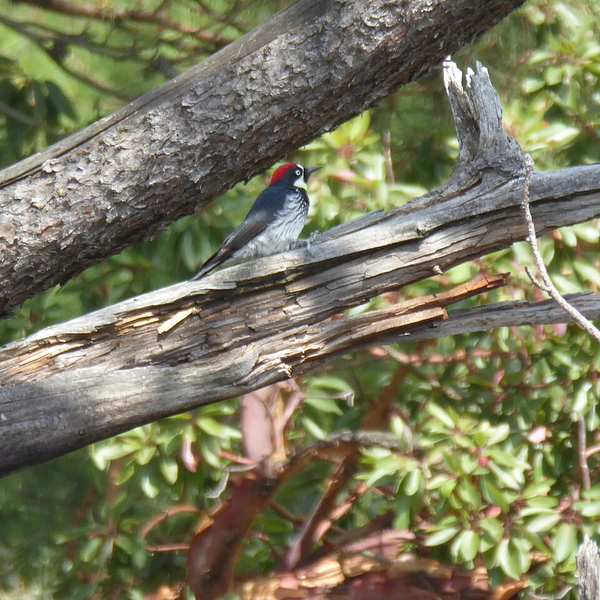
Acorn Woodpecker Melanerpes formicivorus
Year-Round

Feeder: Visits backyard feeders and water features.
Guide →
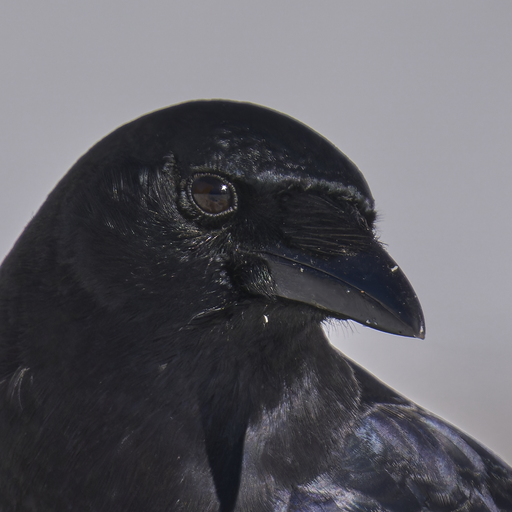
American Crow avatar
American Crow Corvus brachyrhynchos
Year-Round

Feeder: Whole corn, peanuts, and a shallow water pan on open ground.
Guide →
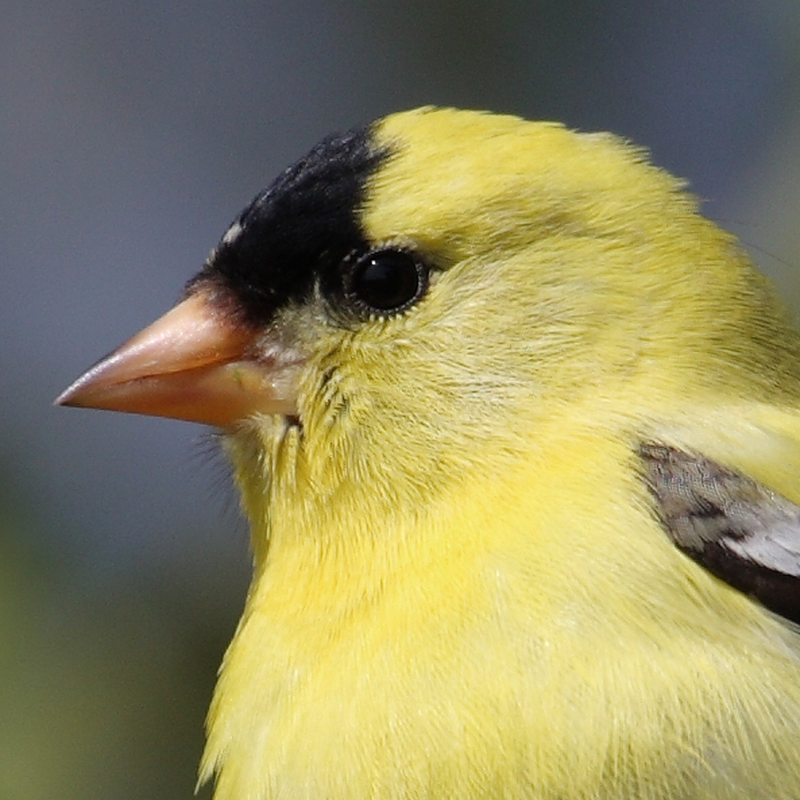
American Goldfinch avatar
American Goldfinch Spinus tristis
Year-Round

Feeder: Nyjer (thistle) socks and fine sunflower chips year-round.
Guide →
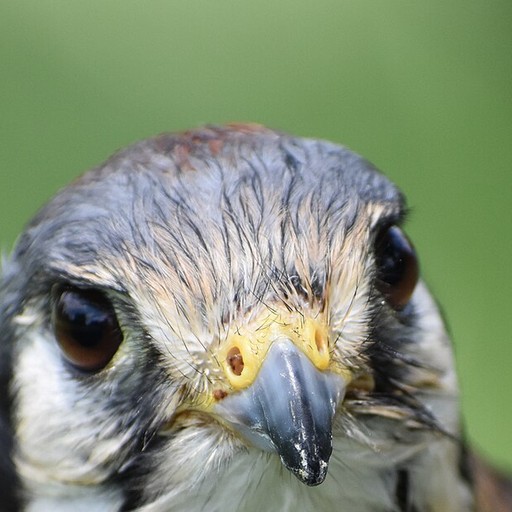
American Kestrel avatar
American Kestrel Falco sparverius
Year-Round

Feeder: Perches on fences; nest boxes on poles in open country.

Guide →
American Tree Sparrow avatar
American Tree Sparrow Spizelloides arborea
Winter Visitor

Feeder: White millet and fine cracked corn on ground or platform.
Guide →
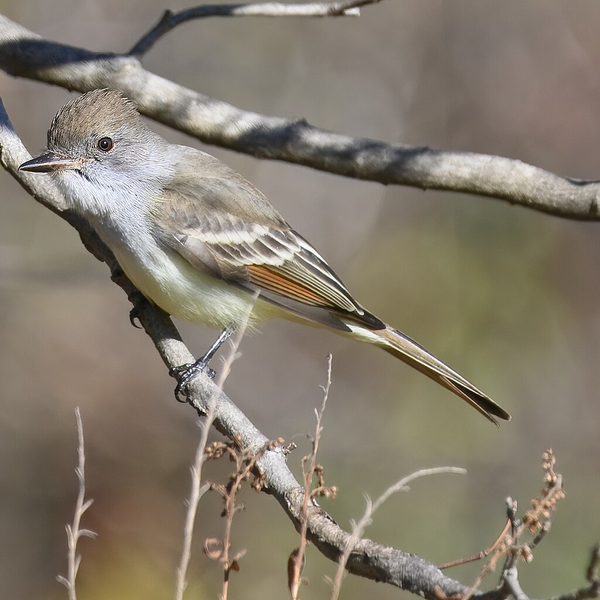
Ash-throated Flycatcher avatar
Ash-throated Flycatcher Myiarchus cinerascens
Summer Breeder

Feeder: Visits backyard feeders and water features.
Guide →
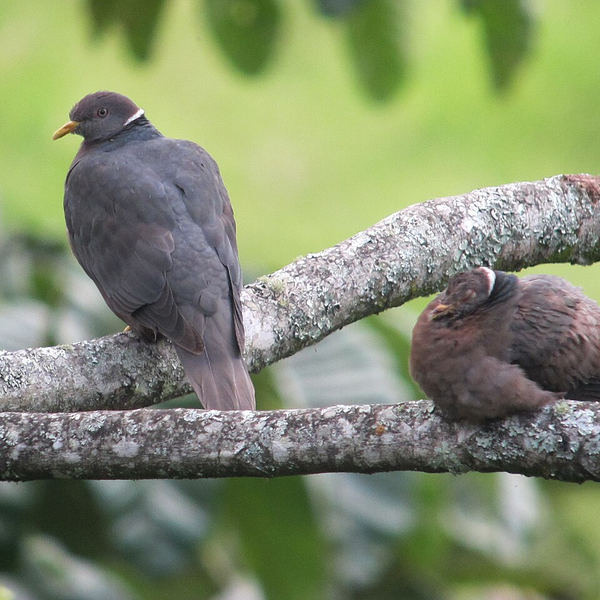
Band-tailed Pigeon avatar
Band-tailed Pigeon Patagioenas fasciata
Year-Round

Feeder: Visits backyard feeders and water features.
Guide →
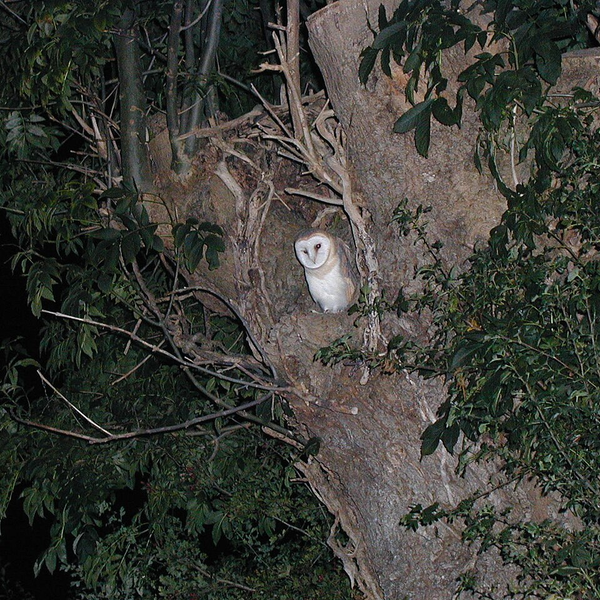
Barn Owl avatar
Barn Owl Tyto alba
Year-Round

Feeder: Visits backyard feeders and water features.
Guide →
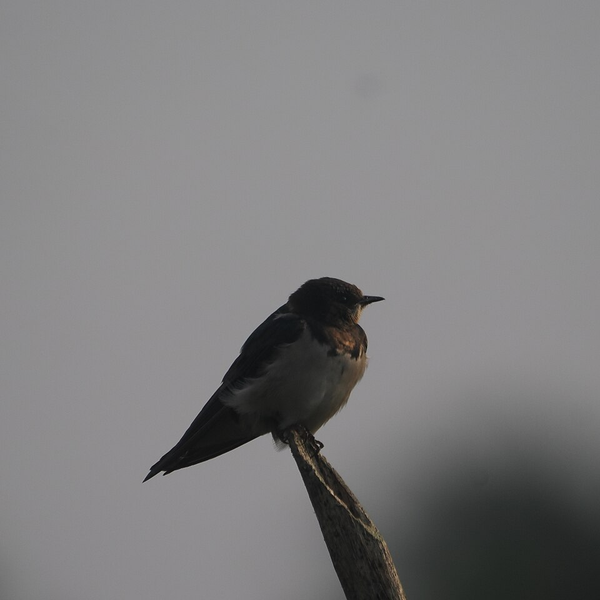
Barn Swallow avatar
Barn Swallow Hirundo rustica
Summer Breeder

Feeder: Visits backyard feeders and water features.
Guide →
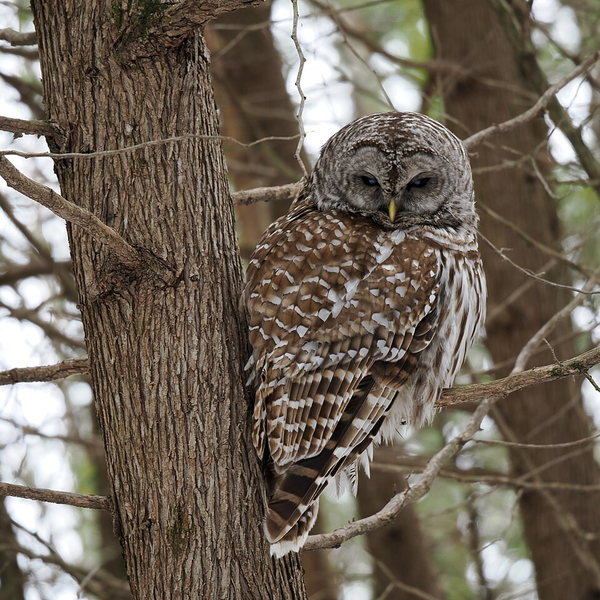
Barred Owl avatar
Barred Owl Strix varia
Year-Round

Feeder: Visits backyard feeders and water features.

Guide →
Bewick's Wren avatar
Bewick’s Wren Thryomanes bewickii
Year-Round

Feeder: Suet crumbs and brush piles or wood stacks for cover.
Guide →
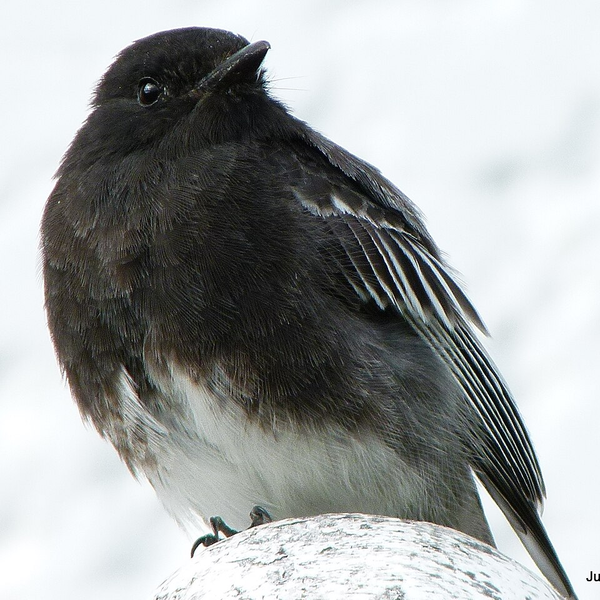
Black Phoebe avatar
Black Phoebe Sayornis nigricans
Year-Round

Feeder: Visits backyard feeders and water features.
Guide →
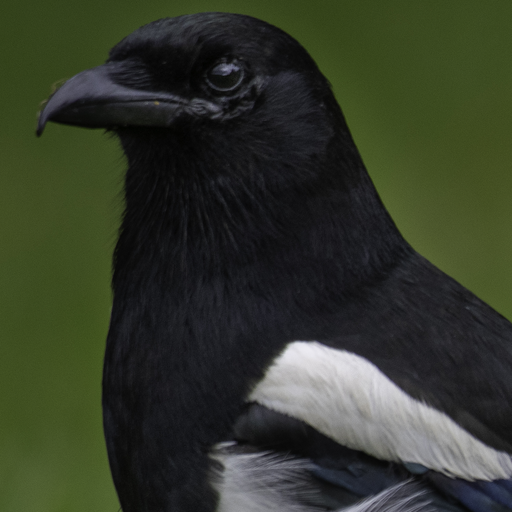
Black-billed Magpie avatar
Black-billed Magpie Pica hudsonia
Year-Round

Feeder: Suet and table scraps on a big open platform; bold and clever.
Guide →
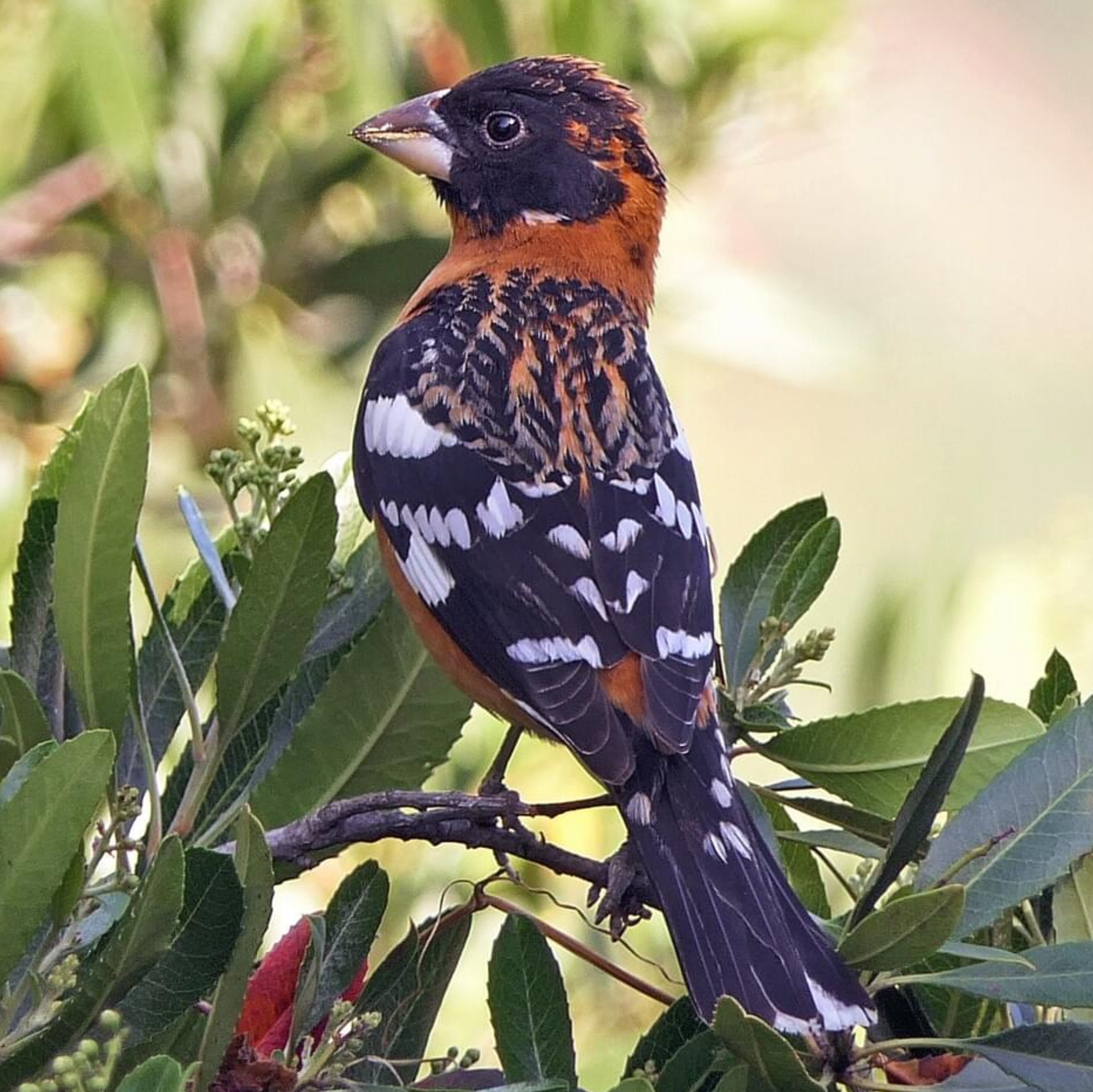
Black-headed Grosbeak avatar
Black-headed Grosbeak Pheucticus melanocephalus
Summer Breeder

Feeder: Sunflower seeds at a sturdy platform feeder in summer.
Guide →
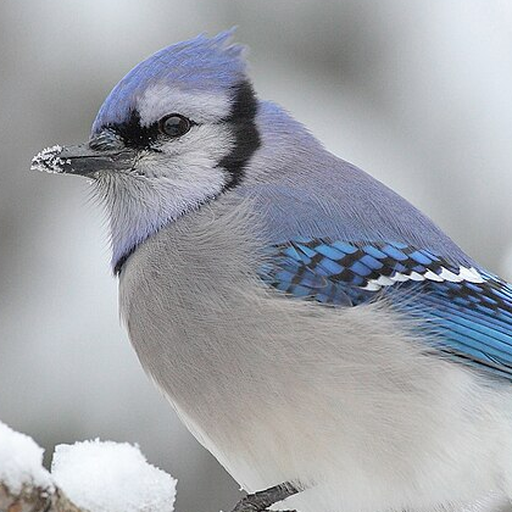
Blue Jay avatar
Blue Jay Cyanocitta cristata
Year-Round

Feeder: Whole in-shell peanuts and coarse sunflower on a large tray.
Guide →
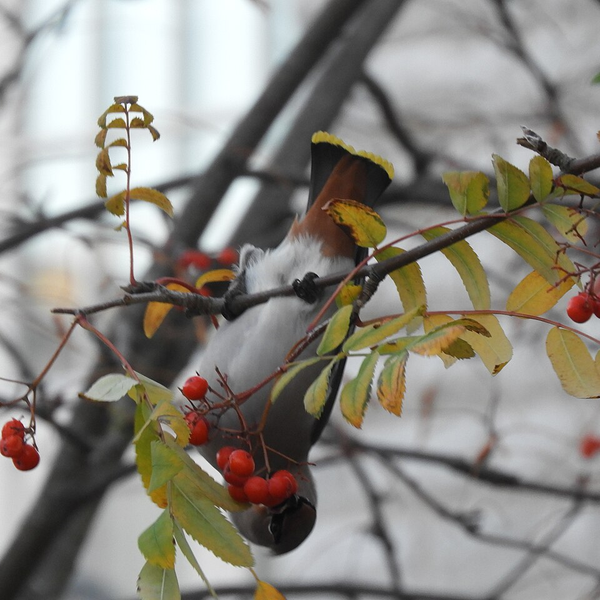
Bohemian Waxwing avatar
Bohemian Waxwing Bombycilla garrulus
Winter Visitor

Feeder: Visits backyard feeders and water features.

Guide →
Brewer's Blackbird avatar
Brewer’s Blackbird Euphagus cyanocephalus
Year-Round

Feeder: Grain and crumbs on ground platforms in open western yards.
Guide →
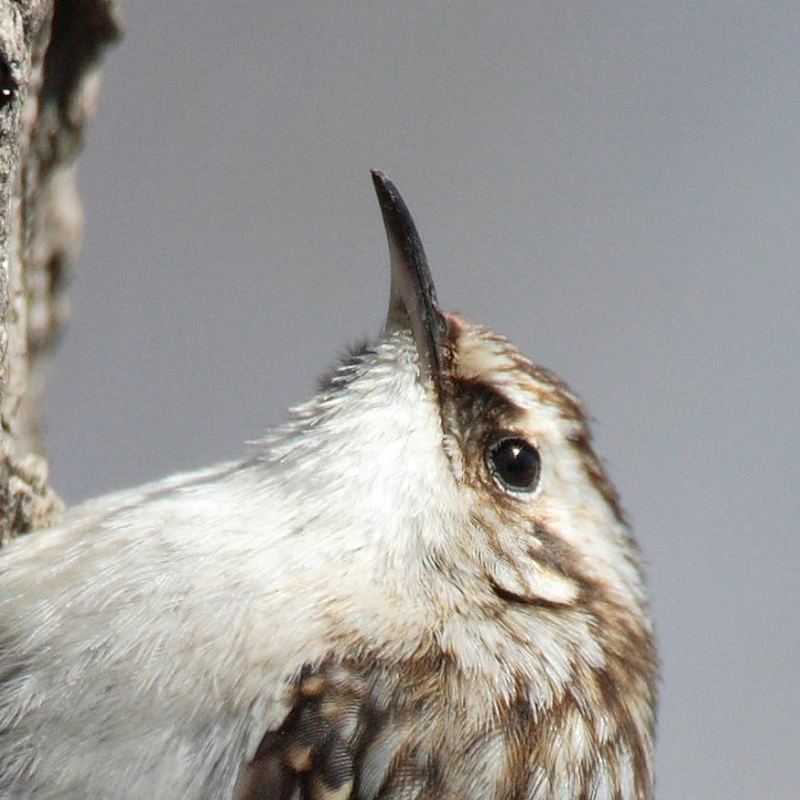
Brown Creeper avatar
Brown Creeper Certhia americana
Year-Round

Feeder: Suet smeared on tree bark; spirals up trunks for hidden insects.

Guide →
Brown-headed Cowbird avatar
Brown-headed Cowbird Molothrus ater
Year-Round

Feeder: Cracked corn and grain on the ground; a nest parasite.
Guide →
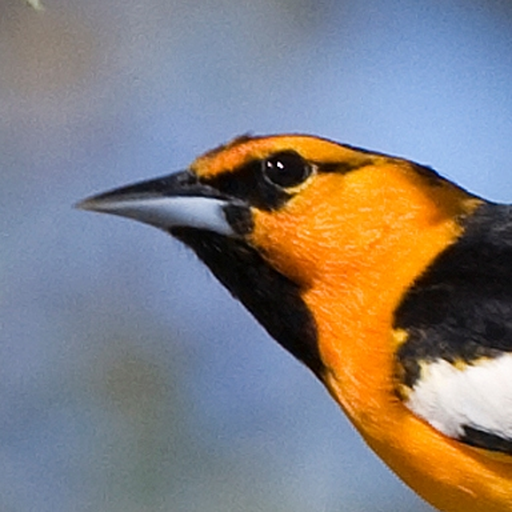
Bullock's Oriole avatar
Bullock’s Oriole Icterus bullockii
Summer Breeder

Feeder: Grape jelly, halved oranges, and sugar water in summer.
Guide →
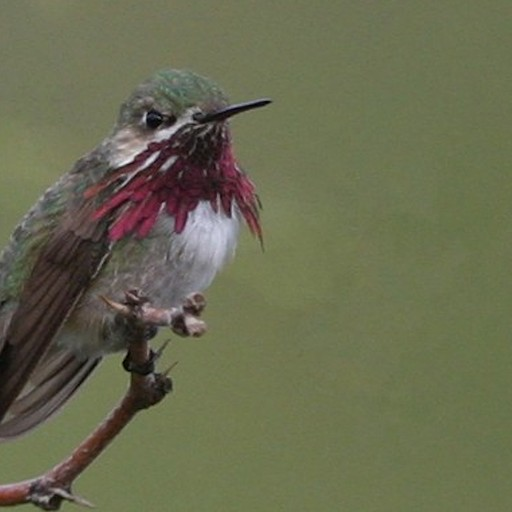
Calliope Hummingbird avatar
Calliope Hummingbird Selasphorus calliope
Summer Breeder

Feeder: Sugar-water feeders; North America’s smallest bird.
Guide →
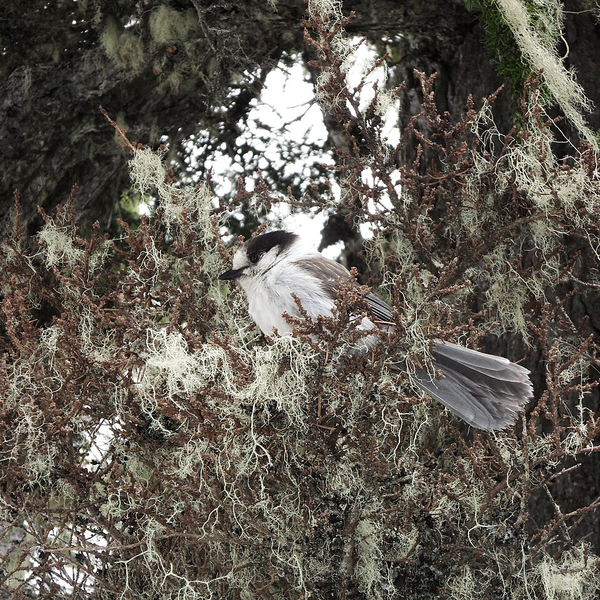
Canada Jay avatar
Canada Jay Perisoreus canadensis
Year-Round

Feeder: Visits backyard feeders and water features.
Guide →
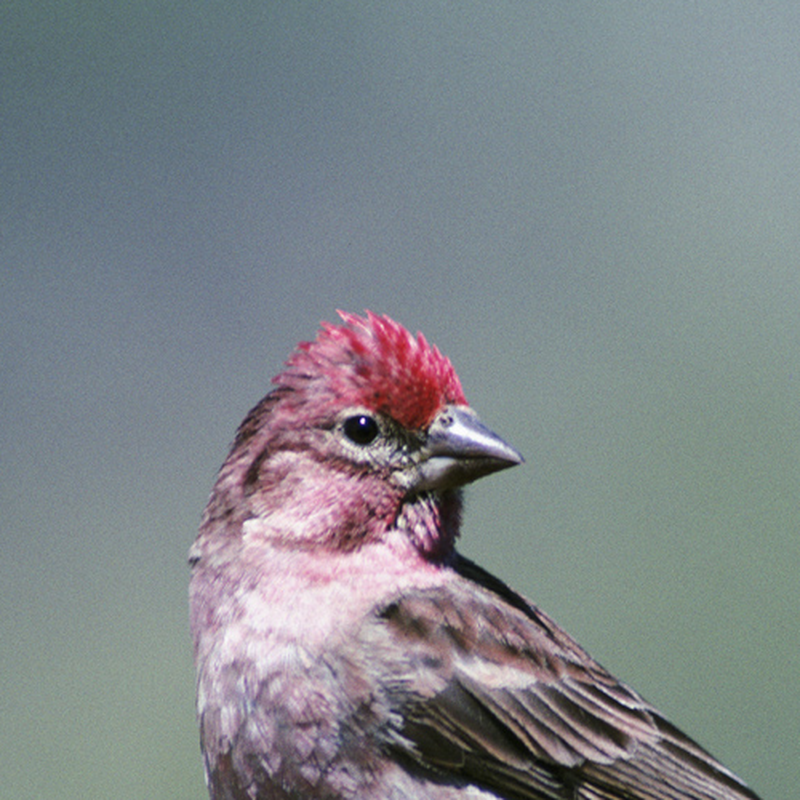
Cassin's Finch avatar
Cassin’s Finch Haemorhous cassinii
Year-Round

Feeder: Sunflower chips at mountain-town feeders; loves a water dish.

Guide →
Cedar Waxwing avatar
Cedar Waxwing Bombycilla cedrorum
Year-Round

Feeder: Berry-producing trees and a fountain or moving water.

Guide →
Chipping Sparrow avatar
Chipping Sparrow Spizella passerina
Summer Breeder

Feeder: Fine seed mix and grass seed scattered on open ground.
Guide →
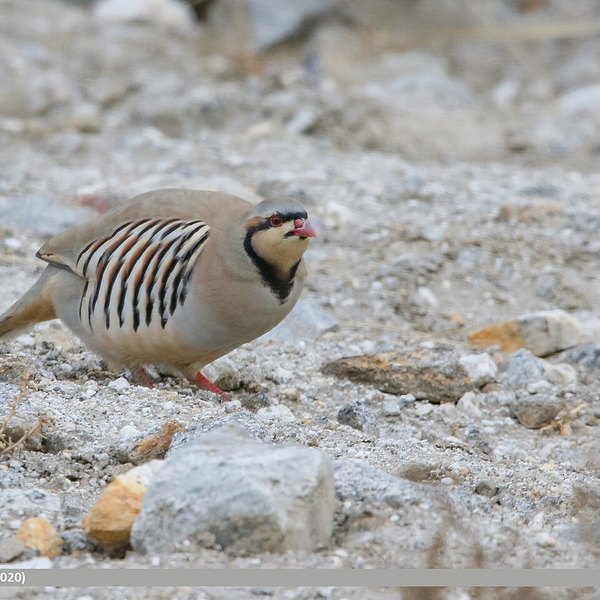
Chukar avatar
Chukar Alectoris chukar
Year-Round

Feeder: Visits backyard feeders and water features.
Guide →
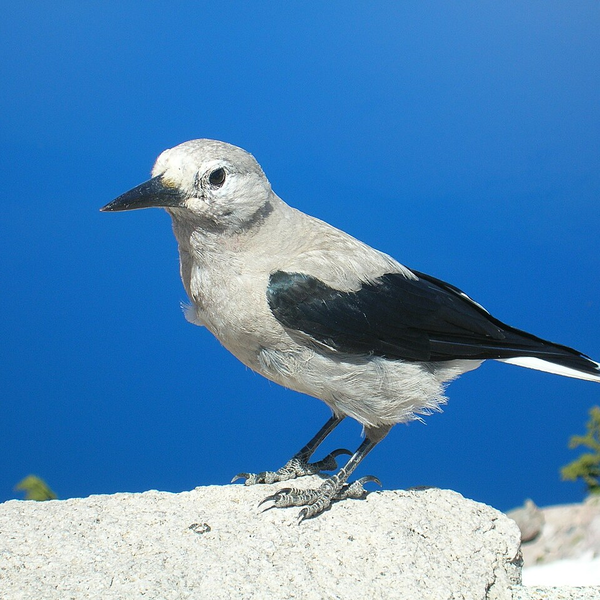
Clark's Nutcracker avatar
Clark’s Nutcracker Nucifraga columbiana
Year-Round

Feeder: Visits backyard feeders and water features.

Guide →
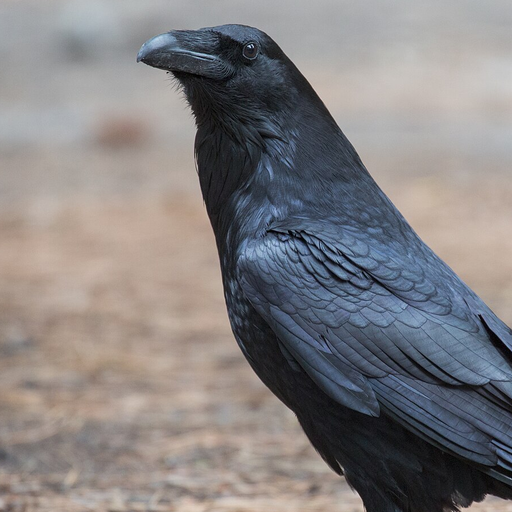
Common Raven avatar
Common Raven Corvus corax
Year-Round

Feeder: Rarely visits feeders; appreciate these giants from the window.
Guide →
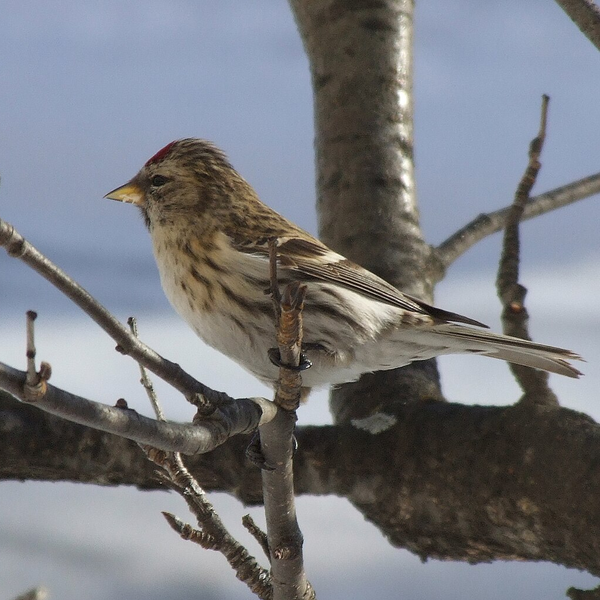
Common Redpoll avatar
Common Redpoll Acanthis flammea
Winter Visitor

Feeder: Visits backyard feeders and water features.

Guide →
Cooper's Hawk avatar
Cooper’s Hawk Accipiter cooperii
Year-Round

Feeder: Not a feeder guest — it hunts the birds at your feeders.
Guide →
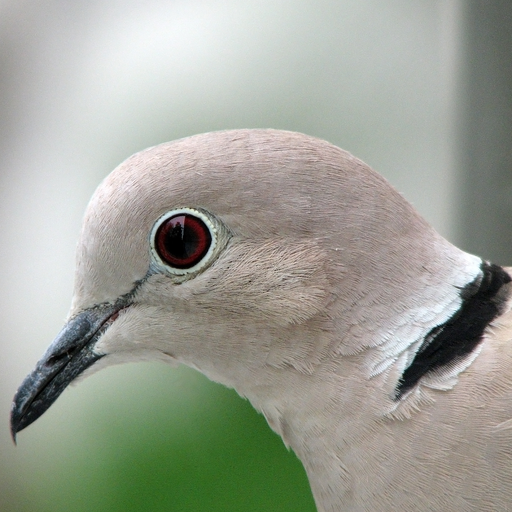
Eurasian Collared-Dove avatar
Eurasian Collared-Dove Streptopelia decaocto
Year-Round

Feeder: Large grains on big platform feeders; spreading fast.

Guide →
European Starling avatar
European Starling Sturnus vulgaris
Year-Round

Feeder: Suet and crumbs; use starling-resistant caged feeders.
Guide →
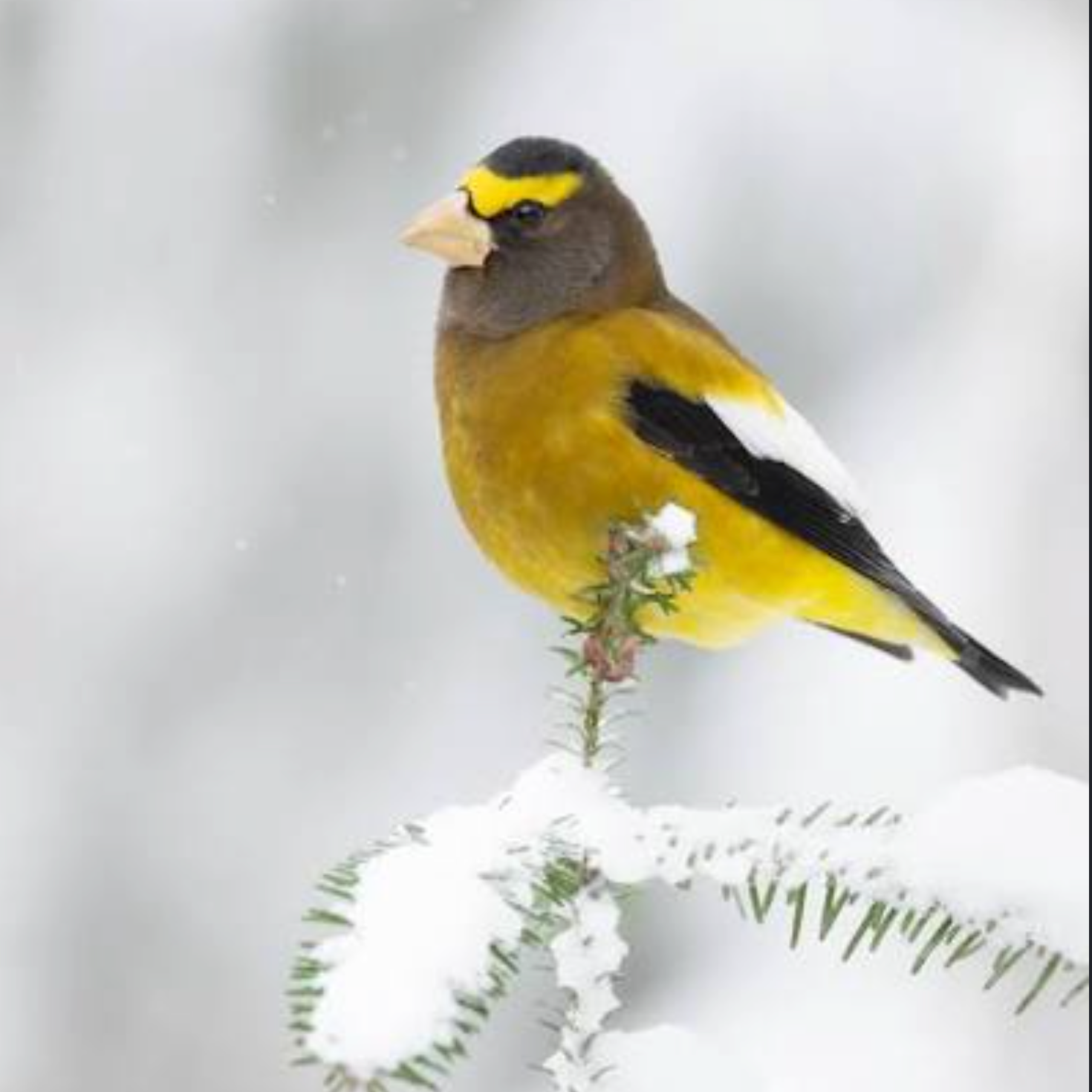
Evening Grosbeak avatar
Evening Grosbeak Hesperiphona vespertina
Year-Round

Feeder: Striped sunflower on big platform feeders — arrives in hungry flocks.

Guide →
Fox Sparrow avatar
Fox Sparrow Passerella iliaca
Summer Breeder

Feeder: Sunflower pieces and cracked corn; double-scratches in leaf litter.
Guide →
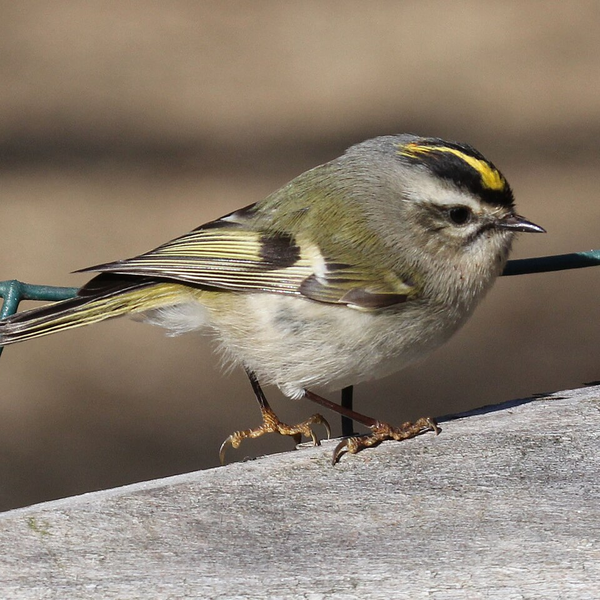
Golden-crowned Kinglet avatar
Golden-crowned Kinglet Regulus satrapa
Year-Round

Feeder: Visits backyard feeders and water features.
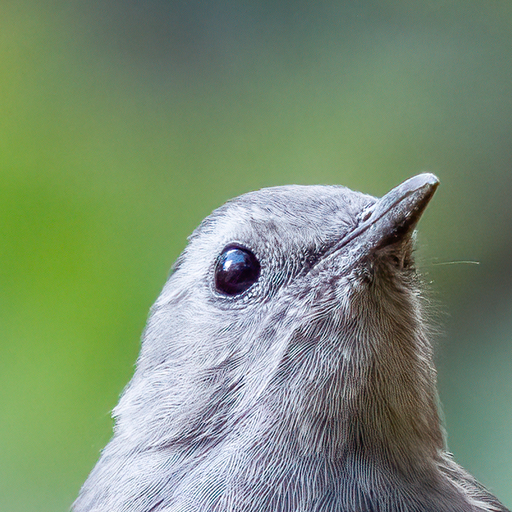
Guide →
Gray Catbird avatar
Gray Catbird Dumetella carolinensis
Summer Breeder

Feeder: Grape jelly, halved oranges, raisins, and dense shady shrubs.
Guide →
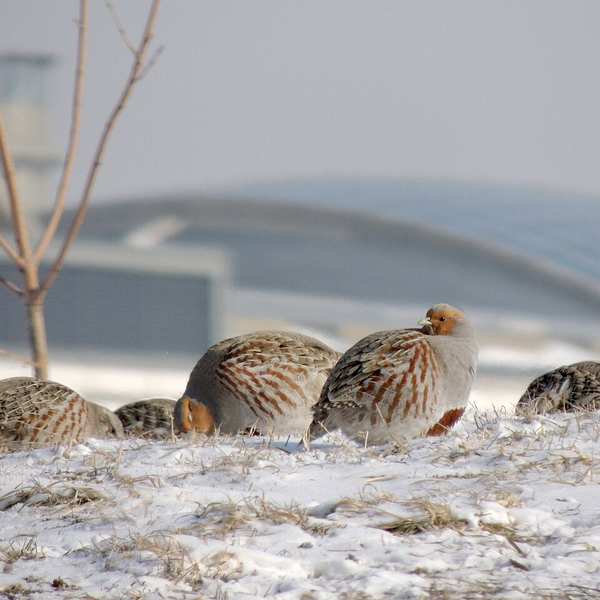
Gray Partridge avatar
Gray Partridge Perdix perdix
Year-Round

Feeder: Visits backyard feeders and water features.
Guide →
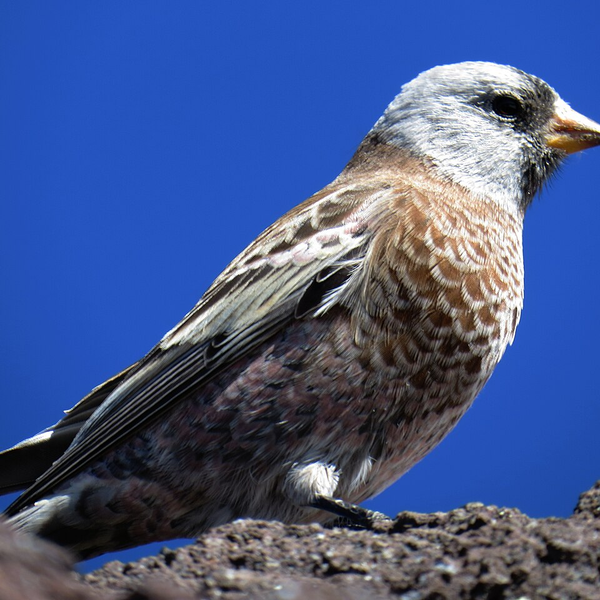
Gray-crowned Rosy-Finch avatar
Gray-crowned Rosy-Finch Leucosticte tephrocotis
Winter Visitor

Feeder: Visits backyard feeders and water features.
Guide →
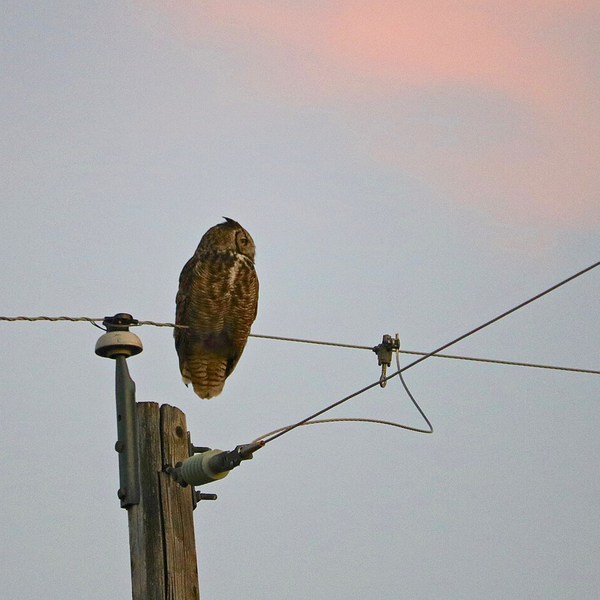
Great Horned Owl avatar
Great Horned Owl Bubo virginianus
Year-Round

Feeder: Visits backyard feeders and water features.
Guide →
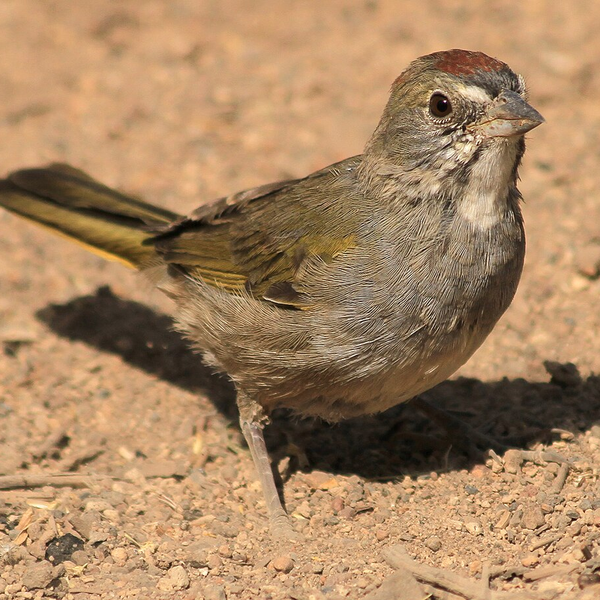
Green-tailed Towhee avatar
Green-tailed Towhee Pipilo chlorurus
Summer Breeder

Feeder: Visits backyard feeders and water features.

Guide →
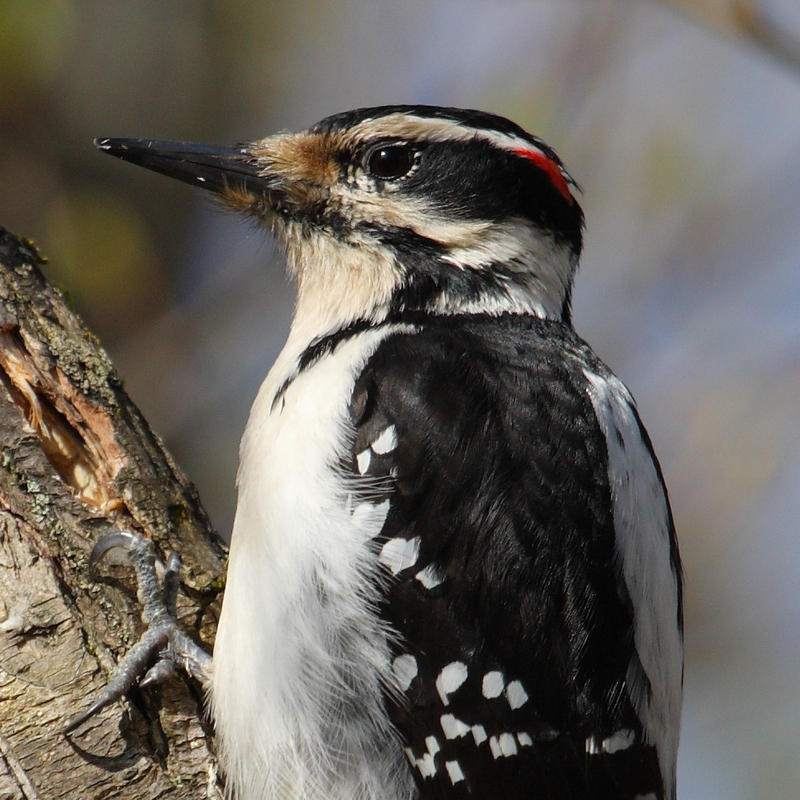
Hairy Woodpecker avatar
Hairy Woodpecker Dryobates villosus
Year-Round

Feeder: Suet blocks and whole peanuts; favors larger trees near feeders.
Guide →
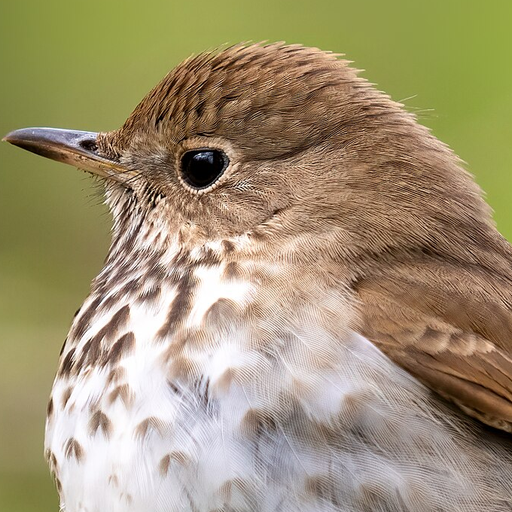
Hermit Thrush avatar
Hermit Thrush Catharus guttatus
Year-Round

Feeder: Berry-producing shrubs and a ground birdbath in shady yards.
Guide →
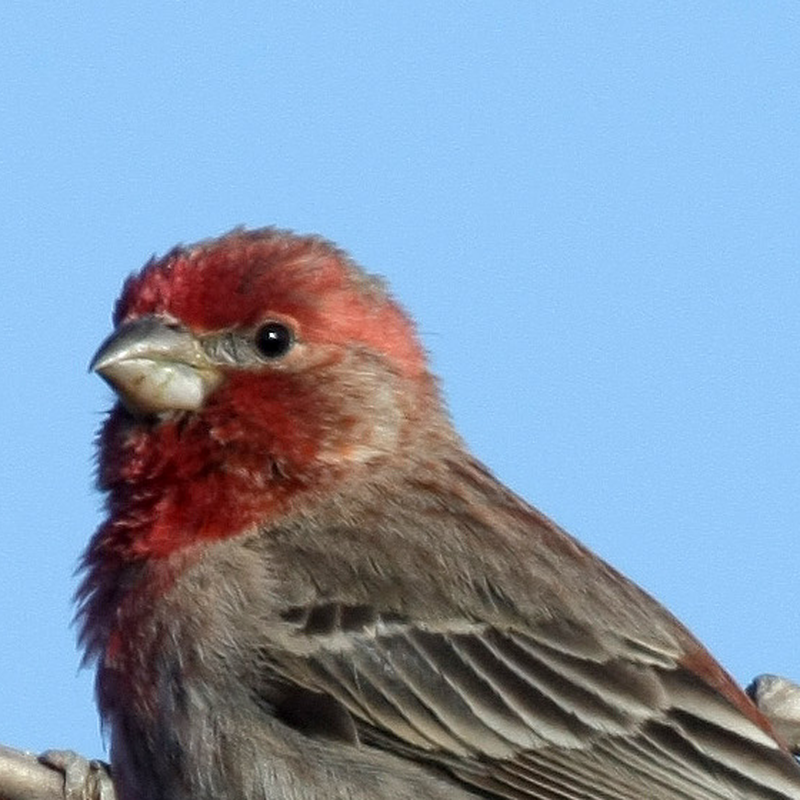
House Finch avatar
House Finch Haemorhous mexicanus
Year-Round

Feeder: Black oil sunflower at tube feeders; nests in hanging baskets.
Guide →
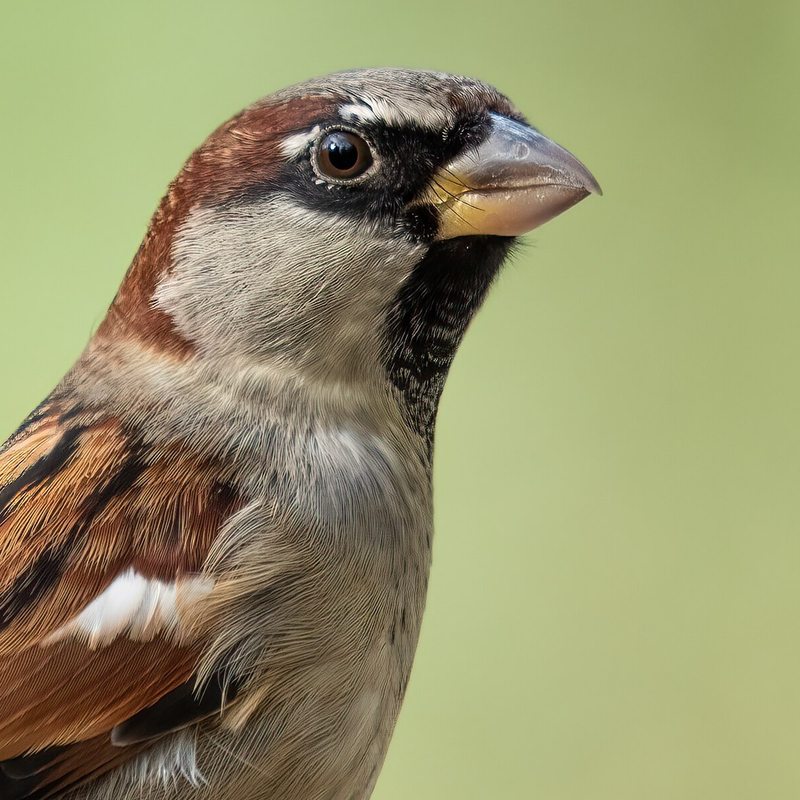
House Sparrow avatar
House Sparrow Passer domesticus
Year-Round

Feeder: Cracked corn, millet, and crumbs; nests in cavities and crevices.

Guide →
House Wren avatar
House Wren Troglodytes aedon
Summer Breeder

Feeder: Nest boxes with 1-inch holes; eats insects, not seed.
Guide →
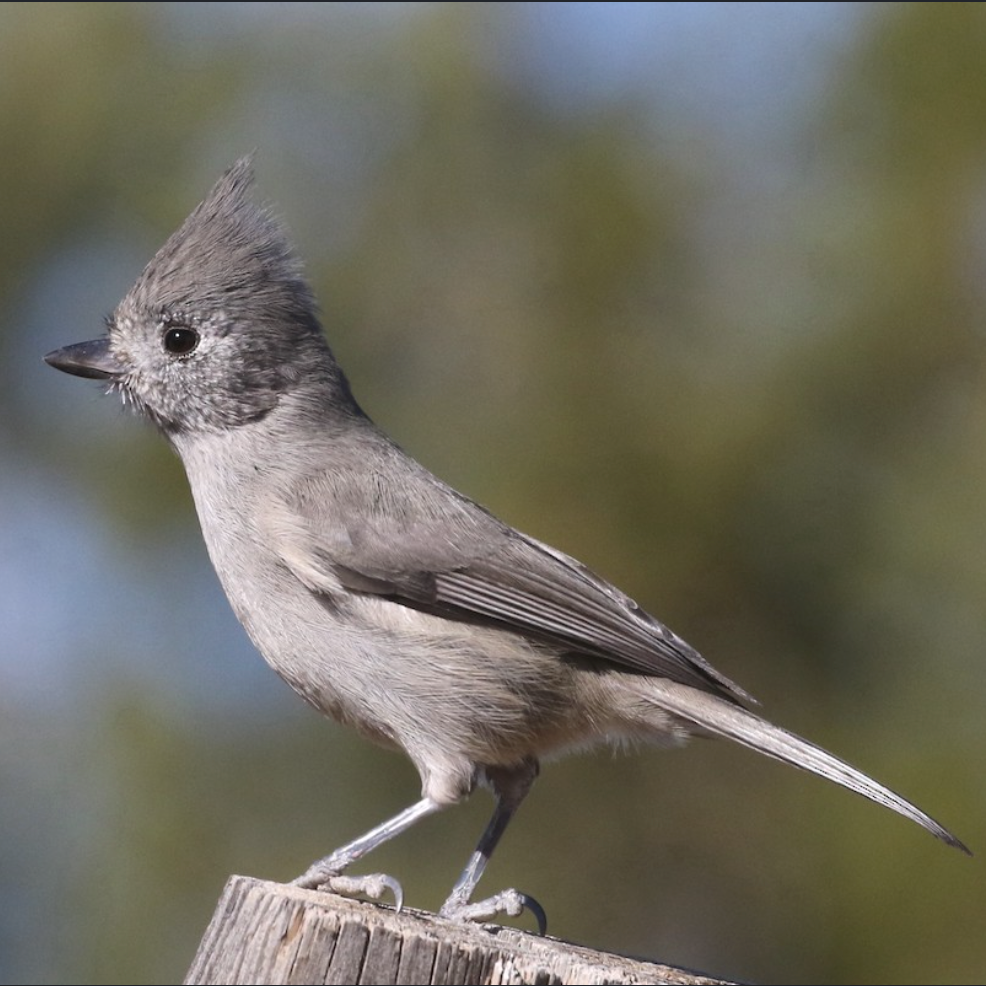
Juniper Titmouse avatar
Juniper Titmouse Baeolophus ridgwayi
Year-Round

Feeder: Sunflower seeds and suet; appreciates a water dish in arid yards.
Guide →
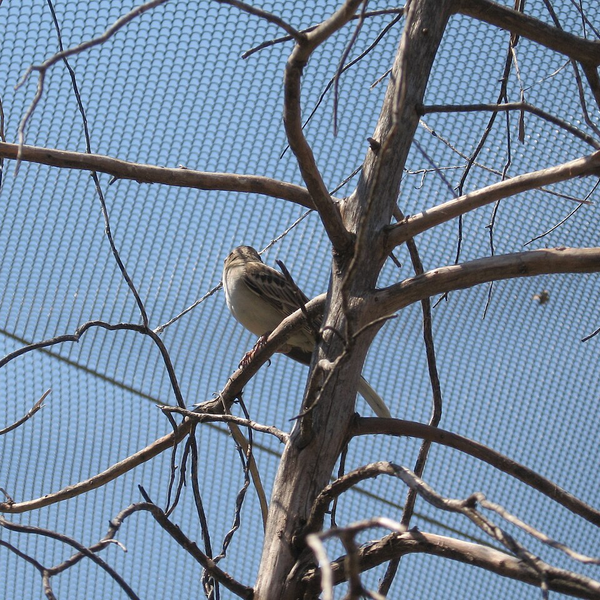
Lark Sparrow avatar
Lark Sparrow Chondestes grammacus
Summer Breeder

Feeder: Visits backyard feeders and water features.
Guide →
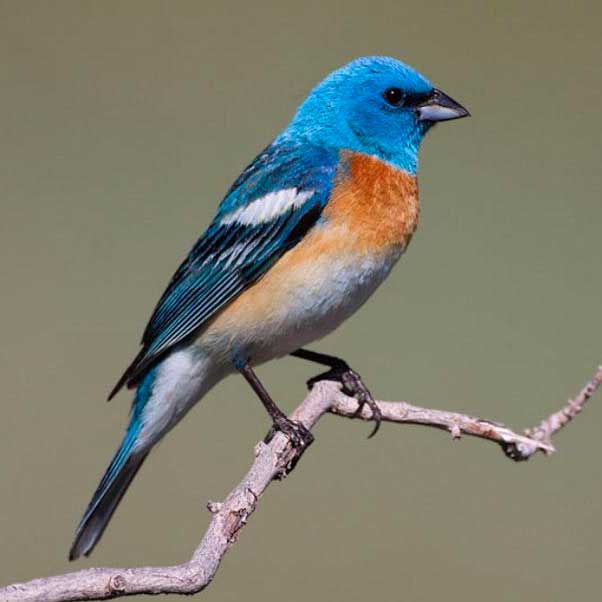
Lazuli Bunting avatar
Lazuli Bunting Passerina amoena
Summer Breeder

Feeder: White millet and fine sunflower chips near brushy slopes.
Guide →
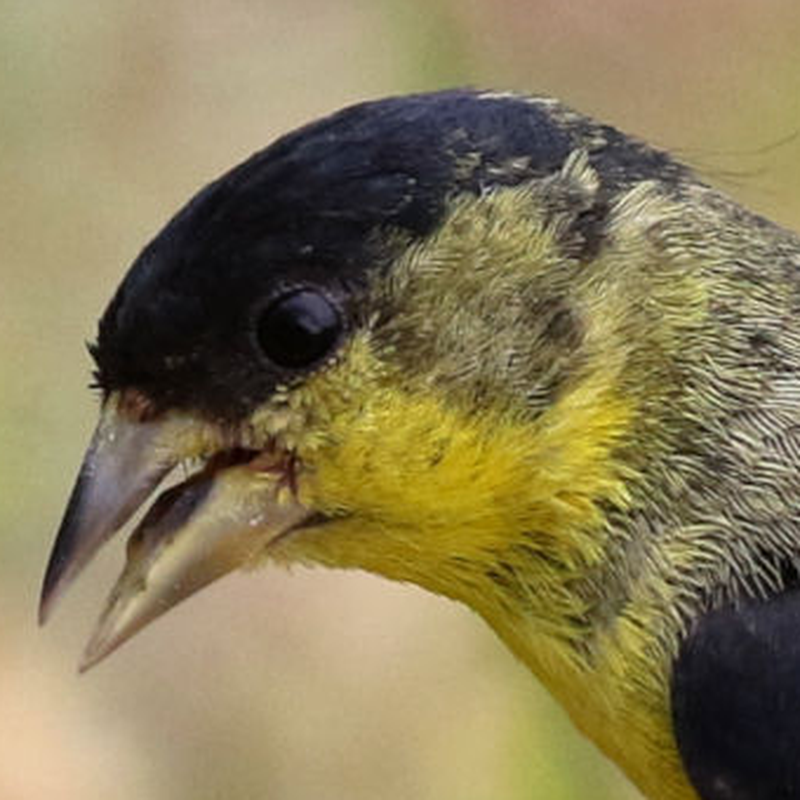
Lesser Goldfinch avatar
Lesser Goldfinch Spinus psaltria
Year-Round

Feeder: Nyjer socks and sunflower chips; feeds in tight twittering flocks.
Guide →
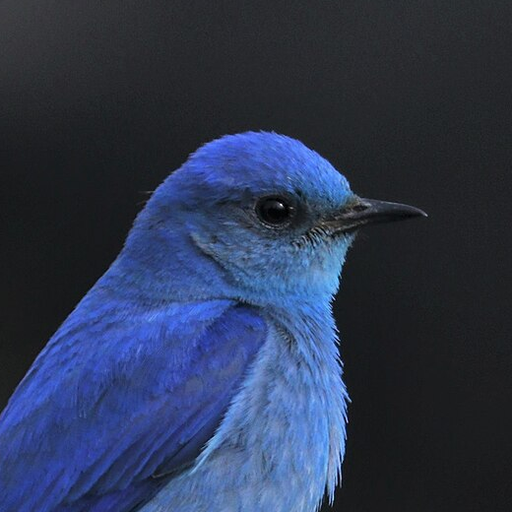
Mountain Bluebird avatar
Mountain Bluebird Sialia currucoides
Summer Breeder

Feeder: Mealworms; nest boxes in open meadows with clear sightlines.
Guide →
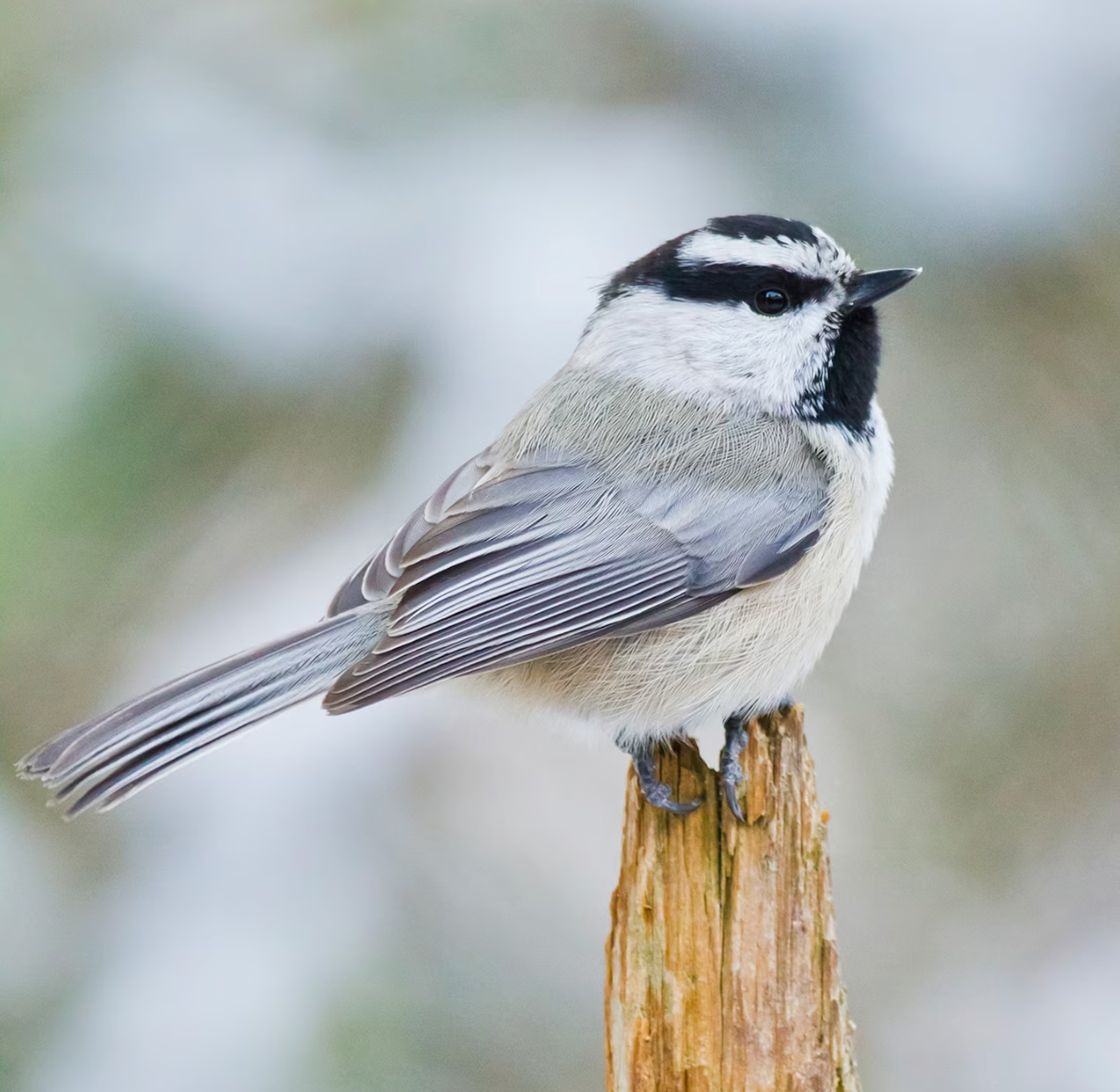
Mountain Chickadee avatar
Mountain Chickadee Poecile gambeli
Year-Round

Feeder: Suet, sunflower, and pine seeds at mountain feeders.
Guide →
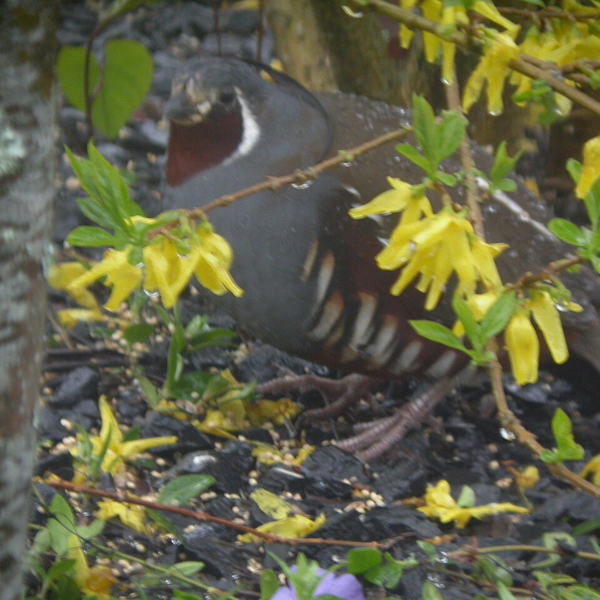
Mountain Quail avatar
Mountain Quail Oreortyx pictus
Year-Round

Feeder: Visits backyard feeders and water features.
Guide →
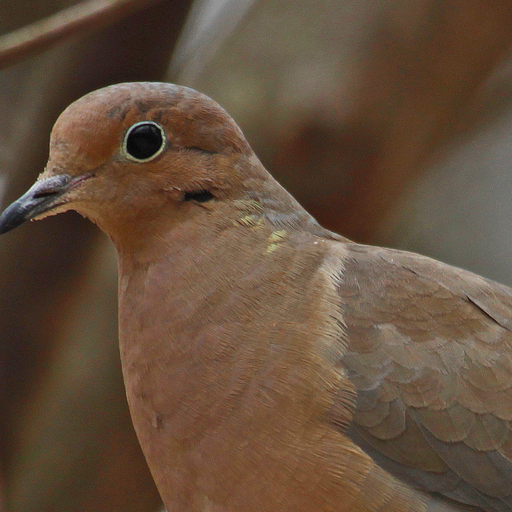
Mourning Dove avatar
Mourning Dove Zenaida macroura
Year-Round

Feeder: White millet and cracked corn on the ground or a low platform.
Guide →
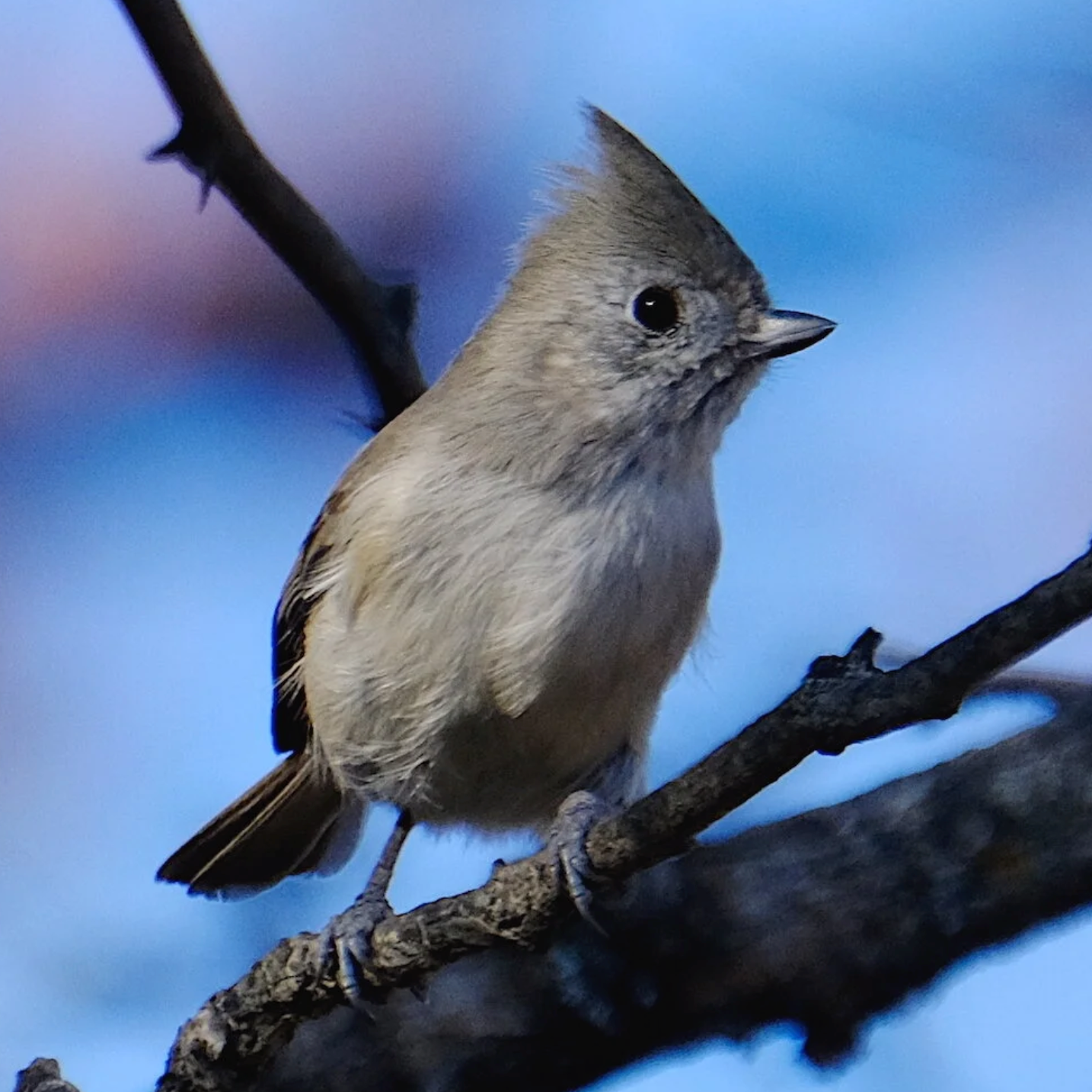
Oak Titmouse avatar
Oak Titmouse Baeolophus inornatus
Year-Round

Feeder: Suet, sunflower seeds, and nuts in oak woodlands.

Guide →
Orange-crowned Warbler avatar
Orange-crowned Warbler Leiothlypis celata
Summer Breeder

Feeder: Suet crumbs; occasionally sips at hummingbird feeders.
Guide →
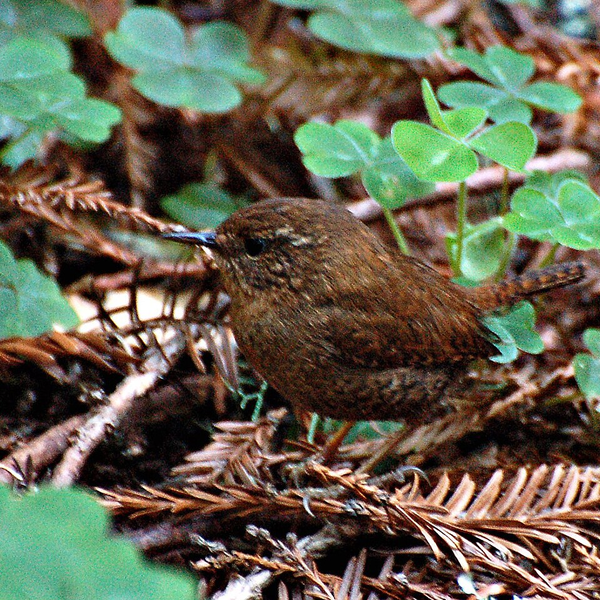
Pacific Wren avatar
Pacific Wren Troglodytes pacificus
Year-Round

Feeder: Visits backyard feeders and water features.
Guide →
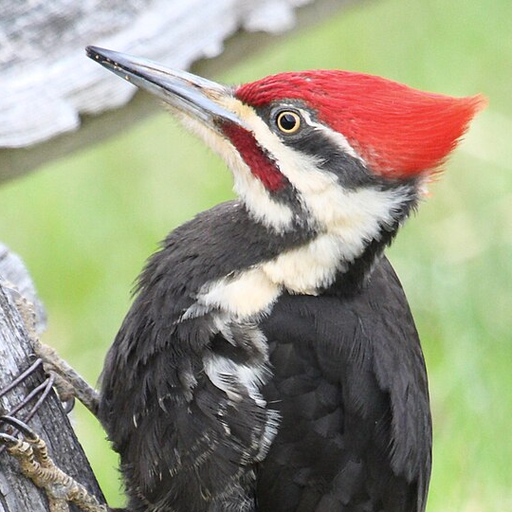
Pileated Woodpecker avatar
Pileated Woodpecker Dryocopus pileatus
Year-Round

Feeder: Large suet feeders mounted on a board or big trunk.
Guide →
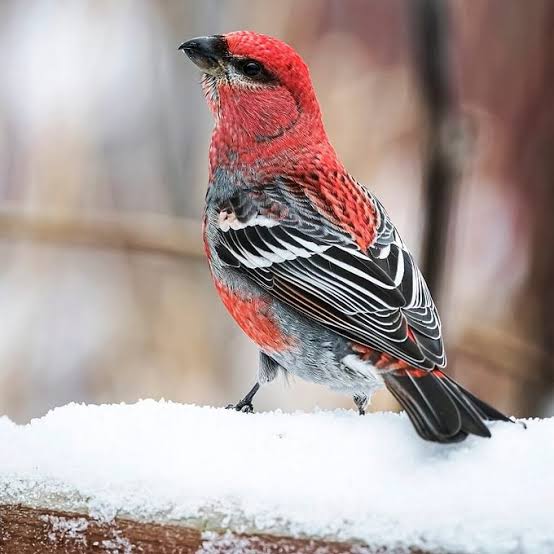
Pine Grosbeak avatar
Pine Grosbeak Pinicola enucleator
Winter Visitor

Feeder: Sunflower seeds and mountain ash berries in winter; tame at feeders.
Guide →
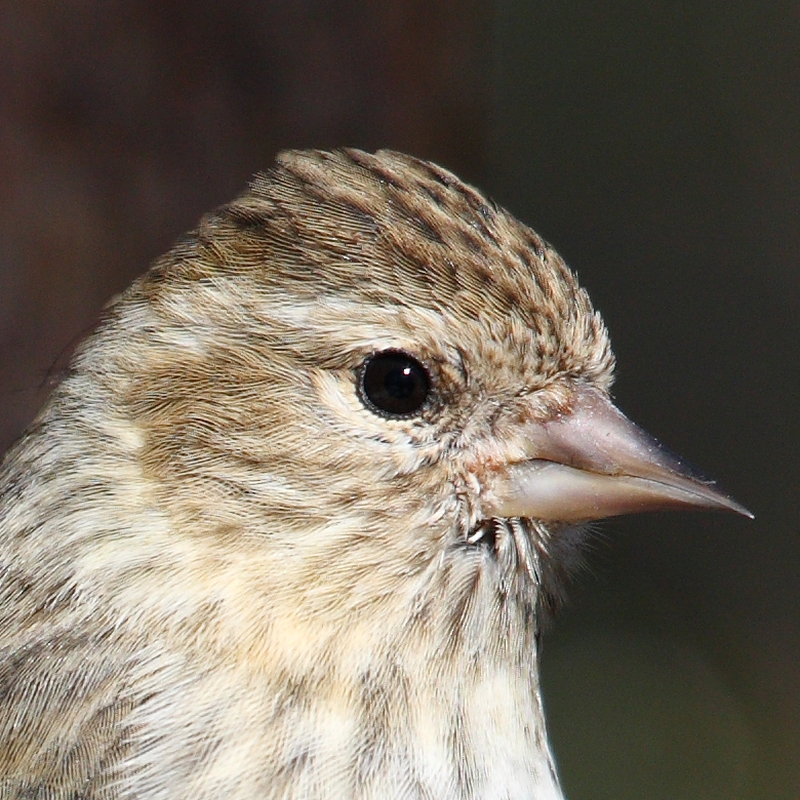
Pine Siskin avatar
Pine Siskin Spinus pinus
Year-Round

Feeder: Nyjer and fine sunflower chips; irrupts to feeders in dense flocks.
Guide →
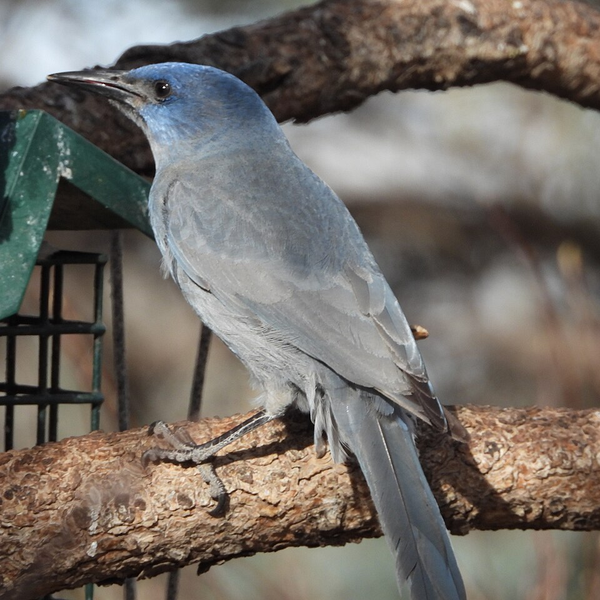
Pinyon Jay avatar
Pinyon Jay Gymnorhinus cyanocephalus
Year-Round

Feeder: Visits backyard feeders and water features.
Guide →
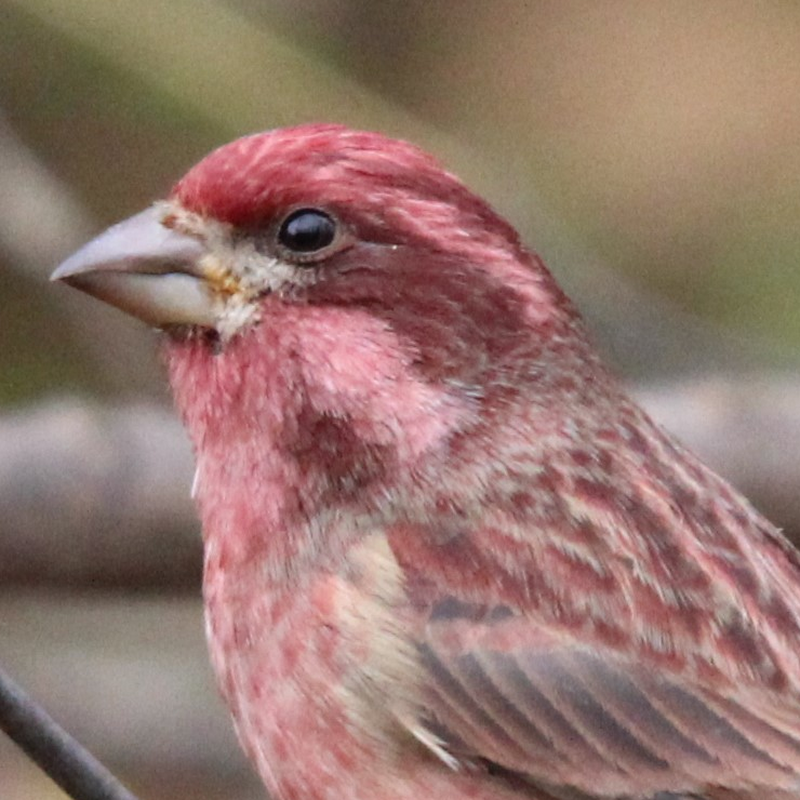
Purple Finch avatar
Purple Finch Haemorhous purpureus
Year-Round

Feeder: Black oil sunflower, especially at tube feeders, in winter and spring.
Guide →
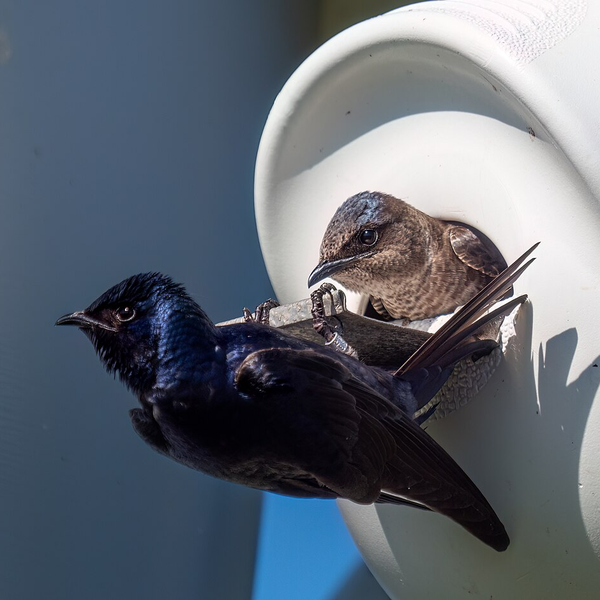
Purple Martin avatar
Purple Martin Progne subis
Summer Breeder

Feeder: Visits backyard feeders and water features.
Guide →
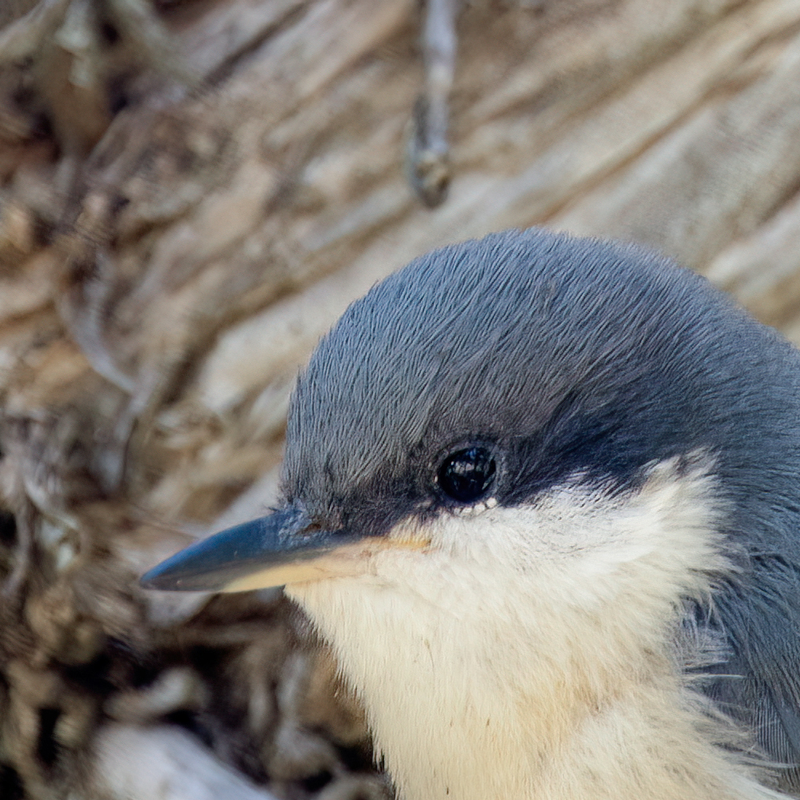
Pygmy Nuthatch avatar
Pygmy Nuthatch Sitta pygmaea
Year-Round

Feeder: Suet and crushed nuts; communal winter flocks in pine towns.
Guide →
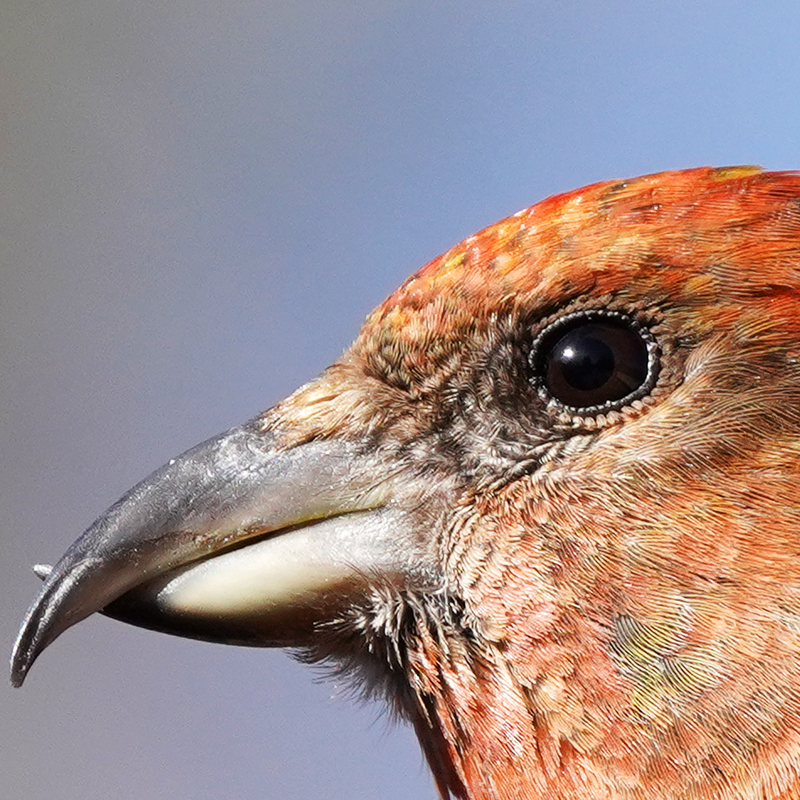
Red Crossbill avatar
Red Crossbill Loxia curvirostra
Year-Round

Feeder: Sunflower seeds on open platforms; visits erratically with cone crops.
Guide →
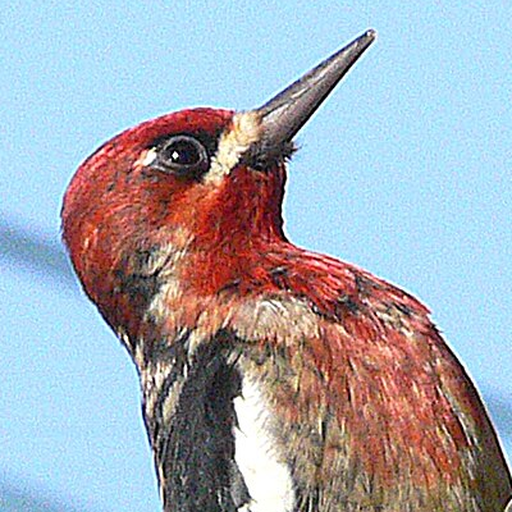
Red-breasted Sapsucker avatar
Red-breasted Sapsucker Sphyrapicus ruber
Year-Round

Feeder: Suet and fruit; tends sap wells on birches and conifers.
Guide →
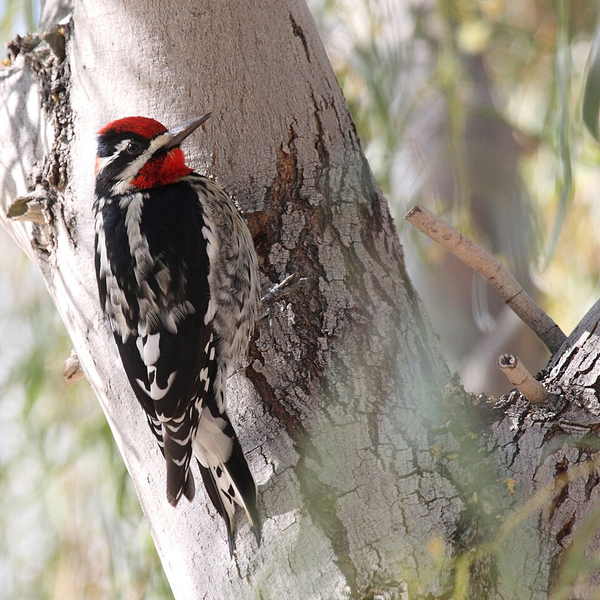
Red-naped Sapsucker avatar
Red-naped Sapsucker Sphyrapicus nuchalis
Summer Breeder

Feeder: Visits backyard feeders and water features.
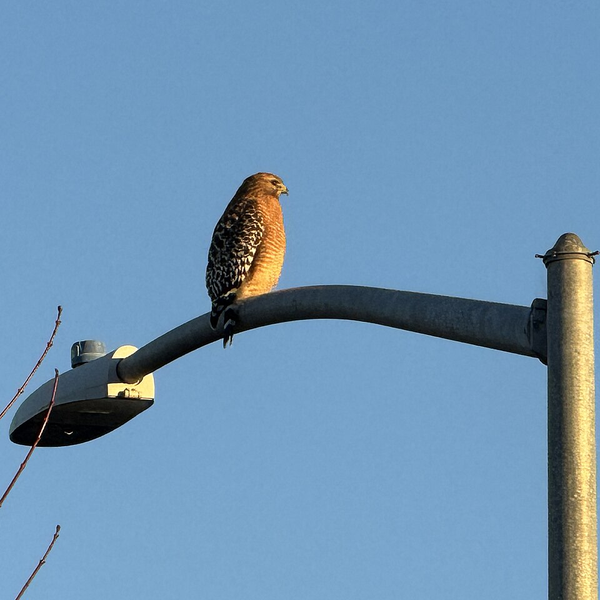
Guide →
Red-shouldered Hawk avatar
Red-shouldered Hawk Buteo lineatus
Year-Round

Feeder: Visits backyard feeders and water features.
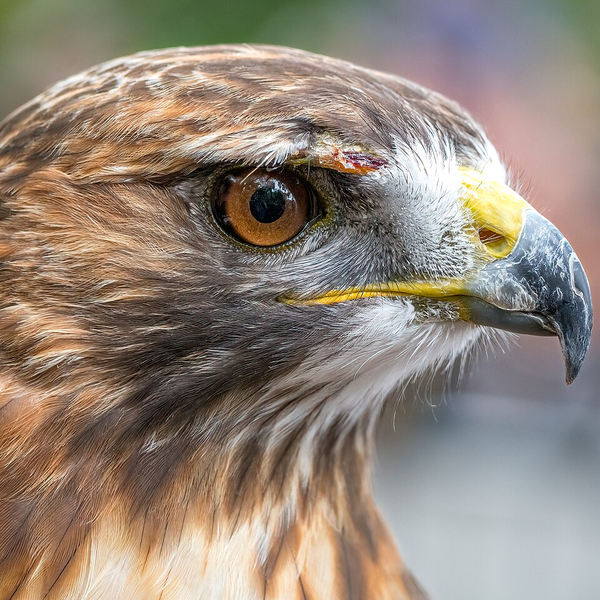
Guide →
Red-tailed Hawk avatar
Red-tailed Hawk Buteo jamaicensis
Year-Round

Feeder: Visits backyard feeders and water features.

Guide →
Red-winged Blackbird avatar
Red-winged Blackbird Agelaius phoeniceus
Year-Round

Feeder: Sunflower, millet, and corn — arrives in loud flocks.
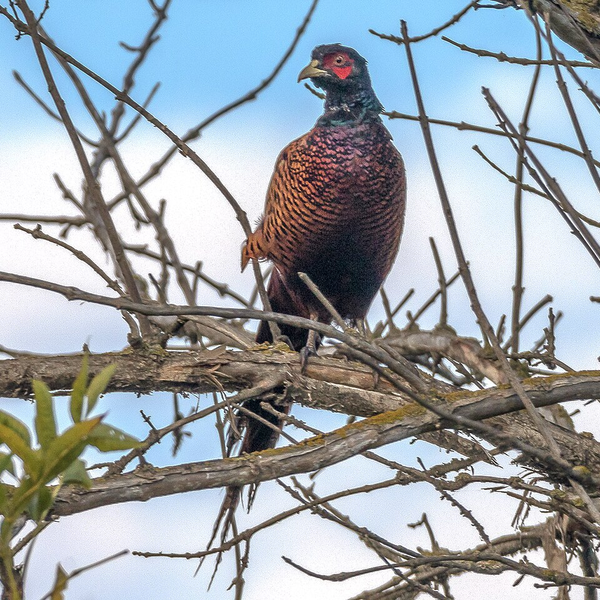
Guide →
Ring-necked Pheasant avatar
Ring-necked Pheasant Phasianus colchicus
Year-Round

Feeder: Visits backyard feeders and water features.
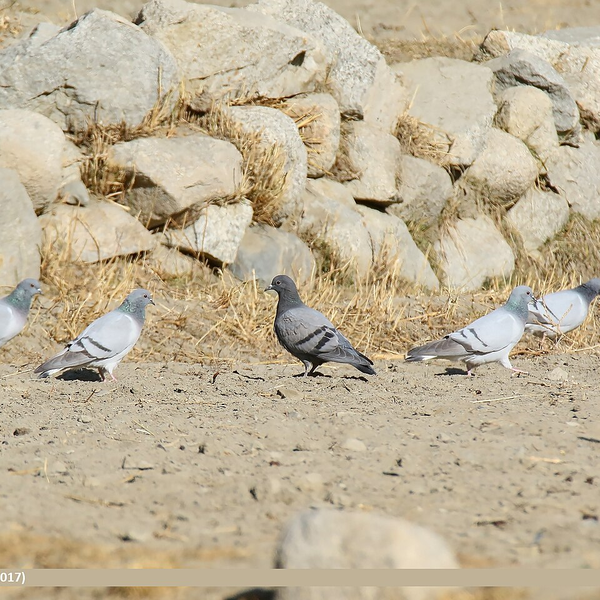
Guide →
Rock Pigeon avatar
Rock Pigeon Columba livia
Year-Round

Feeder: Visits backyard feeders and water features.
Guide →
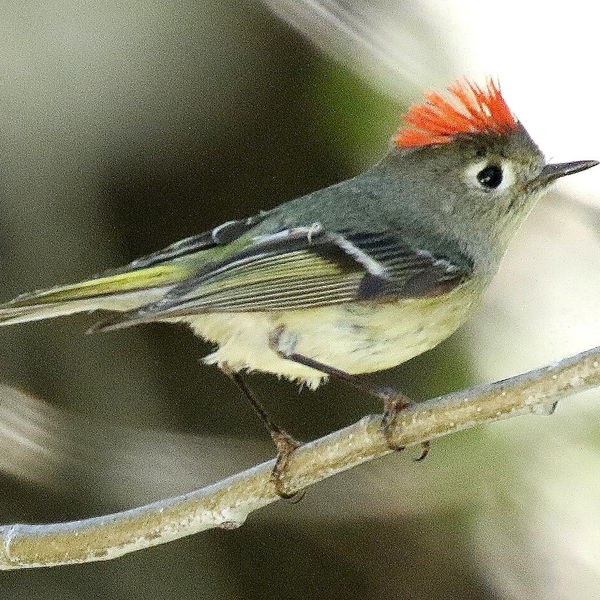
Ruby-crowned Kinglet avatar
Ruby-crowned Kinglet Corthylio calendula
Summer Breeder

Feeder: Visits backyard feeders and water features.
Guide →
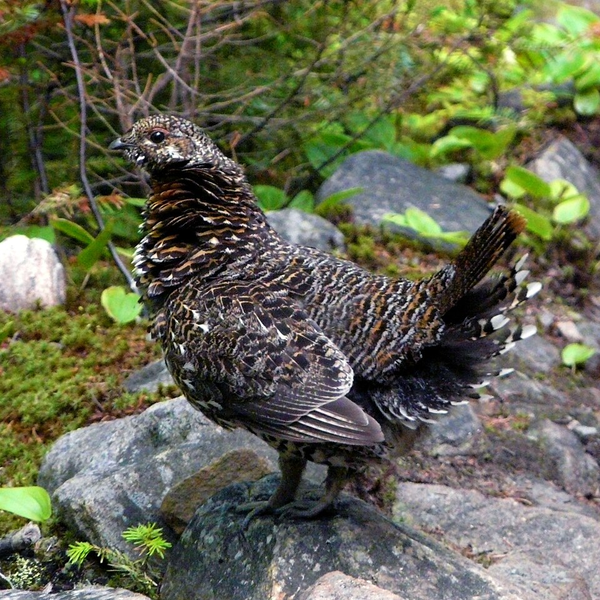
Ruffed Grouse avatar
Ruffed Grouse Bonasa umbellus
Year-Round

Feeder: Visits backyard feeders and water features.
Guide →
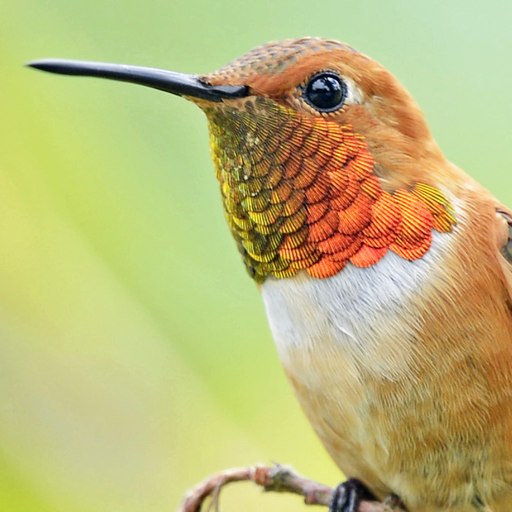
Rufous Hummingbird avatar
Rufous Hummingbird Selasphorus rufus
Summer Breeder

Feeder: Sugar-water feeders; fiercely territorial — hang several apart.
Guide →
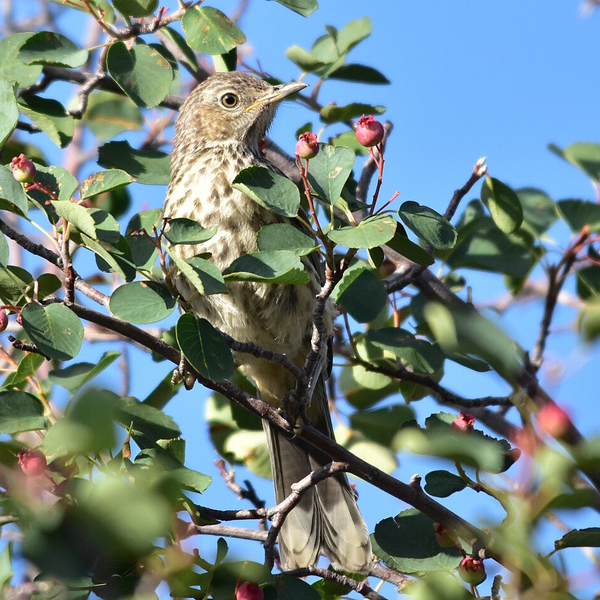
Sage Thrasher avatar
Sage Thrasher Oreoscoptes montanus
Summer Breeder

Feeder: Visits backyard feeders and water features.
Guide →
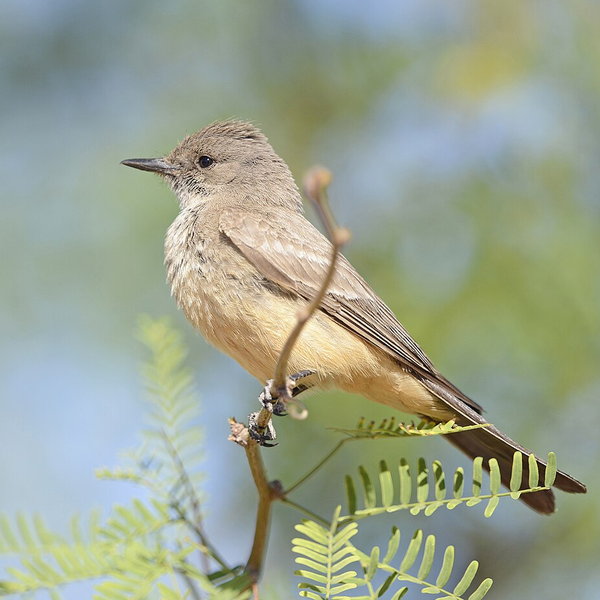
Say's Phoebe avatar
Say’s Phoebe Sayornis saya
Summer Breeder

Feeder: Visits backyard feeders and water features.
Guide →
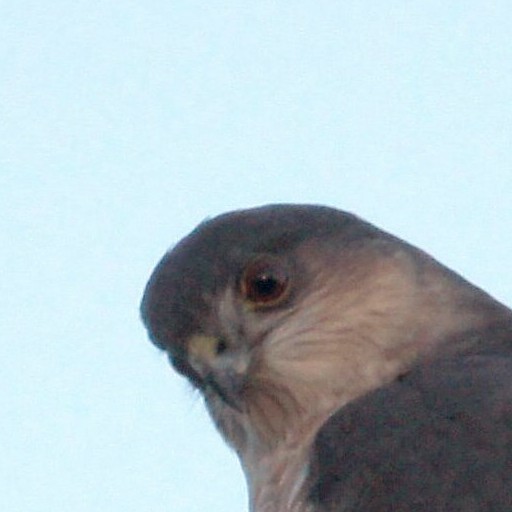
Sharp-shinned Hawk avatar
Sharp-shinned Hawk Accipiter striatus
Year-Round

Feeder: Hunts small feeder birds in winter; give feeders escape cover.
Guide →
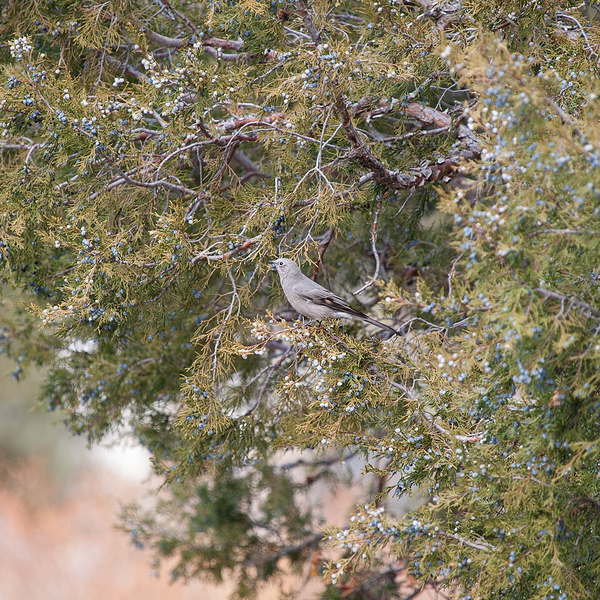
Townsend's Solitaire avatar
Townsend’s Solitaire Myadestes townsendi
Year-Round

Feeder: Visits backyard feeders and water features.
Guide →
Tree Swallow avatar
Tree Swallow Tachycineta bicolor
Summer Breeder

Feeder: Visits backyard feeders and water features.
Guide →
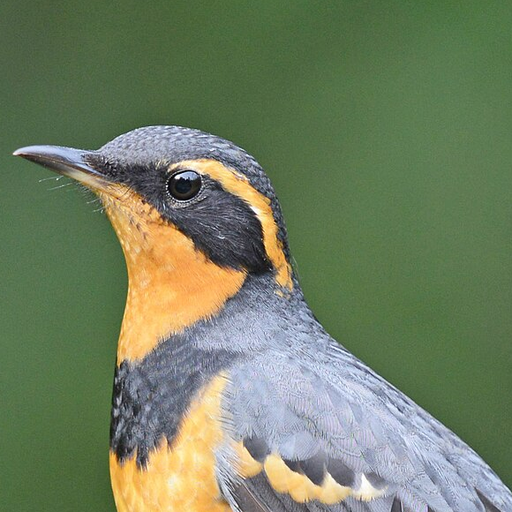
Varied Thrush avatar
Varied Thrush Ixoreus naevius
Year-Round

Feeder: Sunflower chips on the ground and berry bushes in winter.
Guide →
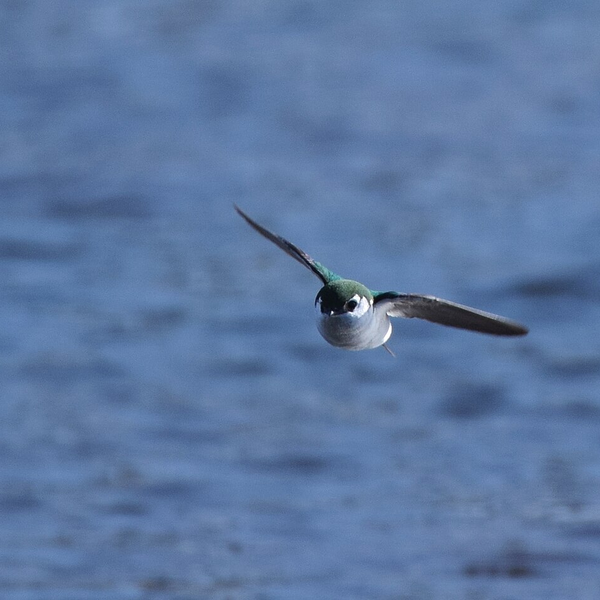
Violet-green Swallow avatar
Violet-green Swallow Tachycineta thalassina
Summer Breeder

Feeder: Visits backyard feeders and water features.
Guide →
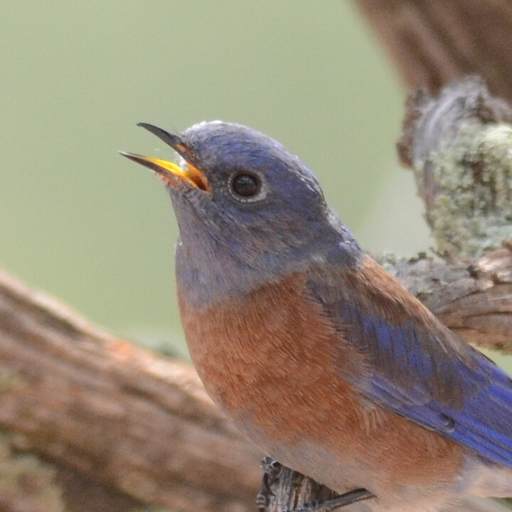
Western Bluebird avatar
Western Bluebird Sialia mexicana
Year-Round

Feeder: Mealworms and a nest box facing open ground.
Guide →
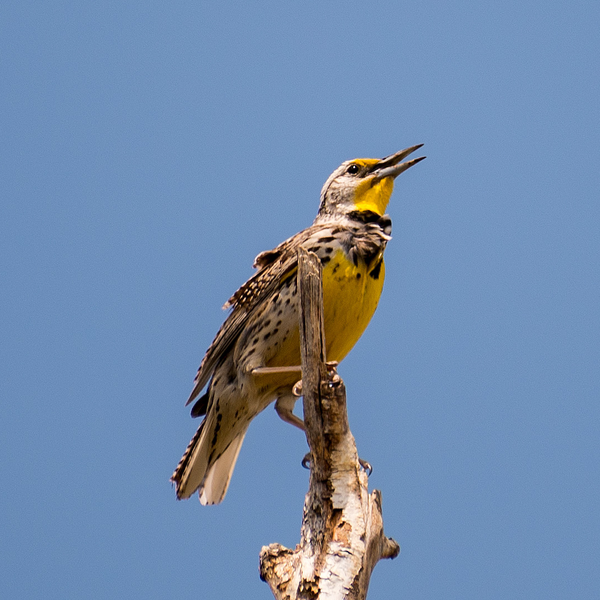
Western Meadowlark avatar
Western Meadowlark Sturnella neglecta
Year-Round

Feeder: Visits backyard feeders and water features.

Guide →
Western Screech-Owl avatar
Western Screech-Owl Megascops kennicottii
Year-Round

Feeder: Tree-cavity style nest boxes; listen for the bouncing-ball call.
Guide →
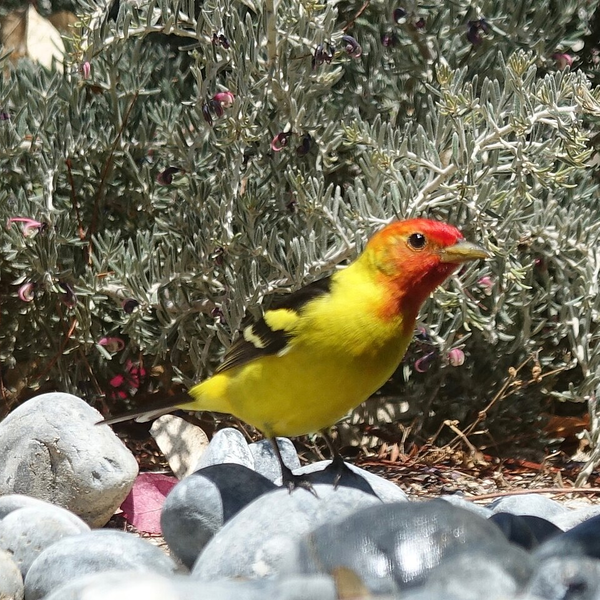
Western Tanager avatar
Western Tanager Piranga ludoviciana
Summer Breeder

Feeder: Visits backyard feeders and water features.
Guide →
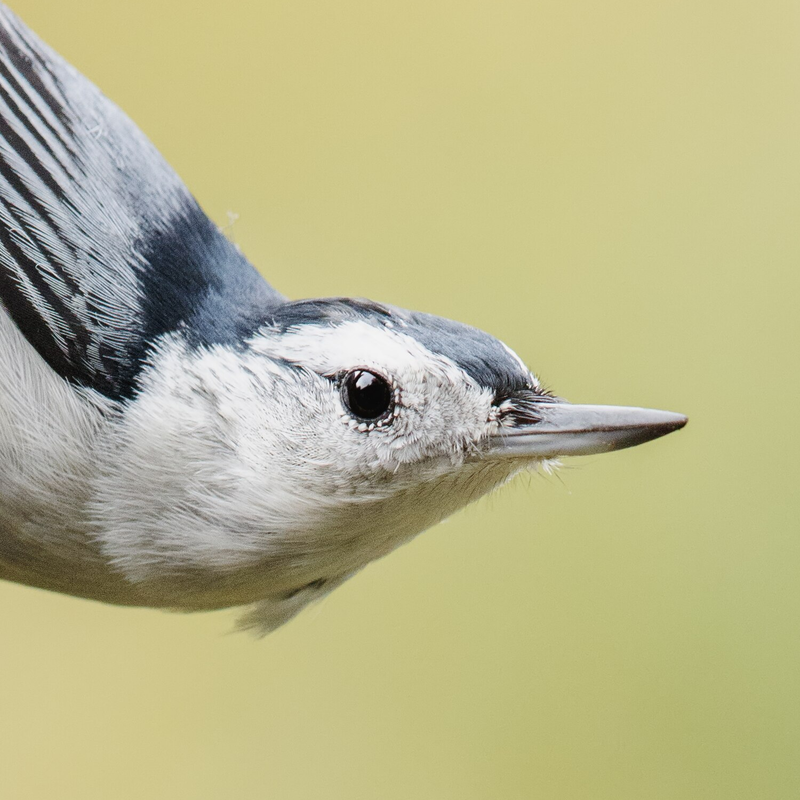
White-breasted Nuthatch avatar
White-breasted Nuthatch Sitta carolinensis
Year-Round

Feeder: Suet, whole peanuts, and sunflower; walks headfirst down trunks.

Guide →
White-crowned Sparrow avatar
White-crowned Sparrow Zonotrichia leucophrys
Year-Round

Feeder: Sunflower chips and white millet on the ground near brush.
Guide →
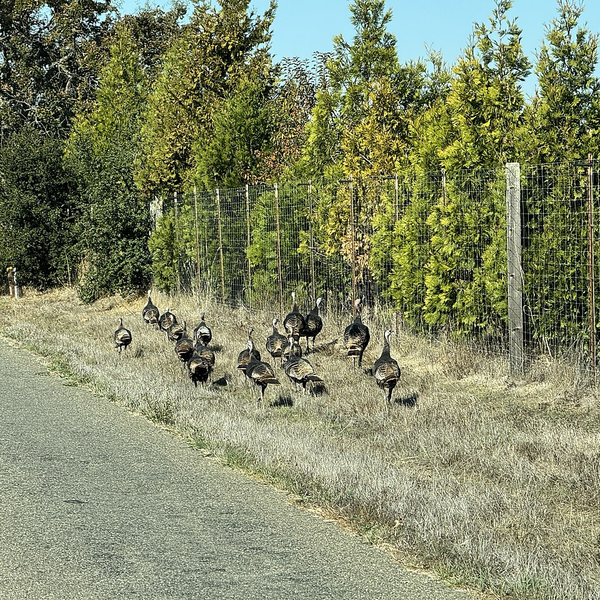
Wild Turkey avatar
Wild Turkey Meleagris gallopavo
Year-Round

Feeder: Visits backyard feeders and water features.
Guide →
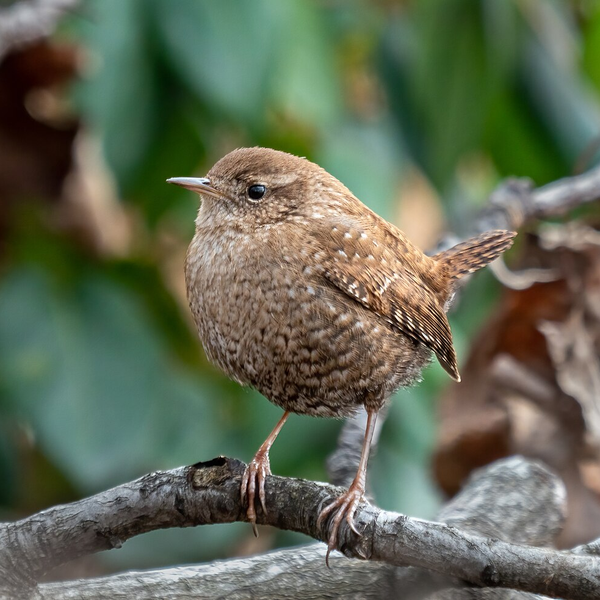
Winter Wren avatar
Winter Wren Troglodytes hiemalis
Year-Round

Feeder: Visits backyard feeders and water features.
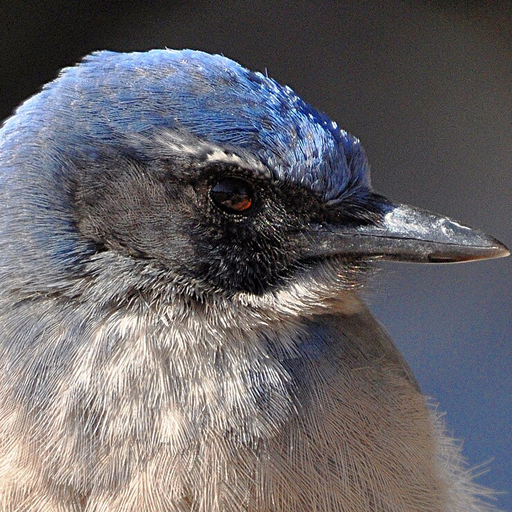
Guide →
Woodhouse's Scrub-Jay avatar
Woodhouse’s Scrub-Jay Aphelocoma woodhouseii
Year-Round

Feeder: Nuts, sunflower, and dry corn on open platforms.
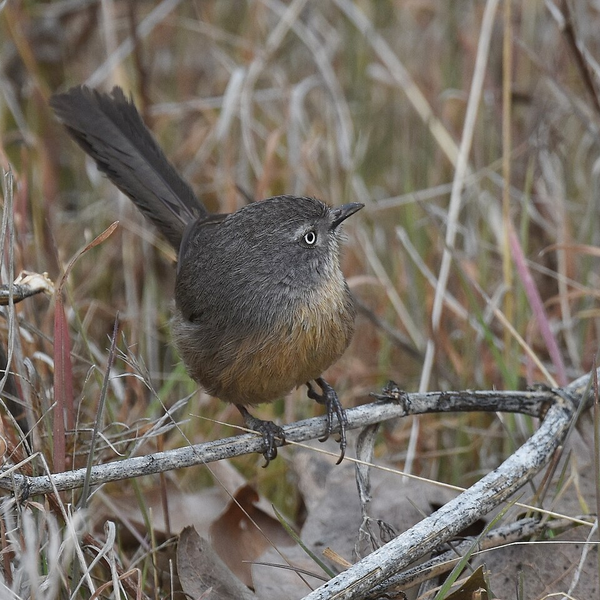
Guide →
Wrentit avatar
Wrentit Chamaea fasciata
Year-Round

Feeder: Visits backyard feeders and water features.

Guide →
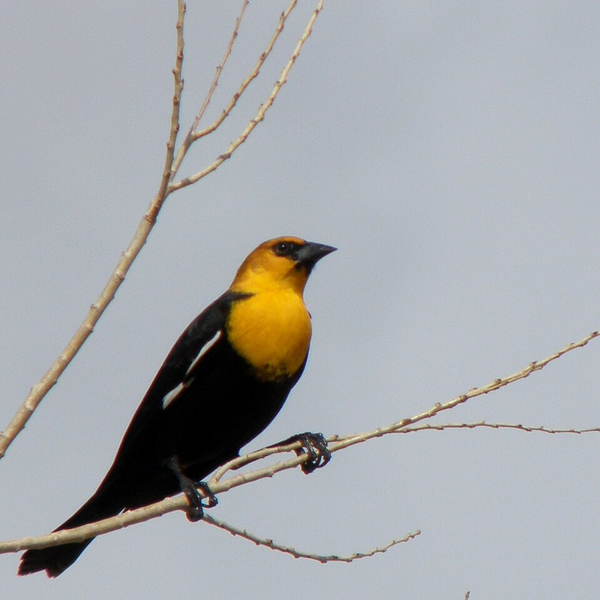
Yellow-headed Blackbird avatar
Yellow-headed Blackbird Xanthocephalus xanthocephalus
Summer Breeder

Feeder: Visits backyard feeders and water features.

Guide →
Yellow-rumped Warbler avatar
Yellow-rumped Warbler Setophaga coronata
Year-Round

Feeder: Suet cakes, berries, and peanut butter smeared on bark.

Guide →

The Oregon Seasonal Feeder Calendar

🌱 Spring

March – May

Rufous Hummingbirds pass through in March and April; robins sing before dawn, and chickadees inspect nest boxes. Keep Anna’s feeders full and add more. Western Oregon’s spring rains mold seed fast: use weather guards and smaller trays, and scrub feeders monthly with a 10% bleach solution.

☀️ Summer

June – August

Change hummingbird nectar every 2–3 days and keep the birdbath clean. Goldfinches nest late, in July, when thistles go to seed; watch for streaky juveniles at feeders. In dry eastern Oregon, a dripping birdbath outdraws every feeder — water is the summer magnet.

🍂 Autumn

September – November

The Pacific flyway hugs the coast. Golden-crowned Sparrows and Varied Thrushes arrive in October; watch berry bushes for Cedar Waxwings. Stock seed and suet ahead of the wet season — this is when year-round residents learn where your feeders are.

❄️ Winter

December – February

Prime feeding season. Suet, black oil sunflower, and Nyjer serve chickadees, nuthatches, flickers, and finch flocks. Anna’s Hummingbirds stay all winter — bring nectar in on freezing nights or use a feeder warmer. Varied Thrushes work the leaf litter after every storm.

Frequently Asked Questions: Backyard Birding in Oregon

What is the state bird of Oregon? +
The Western Meadowlark (Sturnella neglecta), designated in 1927 after a vote of Oregon schoolchildren — it beat out the Osprey. Meadowlarks are birds of open grassland and ranch country: brilliant yellow with a black V on the chest, singing a rich, flute-like song from fence posts. They rarely visit feeders, but yards bordering open fields can attract them with cracked corn scattered on short grass in winter. The backyard bird Oregonians see far more often is Anna’s Hummingbird — which stays all winter and depends on feeders during cold snaps.
Do hummingbirds really stay in Oregon all winter? +
Yes — Anna’s Hummingbirds are year-round residents in western Oregon, even through freezes, and they have expanded northward partly because people keep feeders up. Feed a 1:4 white-sugar solution (never honey or red dye). The challenge is freezing: bring the feeder in at night when temperatures drop below freezing and hang it back out at dawn — hummingbirds feed within minutes of sunrise — or use a feeder warmer. Rufous Hummingbirds pass through in spring and late summer.
What birds come to Oregon feeders in winter? +
The resident corps: Chestnut-backed and Black-capped Chickadees, Bushtits, Red-breasted Nuthatches, Downy Woodpeckers, Northern Flickers, Steller’s and California Scrub-Jays, Song Sparrows, Spotted Towhees, Dark-eyed Juncos, House Finches, Lesser and American Goldfinches — plus Anna’s Hummingbirds. Winter visitors add Golden-crowned Sparrows, Varied Thrushes, and Pine Siskins in irruption years. Suet and sunflower bring the most species; Nyjer holds the finches.
What is the difference between Oregon’s scrub-jays? +
Western Oregon has one scrub-jay: the California Scrub-Jay — azure blue above, gray-white below, no crest — common from Portland south. The crested blue jay in Oregon is the Steller’s Jay, black-headed and deep blue, a bird of conifer forests and mountain towns (and campground picnic tables). Scrub-jays are the bold suburbanites; Steller’s are the forest scolds. Both cache acorns and peanuts by the thousand and remember most of the hiding places.
How do I keep seed from molding in western Oregon’s rain? +
Moisture, not cold, is western Oregon’s biggest feeder problem. Use feeders with weather guards or domes, choose tray designs with drainage, and fill with only two or three days’ worth of seed at a time. Scrub feeders monthly with a 10% bleach solution, rake spilled seed weekly, and store seed in sealed metal cans — never damp garages. Shelled sunflower and suet spoil slower than mixed seed. If seed clumps or smells musty, throw it out: moldy seed kills birds.
Key Takeaways
  • The Winter Hummingbird: Anna’s Hummingbirds don’t migrate — they live in Oregon yards all year, even in snow. Keep one nectar feeder up and thawed all winter.
  • The State Bird: The Western Meadowlark (state bird since 1927) sings from fence posts over open country rather than visiting feeders — plant native grasses and you’ll hear it.
  • Two Chickadees: Chestnut-backed rules the wet west side; Black-capped rules the dry east — and they overlap along the Cascades. Your feeder may host both.
  • Mold, Not Cold: Western Oregon’s rain spoils seed faster than its mild winters do — weather guards, small trays, and weekly cleaning matter most.
  • The Map: The pinned map at the top of this page shows where each of the 16 featured birds is most characteristic; every pin jumps to a profile with photos, a playable call, and a full guide link.
  • Best Single Upgrade: A suet cage plus a Nyjer feeder — chickadees, nuthatches, flickers, and goldfinches, twelve months a year.

Oregon Backyard Bird Watching Checklist

Large-print checklist format designed for American seniors. Print or download as a 1-page PDF, then tick off each species as you see it.

Anna's Hummingbird Avatar

Oregon Birding Checklist

Region: Oregon — 109 Backyard Species

DATE: LOCATION:
TIME: OBSERVERS:
SPECIES CHECKLIST — TICK & COUNT
Anna’s Hummingbird Calypte anna
Chestnut-backed Chickadee Poecile rufescens
Black-capped Chickadee Poecile atricapillus
Bushtit Psaltriparus minimus
Red-breasted Nuthatch Sitta canadensis
Downy Woodpecker Dryobates pubescens
Northern Flicker Colaptes auratus
Steller’s Jay Cyanocitta stelleri
California Scrub-Jay Aphelocoma californica
American Robin Turdus migratorius
Song Sparrow Melospiza melodia
Spotted Towhee Pipilo maculatus
California Quail Callipepla californica
Dark-eyed Junco Junco hyemalis
Golden-crowned Sparrow Zonotrichia atricapilla
California Towhee Melozone crissalis
Acorn Woodpecker Melanerpes formicivorus
American Crow Corvus brachyrhynchos
American Goldfinch Spinus tristis
American Kestrel Falco sparverius
American Tree Sparrow Spizelloides arborea
Ash-throated Flycatcher Myiarchus cinerascens
Band-tailed Pigeon Patagioenas fasciata
Barn Owl Tyto alba
Barn Swallow Hirundo rustica
Barred Owl Strix varia
Bewick’s Wren Thryomanes bewickii
Black Phoebe Sayornis nigricans
Black-billed Magpie Pica hudsonia
Black-headed Grosbeak Pheucticus melanocephalus
Blue Jay Cyanocitta cristata
Bohemian Waxwing Bombycilla garrulus
Brewer’s Blackbird Euphagus cyanocephalus
Brown Creeper Certhia americana
Brown-headed Cowbird Molothrus ater
Bullock’s Oriole Icterus bullockii
Calliope Hummingbird Selasphorus calliope
Canada Jay Perisoreus canadensis
Cassin’s Finch Haemorhous cassinii
Cedar Waxwing Bombycilla cedrorum
Chipping Sparrow Spizella passerina
Chukar Alectoris chukar
Clark’s Nutcracker Nucifraga columbiana
Common Raven Corvus corax
Common Redpoll Acanthis flammea
Cooper’s Hawk Accipiter cooperii
Eurasian Collared-Dove Streptopelia decaocto
European Starling Sturnus vulgaris
Evening Grosbeak Hesperiphona vespertina
Fox Sparrow Passerella iliaca
Golden-crowned Kinglet Regulus satrapa
Gray Catbird Dumetella carolinensis
Gray Partridge Perdix perdix
Gray-crowned Rosy-Finch Leucosticte tephrocotis
Great Horned Owl Bubo virginianus
Green-tailed Towhee Pipilo chlorurus
Hairy Woodpecker Dryobates villosus
Hermit Thrush Catharus guttatus
House Finch Haemorhous mexicanus
House Sparrow Passer domesticus
House Wren Troglodytes aedon
Juniper Titmouse Baeolophus ridgwayi
Lark Sparrow Chondestes grammacus
Lazuli Bunting Passerina amoena
Lesser Goldfinch Spinus psaltria
Mountain Bluebird Sialia currucoides
Mountain Chickadee Poecile gambeli
Mountain Quail Oreortyx pictus
Mourning Dove Zenaida macroura
Oak Titmouse Baeolophus inornatus
Orange-crowned Warbler Leiothlypis celata
Pacific Wren Troglodytes pacificus
Pileated Woodpecker Dryocopus pileatus
Pine Grosbeak Pinicola enucleator
Pine Siskin Spinus pinus
Pinyon Jay Gymnorhinus cyanocephalus
Purple Finch Haemorhous purpureus
Purple Martin Progne subis
Pygmy Nuthatch Sitta pygmaea
Red Crossbill Loxia curvirostra
Red-breasted Sapsucker Sphyrapicus ruber
Red-naped Sapsucker Sphyrapicus nuchalis
Red-shouldered Hawk Buteo lineatus
Red-tailed Hawk Buteo jamaicensis
Red-winged Blackbird Agelaius phoeniceus
Ring-necked Pheasant Phasianus colchicus
Rock Pigeon Columba livia
Ruby-crowned Kinglet Corthylio calendula
Ruffed Grouse Bonasa umbellus
Rufous Hummingbird Selasphorus rufus
Sage Thrasher Oreoscoptes montanus
Say’s Phoebe Sayornis saya
Sharp-shinned Hawk Accipiter striatus
Townsend’s Solitaire Myadestes townsendi
Tree Swallow Tachycineta bicolor
Varied Thrush Ixoreus naevius
Violet-green Swallow Tachycineta thalassina
Western Bluebird Sialia mexicana
Western Meadowlark Sturnella neglecta
Western Screech-Owl Megascops kennicottii
Western Tanager Piranga ludoviciana
White-breasted Nuthatch Sitta carolinensis
White-crowned Sparrow Zonotrichia leucophrys
Wild Turkey Meleagris gallopavo
Winter Wren Troglodytes hiemalis
Woodhouse’s Scrub-Jay Aphelocoma woodhouseii
Wrentit Chamaea fasciata
Yellow-headed Blackbird Xanthocephalus xanthocephalus
Yellow-rumped Warbler Setophaga coronata
FIELD NOTES — WEATHER, SEASON & SIGHTINGS
Weather, season, and notable conditions
✏️
Unexpected visitors, flock counts, first arrival dates