
Best Finch Feeders


Best Finch Feeders: Nyjer Tubes, Socks & Thistle Feeding
What’s the best feeder for finches?
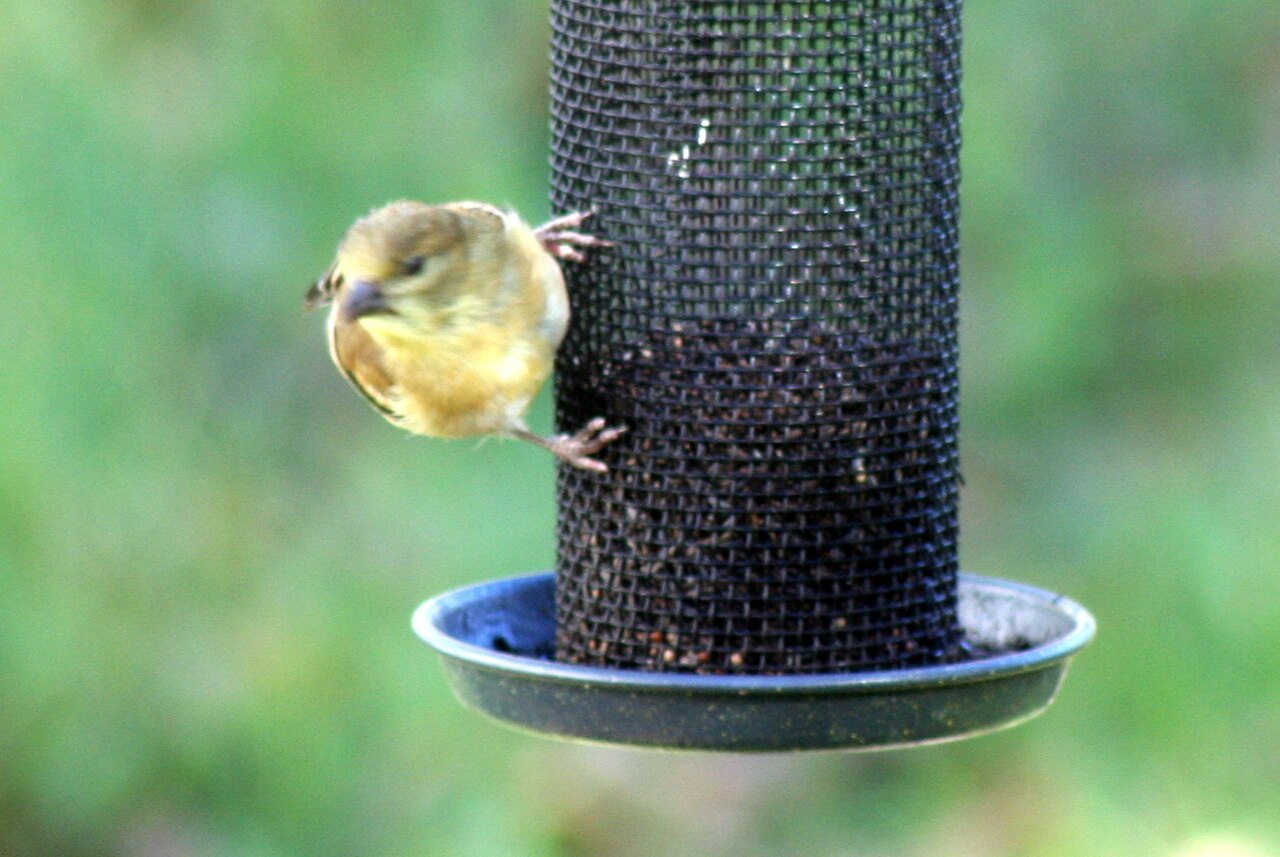
For the classic goldfinch flock, a mesh tube or sock holding fresh nyjer (thistle) seed is unbeatable — American Goldfinches, Pine Siskins and redpolls cling to the mesh and eat all day while big birds and squirrels can’t. For House and Purple Finches, a standard tube or hopper of black oil sunflower works better, since they handle bigger seed. The two rules that matter more than any hardware: nyjer must be fresh (buy small, buy often), and mesh feeders must be cleaned before the seed clumps — finches abandon dirty feeders faster than any other bird.
Know Your Finches First
“Finch feeder” advice fails when it treats finches as one bird. Your yard hosts two different feeding styles:
| Finch | Natural Style | Best Feeder | Best Seed |
|---|---|---|---|
| American Goldfinch | Clings to seedheads, acrobatic | Mesh tube or sock | Nyjer, fine sunflower chips |
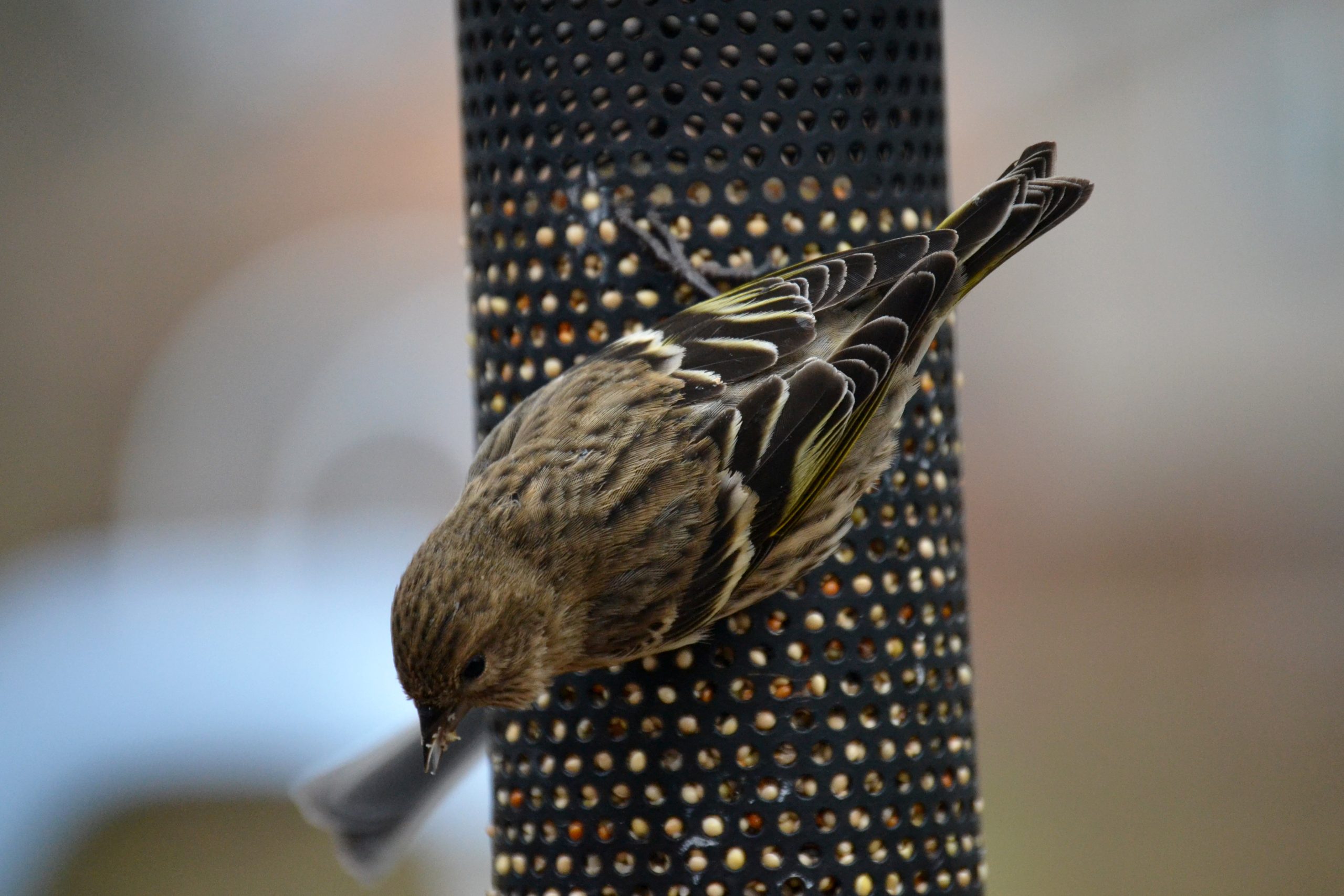
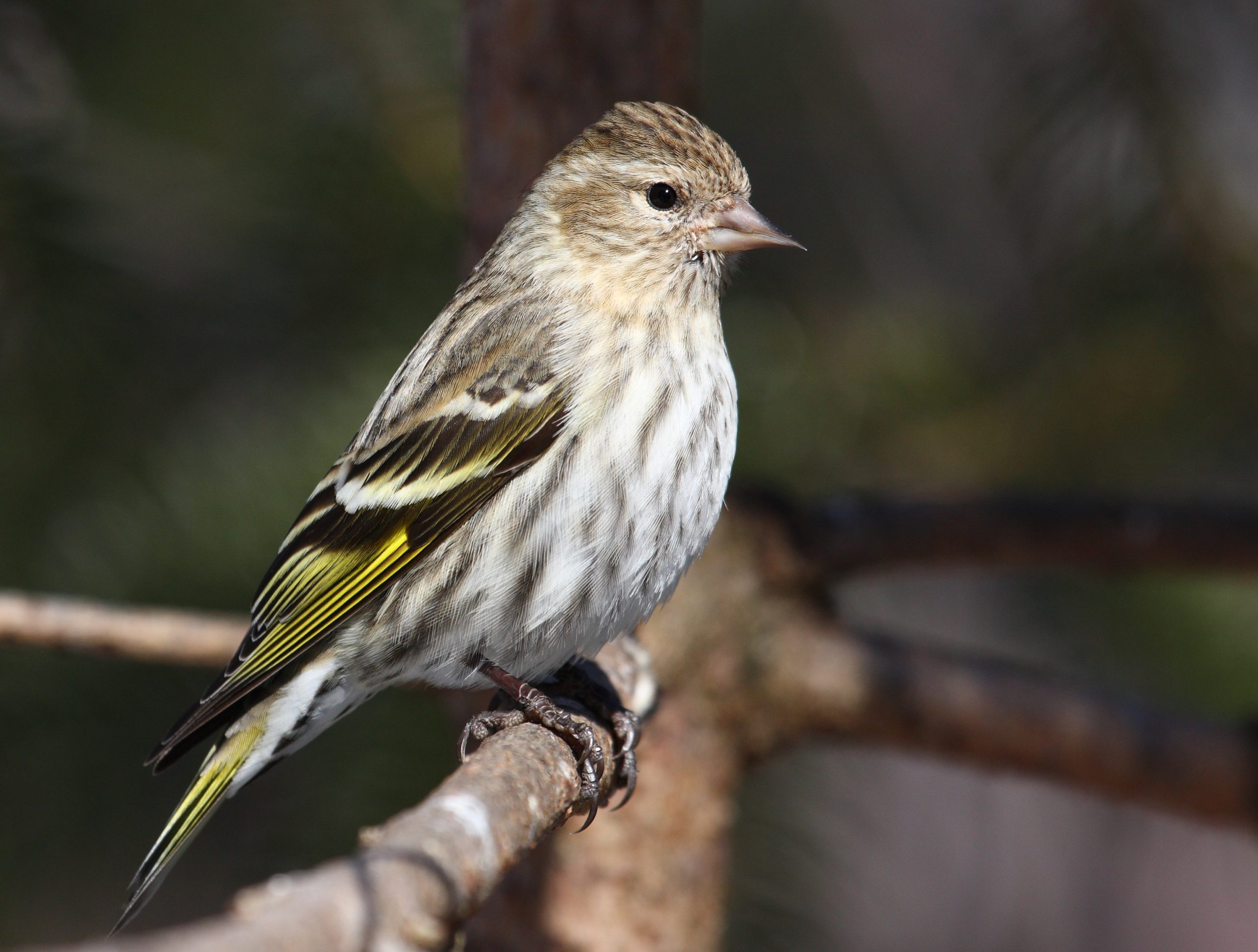
| Pine Siskin | Clings, feeds in dense flocks | Mesh tube or sock | Nyjer, chips |
| Common Redpoll (winter, north) | Clings, irruptive | Mesh tube | Nyjer |
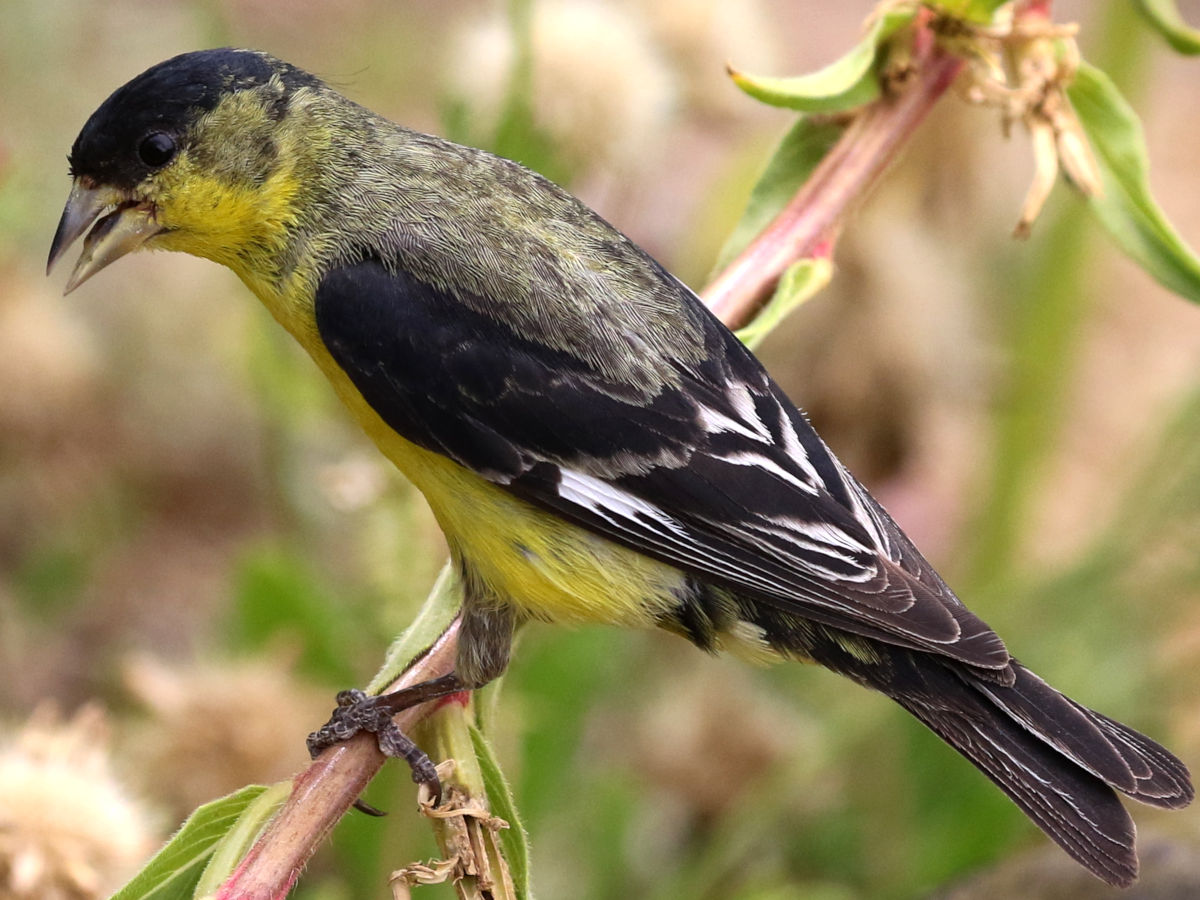
| Lesser Goldfinch | Clings, tiny bill | Mesh tube or sock | Nyjer |
| House Finch | Perches and husks steadily | Tube, hopper, platform | Black oil sunflower |
| Purple Finch | Perches, methodical | Hopper or tube | Black oil sunflower |
The split matters because the mesh sock that thrills a goldfinch frustrates a Purple Finch, and the hopper that suits a House Finch wastes nyjer at five dollars a pound. Mismatch the hardware to the bird and you’ll conclude “finches don’t like my yard” when the yard was fine and the feeder was wrong. Many veteran stations run one nyjer mesh tube plus one sunflower tube side by side — that pairing covers the entire family.
The Feeder Styles, Ranked by Usefulness
1. Mesh screen tube (the workhorse)
A wire-mesh cylinder with no perches — finches cling anywhere on the surface, so a dozen birds feed at once with no queue. The mesh excludes starlings, grackles and squirrels, which can’t get a grip or a bill through it. Choose stainless mesh over plastic (squirrels chew plastic mesh open in a week), a wide mouth for filling, and a removable base for cleaning. This is the feeder I’ve replaced least and recommended most over thirty years.
2. Thistle sock (the cheap audition)
A fine nylon sock you fill with nyjer and hang from a hook. Goldfinches treat it like a natural seedhead and mob it within hours — it’s the fastest way to test whether your neighborhood has a goldfinch circuit. Downsides: socks soak in rain, wear out in a season, and are hard to clean properly. Use socks to audition the concept, then graduate to mesh.
3. Small-port nyjer tube
A clear tube with tiny oval ports sized for nyjer. Neater than socks, easier to clean, and the seed stays dry in weather. Capacity and bird count are lower than mesh (only one bird per port), so a big winter siskin flock will queue — but for a yard with a half-dozen regulars, it’s the tidiest option.
4. Finch-mix hopper or standard tube
For House and Purple Finches: a medium tube or hopper running black oil sunflower or a finch mix of chips and nyjer. Place it near the nyjer station and the two finch tribes will sort themselves out within a week.
Nyjer Rules That Make or Break the Whole Setup
Nyjer is an oilseed imported from Africa and South Asia, heat-treated at the border so it can’t sprout — and that oil is exactly why it spoils fast. Finches taste rancidity long before you smell it, and a flock that vanishes in week three is usually tasting week-three seed. The rules I enforce at my own station:
- Buy small, buy often. Ten pounds used in a month beats forty pounds used in four. Warehouse-club sacks are false economy for nyjer.
- Fill the feeder only a third to half full. A partially filled feeder cycles seed through before it stales; a stuffed feeder stratifies, with fossils at the bottom.
- Empty and refill weekly, whether it’s “empty” or not. Dump the old seed on the platform for the doves if it’s still good, discard if damp.
- Store the bag sealed, cool and dry. A metal can with a tight lid, not the garage shelf in August.
- Watch the clump test. Squeeze a handful — fresh nyjer flows like sand; seed that sticks together is damp and headed for mold.
From the field: when someone tells me “the goldfinches disappeared,” I ask when they last changed the nyjer. The answer is almost always the diagnosis. Fresh seed in the same feeder usually brings the flock back within a week.
Straight Nyjer, Finch Mix, or Chips?
| Option | Best For | Watch Out For |
|---|---|---|
| Pure nyjer | Goldfinches, siskins, redpolls at mesh/socks | Stales fastest; demands weekly cycling |
| Finch mix (nyjer + fine chips) | Small-port tubes; mixed flocks | Chips settle — shake the feeder weekly |
| Sunflower chips/hearts | Everything, instantly accepted | Expensive; spoils fast in wet weather; squirrels love it |
| Black oil sunflower | House & Purple Finches in tubes/hoppers | Hulls accumulate below — plan cleanup |
My default: pure nyjer in the mesh tube for the clingers, black oil in a hopper for the perchers, chips only as a winter treat or a “reboot” when a station needs to re-earn the flock’s trust after a lapse. Chips are the finch equivalent of fresh-baked bread — nobody walks past without stopping.
Managing the Flock: Dominance, Squabbles, and Capacity
Goldfinches look peaceful until a February siskin invasion triples demand overnight. Then the pecking order shows: dominant birds claim the sunny side of the mesh, subordinates wait on nearby twigs, and the bottom of the order quietly leaves — usually to the neighbor’s feeder. Three cheap fixes:
- Add a second feeder rather than a bigger one. Two mesh tubes hung ten feet apart break up the monopoly better than one giant tube, because one dominant bird can’t guard both.
- Spread small seed on a platform during irruptions. When siskins arrive in dozens, scatter fine chips on the platform so the overflow crowd feeds instead of queueing.
- Accept the season cycle. A feeder ignored in September (wild seedheads everywhere) is normal; the same feeder mobbed in January is normal too. Don’t troubleshoot seasonality.
One hierarchy note that surprises people: Pine Siskins, a third the size of a House Finch, routinely shoulder the bigger birds off nyjer ports through sheer persistence. Size is not rank in the finch world — stubbornness is.
Cleaning: Where Most Finch Stations Fail
Nyjer is damp-prone, and a damp mesh feeder grows mold in the warm layer just under the seed surface — invisible until you dump it. Finches detect the off-taste and abandon ship, which is why finch feeders have the fastest “boycott” response of any station. The maintenance routine:
- Weekly: empty the feeder completely (don’t top off — ever), brush out ports and mesh with a stiff bottle brush.
- Monthly: soak mesh and tube feeders in a 1:9 bleach solution for ten minutes, scrub, rinse twice, and dry fully in the sun before refilling.
- After rain: squeeze-test the seed. Damp or clumped seed gets dumped and the feeder gets dried, no exceptions — wet nyjer molds in 48 hours.
- Socks: replace monthly in wet climates; they’re nearly impossible to sanitize properly.
This is also disease hygiene: finches feed bill-to-port at close quarters, and conjunctivitis and salmonellosis spread at dirty feeders. A clean finch station protects the flock you worked to build.
7 Finch Feeder Mistakes
- Buying the warehouse-size nyjer bag. It stales before it’s half used; small and fresh wins every time.
- Topping off instead of emptying. The bottom third fossilizes; dump weekly and refill fresh.
- One feeder for two finch tribes. Clingers need mesh, perchers need tubes — run one of each.
- Plastic mesh. Squirrels open it like a purse; stainless only.
- Ignoring the post-rain squeeze test. Damp nyjer molds in two days and empties your feeder of birds in three.
- Never bleaching the feeder. The invisible mold layer is why “the goldfinches left.”
- Panicking in September. Wild seedheads steal your flock every fall; they’ll be back when frost hits.
Frequently Asked Questions
- Two tribes, two feeders — mesh nyjer for the clingers, sunflower tubes for the perchers.
- Stainless mesh is the workhorse — many birds at once, no squirrels, no bullies.
- Nyjer freshness is everything — buy small, fill half, empty weekly.
- Never top off — the fossil layer at the bottom is why flocks vanish.
- Bleach monthly, squeeze-test after rain — mold empties feeders faster than any predator.
- Add a second feeder, not a bigger one — dominance can’t guard two stations.
- September silence is normal — wild seedheads win until frost.