Backyard Birds in New Mexico: A Year-Round Seasonal Identification Guide | BackyardBird.org
State Guide • The Land of Enchantment

Backyard Birds of New Mexico

New Mexico stacks desert basin, pinyon-juniper foothill, and high conifer forest into one enchanted landscape — a Land of Enchantment feeding station works twelve months a year. Sixteen portraits are pinned on the map below, right where each species is most characteristic. Hover any portrait to see its name, tap to jump to its profile, then open its photo gallery and play its call.

Jump to a Species

Woodhouse’s Scrub-Jay — the bold backyard icon of the pinyon-juniper belt — leads the list, followed by feeder regulars, desert specialties, and mountain hummingbirds. Every entry links to a full species guide.

Backyard Birds in New Mexico: A Year-Round Seasonal Identification Guide

Written by Avian Biology Editorial Team • Updated: October 2026 • Verified Backyard Field Data • Coverage: All 108 profiles link to full species guides
State Summary

Quick Answer: Birding a New Mexico Backyard

New Mexico’s stacked habitats — desert, pinyon-juniper, and mountain forest — make backyard birding a 12-month pursuit. Anchor birds are year-round residents led by Woodhouse’s Scrub-Jay, Juniper Titmouse, Mountain Chickadee, White-breasted and Pygmy Nuthatches, Ladder-backed Woodpecker, Northern Flicker, Curve-billed Thrasher, Canyon and Spotted Towhees, House Finch, Lesser Goldfinch, Bushtit, and Mourning Dove. Summer adds Black-chinned and Broad-tailed Hummingbirds. (The state bird, the Greater Roadrunner, patrols desert yards for lizards.) In New Mexico’s arid climate, water is the best feeder — a dripping birdbath outdraws seed every month of the year.

Meet the 108 Backyard Birds of New Mexico

The scrub-jay leads the list, followed by year-round regulars, winter visitors, and summer breeders. Every card opens a photo gallery, plays a real field recording, and links to the full species guide. Use the seasonal filter bar above to narrow the list.
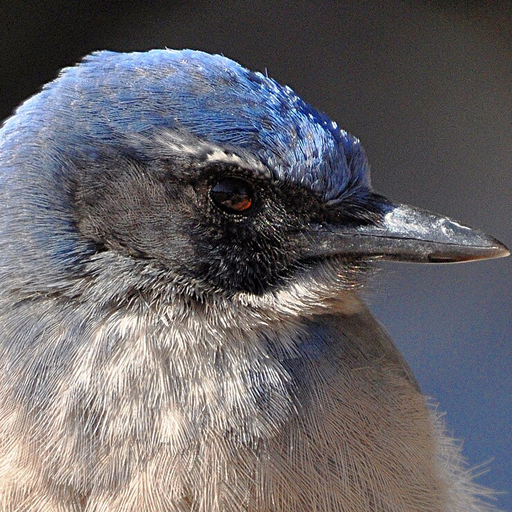
Woodhouse's Scrub-Jay avatar 📍 Albuquerque

Woodhouse’s Scrub-Jay

Aphelocoma woodhouseii
Backyard IconYear-Round ResidentBanding: WWSJ

The interior West’s scrub-jay (11–11.8 inches): duller blue than its California cousin, with a gray back and pale throat. Woodhouse’s Scrub-Jays live year-round in New Mexico’s pinyon-juniper belt and towns, caching piñon nuts by the thousand each fall — and remembering most of the hiding places.

Recording via Wikimedia Commons / xeno-canto

Read Full Guide →
Feeder Preference: In-shell peanuts, sunflower seed, and piñon nuts on open platforms.
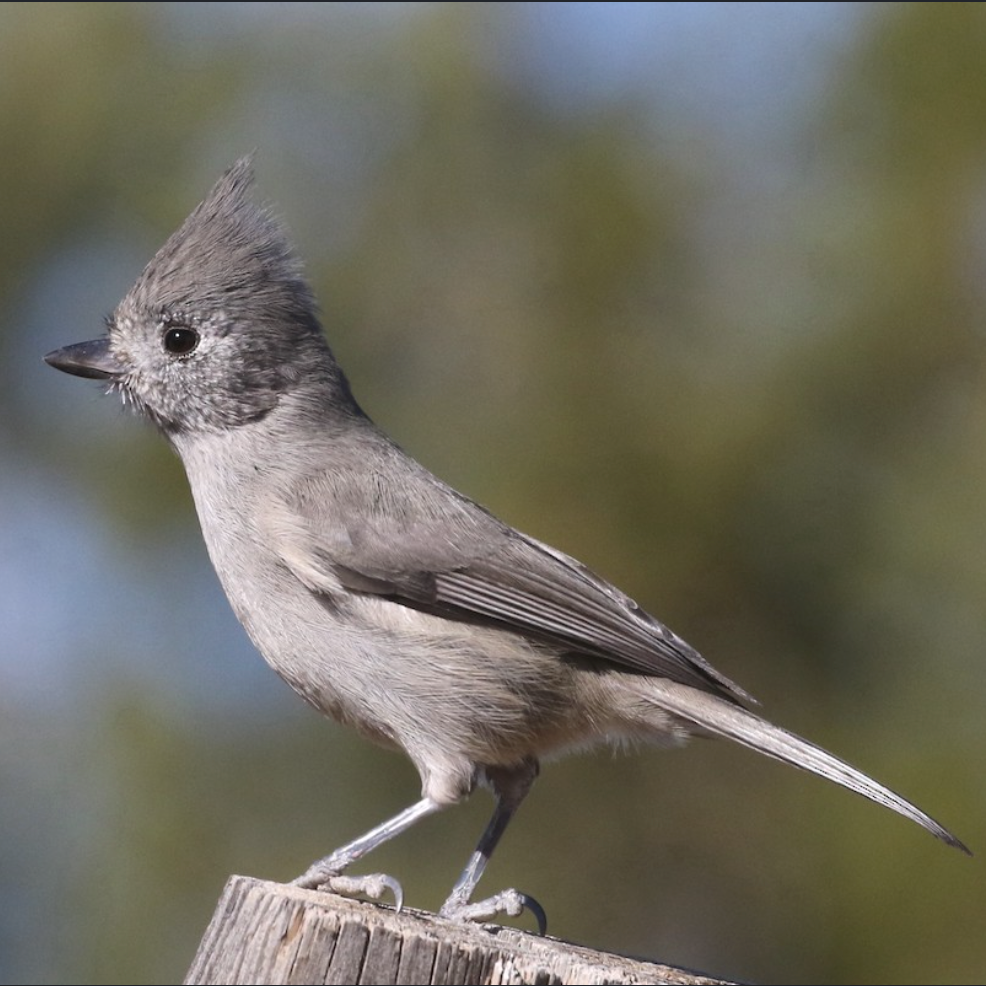
Juniper Titmouse avatar 📍 Santa Fe

Juniper Titmouse

Baeolophus ridgwayi
Year-Round ResidentBanding: JUTI

A small 5.3–6-inch gray bird with a tiny crest — the unadorned spirit of the pinyon-juniper woods. Juniper Titmice live year-round in New Mexico’s dry foothills, prying seeds and insects from juniper bark, visiting sunflower feeders, and nesting in old woodpecker holes.
Read Full Guide →
Feeder Preference: Sunflower seed, suet, and a water source in pinyon-juniper country.
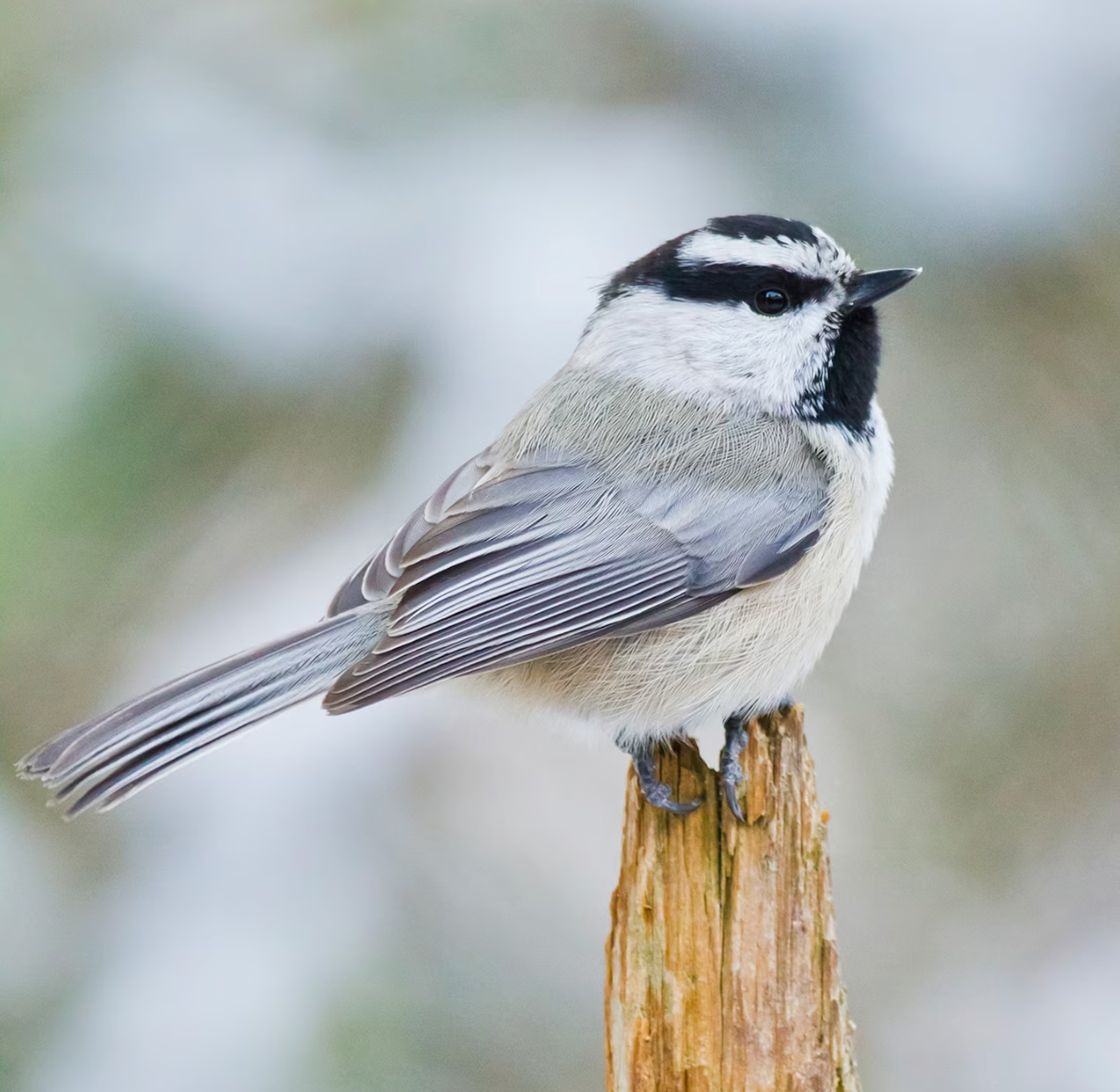
Mountain Chickadee avatar 📍 Taos

Mountain Chickadee

Poecile gambeli
Year-Round ResidentBanding: MOCH

The chickadee of the high country (4.3–5.5 inches): black bib and cap like its eastern cousins, but with a bold white eyebrow stripe slicing through the black. Mountain Chickadees are year-round residents of New Mexico’s conifer forests and faithful visitors to mountain feeders all winter.
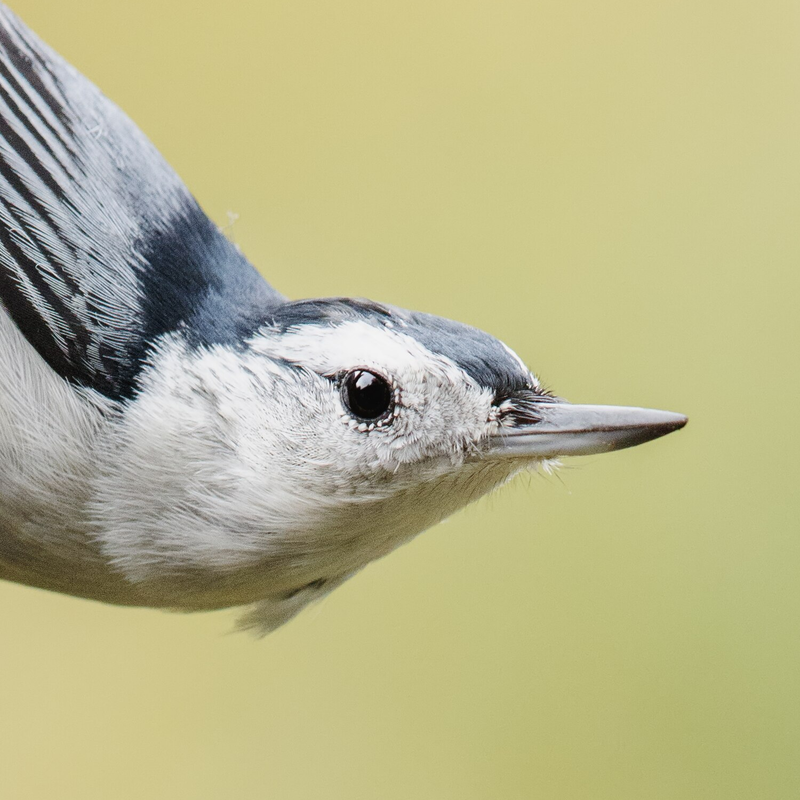
Read Full Guide →
Feeder Preference: Suet, sunflower seed, and pine seed; mountain feeder regular.
White-breasted Nuthatch avatar 📍 Los Alamos

White-breasted Nuthatch

Sitta carolinensis
Year-Round ResidentBanding: WBNU

A compact 5.1–5.5-inch bird in blue-gray with a clean white face and breast and black cap. Nuthatches are the acrobats of the feeder, famously walking headfirst down tree trunks. Year-round residents of New Mexico hardwoods and older neighborhoods, they call a nasal yank-yank.
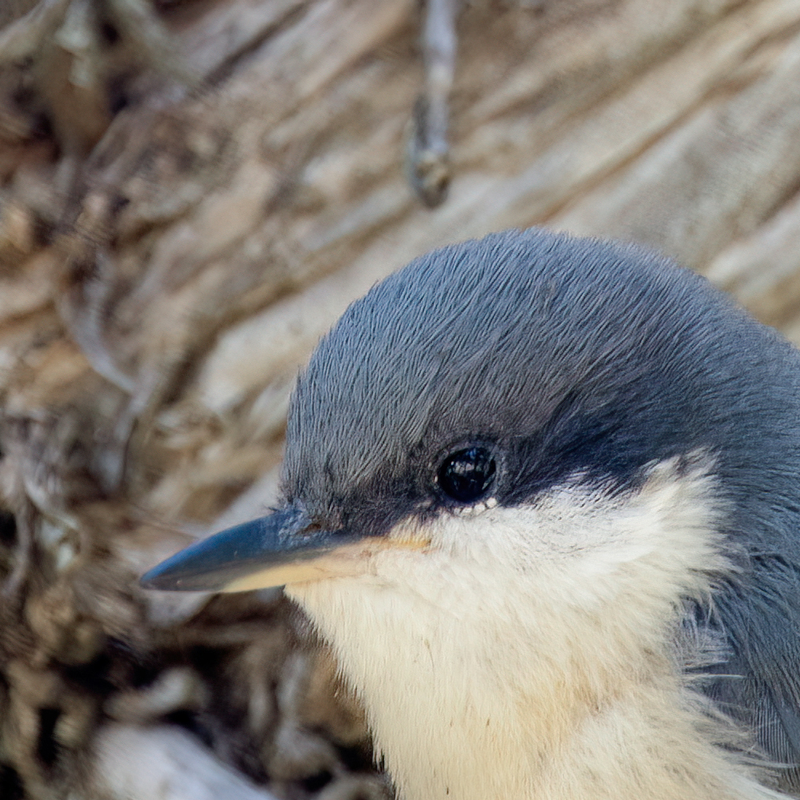
Read Full Guide →
Feeder Preference: Suet, whole peanuts, and sunflower — walks headfirst down tree trunks.
Pygmy Nuthatch avatar 📍 Gallup

Pygmy Nuthatch

Sitta pygmaea
Year-Round ResidentBanding: PYNU

A tiny 3.5–4.3-inch nuthatch, brown-capped and blue-gray, that swarms ponderosa pines in busy, piping flocks. Pygmy Nuthatches live year-round in New Mexico’s pine belt, visit suet feeders in gangs, and on cold nights dozens pile into a single cavity to roost together.

Recording via Wikimedia Commons / xeno-canto

Read Full Guide →
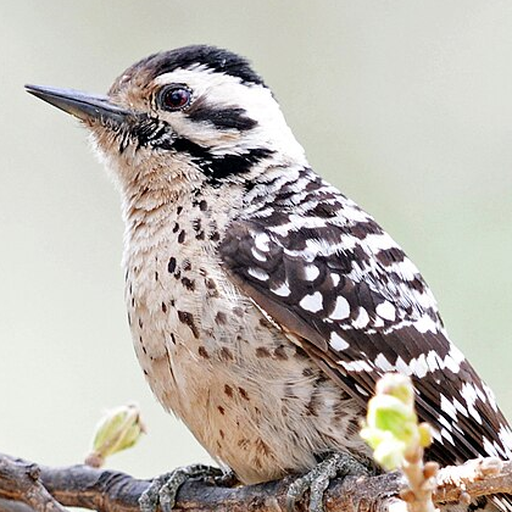
Feeder Preference: Suet and crushed nuts; communal roosts — a flock may stuff into one cavity.
Ladder-backed Woodpecker avatar 📍 Las Cruces

Ladder-backed Woodpecker

Dryobates scalaris
Year-Round ResidentBanding: LBWO

A small desert woodpecker (6.3–7.1 inches) with black-and-white barring up the back — the ladder — a striped face, and (on males) a red crown. Ladder-backs work New Mexico mesquite, cactus, and fence posts for insects, and visit suet feeders in dry yards. The western counterpart of the Downy Woodpecker.
Read Full Guide →
Feeder Preference: Suet cakes, nut meats, and shaded brushy corners.
Northern Flicker avatar 📍 Rio Rancho

Northern Flicker

Colaptes auratus
Year-Round ResidentBanding: NOFL

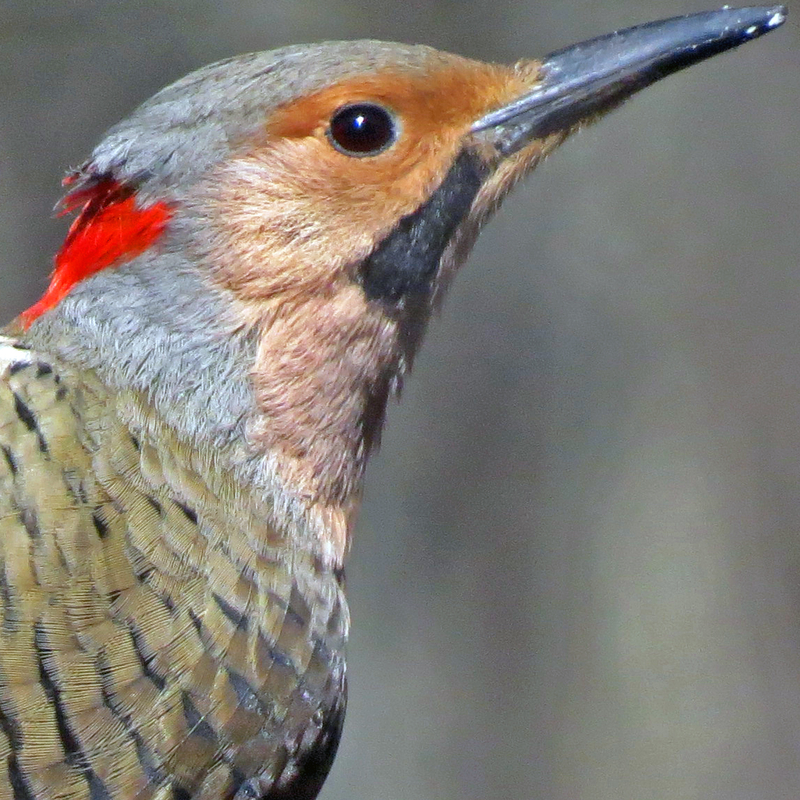
A big 11–12-inch woodpecker in brown-barred plumage with a black bib and spotted belly; eastern birds flash golden wing linings and a red nape crescent. Flickers spend much of their time on the ground lapping up ants, and drum on New Mexico gutters at dawn in spring — loud, but it’s a love song.

Recording via Wikimedia Commons / xeno-canto

Read Full Guide →
Feeder Preference: Suet on a sturdy cage; often feeds on the ground for ants.
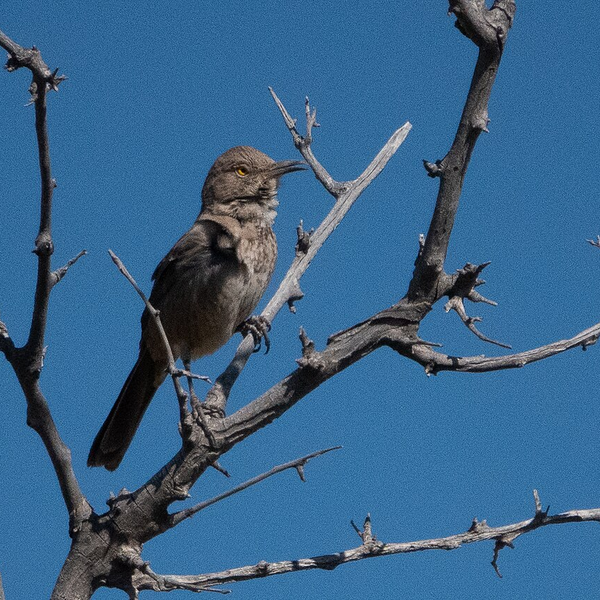
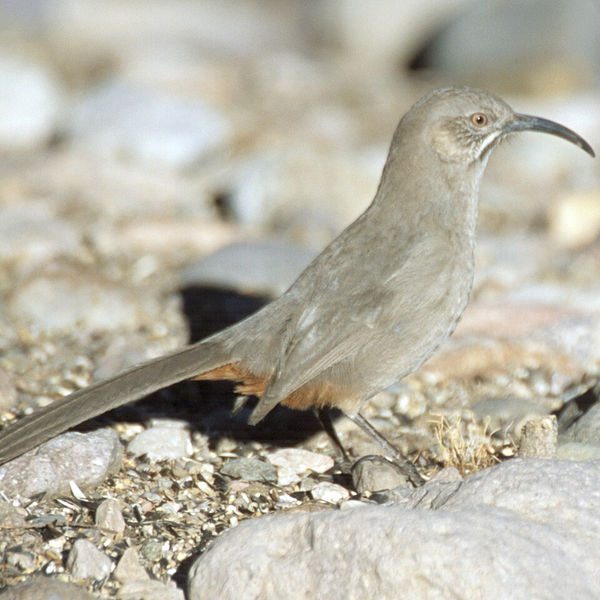
Curve-billed Thrasher avatar 📍 Silver City

Curve-billed Thrasher

Toxostoma curvirostre
Year-Round ResidentBanding: CBTH

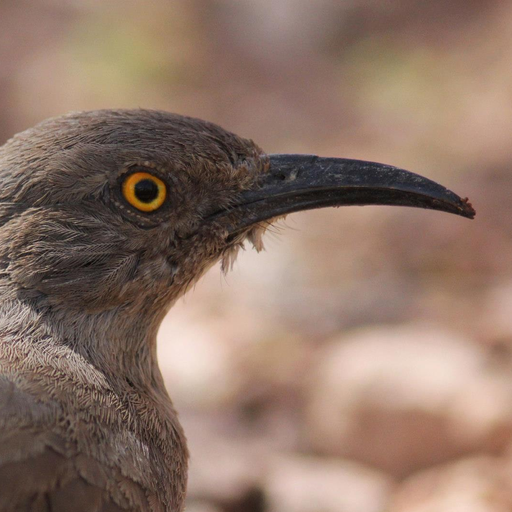
A gray-brown desert songbird (10.6–11 inches) with a long decurved bill and orange eyes — the western cousin of the Brown Thrasher. Curve-billed Thrashers forage under New Mexico shrubs and cactus, flipping leaf litter for insects, and visit ground-feeding stations for seed and fruit. Listen for the sharp whit-wheet contact call.

Read Full Guide →
Feeder Preference: Cactus fruit and sunflower seed scattered on the ground.
Canyon Towhee avatar 📍 Alamogordo

Canyon Towhee

Melozone fusca
Year-Round ResidentBanding: CANT

A 8.3–9.1-inch towhee of the Southwest: pale gray-brown with a rusty cap and rusty undertail, plain-faced and unhurried. Canyon Towhees hop through New Mexico desert yards and canyon edges, scratching for seed near cover and perching on rocks to give a sharp, rising ch-weet.

Read Full Guide →
Feeder Preference: Cracked corn and sunflower on the ground; a water dish in desert yards.
Spotted Towhee avatar 📍 Las Vegas

Spotted Towhee

Pipilo maculatus
Year-Round ResidentBanding: SPTO

A striking 6.7–8.3-inch sparrow: black hood, white-spotted back, rusty flanks, and red eyes — the western counterpart of the Eastern Towhee. Spotted Towhees double-scratch in New Mexico leaf litter, singing a buzzy tow-hee from shrubs and visiting ground feeders near cover.
Read Full Guide →
Feeder Preference: Millet and sunflower on the ground under brush; listen for the raking in leaves.
House Finch avatar 📍 Roswell

House Finch

Haemorhous mexicanus
Year-Round ResidentBanding: HOFI

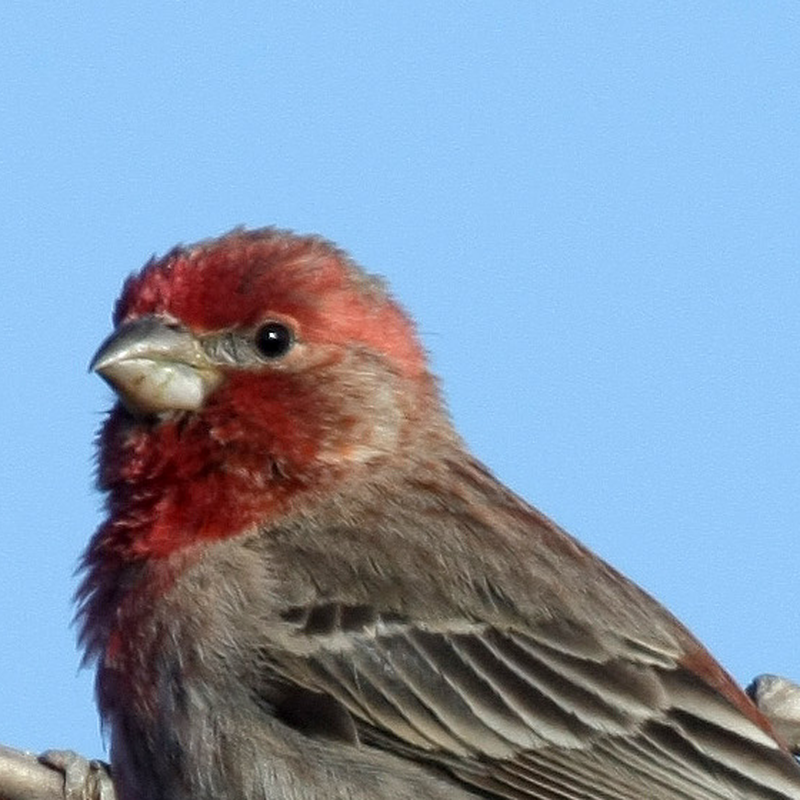
A 5.1–5.5-inch finch: males washed strawberry-red on head, breast, and rump; females plainly streaked. House Finches spread across the East in the 1990s and now crowd New Mexico tube feeders year-round, warbling long songs that end in an up-slurred veer.
Read Full Guide →
Feeder Preference: Black oil sunflower at tube feeders; nests in hanging baskets and wreaths.
Lesser Goldfinch avatar 📍 Clovis

Lesser Goldfinch

Spinus psaltria
Year-Round ResidentBanding: LEGO

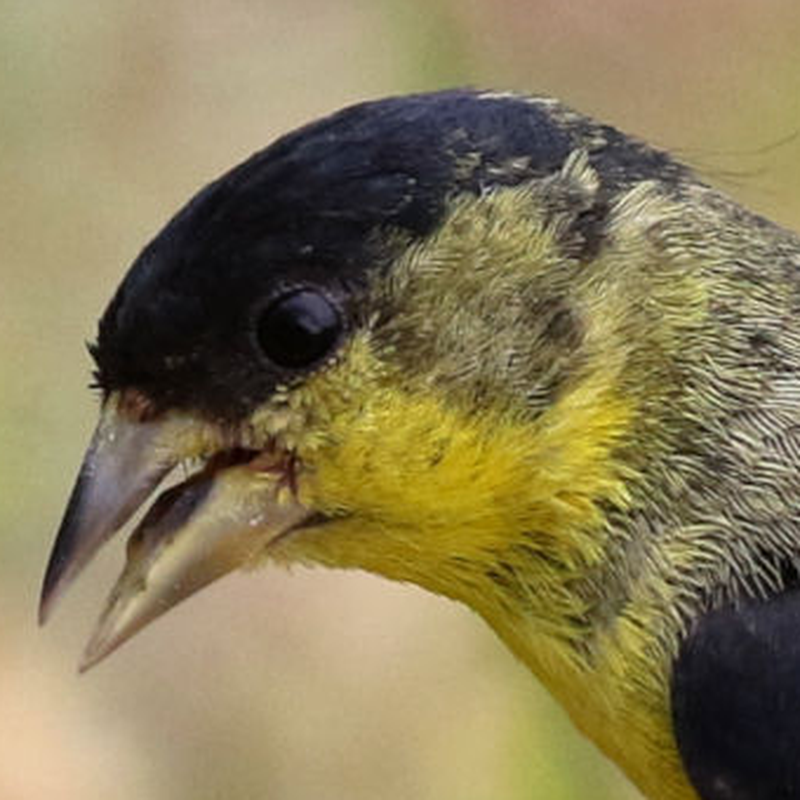
A tiny 4.5-inch finch: males are bright yellow below with a black cap and black (western) or green (eastern) back; females are olive-yellow. Lesser Goldfinches ride New Mexico flower stalks like acrobats and mob Nyjer feeders in cheerful flocks, chattering sweeet calls as they feed.
Read Full Guide →
Feeder Preference: Nyjer seed; will also pick seeds straight off sunflower heads.
Black-chinned Hummingbird avatar 📍 Socorro

Black-chinned Hummingbird

Archilochus alexandri
Summer BreederBanding: BCHU

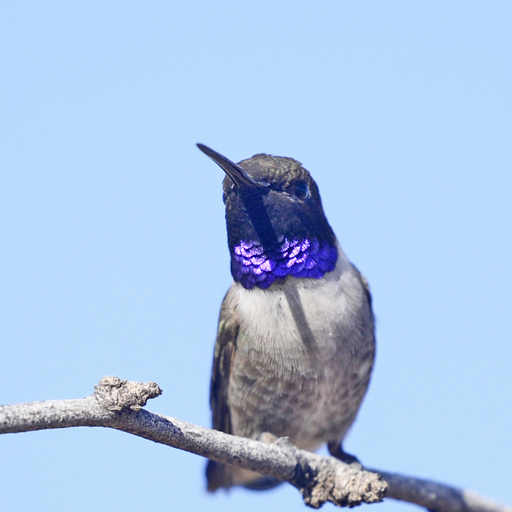
The widespread hummingbird of the western U.S. (3.5–3.9 inches): emerald-green above with a black chin and a violet throat band that shows only in good light; females are plain green. Black-chinned Hummingbirds nest in New Mexico backyards and dominate sugar-water feeders all summer.

Recording via Wikimedia Commons / xeno-canto

Read Full Guide →
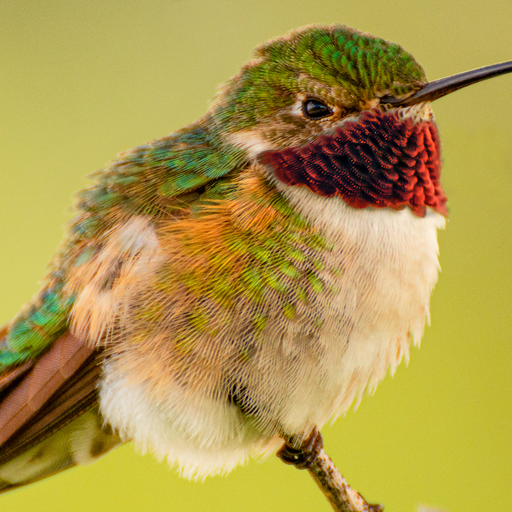
Feeder Preference: 1:4 sugar-water feeders; add a fine mist sprayer for bathing.
Broad-tailed Hummingbird avatar 📍 Farmington

Broad-tailed Hummingbird

Selasphorus platycercus
Summer BreederBanding: BTLH

The mountain hummingbird of the Rockies (3.9–4.3 inches): males have a rose-magenta throat and wings that trill metallically in flight — the soundtrack of a New Mexico mountain summer. Broad-tails breed at altitude and visit feeders May through August before heading to Mexico.
Read Full Guide →
Feeder Preference: 1:4 sugar-water feeders plus red tubular flowers like penstemon and scarlet gilia.
Bushtit avatar 📍 Carlsbad

Bushtit

Psaltriparus minimus
Year-Round ResidentBanding: BUSH

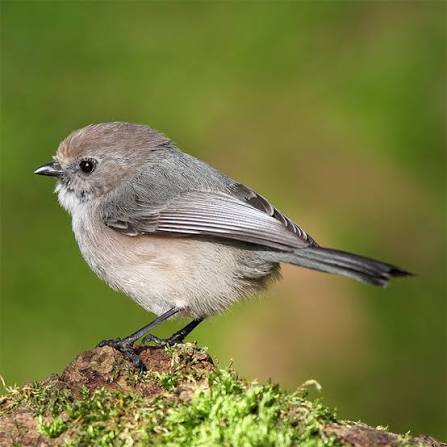
A tiny 3.7–4.3-inch gray puffball with a long tail — plain, busy, and never alone. Bushtits roam New Mexico in twittering flocks of 10 to 40, hanging upside down on twigs and suet cages. One minute your feeder is empty; the next it’s wearing a dozen Bushtits; then they’re gone.
Read Full Guide →
Feeder Preference: Suet in a hanging cage; flocks swarm it together — be ready for a crowd.
Mourning Dove avatar 📍 Hobbs

Mourning Dove

Zenaida macroura
Year-Round ResidentBanding: MODO

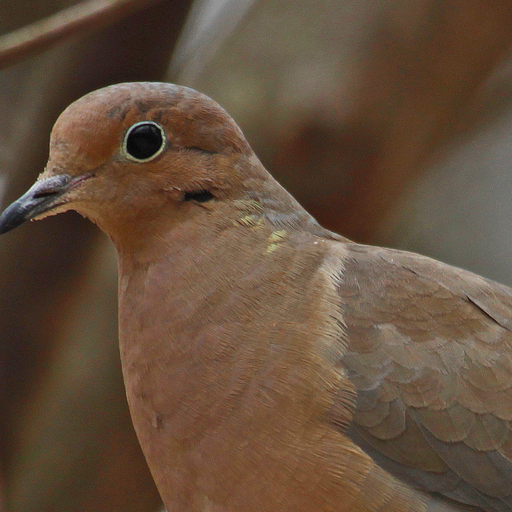
A plump, gentle 9.1–13.4-inch dove in soft gray-brown with a long pointed tail edged in white. Named for its mournful cooing, it whistles sharply on takeoff. Mourning Doves feed beneath New Mexico feeders in every season and nest astonishingly early — sometimes with snow still on the ground.

Read Full Guide →
Feeder Preference: White millet and cracked corn scattered on the ground or a low platform.

More Backyard Birds in New Mexico +92 species

Every other species from our backyard bird library that regularly occurs in New Mexico — each with its own photo gallery, playable call, and full species guide. Browse 16 per page using the dots below.
Abert's Towhee avatar
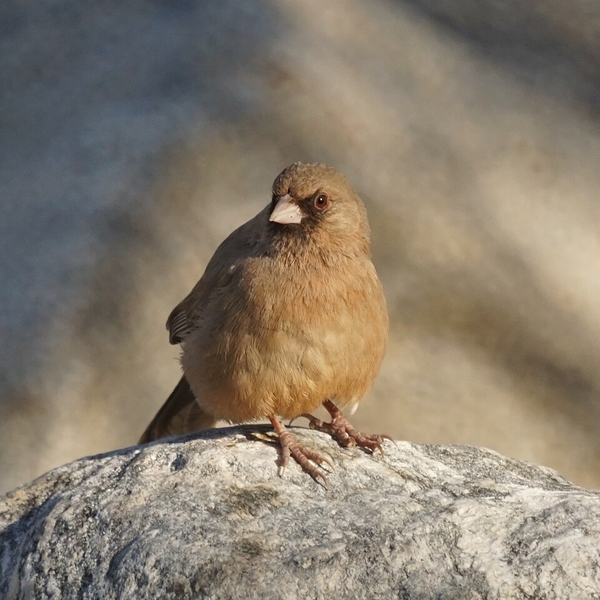
Abert’s Towhee Melozone aberti
Year-Round

Feeder: Visits backyard feeders and water features.
Guide →
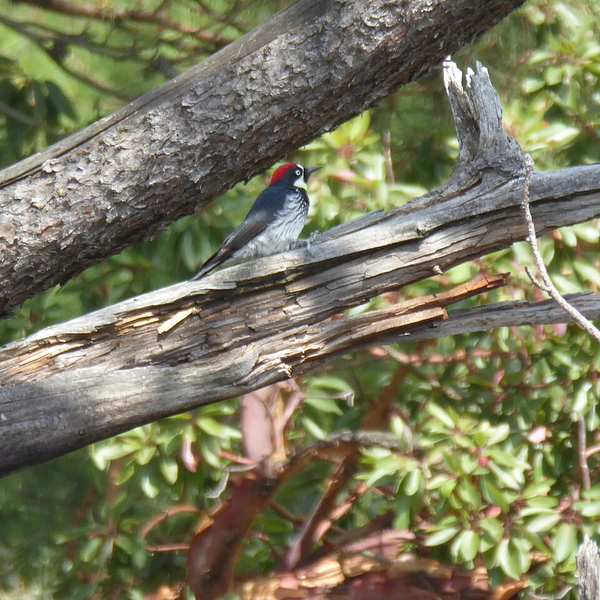
Acorn Woodpecker avatar
Acorn Woodpecker Melanerpes formicivorus
Year-Round

Feeder: Visits backyard feeders and water features.
Guide →
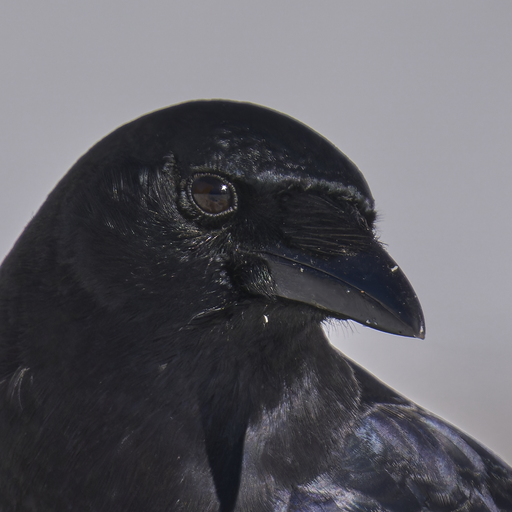
American Crow avatar
American Crow Corvus brachyrhynchos
Year-Round

Feeder: Whole corn, peanuts, and a shallow water pan on open ground.
Guide →
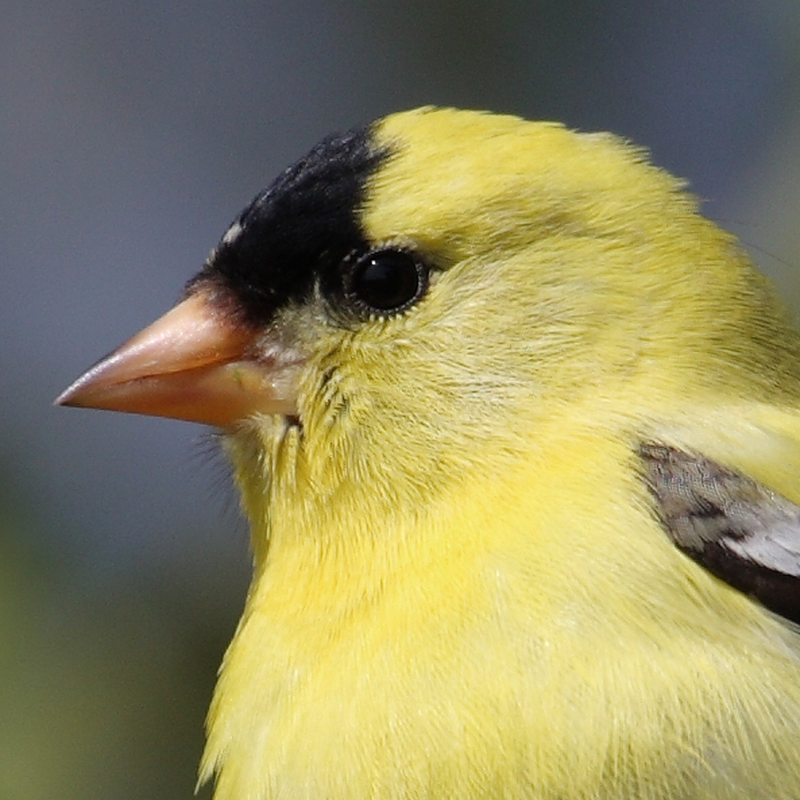
American Goldfinch avatar
American Goldfinch Spinus tristis
Year-Round

Feeder: Nyjer (thistle) socks and fine sunflower chips year-round.
Guide →
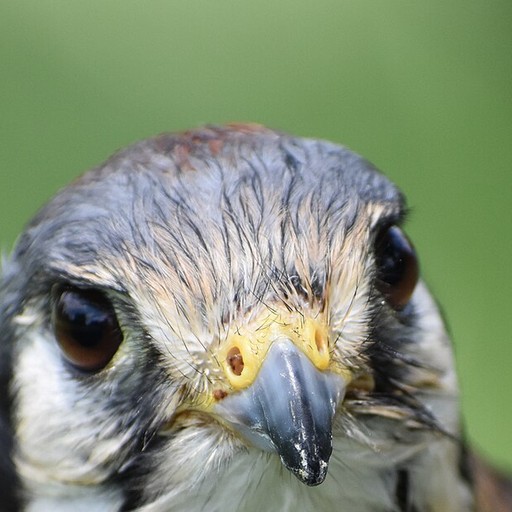
American Kestrel avatar
American Kestrel Falco sparverius
Year-Round

Feeder: Perches on fences; nest boxes on poles in open country.
Guide →
American Robin avatar
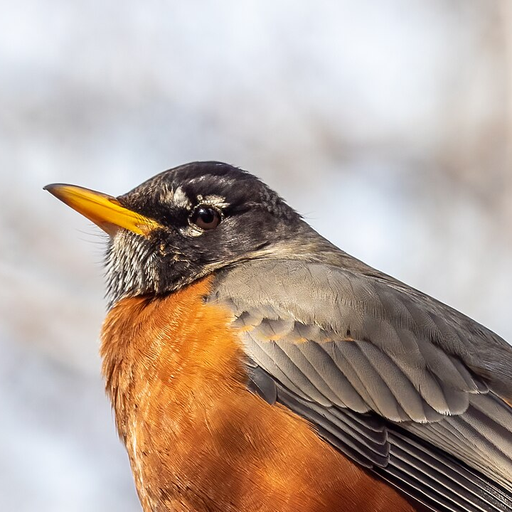
American Robin Turdus migratorius
Year-Round

Feeder: Soaked raisins, mealworms, and a ground-level birdbath.
Guide →
Ash-throated Flycatcher avatar
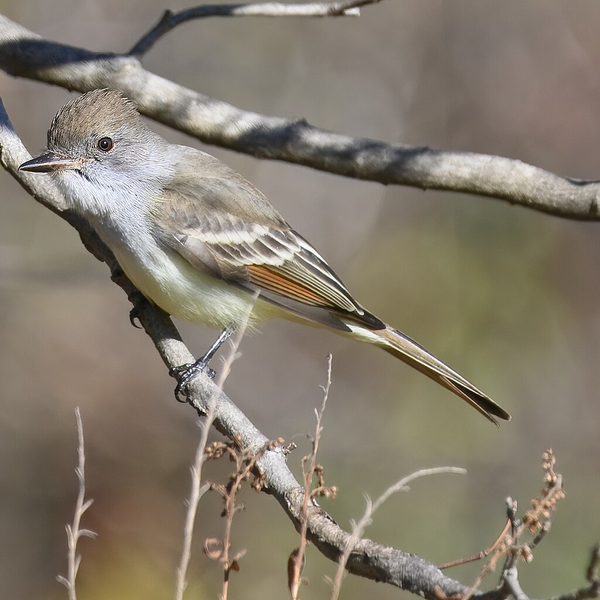
Ash-throated Flycatcher Myiarchus cinerascens
Summer Breeder

Feeder: Visits backyard feeders and water features.
Guide →
Band-tailed Pigeon avatar
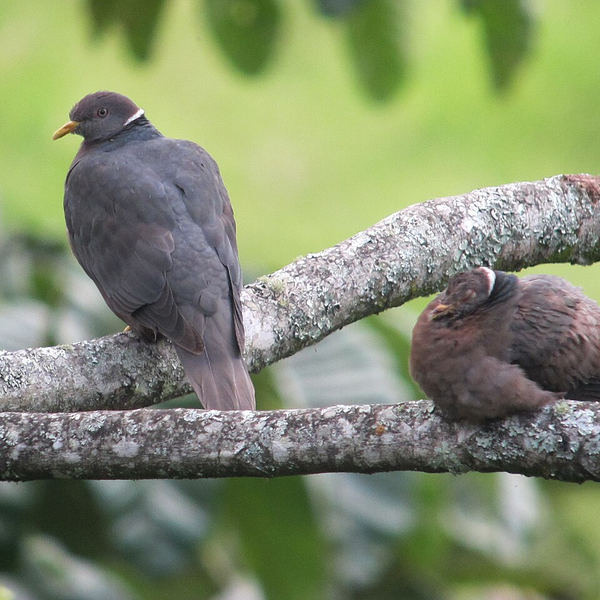
Band-tailed Pigeon Patagioenas fasciata
Year-Round

Feeder: Visits backyard feeders and water features.
Guide →
Barn Owl avatar
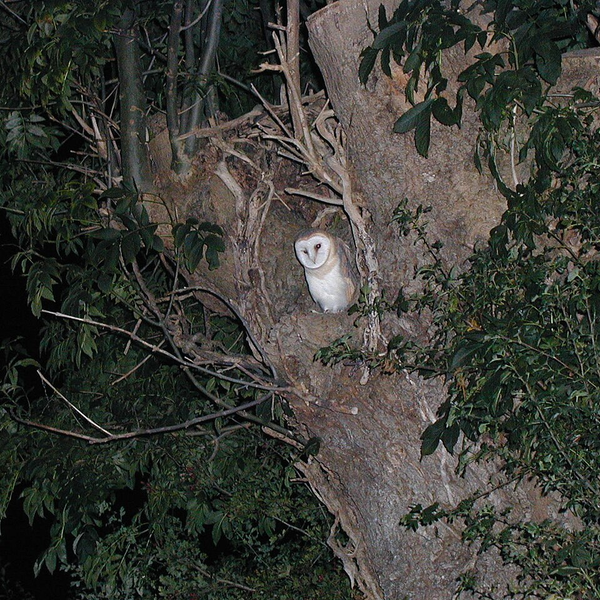
Barn Owl Tyto alba
Year-Round

Feeder: Visits backyard feeders and water features.
Guide →
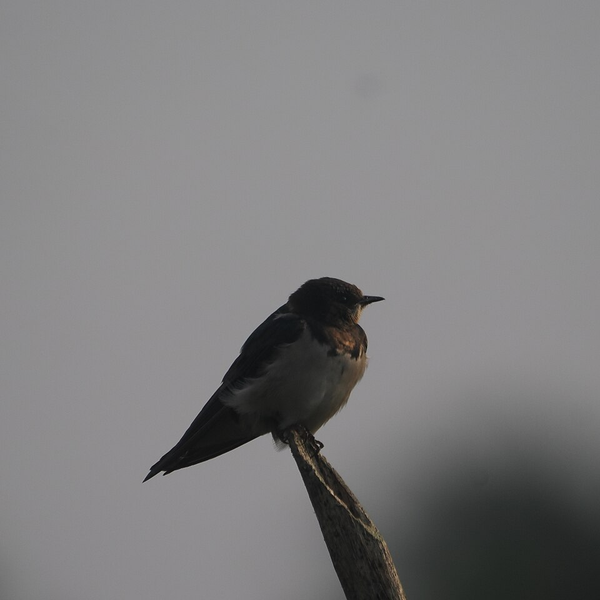
Barn Swallow avatar
Barn Swallow Hirundo rustica
Summer Breeder

Feeder: Visits backyard feeders and water features.
Guide →
Bendire's Thrasher avatar
Bendire’s Thrasher Toxostoma bendirei
Summer Breeder

Feeder: Visits backyard feeders and water features.

Guide →
Bewick's Wren avatar
Bewick’s Wren Thryomanes bewickii
Year-Round

Feeder: Suet crumbs and brush piles or wood stacks for cover.
Guide →
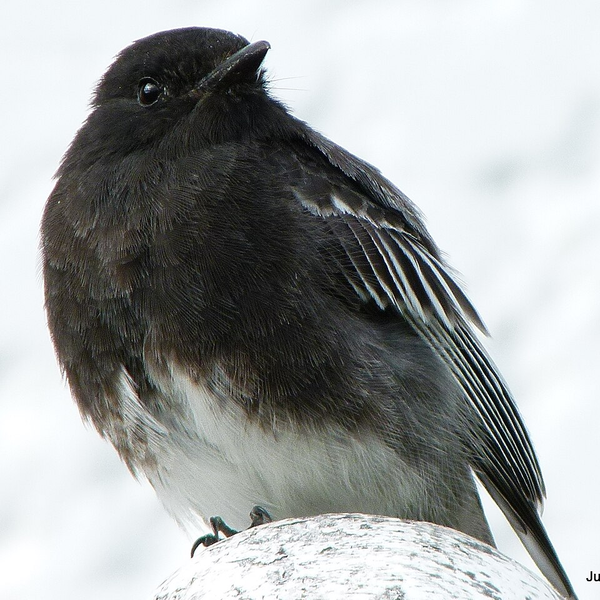
Black Phoebe avatar
Black Phoebe Sayornis nigricans
Year-Round

Feeder: Visits backyard feeders and water features.
Guide →
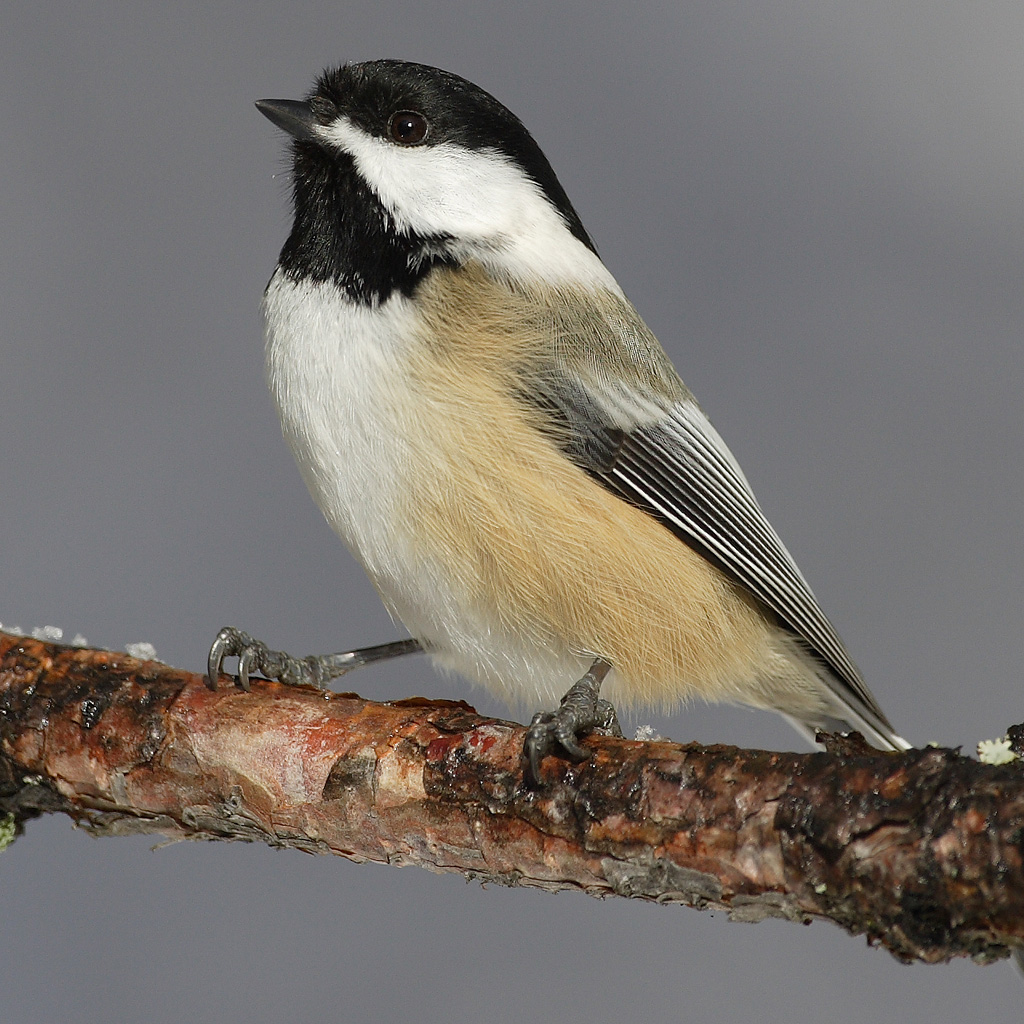
Black-capped Chickadee avatar
Black-capped Chickadee Poecile atricapillus
Year-Round

Feeder: Black oil sunflower, peanut pieces, and suet; caches food.
Guide →
Black-headed Grosbeak avatar
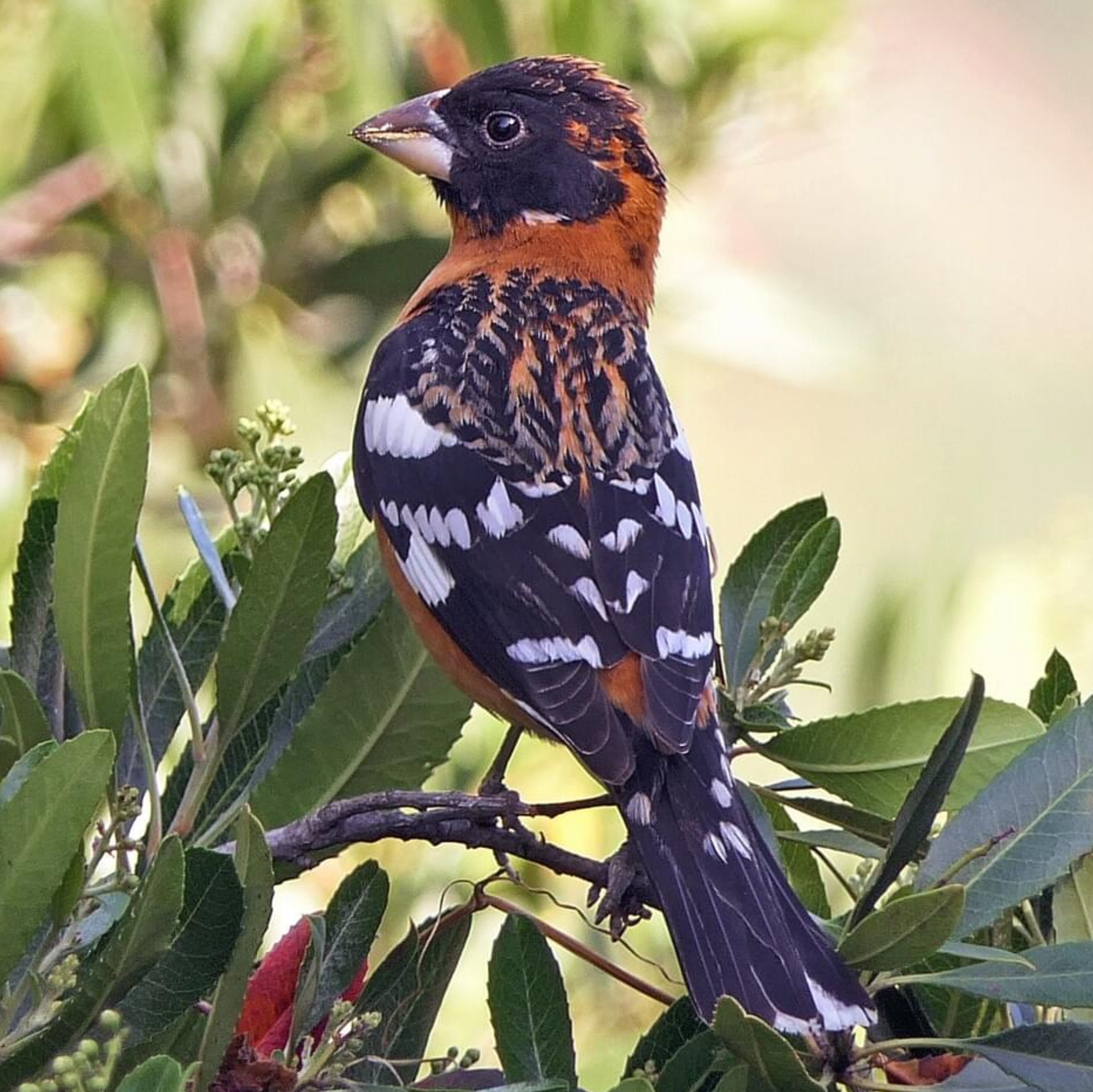
Black-headed Grosbeak Pheucticus melanocephalus
Summer Breeder

Feeder: Sunflower seeds at a sturdy platform feeder in summer.
Guide →
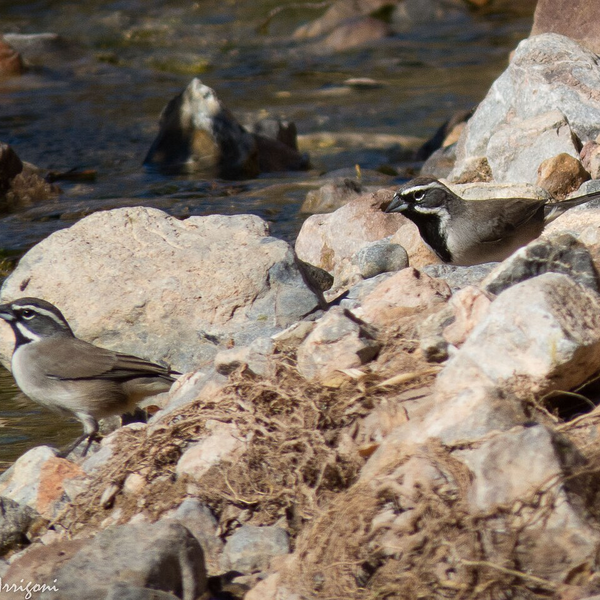
Black-throated Sparrow avatar
Black-throated Sparrow Amphispiza bilineata
Year-Round

Feeder: Visits backyard feeders and water features.

Guide →
Brewer's Blackbird avatar
Brewer’s Blackbird Euphagus cyanocephalus
Winter Visitor

Feeder: Grain and crumbs on ground platforms in open western yards.
Guide →
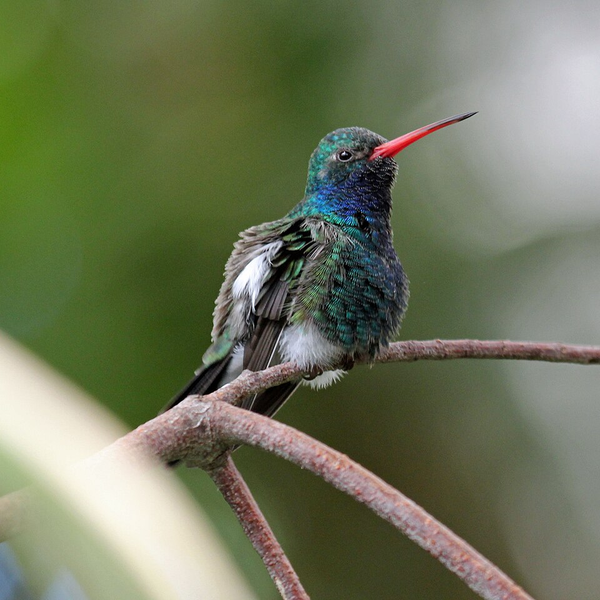
Broad-billed Hummingbird avatar
Broad-billed Hummingbird Cynanthus latirostris
Summer Breeder

Feeder: Visits backyard feeders and water features.
Guide →
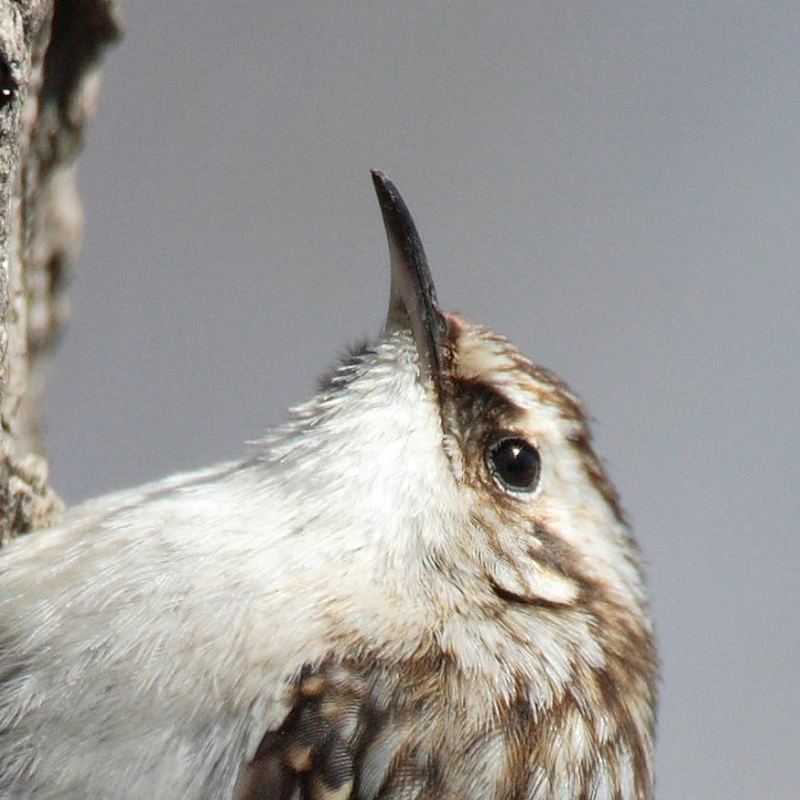
Brown Creeper avatar
Brown Creeper Certhia americana
Year-Round

Feeder: Suet smeared on tree bark; spirals up trunks for hidden insects.

Guide →
Brown-headed Cowbird avatar
Brown-headed Cowbird Molothrus ater
Year-Round

Feeder: Cracked corn and grain on the ground; a nest parasite.
Guide →
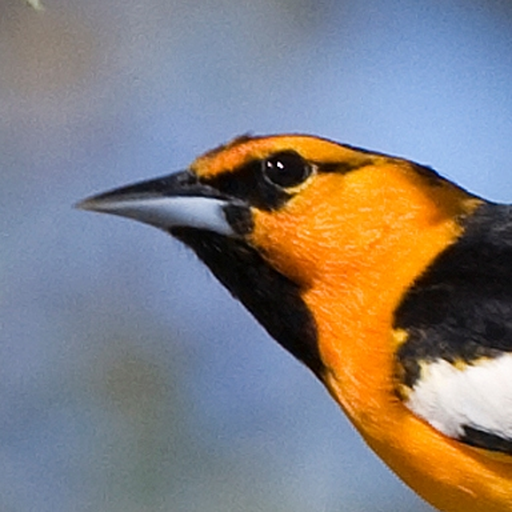
Bullock's Oriole avatar
Bullock’s Oriole Icterus bullockii
Summer Breeder

Feeder: Grape jelly, halved oranges, and sugar water in summer.
Guide →
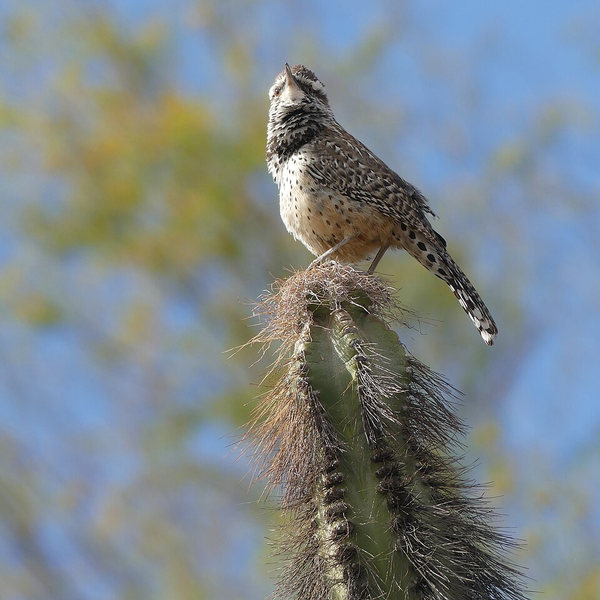
Cactus Wren avatar
Cactus Wren Campylorhynchus brunneicapillus
Year-Round

Feeder: Visits backyard feeders and water features.
Guide →
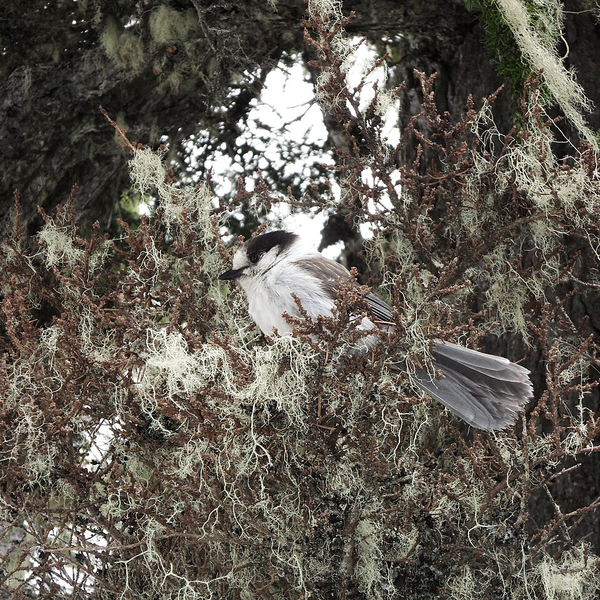
Canada Jay avatar
Canada Jay Perisoreus canadensis
Year-Round

Feeder: Visits backyard feeders and water features.
Guide →
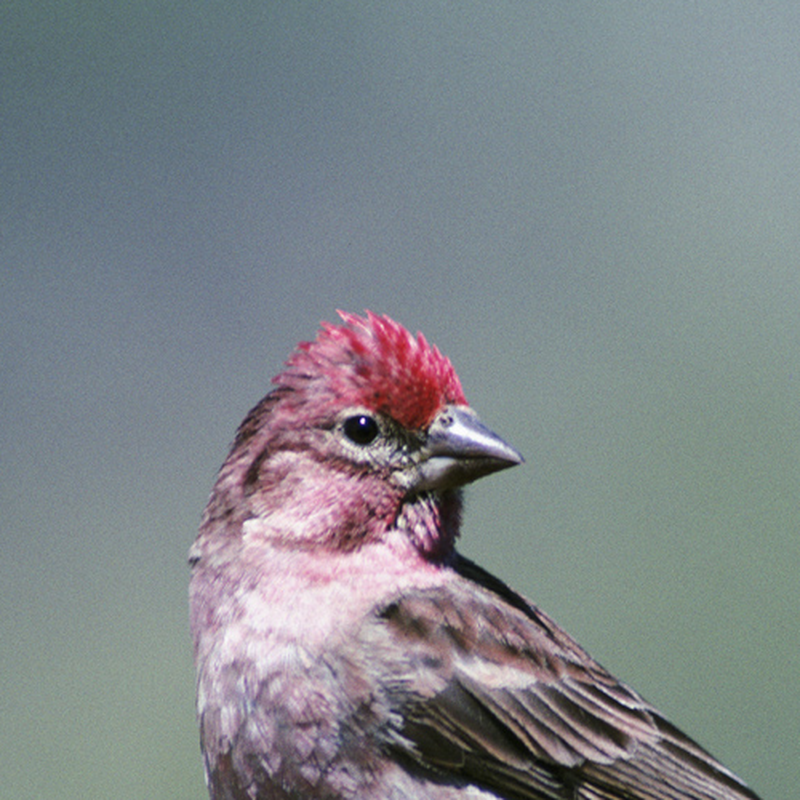
Cassin's Finch avatar
Cassin’s Finch Haemorhous cassinii
Year-Round

Feeder: Sunflower chips at mountain-town feeders; loves a water dish.

Guide →
Cedar Waxwing avatar
Cedar Waxwing Bombycilla cedrorum
Winter Visitor

Feeder: Berry-producing trees and a fountain or moving water.

Guide →
Chipping Sparrow avatar
Chipping Sparrow Spizella passerina
Summer Breeder

Feeder: Fine seed mix and grass seed scattered on open ground.
Guide →
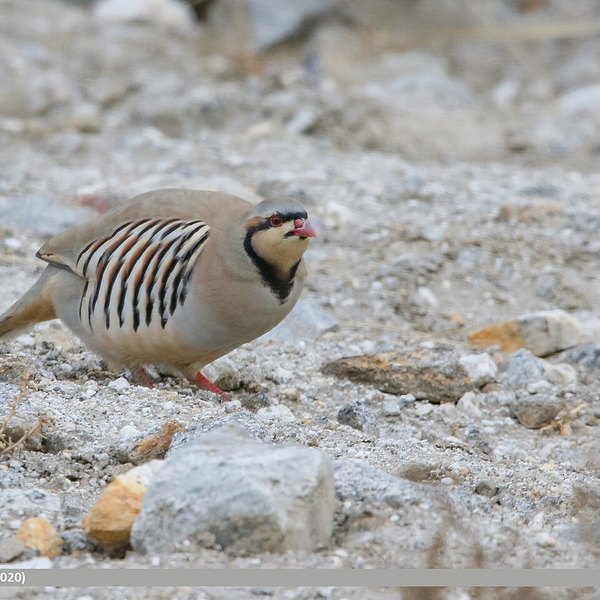
Chukar avatar
Chukar Alectoris chukar
Year-Round

Feeder: Visits backyard feeders and water features.
Guide →
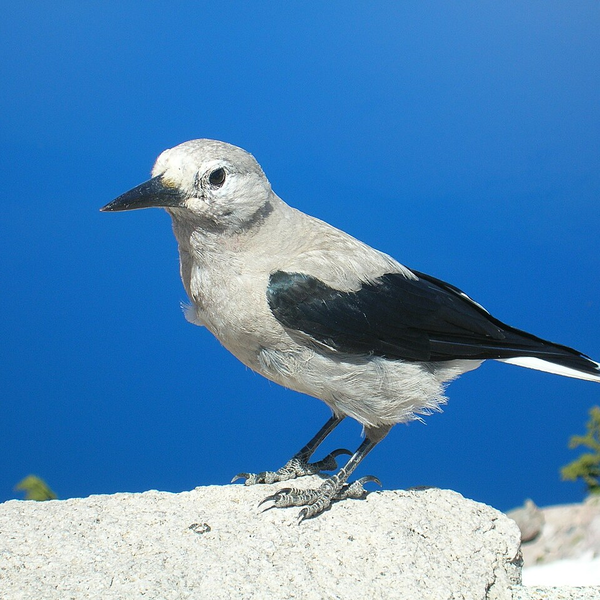
Clark's Nutcracker avatar
Clark’s Nutcracker Nucifraga columbiana
Year-Round

Feeder: Visits backyard feeders and water features.
Guide →
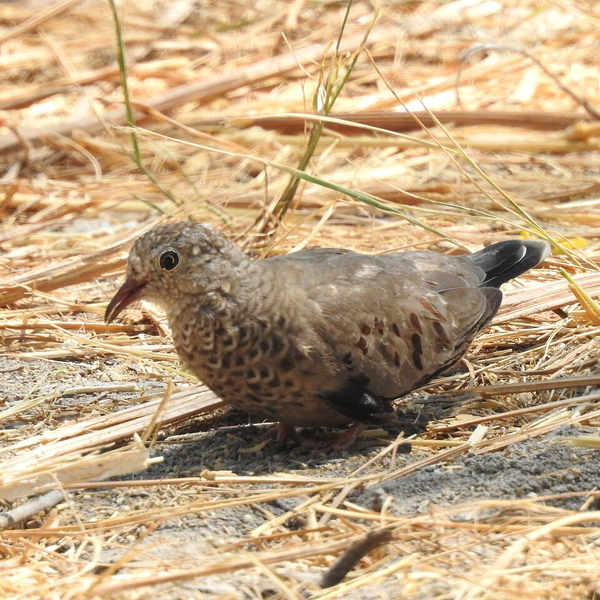
Common Ground Dove avatar
Common Ground Dove Columbina passerina
Year-Round

Feeder: Visits backyard feeders and water features.

Guide →
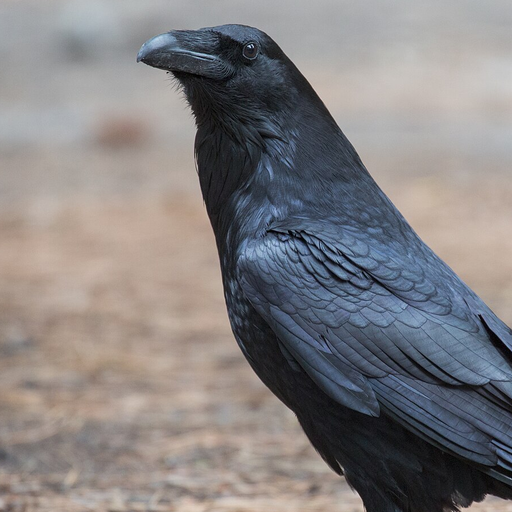
Common Raven avatar
Common Raven Corvus corax
Year-Round

Feeder: Rarely visits feeders; appreciate these giants from the window.

Guide →
Cooper's Hawk avatar
Cooper’s Hawk Accipiter cooperii
Year-Round

Feeder: Not a feeder guest — it hunts the birds at your feeders.
Guide →
Crissal Thrasher avatar
Crissal Thrasher Toxostoma crissale
Year-Round

Feeder: Visits backyard feeders and water features.
Guide →
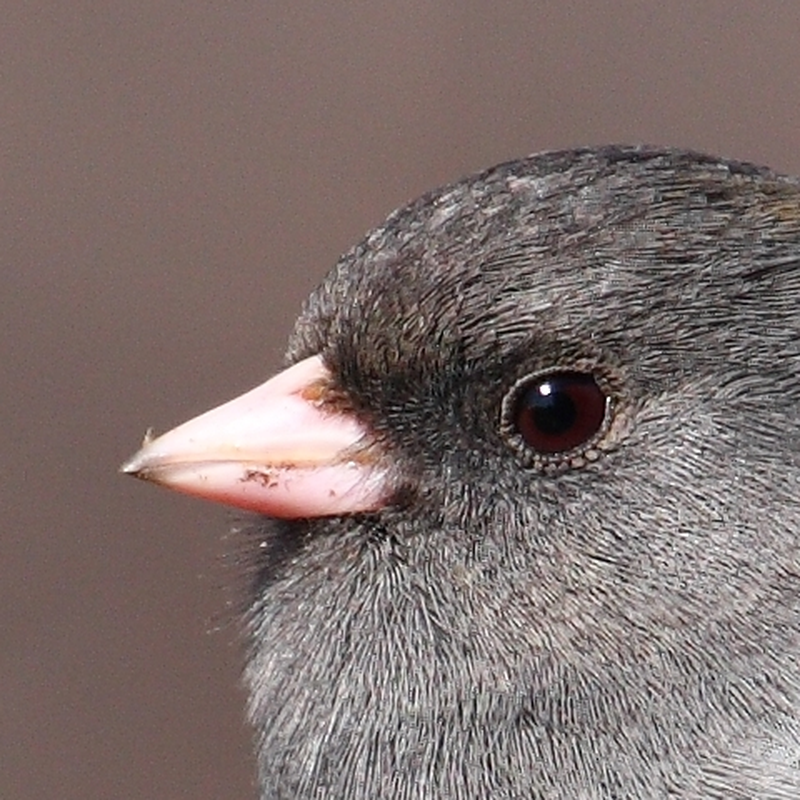
Dark-eyed Junco avatar
Dark-eyed Junco Junco hyemalis
Year-Round

Feeder: White millet scattered on the ground or a snow-cleared platform.
Guide →
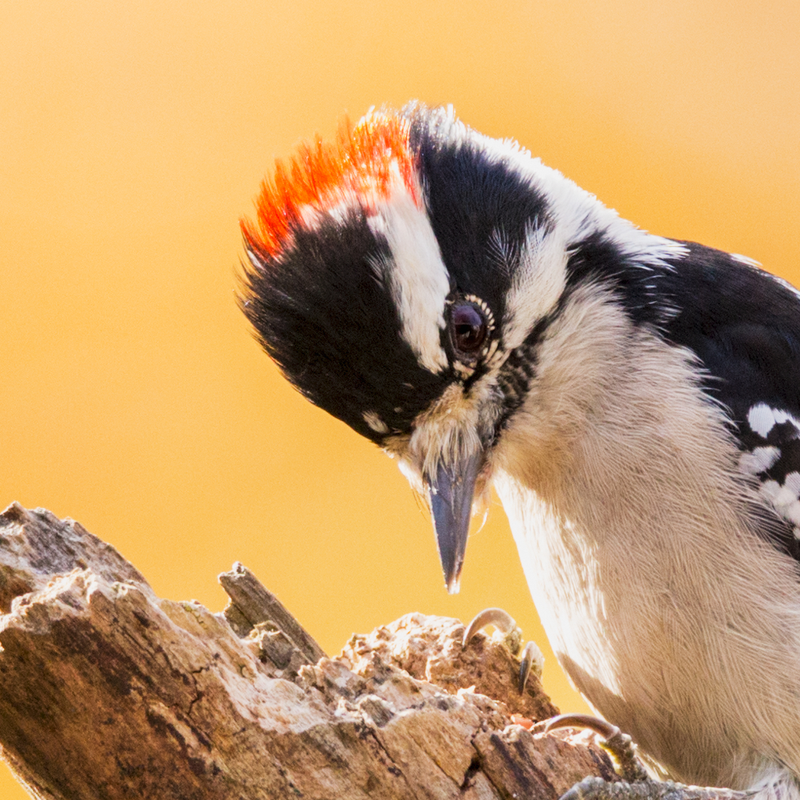
Downy Woodpecker avatar
Downy Woodpecker Dryobates pubescens
Year-Round

Feeder: Suet cakes, peanut bits, and black oil sunflower.
Guide →
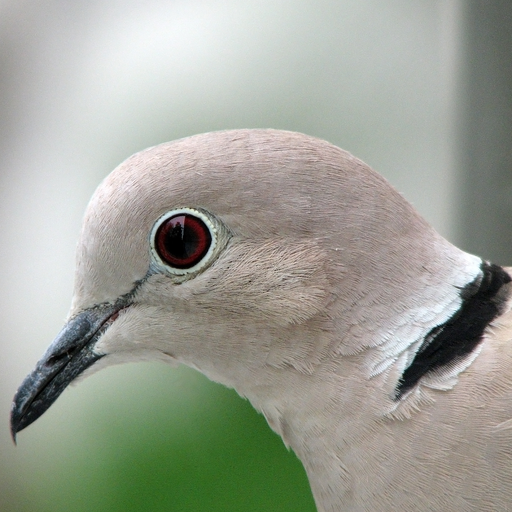
Eurasian Collared-Dove avatar
Eurasian Collared-Dove Streptopelia decaocto
Year-Round

Feeder: Large grains on big platform feeders; spreading fast.

Guide →
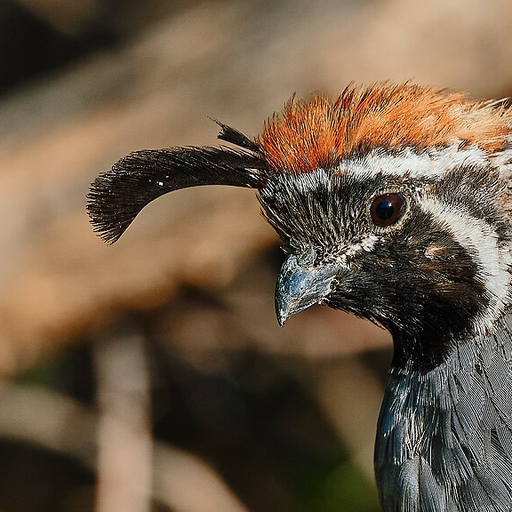
European Starling avatar
European Starling Sturnus vulgaris
Year-Round

Feeder: Suet and crumbs; use starling-resistant caged feeders.
Guide →
Gambel's Quail avatar
Gambel’s Quail Callipepla gambelii
Year-Round

Feeder: Ground grain and a low, shaded water dish in desert yards.
Guide →
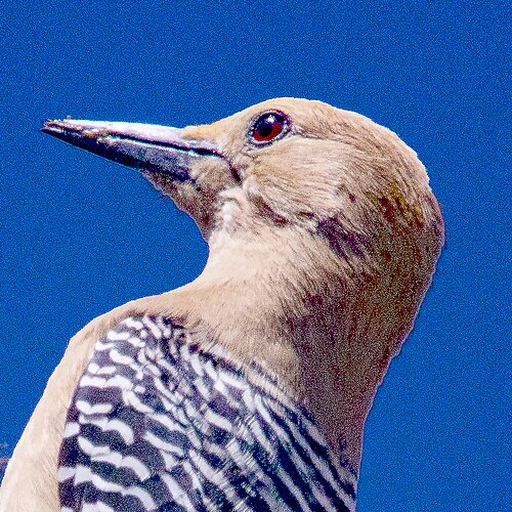
Gila Woodpecker avatar
Gila Woodpecker Melanerpes uropygialis
Year-Round

Feeder: Suet and nectar feeders in desert yards with saguaros.
Guide →
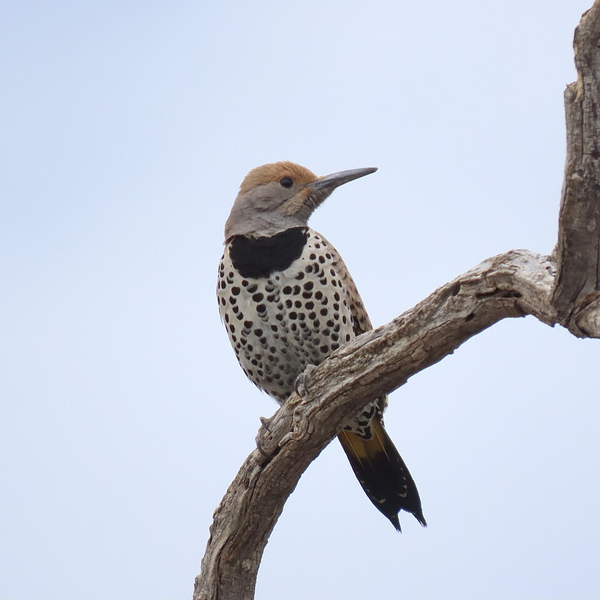
Gilded Flicker avatar
Gilded Flicker Colaptes chrysoides
Year-Round

Feeder: Visits backyard feeders and water features.
Guide →
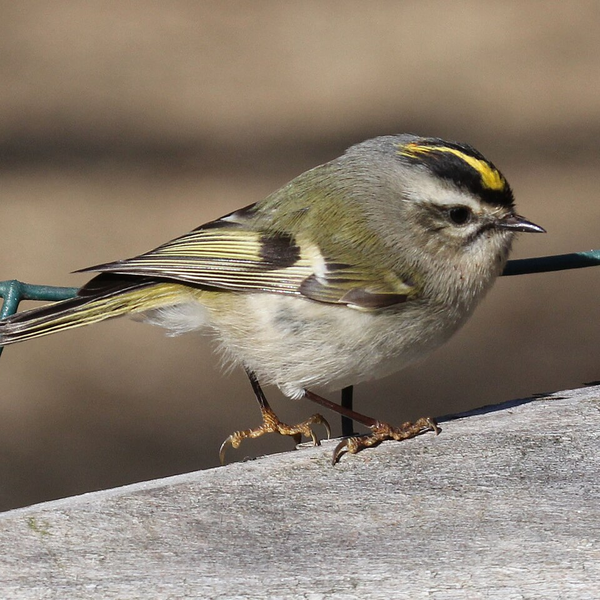
Golden-crowned Kinglet avatar
Golden-crowned Kinglet Regulus satrapa
Summer Breeder

Feeder: Visits backyard feeders and water features.
Guide →
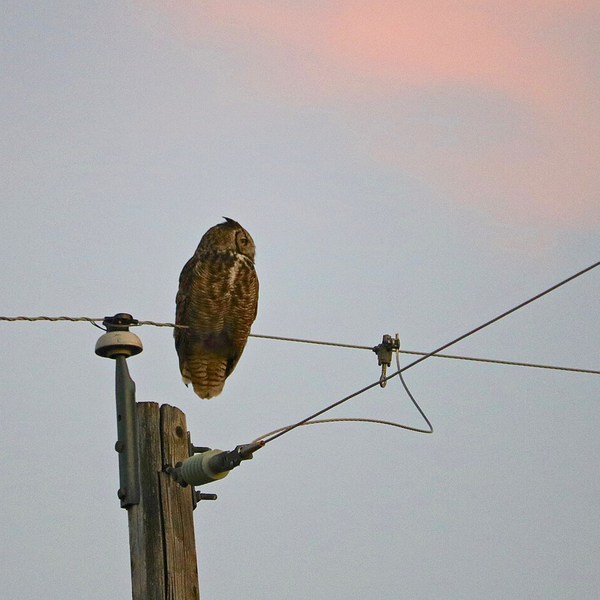
Great Horned Owl avatar
Great Horned Owl Bubo virginianus
Year-Round

Feeder: Visits backyard feeders and water features.
Guide →
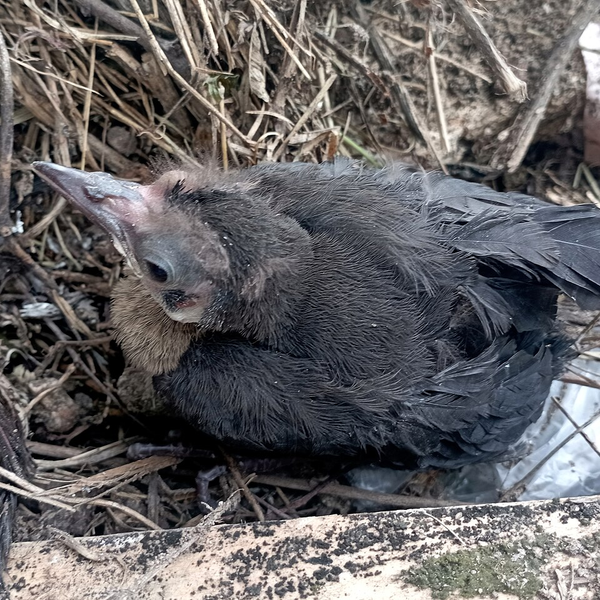
Great-tailed Grackle avatar
Great-tailed Grackle Quiscalus mexicanus
Year-Round

Feeder: Visits backyard feeders and water features.
Guide →
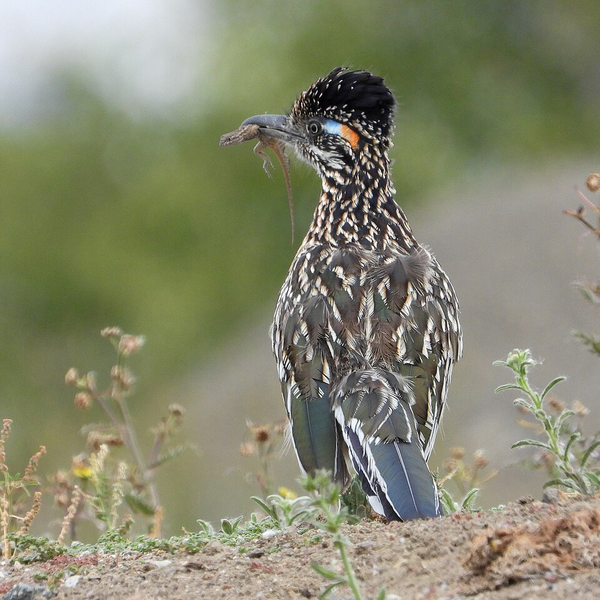
Greater Roadrunner avatar
Greater Roadrunner Geococcyx californianus
Year-Round

Feeder: Visits backyard feeders and water features.
Guide →
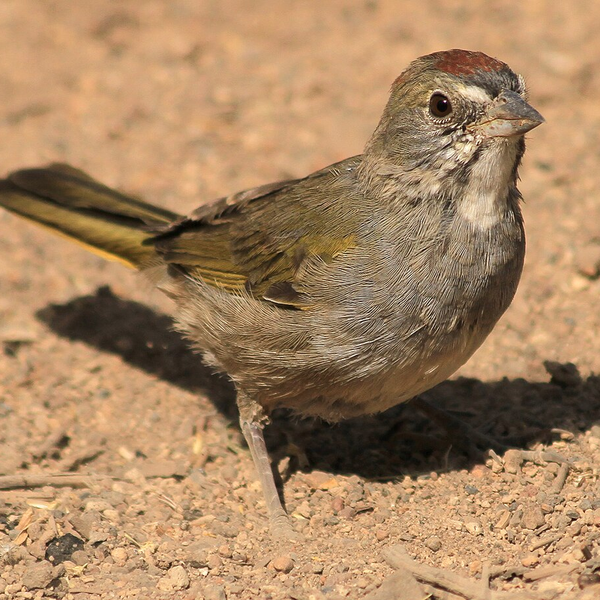
Green-tailed Towhee avatar
Green-tailed Towhee Pipilo chlorurus
Summer Breeder

Feeder: Visits backyard feeders and water features.
Guide →
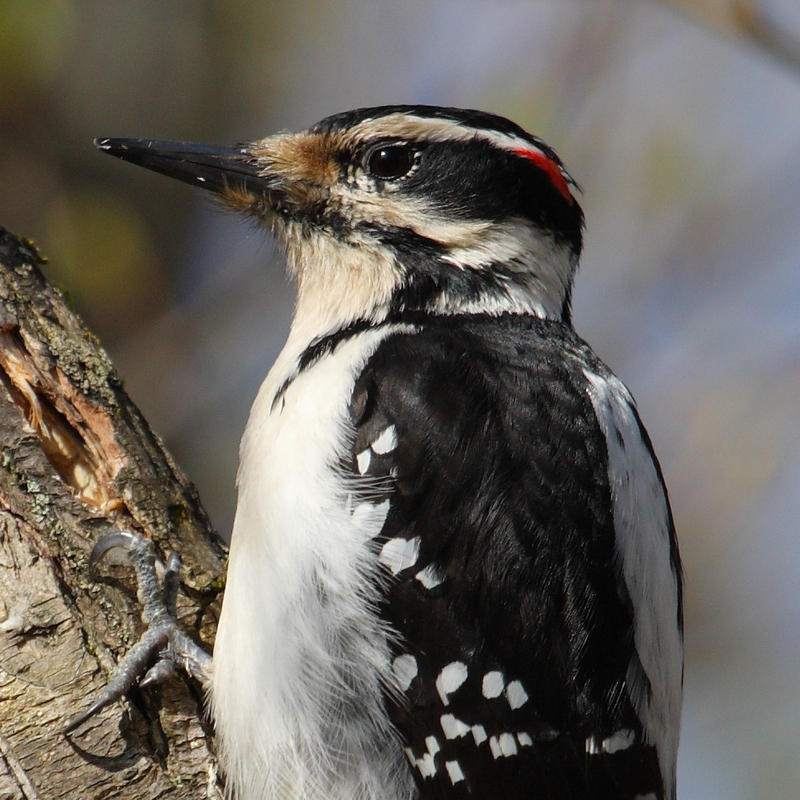
Hairy Woodpecker avatar
Hairy Woodpecker Dryobates villosus
Year-Round

Feeder: Suet blocks and whole peanuts; favors larger trees near feeders.
Guide →
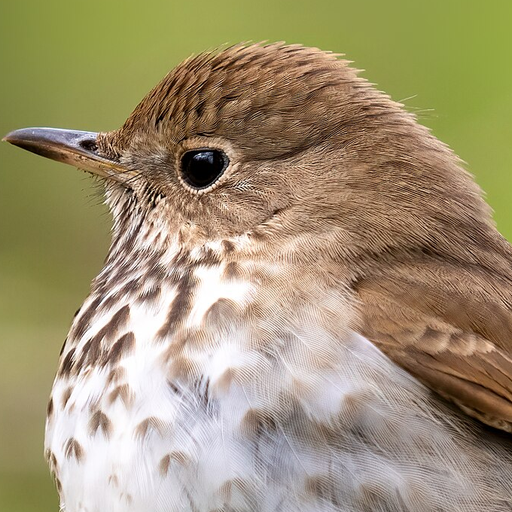
Hermit Thrush avatar
Hermit Thrush Catharus guttatus
Summer Breeder

Feeder: Berry-producing shrubs and a ground birdbath in shady yards.

Guide →
Hooded Oriole avatar
Hooded Oriole Icterus cucullatus
Summer Breeder

Feeder: Nectar feeders and oranges near palms in warm suburbs.
Guide →
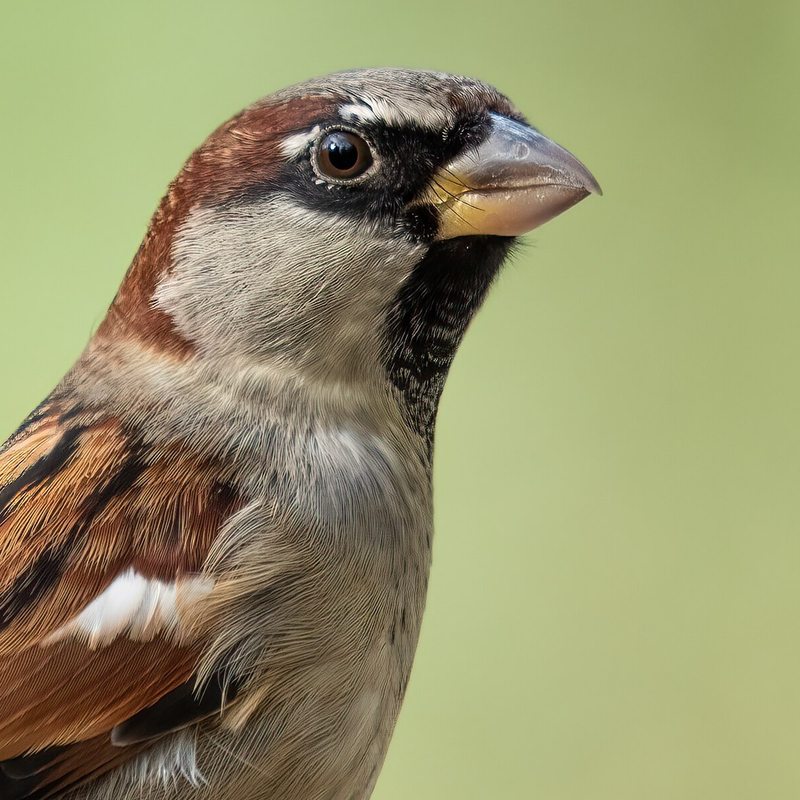
House Sparrow avatar
House Sparrow Passer domesticus
Year-Round

Feeder: Cracked corn, millet, and crumbs; nests in cavities and crevices.

Guide →
House Wren avatar
House Wren Troglodytes aedon
Summer Breeder

Feeder: Nest boxes with 1-inch holes; eats insects, not seed.
Guide →
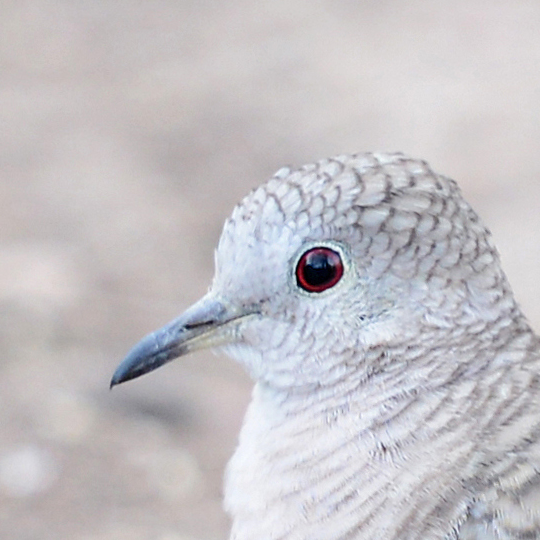
Inca Dove avatar
Inca Dove Columbina inca
Year-Round

Feeder: Very fine grains on bare ground; dusty bathing spots.
Guide →
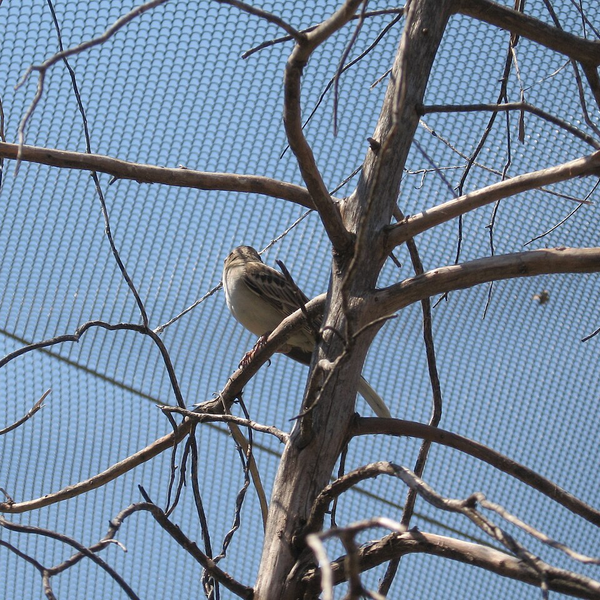
Lark Sparrow avatar
Lark Sparrow Chondestes grammacus
Summer Breeder

Feeder: Visits backyard feeders and water features.
Guide →
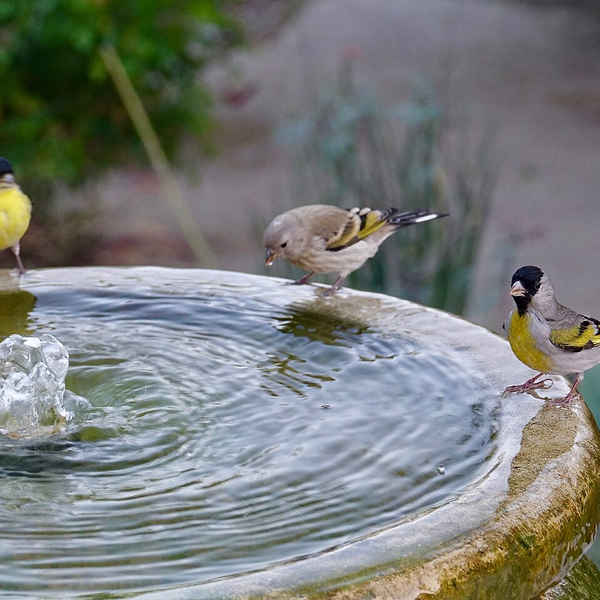
Lawrence's Goldfinch avatar
Lawrence’s Goldfinch Spinus lawrencei
Summer Breeder

Feeder: Visits backyard feeders and water features.
Guide →
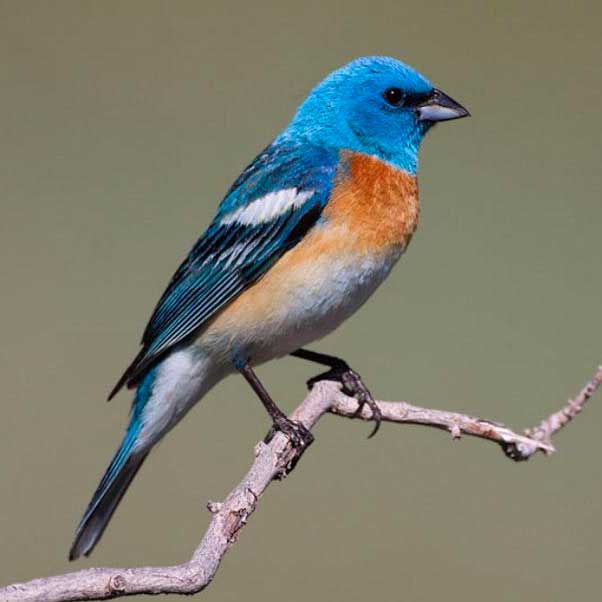
Lazuli Bunting avatar
Lazuli Bunting Passerina amoena
Summer Breeder

Feeder: White millet and fine sunflower chips near brushy slopes.
Guide →
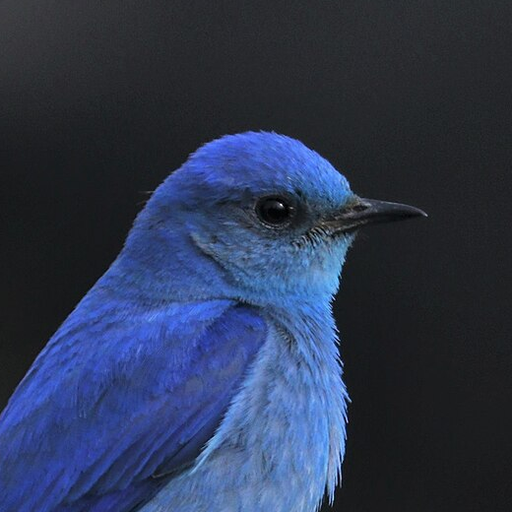
Mountain Bluebird avatar
Mountain Bluebird Sialia currucoides
Year-Round

Feeder: Mealworms; nest boxes in open meadows with clear sightlines.
Guide →
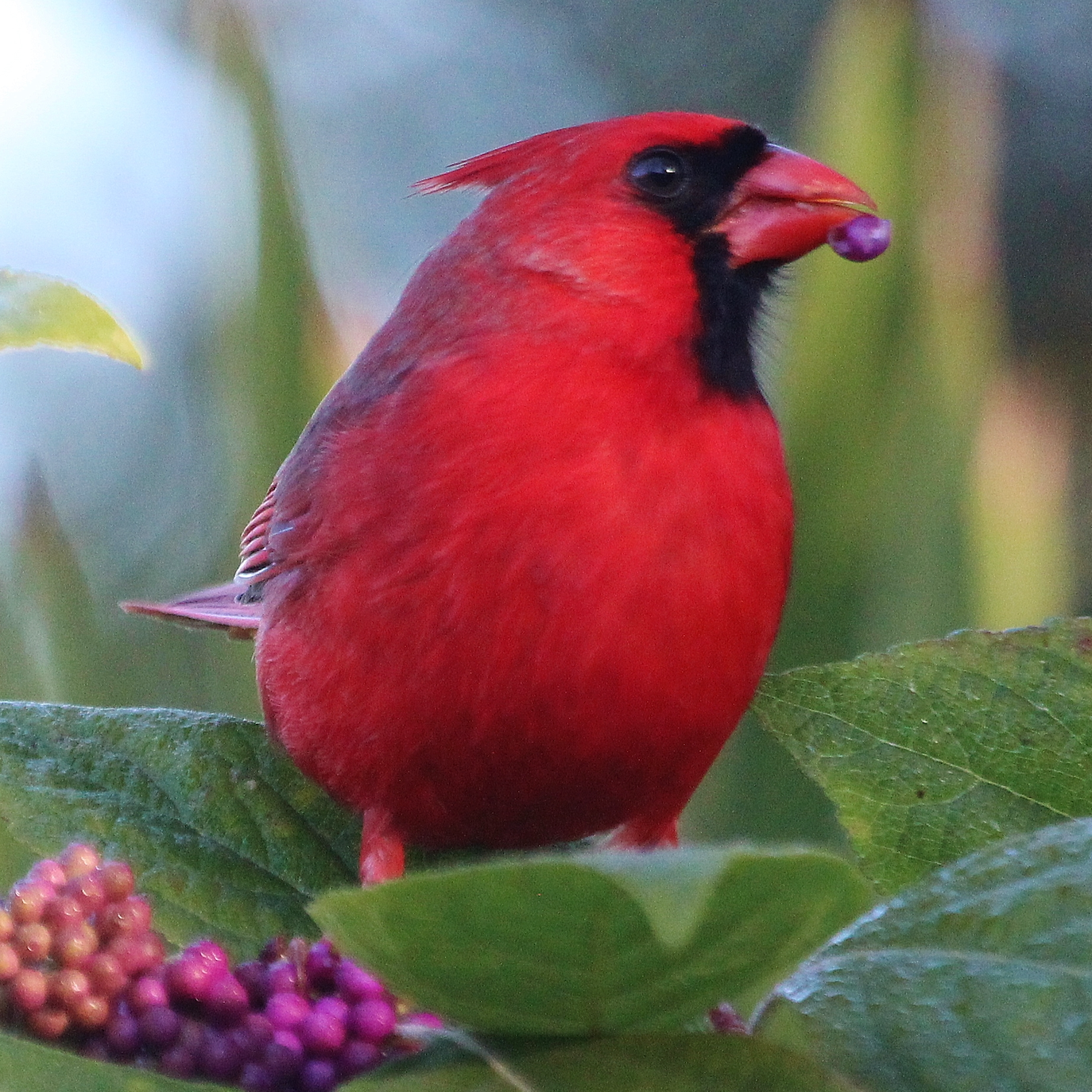
Northern Cardinal avatar
Northern Cardinal Cardinalis
Year-Round

Feeder: Sunflower and safflower on a platform feeder near dense shrub cover.
Guide →
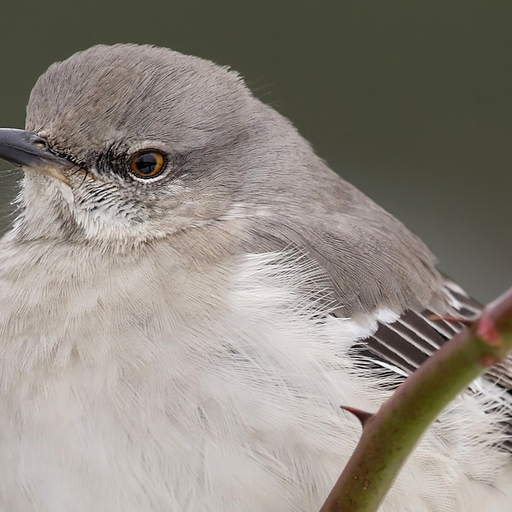
Northern Mockingbird avatar
Northern Mockingbird Mimus polyglottos
Year-Round

Feeder: Suet, fruit slices, and dense berry-producing shrubs.

Guide →
Orange-crowned Warbler avatar
Orange-crowned Warbler Leiothlypis celata
Winter Visitor

Feeder: Suet crumbs; occasionally sips at hummingbird feeders.

Guide →
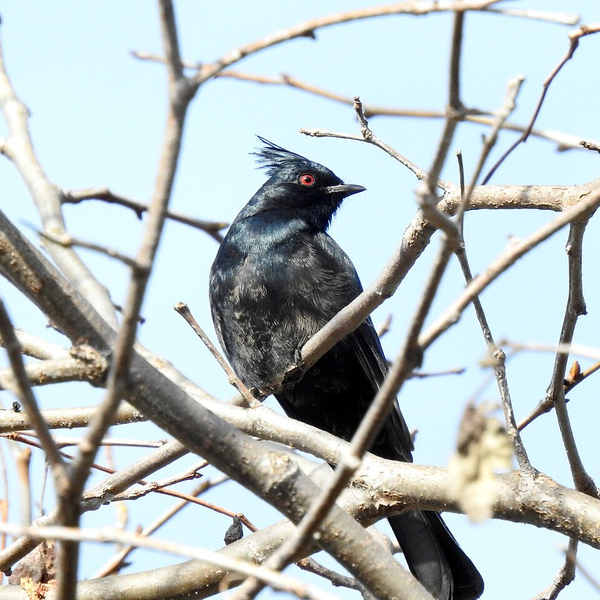
Orchard Oriole avatar
Orchard Oriole Icterus spurius
Summer Breeder

Feeder: Nectar feeders and fruit slices near riverside trees.
Guide →
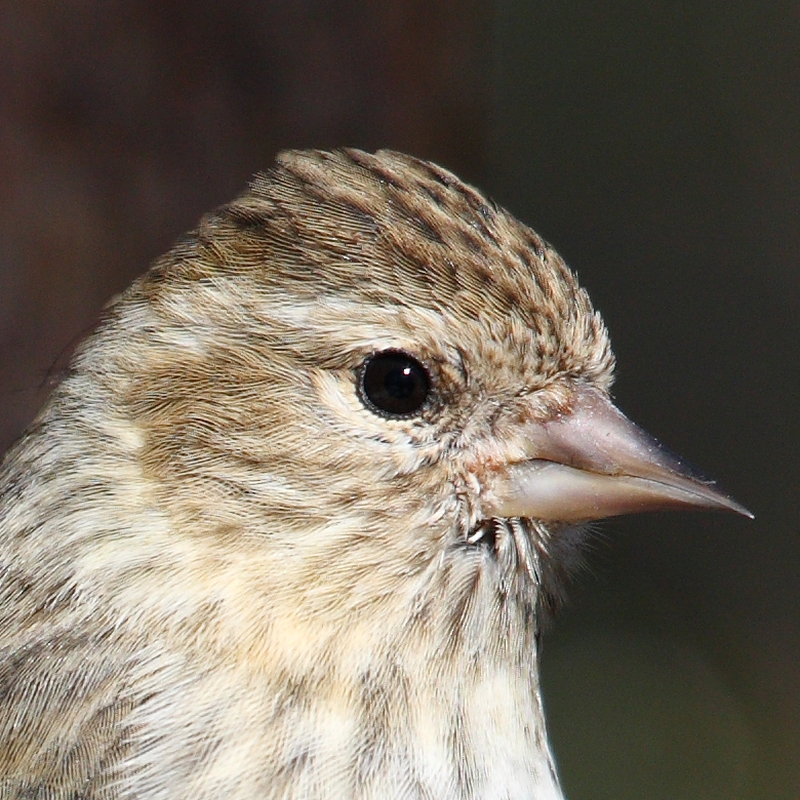
Phainopepla avatar
Phainopepla Phainopepla nitens
Year-Round

Feeder: Visits backyard feeders and water features.
Guide →
Pine Siskin avatar
Pine Siskin Spinus pinus
Year-Round

Feeder: Nyjer and fine sunflower chips; irrupts to feeders in dense flocks.
Guide →
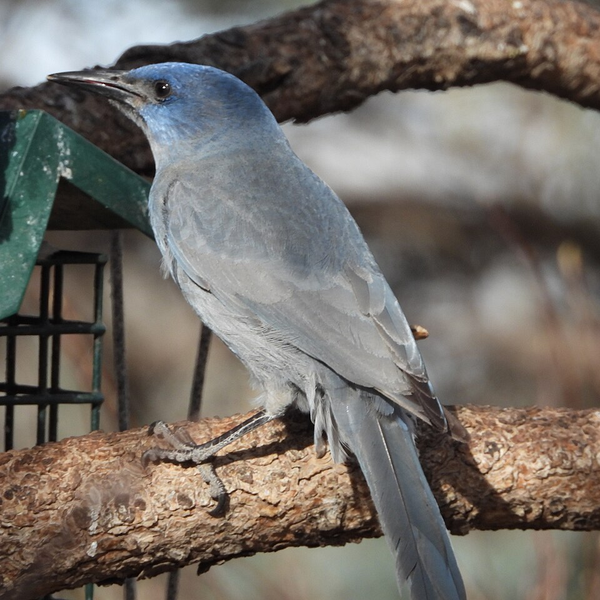
Pinyon Jay avatar
Pinyon Jay Gymnorhinus cyanocephalus
Year-Round

Feeder: Visits backyard feeders and water features.
Guide →
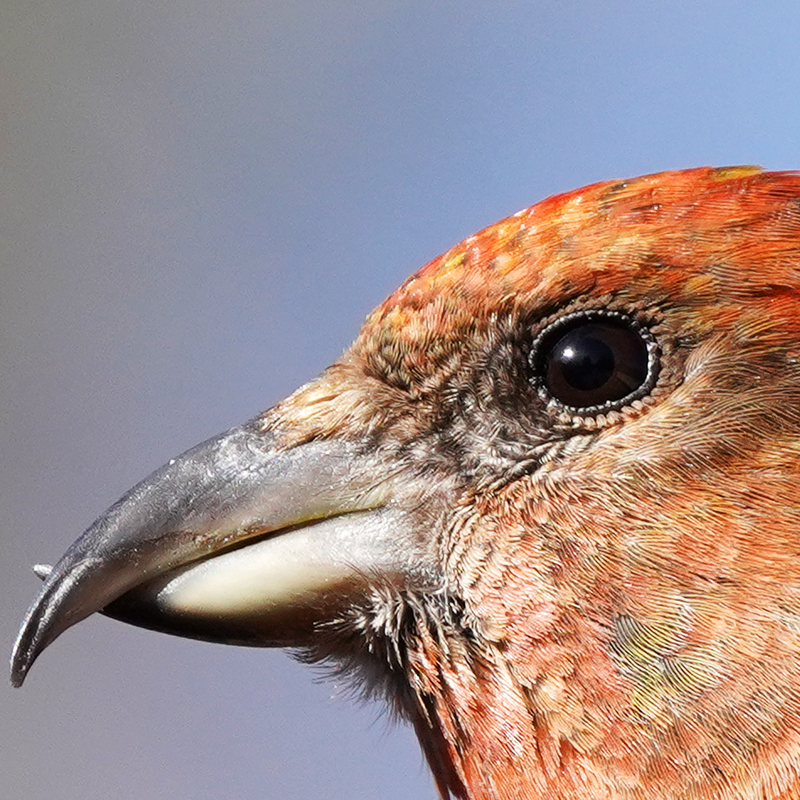
Red Crossbill avatar
Red Crossbill Loxia curvirostra
Year-Round

Feeder: Sunflower seeds on open platforms; visits erratically with cone crops.
Guide →
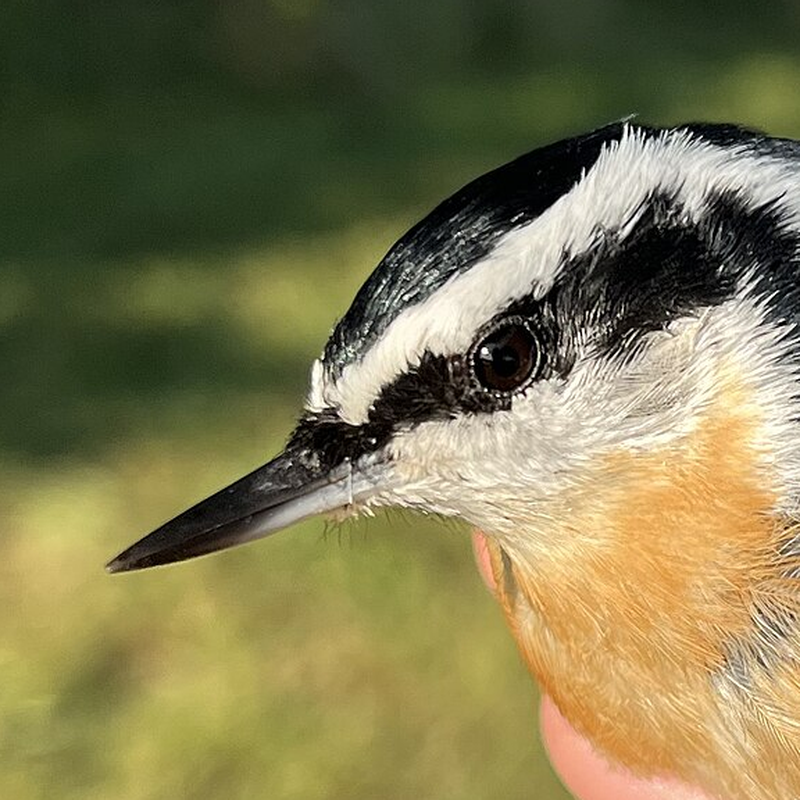
Red-breasted Nuthatch avatar
Red-breasted Nuthatch Sitta canadensis
Year-Round

Feeder: Suet, black oil sunflower, and peanut bits at tube feeders.
Guide →
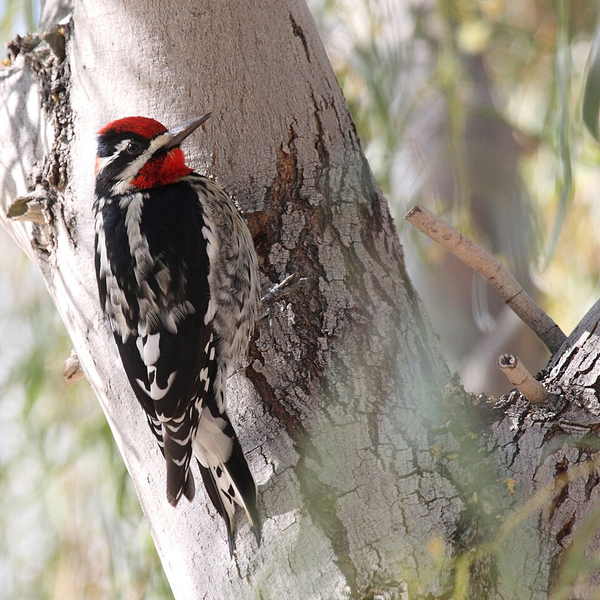
Red-naped Sapsucker avatar
Red-naped Sapsucker Sphyrapicus nuchalis
Summer Breeder

Feeder: Visits backyard feeders and water features.
Guide →
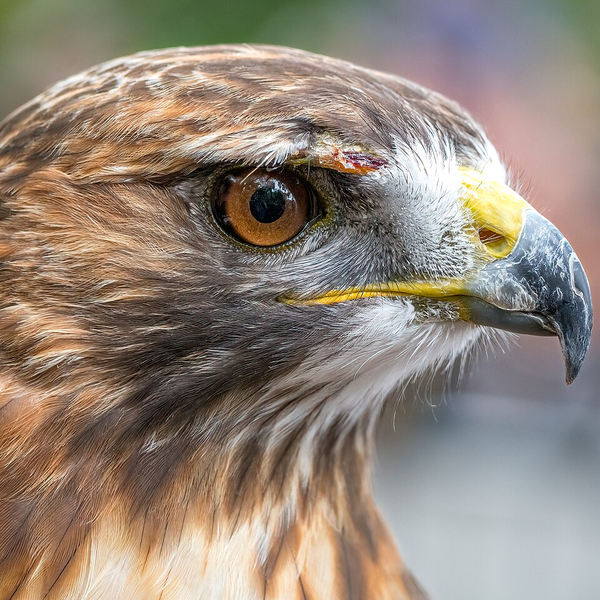
Red-tailed Hawk avatar
Red-tailed Hawk Buteo jamaicensis
Year-Round

Feeder: Visits backyard feeders and water features.

Guide →
Red-winged Blackbird avatar
Red-winged Blackbird Agelaius phoeniceus
Year-Round

Feeder: Sunflower, millet, and corn — arrives in loud flocks.
Guide →
Rivoli's Hummingbird avatar
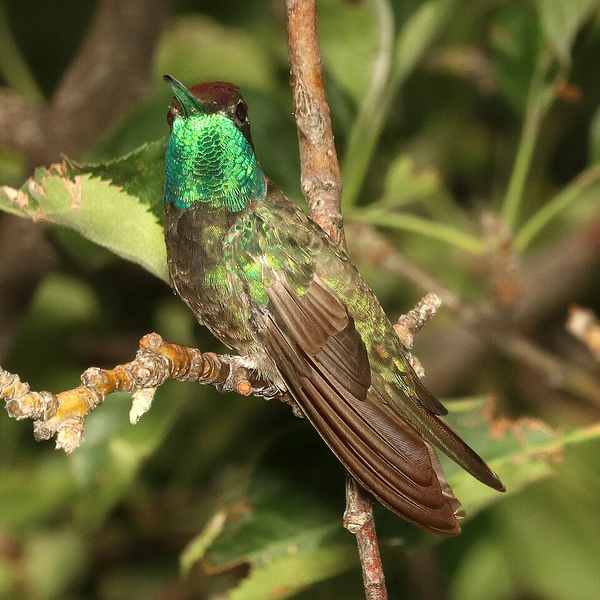
Rivoli’s Hummingbird Eugenes fulgens
Summer Breeder

Feeder: Visits backyard feeders and water features.
Guide →
Rock Pigeon avatar
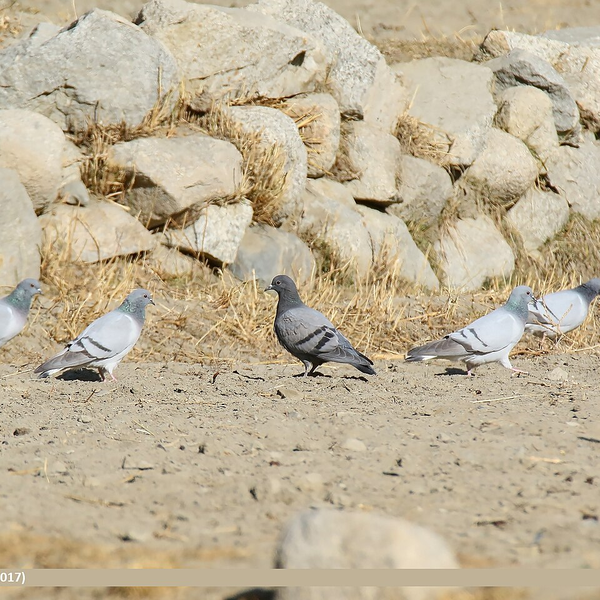
Rock Pigeon Columba livia
Year-Round

Feeder: Visits backyard feeders and water features.
Guide →
Ruby-crowned Kinglet avatar
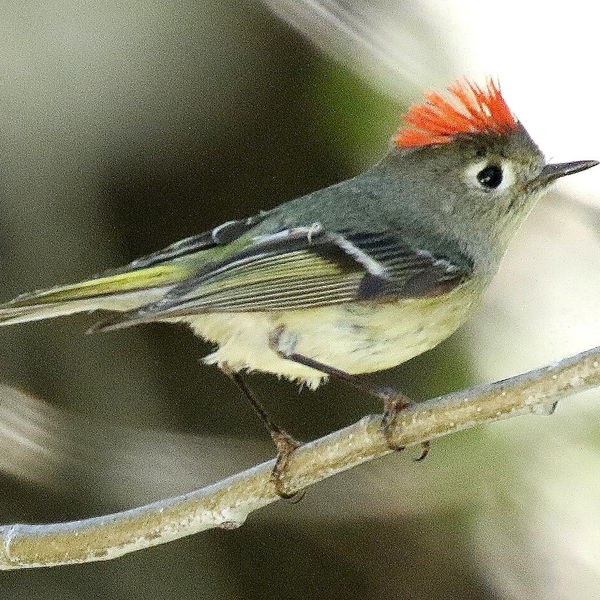
Ruby-crowned Kinglet Corthylio calendula
Winter Visitor

Feeder: Visits backyard feeders and water features.
Guide →
Sage Thrasher avatar
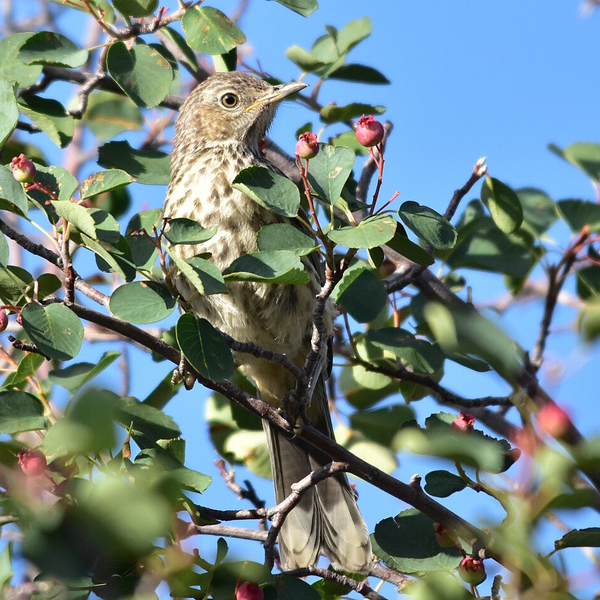
Sage Thrasher Oreoscoptes montanus
Summer Breeder

Feeder: Visits backyard feeders and water features.
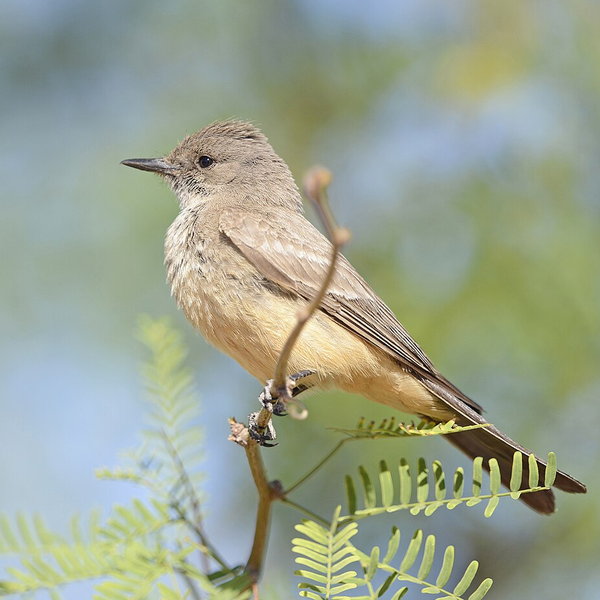
Guide →
Say's Phoebe avatar
Say’s Phoebe Sayornis saya
Year-Round

Feeder: Visits backyard feeders and water features.
Guide →
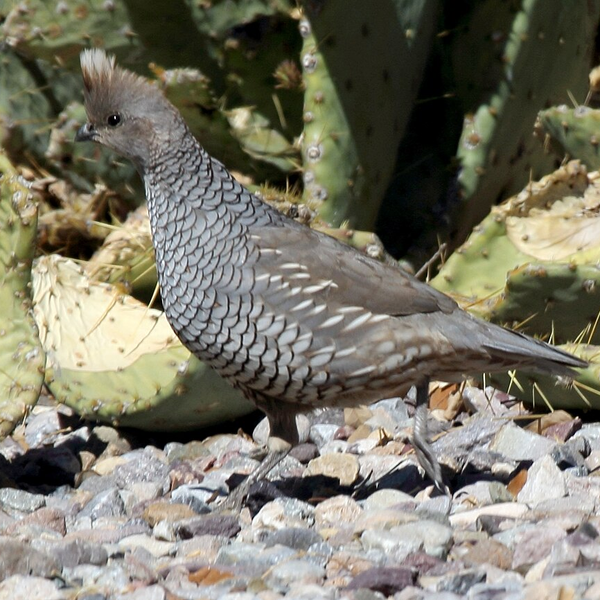
Scaled Quail avatar
Scaled Quail Callipepla squamata
Year-Round

Feeder: Visits backyard feeders and water features.
Guide →
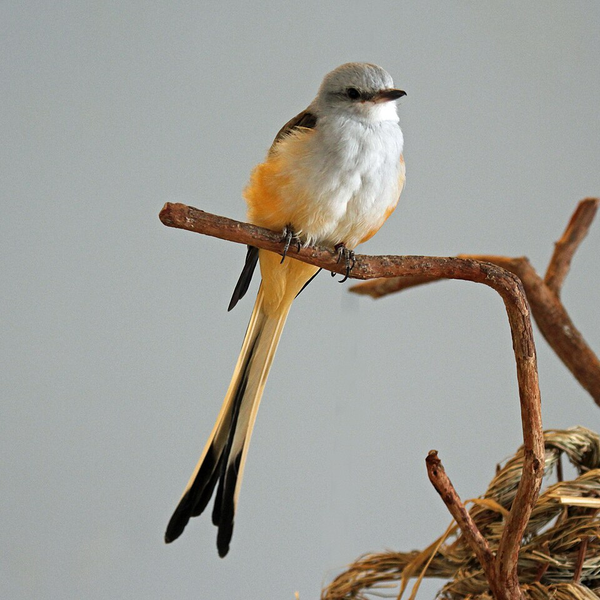
Scissor-tailed Flycatcher avatar
Scissor-tailed Flycatcher Tyrannus forficatus
Summer Breeder

Feeder: Visits backyard feeders and water features.
Guide →
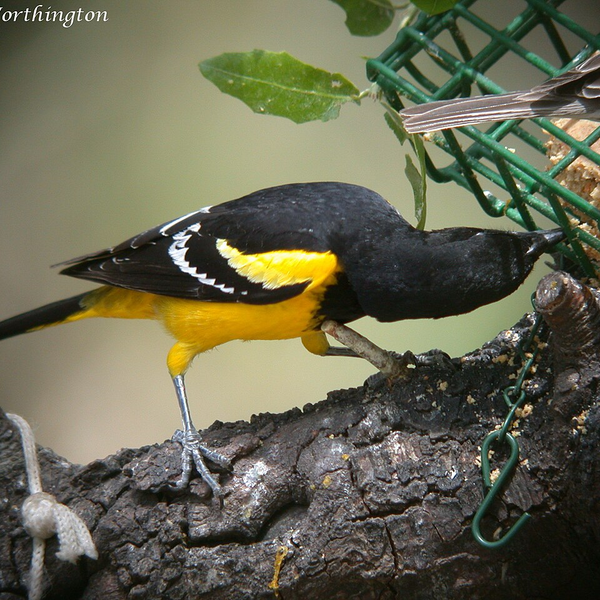
Scott's Oriole avatar
Scott’s Oriole Icterus parisorum
Summer Breeder

Feeder: Visits backyard feeders and water features.
Guide →
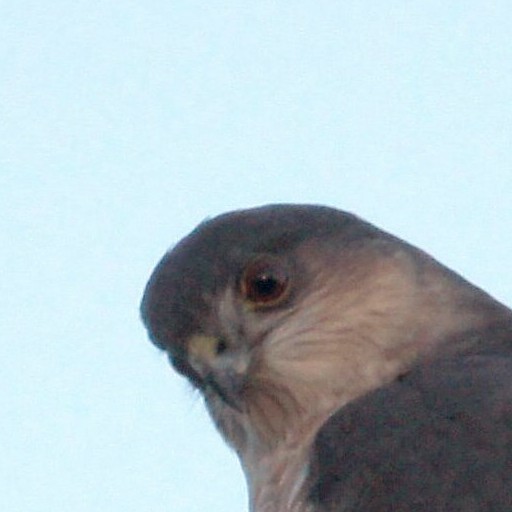
Sharp-shinned Hawk avatar
Sharp-shinned Hawk Accipiter striatus
Year-Round

Feeder: Hunts small feeder birds in winter; give feeders escape cover.

Guide →
Song Sparrow avatar
Song Sparrow Melospiza melodia
Year-Round

Feeder: Mixed seed and white millet near brushy edges; loves a birdbath.
Guide →
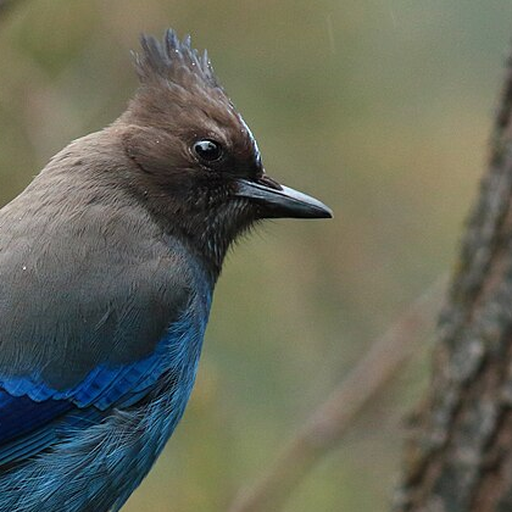
Steller's Jay avatar
Steller’s Jay Cyanocitta stelleri
Year-Round

Feeder: Whole peanuts, suet, and large nuts at mountain cabins.
Guide →
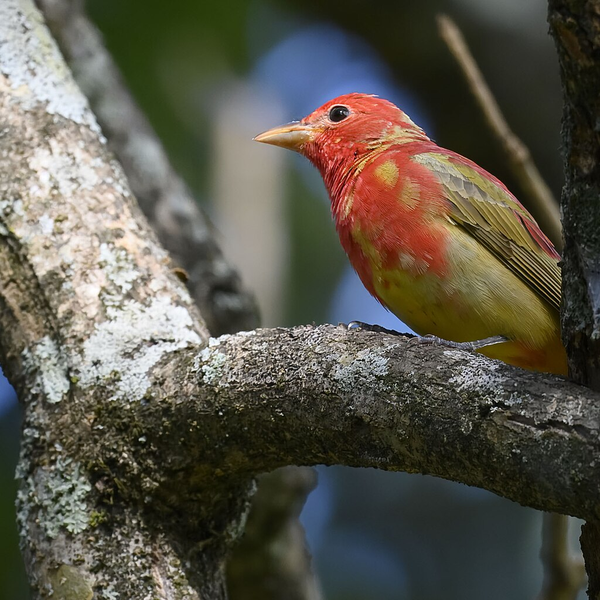
Summer Tanager avatar
Summer Tanager Piranga rubra
Summer Breeder

Feeder: Visits backyard feeders and water features.
Guide →
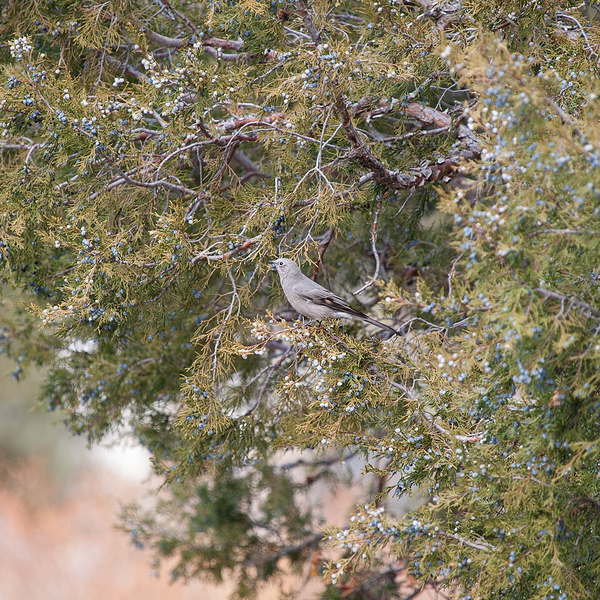
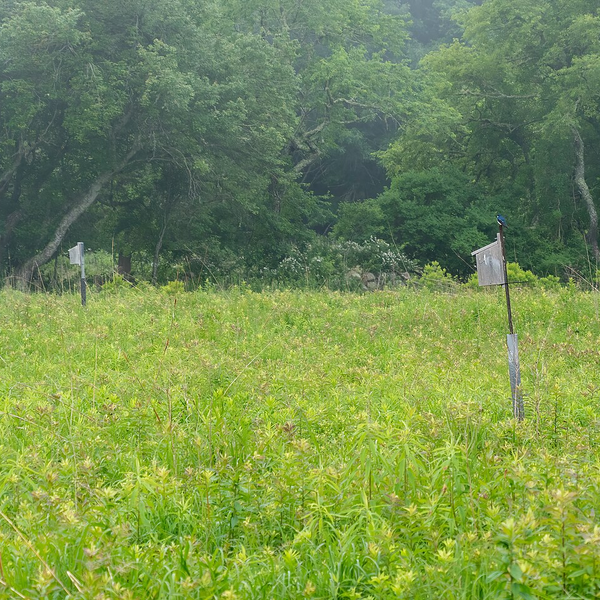
Townsend's Solitaire avatar
Townsend’s Solitaire Myadestes townsendi
Year-Round

Feeder: Visits backyard feeders and water features.
Guide →
Tree Swallow avatar
Tree Swallow Tachycineta bicolor
Summer Breeder

Feeder: Visits backyard feeders and water features.
Guide →
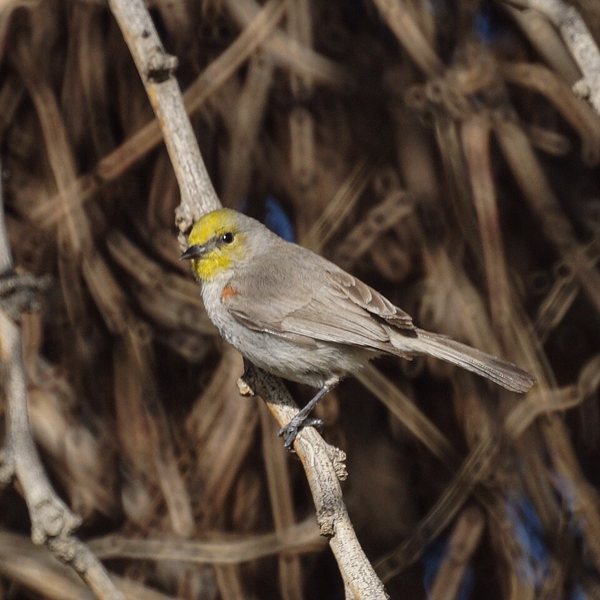
Verdin avatar
Verdin Auriparus flaviceps
Year-Round

Feeder: Visits backyard feeders and water features.
Guide →
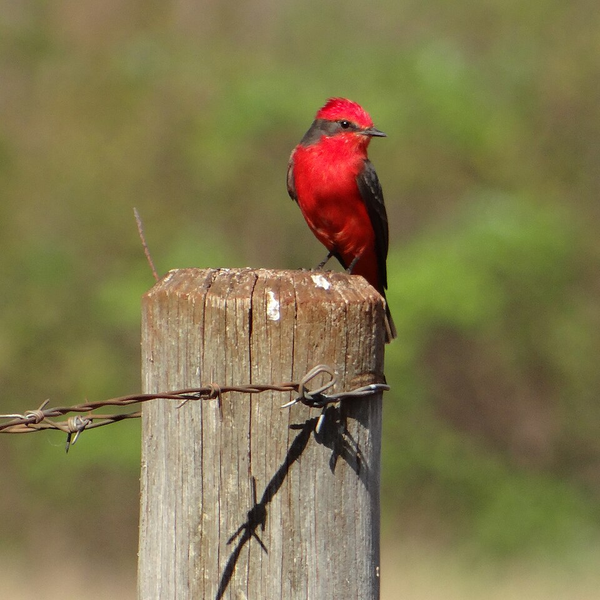
Vermilion Flycatcher avatar
Vermilion Flycatcher Pyrocephalus rubinus
Year-Round

Feeder: Visits backyard feeders and water features.
Guide →
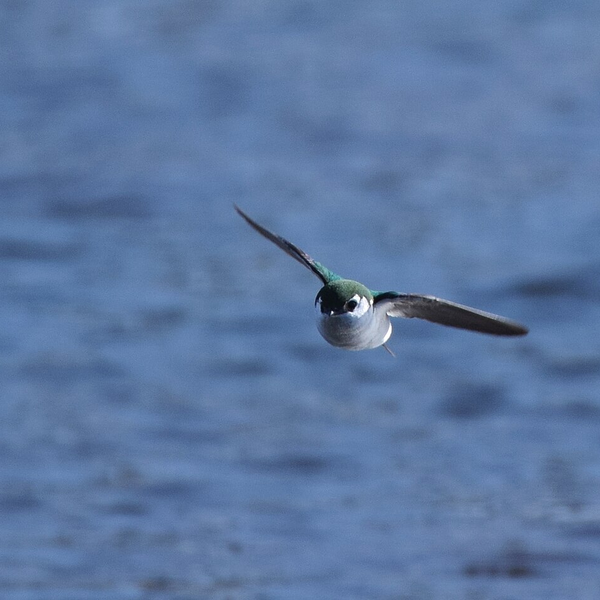
Violet-green Swallow avatar
Violet-green Swallow Tachycineta thalassina
Summer Breeder

Feeder: Visits backyard feeders and water features.
Guide →
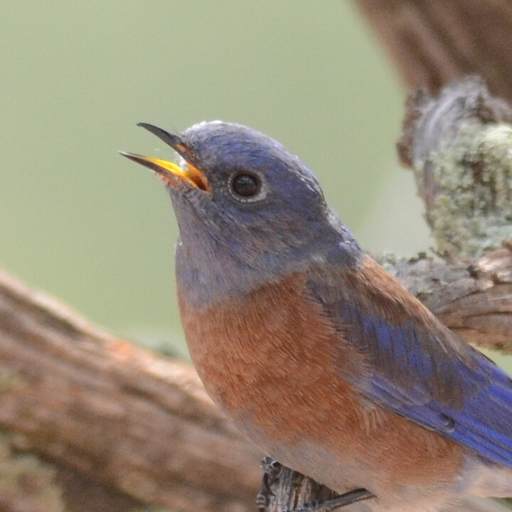
Western Bluebird avatar
Western Bluebird Sialia mexicana
Year-Round

Feeder: Mealworms and a nest box facing open ground.
Guide →
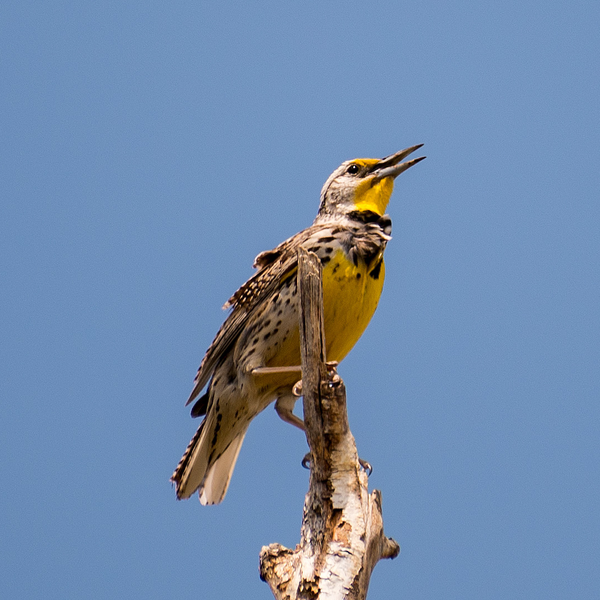
Western Meadowlark avatar
Western Meadowlark Sturnella neglecta
Year-Round

Feeder: Visits backyard feeders and water features.

Guide →
Western Screech-Owl avatar
Western Screech-Owl Megascops kennicottii
Year-Round

Feeder: Tree-cavity style nest boxes; listen for the bouncing-ball call.
Guide →
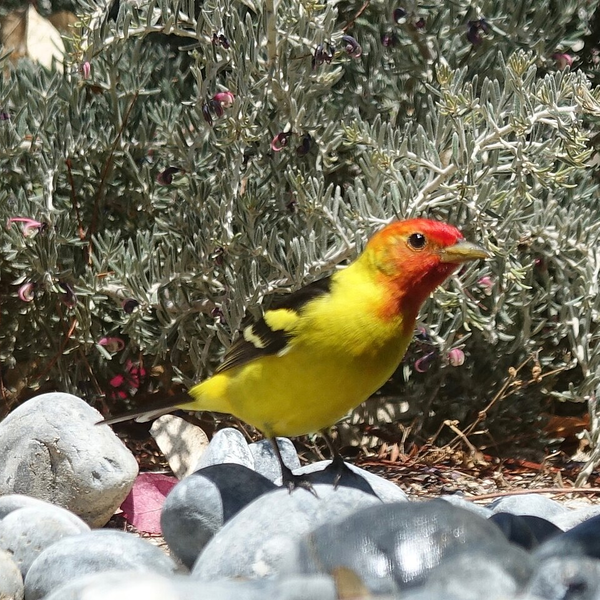
Western Tanager avatar
Western Tanager Piranga ludoviciana
Summer Breeder

Feeder: Visits backyard feeders and water features.

Guide →
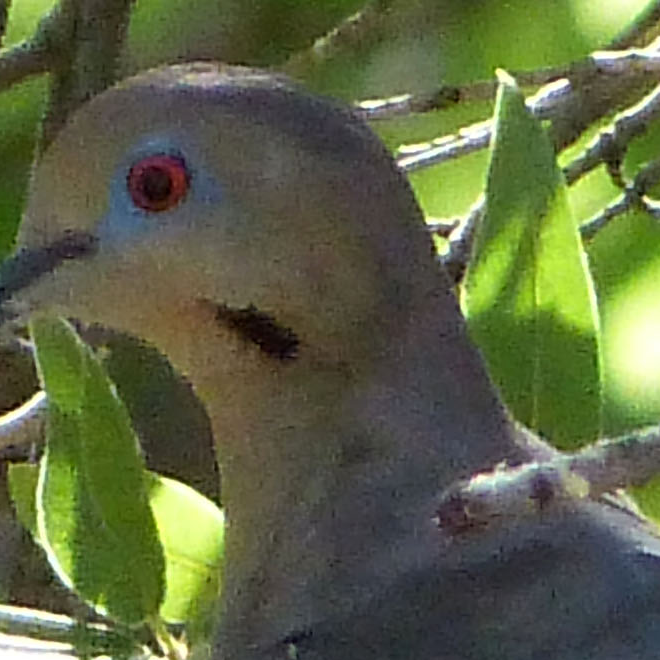
White-crowned Sparrow avatar
White-crowned Sparrow Zonotrichia leucophrys
Winter Visitor

Feeder: Sunflower chips and white millet on the ground near brush.
Guide →
White-winged Dove avatar
White-winged Dove Zenaida asiatica
Year-Round

Feeder: Cracked corn and large seeds on open platforms; loves water.
Guide →
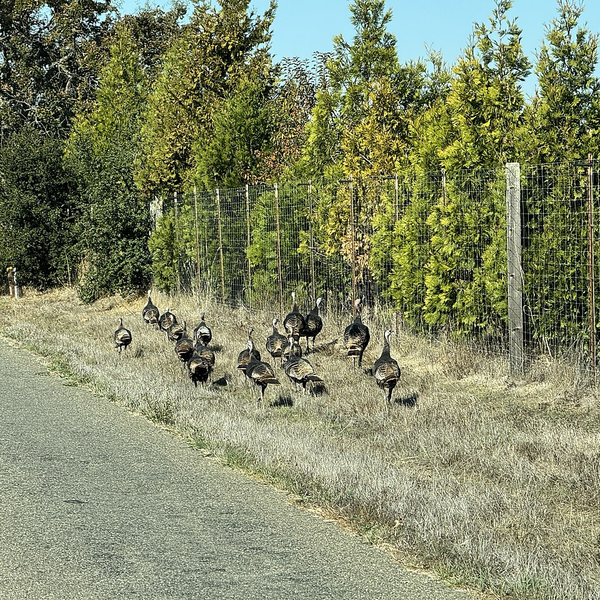
Wild Turkey avatar
Wild Turkey Meleagris gallopavo
Year-Round

Feeder: Visits backyard feeders and water features.
Guide →
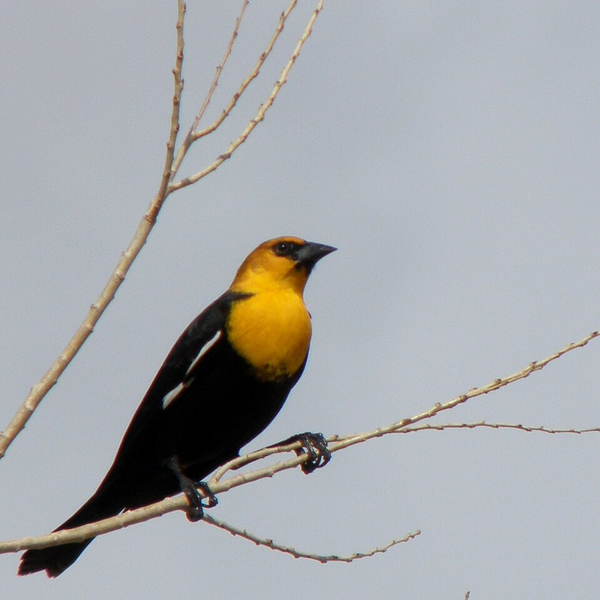
Yellow-headed Blackbird avatar
Yellow-headed Blackbird Xanthocephalus xanthocephalus
Summer Breeder

Feeder: Visits backyard feeders and water features.

Guide →
Yellow-rumped Warbler avatar
Yellow-rumped Warbler Setophaga coronata
Summer Breeder

Feeder: Suet cakes, berries, and peanut butter smeared on bark.

Guide →

The New Mexico Seasonal Feeder Calendar

🌱 Spring

March – May

Curve-billed Thrashers and towhees nest early in the desert; hummingbirds return in April. Keep water features full — spring is dry and windy. Put out mealworms for bluebirds and thrashers, and watch for migrating Lazuli Buntings at millet in May.

☀️ Summer

June – August

New Mexico heat rules everything: change hummingbird nectar every 1–2 days, shade seed feeders, and keep a dripping birdbath running — water outdraws every feeder from May to September. Monsoon rains (July–August) mold seed fast: use weather guards and small trays.

🍂 Autumn

September – November

Mountain birds drift down; plains sparrows arrive. Juncos, White-crowned Sparrows, and siskins return in October; hummingbirds leave by mid-September. Stock seed and suet, and watch pinyon jays and scrub-jays caching piñon nuts across town.

❄️ Winter

December – February

Prime feeding season. Black oil sunflower, suet, and millet serve the resident corps plus junco and sparrow flocks; Evening Grosbeaks and Cassin’s Finches visit northern mountain towns. A heated birdbath draws everything during high-desert freezes.

Frequently Asked Questions: Backyard Birding in New Mexico

What is the state bird of New Mexico? +
The Greater Roadrunner (Geococcyx californianus), designated in 1949. Yes — it really does go beep-beep (actually a descending coo-coo-coo), and it really does outrun everything on foot, hitting 20 miles per hour. Roadrunners hunt lizards, snakes, and large insects through desert yards and never touch seed feeders — but they visit yards with open ground, brush piles, and water features. In winter they sunbathe with wings spread and back feathers fluffed. The seed-feeder counterpart at New Mexico backyards is Woodhouse’s Scrub-Jay.
What birds come to New Mexico feeders in winter? +
The resident corps: Woodhouse’s Scrub-Jays, Juniper Titmice, Mountain Chickadees, White-breasted and Pygmy Nuthatches, Ladder-backed Woodpeckers, Northern Flickers, Curve-billed Thrashers, Canyon and Spotted Towhees, House Finches, Lesser Goldfinches, Bushtits, and Mourning Doves. Winter visitors add Dark-eyed Juncos, White-crowned Sparrows, Pine Siskins, and — in northern mountain towns — Evening Grosbeaks and Cassin’s Finches. Suet, sunflower, and millet on a ground platform bring the most species.
Do hummingbirds live in New Mexico? +
Yes — New Mexico is a hummingbird crossroads with more than a dozen species recorded. Backyard regulars are Black-chinned Hummingbirds (desert valleys) and Broad-tailed Hummingbirds (mountains, with the metallic wing-trill), April through September; Rufous pass through in July–September, and Calliope breed in the northern high country. Feed a 1:4 white-sugar solution, change it every one to two days in the heat, and plant penstemon and desert willow.
What is the blue jay in New Mexico? +
Woodhouse’s Scrub-Jay — the crestless blue-and-gray jay of the interior West, split from the California Scrub-Jay in 2016. It lives year-round in New Mexico’s pinyon-juniper belt and towns, caching piñon nuts by the thousand each fall and remembering most of the hiding places. At feeders it takes sunflower seed and peanuts; in a piñon year, flocks roam the foothills in noisy bands. It is bolder, smarter, and louder than any bird its size in the yard.
How do I attract birds in the desert Southwest? +
Water first: a dripping birdbath or shallow fountain draws more species than any feeder in arid country — quail, doves, thrashers, towhees, finches, and migrating warblers all drink. Then a ground platform with white millet and cracked corn for towhees, thrashers, and sparrows; suet for woodpeckers; Nyjer for goldfinches; and nectar for hummingbirds. Shade everything you can — seed spoils in sun, and birds prefer feeders near cover. Plant native desert willow, agave, and sage for year-round structure.
Key Takeaways
  • The Backyard Icon: Woodhouse’s Scrub-Jay — the crestless blue jay of the pinyon-juniper belt — caches piñon nuts by the thousand and rules New Mexico feeders year-round.
  • The State Bird: The Greater Roadrunner (state bird since 1949) hunts lizards and snakes through desert yards — it ignores seed but loves a yard with lizards, water, and open ground.
  • Water Wins: In New Mexico’s arid climate, a dripping birdbath attracts more species than any seed feeder — quail, thrashers, finches, and warblers all come to drink.
  • Hummingbird Crossroads: New Mexico hosts a dozen hummingbird species over the year; backyard regulars are Black-chinned and Broad-tailed in summer, Rufous in late summer migration.
  • The Map: The pinned map at the top of this page shows where each of the 16 featured birds is most characteristic; every pin jumps to a profile with photos, a playable call, and a full guide link.
  • Best Single Upgrade: A ground platform with millet plus a dripping birdbath — towhees, thrashers, quail, and sparrows, twelve months a year.

New Mexico Backyard Bird Watching Checklist

Large-print checklist format designed for American seniors. Print or download as a 1-page PDF, then tick off each species as you see it.

Woodhouse's Scrub-Jay Avatar

New Mexico Birding Checklist

Region: New Mexico — 108 Backyard Species

DATE: LOCATION:
TIME: OBSERVERS:
SPECIES CHECKLIST — TICK & COUNT
Woodhouse’s Scrub-Jay Aphelocoma woodhouseii
Juniper Titmouse Baeolophus ridgwayi
Mountain Chickadee Poecile gambeli
White-breasted Nuthatch Sitta carolinensis
Pygmy Nuthatch Sitta pygmaea
Ladder-backed Woodpecker Dryobates scalaris
Northern Flicker Colaptes auratus
Curve-billed Thrasher Toxostoma curvirostre
Canyon Towhee Melozone fusca
Spotted Towhee Pipilo maculatus
House Finch Haemorhous mexicanus
Lesser Goldfinch Spinus psaltria
Black-chinned Hummingbird Archilochus alexandri
Broad-tailed Hummingbird Selasphorus platycercus
Bushtit Psaltriparus minimus
Mourning Dove Zenaida macroura
Abert’s Towhee Melozone aberti
Acorn Woodpecker Melanerpes formicivorus
American Crow Corvus brachyrhynchos
American Goldfinch Spinus tristis
American Kestrel Falco sparverius
American Robin Turdus migratorius
Ash-throated Flycatcher Myiarchus cinerascens
Band-tailed Pigeon Patagioenas fasciata
Barn Owl Tyto alba
Barn Swallow Hirundo rustica
Bendire’s Thrasher Toxostoma bendirei
Bewick’s Wren Thryomanes bewickii
Black Phoebe Sayornis nigricans
Black-capped Chickadee Poecile atricapillus
Black-headed Grosbeak Pheucticus melanocephalus
Black-throated Sparrow Amphispiza bilineata
Brewer’s Blackbird Euphagus cyanocephalus
Broad-billed Hummingbird Cynanthus latirostris
Brown Creeper Certhia americana
Brown-headed Cowbird Molothrus ater
Bullock’s Oriole Icterus bullockii
Cactus Wren Campylorhynchus brunneicapillus
Canada Jay Perisoreus canadensis
Cassin’s Finch Haemorhous cassinii
Cedar Waxwing Bombycilla cedrorum
Chipping Sparrow Spizella passerina
Chukar Alectoris chukar
Clark’s Nutcracker Nucifraga columbiana
Common Ground Dove Columbina passerina
Common Raven Corvus corax
Cooper’s Hawk Accipiter cooperii
Crissal Thrasher Toxostoma crissale
Dark-eyed Junco Junco hyemalis
Downy Woodpecker Dryobates pubescens
Eurasian Collared-Dove Streptopelia decaocto
European Starling Sturnus vulgaris
Gambel’s Quail Callipepla gambelii
Gila Woodpecker Melanerpes uropygialis
Gilded Flicker Colaptes chrysoides
Golden-crowned Kinglet Regulus satrapa
Great Horned Owl Bubo virginianus
Great-tailed Grackle Quiscalus mexicanus
Greater Roadrunner Geococcyx californianus
Green-tailed Towhee Pipilo chlorurus
Hairy Woodpecker Dryobates villosus
Hermit Thrush Catharus guttatus
Hooded Oriole Icterus cucullatus
House Sparrow Passer domesticus
House Wren Troglodytes aedon
Inca Dove Columbina inca
Lark Sparrow Chondestes grammacus
Lawrence’s Goldfinch Spinus lawrencei
Lazuli Bunting Passerina amoena
Mountain Bluebird Sialia currucoides
Northern Cardinal Cardinalis
Northern Mockingbird Mimus polyglottos
Orange-crowned Warbler Leiothlypis celata
Orchard Oriole Icterus spurius
Phainopepla Phainopepla nitens
Pine Siskin Spinus pinus
Pinyon Jay Gymnorhinus cyanocephalus
Red Crossbill Loxia curvirostra
Red-breasted Nuthatch Sitta canadensis
Red-naped Sapsucker Sphyrapicus nuchalis
Red-tailed Hawk Buteo jamaicensis
Red-winged Blackbird Agelaius phoeniceus
Rivoli’s Hummingbird Eugenes fulgens
Rock Pigeon Columba livia
Ruby-crowned Kinglet Corthylio calendula
Sage Thrasher Oreoscoptes montanus
Say’s Phoebe Sayornis saya
Scaled Quail Callipepla squamata
Scissor-tailed Flycatcher Tyrannus forficatus
Scott’s Oriole Icterus parisorum
Sharp-shinned Hawk Accipiter striatus
Song Sparrow Melospiza melodia
Steller’s Jay Cyanocitta stelleri
Summer Tanager Piranga rubra
Townsend’s Solitaire Myadestes townsendi
Tree Swallow Tachycineta bicolor
Verdin Auriparus flaviceps
Vermilion Flycatcher Pyrocephalus rubinus
Violet-green Swallow Tachycineta thalassina
Western Bluebird Sialia mexicana
Western Meadowlark Sturnella neglecta
Western Screech-Owl Megascops kennicottii
Western Tanager Piranga ludoviciana
White-crowned Sparrow Zonotrichia leucophrys
White-winged Dove Zenaida asiatica
Wild Turkey Meleagris gallopavo
Yellow-headed Blackbird Xanthocephalus xanthocephalus
Yellow-rumped Warbler Setophaga coronata
FIELD NOTES — WEATHER, SEASON & SIGHTINGS
Weather, season, and notable conditions
✏️
Unexpected visitors, flock counts, first arrival dates