
Nyjer Seed: The Goldfinch Seed

Nyjer (Thistle) Seed for Birds: What It Is & Who Eats It
What is nyjer seed, and which birds eat it?
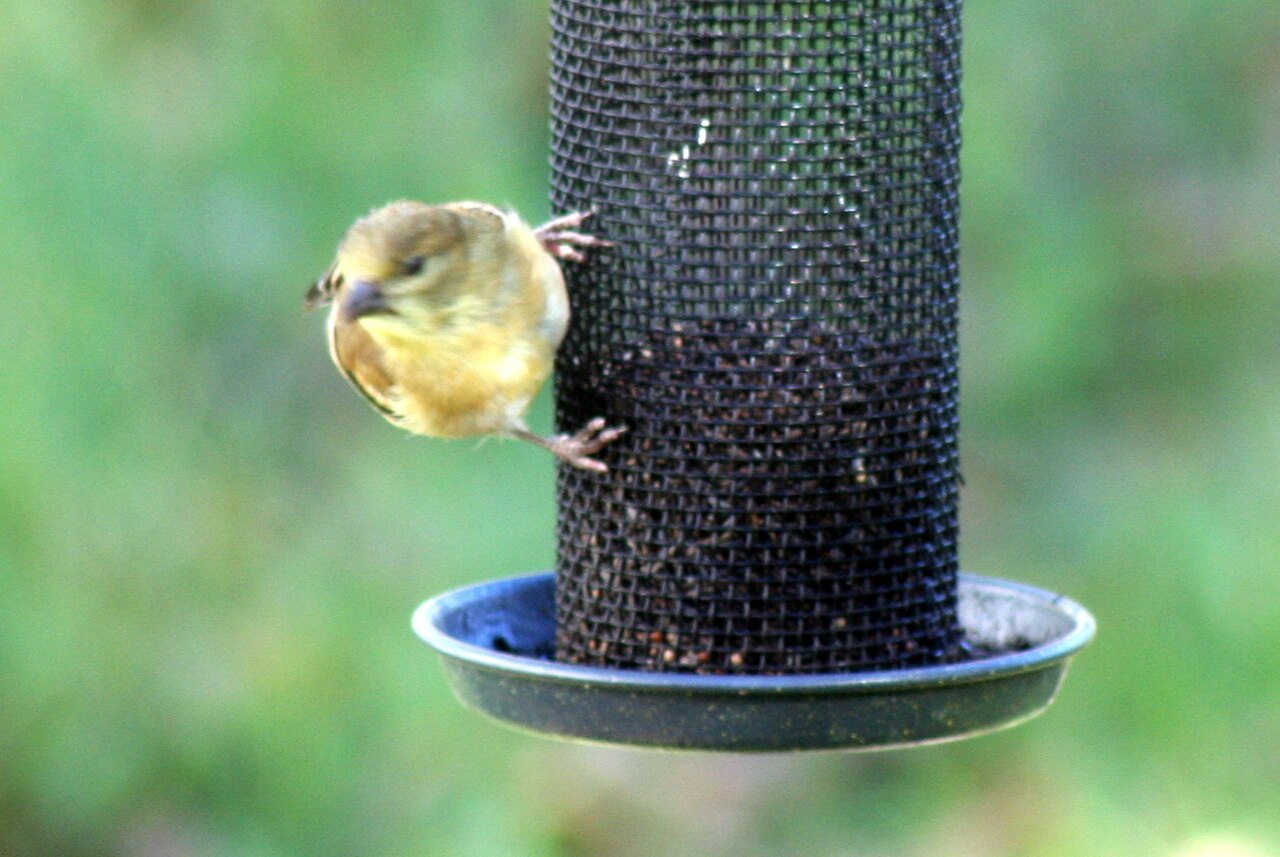
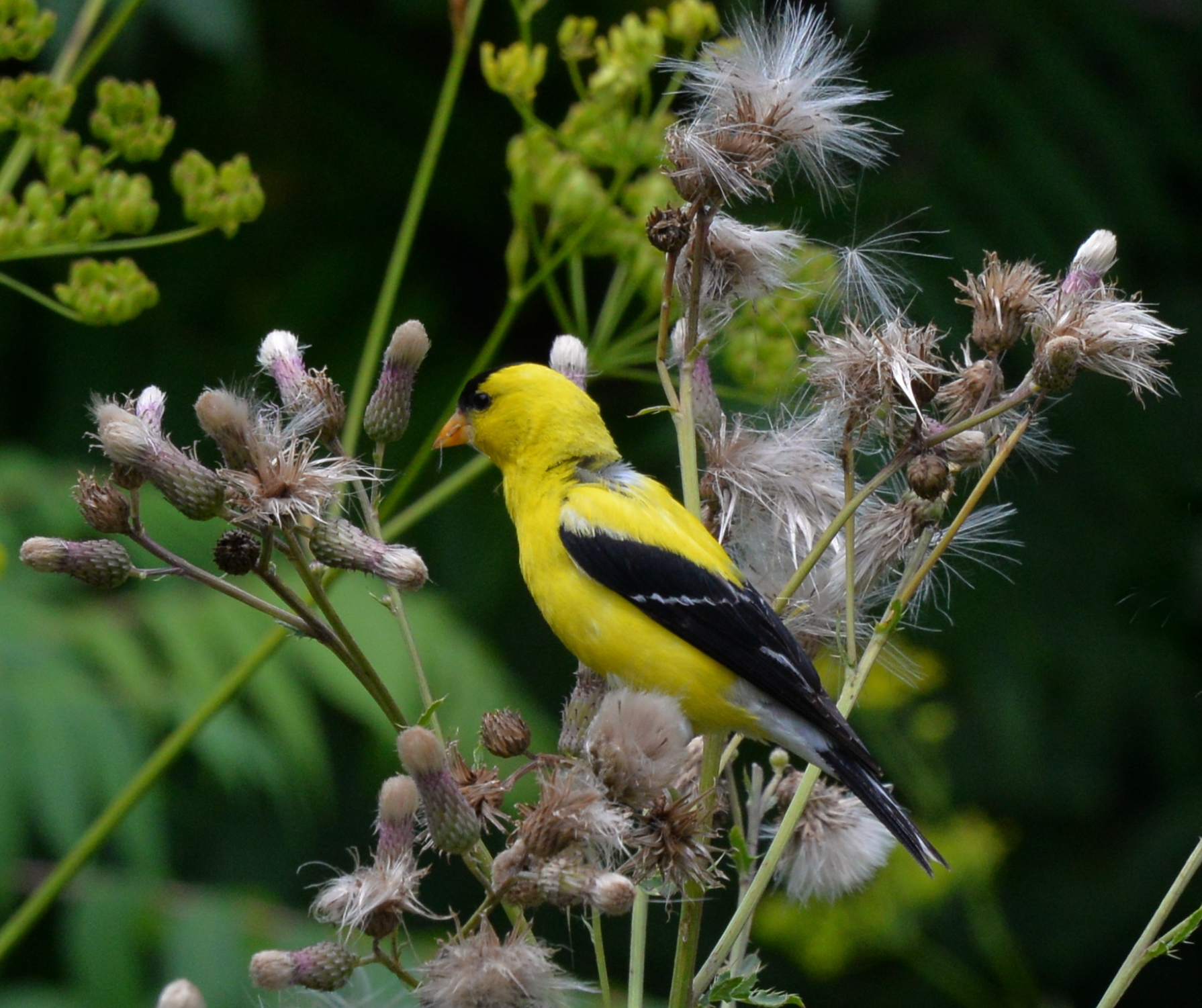
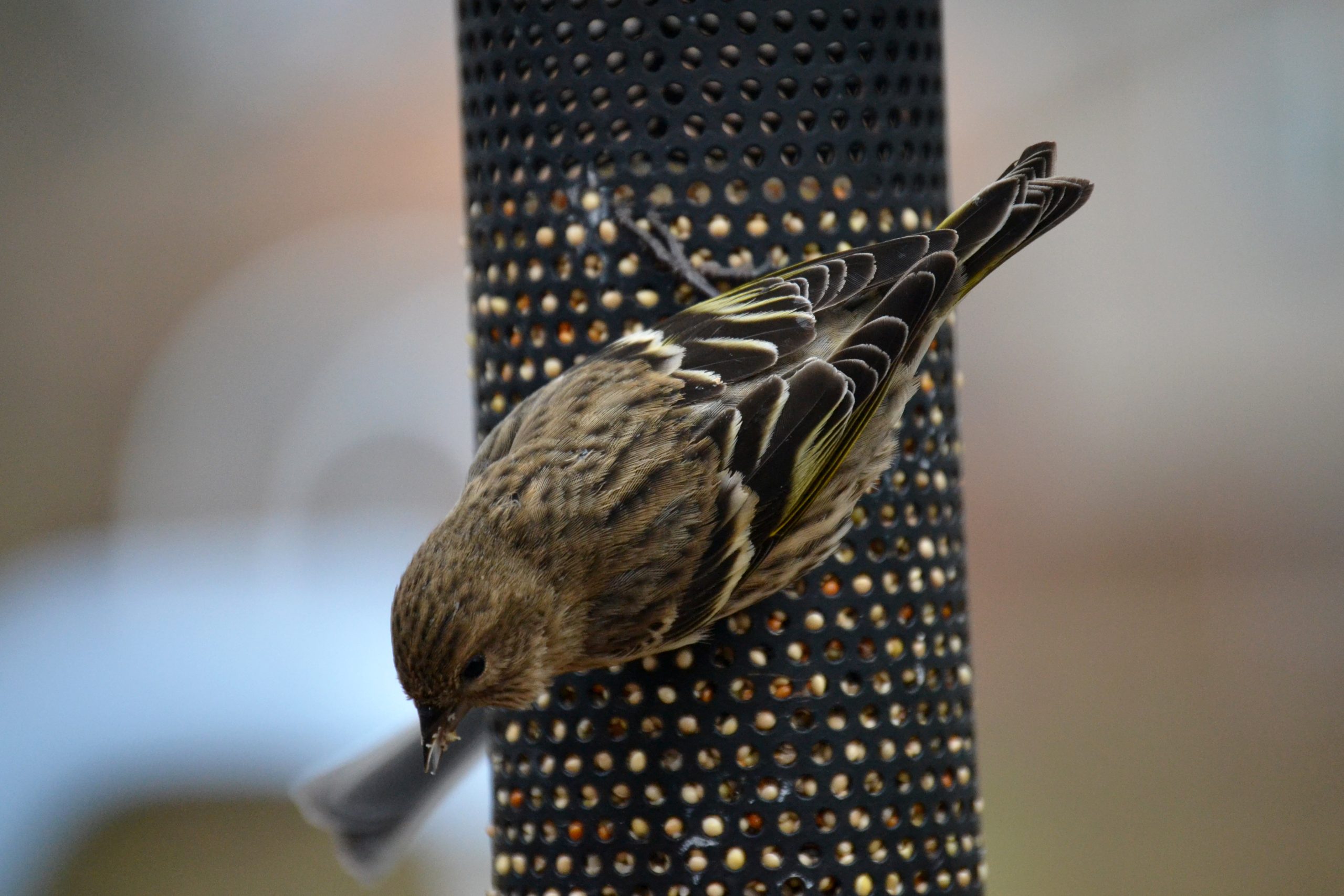
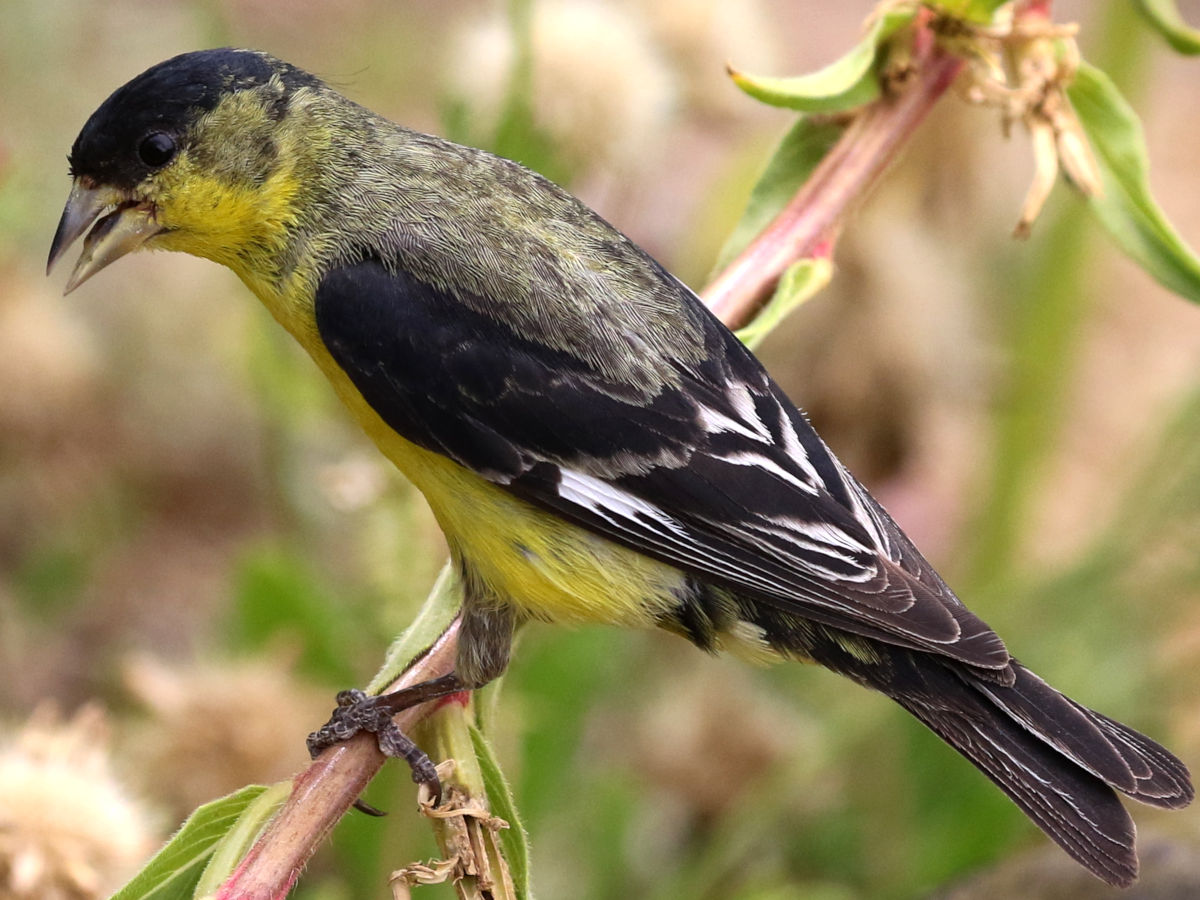
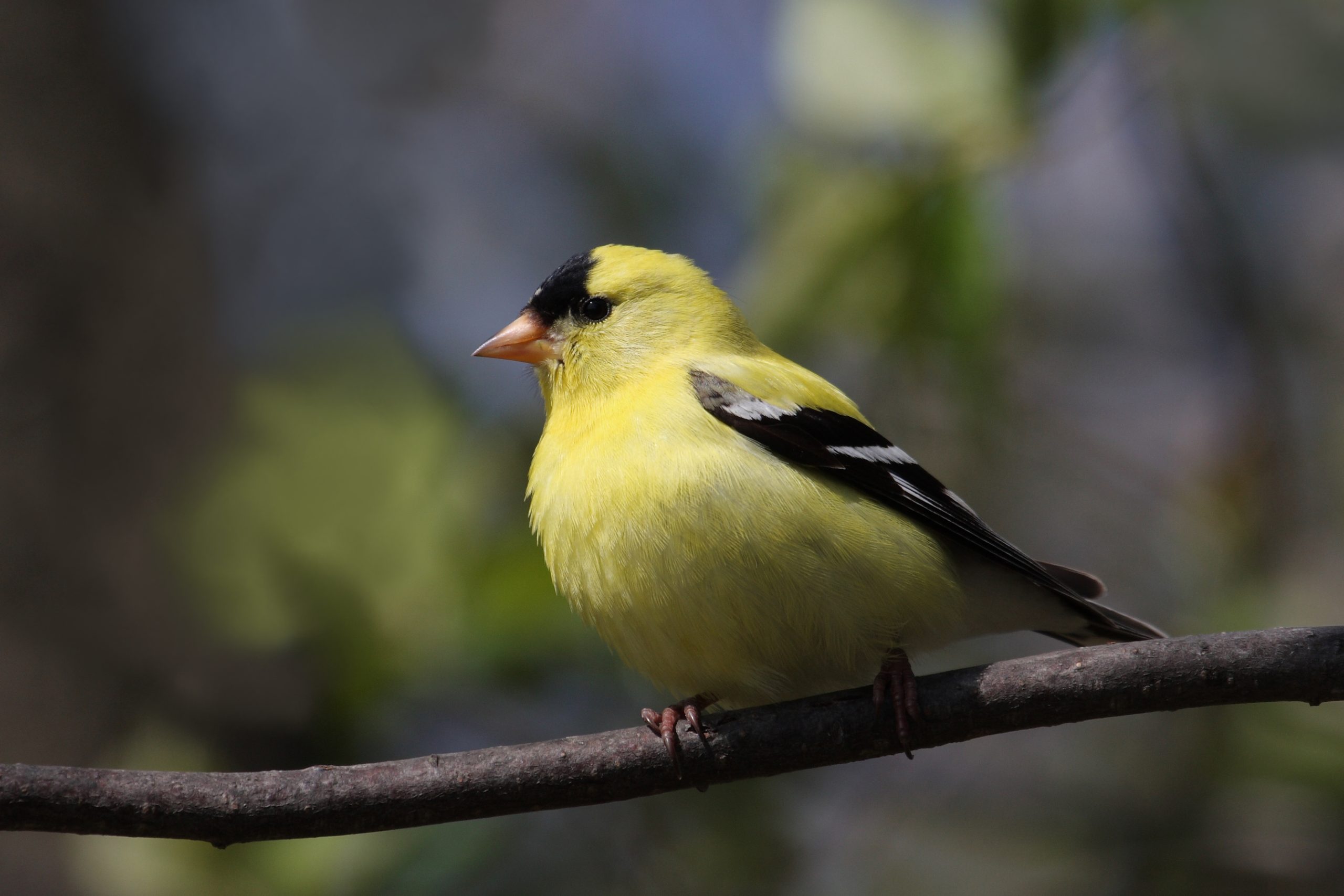
Nyjer — often mislabeled “thistle” — is a tiny black oilseed from the Guizotia abyssinica plant, grown in Africa and South Asia and heat-sterilized before import so it cannot sprout in your yard. It’s the single best food for American Goldfinches, Pine Siskins, Lesser Goldfinches and Common Redpolls, served in fine-mesh feeders or small-port tubes. The catch: its high oil content goes stale fast, so freshness decides everything — buy small bags, and if your finches vanish, suspect the seed before anything else.
What Nyjer Actually Is (and Isn’t)
First, the name mess. Nyjer is not thistle, not related to thistle, and was trademarked under the spelling “Nyjer” by the Wild Bird Feeding Industry partly to kill the persistent myth that feeding it plants thistles in your lawn. The seed comes from Guizotia abyssinica, a daisy-family crop cultivated for cooking oil mainly in Ethiopia, India and Myanmar. Every bag entering the U.S. is heat-treated to sterilize it — a federal requirement — so the “thistle weeds in my garden” fear is doubly wrong: wrong plant, dead seed.
What makes it worth importing across an ocean: the seed is roughly 35–40% oil, an energy density few seeds match, in a package small enough for the tiniest finch bills. A goldfinch can shell and swallow one in a second. That same oil, though, is the seed’s weakness — oil oxidizes, and oxidized nyjer tastes rancid to a finch long before it smells off to you. Everything about handling nyjer flows from that one fact.
I’ve watched this play out at my own feeders for decades: fresh nyjer in a clean mesh feeder is a goldfinch magnet that works within hours; the same feeder with month-old seed stands empty while the flock works the neighbor’s. The birds are not fickle. The seed is perishable.
Who Eats Nyjer — and Who Ignores It
| Bird | Enthusiasm | Notes |
|---|---|---|
| American Goldfinch | The superfan | Nyjer’s poster bird; flocks of dozens in winter |
| Pine Siskin | Mobs it | Irruptive winters can bury a feeder in siskins |
| Common Redpoll | Mobs it | Northern winters; hovers around siskin flocks |
| Lesser Goldfinch | Loves it | West and Southwest; the tiny-billed specialist |
| House Finch | Sometimes | Prefers sunflower; takes nyjer when convenient |
| Buntings, sparrows | Occasional | Usually forage spilled seed below the feeder |
| Mourning Doves | Below only | Clean the ground under the feeder |
| Cardinals, jays, woodpeckers | Ignore it | Bills too large, tastes wrong — feed them sunflower and suet |
The exclusion column is a feature, not a flaw. A nyjer mesh feeder is one of the few stations squirrels, starlings and grackles largely leave alone — the seed is too small, the ports too fine, and squirrels find the oily taste uninteresting compared to sunflower. If bully birds have hijacked your seed budget, a nyjer station is the peaceful corner of the yard.
Freshness: The Whole Ballgame
Ask any long-time feeder host why their goldfinches left and you get theories about weather, hawks and neighbors. Ask when they last replaced the nyjer and you usually get silence. Finches detect oxidized oil at concentrations we can’t smell, and they vote with their wings. The freshness discipline:
- Buy small bags. Five to ten pounds used within a month beats a bargain forty-pound sack that stales in storage. Nyjer is the one seed where bulk buying backfires.
- Check the date and the source. Fresh crop, reputable brand, store with fast turnover. Dusty warehouse bags are pre-staled.
- The crush test: pinch a seed on white paper — fresh nyjer exudes a tiny oil spot; dry seed that crushes to powder is dead.
- The flow test: fresh nyjer pours like black sand. Clumps mean moisture, and moisture means mold within days.
- Rotate feeder stock weekly. Empty the feeder fully rather than topping off; the bottom layer fossilizes otherwise.
From the field: my rule is “nyjer is produce, not pantry.” Treat it like lettuce — buy what the flock eats in a few weeks — and the empty-feeder mystery solves itself nine times out of ten.
The Right Feeder for a Tiny Seed
Nyjer’s size — barely a millimeter wide — dictates the hardware. Ordinary tube ports dump it on the ground; platform feeders scatter it to the wind. The working options:
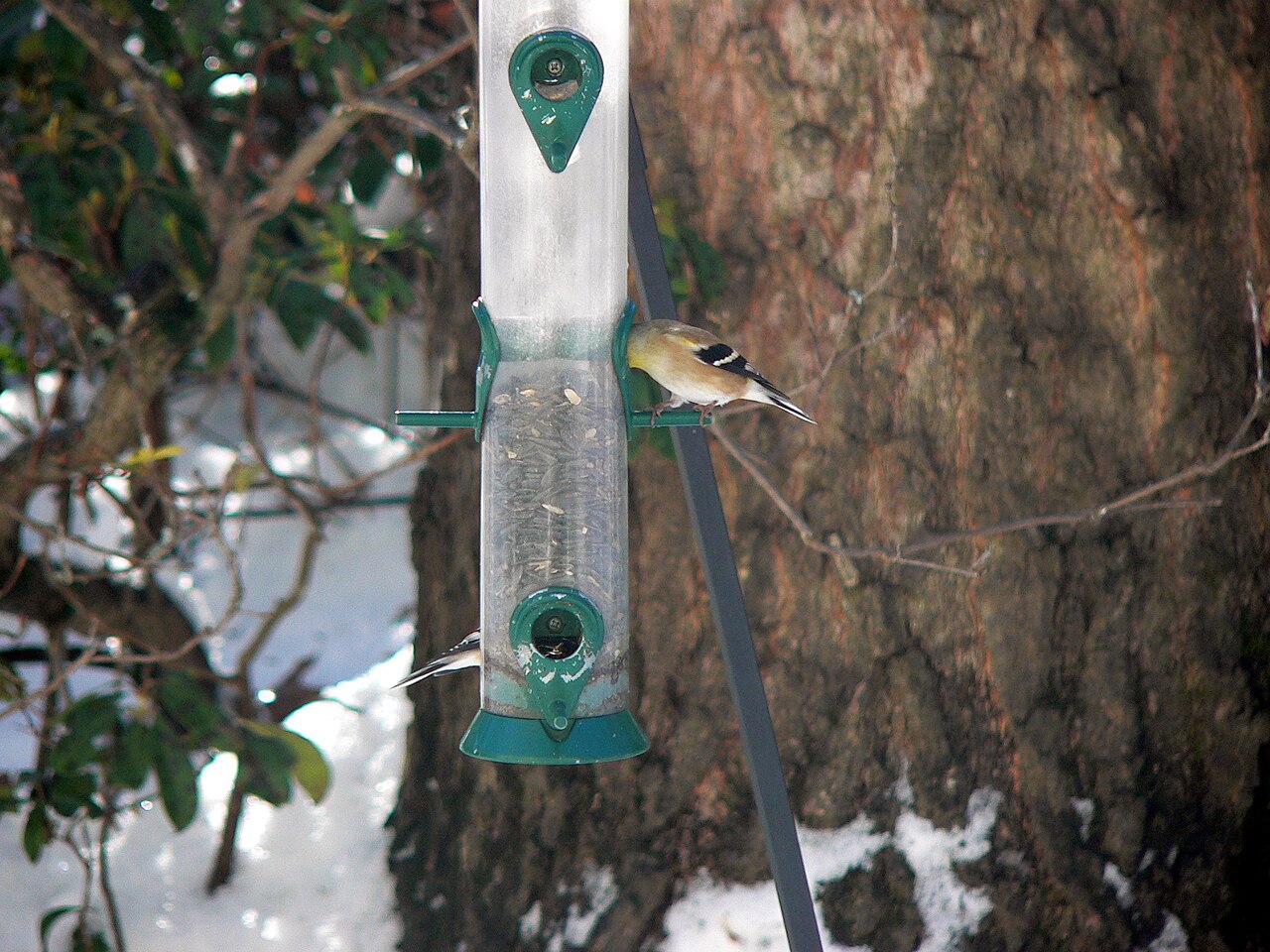
- Mesh screen feeders: finches cling to the mesh and pull seeds through — the highest-capacity option, and my default. Stainless mesh only; squirrels chew plastic.
- Thistle socks: cheap nylon mesh bags; birds mob them instantly. They soak in rain and resist cleaning — audition tools, not permanent hardware.
- Small-port tubes: clear tubes with tiny oval ports sized to the seed. Cleanest and driest in wet climates; lower capacity, one bird per port.
Hang nyjer stations where you can see them but accept some shade — direct afternoon sun bakes oil rancidity along faster. Near the goldfinches’ staging perches (small trees, tall shrubs within fifteen feet) shortens adoption time.
Storage: Keep the Oil Alive
Nyjer stores worse than any other common seed because of that oil. The system:
- Sealed metal or heavy plastic can, gasket lid — air and rodents both degrade stock.
- Cool and dark. A basement beats a garage; a summer garage accelerates rancidity dramatically.
- Freeze for the long haul. Nyjer freezes well — bag it airtight and freezer-store any quantity you won’t use within six weeks. Let it come to room temperature before filling feeders to avoid condensation.
- First in, first out. Mark bags with purchase dates and rotate; the bag behind the bag is always older than you remember.
The Myths, Retired
| Myth | The Reality |
|---|---|
| “It plants thistles in your yard” | Wrong plant entirely — and every import is heat-sterilized; it cannot sprout |
| “It’s a weed seed sweepings product” | It’s a cultivated oilseed crop, grown and graded for food markets |
| “Only goldfinches bother with it” | Siskins, redpolls and Lessers mob it; doves and sparrows harvest the spill |
| “Finches prefer it to everything” | Fresh sunflower chips compete head-to-head; nyjer wins on selectivity, not magic |
| “It’s too expensive to bother with” | Per pound yes; per bird fed it’s competitive — almost nothing is wasted or stolen by squirrels |
7 Nyjer Mistakes
- Buying the giant bag. Warehouse quantities stale before use; buy monthly quantities.
- Topping off the feeder. The fossil layer at the bottom repels the whole flock; empty weekly.
- Using big-port tubes. Nyjer pours straight through standard ports onto the ground.
- Leaving it out in rain without checking. Damp nyjer molds in 48 hours; squeeze-test after storms.
- Storing the bag in a hot garage. Heat oxidizes the oil; sealed can, cool room, freezer for surplus.
- Judging by smell alone. Finches detect rancidity before your nose can; date your bags.
- Blaming the birds in September. Wild seedheads beat any feeder in early fall; the flock returns with frost.
Frequently Asked Questions
- Nyjer is not thistle — an imported, heat-sterilized oilseed that can never sprout.
- Goldfinches, siskins, redpolls are the audience; cardinals and jays don’t care.
- Freshness is everything — small bags, weekly feeder turnover, cool sealed storage.
- Mesh or small-port feeders only — the seed pours through standard hardware.
- Squirrel-resistant by nature — the peaceful corner of a bully-plagued yard.
- Crush and flow tests — oil spot and sand-flow mean fresh; powder and clumps mean dump.
- Treat it like produce — buy what the flock eats in a month, no more.