
Safflower Seed: The Quiet Problem-Solver


Safflower Seed for Birds: The Squirrel-Proof Seed Guide
Does safflower seed really keep squirrels away?
Yes — in most yards, most of the time. Safflower’s hard white seed contains bitter compounds that squirrels, grackles and starlings taste once and refuse, while cardinals, chickadees, titmice and doves eat it happily. Switch gradually over two weeks (blend it 25% at a time into sunflower), serve it in a hopper or platform, and your bully problem usually fades with the changeover. It’s not magic — a starving squirrel eats anything — but as first-line defense it’s cheaper than any feeder.
What Safflower Actually Is
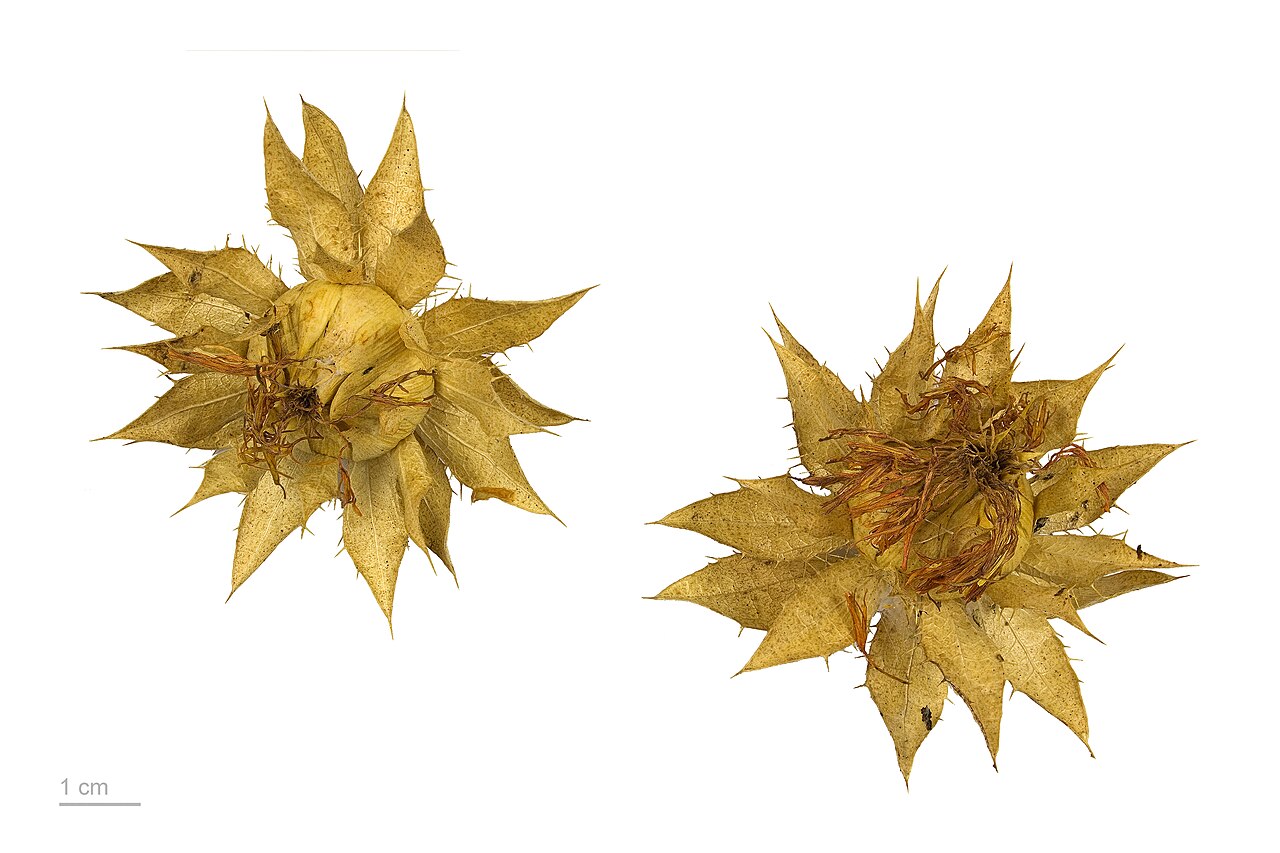
Safflower (Carthamus tinctorius) is an ancient oilseed crop — the same plant pressed for cooking oil — grown in the northern Plains and sold to bird feeding as white, angular, thick-shelled seeds about the size of a popcorn kernel. The shell is hard enough that small-beaked birds work at it, and the seed’s natural bitterness is the whole reason you’re reading this page.
I first ran safflower twenty years ago in an Ohio yard where gray squirrels were emptying a hopper every two days. Within ten days of the switch the squirrels were gone, the grackle mob had thinned to nothing, and the cardinal pair — which had been muscled off the feeder all spring — was feeding twice a day. I’ve recommended it as the first move against feeder bullies ever since.
Who Eats It, Who Refuses It
| Bird or Pest | Safflower Verdict | Notes from 30 Years of Feeders |
|---|---|---|
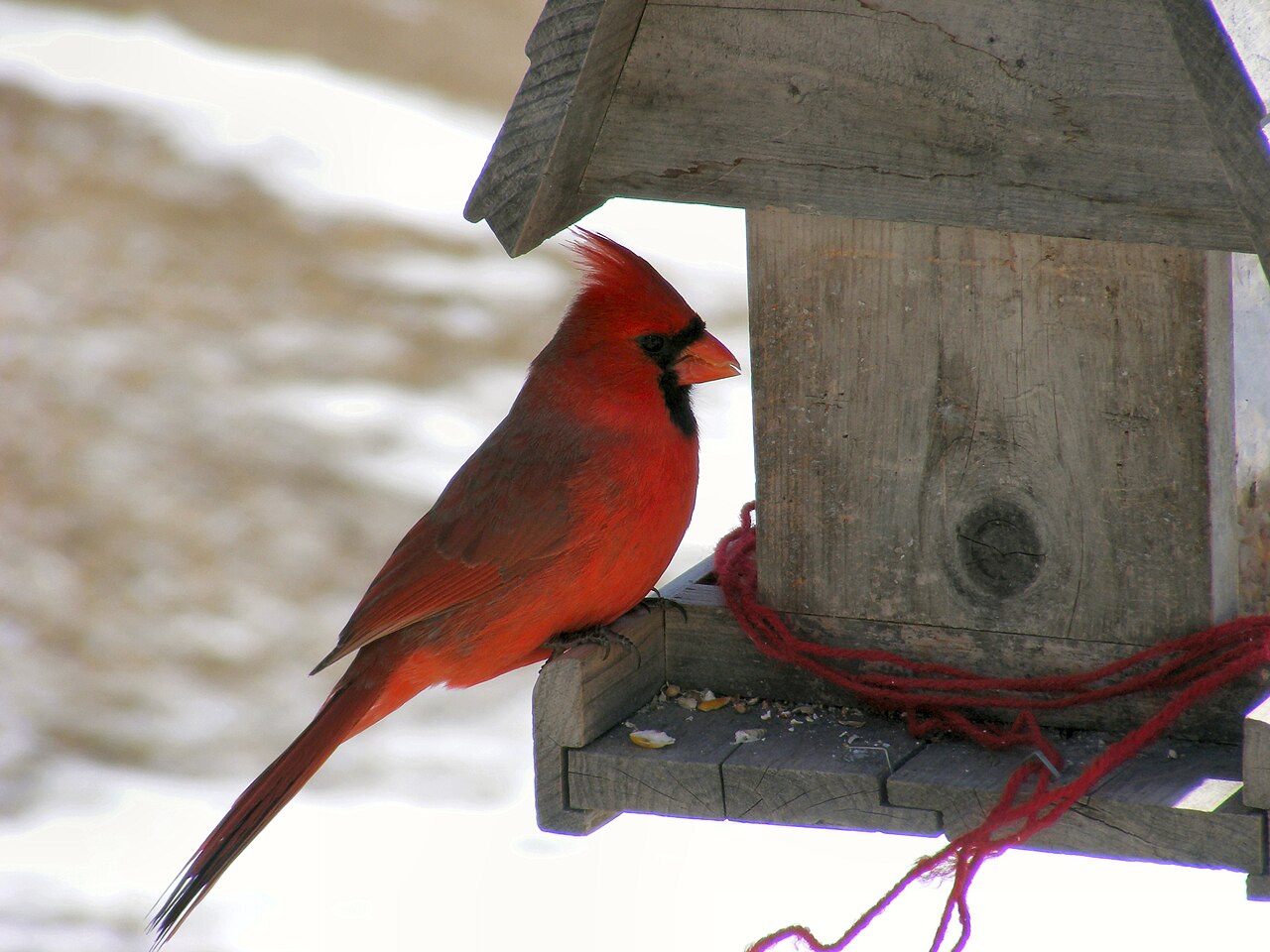
| Northern Cardinal | Loves it | The safflower poster bird; often prefers it |
| Chickadees | Takes it | Reliable once they learn it |
| Tufted Titmouse | Takes it | Carries seeds off to hammer open |
| Mourning Doves | Takes it | Clean up everything below |
| House Finches | Takes it | After a short adjustment period |
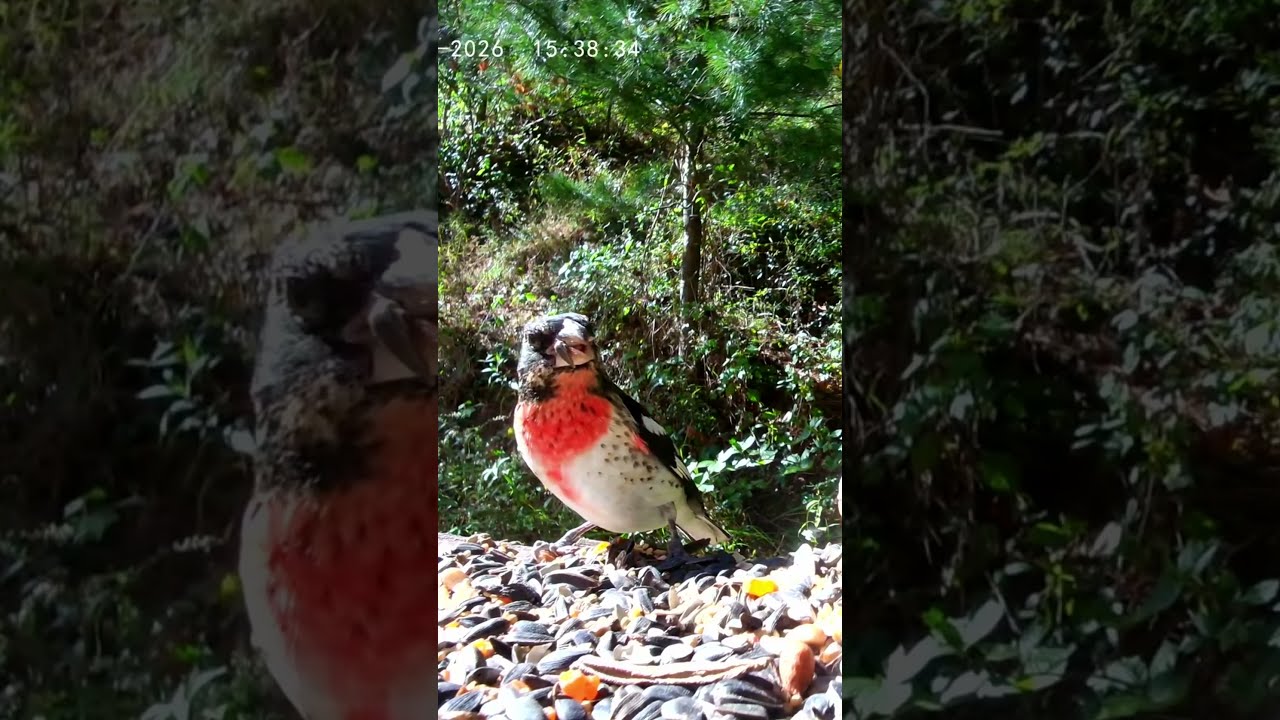
| Grosbeaks | Takes it | Bills built for hard seeds |
| Gray & fox squirrels | Refuses it | One taste, usually permanent |
| Grackles & starlings | Refuses it | The mob thins within days |
| House Sparrows | Variable | Some populations eat it — test your yard |
One honest caveat: refusal is a tendency, not a law. A desperate midwinter squirrel will eat safflower, and a few chipmunks and House Sparrows never got the memo. But as a population-level filter, nothing else in the seed aisle works this well for this little money.
The Gradual Switch (Don’t Just Swap the Bag)
Birds are conservative about food changes — dump pure safflower into a feeder that ran sunflower yesterday and you’ll watch a week of suspicious fly-bys. The protocol that works every time:
- Week 1: 25% safflower, 75% black oil sunflower. The birds feed around the white seeds at first; that’s fine.
- Week 2: 50/50. By midweek the cardinals and chickadees are taking safflower deliberately.
- Week 3: 75% safflower. Squirrel and grackle traffic is already measurably down.
- Week 4: pure safflower in the bully-proofed feeders — with one sunflower station kept elsewhere if you want to hold the finch crowd, some of whom never fully convert.
Best Feeders for Safflower
Safflower’s hard shell and angular shape suit hoppers and platforms best — the big-billed birds that love it (cardinals, grosbeaks, doves) feed standing on floors. It flows acceptably through large-port tubes, but small-port finch tubes clog and frustrate the small birds trying to work it. Ground-feeding a light scatter under cover serves the dove and cardinal ground shift. What safflower never belongs in is a nyjer feeder — obviously — and I’d skip it in any feeder you can’t empty and inspect weekly, since the thick shell hides internal moisture longer than sunflower.
Storage & Freshness
The thick shell that frustrates squirrels also protects the seed: safflower keeps a full year in a sealed metal can in a dry garage, noticeably longer than chips or nyjer. Same rules as any seed — freeze new bags for a week to kill grain pests, buy from fast-turnover stock, and reject any bag that smells musty. In the feeder, safflower weathers rain better than most seed but still molds eventually; empty and inspect weekly as routine.
The Cost Math
Safflower typically costs about the same as black oil sunflower per pound, sometimes a dollar or two more per bag. The true comparison is against what bully pressure costs you: if squirrels and grackles eat half your sunflower — common in unfenced suburban yards — then safflower at a small premium is the cheapest seed you can buy, because nearly all of it reaches a bird. Run the two-week switch and check your refill interval; mine nearly doubled the first season.
7 Safflower Mistakes I’ve Made So You Don’t Have To
- Swapping 100% overnight. Birds boycott sudden food changes. The four-week blend schedule is the whole trick.
- Judging it in three days. Cardinals take a week to trust a new seed; squirrels take a week to quit. Give the switch fourteen days before you vote.
- Putting it in a finch tube. Small ports plus hard angular seed equals clogs. Hoppers and platforms only.
- Expecting it to stop a starving squirrel in February. It’s a filter, not a force field. Keep the baffle too.
- Ditching sunflower entirely. Some finches never fully convert; one sunflower station keeps the whole crowd.
- Never emptying the feeder. The thick shell hides damp — weekly empty-and-inspect, same as any seed.
- Buying musty stock. Safflower’s shell protects it so well that old stock looks fine; smell the bag seam before you buy.
Frequently Asked Questions
- Safflower filters by taste — cardinals and chickadees stay; squirrels, grackles and starlings quit.
- Switch gradually — 25% blends over four weeks, or the birds boycott the change.
- Hoppers and platforms only — the hard angular seed clogs small-port tubes.
- It’s a filter, not a force field — keep the baffle for February desperation.
- Shell protects freshness — a year in a sealed can; weekly empty-and-inspect in the feeder.
- Do the real math — seed that reaches birds beats cheap seed that feeds squirrels.
- Keep one sunflower station if your finch crowd matters to you.