
How to Prevent Window Collisions

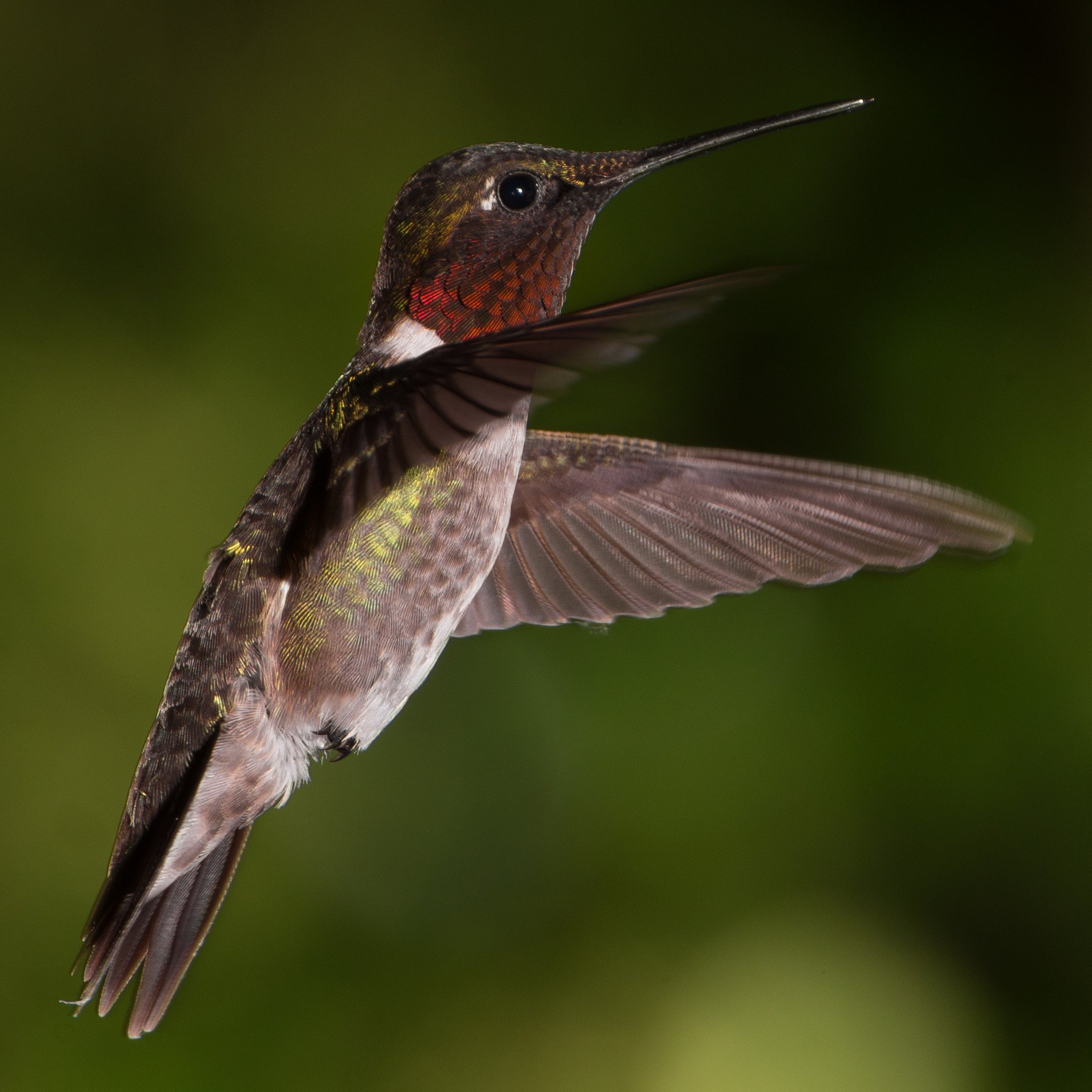
How to Stop Birds Hitting Windows
How do I stop birds from hitting my windows?
Break up the reflection on the outside surface of the glass. Apply decals, tape or film in a grid no wider than 2 inches apart vertically and 4 inches horizontally (the “2×4 rule”), because anything sparser reads as open airspace to a flying bird. Then fix your feeder placement: move feeders to within 3 feet of the window (birds can’t build lethal speed) or beyond 30 feet (they have room to recognize the barrier). Interior curtains and single hawk silhouettes do almost nothing — the spacing and the outside surface are everything.
Why Birds Hit Glass in the First Place
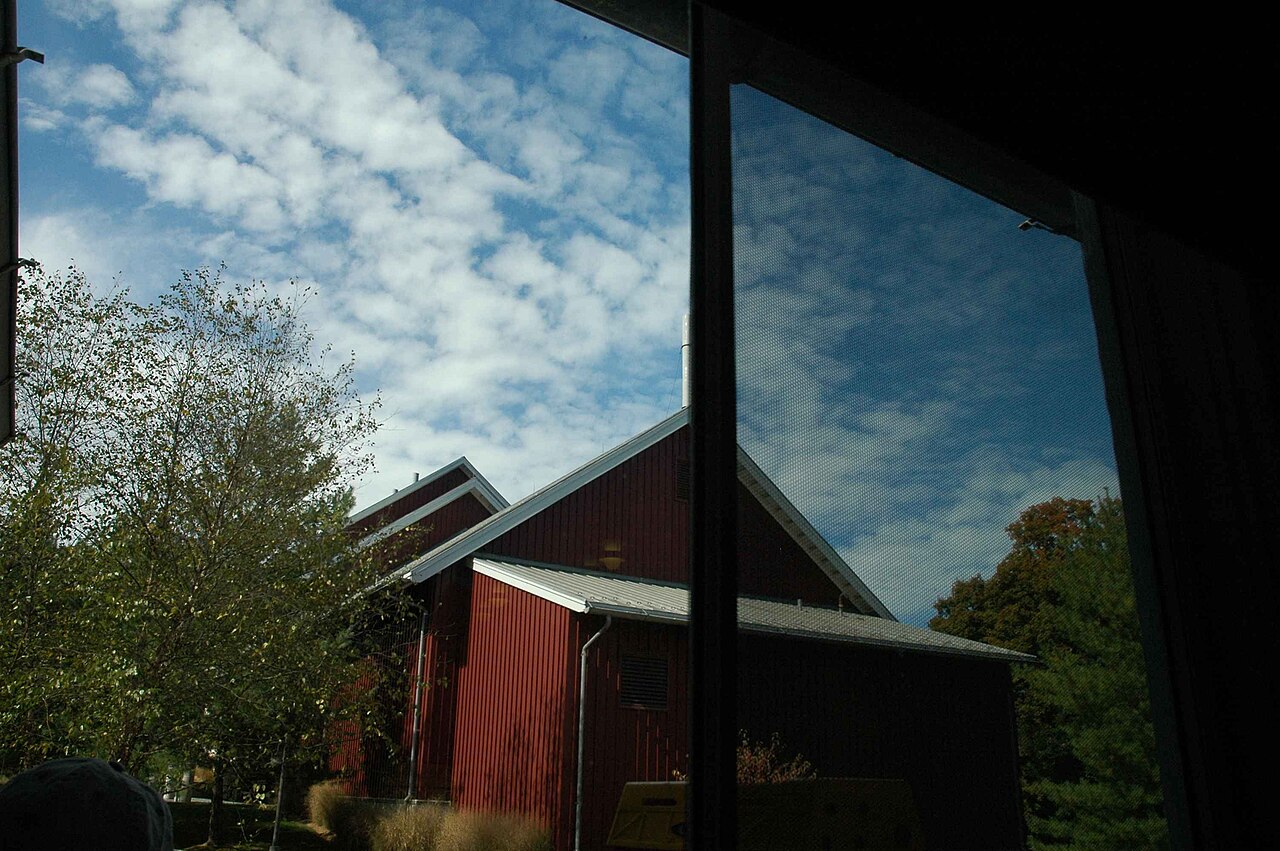
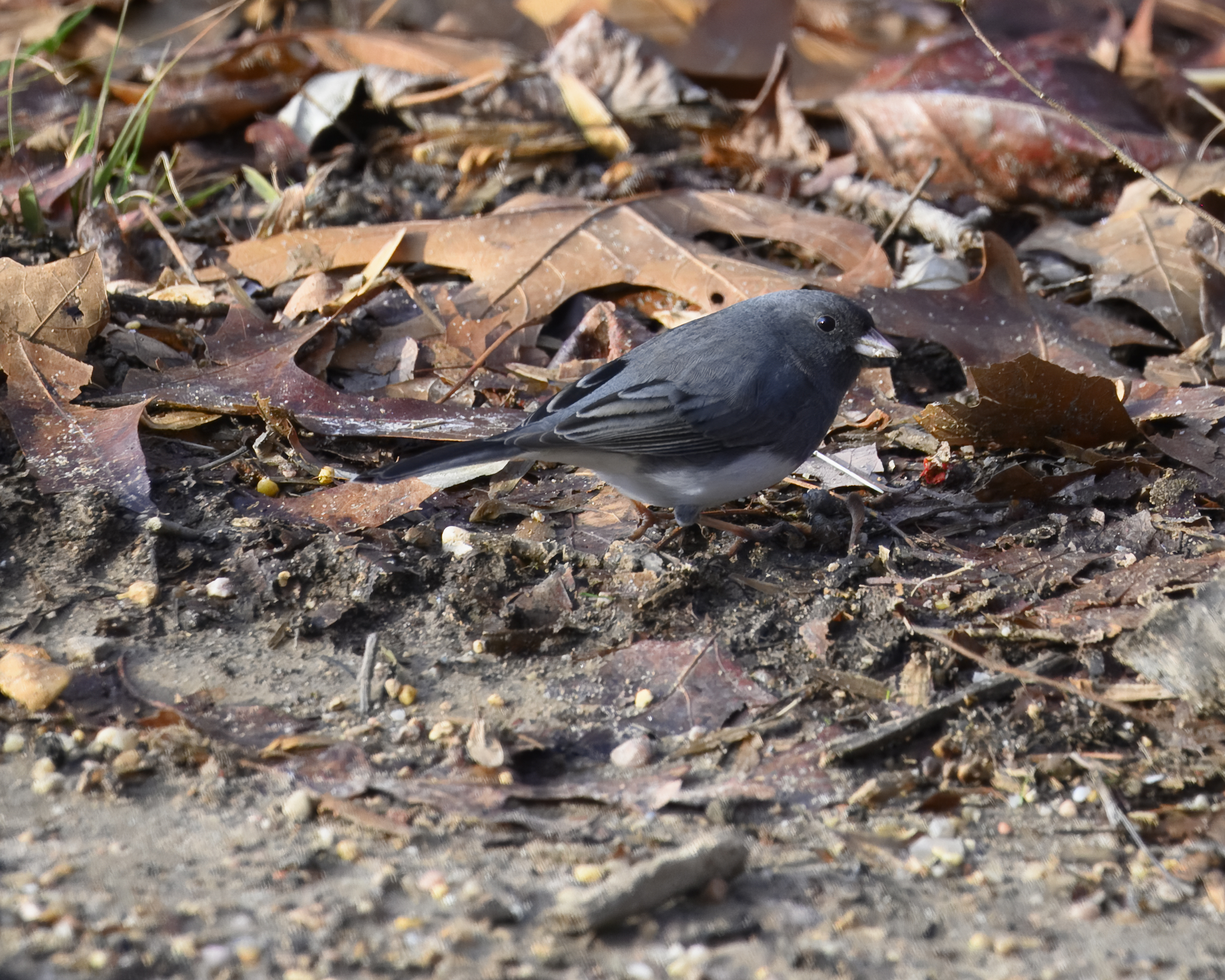
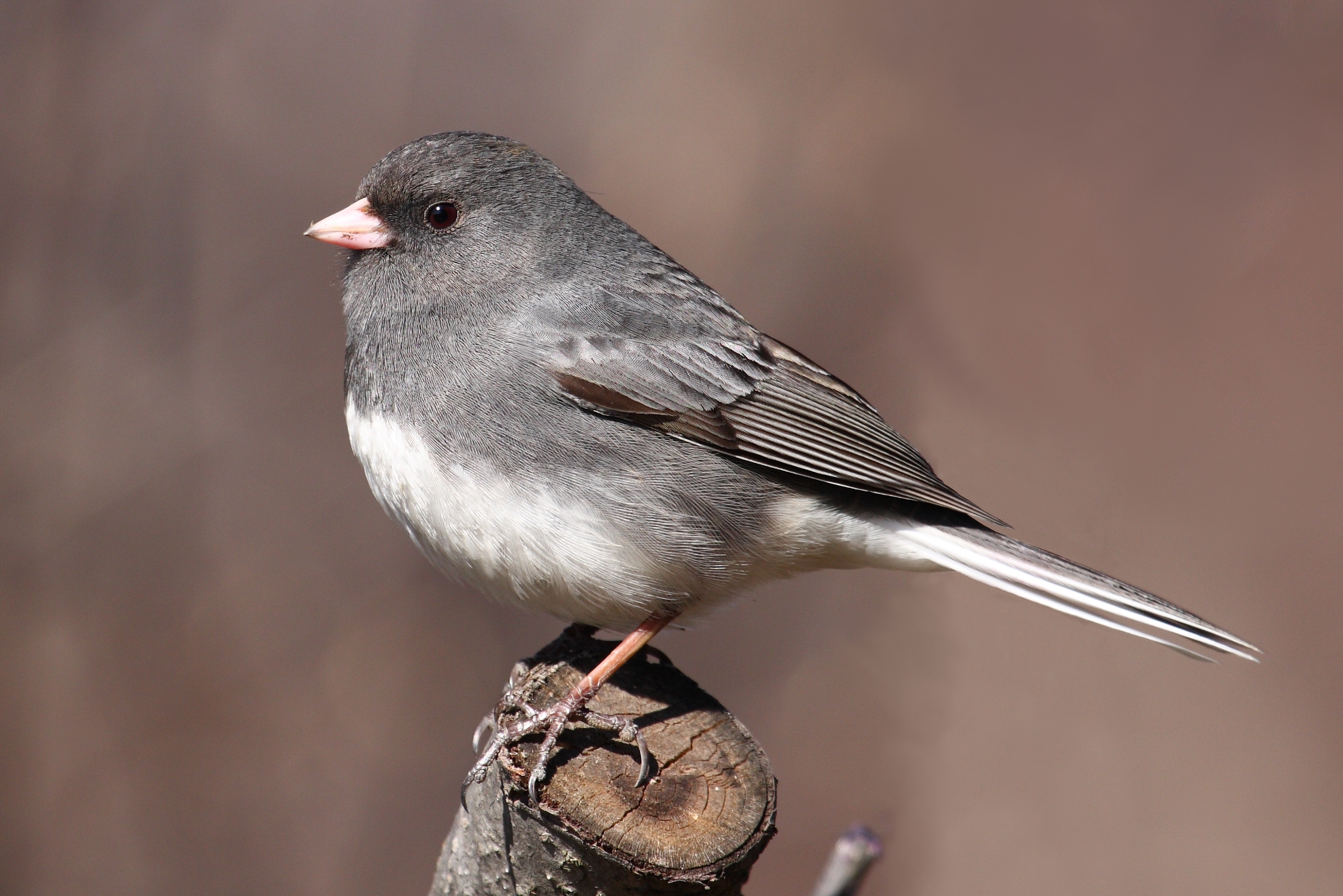
A window is not an obstacle to a bird — it’s a lie. In daylight, glass either reflects the sky and trees in front of it or shows a tunnel through to greenery on the other side. A Dark-eyed Junco flushing from a predator sees reflected branches and flies straight into them at 20 mph. The impact stuns or kills outright; estimates for the United States run as high as a billion birds a year, and ordinary homes — not skyscrapers — account for the largest share simply because there are so many of them.
I’ve picked up strike victims under my own windows for thirty years: juncos in November, a Cedar Waxwing flock that hit a picture window next to a fruiting crabapple, and once a Cooper’s Hawk that chased a Mourning Dove into the glass and sat on the deck looking embarrassed for ten minutes. Every one of those strikes was preventable, and after I treated my worst window the body count there went to zero. Not down — zero.
Strikes peak in two seasons: spring and fall migration, when millions of unfamiliar birds are moving through unfamiliar neighborhoods at night and feeding low by day; and fledging season, when naive juveniles are learning the landscape. But a reflective window next to a busy feeder kills in every month of the year.
The 3/30 Feeder Rule — The Cheapest Fix You Own
Before you buy a single decal, look at where your feeders hang. Feeder birds are the most frequent strike victims because a flushed finch accelerates from zero toward whatever looks like cover. The physics give you a free solution:
| Feeder Distance from Window | Collision Risk | Why |
|---|---|---|
| Under 3 feet | Very low | Birds can’t reach injurious speed in such a short flight; a startle ends in a harmless bump |
| 3 – 30 feet | Danger zone | Enough distance to build full flight speed toward a reflection that reads as habitat |
| Over 30 feet | Low | Birds have time and distance to perceive the house as a structure, not a flyway |
Most people hang feeders at 10–15 feet “so we can see them from the sofa” — which is the exact center of the danger zone. I run my main station at 30 inches from the kitchen window. The viewing is spectacular (you’ll read a chickadee’s eye rings without binoculars), the birds flush harmlessly against the glass a few times a week, and in twenty years at that distance I’ve never had a fatality at that window. The Wisconsin and Minnesota birding communities have documented the same pattern for decades.
Solutions That Actually Work
Everything that works shares one principle: it sits on the outside of the glass and breaks the reflection into pieces smaller than a bird’s body. Ranked by effectiveness:
1. External screens and netting (best)
A standard insect screen on the outside of a window eliminates strikes almost completely — the mesh shatters the reflection and physically cushions any bird that does misjudge it. If your windows have removable screens, put them on and leave them. Bird-specific netting (sold as “bird strike netting”) hung a few inches off the glass works the same way for picture windows without screens.
2. Acopian BirdSavers / “zen curtains”
Vertical cords hung 4 inches apart across the outside of the window. They’re cheap to make from paracord, they move in the breeze (motion helps birds see them), and they look far better than they sound. I’ve run them on a bay window for a decade; the strike count there went from several a year to none.
3. External tape and film grids
Translucent or dotted external films applied in the 2×4 pattern — rows no more than 2 inches apart vertically, columns no more than 4 inches apart horizontally. This spacing isn’t arbitrary: it matches the wingspan and body profile of the smallest common striker, so no bird “aims” for a gap it can fit through. UV-reflective versions are visible to birds but nearly invisible to us, though in my experience the subtly visible versions are easier to install evenly.
4. Tempera paint, soap, or a paint marker
The budget option that genuinely works: draw a grid on the outside glass with tempera paint or a wet-erase marker. It washes off with the next rainstorm, which is also its weakness — plan to reapply. For a migration-season emergency (say, a bird just died at your window this morning), a bar of soap and ten minutes will protect the rest of the week’s migrants.
5. Awnings, shutters, and closed blinds at the right hours
Anything that shades or covers the outside surface during peak flight hours — the first two hours after sunrise — reduces strikes meaningfully. It’s a supporting measure, not a complete one.
What Doesn’t Work (So Stop Buying It)
Thirty years of watching people waste money, so you don’t have to:
- A single hawk silhouette in the middle of a big window. The classic decal fails because birds don’t fear a stationary shape — they just route around the one dark patch into the reflective glass on either side. One sticker on a 4×6-foot window protects maybe 2% of it.
- Anything on the inside of the glass. Curtains, interior decals, houseplants on the sill — the reflection forms on the outer surface, so interior objects vanish behind the mirror effect at most viewing angles. Interior measures are only useful on the “tunnel” problem (seeing through two aligned windows), and even then they’re second-rate.
- Widely spaced decals. Six stickers on a sliding door is decoration. If you can see open reflective glass between marks, so can the bird.
- Fake owls and snakes. Birds habituate to a motionless plastic predator within days. I’ve watched House Finches perch on one.
- Wind chimes and spinning yard ornaments. The motion is in the wrong place — it’s beside the window, not on the reflection.
From the field: the test I give every “miracle product” is simple — stand outside at the bird’s flight angle and look at your window. If you can see sky or trees reflected between the product’s marks, a bird can too.
Helping a Stunned Bird
You heard the thump. Now what:
- Go out and look immediately. A stunned bird on the ground is a sitting target for cats, and neighborhood cats learn strike windows fast.
- If it’s alive but dazed, gently place it in a small cardboard box or paper bag with air holes, close it, and set it somewhere quiet, dark and safe from pets — a garage shelf or closet floor. Darkness calms the bird and prevents it from battering itself.
- Do not give food or water. A concussed bird can’t swallow safely, and forcing either can kill it.
- Wait 1–2 hours. Most stunned birds recover in that window. Take the box outside, open it, and step back. A recovered bird bursts out and flies; one that doesn’t needs a licensed wildlife rehabilitator.
- If it hasn’t recovered in 2–3 hours, or you see blood, a drooping wing, or a tilted head, call a rehabilitator. Search your state wildlife agency’s directory — in the U.S., most states maintain one online.
- Then fix the window. The bird that hit this morning was the warning. Treat the glass before the next one pays for the lesson.
A hard truth from long experience: roughly half of window-strike birds that fly away later die of internal injuries. “It flew off” is not the same as “it’s fine” — which is why prevention beats rescue every single time.
Lights Out, Migration, and the Bigger Picture
Most songbirds migrate at night, navigating by stars, and artificial light pulls them off course into buildings and into dawn window strikes. Turning off exterior lights and drawing blinds during peak migration (roughly mid-March to early June and mid-August through October, varying by latitude) measurably reduces casualties. The national “Lights Out” programs started with skyscrapers, but the porch light over your White-throated Sparrow stopover habitat matters too.
Inside your own yard, the full protection stack looks like this: feeders inside 3 feet or outside 30 feet, the worst windows treated on the outside surface, berry shrubs planted away from big glass, outdoor cats kept in, and lights off during migration nights. Do those five things and your yard stops being a hazard and becomes what you intended — a refuge.
7 Window Mistakes That Keep Killing Birds
- Putting decals on the inside. The reflection lives on the outside surface; interior marks disappear behind it.
- Spacing marks wider than 2×4 inches. Birds aim for gaps. A body-width gap is a target.
- Hanging feeders 10–15 feet out. The deadliest distance — full speed, false sky ahead.
- Trusting one hawk silhouette. It protects a few square inches and impresses only humans.
- Planting berry shrubs against picture windows. Waxwing and robin flocks feed fast, flush fast, and die at glass beside the buffet.
- Assuming a flying bird “got away with it.” Internal injuries kill many birds hours after they leave your yard.
- Waiting for the next strike to act. Every untreated problem window is a matter of when, not if.
Frequently Asked Questions
- The fix goes on the OUTSIDE — the reflection lives on the outer surface, so interior measures barely count.
- Obey the 2×4 rule — marks no more than 2 inches apart vertically, 4 inches horizontally; birds aim for gaps.
- Use the 3/30 feeder rule — inside 3 feet or outside 30 feet; the middle zone kills.
- Screens and hanging cords are the gold standard — cheap, effective, proven.
- One hawk silhouette is decoration — spacing matters, not the shape.
- Stunned birds need a dark box, not water — 1–2 hours, then release or call a rehabilitator.
- Kill the lights on migration nights — spring and fall, porch lights off, blinds drawn.