
Stop Birds Attacking Windows

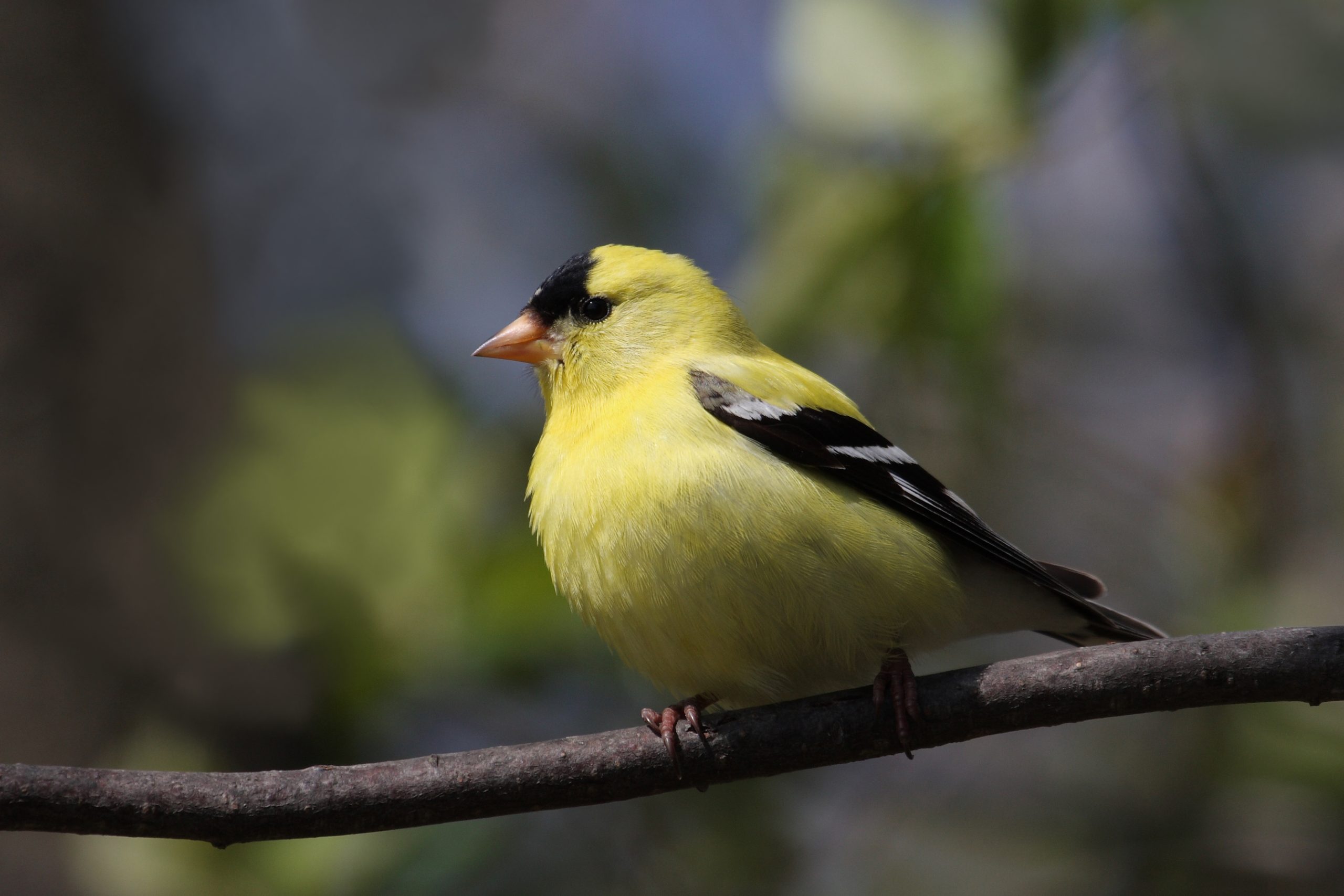
How to Stop Birds Attacking Windows & Mirrors
Why does a bird keep attacking my window, and how do I stop it?
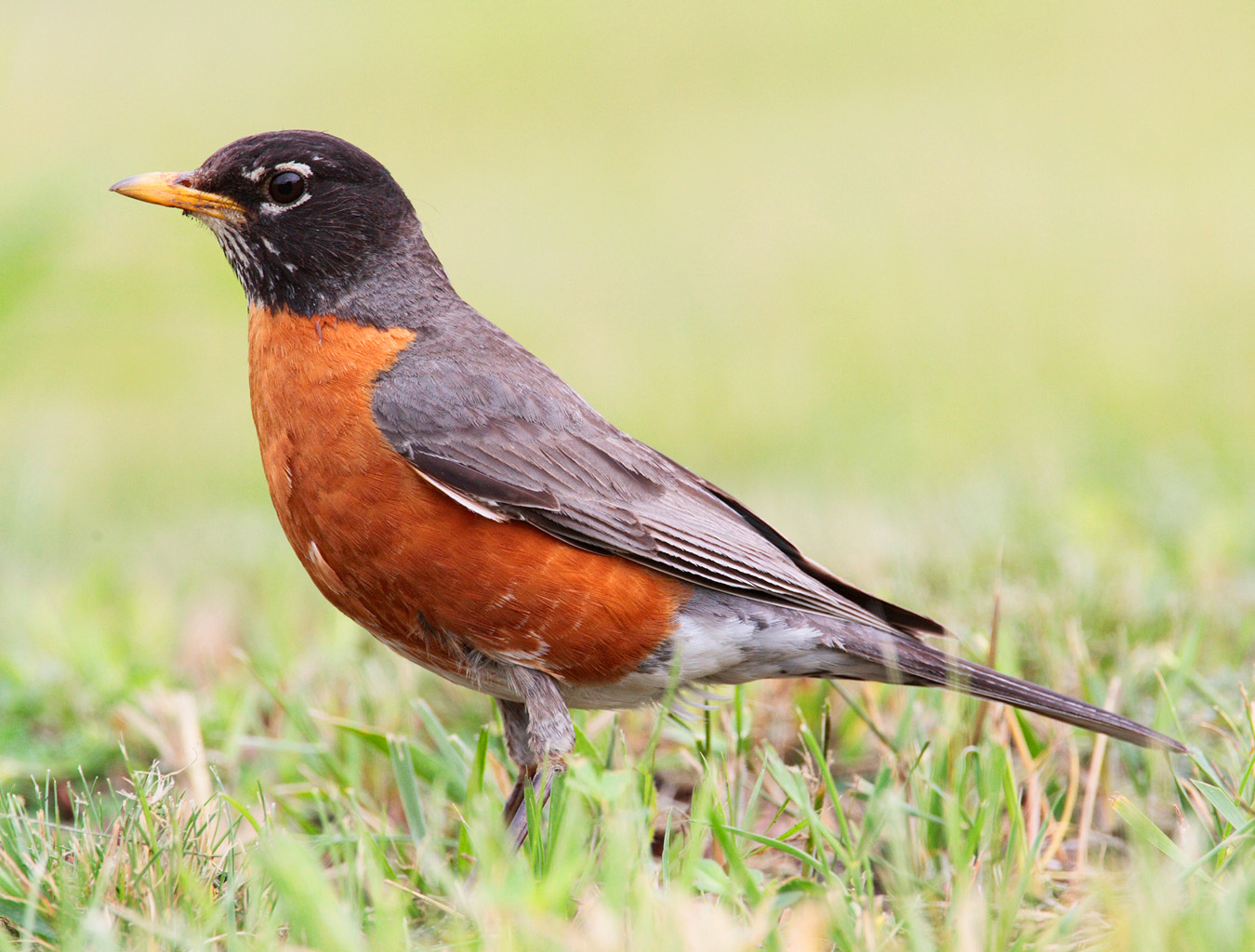
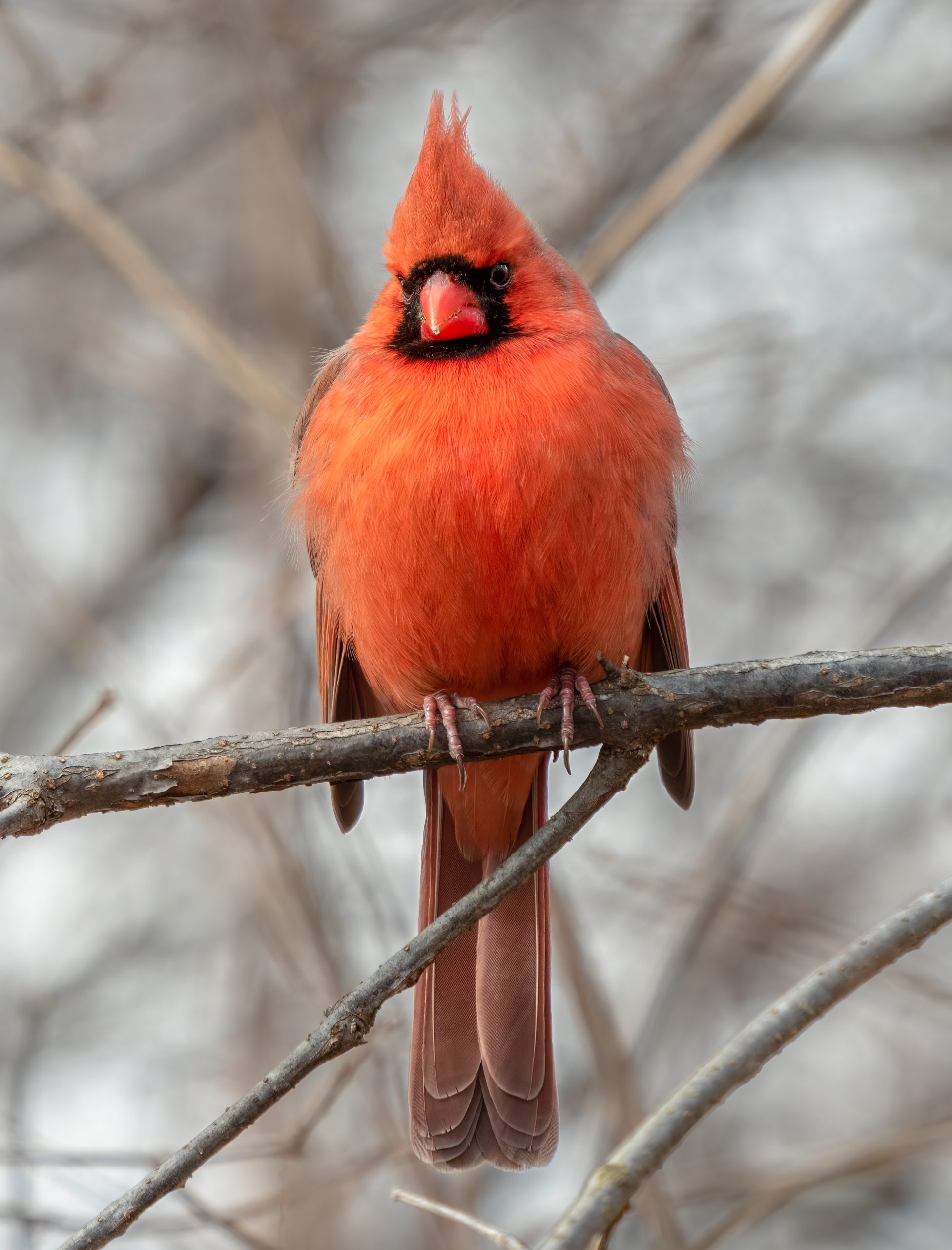
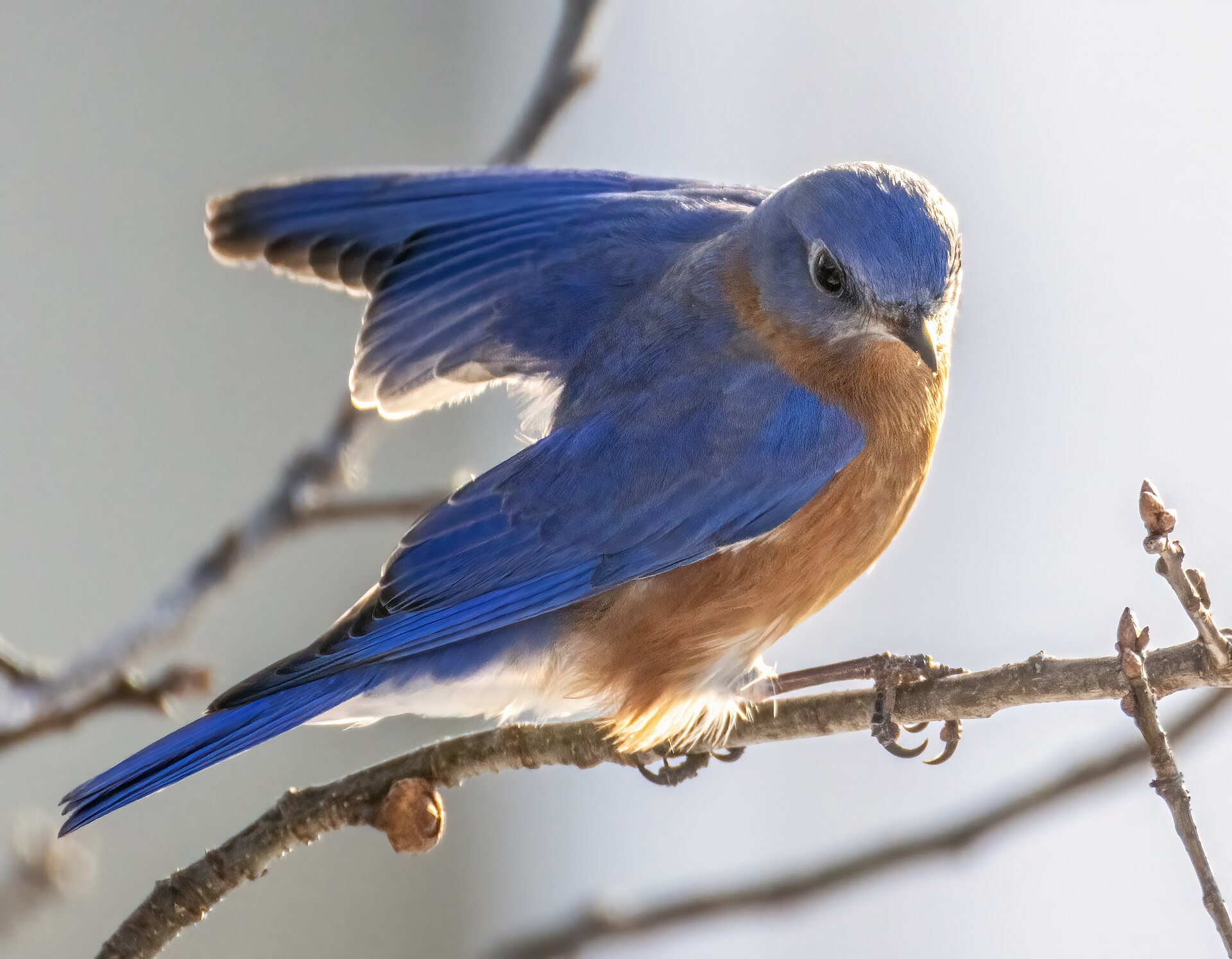
That bird — usually a cardinal, robin or bluebird — sees its own reflection as a territorial rival and is trying to drive the intruder out. It happens almost exclusively in spring breeding season. The fix is to kill the reflection from the outside: cover the glass with soap, tempera paint, newspaper, or an external screen until hormones subside. The attacks are annoying but rarely fatal — unlike true window collisions — and the behavior typically ends on its own in a few weeks. Your job is to protect the bird (and your sanity) until it does.
What’s Actually Happening: Territorial Reflection Attacks
This behavior has nothing to do with a bird failing to see glass. It’s the opposite: the bird sees the glass perfectly — and sees another male in it. In breeding season, songbirds defend territories against rivals of their own species. A male Northern Cardinal in April testosterone spots a red male in the window, sings at it, and when the stranger sings back and refuses to leave, escalates to physical attack. He’ll peck, flutter, and buffet the glass for hours, day after day, because the rival never submits and never leaves.
The bird is exhausting itself over a phantom, and repeated impacts can injure its bill and eyes over a long campaign. I’ve watched one cardinal in a Michigan yard work the same window every morning for six weeks — he’d arrive at dawn, fight his reflection until mid-morning, feed, and return for an afternoon session. The family named him, which is what always happens. He was the reason I learned everything in this guide.
Key signatures that you’re dealing with reflection attacks, not collisions:
- Same bird, same window, same times daily — often dawn and late afternoon.
- Fluttering and pecking, not high-speed impact — the bird approaches slowly and deliberately.
- Spring and early summer timing — breeding season, roughly March through July depending on latitude.
- The bird perches nearby between attacks, guarding its territory from the “intruder.”
The Usual Suspects
| Species | How Common | Notes |
|---|---|---|
| Northern Cardinal | The champion | The most frequent window-fighter in North America; fiercely territorial, nests low near houses |
| American Robin | Very common | Big, persistent, and strong enough to leave smudges and droppings in quantity |
| Eastern Bluebird | Common in bluebird country | Notorious car-mirror attackers |
| Mockingbirds (where present) | Occasional | Territorial year-round; the few that start rarely stop on their own |
| Towhees, sparrows | Occasional | Usually shorter campaigns, a week or two |
The pattern to note: the chronic offenders are species that nest close to houses and defend territories in your actual yard. The window is inside their territory boundary, and the reflection is, to them, a rival who moved in and won’t back down. You can’t reason with April hormones — you can only erase the rival.
Fixes That Work: Erase the Reflection
Every working solution shares one principle: it covers or disrupts the outside surface so no reflection forms. Inside measures fail for the same reason they fail against collisions — the mirror is on the outside.
Fast, free, immediate (do these today)
- Soap the outside glass. A bar of soap rubbed over the exterior pane kills the reflection instantly and washes off later. Ugly for two weeks, effective from minute one.
- Tempera paint or window chalk. Same principle, slightly neater, rain-soluble.
- Newspaper or brown paper taped to the outside. The zero-cost blackout; the bird loses interest within a day or two when no rival appears.
Durable (if the bird is a repeat offender or the window is prominent)
- External insect screens. If the window has one, install it — the mesh eliminates the reflection entirely.
- External netting or shade cloth hung a few inches off the glass.
- External anti-reflection film — the same collision-prevention films work here.
Supporting tactics
- Close the blinds anyway. It doesn’t kill an exterior reflection, but it removes interior light and the “tunnel” view, which sometimes shortens the campaign.
- Remove the trigger perch. If the bird stages from one particular branch or the side-view mirror, temporarily block that perch.
- Wait it out in parallel. Cover the glass AND accept the timeline: most campaigns collapse within one to three weeks once no rival appears, and breeding intensity fades on its own by midsummer.
From the field: don’t bother with fake owls, rubber snakes, or predator decoys for this problem. The cardinal isn’t afraid of owls in April — it’s looking for a fight, and your plastic owl reads as another rival to some individuals. Cover the glass; it’s the only language that works.
Car Mirrors: The Special Case
If you’ve found droppings streaked down a car door and flutter marks on the side-view mirror, you have a bluebird, cardinal or robin working your driveway. Side mirrors are perfect little rivals: convex, bright, and at perch height. The fix takes ten seconds:
- Fold the mirrors in if your car allows it — done, instantly.
- Slip a sock or plastic bag over each mirror when parked; the classic rural solution because it works.
- Park in a different spot or the garage for two weeks — moving the “rival” out of the territory ends the siege faster than any covering.
The behavior peaks at dawn, so overnight covering handles the worst of it. Once the pair’s first brood hatches and the male’s attention shifts to feeding chicks, the attacks usually stop on their own.
How Long Does This Last?
| Phase | Typical Duration | What to Expect |
|---|---|---|
| Onset | March–April (earlier in the South) | Attacks begin suddenly, at dawn, as territories lock in |
| Peak | 2–4 weeks | Daily sessions, hardest in early morning; this is when covering matters most |
| Decline | As first brood hatches | Sessions shorten; feeding chicks displaces reflection-fighting |
| Second wave | Possible with second broods | A milder repeat in June–July for some individuals |
| Next year | Often returns | The same bird may fight the same window next spring — keep the soap handy |
The honest framing: you’re managing a few weeks of noise and smudges, not a permanent war. Cover the glass the day the attacks start and you’ll usually never see the campaign peak.
Reflection Attacks vs. Window Collisions: Know Which Problem You Have
| Reflection Attack | Window Collision | |
|---|---|---|
| What you see | Same bird fluttering and pecking daily | A thump; a stunned or dead bird on the ground |
| Cause | Bird sees its reflection as a rival | Bird fails to see glass at all |
| Season | Spring/early summer breeding | All year, peaks in migration |
| Danger | Low — exhaustion, bill wear | High — frequently fatal |
| Primary fix | Cover the outside surface temporarily | Permanent 2×4 pattern markings, feeder placement |
| Who’s at risk | Cardinals, robins, bluebirds | Everything, especially migrants and feeder birds |
The two problems share a surface (the outside of the glass) but not a solution timeline: attacks call for temporary cover, collisions call for permanent markings and the 3/30 feeder rule. A yard with both problems needs both fixes — and if you’re covering the window for a spring attacker anyway, consider leaving permanent external markings up when the breeding season ends.
7 Mistakes People Make With Window-Fighting Birds
- Covering the inside of the glass. The rival lives on the outside surface; curtains don’t erase him.
- Setting out predator decoys. Hormonal territory holders don’t scare; some attack the owl too.
- Chasing or spraying the bird. He returns in minutes — the territory includes you.
- Waiting for him to “figure it out.” Reflections don’t submit, so he never wins, so he never stops. Intervene.
- Only covering part of the pane. The uncovered corner still shows a rival; cover the full reflective area.
- Uncovering after two quiet days. Test with a partial uncovering; a renewed attack means one more week.
- Panicking about the bird’s health. Attacks look violent but are low-speed; real danger is rare. Cover the glass and relax.
Frequently Asked Questions
- It’s a territorial rival, not confusion — the bird sees its reflection and fights it.
- Cardinals, robins, bluebirds are the usual suspects; spring is the season.
- Cover the OUTSIDE surface — soap, paper, screens; interior fixes don’t reach the mirror.
- Attacks rarely injure — annoying, not lethal; collisions are the deadly problem.
- Car mirrors: fold, sock, or move the car — ten-second fix.
- Most campaigns end in weeks — cover early and you may never see the peak.
- Skip the plastic owl — cover the glass; it’s the only language that works.