
How to Feed Nyjer Seed


How to Feed Nyjer & Thistle Seed
What’s the right way to feed nyjer seed?
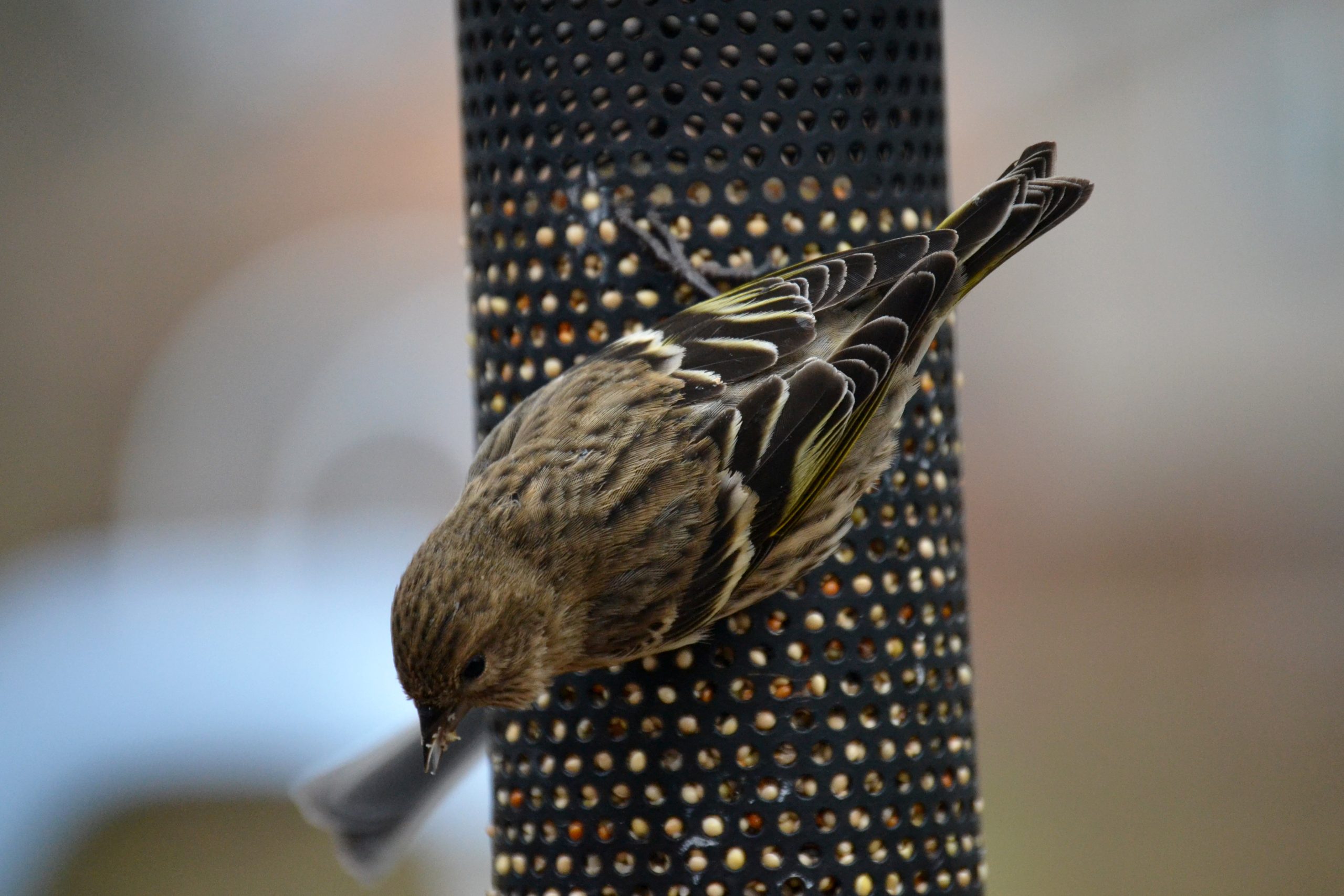
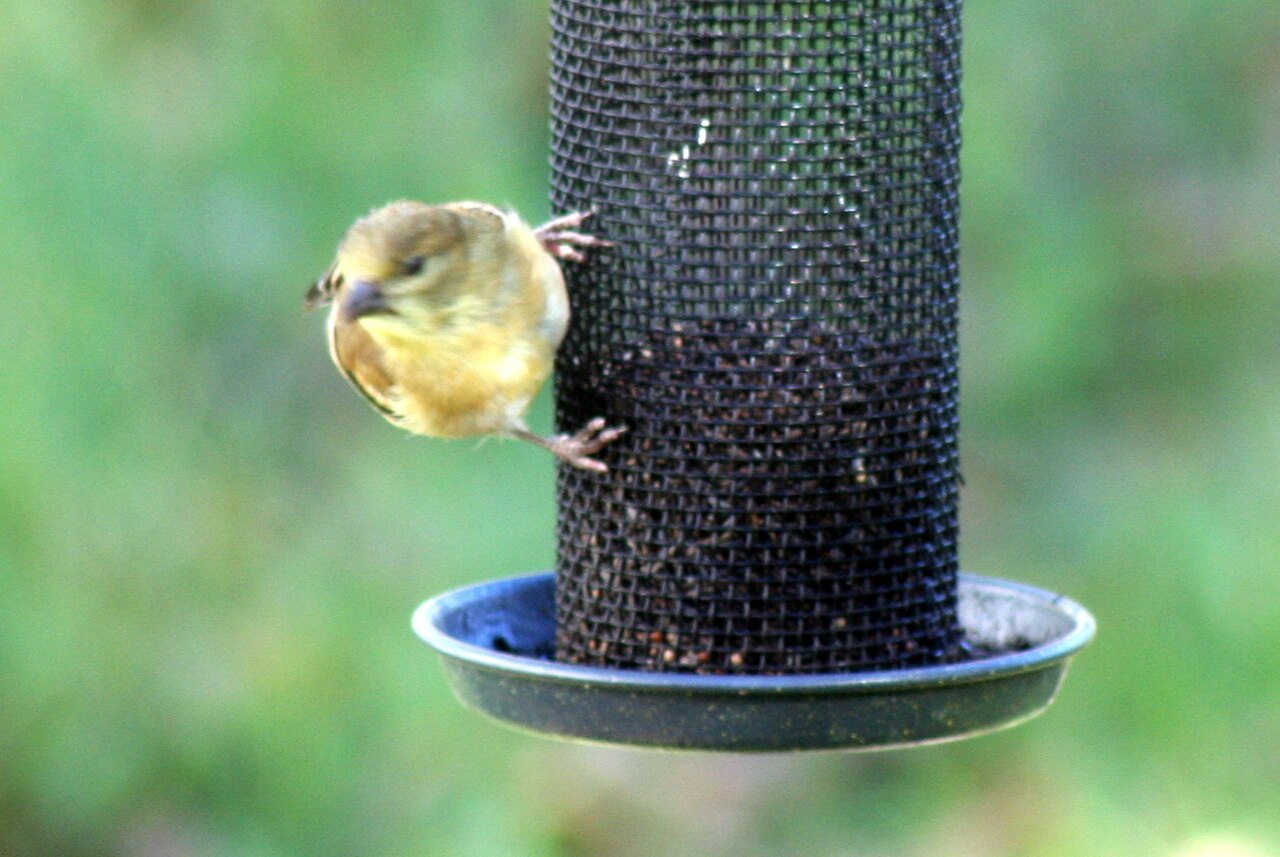
Serve it in a mesh feeder or small-port tube — standard ports spill it — and manage it like produce: fill only a third to half full, empty completely every week, never top off, and dump it after any soaking rain. Fresh nyjer flows like black sand and leaves an oil spot when crushed; clumped or powdery seed is dead and finches will boycott it. Expect goldfinches and siskins within days of a fresh fill, and don’t panic when the feeder empties of birds every September — wild seedheads always win early fall. Feeder discipline, not seed brand, is what separates busy nyjer stations from empty ones.
Step One: The Feeder Decides Everything
Nyjer is a millimeter-wide seed with a mission to escape. Before any feeding strategy matters, the hardware has to hold the seed and present it at bill height:
| Feeder | Capacity | Weather | The Verdict |
|---|---|---|---|
| Stainless mesh tube | Highest — birds cling anywhere | Good drainage, dries fast | The workhorse; my default |
| Thistle sock | High while it lasts | Soaks in rain, molds fast | Cheap audition; replace monthly in wet climates |
| Small-port tube | One bird per port | Best seed protection | The tidy choice for small flocks |
| Standard seed tube | — | — | Wrong tool — ports dump nyjer |
| Open platform | — | — | Wrong tool — wind scatters it |
Placement: hang it where goldfinches already stage — small trees or tall shrubs within 15 feet — in light shade if you can manage it. Direct afternoon sun accelerates the oil rancidity that empties feeders. Squirrel resistance is built in (the seed’s too small and oily to interest most), but plastic mesh gets chewed; stainless ends that conversation.
Fill Rules: Why Half-Empty Beats Full
The counterintuitive core of nyjer management: a partially filled feeder outperforms a full one. Here’s the logic I drill into every new feeder host:
- Seed stratifies. In a stuffed feeder, the bottom third sits untouched for weeks while birds work the top — and that bottom third is quietly going rancid.
- Fill a third to half. The flock cycles the entire fill within days, so every seed is fresh seed.
- Empty completely once a week. Not top off — empty. Dump the remainder (if it’s still good, the doves on the platform will take it), brush the feeder out, refill fresh.
- Scale the fill to the flock. Two goldfinches get a quarter-fill; a January siskin invasion earns a full feeder refilled every few days. The feeder should nearly empty between visits — that’s the calibration.
- Match the bag to the month. Buy what you’ll use in four to six weeks. Nyjer is the one seed where warehouse economics reverse.
From the field: when I consult on a “dead” finch station, I dump the feeder first. Eight times in ten the bottom two inches are a gray, clumped fossil layer the birds have been refusing for weeks while politely eating around it. The host saw a “full feeder.” The birds saw a garnish on garbage.
Clumping, Mold, and the Rain Protocol
Nyjer’s nemesis is moisture. The seed is so fine that a single wet day mats it into a paste at the ports, and mold follows within 48 hours — often invisibly, in the layer just under the surface. Finches taste it immediately and leave, which is why rain week is when “my goldfinches disappeared” emails arrive.
The protocol after any soaking:
- Squeeze-test the seed. Grab a handful from low in the feeder: fresh nyjer flows through your fingers like sand; damp seed clumps and holds a shape.
- Clumped = dump. No salvage, no stirring, no “it’ll dry out.” Mold you can’t see is the whole problem.
- Brush the feeder dry. Bottle brush through ports and mesh; leave it open to air-dry fully before refilling.
- Monthly deep clean. Ten minutes in 1:9 bleach solution, double rinse, full sun-dry. Finch feeders need this more than any other station — close-quarters feeding spreads conjunctivitis and salmonellosis fast.
- Socks: replace, don’t wash. Wet-climate socks are monthly consumables; they never come fully clean.
Wet-climate hosts (the Pacific Northwest, I’m looking at you) do best with small-port tubes under eaves or feeder roofs — the seed protection pays for itself in undumped fills.
The Ground Below: Spills, Shells, and Secondhand Feeders
Under every active nyjer station grows a dark crescent of discarded hulls and spilled seed. Manage it rather than curse it:
- The spill feeds the ground guild. Mourning Doves, juncos and native sparrows work the crescent daily — legitimate feeding, not waste.
- Rake monthly. Hulls accumulate into a mold-friendly mat; a monthly rake-and-sweep under the feeder is basic station hygiene and rodent discouragement.
- It will not sprout. All imported nyjer is heat-sterilized — the “thistles in the lawn” worry is a myth about the wrong plant.
- Move the station seasonally if the ground below stays damp; rotating a few feet every month or two keeps any one patch from souring.
The Seasonal Rhythm
| Season | What Happens | Your Move |
|---|---|---|
| Winter | Peak demand — goldfinch flocks at maximum, siskin and redpoll irruptions possible | Full commitment: largest fills, weekly cycles, second feeder during invasions |
| Spring | Flocks break up; males molt into breeding gold | Steady service; watch the molt show at the feeder |
| Summer | Moderate traffic; goldfinches nest late (July–August) on natural seed | Small fills; they nest near reliable food |
| Early fall | The September boycott — wild seedheads ripen everywhere | Reduce fills, keep the station clean, don’t troubleshoot nature |
| Late fall | Frost kills the wild pantry; flocks return | Fresh full fills — this return week sets your winter flock |
Goldfinch nesting note: American Goldfinches nest in midsummer, timed to thistle-down for nest lining and seed crops for the nestlings — one of the latest nesters on the continent. A reliable nyjer station nearby genuinely helps; a dependable yard often hosts the same pair’s summer territory.
Blends and Companions at the Same Station
Pure nyjer is the classic fill, but two blends earn their place:
- Nyjer + fine sunflower chips (“finch mix”): broader appeal — House Finches and buntings join the clingers — and the chips stay palatable slightly longer than pure nyjer. Shake the feeder weekly; chips settle downward.
- Pure chips in a separate tube: the premium option that every finch accepts instantly. Expensive and fast-spoiling in wet weather, but unmatched for rebooting a station after a lapse.
- Never cut nyjer with cheap millet or milo to stretch it — the fillers fall through mesh, sour on the ground, and dilute exactly the selectivity you’re paying for.
And keep a sunflower station running alongside for the rest of the yard list — nyjer feeds the clingers; the cardinals, chickadees and titmice need their own bar.
7 Nyjer Feeding Mistakes
- Stuffing the feeder full. The bottom fossilizes; half-fills cycle fresh.
- Topping off weekly instead of emptying. You’re layering fresh seed over landfill.
- Ignoring the post-rain squeeze test. Clumps mean mold within two days — dump, brush, dry.
- Buying the giant bag. Six-week supply maximum; nyjer is produce, not pantry.
- Standard-port tubes. The seed pours through — mesh or fine ports only.
- Skipping the bleach soak. Invisible mold empties feeders faster than any hawk.
- Panicking in September. Wild seedheads win early fall every year; the flock returns with frost.
Frequently Asked Questions
- Mesh or fine ports only — standard feeders pour nyjer on the ground.
- Half-full beats full — cycling seed stays fresh; stratified seed fossils.
- Empty weekly, never top off — the bottom layer is where boycotts begin.
- Squeeze-test after rain — clumps mean dump, every time.
- Buy a month’s supply, no more — nyjer is produce, not pantry.
- Bleach monthly — close-quarters finch feeding spreads disease at dirty ports.
- September silence is seasonal — fresh fills after frost rebuild the flock.