
Best Nest Boxes & Bird Houses


Best Bird Houses & Nest Boxes: Hole Sizes, Placement & Plans Guide
What makes a good nest box?
A good nest box is unpainted wood or recycled plastic, with no perch below the hole, ventilation gaps under the roof, drainage holes in the floor, and a side or front panel that opens for cleaning. The entrance hole decides the tenant: 1½ inches for bluebirds, 1⅛ inches for chickadees and wrens, 3 inches for screech-owls and kestrels. Mount it on a pole with a predator baffle — a box on a tree trunk is a raccoon feeder, not a bird house.
Why a Wooden Box Can Outperform a Feeder
Cavity-nesting birds — bluebirds, chickadees, wrens, titmice, nuthatches, screech-owls, kestrels — nest inside holes they cannot excavate themselves. They depend on old woodpecker holes and rotting snags, and the modern tidy landscape removes exactly those trees. That shortage is why a correctly sized box, correctly placed, fills within days of the season’s first territory disputes.
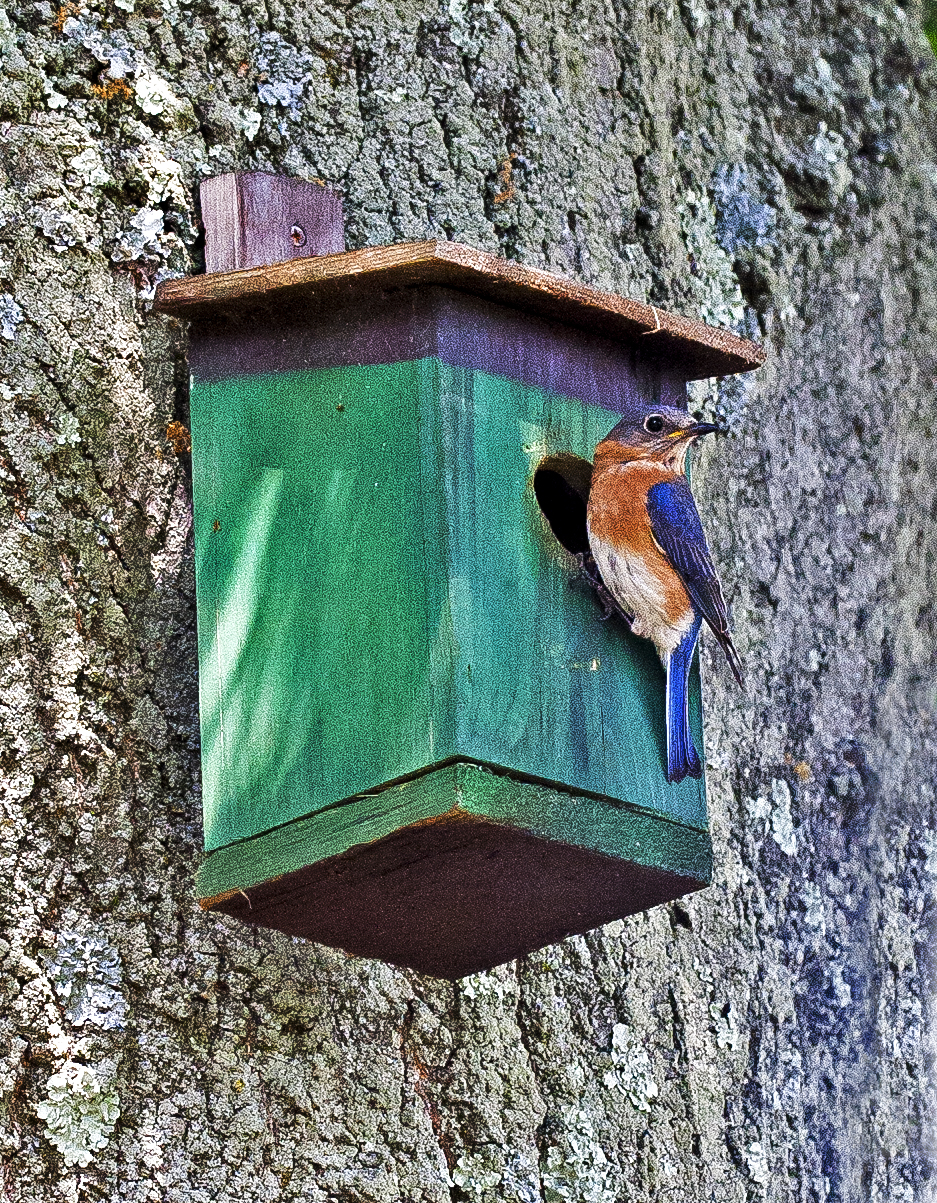
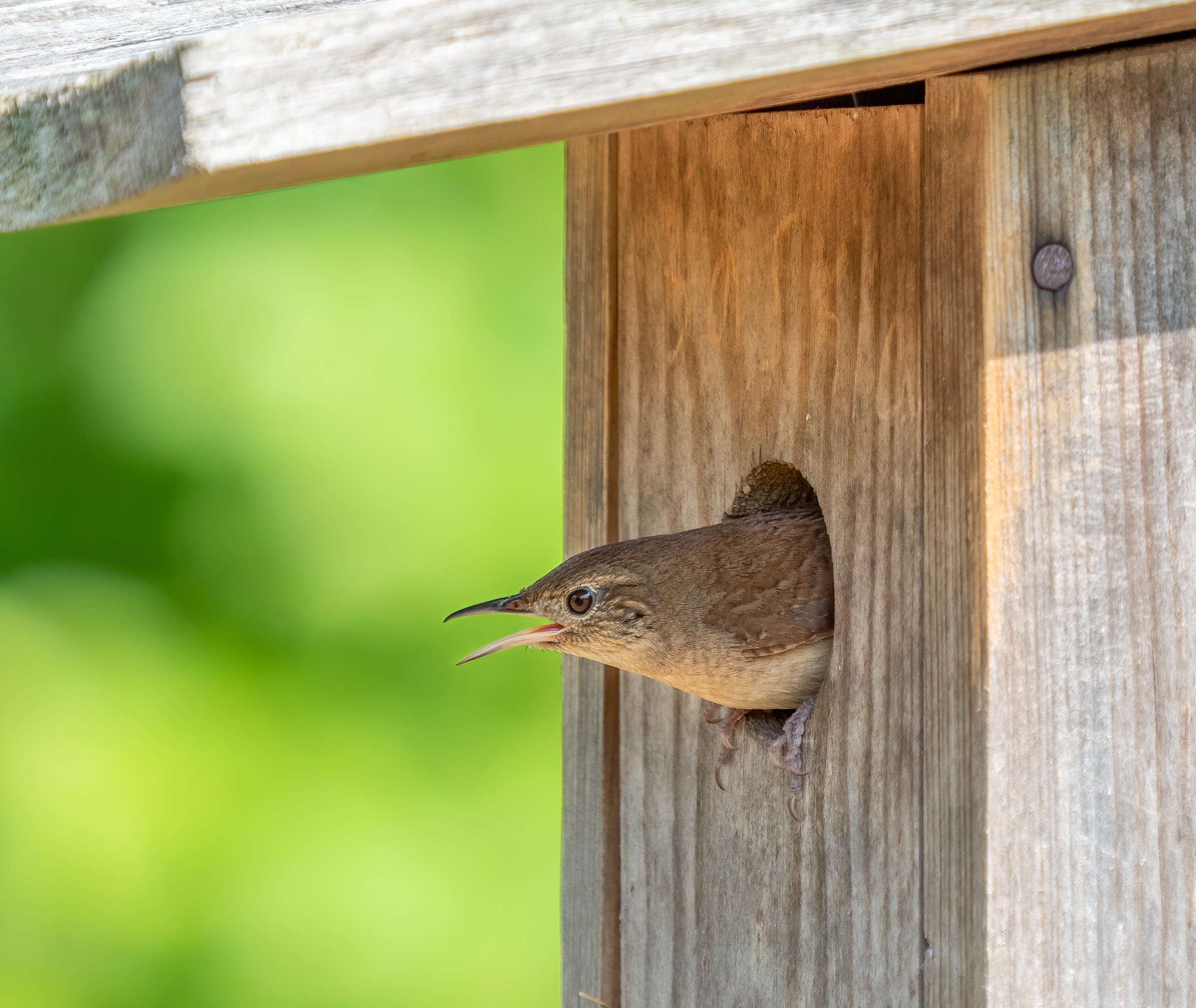
I’ve hosted nesting Eastern Bluebirds, House Wrens, chickadees and a pair of Eastern Screech-Owls in backyard boxes over the years, and nothing in bird feeding matches watching a pair haul insects to a box you hung. A feeder rents birds by the day; a nest box houses a family for a season.
Hole Sizes, Box Floors & Mounting Heights
The entrance hole diameter is the whole game — it admits your target and excludes everything bigger. These are the specs I’ve used for thirty years, matching the standards bluebird and wood duck trails are built on:
| Species | Hole Diameter | Floor Size | Mounting Height | Habitat to Face |
|---|---|---|---|---|
| Eastern Bluebird | 1½ in | 5×5 in | 5–6 ft | Open lawn or meadow, away from brush |
| Western / Mountain Bluebird | 1⁹⁄₁₆ in | 5×5 in | 5–6 ft | Open rangeland, scattered trees |
| Chickadees | 1⅛ in | 4×4 in | 5–10 ft | Woodland edge, partial shade |
| House Wren | 1⅛ in | 4×4 in | 5–10 ft | Shrubby yard edge, garden |
| Tufted Titmouse | 1¼ in | 4×4 in | 5–10 ft | Deciduous woods edge |
| Tree Swallow | 1½ in | 5×5 in | 5–6 ft | Open field near water |
| Screech-Owl | 3 in | 8×8 in | 10–20 ft | Mature trees, woods edge |
| American Kestrel | 3 in | 8×8 in | 10–20 ft | Open country, field edge |
Note what the table implies: a 1⅛-inch hole excludes House Sparrows entirely. If House Sparrows are your local bully — and they are in most of the country — a chickadee-wren sized hole is your most peaceful box.
Anatomy of a Box Worth Buying
- Material: ¾-inch unfinished cedar or cypress, or thick recycled plastic. No paint or stain on the inside, ever; light exterior paint only in hot climates (dark boxes cook nestlings).
- No perch below the entrance.
- Ventilation: gaps or drilled vents under the roof overhang — a sealed box becomes an oven in June.
- Drainage: drilled corner holes or recessed floor, so rain and condensation escape.
- An opening panel — side, front or roof — for monitoring and end-of-season cleaning. A box you can’t open is a box you can’t maintain.
- Rough interior walls or saw kerfs below the hole, so fledglings can climb out. Smooth interior walls trap them.
Species-by-Species: What Thirty Years of Boxes Taught Me
Bluebirds want open country — a box facing mowed grass or meadow, pole-mounted at five feet, at least a hundred yards from heavy brush (that’s wren and sparrow territory, and both will evict bluebirds). Pair boxes fifteen to twenty feet apart to let a Tree Swallow claim one and defend both against its own kind — an old trail trick that doubles occupancy.
House Wrens are the opposite: shrubby edges, garden corners, even hanging baskets of boxes under eaves. They fill competing cavities with twigs to claim the neighborhood — charming until your bluebird box is stuffed with sticks. Site wren boxes away from bluebird boxes deliberately.
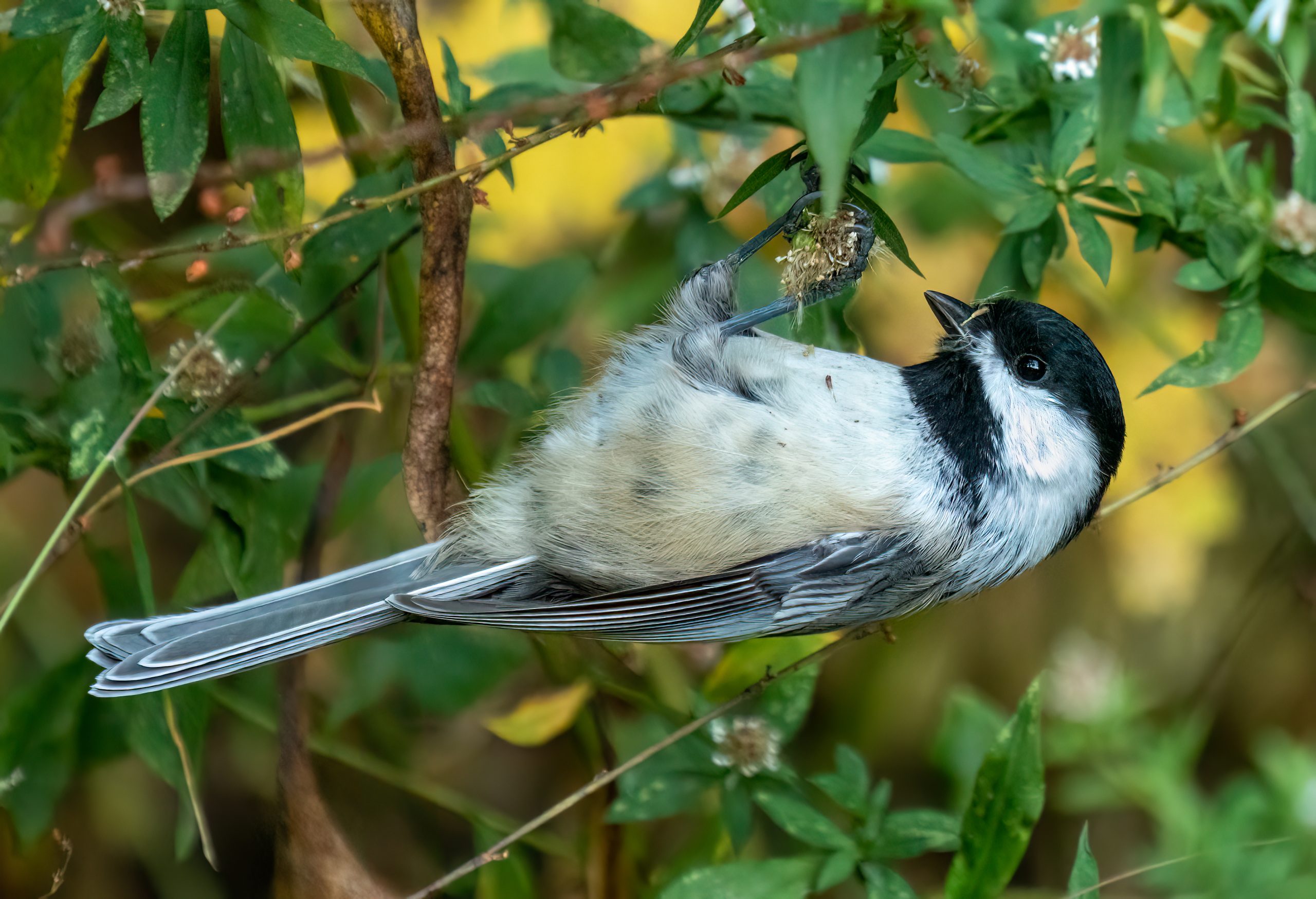
Chickadees take small boxes at woodland edges and line them with moss and fur. They nest once a year and desert readily if disturbed early — check chickadee boxes quickly and quietly in April.
Screech-owls and kestrels use the same 3-inch, 8×8 box design, mounted ten to twenty feet up on a trunk or pole. Add two inches of wood shavings to the floor — owls and falcons build no nest at all. An owl box occupied in March is one of the great backyard events; expect the owl to roost in it again all winter.
Predator Guards: The Part That Decides Success
A box on a bare pole or tree is a vending machine for raccoons, cats and snakes. Guards are not optional:
- Pole-mount with a stovepipe baffle — 24 inches of smooth 6-8 inch stovepipe or a commercial cone baffle below the box stops raccoons, cats and most snakes cold. This single addition roughly doubles fledging success on bluebird trails.
- Add a hole guard. A metal plate around the entrance stops squirrels and woodpeckers from chewing the hole wider, and a 1½-inch wooden block extension makes it harder for a raccoon to reach inside.
- Never mount on a tree trunk where raccoons climb unless the trunk is wrapped in a baffle. Poles are safer, cheaper and easier to monitor.
Monitoring & the End-of-Season Cleanout
Check boxes weekly during nesting — a quick, quiet peek in midday, never at dawn or dusk, and never near fledging time (days 12–18 for bluebirds, when a premature flush can ground the young). Keep notes: laying date, clutch size, hatch date. A monitored box is science; an unmonitored one is decoration.
After each brood fledges, open the box and remove the old nest. Bluebirds and wrens rebuild over old material readily, but clean boxes have fewer blowfly parasites and better second-brood success. In fall, clear everything, check the hardware, and leave boxes up — screech-owls, chickadees and bluebirds roost in them through winter.
7 Nest Box Mistakes I’ve Made So You Don’t Have To
- Buying a box with a perch. Saw it off or send it back. Perches serve predators and House Sparrows only.
- Wrong hole for the neighborhood. A 1½-inch hole in House Sparrow country becomes a sparrow factory. Measure your bully pressure before choosing.
- Mounting on a tree with no baffle. Raccoons climb better than you hope. Pole plus stovepipe, every time.
- No drainage, no vents. The June nestlings in a sealed dark box don’t survive the hot afternoon. Vents and floor holes are life support.
- Painting the interior or using treated lumber. Fumes and chemicals in an enclosed nursery — never.
- Checking at dawn or near fledging. Dawn checks chill brooding females; late-stage checks flush fledglings early. Midday, quick, quiet.
- Never cleaning it out. Old nests breed blowflies and block drainage. Fifteen minutes in fall, once a year.
Frequently Asked Questions
- No perches, ever — perches serve House Sparrows and predators, not birds.
- The hole is the landlord: 1½″ bluebirds, 1⅛″ chickadees/wrens, 3″ owls/kestrels — it admits your tenant and excludes the rest.
- Pole + stovepipe baffle — a baffled pole roughly doubles fledging success over a tree trunk.
- Vents, drainage, opening panel — the three features a livable box cannot lack.
- Habitat beats hardware — bluebirds want open grass, wrens want shrubs, owls want mature trees.
- Monitor weekly at midday, clean after each brood, and leave boxes up for winter roosters.
- A nest box houses a family — the deepest relationship a backyard birder can build.