
Backyard Birds of Alaska
Alaska’s backyard birding runs from the Southeast rainforest through Southcentral’s birch forests to the Interior’s midnight sun — a Last Frontier feeding station is a genuine lifeline in winter. Sixteen portraits are pinned on the map below, right where each species is most characteristic. Hover any portrait to see its name, tap to jump to its profile, then open its photo gallery and play its call.
Jump to a Species
The Black-capped Chickadee — the fearless, year-round backyard icon of Alaska — leads the list, followed by ravens, winter finches, and summer songsters. Every entry links to a full species guide.
Backyard Birds in Alaska: A Year-Round Seasonal Identification Guide
Quick Answer: Birding a Alaska Backyard
Alaska’s long darkness makes feeders a survival station — backyard birding works 12 months a year. Anchor birds are year-round residents led by the Black-capped Chickadee, Common Raven, Steller’s Jay (Southeast), Black-billed Magpie (Interior and Southcentral), Pine Grosbeak, Red-breasted Nuthatch, Downy and Hairy Woodpeckers, Northern Flicker, Varied Thrush, Dark-eyed Junco, Pine Siskin, Red Crossbill, and Song Sparrow. Summer adds robins and Rufous Hummingbirds. (The state bird, the Willow Ptarmigan, turns white in winter and patrols the tundra.) Alaska is serious bear country — most Alaskans feed only from November through March, and feeders come down entirely when bears are out.
Meet the 59 Backyard Birds of Alaska
The chickadee leads the list, followed by year-round regulars, winter visitors, and summer breeders. Every card opens a photo gallery, plays a real field recording, and links to the full species guide. Use the seasonal filter bar above to narrow the list.
 📍 Anchorage
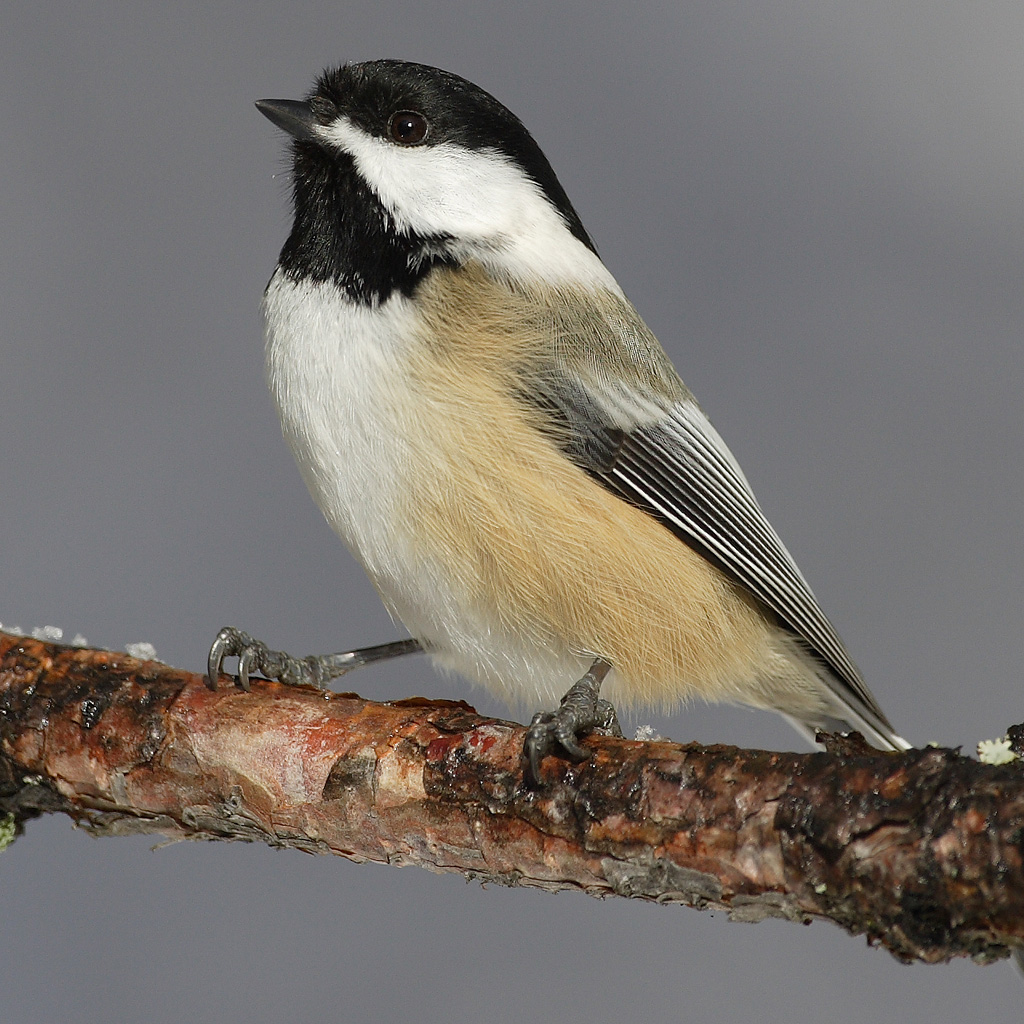
Black-capped Chickadee
Poecile atricapillusA tiny 4.7–5.9-inch acrobat with a black cap and bib, white cheeks, and buffy flanks. Chickadees are the bold first visitors to any new feeder, grabbing one seed and flying off to cache it. Listen for the chick-a-dee-dee-dee call that gives the bird its name — and the clear two-note fee-bee whistle of spring.
 📍 Fairbanks
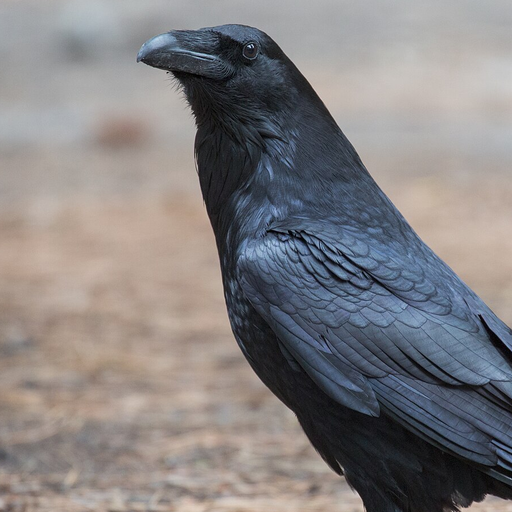
Common Raven
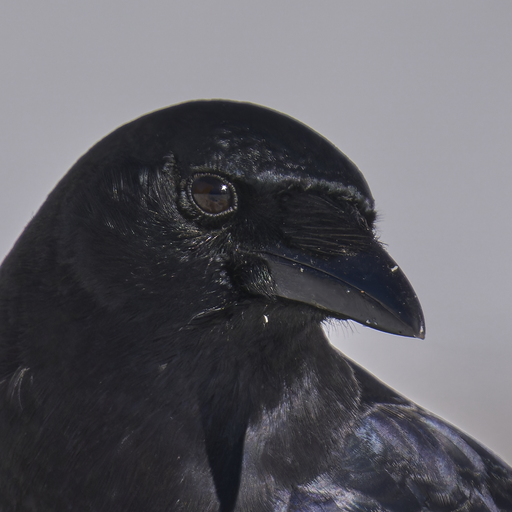
Corvus coraxA huge 22.1–27.2-inch all-black corvid — hawk-sized, with a shaggy throat and wedge tail. Ravens are brilliant: they solve puzzles, play in the wind, and remember who feeds them. Alaska ravens visit rural yards and ranch platforms, announcing themselves with a deep, echoing croak.
 📍 Juneau
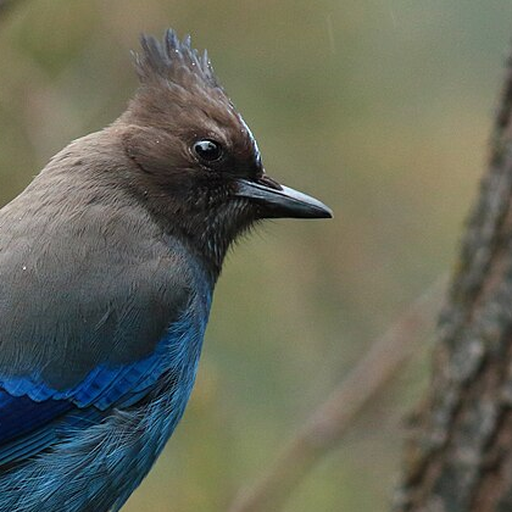
Steller’s Jay
Cyanocitta stelleriA gorgeous 11.5–12.6-inch jay: black crest and head melting into deep blue body — the crested jay of the West. Steller’s Jays dominate Alaska mountain and coastal yards, caching peanuts, imitating hawks to clear feeders, and announcing everything with a rattling shack-shack-shack.
 📍 Wasilla
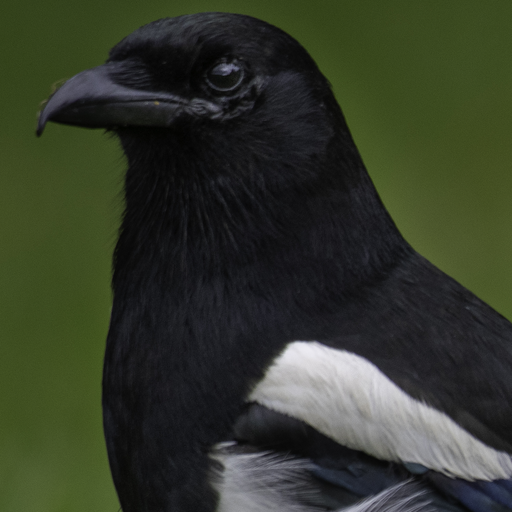
Black-billed Magpie
Pica hudsoniaA spectacular 17.9–23.6-inch corvid: black-and-white with an iridescent green-blue tail half the bird’s length. Magpies patrol Alaska open country and ranch yards in noisy bands, visiting platforms for suet and scraps. They cache food, recognize individual people, and are among the smartest birds on Earth.
 📍 Kenai
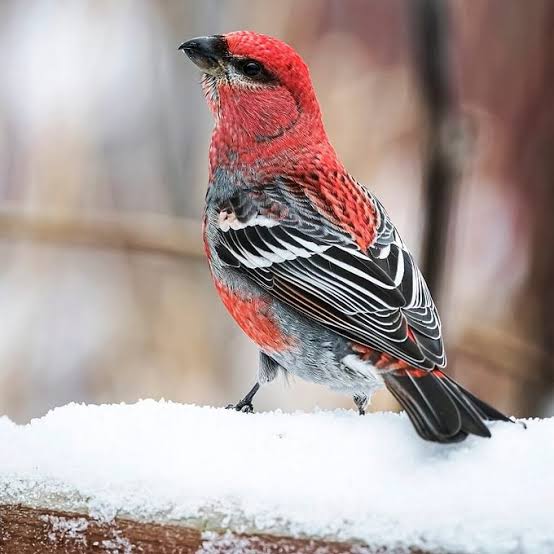
Pine Grosbeak
Pinicola enucleatorA big, tame finch (7.9–10 inches): males are rose-red over soft gray, females mustard-olive. Pine Grosbeaks breed in the far north and drift into Alaska in irruption winters, crunching sunflower seed and berries with total indifference to watching humans.
 📍 Palmer
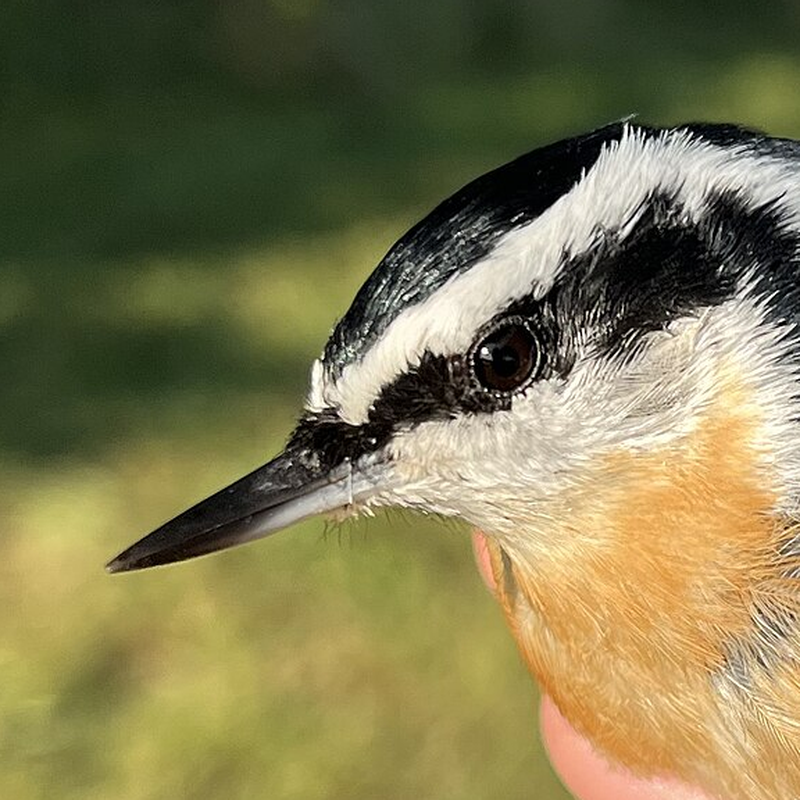
Red-breasted Nuthatch
Sitta canadensisA compact 4.3-inch nuthatch: blue-gray above, rusty below, with a bold white eyebrow stripe. Red-breasted Nuthatches live in Alaska’s conifer belt year-round and irrupt southward in cone-poor winters, hitching down tree trunks headfirst and calling a tin-horn yank-yank.
 📍 Soldotna
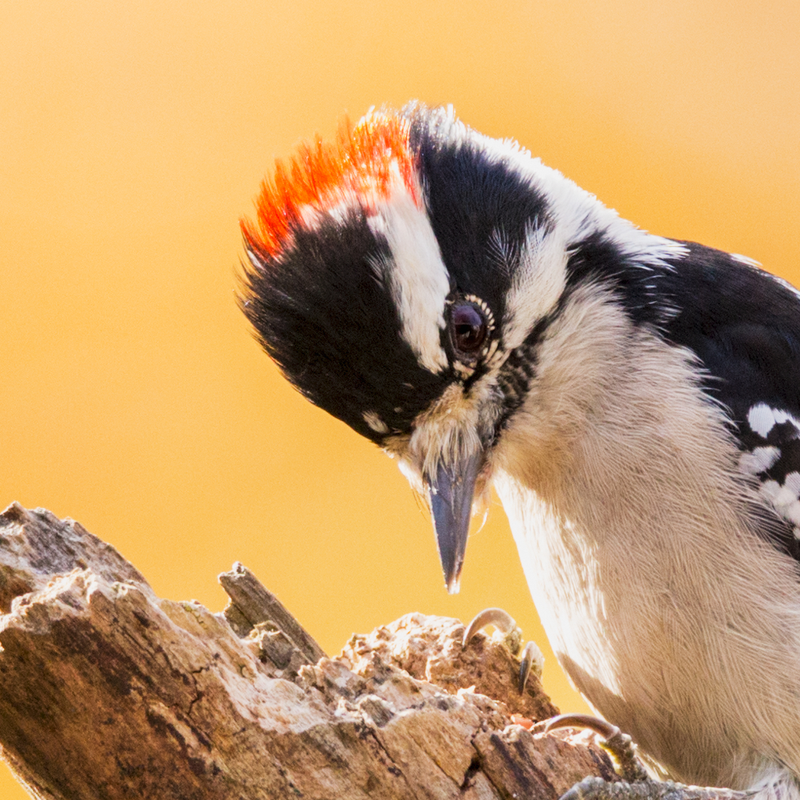
Downy Woodpecker
Dryobates pubescensNorth America’s smallest woodpecker (5.5–6.7 inches) is a Alaska backyard regular in every season. Black-and-white checkered wings, a clean white stripe down the back, and a tiny stubby bill separate it from the larger Hairy Woodpecker; males wear a small red patch on the nape.
Recording via Wikimedia Commons / xeno-canto
Read Full Guide →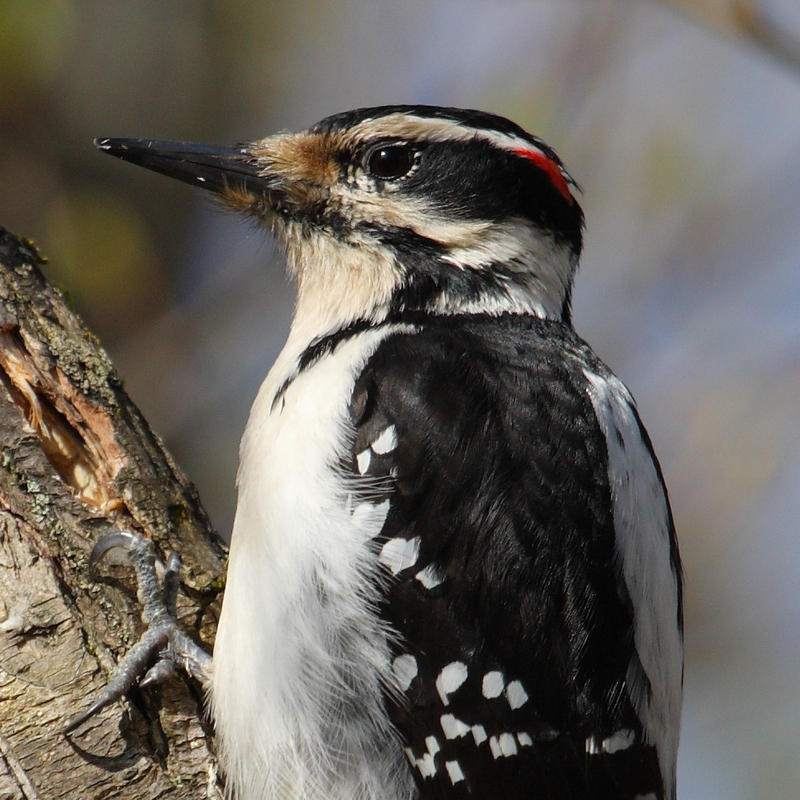 📍 Seward
Hairy Woodpecker
Dryobates villosusThe Downy’s bigger look-alike (7.1–10.2 inches) with a long, chisel-tipped bill nearly as long as its head and — on males — a red nape patch. Hairies work mature timber and visit Alaska suet feeders all winter. Seeing both species at one feeder is a classic identification lesson.
 📍 Valdez
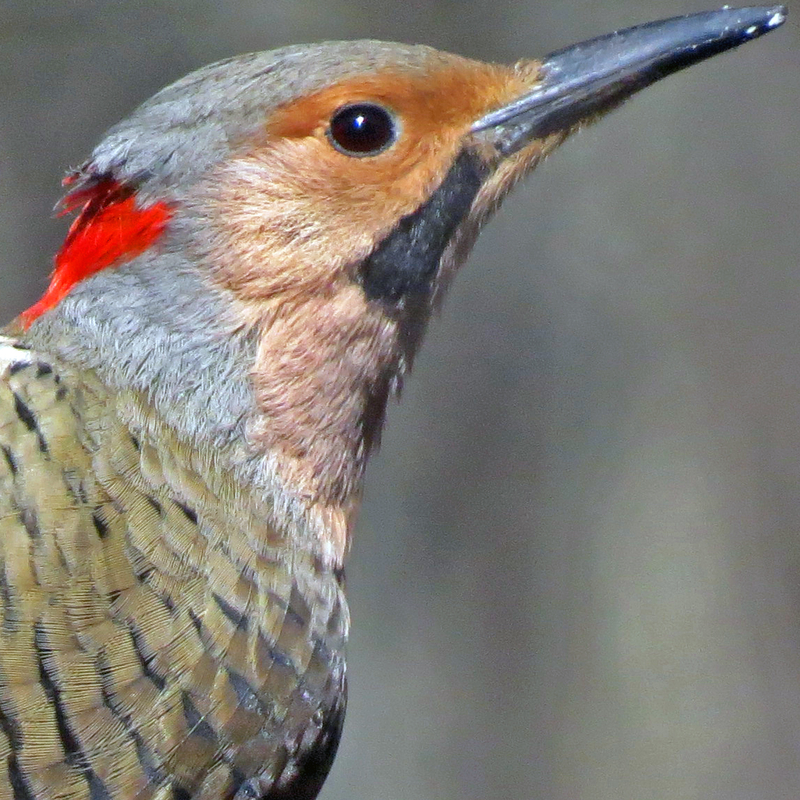
Northern Flicker
Colaptes auratusA big 11–12-inch woodpecker in brown-barred plumage with a black bib and spotted belly; eastern birds flash golden wing linings and a red nape crescent. Flickers spend much of their time on the ground lapping up ants, and drum on Alaska gutters at dawn in spring — loud, but it’s a love song.
Recording via Wikimedia Commons / xeno-canto
Read Full Guide →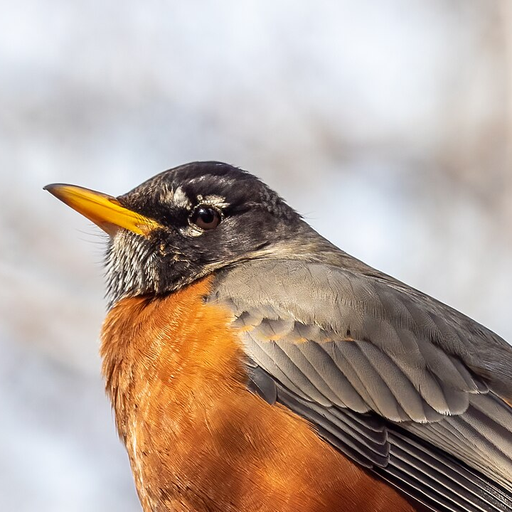 📍 Eagle River
American Robin
Turdus migratoriusThe familiar 7.9–11-inch thrush: gray above, brick-red below, yellow-billed. The dawn chorus over a Alaska lawn is built on its cheerily-cheerup phrases. Robins nest on porch lights and ledges, and big winter flocks descend on holly and hackberry trees across the state.
 📍 Sitka
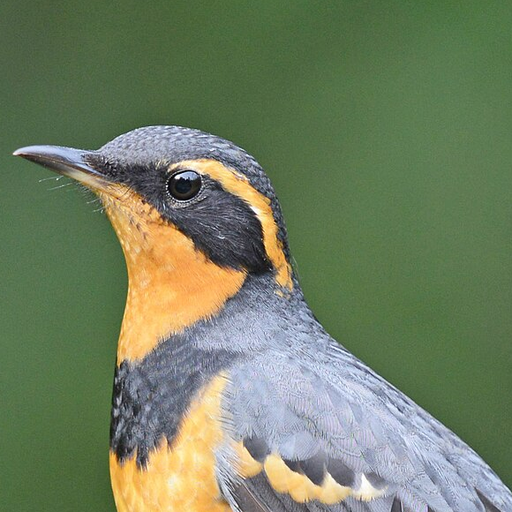
Varied Thrush
Ixoreus naeviusA robin-sized thrush (7.5–10.2 inches) in slate blue and burnt orange with a black breast band — hauntingly beautiful. Varied Thrushes breed in Pacific Northwest rain forest and visit Alaska yards in winter for berries and ground seed, their eerie, echoing whistles drifting from wet woods.
 📍 Ketchikan
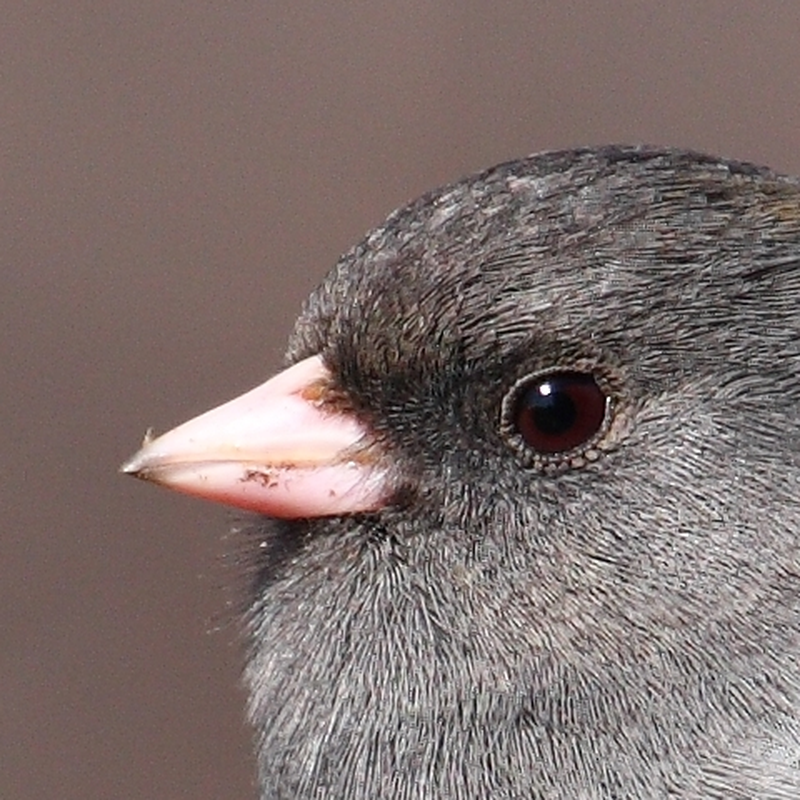
Dark-eyed Junco
Junco hyemalisThe classic snowbird: a 5.5–6.3-inch sparrow with a slate-gray hood set cleanly against a white belly, white outer tail feathers flashing in flight. Juncos pour into Alaska each October and double-scratch for millet under feeders until April — the surest sign of winter.
 📍 Haines
Pine Siskin
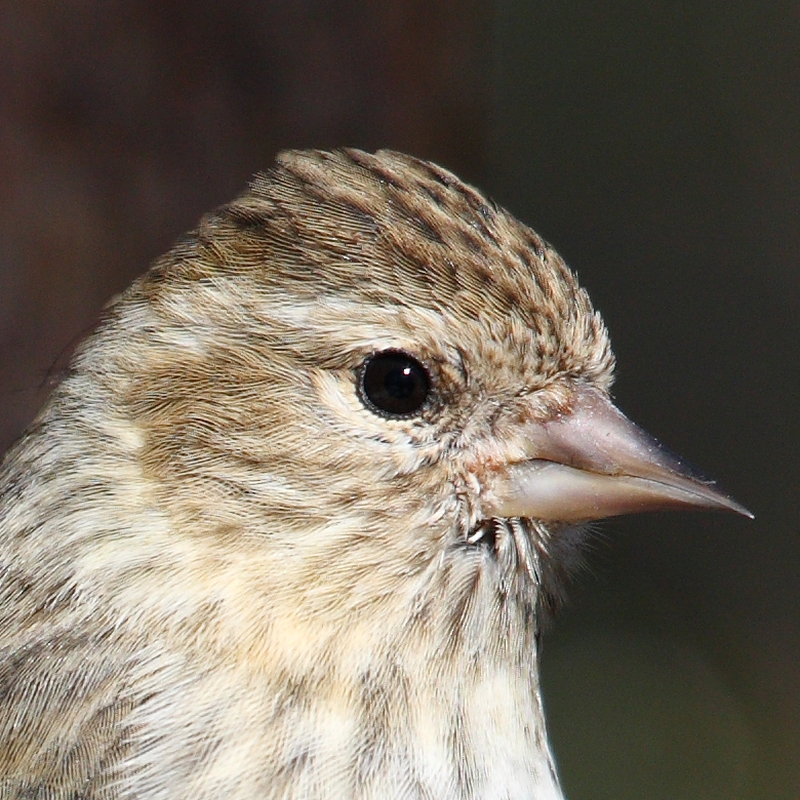
Spinus pinusA tiny 4.3–5.5-inch finch, heavily streaked with flashes of yellow in wings and tail. Siskins breed in northern conifers and irrupt into Alaska some winters, swarming Nyjer feeders in twittering flocks mixed with goldfinches. Watch for them after poor northern cone crops.
 📍 Petersburg
Red Crossbill
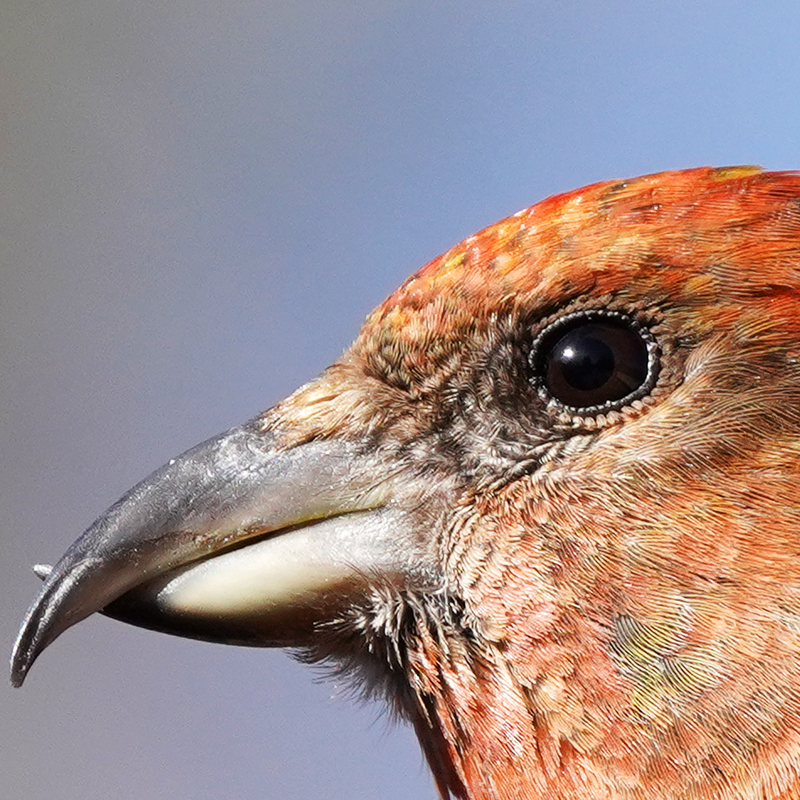
Loxia curvirostraA finch built like a locksmith’s tool (5.5–6.7 inches): males are brick-red, females olive-yellow, and both have crossed bill tips for prying seeds from spruce and pine cones. Red Crossbills wander nomadically, appearing at Alaska feeders when cone crops fail — often announced by sharp jip-jip flight calls.
 📍 Girdwood
Rufous Hummingbird
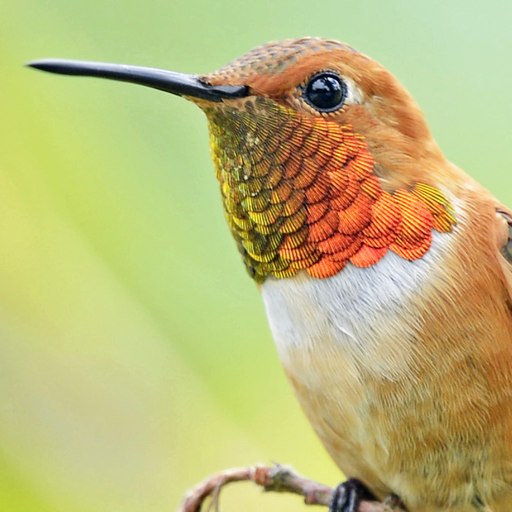
Selasphorus rufusThe feistiest hummingbird in North America (2.8–3.5 inches): males are glowing orange-rufous with an iridescent copper-red gorget. Rufous Hummingbirds migrate farther relative to their size than any bird on Earth, and defend Alaska feeders like tiny orange pit bulls — nothing intimidates them.
 📍 Kodiak
Song Sparrow
Melospiza melodiaA streaky 4.7–6.7-inch sparrow with breast streaks converging into one bold central spot and a long rounded tail it pumps in flight. Song Sparrows sing their bright three-note-and-a-trill song from Alaska marsh edges, creek willows, and garden hedges nearly year-round.
More Backyard Birds in Alaska +43 species
Every other species from our backyard bird library that regularly occurs in Alaska — each with its own photo gallery, playable call, and full species guide. Browse 16 per page using the dots below.
Feeder: Whole corn, peanuts, and a shallow water pan on open ground.
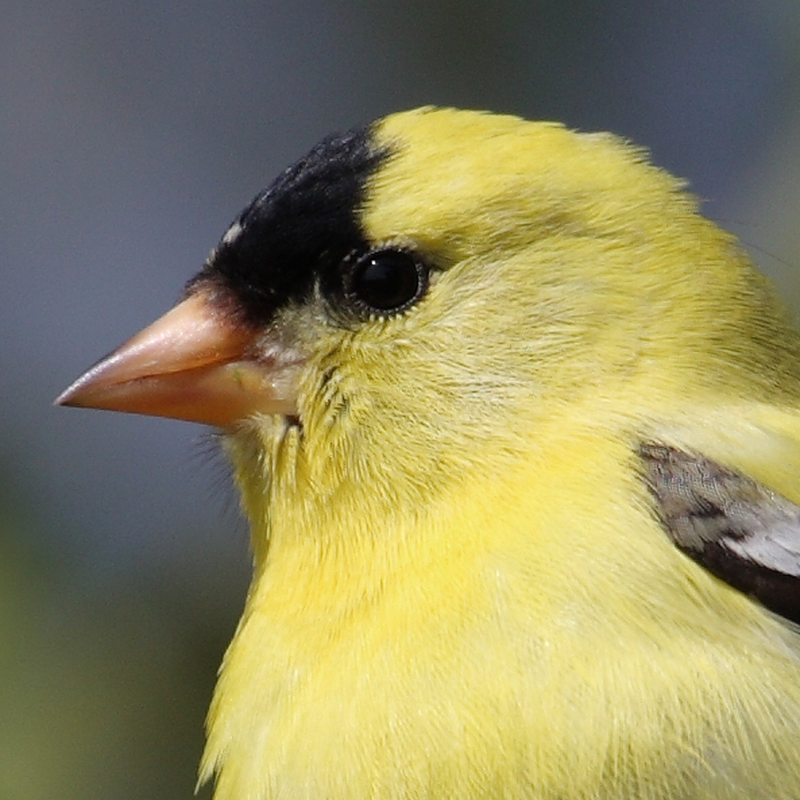
Feeder: Nyjer (thistle) socks and fine sunflower chips year-round.
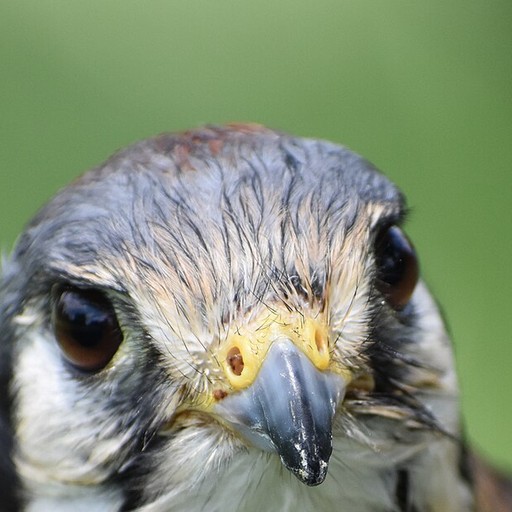
Feeder: Perches on fences; nest boxes on poles in open country.
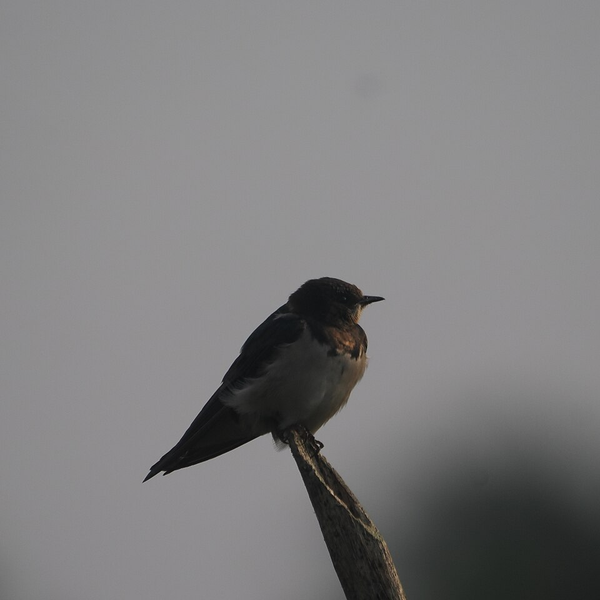
Feeder: Visits backyard feeders and water features.
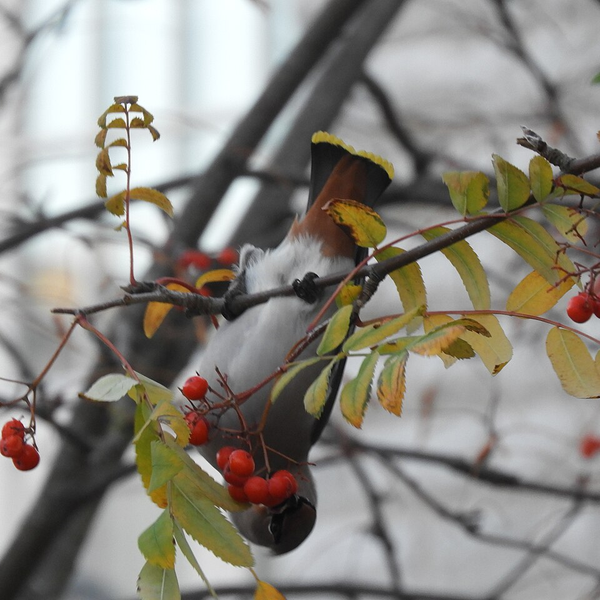
Feeder: Visits backyard feeders and water features.
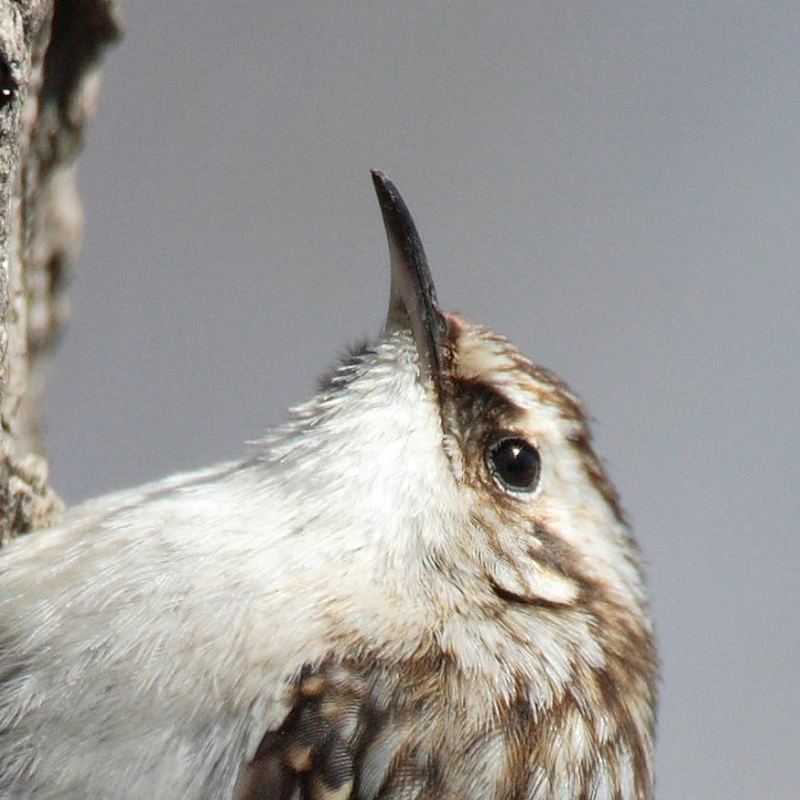
Feeder: Suet smeared on tree bark; spirals up trunks for hidden insects.

Feeder: Cracked corn and grain on the ground; a nest parasite.
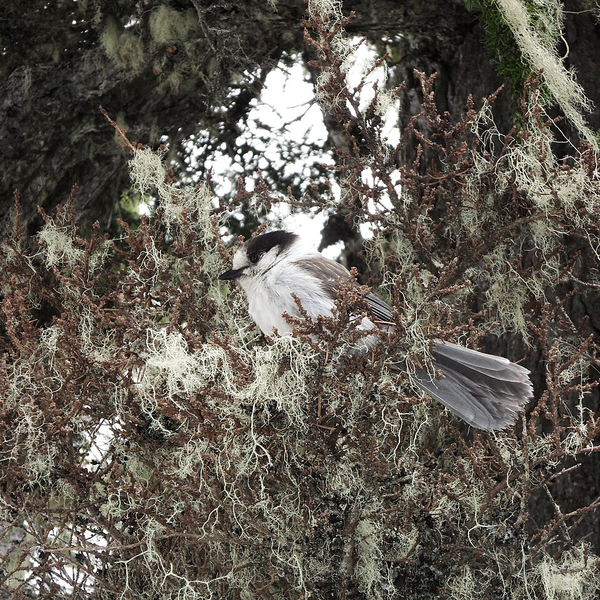
Feeder: Visits backyard feeders and water features.

Feeder: Berry-producing trees and a fountain or moving water.

Feeder: Fine seed mix and grass seed scattered on open ground.
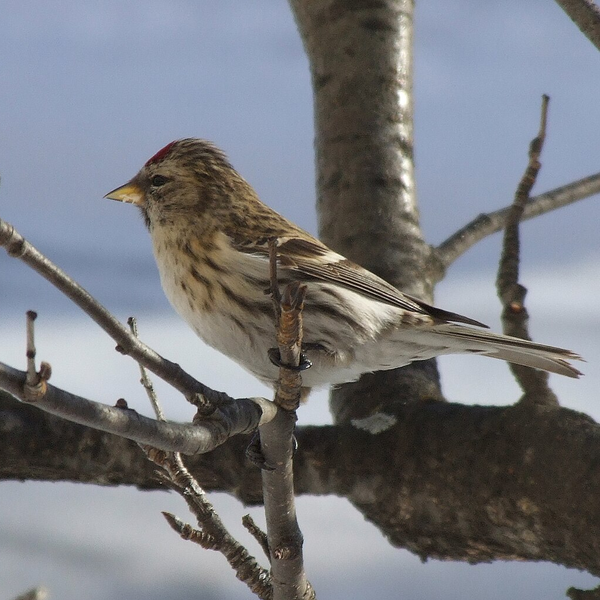
Feeder: Visits backyard feeders and water features.

Feeder: Not a feeder guest — it hunts the birds at your feeders.
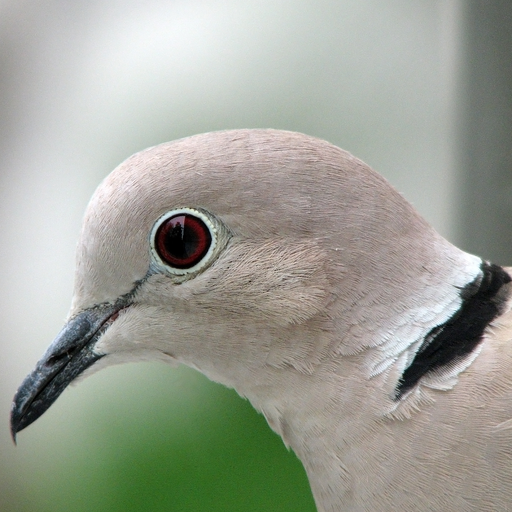
Feeder: Large grains on big platform feeders; spreading fast.

Feeder: Suet and crumbs; use starling-resistant caged feeders.

Feeder: Sunflower pieces and cracked corn; double-scratches in leaf litter.
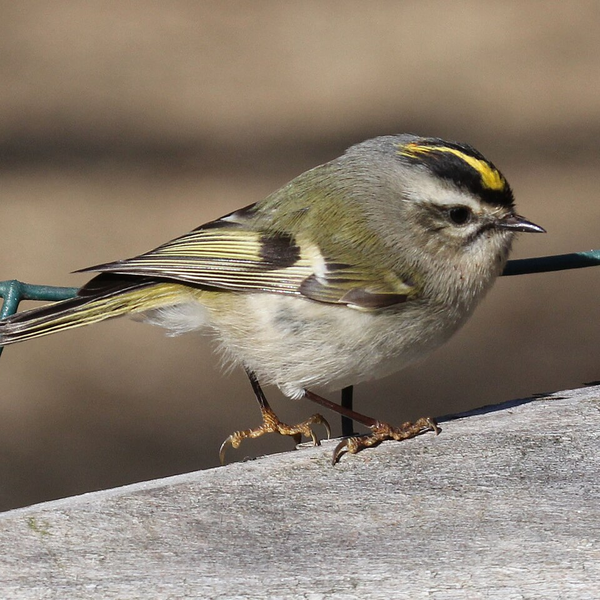
Feeder: Visits backyard feeders and water features.

Feeder: Weed seeds and cracked grain on open ground near thickets.
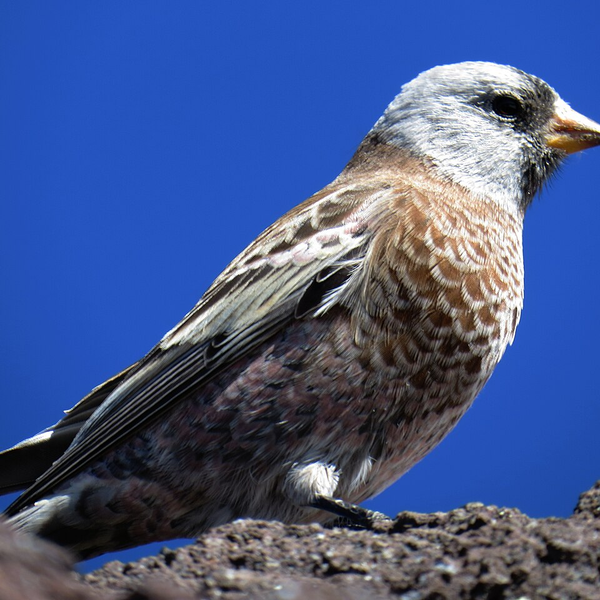
Feeder: Visits backyard feeders and water features.
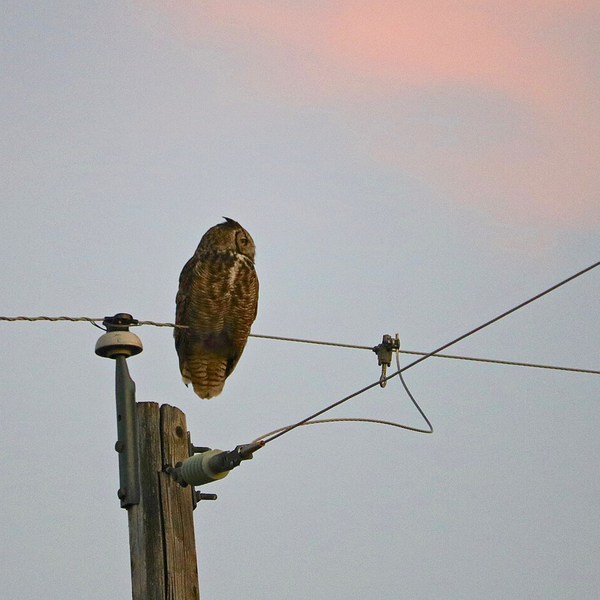
Feeder: Visits backyard feeders and water features.
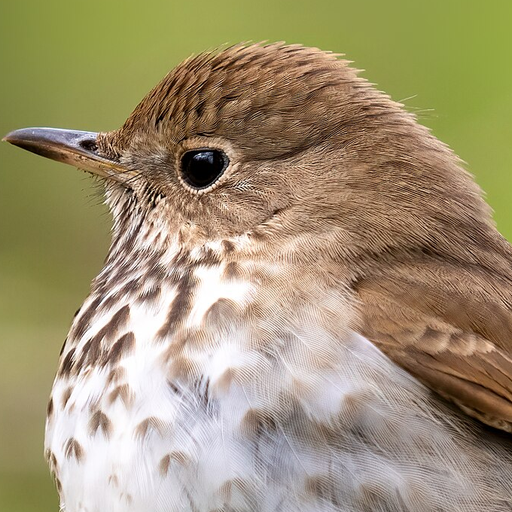
Feeder: Berry-producing shrubs and a ground birdbath in shady yards.
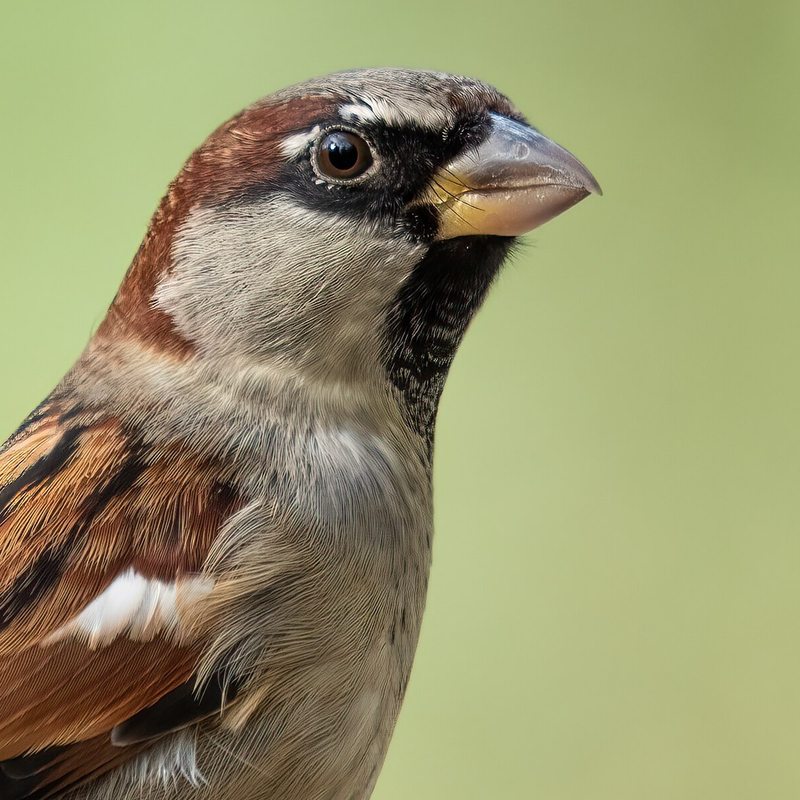
Feeder: Cracked corn, millet, and crumbs; nests in cavities and crevices.

Feeder: Nest boxes with 1-inch holes; eats insects, not seed.
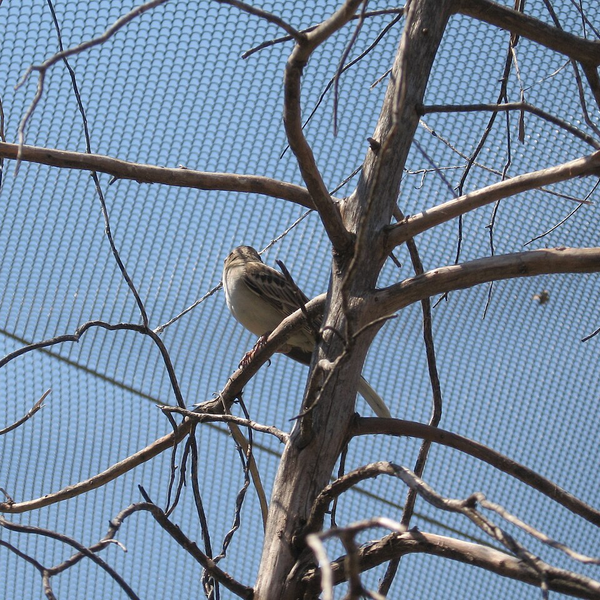
Feeder: Visits backyard feeders and water features.
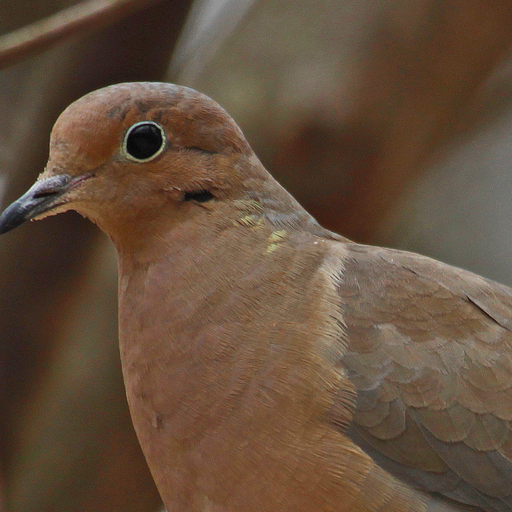
Feeder: White millet and cracked corn on the ground or a low platform.

Feeder: Suet crumbs; occasionally sips at hummingbird feeders.
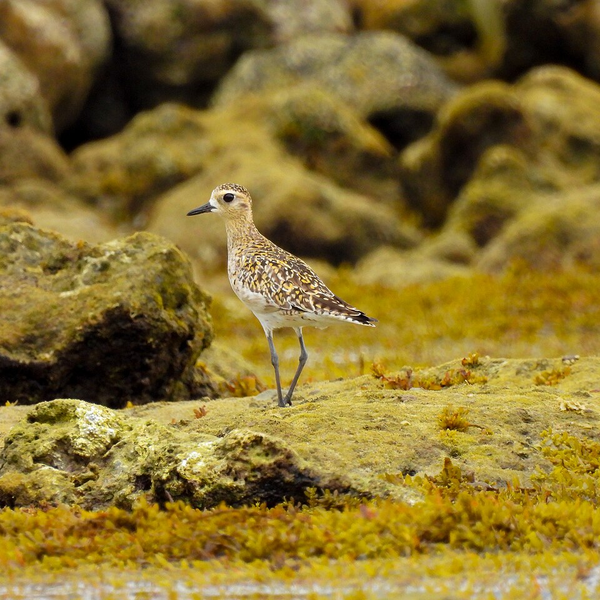
Feeder: Visits backyard feeders and water features.
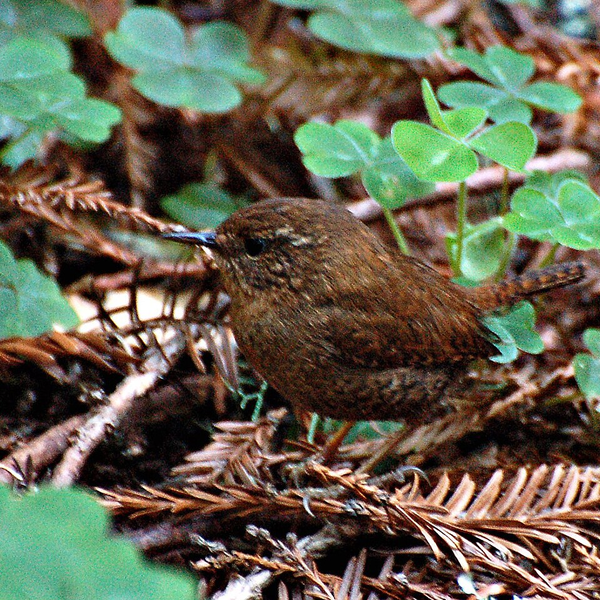
Feeder: Visits backyard feeders and water features.
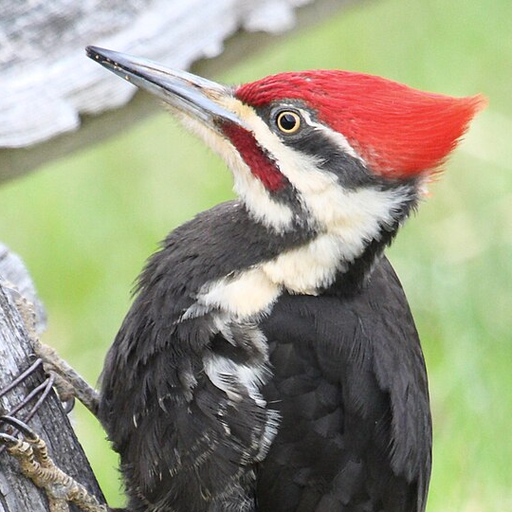
Feeder: Large suet feeders mounted on a board or big trunk.
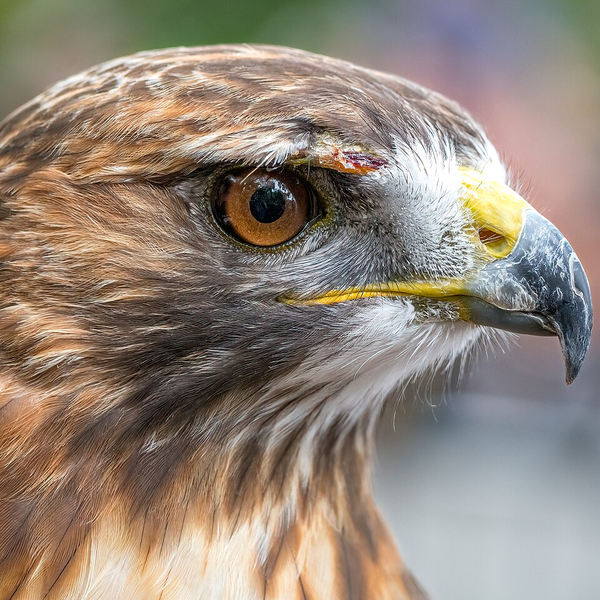
Feeder: Visits backyard feeders and water features.

Feeder: Sunflower, millet, and corn — arrives in loud flocks.
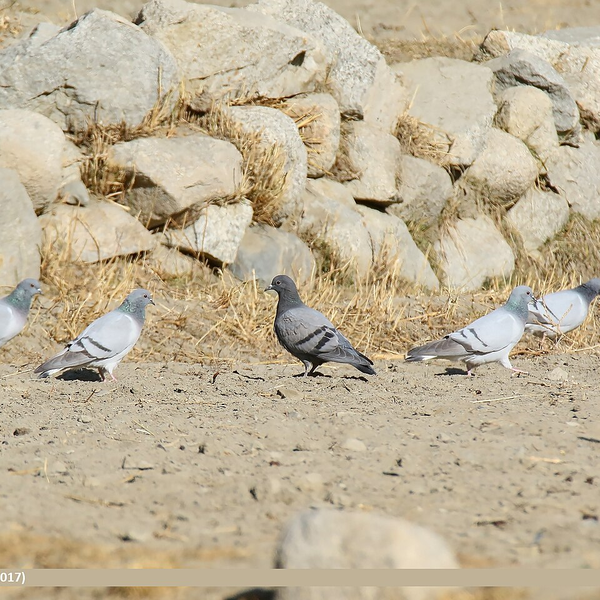
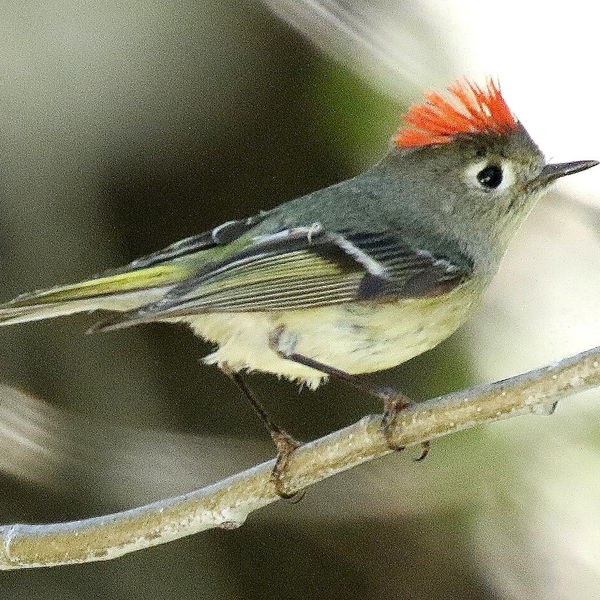
Feeder: Visits backyard feeders and water features.
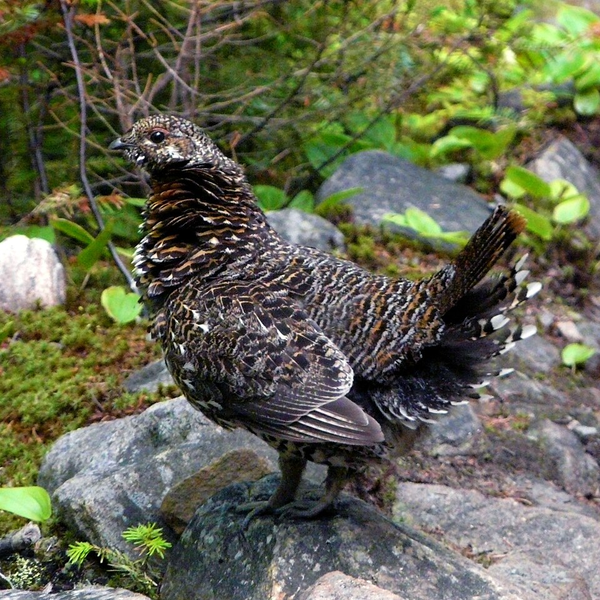
Feeder: Visits backyard feeders and water features.
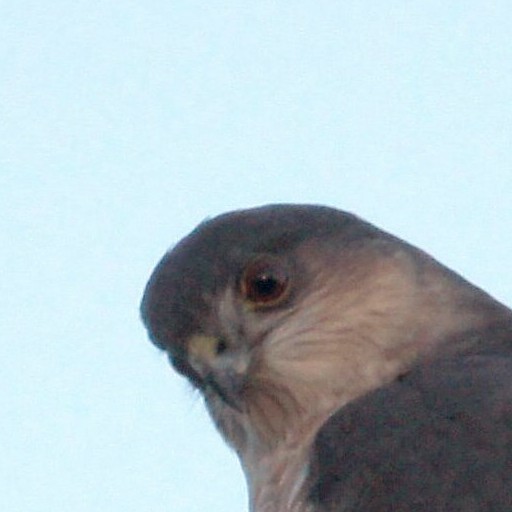
Feeder: Hunts small feeder birds in winter; give feeders escape cover.
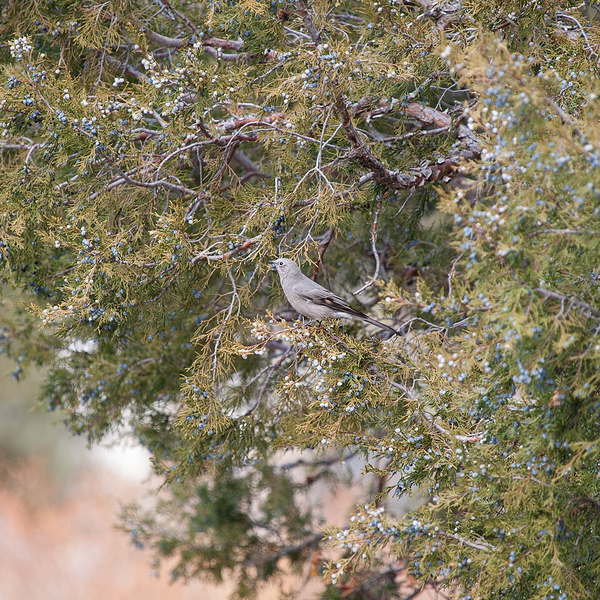
Feeder: Visits backyard feeders and water features.
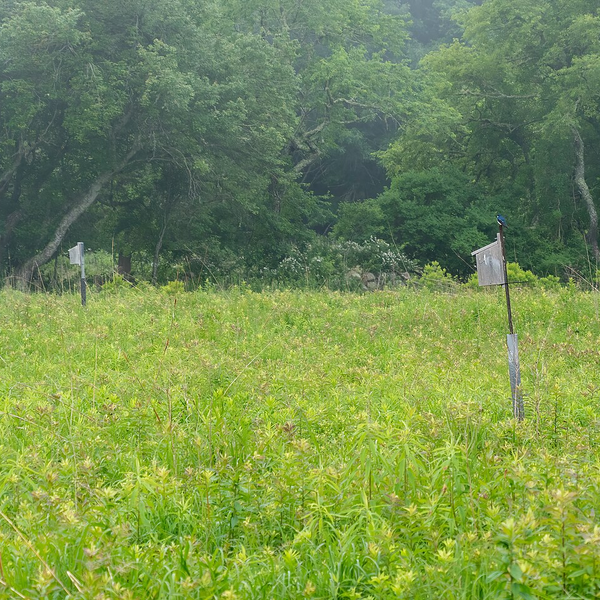
Feeder: Visits backyard feeders and water features.
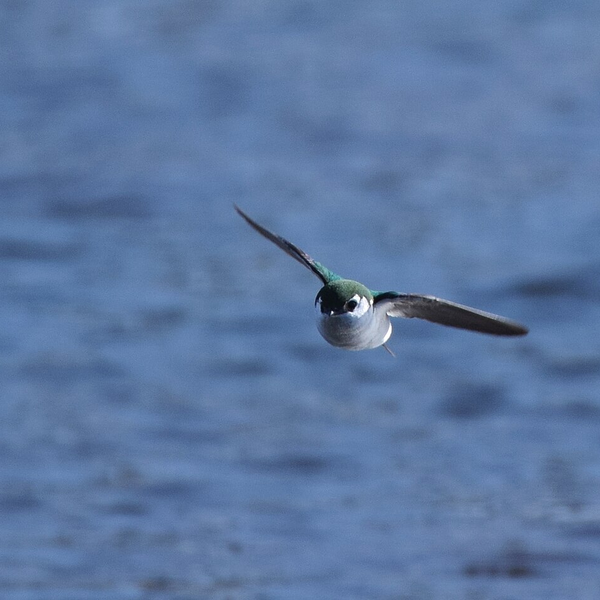
Feeder: Visits backyard feeders and water features.

Feeder: Tree-cavity style nest boxes; listen for the bouncing-ball call.
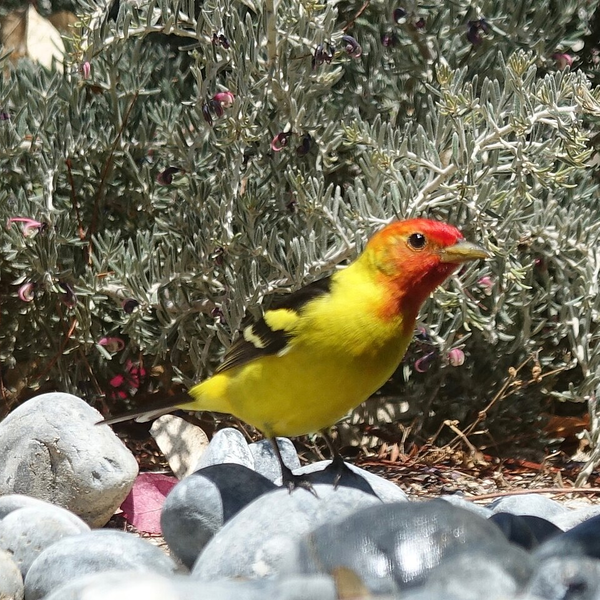
Feeder: Visits backyard feeders and water features.

Feeder: Sunflower chips and white millet on the ground near brush.
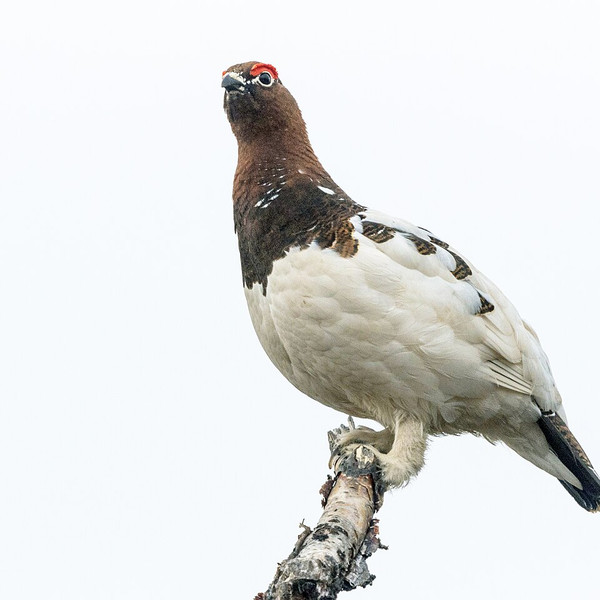
Feeder: Visits backyard feeders and water features.
Feeder: Visits backyard feeders and water features.

Feeder: Suet cakes, berries, and peanut butter smeared on bark.
The Alaska Seasonal Feeder Calendar
🌱 Spring
March – MayRobins return in April; Varied Thrushes sing their eerie whistles from the spruces. Feeders come down in April — bears leave dens hungry, and Alaska’s rule is simple: no feeders while bears are out. Rufous Hummingbirds arrive in Southeast by late April; keep one nectar feeder and watch it constantly.
☀️ Summer
June – AugustMost Alaskans don’t feed seed in summer — bears make it dangerous. Hummingbird nectar on a high, bear-proof hook is the exception; change it every 2–3 days. Enjoy the light: robins raise chicks at midnight, and waxwings hawk insects over every marsh.
🍂 Autumn
September – NovemberFeeders go back up after bears den — usually late October or November. Juncos, siskins, and redpoll flocks build fast; Pine Grosbeaks arrive in bunches. Stock black oil sunflower, suet, and Nyjer before the first big snow.
❄️ Winter
December – FebruaryFeeding season is survival season. Black-capped Chickadees, redpolls, siskins, and grosbeaks mob feeders through the dark months; a heated birdbath is revolutionary in a frozen yard. Ravens and magpies clean up scraps, and Boreal Chickadees visit Interior feeders.
Frequently Asked Questions: Backyard Birding in Alaska
- The Backyard Icon: The Black-capped Chickadee — tiny, fearless, and resident through minus-40 — is the bird every Alaska feeder is really for.
- The Bear Rule: Alaska’s cardinal rule: feeders up November–March, down when bears are out. Black and brown bears both raid feeders, and a fed bear is a dead bear.
- The State Bird: The Willow Ptarmigan (state bird since 1955) turns snow-white in winter and walks the tundra in flocks — it visits rural yards for willow buds, not seed.
- Winter Finches: Alaska winters bring Pine Grosbeaks, Common Redpolls, Pine Siskins, and crossbills — the best winter finch show in America.
- The Map: The pinned map at the top of this page shows where each of the 16 featured birds is most characteristic; every pin jumps to a profile with photos, a playable call, and a full guide link.
- Best Single Upgrade: A suet cage plus a heated birdbath — chickadees, woodpeckers, and winter finches through the darkest months.
Alaska Birding Checklist
Region: Alaska — 59 Backyard Species