Backyard Birds in Wyoming: A Year-Round Seasonal Identification Guide | BackyardBird.org
State Guide • The Equality State

Backyard Birds of Wyoming

Wyoming rises from high plains to the Tetons and the Wind River Range — an Equality State feeding station works twelve months a year, and winter is when it matters most. Sixteen portraits are pinned on the map below, right where each species is most characteristic. Hover any portrait to see its name, tap to jump to its profile, then open its photo gallery and play its call.

Jump to a Species

The American Robin — the bird that owns every Wyoming lawn each summer — leads the list, followed by feeder regulars, winter finches, and mountain songsters. Every entry links to a full species guide.

Backyard Birds in Wyoming: A Year-Round Seasonal Identification Guide

Written by Avian Biology Editorial Team • Updated: October 2026 • Verified Backyard Field Data • Coverage: All 84 profiles link to full species guides
State Summary

Quick Answer: Birding a Wyoming Backyard

Wyoming’s elevation and wind make feeders a genuine lifeline — backyard birding works 12 months a year. Anchor birds are year-round residents led by the Black-billed Magpie, Black-capped and Mountain Chickadees, Red-breasted Nuthatches, Downy and Hairy Woodpeckers, Northern Flickers, House Finches, Cassin’s Finches, Evening Grosbeaks, Dark-eyed Juncos, Common Ravens, and American Goldfinches. Summer adds robins, Mountain Bluebirds, and Broad-tailed Hummingbirds. (The state bird, the Western Meadowlark, sings from prairie fence posts.) Wyoming is bear country in the northwest — mountain feeders come in at night April through November — and a heated birdbath is essential winter gear.

Meet the 84 Backyard Birds of Wyoming

The robin leads the list, followed by year-round regulars, winter visitors, and summer breeders. Every card opens a photo gallery, plays a real field recording, and links to the full species guide. Use the seasonal filter bar above to narrow the list.
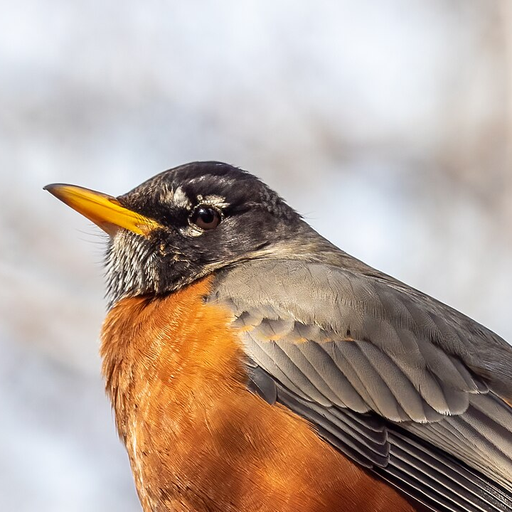
American Robin avatar 📍 Cheyenne

American Robin

Turdus migratorius
Backyard IconSummer BreederBanding: AMRO

The familiar 7.9–11-inch thrush: gray above, brick-red below, yellow-billed. The dawn chorus over a Wyoming lawn is built on its cheerily-cheerup phrases. Robins nest on porch lights and ledges, and big winter flocks descend on holly and hackberry trees across the state.
Read Full Guide →
Feeder Preference: Soaked raisins, mealworms, and a ground-level bath; fruit trees hold winter flocks.
Black-billed Magpie avatar 📍 Casper

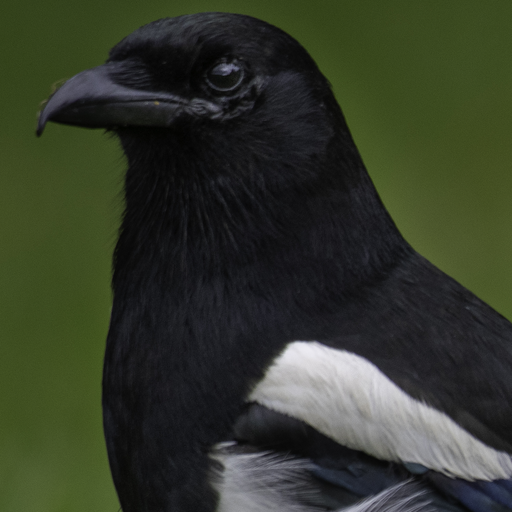
Black-billed Magpie

Pica hudsonia
Year-Round ResidentBanding: BBMA

A spectacular 17.9–23.6-inch corvid: black-and-white with an iridescent green-blue tail half the bird’s length. Magpies patrol Wyoming open country and ranch yards in noisy bands, visiting platforms for suet and scraps. They cache food, recognize individual people, and are among the smartest birds on Earth.
Read Full Guide →
Feeder Preference: Suet, meat scraps, and kibble on open ground platforms.
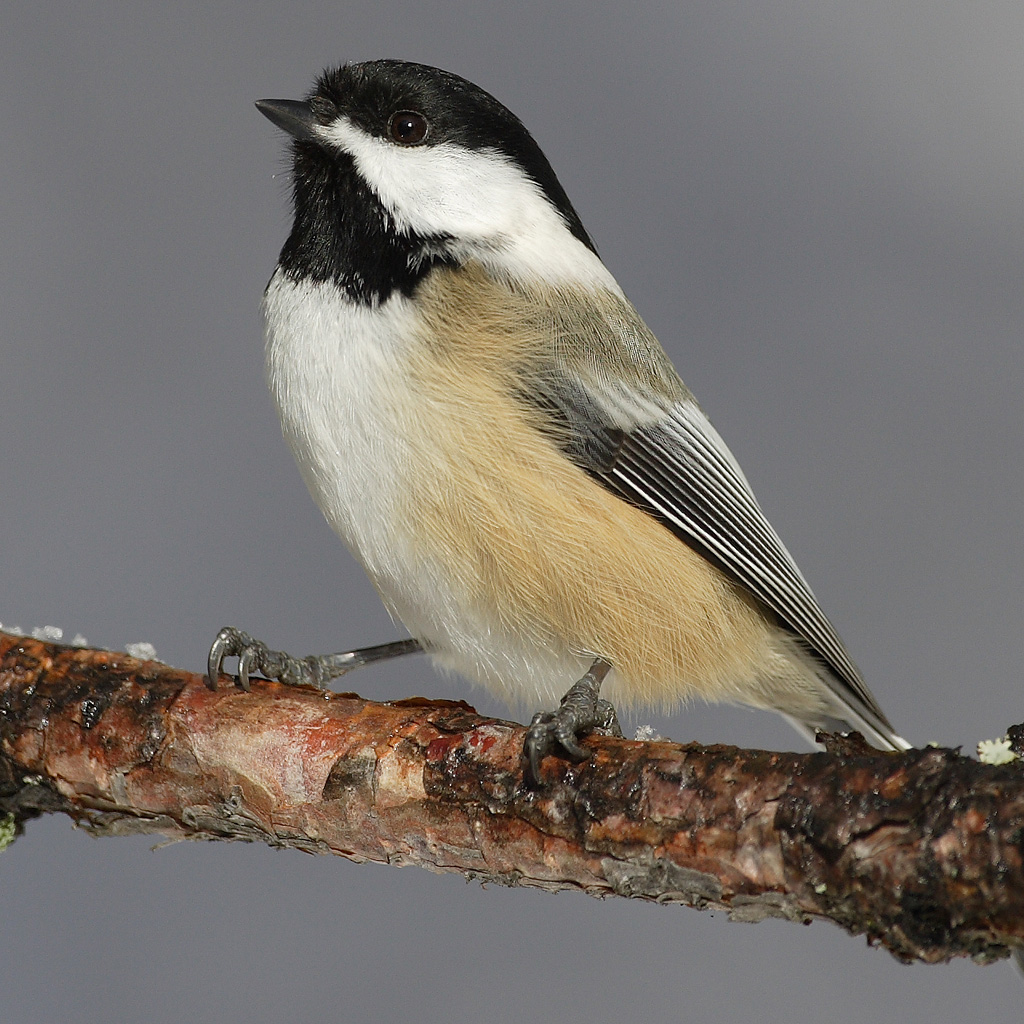
Black-capped Chickadee avatar 📍 Laramie

Black-capped Chickadee

Poecile atricapillus
Year-Round ResidentBanding: BCCH

A tiny 4.7–5.9-inch acrobat with a black cap and bib, white cheeks, and buffy flanks. Chickadees are the bold first visitors to any new feeder, grabbing one seed and flying off to cache it. Listen for the chick-a-dee-dee-dee call that gives the bird its name — and the clear two-note fee-bee whistle of spring.
Read Full Guide →
Feeder Preference: Black-oil sunflower, peanut bits, and suet; will take seed one at a time to cache.
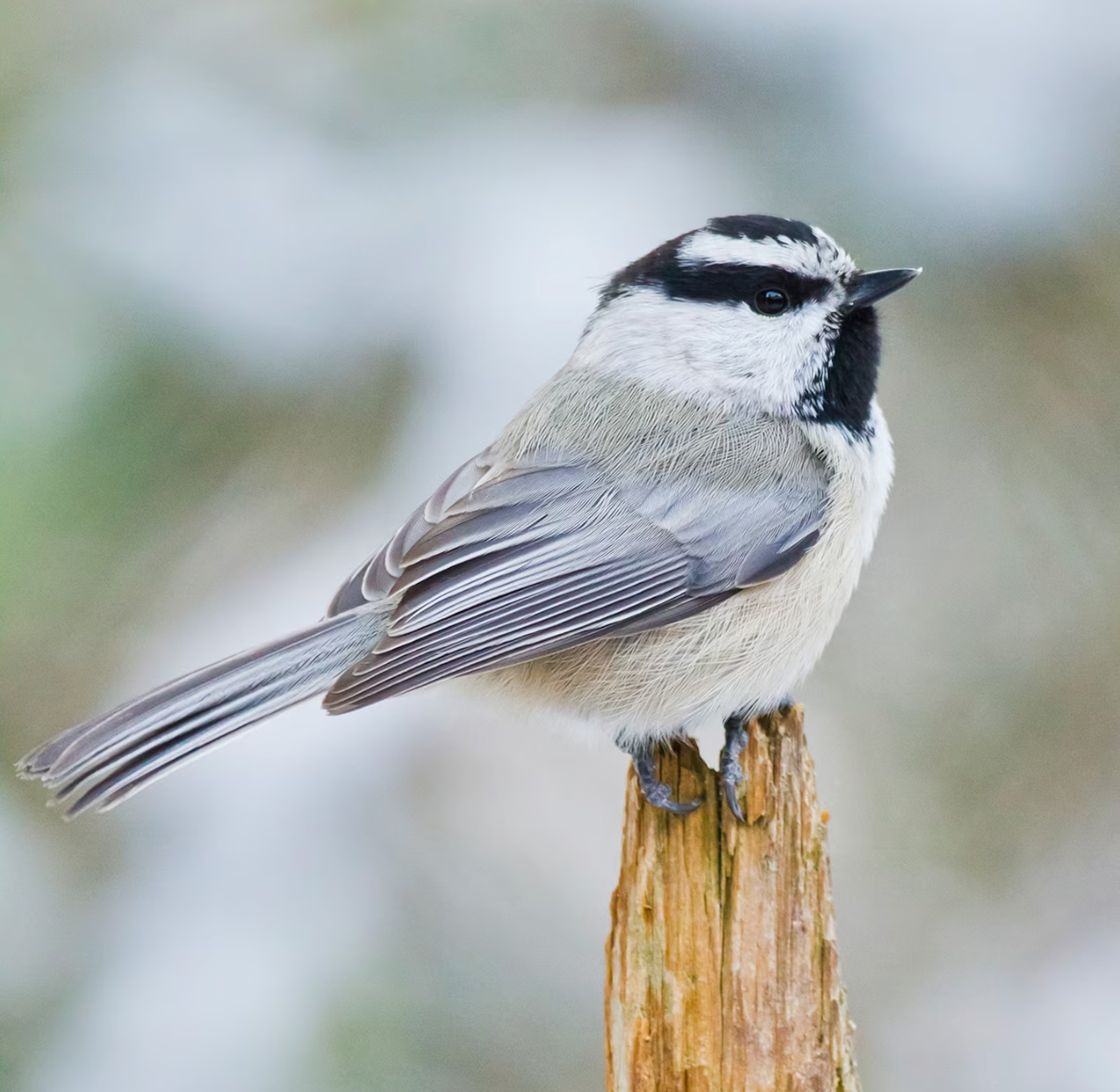
Mountain Chickadee avatar 📍 Jackson

Mountain Chickadee

Poecile gambeli
Year-Round ResidentBanding: MOCH

The chickadee of the high country (4.3–5.5 inches): black bib and cap like its eastern cousins, but with a bold white eyebrow stripe slicing through the black. Mountain Chickadees are year-round residents of Wyoming’s conifer forests and faithful visitors to mountain feeders all winter.
Read Full Guide →
Feeder Preference: Suet, sunflower seed, and pine seed; mountain feeder regular.
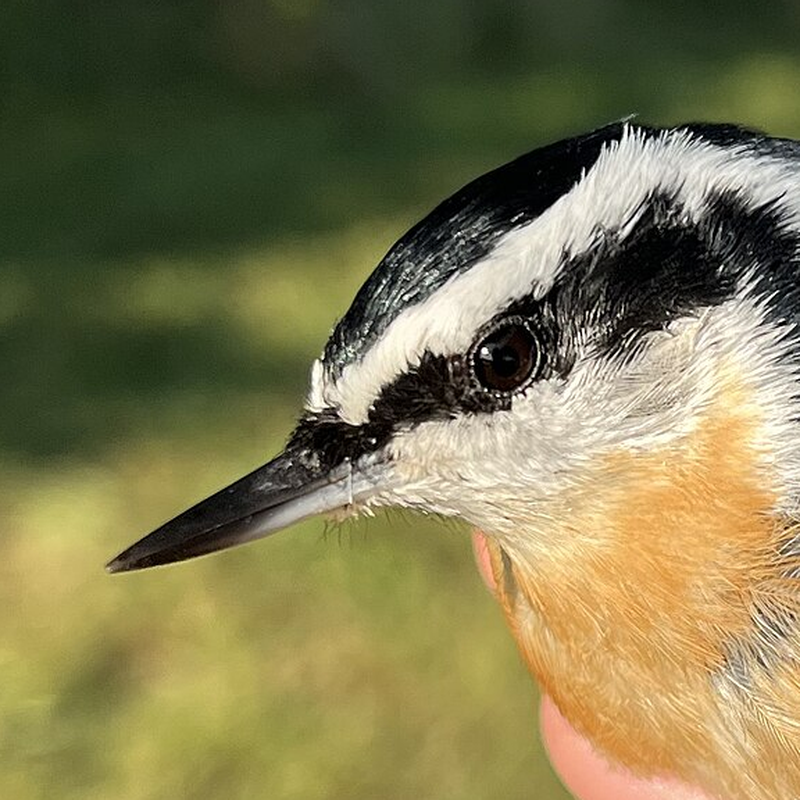
Red-breasted Nuthatch avatar 📍 Sheridan

Red-breasted Nuthatch

Sitta canadensis
Year-Round ResidentBanding: RBNU

A compact 4.3-inch nuthatch: blue-gray above, rusty below, with a bold white eyebrow stripe. Red-breasted Nuthatches live in Wyoming’s conifer belt year-round and irrupt southward in cone-poor winters, hitching down tree trunks headfirst and calling a tin-horn yank-yank.
Read Full Guide →
Feeder Preference: Suet, black-oil sunflower, and peanuts; announces itself with a nasal yank-yank.
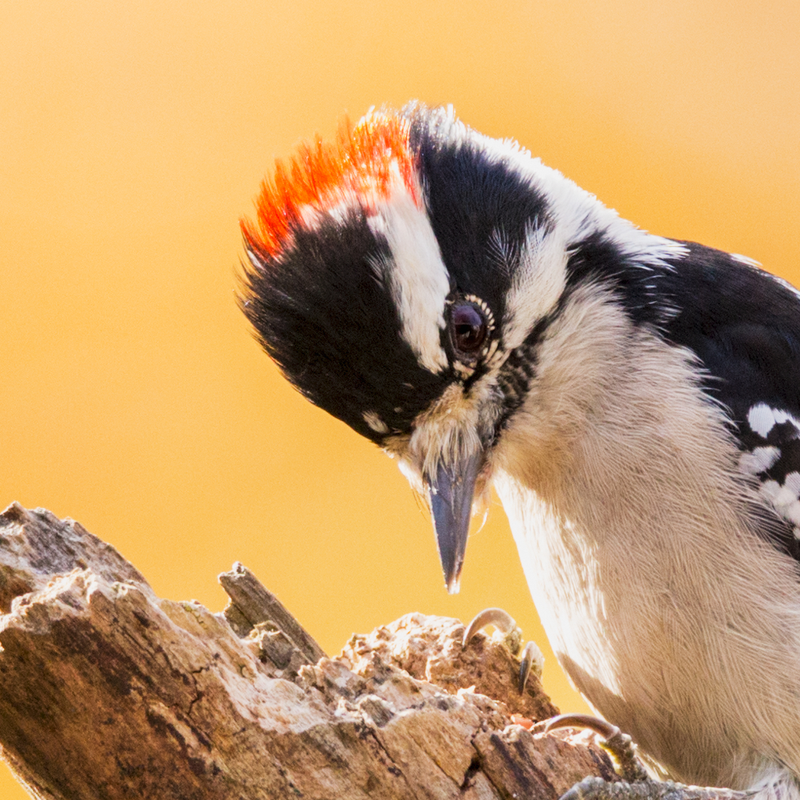
Downy Woodpecker avatar 📍 Gillette

Downy Woodpecker

Dryobates pubescens
Year-Round ResidentBanding: DOWO

North America’s smallest woodpecker (5.5–6.7 inches) is a Wyoming backyard regular in every season. Black-and-white checkered wings, a clean white stripe down the back, and a tiny stubby bill separate it from the larger Hairy Woodpecker; males wear a small red patch on the nape.

Recording via Wikimedia Commons / xeno-canto

Read Full Guide →
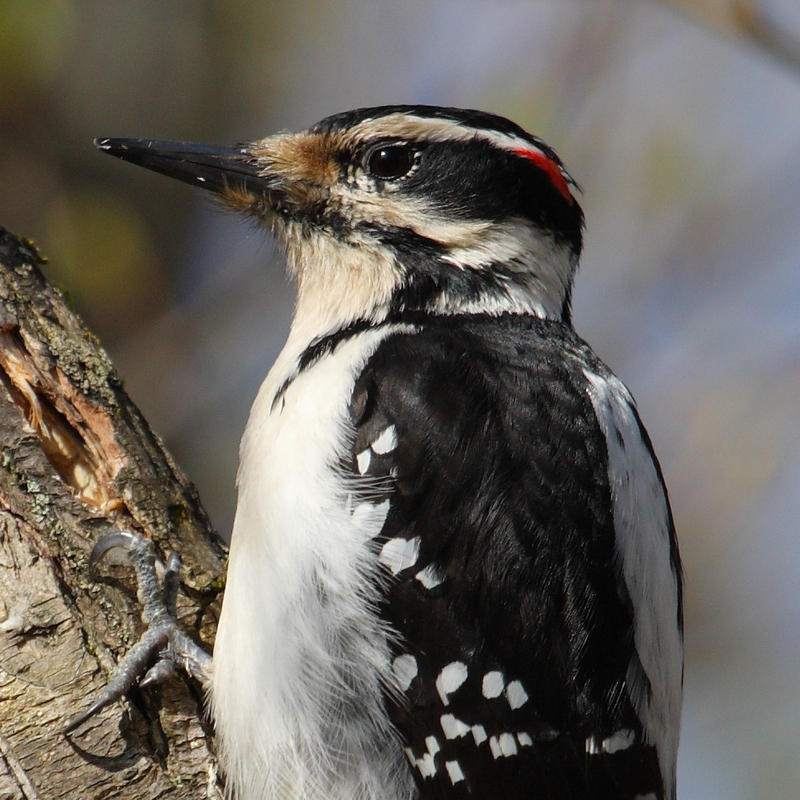
Feeder Preference: Suet cakes, peanut bits, and black oil sunflower — uses tail as a prop on feeders.
Hairy Woodpecker avatar 📍 Cody

Hairy Woodpecker

Dryobates villosus
Year-Round ResidentBanding: HAWO

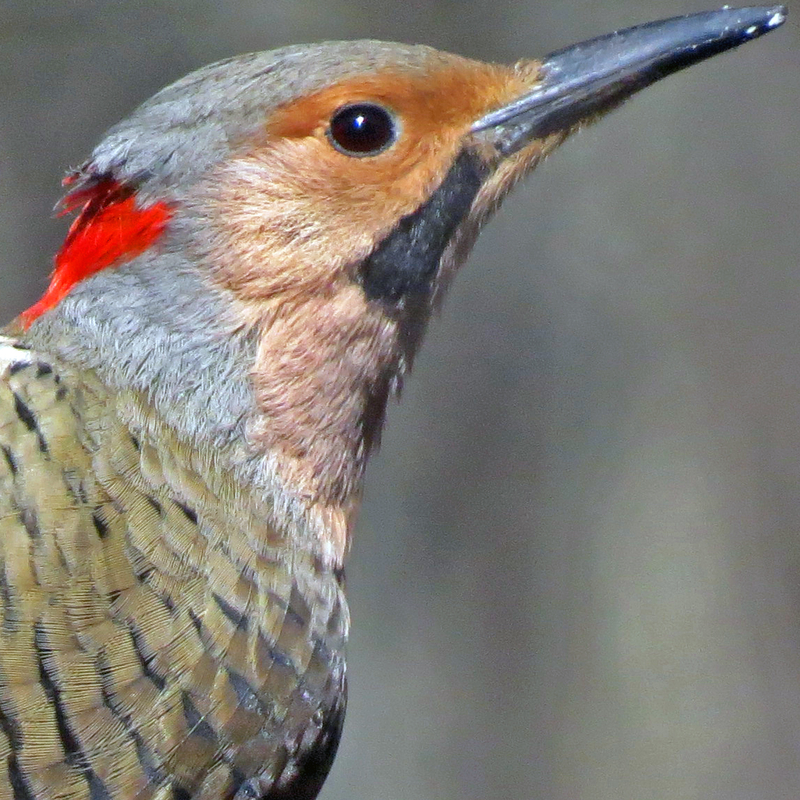
The Downy’s bigger look-alike (7.1–10.2 inches) with a long, chisel-tipped bill nearly as long as its head and — on males — a red nape patch. Hairies work mature timber and visit Wyoming suet feeders all winter. Seeing both species at one feeder is a classic identification lesson.
Read Full Guide →
Feeder Preference: Suet blocks and whole peanuts; favors larger trees near feeders.
Northern Flicker avatar 📍 Rock Springs

Northern Flicker

Colaptes auratus
Year-Round ResidentBanding: NOFL

A big 11–12-inch woodpecker in brown-barred plumage with a black bib and spotted belly; eastern birds flash golden wing linings and a red nape crescent. Flickers spend much of their time on the ground lapping up ants, and drum on Wyoming gutters at dawn in spring — loud, but it’s a love song.

Recording via Wikimedia Commons / xeno-canto

Read Full Guide →
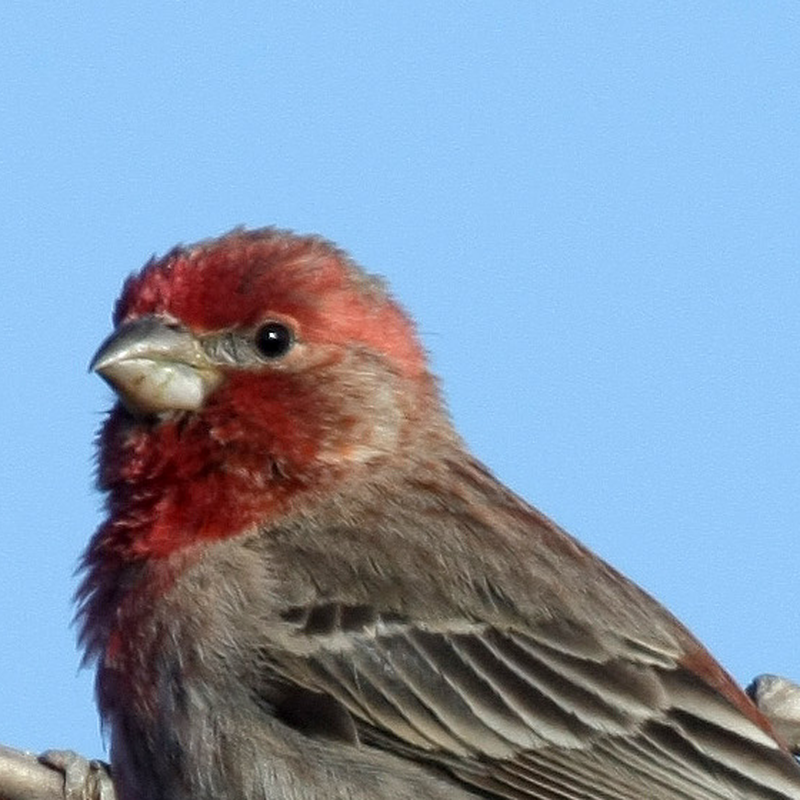
Feeder Preference: Suet on a sturdy cage; often feeds on the ground for ants.
House Finch avatar 📍 Riverton

House Finch

Haemorhous mexicanus
Year-Round ResidentBanding: HOFI

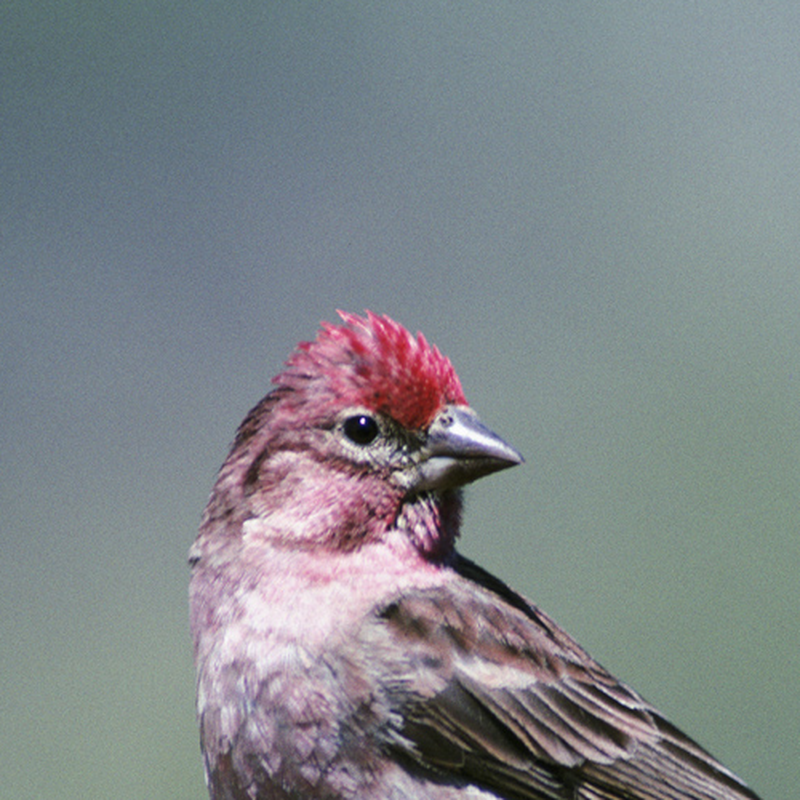
A 5.1–5.5-inch finch: males washed strawberry-red on head, breast, and rump; females plainly streaked. House Finches spread across the East in the 1990s and now crowd Wyoming tube feeders year-round, warbling long songs that end in an up-slurred veer.
Read Full Guide →
Feeder Preference: Black oil sunflower at tube feeders; nests in hanging baskets and wreaths.
Cassin's Finch avatar 📍 Lander

Cassin’s Finch

Haemorhous cassinii
Year-Round ResidentBanding: CAFI

The mountain cousin of the House Finch (6–6.7 inches): males are rose-pink with a bright red crown patch and fine streaking below; females are crisply streaked. Cassin’s Finches live in Wyoming’s conifer belt and drop to feeders in winter, often in cheerful mixed flocks with siskins and goldfinches.
Read Full Guide →
Feeder Preference: Black-oil sunflower at mountain feeders; most reliable in winter flocks.
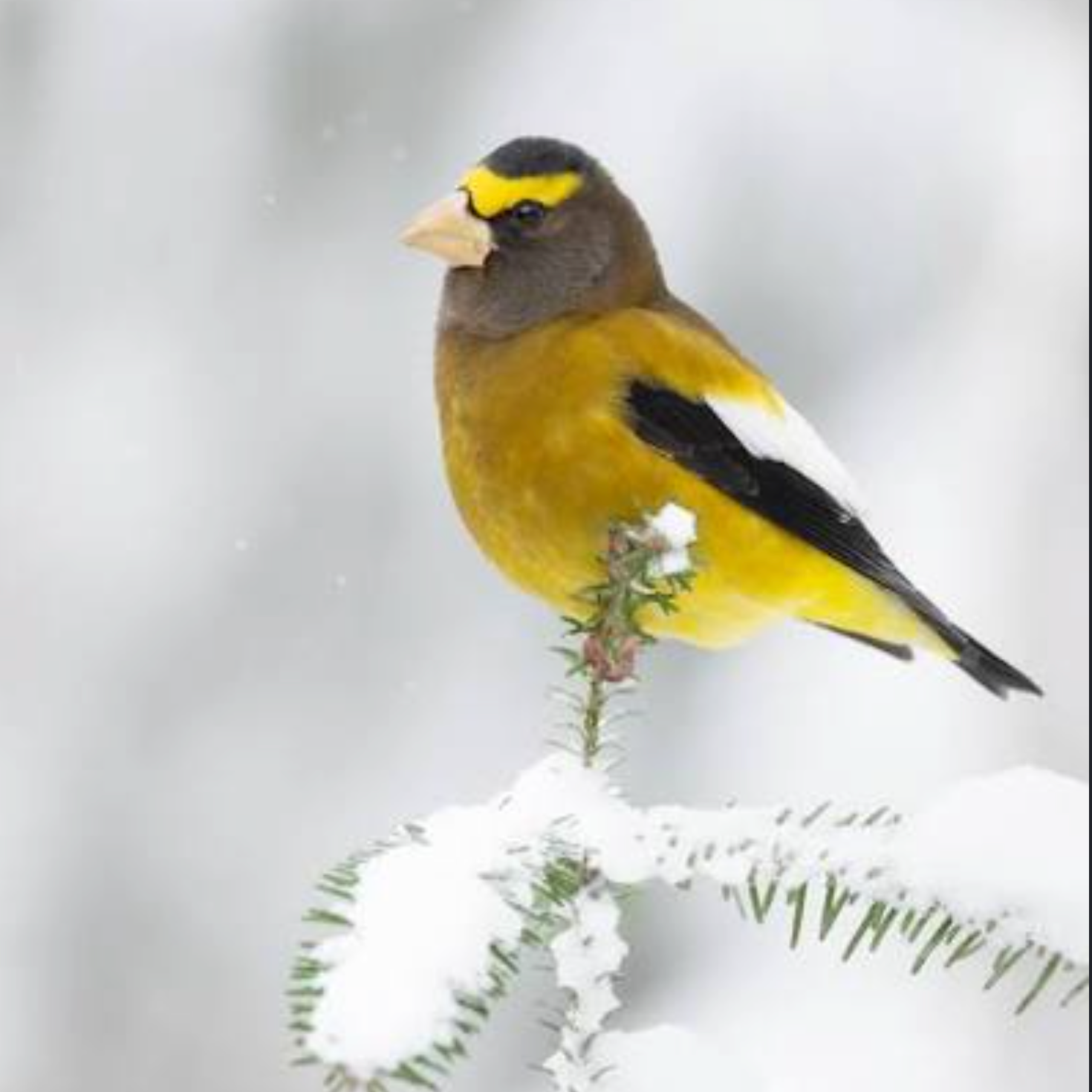
Evening Grosbeak avatar 📍 Powell

Evening Grosbeak

Hesperiphona vespertina
Mountain FlocksBanding: EVGR

A big, spectacular finch (6.3–7.1 inches): males are gold and black with a massive pale bill and a yellow eyebrow; females are silver-gray. Evening Grosbeaks roam in flocks, descending on Wyoming platform feeders in irruption years and emptying them in minutes — a feast day when they arrive.
Read Full Guide →
Feeder Preference: Striped sunflower on big platform feeders — they arrive in flocks.
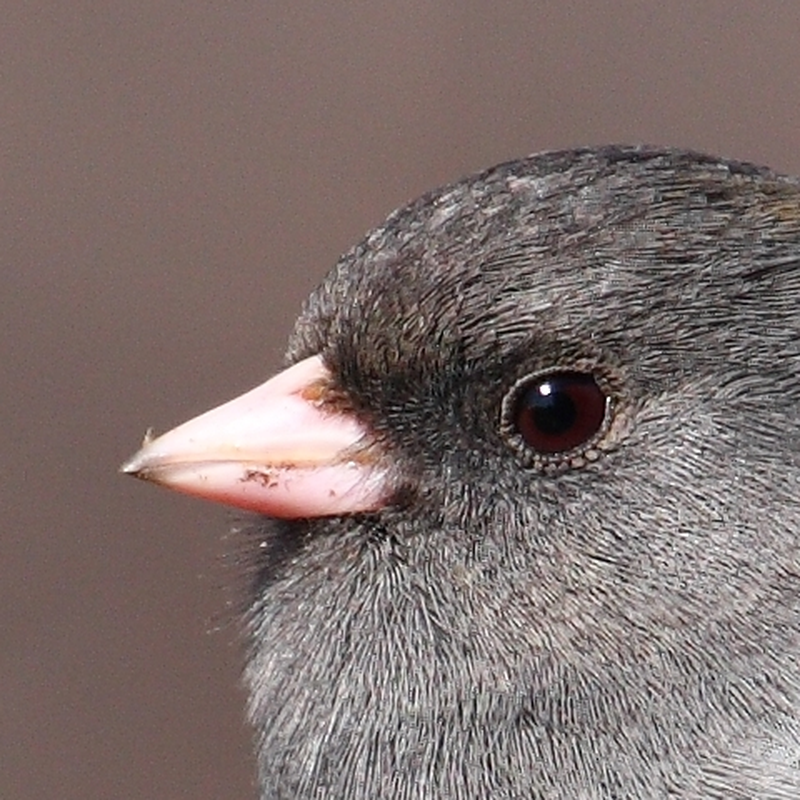
Dark-eyed Junco avatar 📍 Evanston

Dark-eyed Junco

Junco hyemalis
Year-Round ResidentBanding: DEJU

The classic snowbird: a 5.5–6.3-inch sparrow with a slate-gray hood set cleanly against a white belly, white outer tail feathers flashing in flight. Juncos pour into Wyoming each October and double-scratch for millet under feeders until April — the surest sign of winter.
Read Full Guide →
Feeder Preference: White millet scattered on the ground or a snow-cleared low platform.
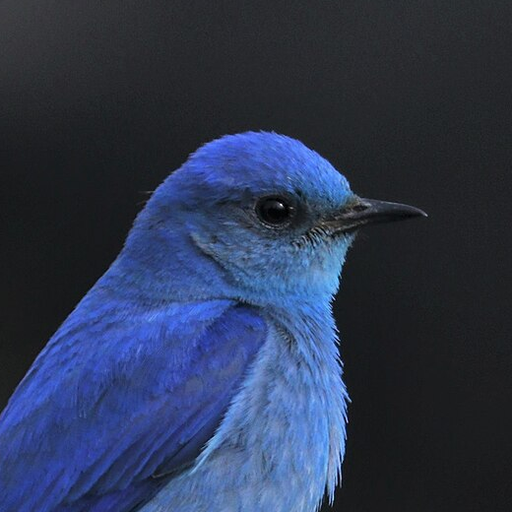
Mountain Bluebird avatar 📍 Green River

Mountain Bluebird

Sialia currucoides
Summer BreederBanding: MOBL

A 6.3–7.9-inch bluebird the color of a high-country sky — males are cerulean blue all over, females soft gray-blue. Mountain Bluebirds hover-hunt insects over Wyoming’s open meadows and sage flats, and accept nest boxes on open ground far from trees.
Read Full Guide →
Feeder Preference: Mealworms in a shallow dish; open-country nest boxes on poles.
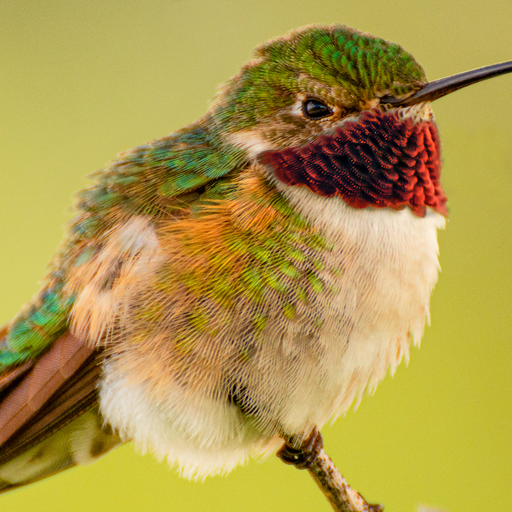
Broad-tailed Hummingbird avatar 📍 Worland

Broad-tailed Hummingbird

Selasphorus platycercus
Summer BreederBanding: BTLH

The mountain hummingbird of the Rockies (3.9–4.3 inches): males have a rose-magenta throat and wings that trill metallically in flight — the soundtrack of a Wyoming mountain summer. Broad-tails breed at altitude and visit feeders May through August before heading to Mexico.
Read Full Guide →
Feeder Preference: 1:4 sugar-water feeders plus red tubular flowers like penstemon and scarlet gilia.
Common Raven avatar 📍 Rawlins

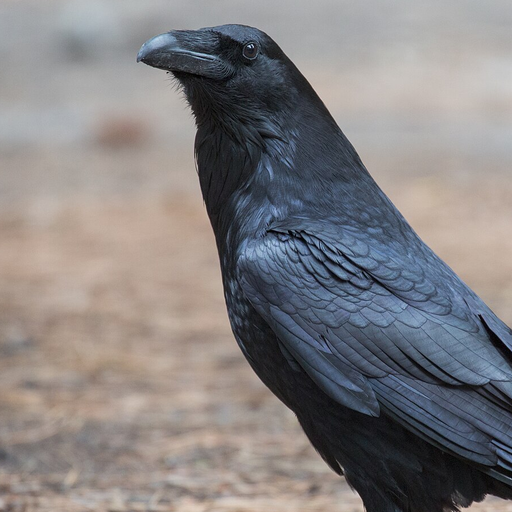
Common Raven

Corvus corax
Year-Round ResidentBanding: CORA

A huge 22.1–27.2-inch all-black corvid — hawk-sized, with a shaggy throat and wedge tail. Ravens are brilliant: they solve puzzles, play in the wind, and remember who feeds them. Wyoming ravens visit rural yards and ranch platforms, announcing themselves with a deep, echoing croak.
Read Full Guide →
Feeder Preference: Large ground platforms with table scraps, corn, and nuts.
American Goldfinch avatar 📍 Buffalo

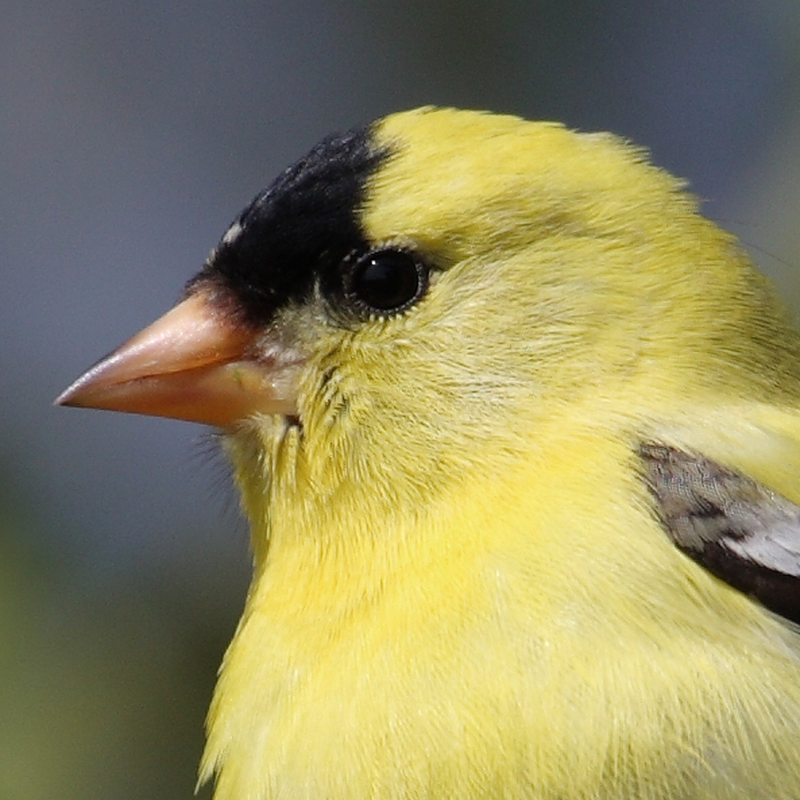
American Goldfinch

Spinus tristis
Year-Round ResidentBanding: AMGO

Breeding males are lemon-yellow with a jet-black cap and wings; winter birds are soft olive-drab. Goldfinches mob Nyjer socks across Wyoming in every season, nesting late in summer when thistle seed ripens. Their bouncy flight and po-ta-to-chip call are unmistakable.

Read Full Guide →
Feeder Preference: Nyjer (thistle) socks and fine sunflower chips — feeds in twittering flocks.

More Backyard Birds in Wyoming +68 species

Every other species from our backyard bird library that regularly occurs in Wyoming — each with its own photo gallery, playable call, and full species guide. Browse 16 per page using the dots below.
American Crow avatar
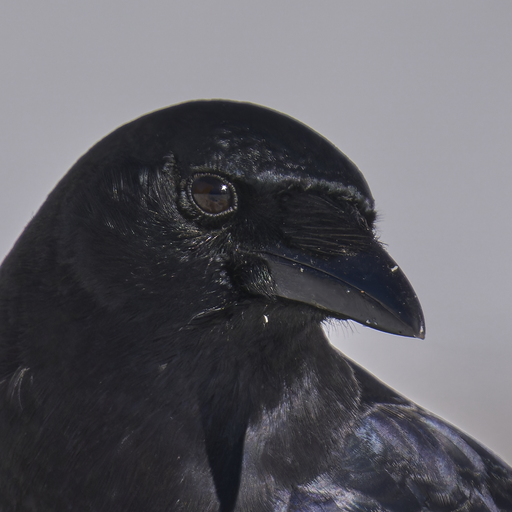
American Crow Corvus brachyrhynchos
Year-Round

Feeder: Whole corn, peanuts, and a shallow water pan on open ground.
Guide →
American Kestrel avatar
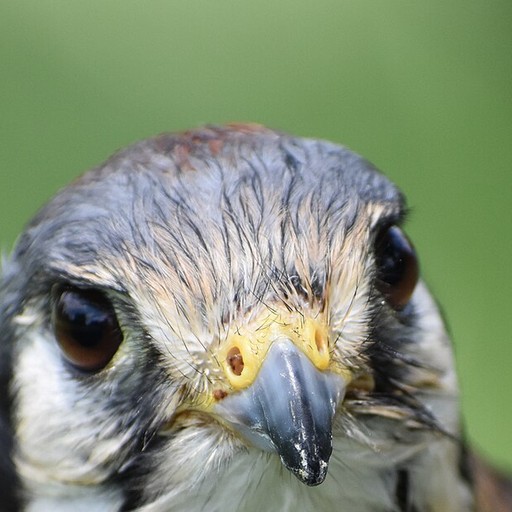
American Kestrel Falco sparverius
Year-Round

Feeder: Perches on fences; nest boxes on poles in open country.

Guide →
American Tree Sparrow avatar
American Tree Sparrow Spizelloides arborea
Winter Visitor

Feeder: White millet and fine cracked corn on ground or platform.
Guide →
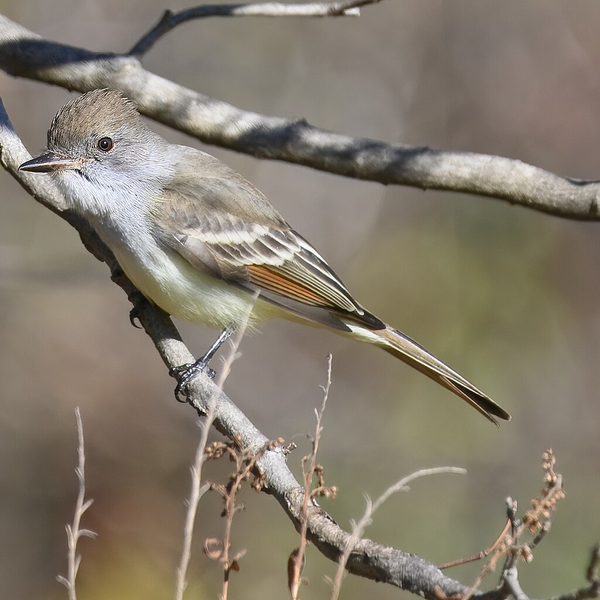
Ash-throated Flycatcher avatar
Ash-throated Flycatcher Myiarchus cinerascens
Summer Breeder

Feeder: Visits backyard feeders and water features.
Guide →
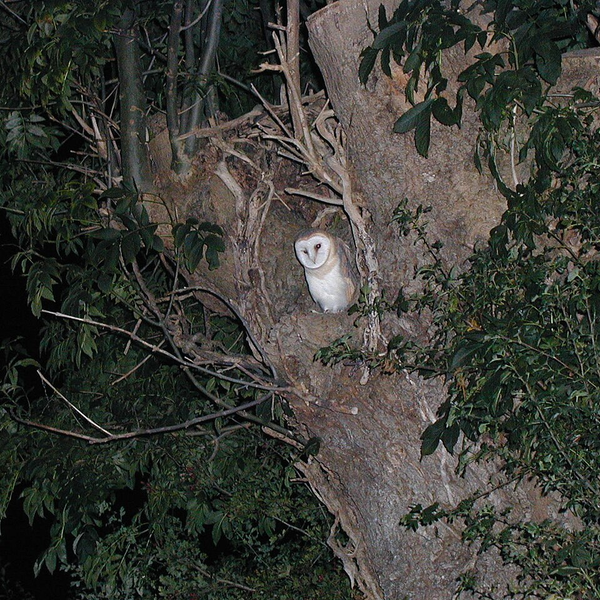
Barn Owl avatar
Barn Owl Tyto alba
Year-Round

Feeder: Visits backyard feeders and water features.
Guide →
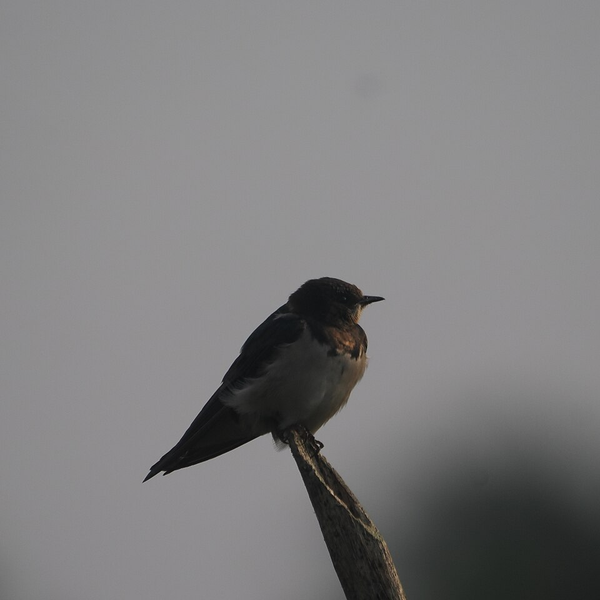
Barn Swallow avatar
Barn Swallow Hirundo rustica
Summer Breeder

Feeder: Visits backyard feeders and water features.
Guide →
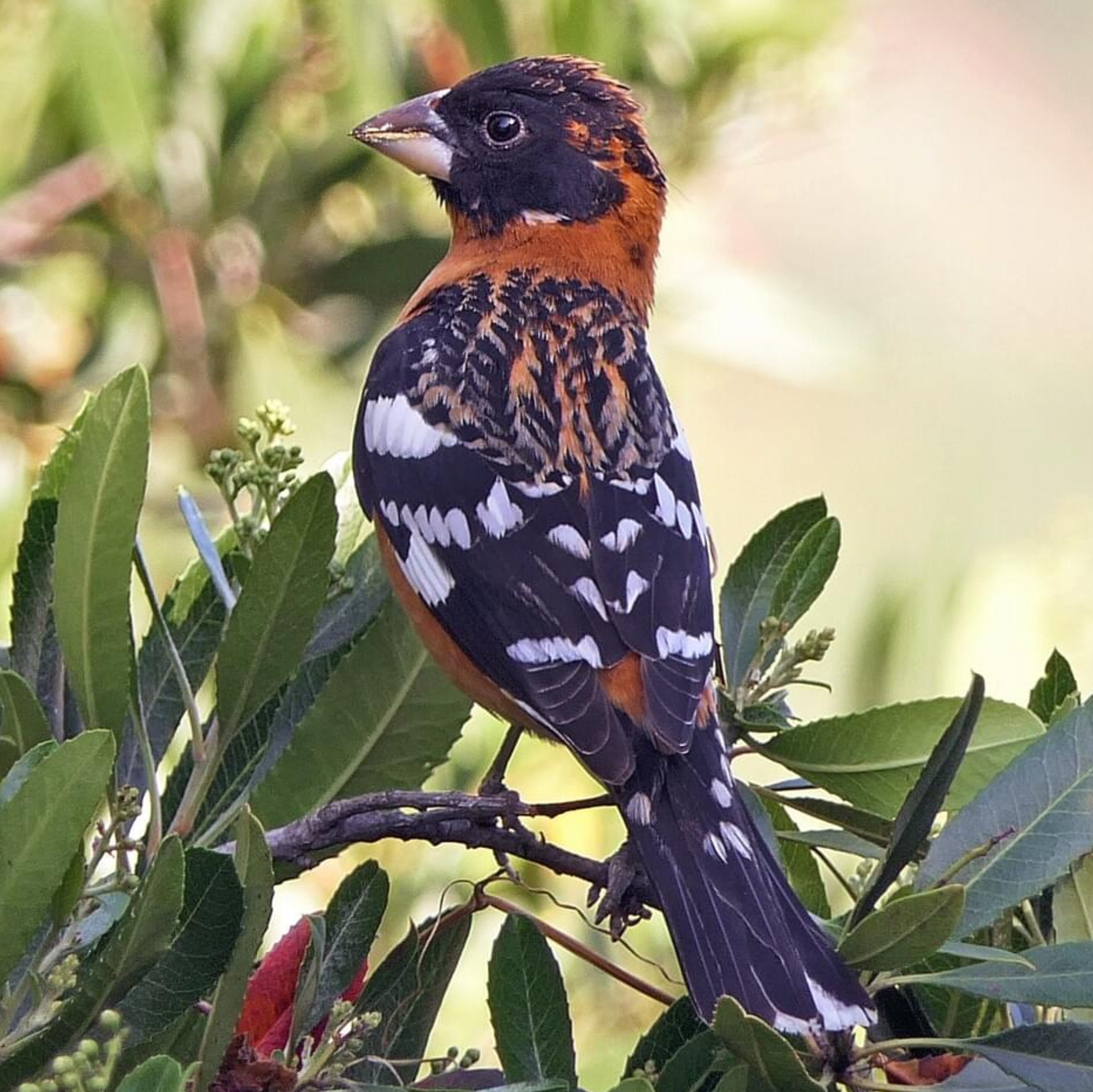
Black-headed Grosbeak avatar
Black-headed Grosbeak Pheucticus melanocephalus
Summer Breeder

Feeder: Sunflower seeds at a sturdy platform feeder in summer.
Guide →
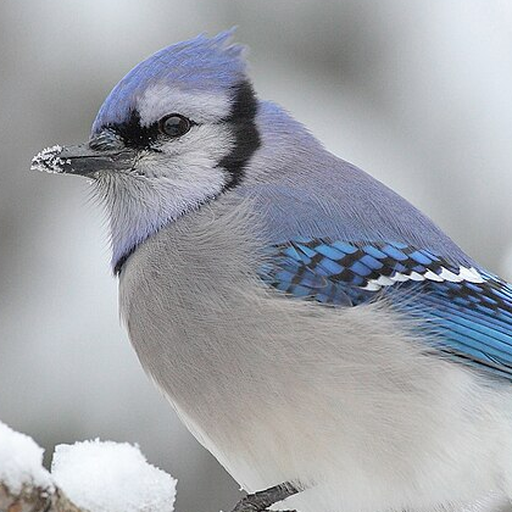
Blue Jay avatar
Blue Jay Cyanocitta cristata
Year-Round

Feeder: Whole in-shell peanuts and coarse sunflower on a large tray.
Guide →
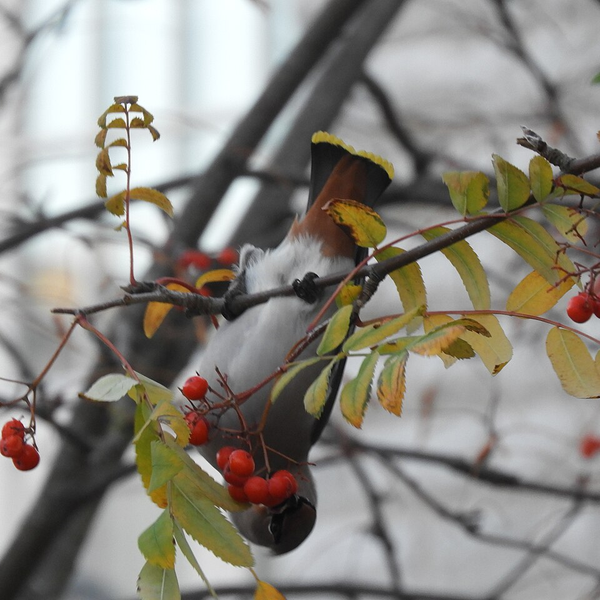
Bohemian Waxwing avatar
Bohemian Waxwing Bombycilla garrulus
Winter Visitor

Feeder: Visits backyard feeders and water features.

Guide →
Brewer's Blackbird avatar
Brewer’s Blackbird Euphagus cyanocephalus
Summer Breeder

Feeder: Grain and crumbs on ground platforms in open western yards.
Guide →
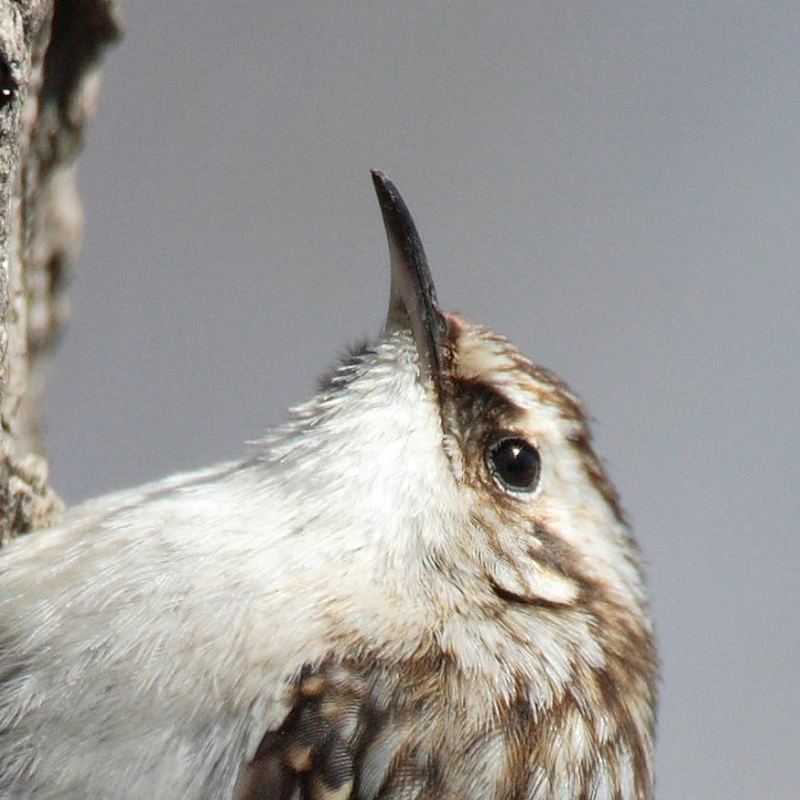
Brown Creeper avatar
Brown Creeper Certhia americana
Year-Round

Feeder: Suet smeared on tree bark; spirals up trunks for hidden insects.
Guide →
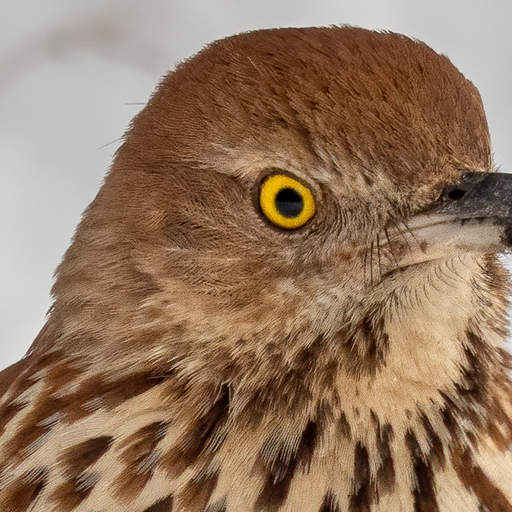
Brown Thrasher avatar
Brown Thrasher Toxostoma rufum
Summer Breeder

Feeder: Ground-scattered peanuts and corn near thick brush piles.

Guide →
Brown-headed Cowbird avatar
Brown-headed Cowbird Molothrus ater
Year-Round

Feeder: Cracked corn and grain on the ground; a nest parasite.
Guide →
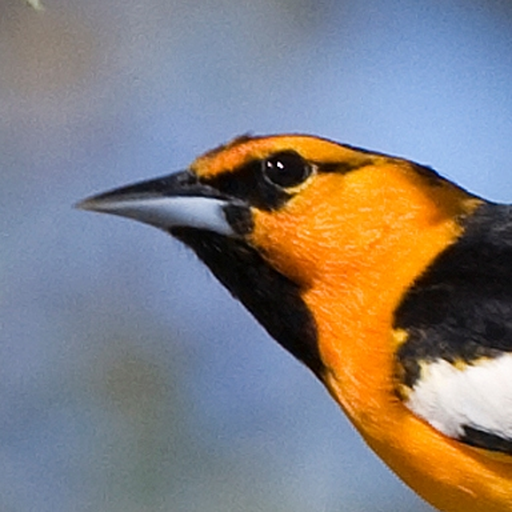
Bullock's Oriole avatar
Bullock’s Oriole Icterus bullockii
Summer Breeder

Feeder: Grape jelly, halved oranges, and sugar water in summer.
Guide →
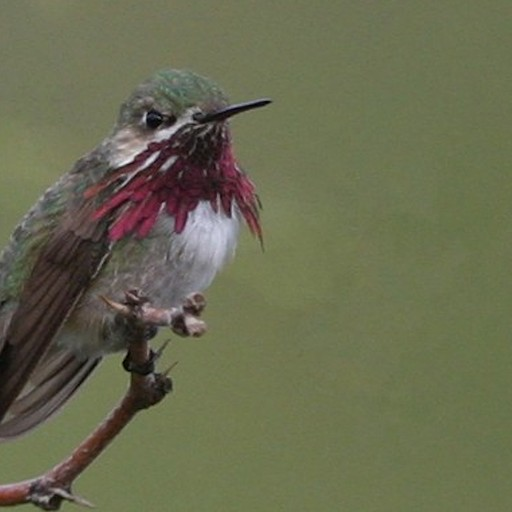
Calliope Hummingbird avatar
Calliope Hummingbird Selasphorus calliope
Summer Breeder

Feeder: Sugar-water feeders; North America’s smallest bird.
Guide →
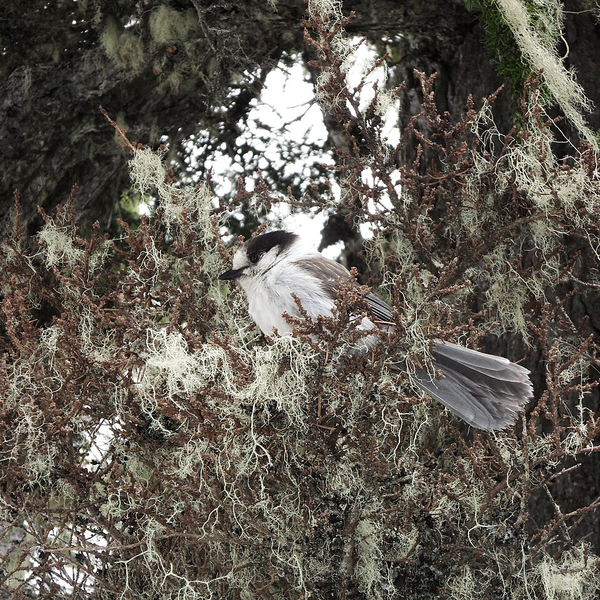
Canada Jay avatar
Canada Jay Perisoreus canadensis
Year-Round

Feeder: Visits backyard feeders and water features.

Guide →
Cedar Waxwing avatar
Cedar Waxwing Bombycilla cedrorum
Year-Round

Feeder: Berry-producing trees and a fountain or moving water.

Guide →
Chipping Sparrow avatar
Chipping Sparrow Spizella passerina
Summer Breeder

Feeder: Fine seed mix and grass seed scattered on open ground.
Guide →
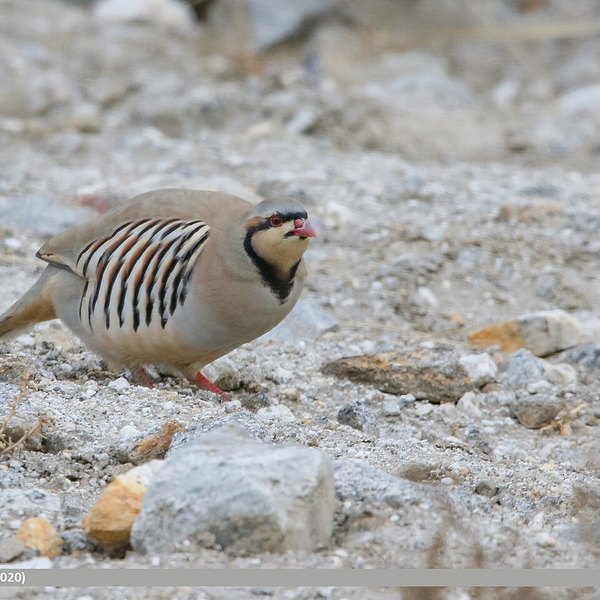
Chukar avatar
Chukar Alectoris chukar
Year-Round

Feeder: Visits backyard feeders and water features.
Guide →
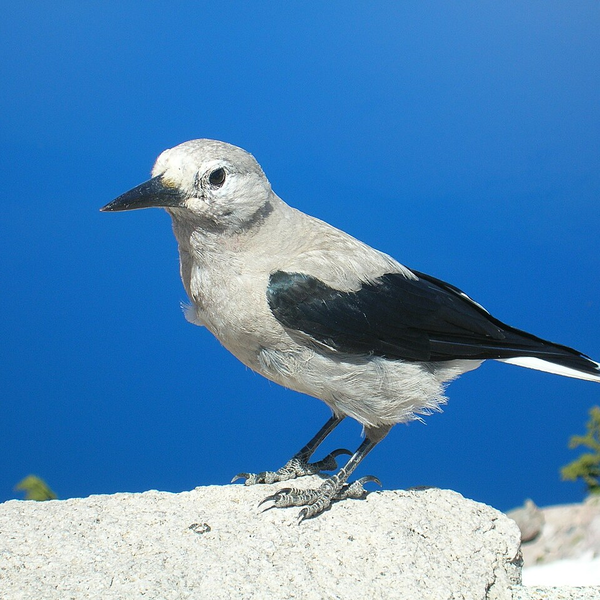
Clark's Nutcracker avatar
Clark’s Nutcracker Nucifraga columbiana
Year-Round

Feeder: Visits backyard feeders and water features.

Guide →
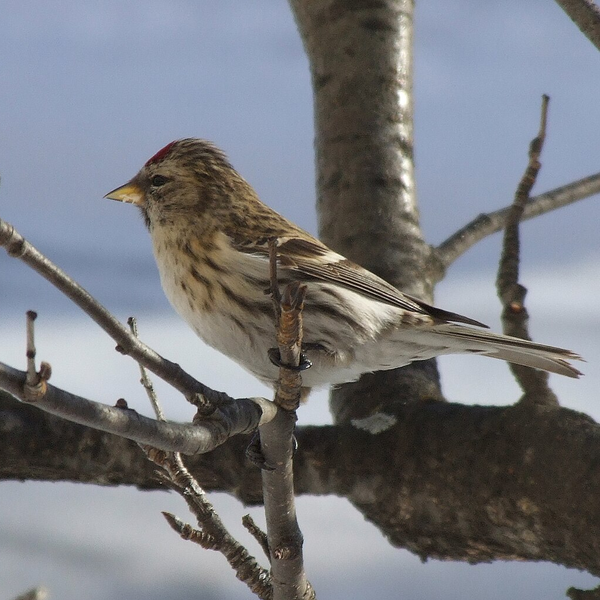
Common Redpoll avatar
Common Redpoll Acanthis flammea
Winter Visitor

Feeder: Visits backyard feeders and water features.

Guide →
Cooper's Hawk avatar
Cooper’s Hawk Accipiter cooperii
Year-Round

Feeder: Not a feeder guest — it hunts the birds at your feeders.
Guide →
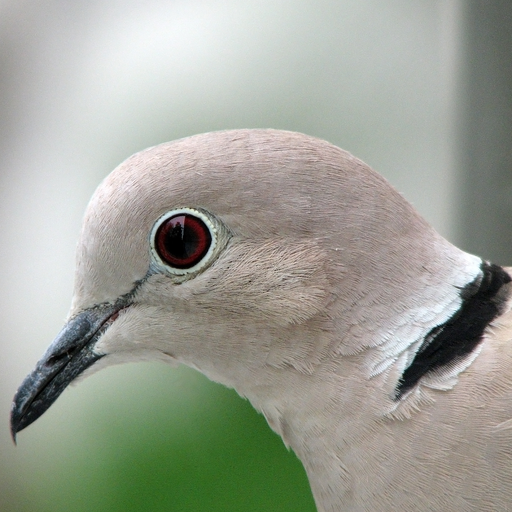
Eurasian Collared-Dove avatar
Eurasian Collared-Dove Streptopelia decaocto
Year-Round

Feeder: Large grains on big platform feeders; spreading fast.

Guide →
European Starling avatar
European Starling Sturnus vulgaris
Year-Round

Feeder: Suet and crumbs; use starling-resistant caged feeders.

Guide →
Fox Sparrow avatar
Fox Sparrow Passerella iliaca
Summer Breeder

Feeder: Sunflower pieces and cracked corn; double-scratches in leaf litter.
Guide →
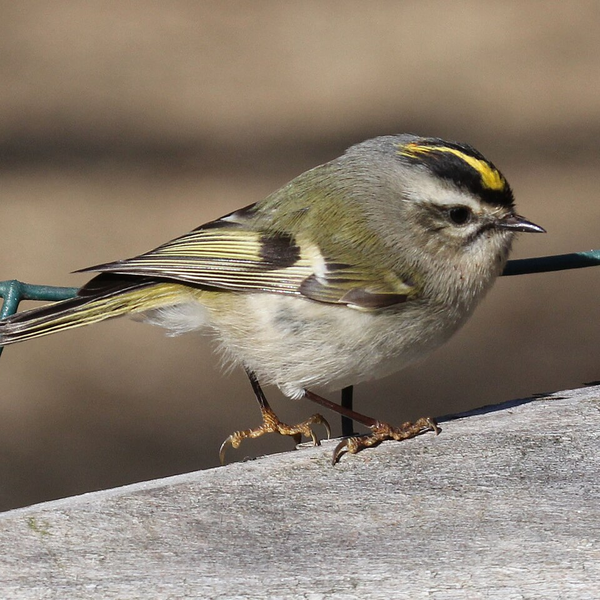
Golden-crowned Kinglet avatar
Golden-crowned Kinglet Regulus satrapa
Summer Breeder

Feeder: Visits backyard feeders and water features.
Guide →
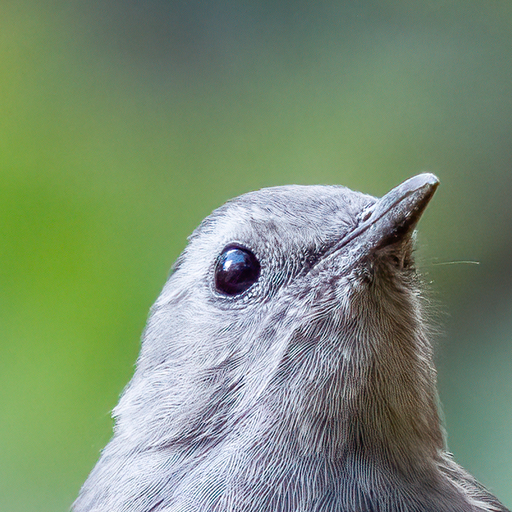
Gray Catbird avatar
Gray Catbird Dumetella carolinensis
Summer Breeder

Feeder: Grape jelly, halved oranges, raisins, and dense shady shrubs.
Guide →
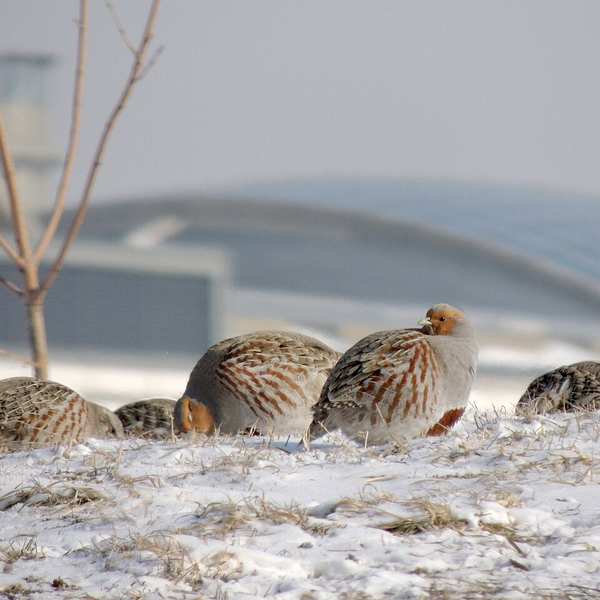
Gray Partridge avatar
Gray Partridge Perdix perdix
Year-Round

Feeder: Visits backyard feeders and water features.
Guide →
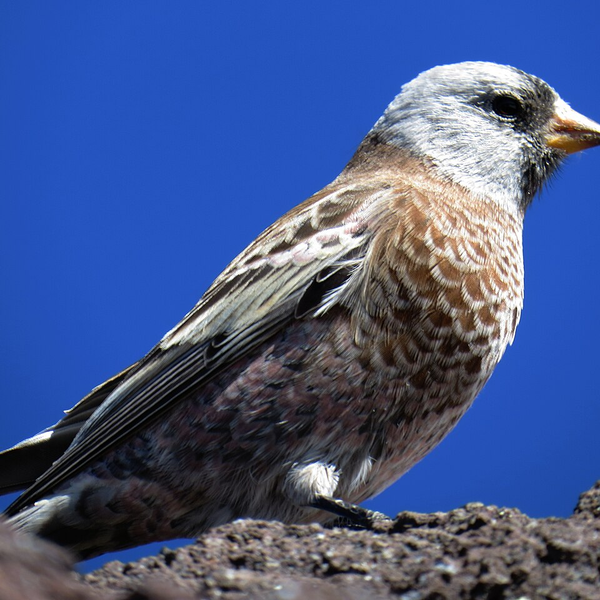
Gray-crowned Rosy-Finch avatar
Gray-crowned Rosy-Finch Leucosticte tephrocotis
Winter Visitor

Feeder: Visits backyard feeders and water features.
Guide →
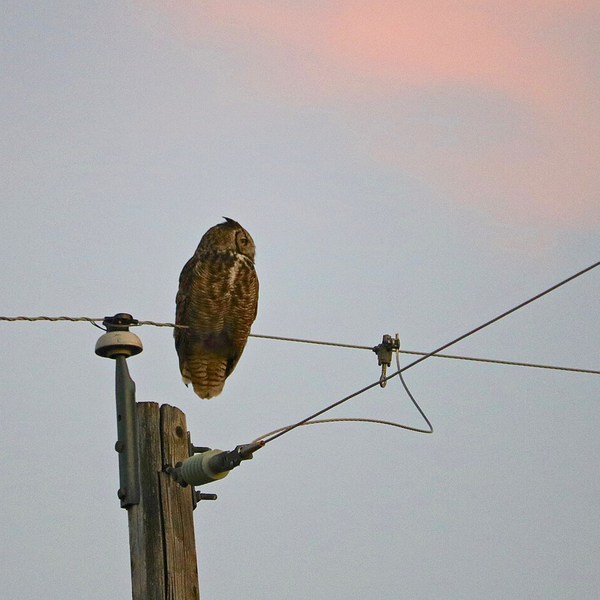
Great Horned Owl avatar
Great Horned Owl Bubo virginianus
Year-Round

Feeder: Visits backyard feeders and water features.
Guide →
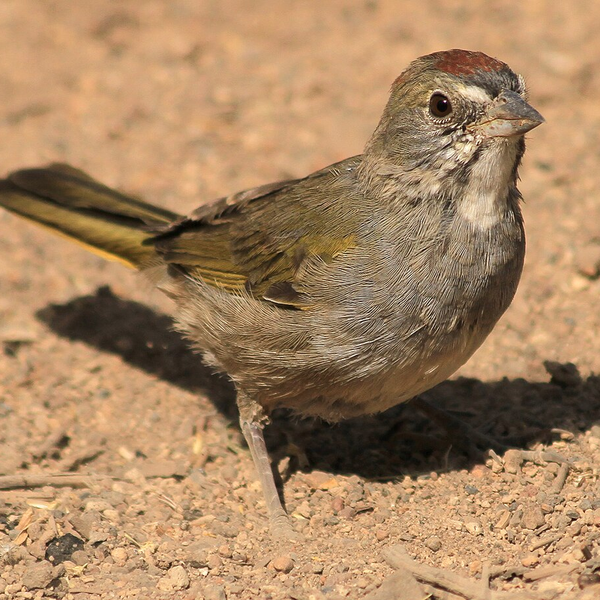
Green-tailed Towhee avatar
Green-tailed Towhee Pipilo chlorurus
Summer Breeder

Feeder: Visits backyard feeders and water features.

Guide →
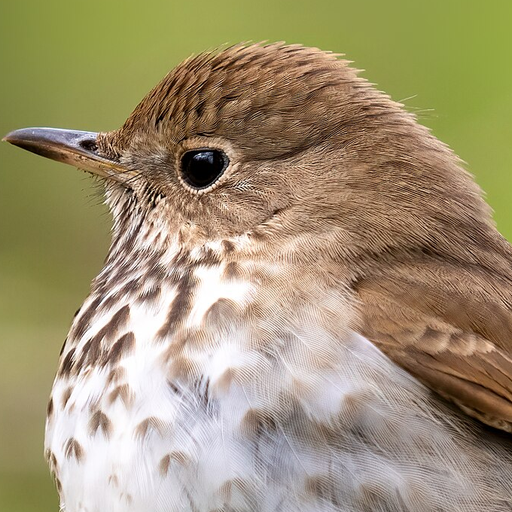
Hermit Thrush avatar
Hermit Thrush Catharus guttatus
Summer Breeder

Feeder: Berry-producing shrubs and a ground birdbath in shady yards.
Guide →
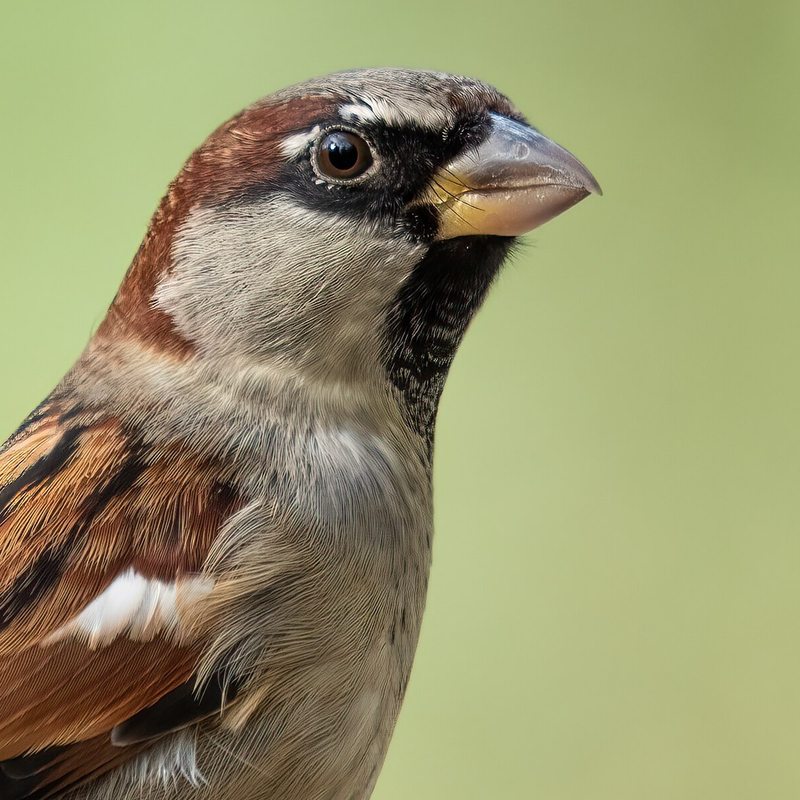
House Sparrow avatar
House Sparrow Passer domesticus
Year-Round

Feeder: Cracked corn, millet, and crumbs; nests in cavities and crevices.

Guide →
House Wren avatar
House Wren Troglodytes aedon
Summer Breeder

Feeder: Nest boxes with 1-inch holes; eats insects, not seed.
Guide →
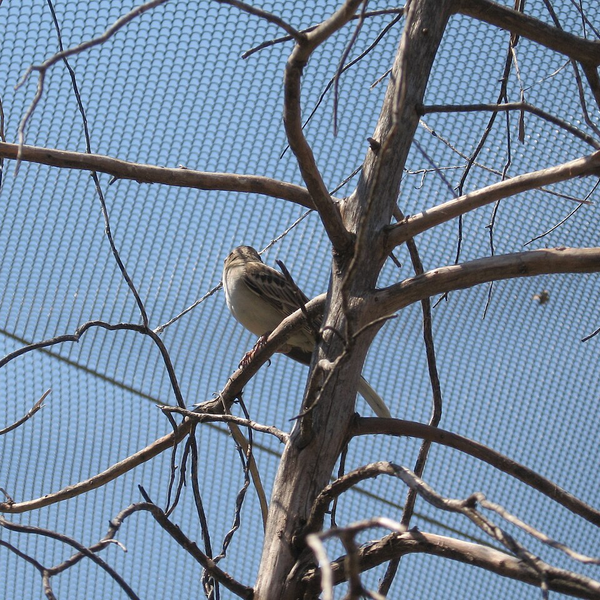
Lark Sparrow avatar
Lark Sparrow Chondestes grammacus
Summer Breeder

Feeder: Visits backyard feeders and water features.
Guide →
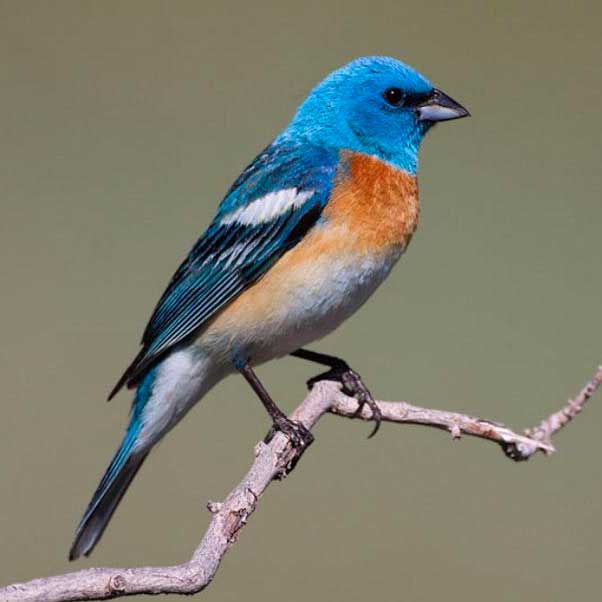
Lazuli Bunting avatar
Lazuli Bunting Passerina amoena
Summer Breeder

Feeder: White millet and fine sunflower chips near brushy slopes.
Guide →
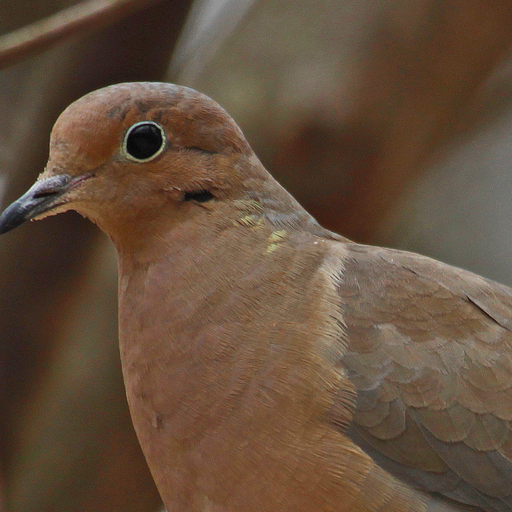
Mourning Dove avatar
Mourning Dove Zenaida macroura
Year-Round

Feeder: White millet and cracked corn on the ground or a low platform.

Guide →
Orange-crowned Warbler avatar
Orange-crowned Warbler Leiothlypis celata
Summer Breeder

Feeder: Suet crumbs; occasionally sips at hummingbird feeders.
Guide →
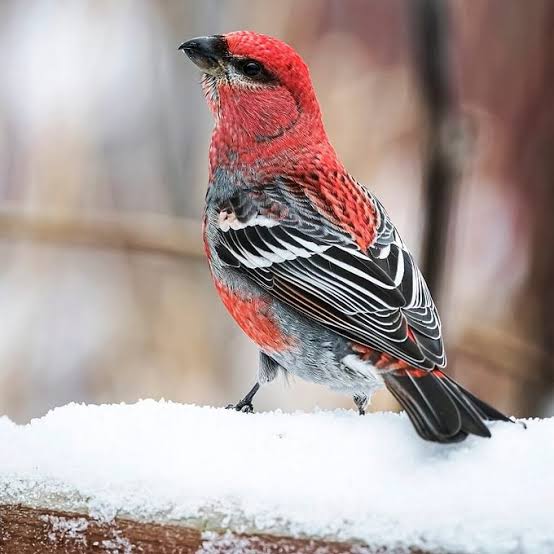
Pine Grosbeak avatar
Pine Grosbeak Pinicola enucleator
Winter Visitor

Feeder: Sunflower seeds and mountain ash berries in winter; tame at feeders.
Guide →
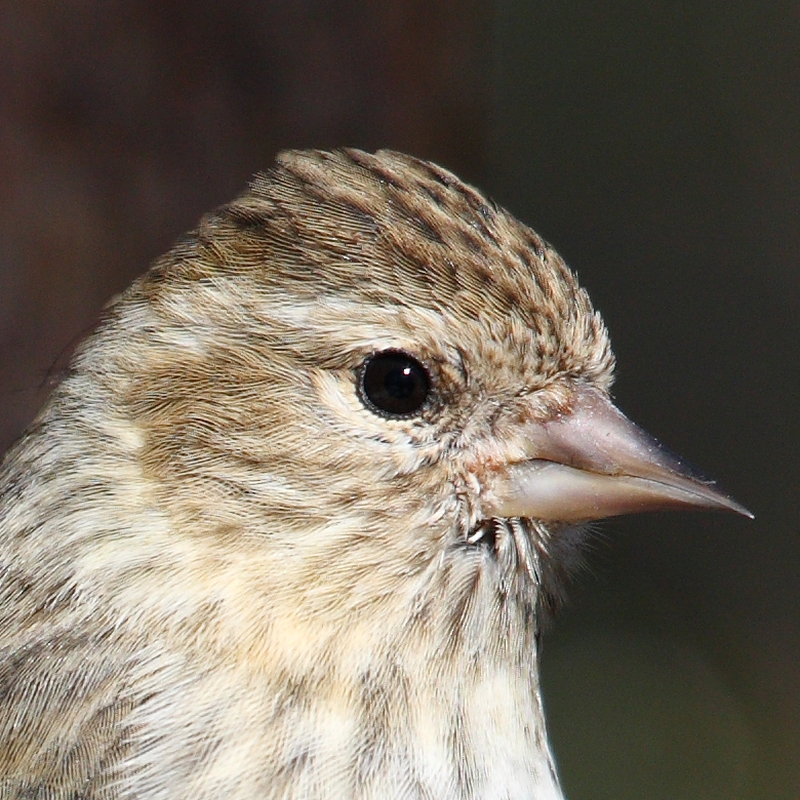
Pine Siskin avatar
Pine Siskin Spinus pinus
Year-Round

Feeder: Nyjer and fine sunflower chips; irrupts to feeders in dense flocks.
Guide →
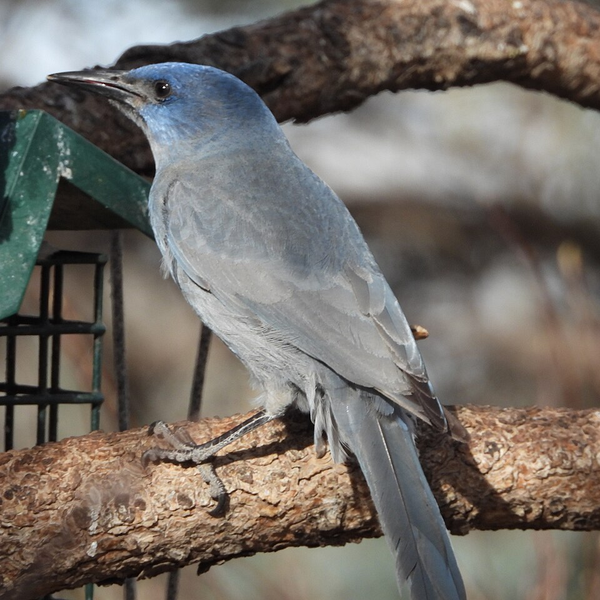
Pinyon Jay avatar
Pinyon Jay Gymnorhinus cyanocephalus
Year-Round

Feeder: Visits backyard feeders and water features.
Guide →
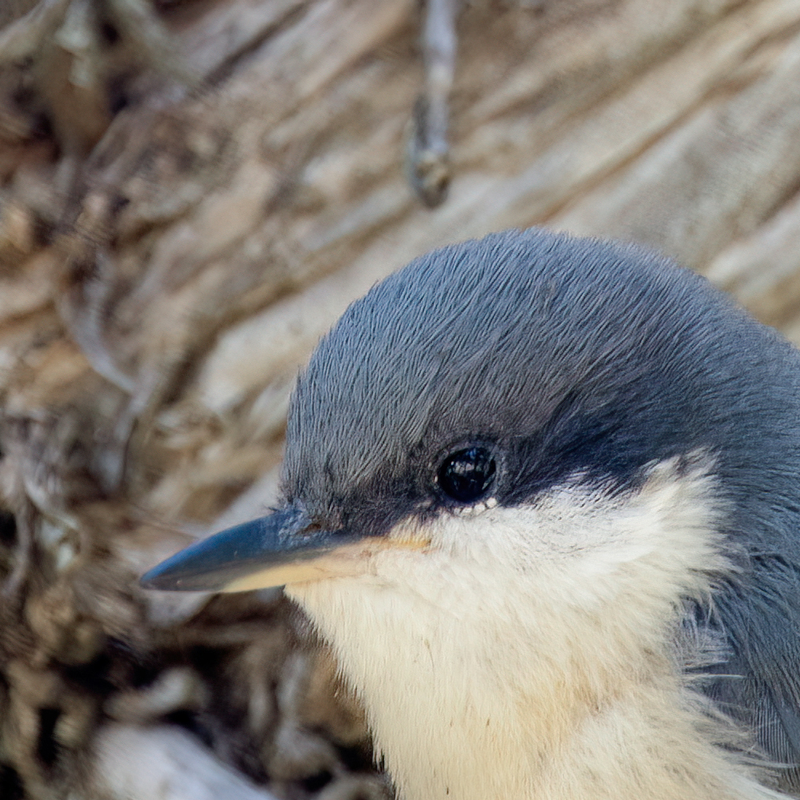
Pygmy Nuthatch avatar
Pygmy Nuthatch Sitta pygmaea
Year-Round

Feeder: Suet and crushed nuts; communal winter flocks in pine towns.
Guide →
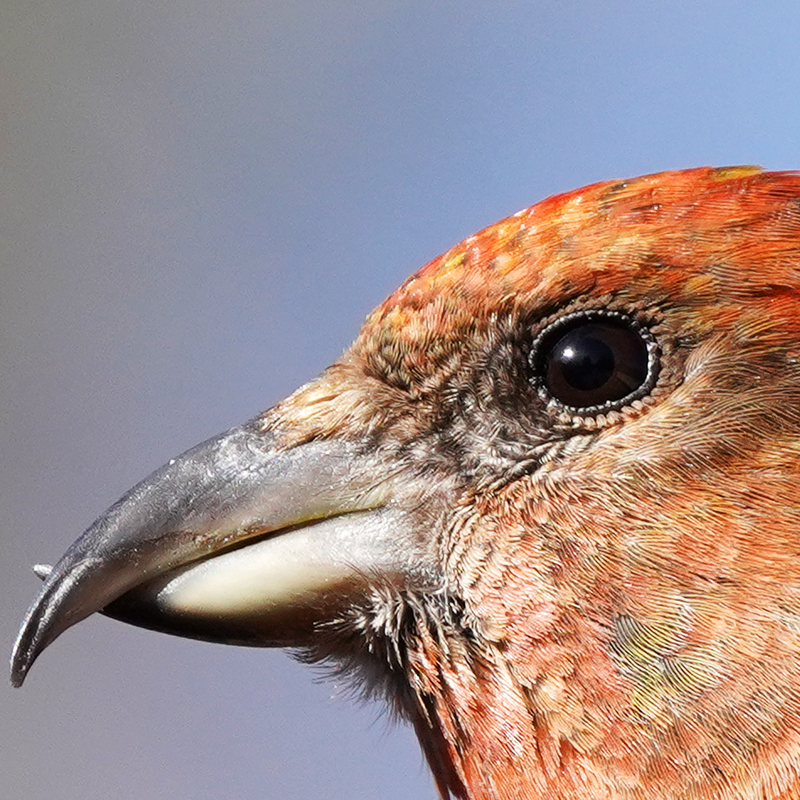
Red Crossbill avatar
Red Crossbill Loxia curvirostra
Year-Round

Feeder: Sunflower seeds on open platforms; visits erratically with cone crops.
Guide →
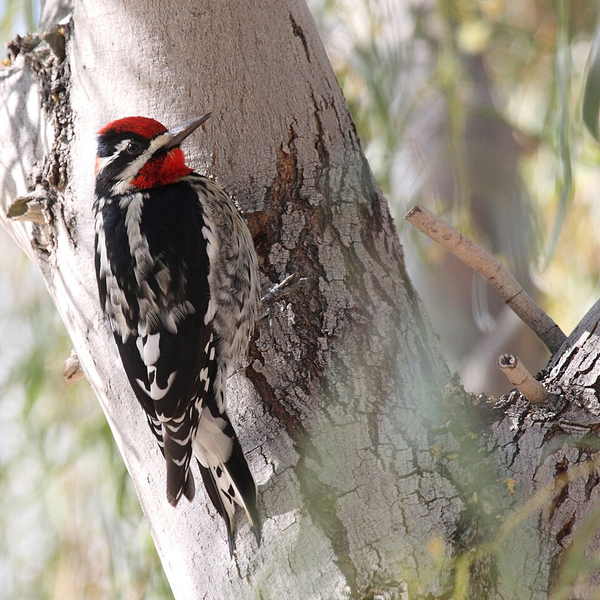
Red-naped Sapsucker avatar
Red-naped Sapsucker Sphyrapicus nuchalis
Summer Breeder

Feeder: Visits backyard feeders and water features.
Guide →
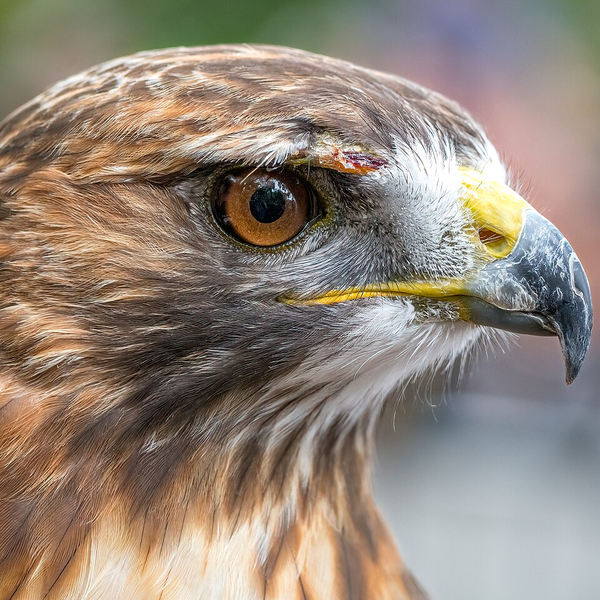
Red-tailed Hawk avatar
Red-tailed Hawk Buteo jamaicensis
Year-Round

Feeder: Visits backyard feeders and water features.

Guide →
Red-winged Blackbird avatar
Red-winged Blackbird Agelaius phoeniceus
Year-Round

Feeder: Sunflower, millet, and corn — arrives in loud flocks.
Guide →
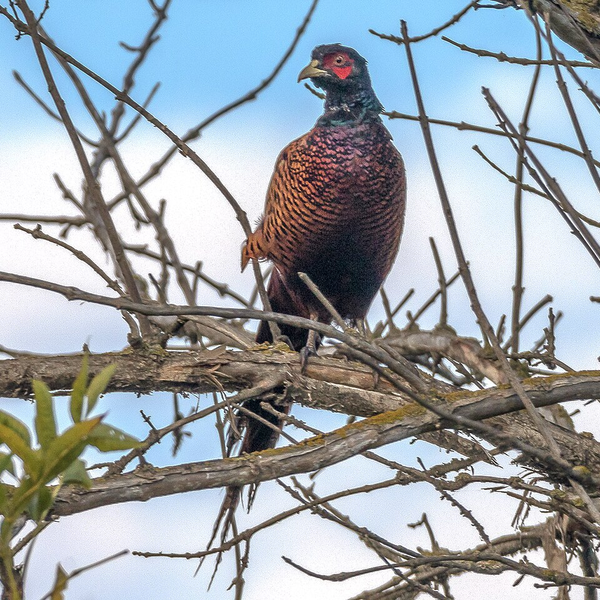
Ring-necked Pheasant avatar
Ring-necked Pheasant Phasianus colchicus
Year-Round

Feeder: Visits backyard feeders and water features.
Guide →
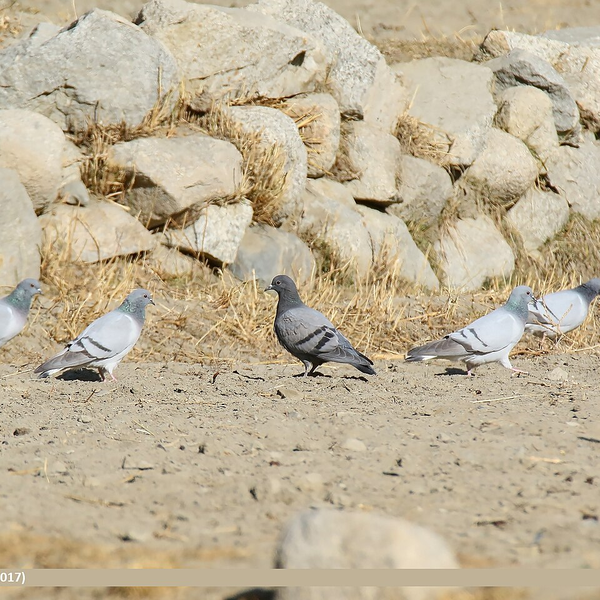
Rock Pigeon avatar
Rock Pigeon Columba livia
Year-Round

Feeder: Visits backyard feeders and water features.
Guide →
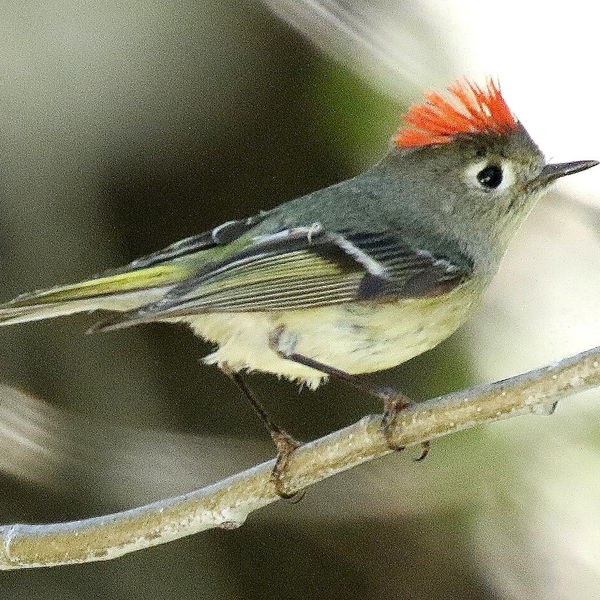
Ruby-crowned Kinglet avatar
Ruby-crowned Kinglet Corthylio calendula
Summer Breeder

Feeder: Visits backyard feeders and water features.
Guide →
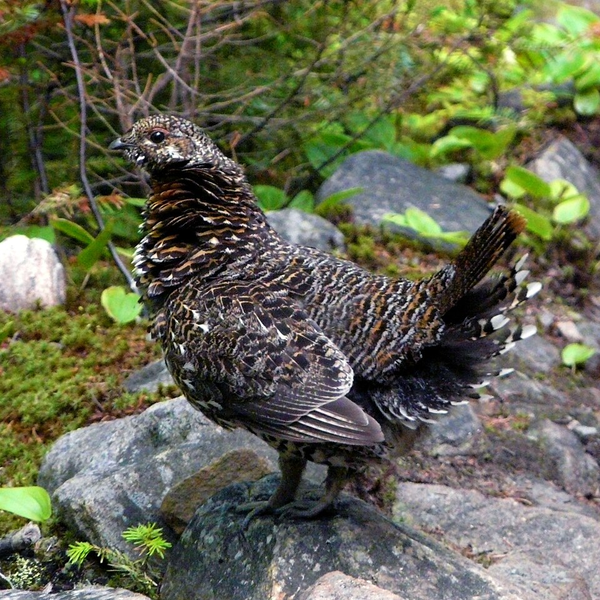
Ruffed Grouse avatar
Ruffed Grouse Bonasa umbellus
Year-Round

Feeder: Visits backyard feeders and water features.
Guide →
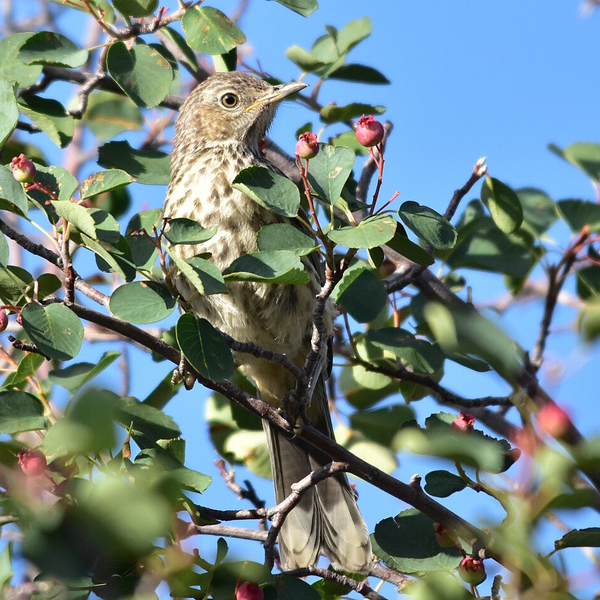
Sage Thrasher avatar
Sage Thrasher Oreoscoptes montanus
Summer Breeder

Feeder: Visits backyard feeders and water features.
Guide →
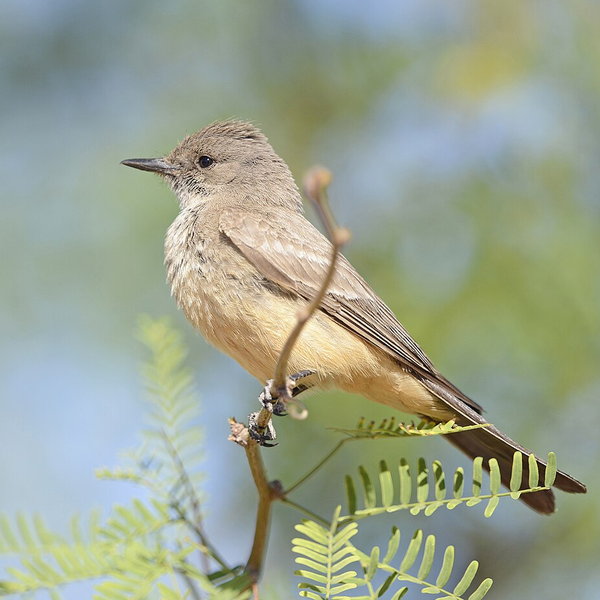
Say's Phoebe avatar
Say’s Phoebe Sayornis saya
Summer Breeder

Feeder: Visits backyard feeders and water features.
Guide →
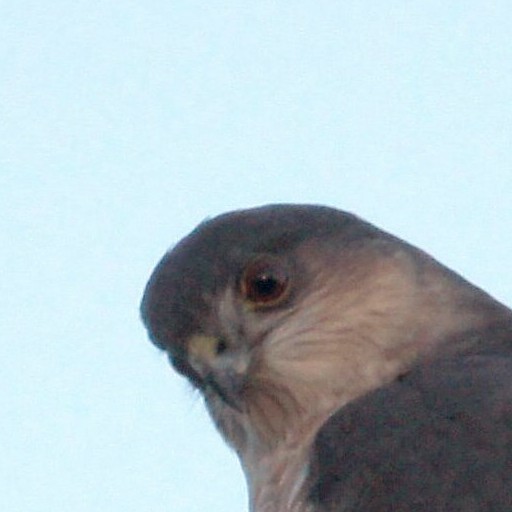
Sharp-shinned Hawk avatar
Sharp-shinned Hawk Accipiter striatus
Year-Round

Feeder: Hunts small feeder birds in winter; give feeders escape cover.

Guide →
Song Sparrow avatar
Song Sparrow Melospiza melodia
Summer Breeder

Feeder: Mixed seed and white millet near brushy edges; loves a birdbath.

Guide →
Spotted Towhee avatar
Spotted Towhee Pipilo maculatus
Summer Breeder

Feeder: Coarse seed mixes on a ground platform near dry thickets.
Guide →
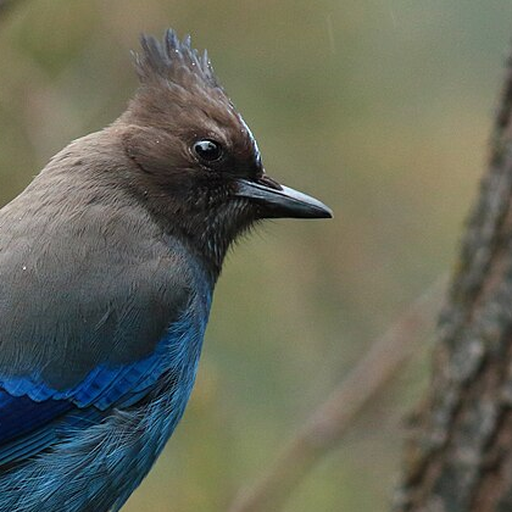
Steller's Jay avatar
Steller’s Jay Cyanocitta stelleri
Year-Round

Feeder: Whole peanuts, suet, and large nuts at mountain cabins.
Guide →
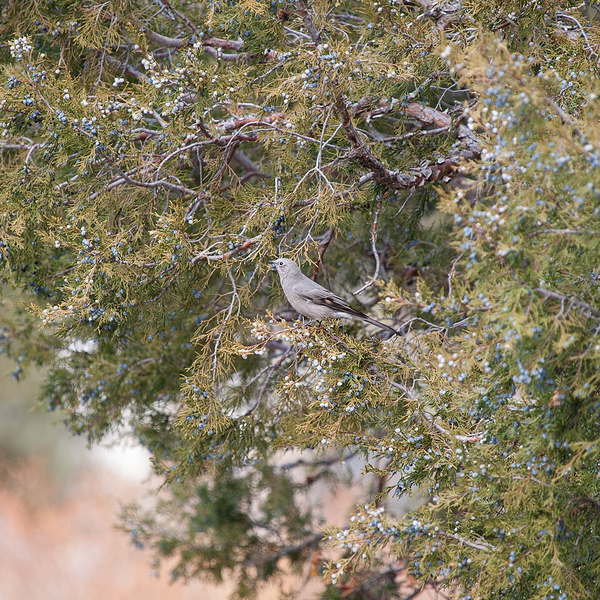
Townsend's Solitaire avatar
Townsend’s Solitaire Myadestes townsendi
Year-Round

Feeder: Visits backyard feeders and water features.
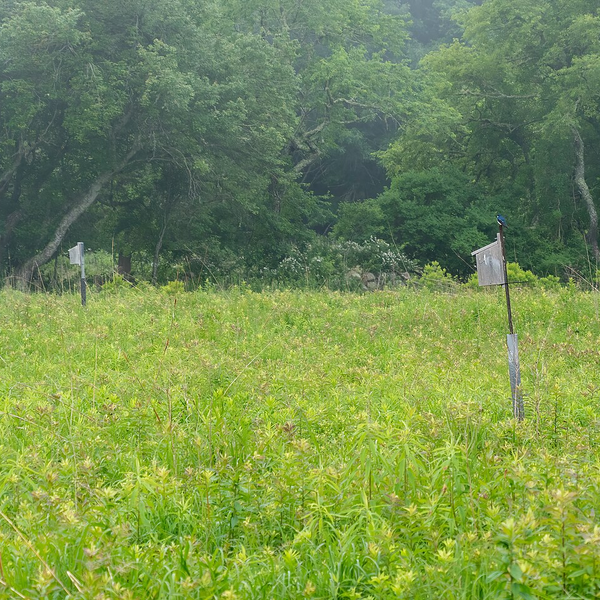
Guide →
Tree Swallow avatar
Tree Swallow Tachycineta bicolor
Summer Breeder

Feeder: Visits backyard feeders and water features.
Guide →
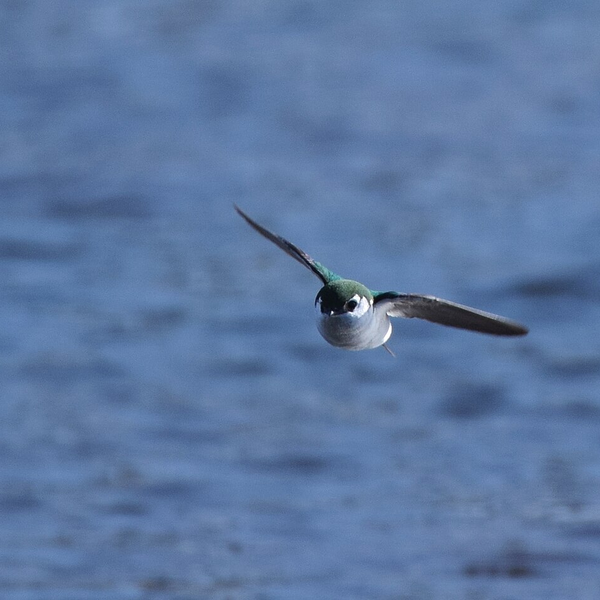
Violet-green Swallow avatar
Violet-green Swallow Tachycineta thalassina
Summer Breeder

Feeder: Visits backyard feeders and water features.
Guide →
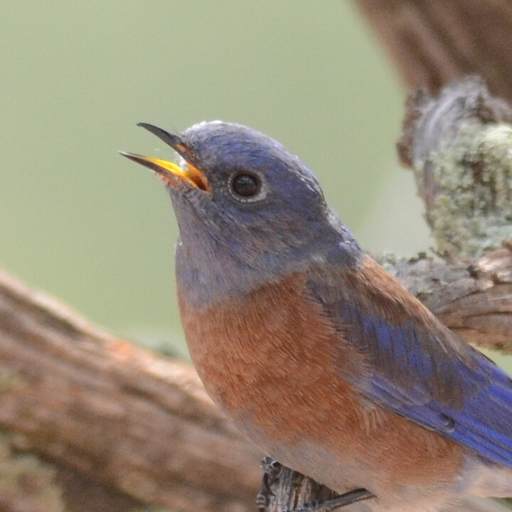
Western Bluebird avatar
Western Bluebird Sialia mexicana
Summer Breeder

Feeder: Mealworms and a nest box facing open ground.
Guide →
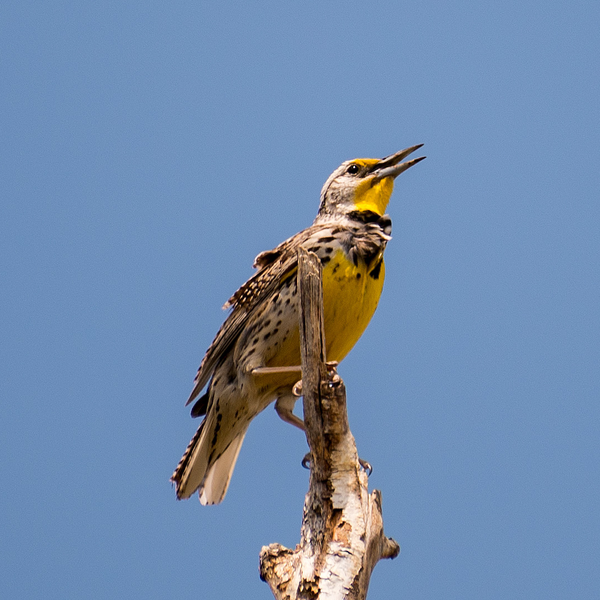
Western Meadowlark avatar
Western Meadowlark Sturnella neglecta
Year-Round

Feeder: Visits backyard feeders and water features.

Guide →
Western Screech-Owl avatar
Western Screech-Owl Megascops kennicottii
Year-Round

Feeder: Tree-cavity style nest boxes; listen for the bouncing-ball call.
Guide →
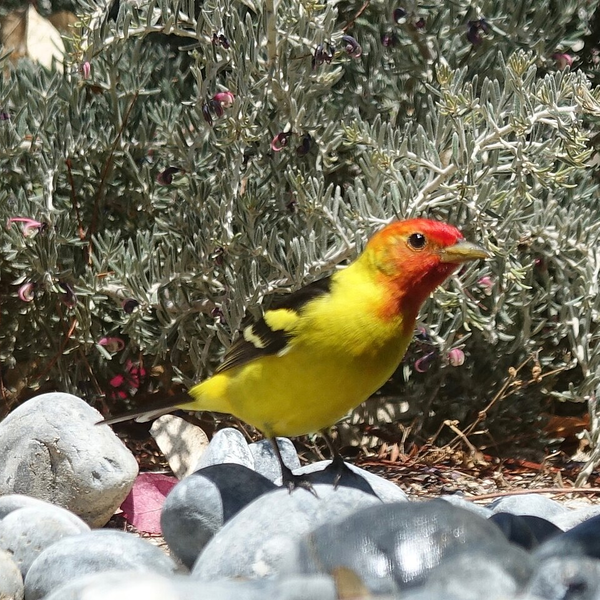
Western Tanager avatar
Western Tanager Piranga ludoviciana
Summer Breeder

Feeder: Visits backyard feeders and water features.
Guide →
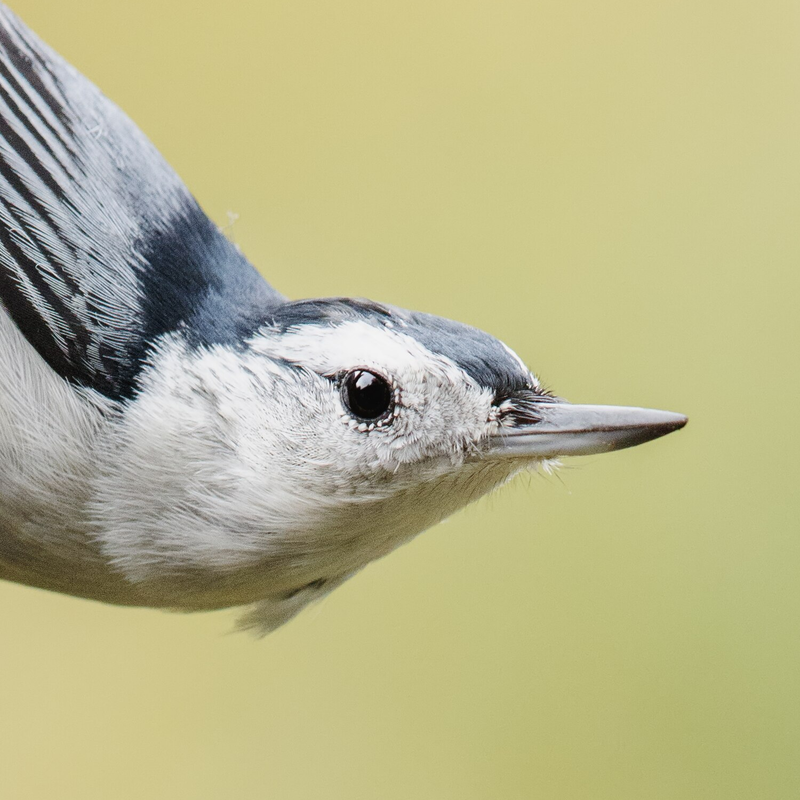
White-breasted Nuthatch avatar
White-breasted Nuthatch Sitta carolinensis
Year-Round

Feeder: Suet, whole peanuts, and sunflower; walks headfirst down trunks.

Guide →
White-crowned Sparrow avatar
White-crowned Sparrow Zonotrichia leucophrys
Winter Visitor

Feeder: Sunflower chips and white millet on the ground near brush.
Guide →
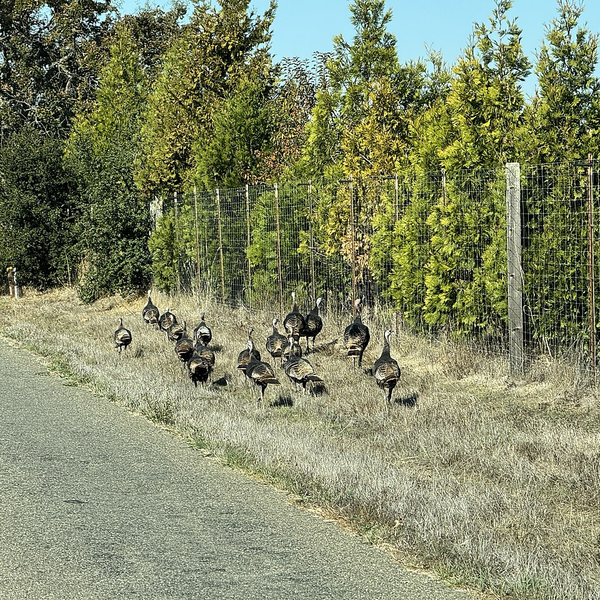
Wild Turkey avatar
Wild Turkey Meleagris gallopavo
Year-Round

Feeder: Visits backyard feeders and water features.
Guide →
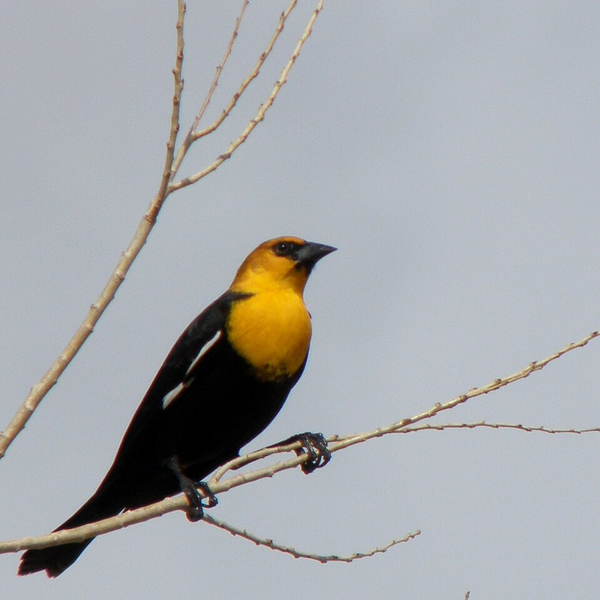
Yellow-headed Blackbird avatar
Yellow-headed Blackbird Xanthocephalus xanthocephalus
Summer Breeder

Feeder: Visits backyard feeders and water features.

Guide →
Yellow-rumped Warbler avatar
Yellow-rumped Warbler Setophaga coronata
Summer Breeder

Feeder: Suet cakes, berries, and peanut butter smeared on bark.

Guide →

The Wyoming Seasonal Feeder Calendar

🌱 Spring

March – May

Western Meadowlarks return to the fence posts in March; Mountain Bluebirds scout nest boxes by April. Hang nectar feeders by mid-May for Broad-tailed and Calliope Hummingbirds. In the northwest mountain counties, bears leave dens in April — bring feeders in at night where bears are seen.

☀️ Summer

June – August

Change hummingbird nectar every 2–3 days and keep the birdbath full — Wyoming’s dry air makes water a magnet. Robins raise broods on every porch ledge; goldfinches nest late, in July, timed to thistle seed. Evening Grosbeaks visit mountain-town feeders all summer.

🍂 Autumn

September – November

Mountain birds drift to the valleys. Juncos, siskins, and rosy-finches move; hummingbirds leave by early September. Stock seed and suet ahead of the first blizzard, and watch for Pine Grosbeaks and redpolls in irruption years.

❄️ Winter

December – February

Prime feeding season — survival season. Black oil sunflower, suet, and Nyjer carry chickadees, nuthatches, and finch flocks through Wyoming’s famous wind and cold. A heated birdbath is the biggest draw in a frozen yard, and magpies and ravens clean up suet scraps.

Frequently Asked Questions: Backyard Birding in Wyoming

What is the state bird of Wyoming? +
The Western Meadowlark (Sturnella neglecta), designated in 1927 — Wyoming is one of six western states that chose the meadowlark. These birds of open grassland are brilliant yellow with a black V on the chest, singing a rich, flute-like song from fence posts across the high plains. They rarely visit hanging feeders, but yards bordering open fields can attract them with cracked corn scattered on short grass in winter. The bird Wyomingites actually see at feeders most boldly is the Black-billed Magpie.
What birds come to Wyoming feeders in winter? +
The resident corps: Black-capped and Mountain Chickadees, Red-breasted Nuthatches, Downy and Hairy Woodpeckers, Northern Flickers, House Finches, Cassin’s Finches, Evening Grosbeaks, Dark-eyed Juncos, Black-billed Magpies, and Common Ravens. Winter specials add Gray-crowned Rosy-Finches in mountain towns and, in irruption years, Pine Grosbeaks and Common Redpolls. Suet and sunflower bring the most species; a heated birdbath is essential in Wyoming’s wind and cold.
Do hummingbirds live in Wyoming? +
Yes, in summer. The Broad-tailed Hummingbird — whose wings trill metallically in flight — breeds in Wyoming’s mountains from May to August, joined by Calliope (the smallest bird in the United States) and Rufous passing through in late summer. They arrive in May and leave by early September. Feed a 1:4 white-sugar solution, change it every two to three days, and plant penstemon and bee balm.
Are magpies and ravens good or bad at feeders? +
Both are intelligent, native, and protected by the Migratory Bird Treaty Act — and both eat eggs and nestlings of other birds in spring, which is why some birders dislike them. In winter they are scavengers cleaning up scraps. If magpies dominate your feeders, switch to weight-activated or caged feeders that exclude big birds, and offer table scraps on a separate ground platform away from the songbird station. Most Wyoming yards find room for both.
When should I take feeders down in Wyoming bear country? +
The Yellowstone ecosystem counties of northwest Wyoming have both black and grizzly bears — feeders there should come down entirely from April through November; even a night feeder is an attractant. In the rest of the state, bears are rare and year-round feeding is fine with good hygiene: scrub feeders monthly with a 10% bleach solution and rake spilled seed. A bear that learns to associate homes with food is often destroyed — feeding birds responsibly in bear country means feeding bears nothing.
Key Takeaways
  • The Backyard Icon: The American Robin owns every Wyoming lawn from April to September — and big flocks linger through mild winters on berry bushes.
  • The State Bird: The Western Meadowlark (state bird since 1927) sings from prairie fence posts rather than feeders — cracked corn on short grass brings them close in winter.
  • Winter Finch Country: Wyoming winters bring Evening Grosbeaks, Cassin’s Finches, and — in irruption years — Pine Grosbeaks and Common Redpolls to the same feeder.
  • Bear Country: The northwest mountain counties (Yellowstone ecosystem) have black and grizzly bears — feeders come down April through November there.
  • The Map: The pinned map at the top of this page shows where each of the 16 featured birds is most characteristic; every pin jumps to a profile with photos, a playable call, and a full guide link.
  • Best Single Upgrade: A suet cage plus a heated birdbath — chickadees, nuthatches, magpies, and finches through the deepest Wyoming winter.

Wyoming Backyard Bird Watching Checklist

Large-print checklist format designed for American seniors. Print or download as a 1-page PDF, then tick off each species as you see it.

American Robin Avatar

Wyoming Birding Checklist

Region: Wyoming — 84 Backyard Species

DATE: LOCATION:
TIME: OBSERVERS:
SPECIES CHECKLIST — TICK & COUNT
American Robin Turdus migratorius
Black-billed Magpie Pica hudsonia
Black-capped Chickadee Poecile atricapillus
Mountain Chickadee Poecile gambeli
Red-breasted Nuthatch Sitta canadensis
Downy Woodpecker Dryobates pubescens
Hairy Woodpecker Dryobates villosus
Northern Flicker Colaptes auratus
House Finch Haemorhous mexicanus
Cassin’s Finch Haemorhous cassinii
Evening Grosbeak Hesperiphona vespertina
Dark-eyed Junco Junco hyemalis
Mountain Bluebird Sialia currucoides
Broad-tailed Hummingbird Selasphorus platycercus
Common Raven Corvus corax
American Goldfinch Spinus tristis
American Crow Corvus brachyrhynchos
American Kestrel Falco sparverius
American Tree Sparrow Spizelloides arborea
Ash-throated Flycatcher Myiarchus cinerascens
Barn Owl Tyto alba
Barn Swallow Hirundo rustica
Black-headed Grosbeak Pheucticus melanocephalus
Blue Jay Cyanocitta cristata
Bohemian Waxwing Bombycilla garrulus
Brewer’s Blackbird Euphagus cyanocephalus
Brown Creeper Certhia americana
Brown Thrasher Toxostoma rufum
Brown-headed Cowbird Molothrus ater
Bullock’s Oriole Icterus bullockii
Calliope Hummingbird Selasphorus calliope
Canada Jay Perisoreus canadensis
Cedar Waxwing Bombycilla cedrorum
Chipping Sparrow Spizella passerina
Chukar Alectoris chukar
Clark’s Nutcracker Nucifraga columbiana
Common Redpoll Acanthis flammea
Cooper’s Hawk Accipiter cooperii
Eurasian Collared-Dove Streptopelia decaocto
European Starling Sturnus vulgaris
Fox Sparrow Passerella iliaca
Golden-crowned Kinglet Regulus satrapa
Gray Catbird Dumetella carolinensis
Gray Partridge Perdix perdix
Gray-crowned Rosy-Finch Leucosticte tephrocotis
Great Horned Owl Bubo virginianus
Green-tailed Towhee Pipilo chlorurus
Hermit Thrush Catharus guttatus
House Sparrow Passer domesticus
House Wren Troglodytes aedon
Lark Sparrow Chondestes grammacus
Lazuli Bunting Passerina amoena
Mourning Dove Zenaida macroura
Orange-crowned Warbler Leiothlypis celata
Pine Grosbeak Pinicola enucleator
Pine Siskin Spinus pinus
Pinyon Jay Gymnorhinus cyanocephalus
Pygmy Nuthatch Sitta pygmaea
Red Crossbill Loxia curvirostra
Red-naped Sapsucker Sphyrapicus nuchalis
Red-tailed Hawk Buteo jamaicensis
Red-winged Blackbird Agelaius phoeniceus
Ring-necked Pheasant Phasianus colchicus
Rock Pigeon Columba livia
Ruby-crowned Kinglet Corthylio calendula
Ruffed Grouse Bonasa umbellus
Sage Thrasher Oreoscoptes montanus
Say’s Phoebe Sayornis saya
Sharp-shinned Hawk Accipiter striatus
Song Sparrow Melospiza melodia
Spotted Towhee Pipilo maculatus
Steller’s Jay Cyanocitta stelleri
Townsend’s Solitaire Myadestes townsendi
Tree Swallow Tachycineta bicolor
Violet-green Swallow Tachycineta thalassina
Western Bluebird Sialia mexicana
Western Meadowlark Sturnella neglecta
Western Screech-Owl Megascops kennicottii
Western Tanager Piranga ludoviciana
White-breasted Nuthatch Sitta carolinensis
White-crowned Sparrow Zonotrichia leucophrys
Wild Turkey Meleagris gallopavo
Yellow-headed Blackbird Xanthocephalus xanthocephalus
Yellow-rumped Warbler Setophaga coronata
FIELD NOTES — WEATHER, SEASON & SIGHTINGS
Weather, season, and notable conditions
✏️
Unexpected visitors, flock counts, first arrival dates