
Backyard Birds of South Dakota
South Dakota runs from Big Sioux farm country across the Missouri to the Black Hills — a Mount Rushmore State feeding station works even through a prairie blizzard. Sixteen portraits are pinned on the map below, right where each species is most characteristic. Hover any portrait to see its name, tap to jump to its profile, then open its photo gallery and play its call.
Jump to a Species
The backyard icon — the Black-capped Chickadee — leads the list, followed by feeder regulars, winter flocks, and summer songsters. Every entry links to a full species guide.
Backyard Birds in South Dakota: A Year-Round Seasonal Identification Guide
Quick Answer: Birding a South Dakota Backyard
South Dakota blends eastern river timber, glaciated prairie, and the pine-clad Black Hills, and backyard birding works 12 months a year — if the feeder is stocked before the blizzard. Anchor birds are year-round residents led by the Black-capped Chickadee, Northern Cardinal (southeast), Blue Jay, Downy, Hairy, and Red-bellied Woodpeckers, White-breasted Nuthatch, House Finch, and American Goldfinch. Winter adds Dark-eyed Junco, American Tree Sparrow, and irruptive Red-breasted Nuthatch flocks. Summer brings American Robins, Mourning Doves, and Baltimore Orioles. South Dakota has essentially no black bears, so feeders can stay up all year.
Meet the 75 Backyard Birds of South Dakota
The backyard icon leads the list, followed by year-round regulars, winter visitors, and summer breeders. Every card opens a photo gallery, plays a real field recording, and links to the full species guide. Use the seasonal filter bar above to narrow the list.
 📍 Pierre
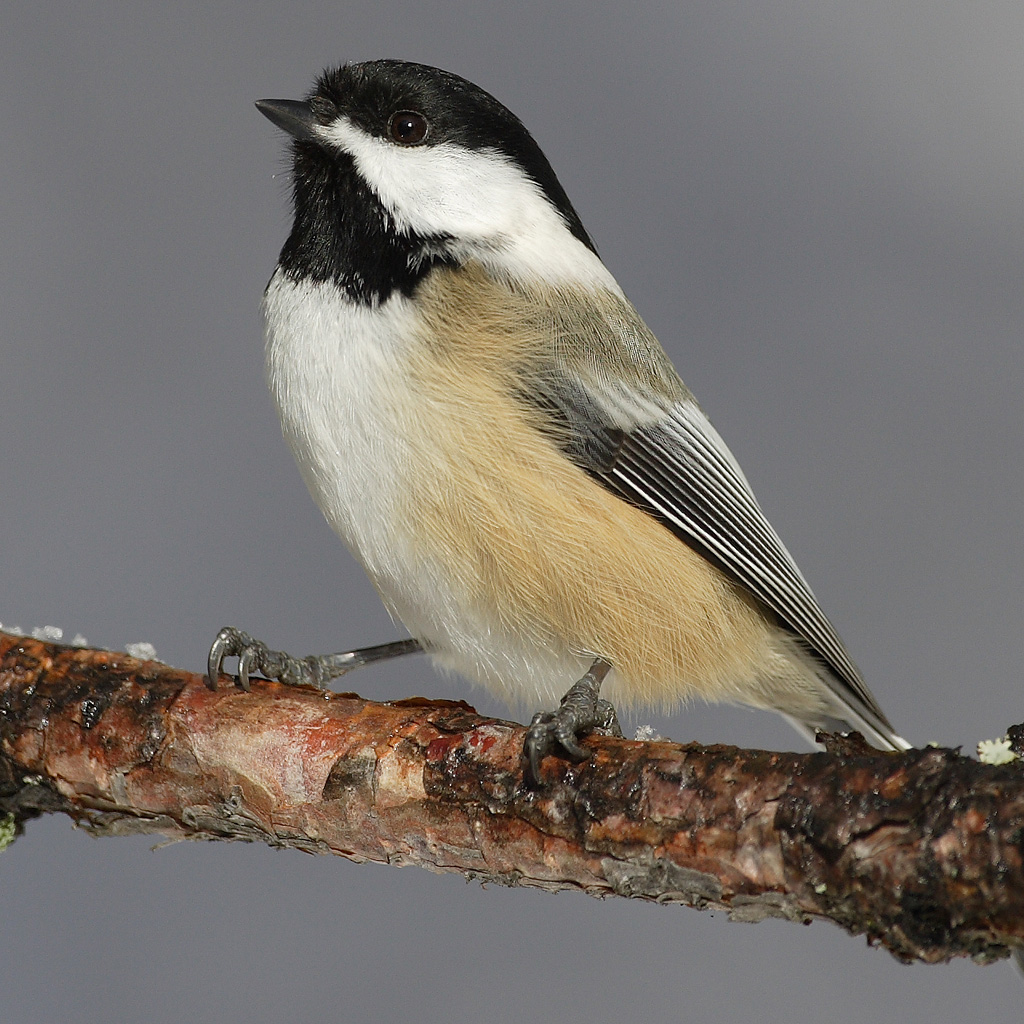
Black-capped Chickadee
Poecile atricapillusThe toughest little bird in South Dakota: a 4.7–5.9-inch sprite with a solid black cap and bib framing bright white cheeks. Chickadees visit feeders through wind chills that shut down the whole state, from Missouri River towns to Black Hills ponderosa forest. First to find a new feeder, they announce themselves with the scolding chick-a-dee-dee-dee and a clear two-note fee-bee.
 📍 Sioux Falls
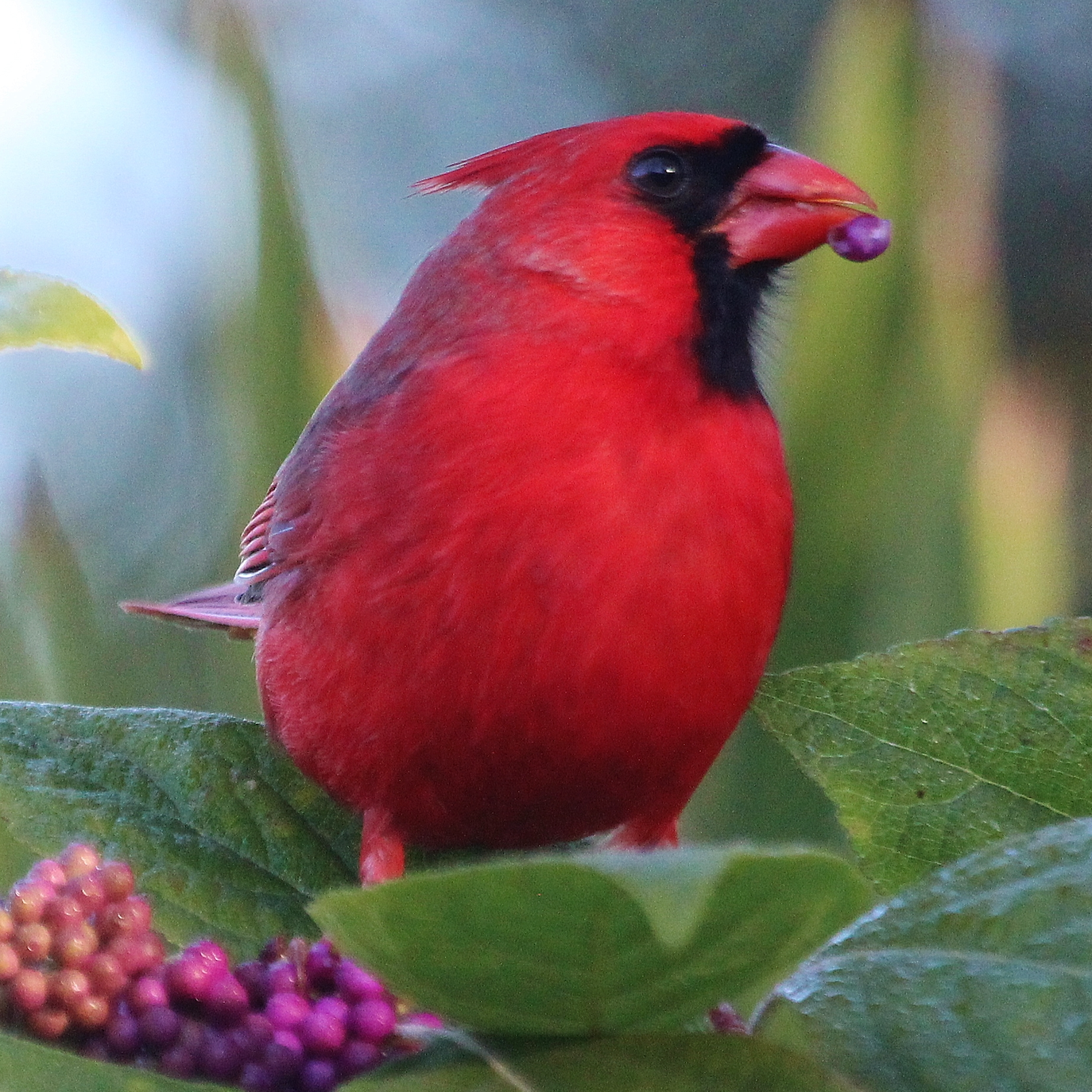
Northern Cardinal
CardinalisThe male is an 8.3–9.1-inch blaze of crimson with a black mask and proud crest; the warm-buff female sings too. Cardinals are permanent residents of southeastern South Dakota — the Big Sioux and lower Missouri river towns — and are slowly spreading west up the river corridors. A male singing cheer-cheer-cheer against January snow is a Sioux Falls winter signature.
 📍 Aberdeen
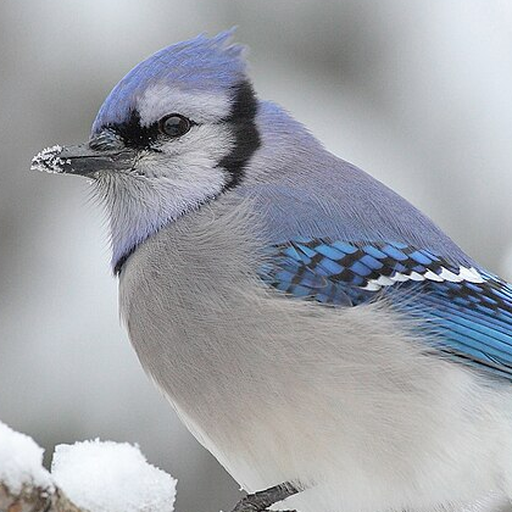
Blue Jay
Cyanocitta cristataA brilliant 9.8–11.8-inch crested jay in azure blue, white, and black. Blue Jays are commonest in eastern South Dakota’s wooded towns and farmsteads, screaming jay-jay at hawks and caching acorns each fall. Watch for loose migrant flocks along the James River in September.
 📍 Rapid City
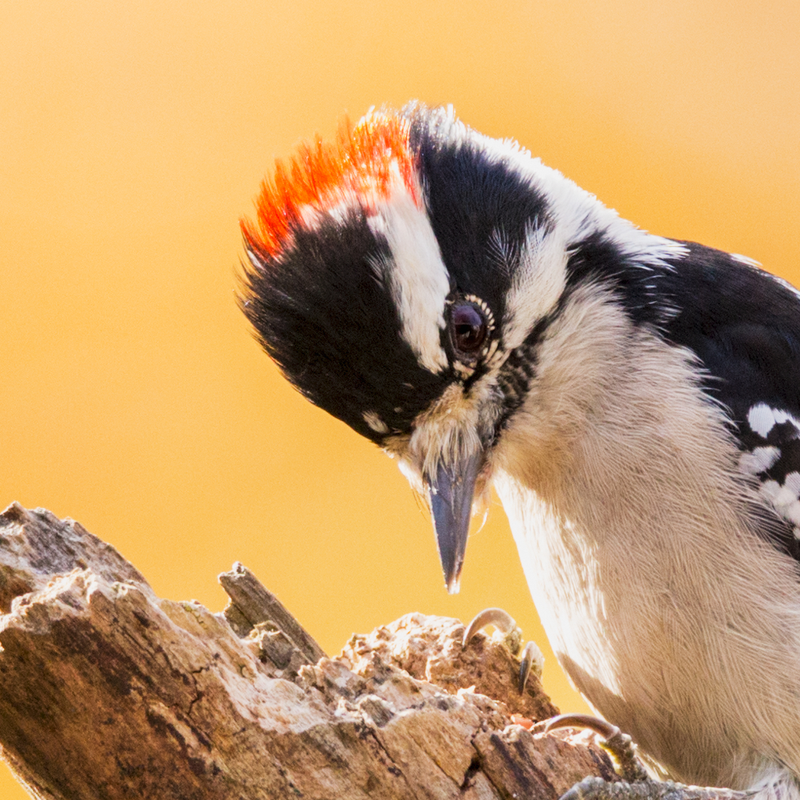
Downy Woodpecker
Dryobates pubescensNorth America’s smallest woodpecker (5.5–6.7 inches) rides suet cages through every South Dakota winter. Black-and-white checkered wings, a clean white stripe down the back, and a tiny stubby bill separate it from the larger Hairy Woodpecker; males wear a small red patch on the nape.
Recording via Wikimedia Commons / xeno-canto
Read Full Guide →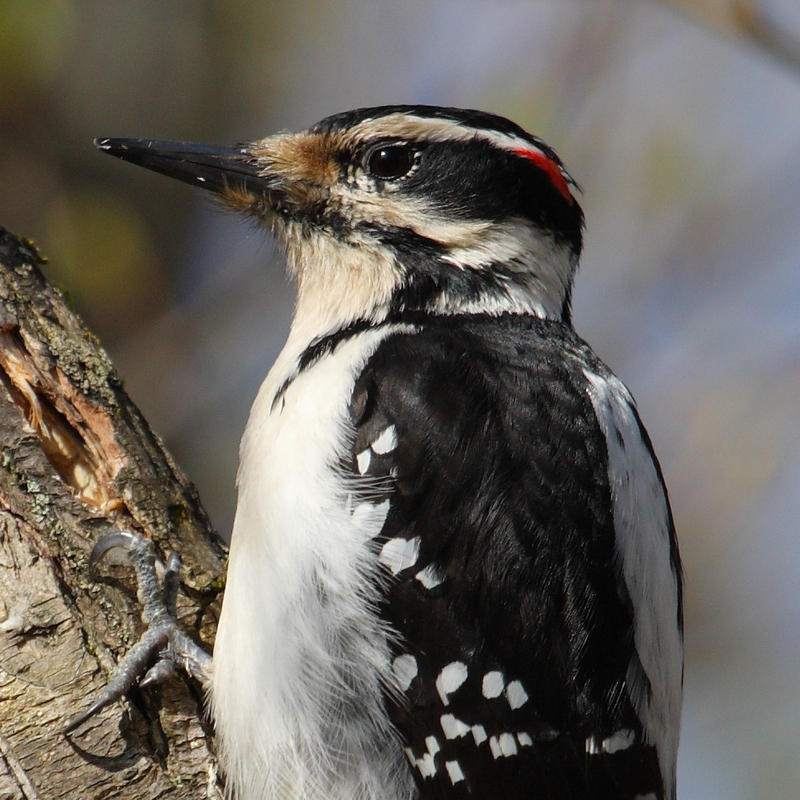 📍 Spearfish
Hairy Woodpecker
Dryobates villosusThe Downy’s bigger look-alike (7.1–10.2 inches) with a long, chisel-tipped bill nearly as long as its head and — on males — the same red nape patch. Hairies work the ponderosa slopes of the Black Hills and the big cottonwoods along the Missouri, hammering suet all winter. Both species at one feeder is a classic identification lesson.
 📍 Mitchell
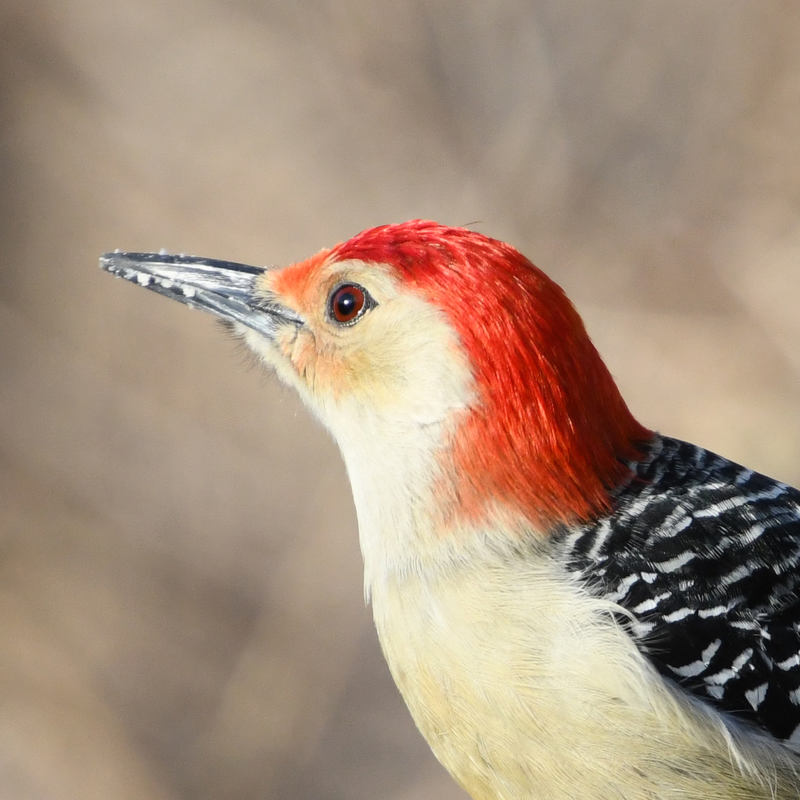
Red-bellied Woodpecker
Melanerpes carolinusA zebra-backed 9.4-inch woodpecker whose red runs in a wash from nape over the crown (males) — the namesake belly blush is faint. Red-bellies are year-round residents of eastern South Dakota’s river timber and have been edging west for decades. Their loud rolling churr carries far; suet and peanuts keep them loyal.
Recording via Wikimedia Commons / xeno-canto
Read Full Guide →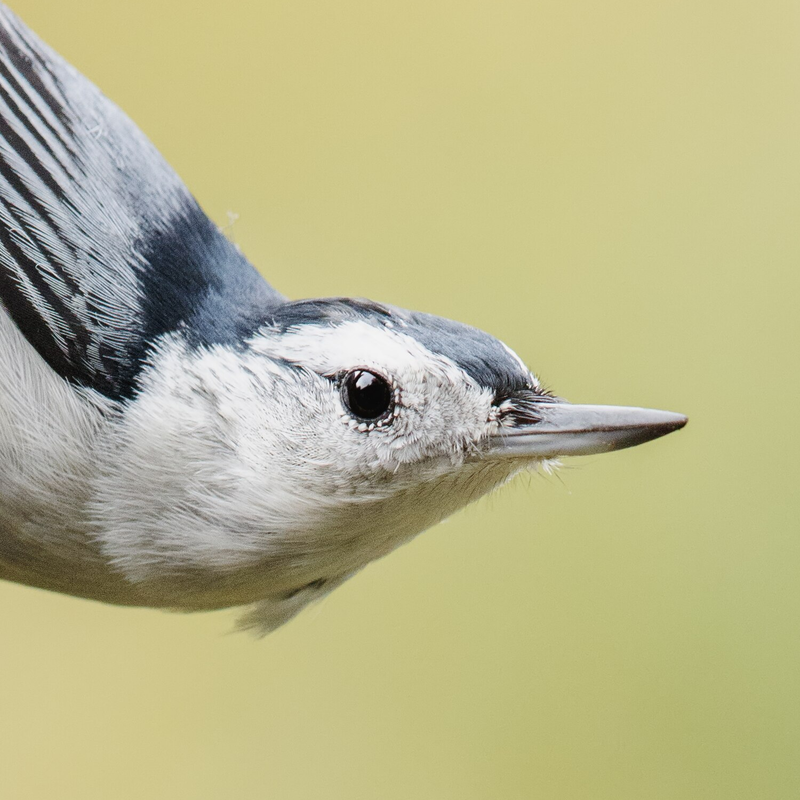 📍 Brookings
White-breasted Nuthatch
Sitta carolinensisA compact 5.1–5.5-inch bird in blue-gray with a clean white face and breast and black cap. Nuthatches famously walk headfirst down tree trunks, wedging seeds into bark. Year-round residents of South Dakota’s wooded towns, shelterbelts, and Black Hills ravines, they call a nasal yank-yank through the coldest months.
 📍 Watertown
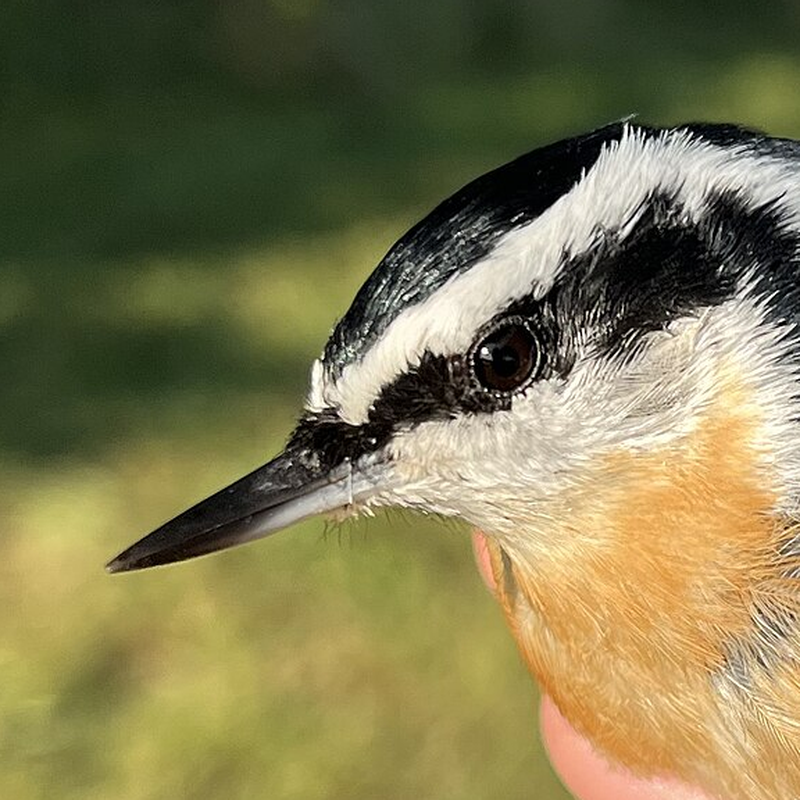
Red-breasted Nuthatch
Sitta canadensisA feisty 4.3-inch nuthatch with a bold black eyeline, rusty underparts, and a tiny bill — its call is a high, nasal yank-yank like a toy horn. Red-breasts breed in the Black Hills spruce and boreal Canada, then irrupt into lowland South Dakota in winters when northern cone crops fail, mobbing suet and sunflower.
 📍 Yankton
Mourning Dove
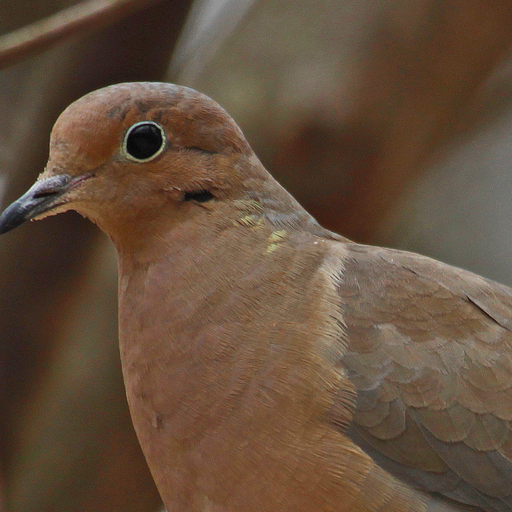
Zenaida macrouraA plump, gentle 9.1–13.4-inch dove in soft gray-brown with a long pointed tail edged in white. Named for its mournful cooing, it whistles sharply on takeoff. Mourning Doves sweep across South Dakota’s farm country from April into October, feeding beneath feeders; hardy birds linger into winter in sheltered southeastern towns.
 📍 Huron
House Finch
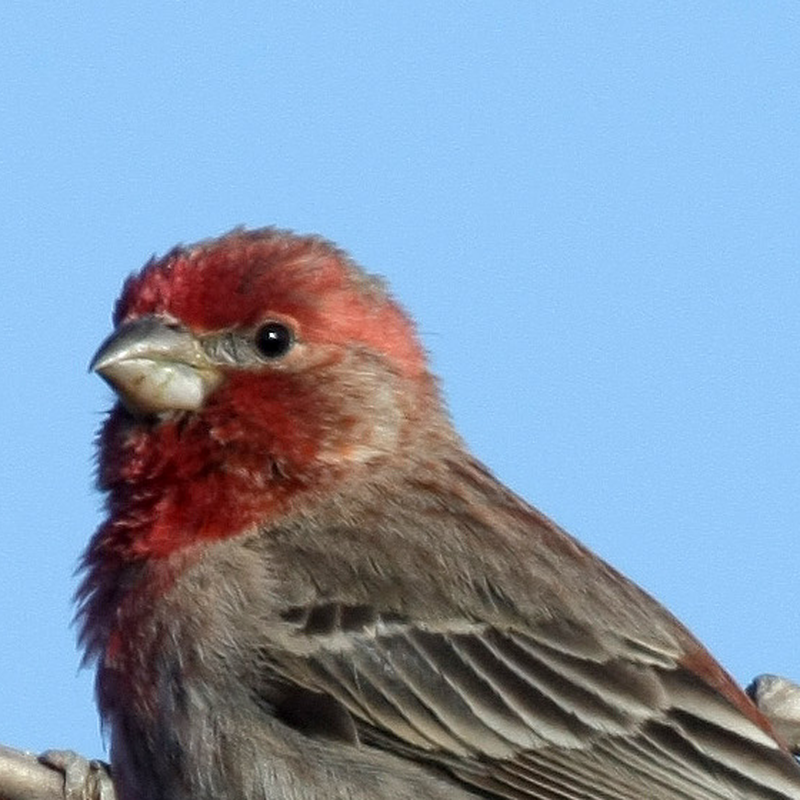
Haemorhous mexicanusA 5.1–5.5-inch finch: males washed strawberry-red on head, breast, and rump; females plainly streaked. House Finches reached South Dakota from both directions in the 1990s and are now year-round fixtures at town feeders. Their long warbling song ends in an up-slurred veer. Clean tube feeders monthly to prevent eye disease.
 📍 Mobridge
American Goldfinch
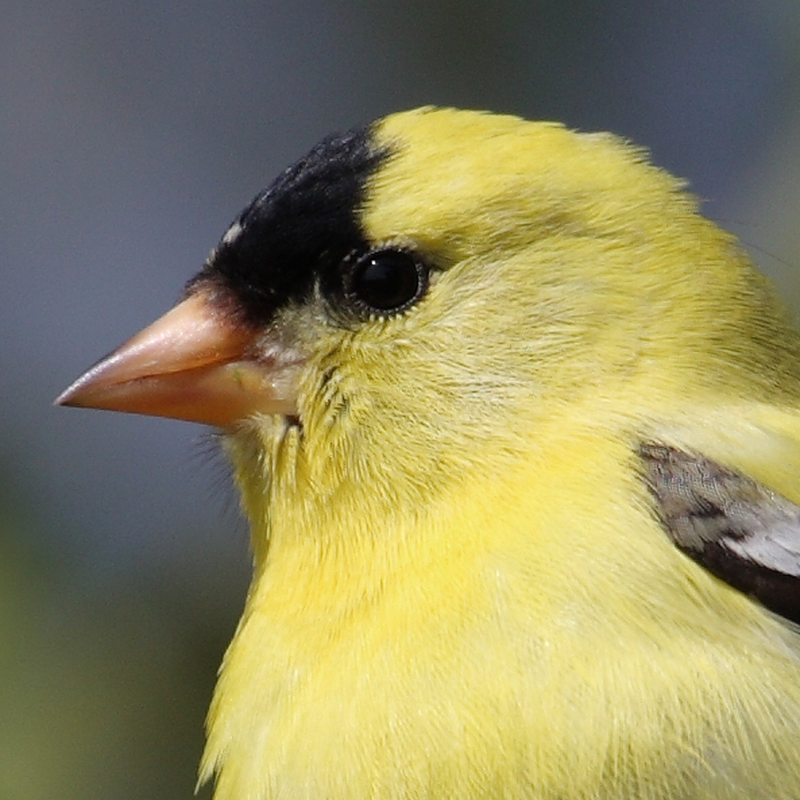
Spinus tristisBreeding males are lemon-yellow with a jet-black cap and wings; in winter both sexes molt to soft olive-drab. Goldfinches nest late, in July and August, timing chicks to the thistle crop in South Dakota’s roadside ditches and prairie remnants, and mob Nyjer socks in twittering flocks whenever the wind drops.
 📍 Chamberlain
American Robin
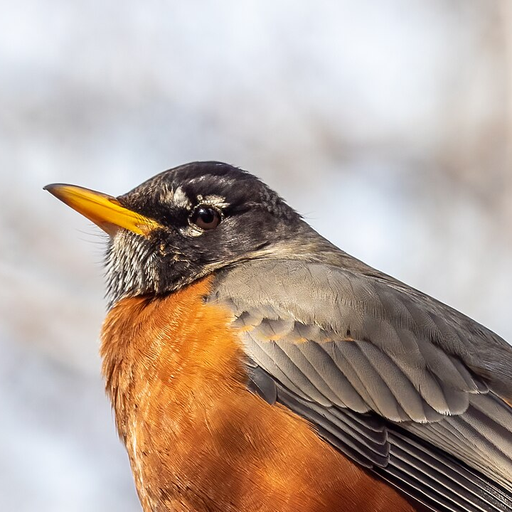
Turdus migratoriusThe familiar 7.9–11-inch thrush: gray above, brick-red below, yellow-billed. The May dawn chorus over a South Dakota lawn is built on its cheerily-cheerup phrases. Robins raise two or three broods in porch-light nests across the state, then gather into big fall flocks on cedar berries and chokecherries before heading south.
 📍 Lemmon
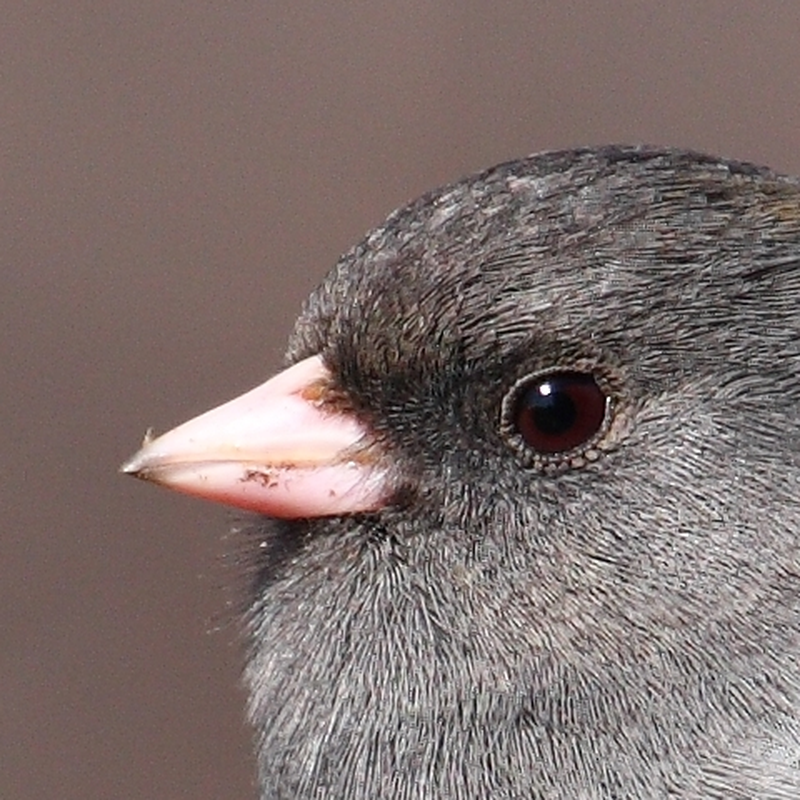
Dark-eyed Junco
Junco hyemalisThe classic snowbird: a 5.5–6.3-inch sparrow with a slate-gray hood set cleanly against a white belly, white outer tail feathers flashing in flight. Juncos pour into South Dakota each October — with western Oregon and pink-sided forms mixing in — and double-scratch for millet under feeders until April.
 📍 Sisseton
American Tree Sparrow
Spizelloides arboreaA plump 5.5-inch winter sparrow with a rusty cap, rusty eyeline, and a plain gray breast marked by one small dark central spot; the bill is yellow below and dark above. Breeding on the Arctic tundra, it reaches South Dakota with November’s first hard frosts and scratches under feeders into March, singing sweet jingling phrases on thaws.
Recording via Wikimedia Commons / xeno-canto
Read Full Guide →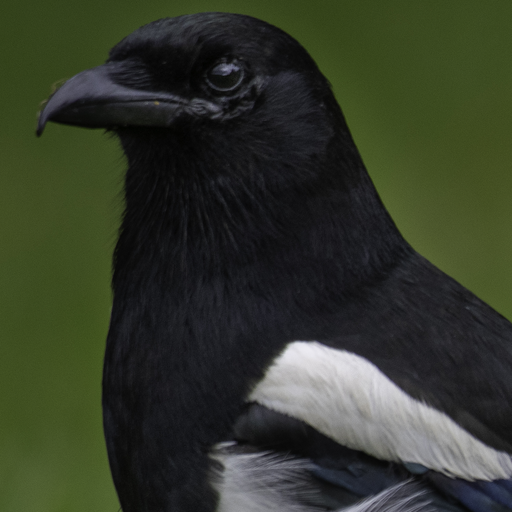 📍 Belle Fourche
Black-billed Magpie
Pica hudsoniaA spectacular 17.9–23.6-inch bird with iridescent black-and-white plumage and a tail longer than its body. Magpies are year-round residents of western South Dakota, strutting through ranch yards and Black Hills towns. Bold and intelligent, they’ll take suet and scraps from open platforms — and remember exactly who feeds them.
 📍 Vermillion
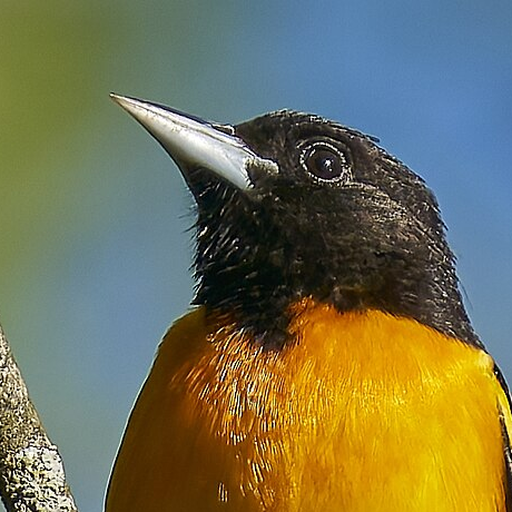
Baltimore Oriole
Icterus galbulaA stunning 6.7–7.5-inch songbird: the male is flame-orange below with a black head and back; females are softer yellow-orange. Orioles reach eastern South Dakota in mid-May, whistling rich flutelike phrases from tall cottonwoods along the Missouri and Big Sioux. Tempt them with orange halves and grape jelly; they depart by late August.
More Backyard Birds in South Dakota +59 species
Every other species from our backyard bird library that regularly occurs in South Dakota — each with its own photo gallery, playable call, and full species guide. Browse 16 per page using the dots below.
Feeder: Whole corn, peanuts, and a shallow water pan on open ground.
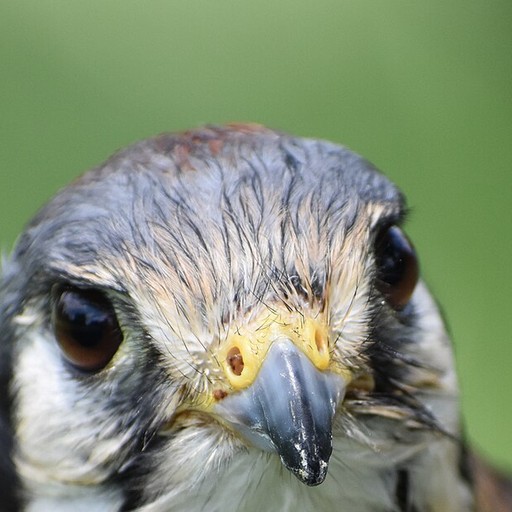
Feeder: Perches on fences; nest boxes on poles in open country.
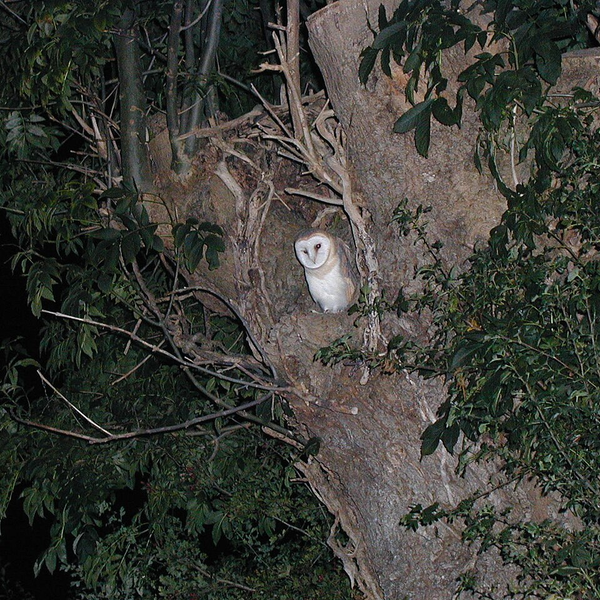
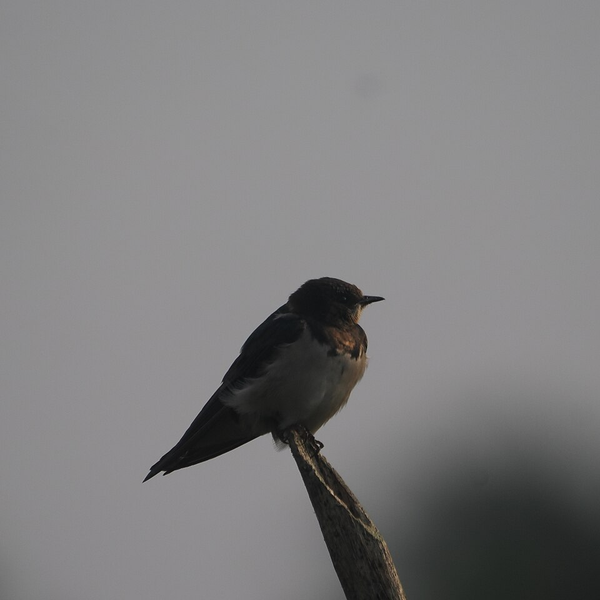
Feeder: Visits backyard feeders and water features.
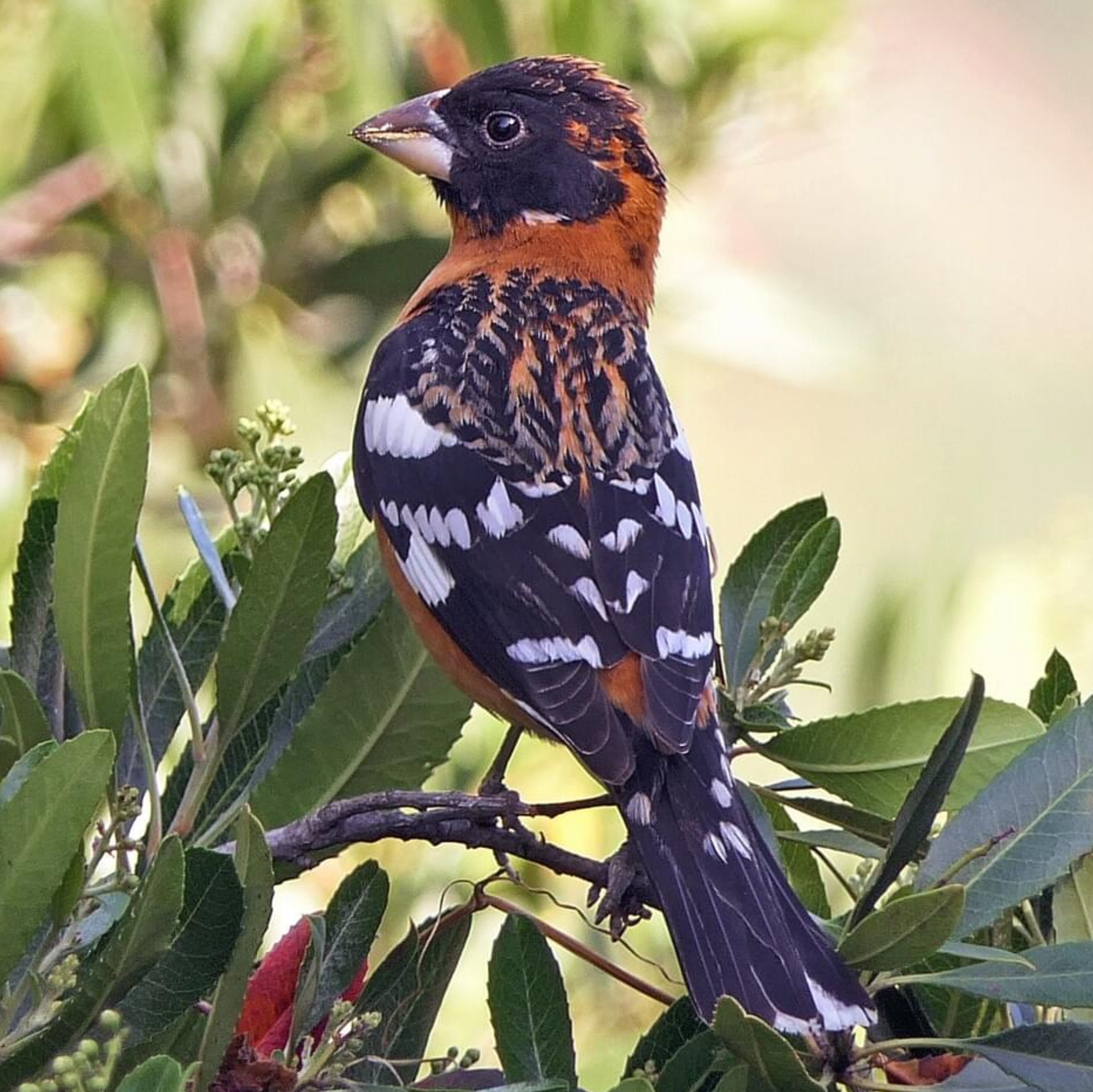
Feeder: Sunflower seeds at a sturdy platform feeder in summer.
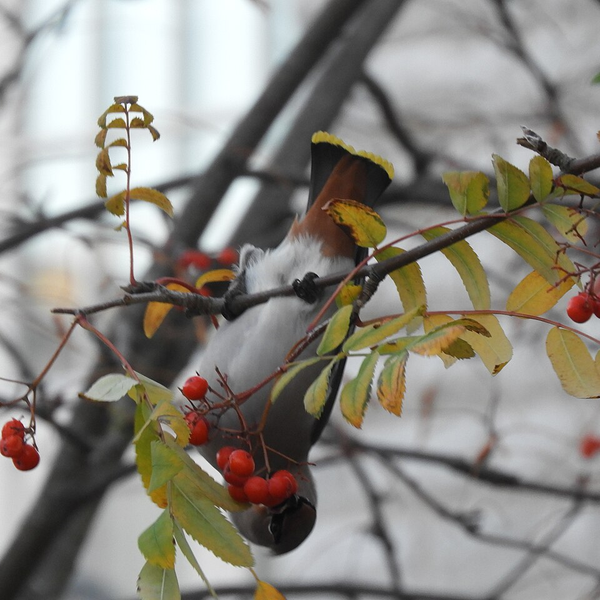
Feeder: Visits backyard feeders and water features.
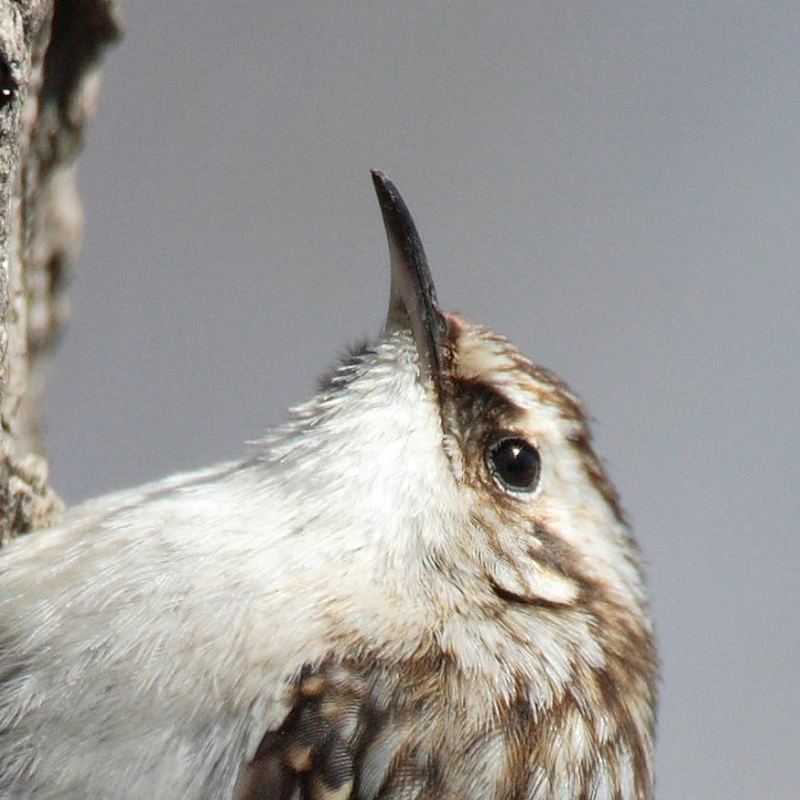
Feeder: Suet smeared on tree bark; spirals up trunks for hidden insects.
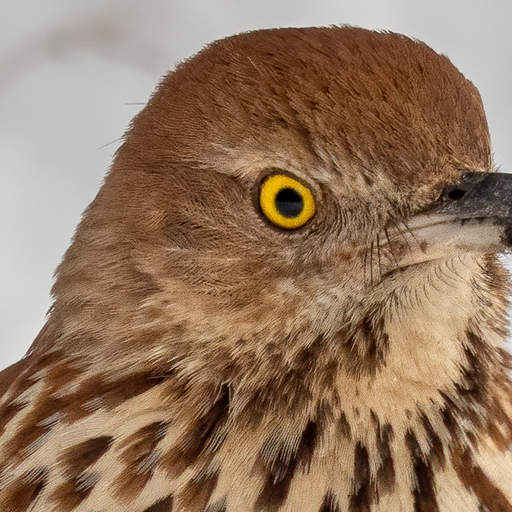
Feeder: Ground-scattered peanuts and corn near thick brush piles.

Feeder: Cracked corn and grain on the ground; a nest parasite.
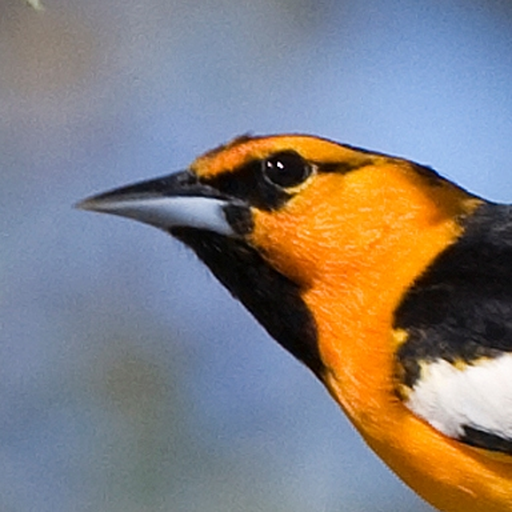
Feeder: Grape jelly, halved oranges, and sugar water in summer.

Feeder: Berry-producing trees and a fountain or moving water.
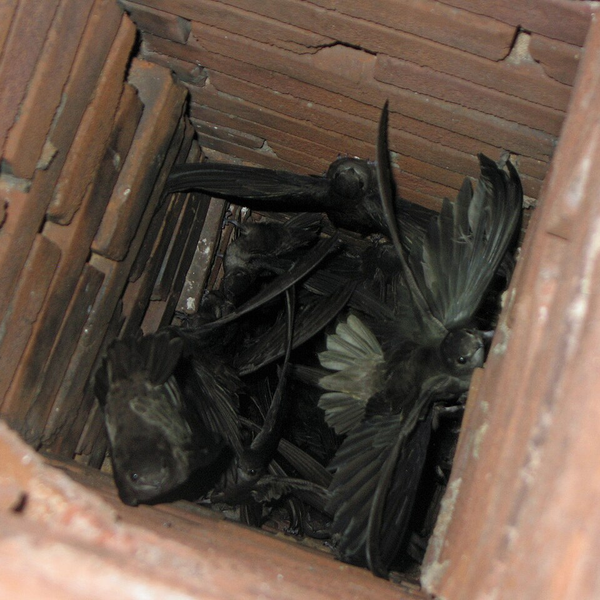
Feeder: Visits backyard feeders and water features.

Feeder: Fine seed mix and grass seed scattered on open ground.

Feeder: Cracked corn and sunflower; dominates feeders — use caged feeders.
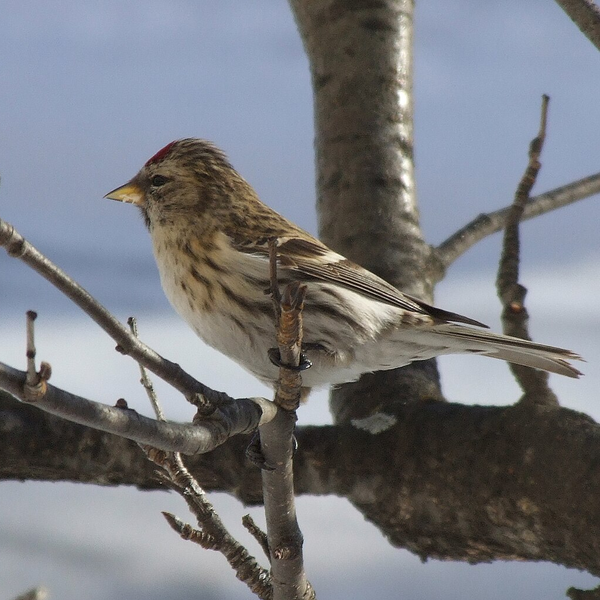
Feeder: Visits backyard feeders and water features.

Feeder: Not a feeder guest — it hunts the birds at your feeders.
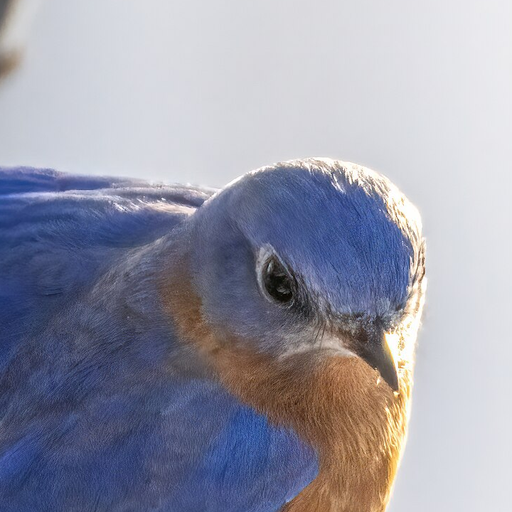
Feeder: Live mealworms in a tray; nest boxes with a 1.5-inch hole.
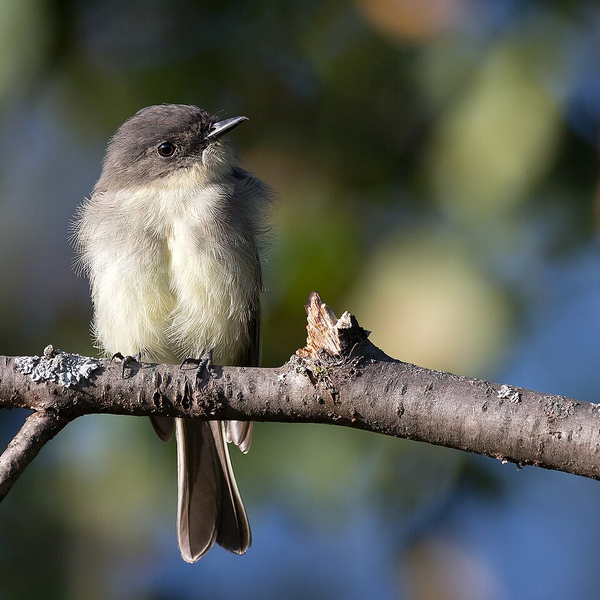
Feeder: Visits backyard feeders and water features.

Feeder: Deep wooden nest boxes in mature trees; hunts at night.

Feeder: Whole peanuts and sunflower under dense shrubs; scratches in leaves.
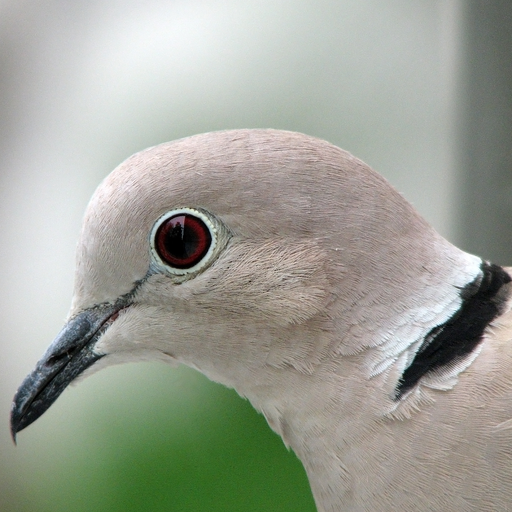
Feeder: Large grains on big platform feeders; spreading fast.

Feeder: Suet and crumbs; use starling-resistant caged feeders.
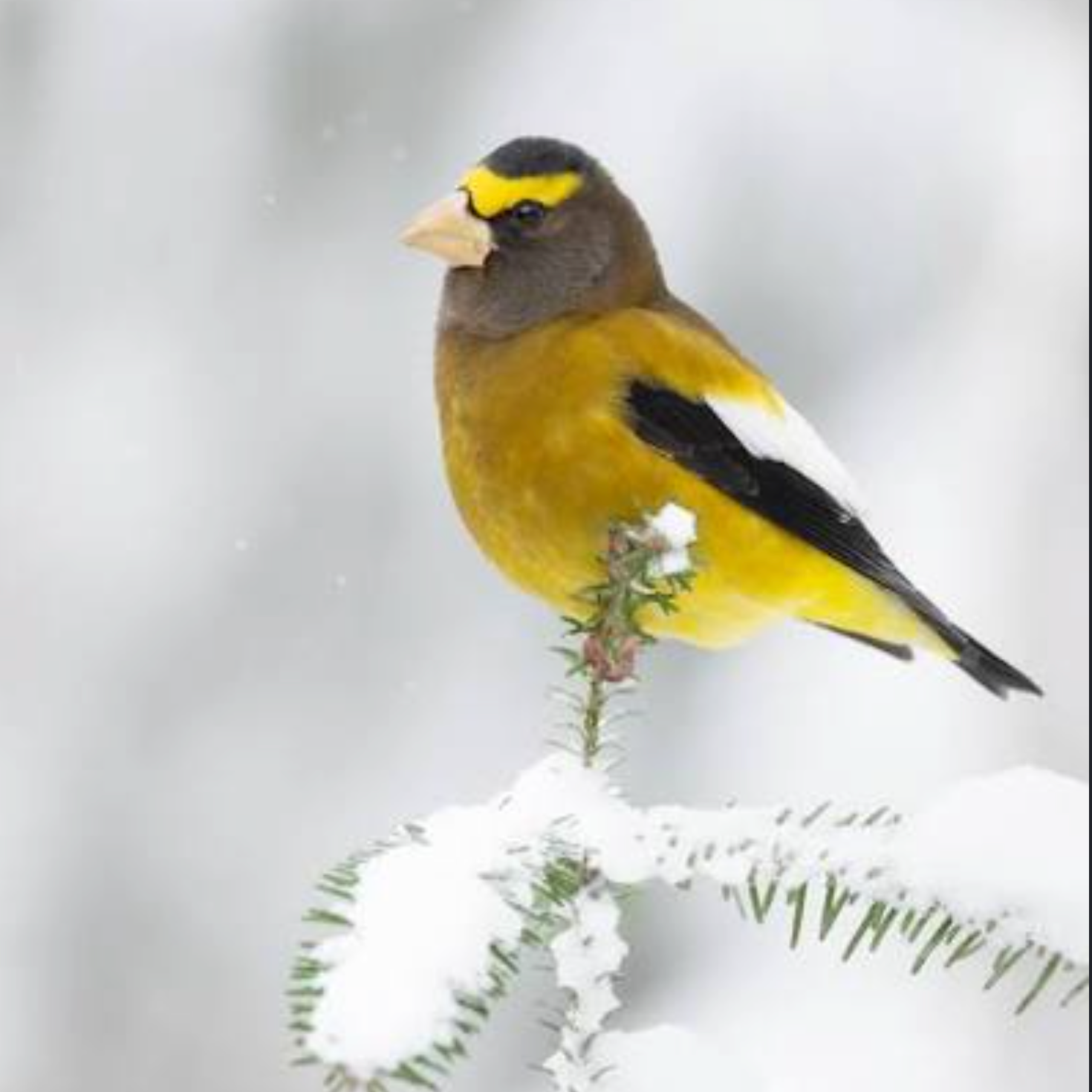
Feeder: Striped sunflower on big platform feeders — arrives in hungry flocks.
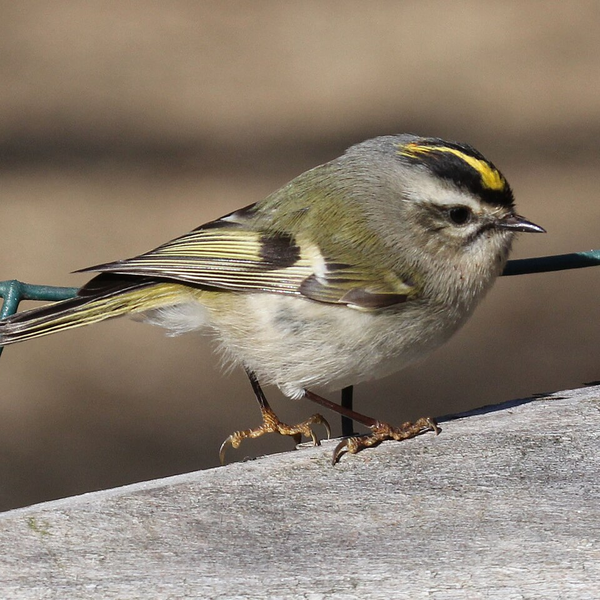
Feeder: Visits backyard feeders and water features.
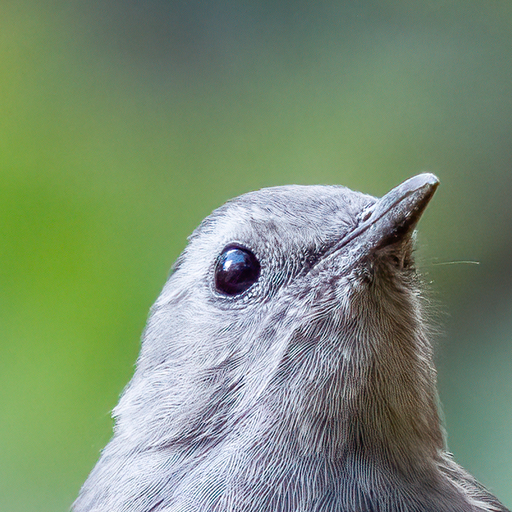
Feeder: Grape jelly, halved oranges, raisins, and dense shady shrubs.
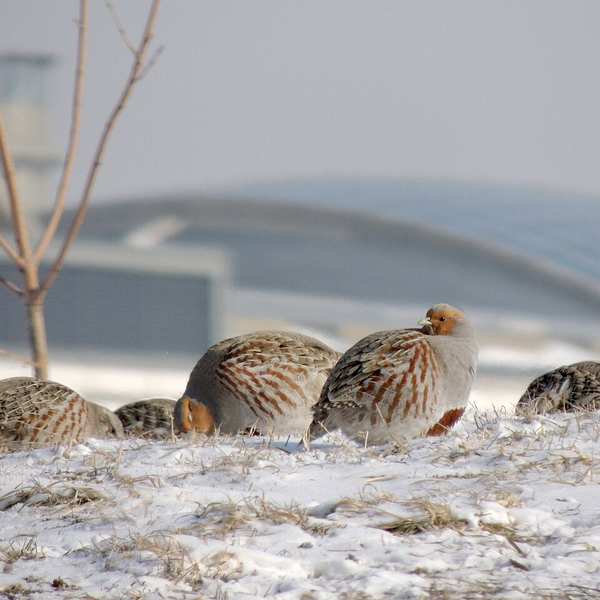
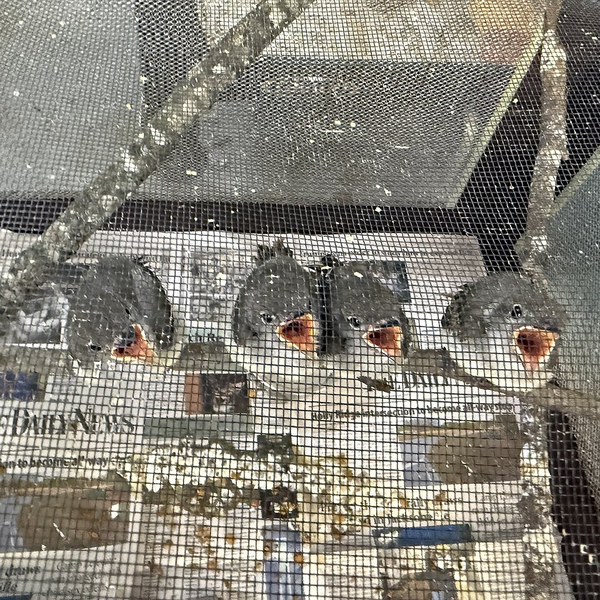
Feeder: Visits backyard feeders and water features.
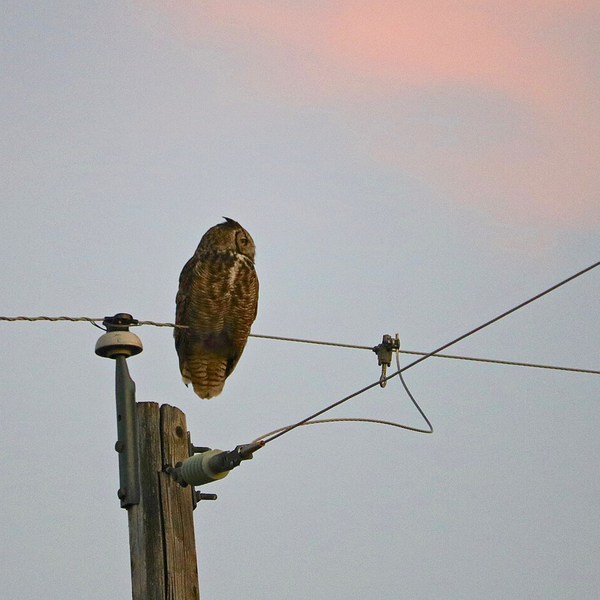
Feeder: Visits backyard feeders and water features.

Feeder: Cracked corn and sunflower on a big ground platform near dense brush.
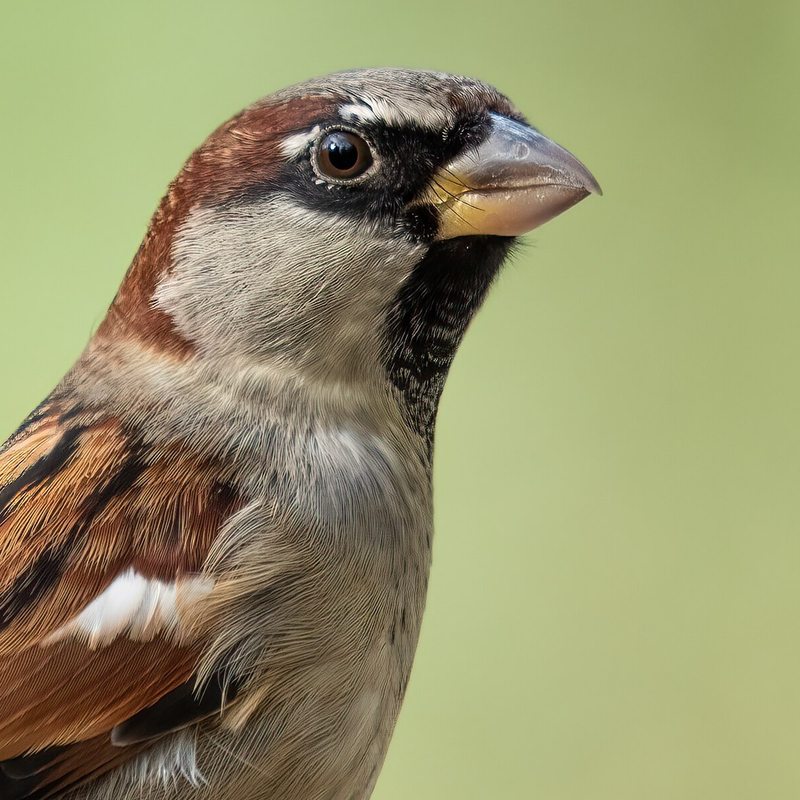
Feeder: Cracked corn, millet, and crumbs; nests in cavities and crevices.

Feeder: Nest boxes with 1-inch holes; eats insects, not seed.
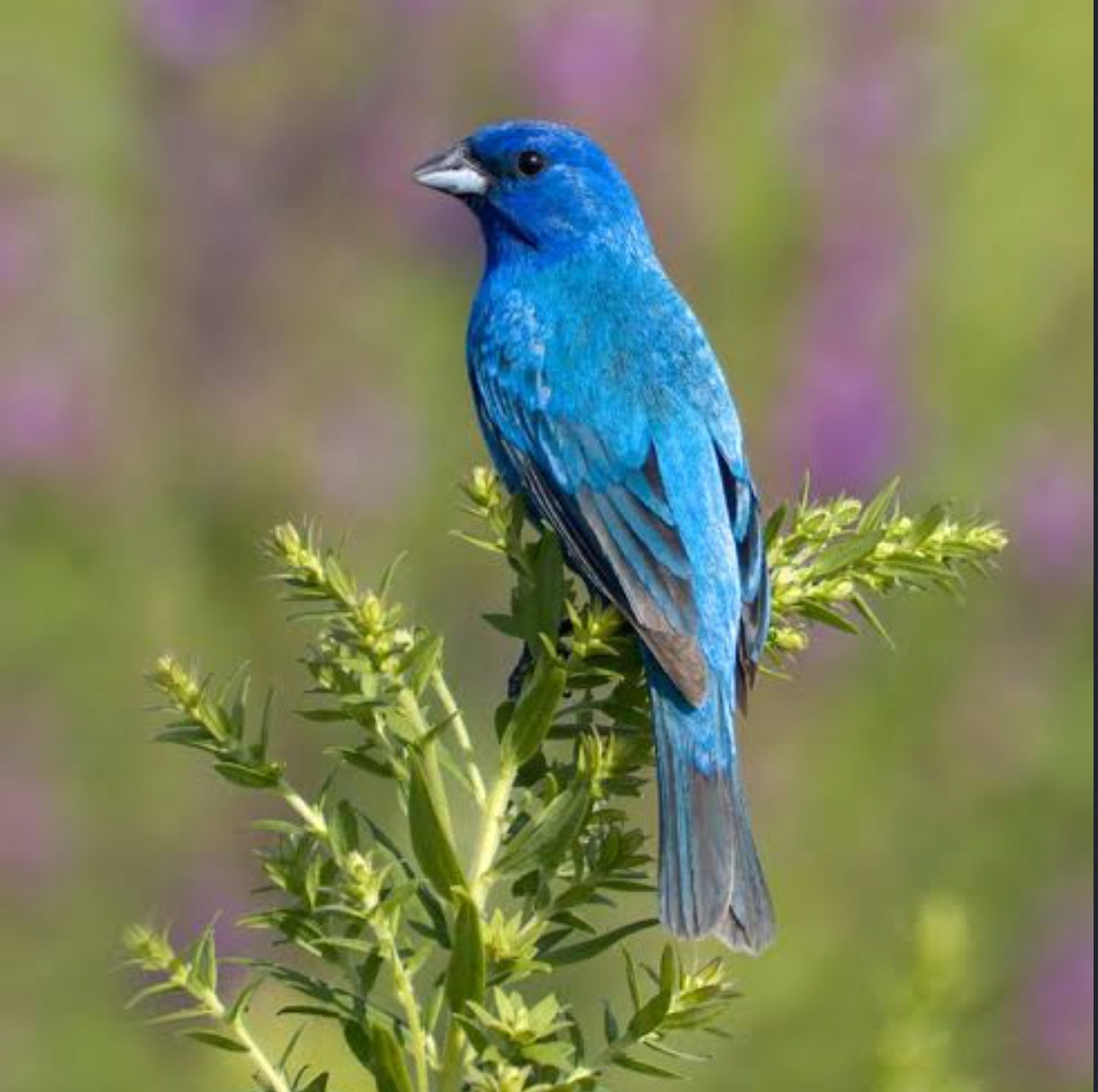
Feeder: Nyjer, white millet, and live mealworms; likes weedy edges.
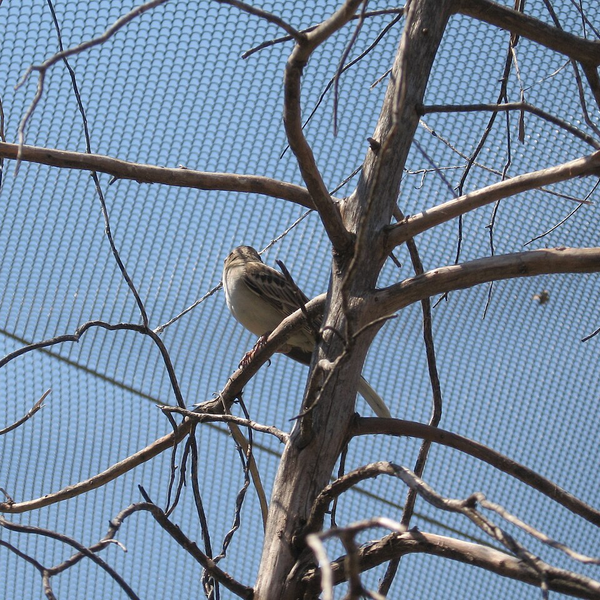
Feeder: Visits backyard feeders and water features.
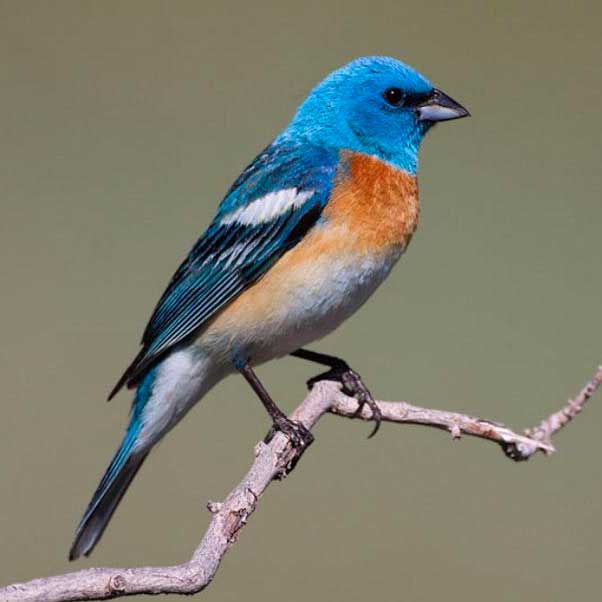
Feeder: White millet and fine sunflower chips near brushy slopes.
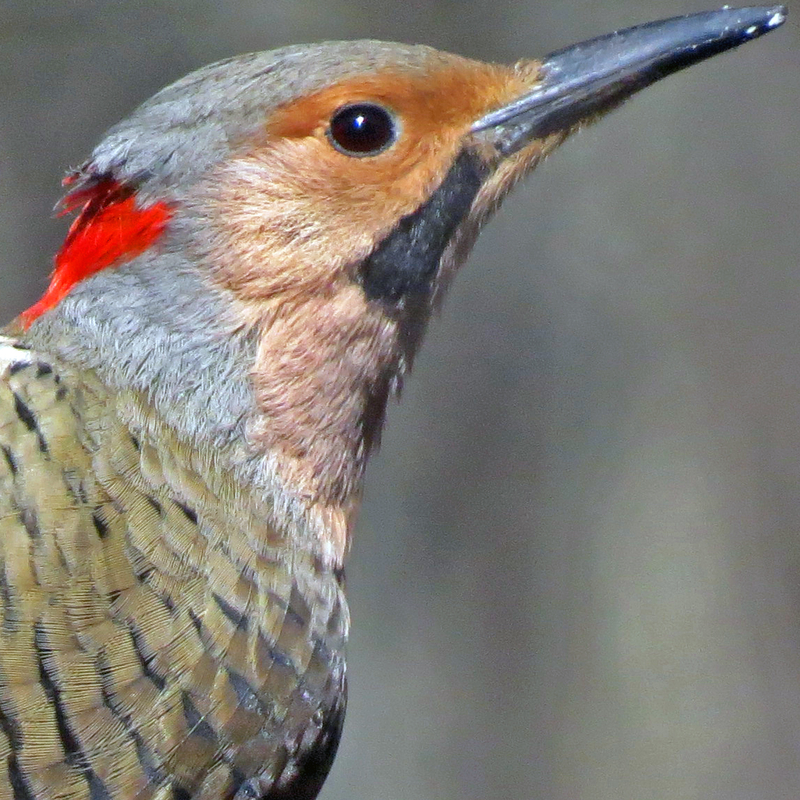
Feeder: Suet on a sturdy cage; often feeds on the ground for ants.

Feeder: Nectar feeders and fruit slices near riverside trees.
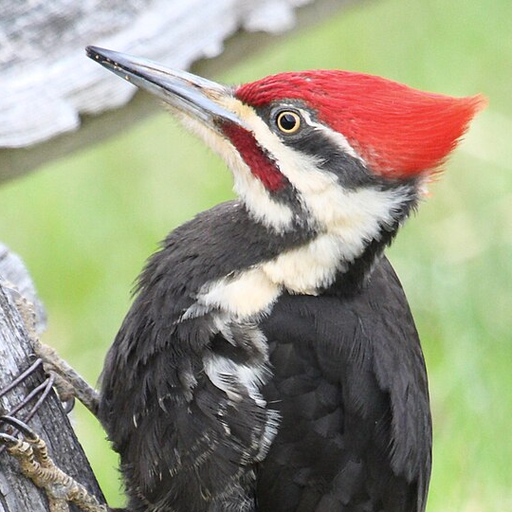
Feeder: Large suet feeders mounted on a board or big trunk.
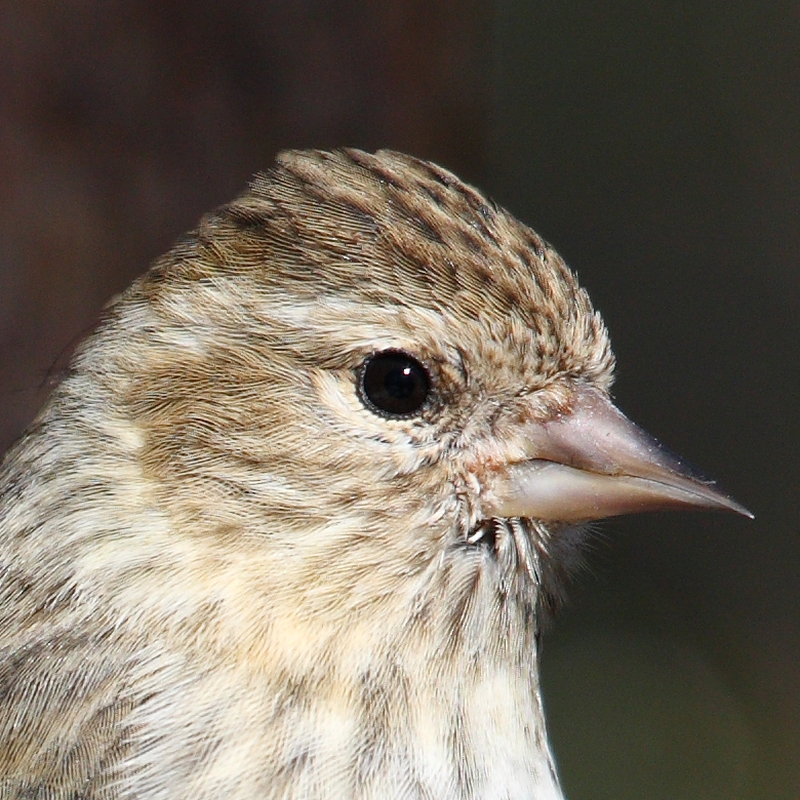
Feeder: Nyjer and fine sunflower chips; irrupts to feeders in dense flocks.
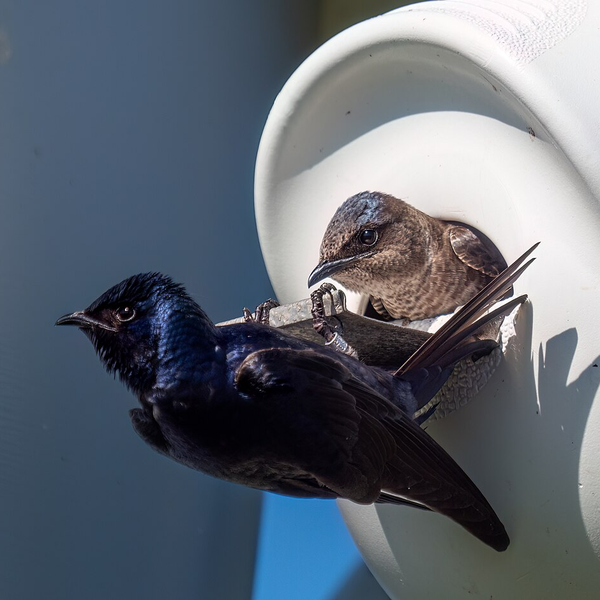
Feeder: Visits backyard feeders and water features.
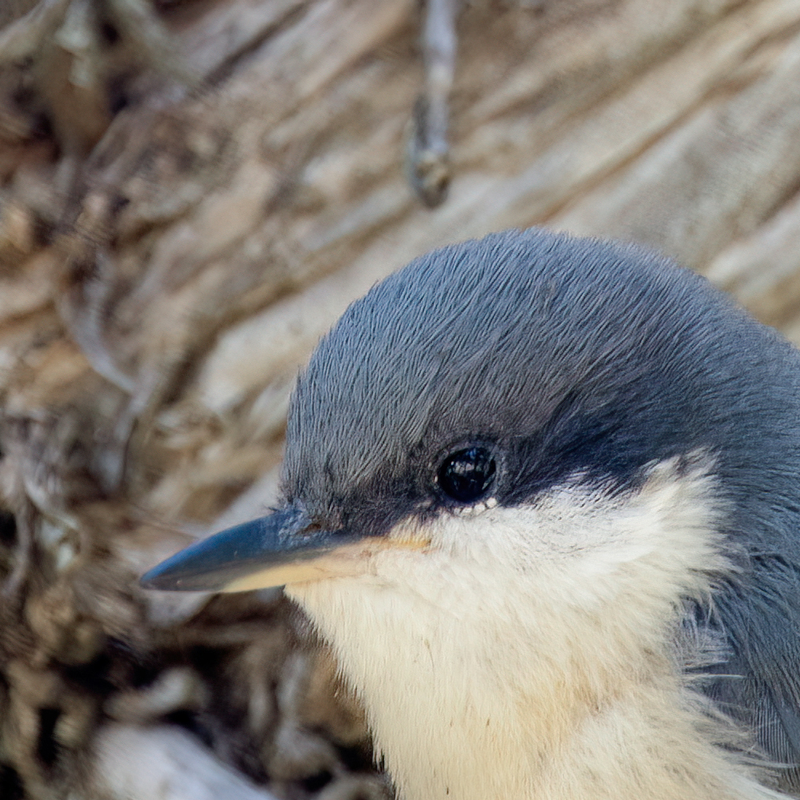
Feeder: Suet and crushed nuts; communal winter flocks in pine towns.
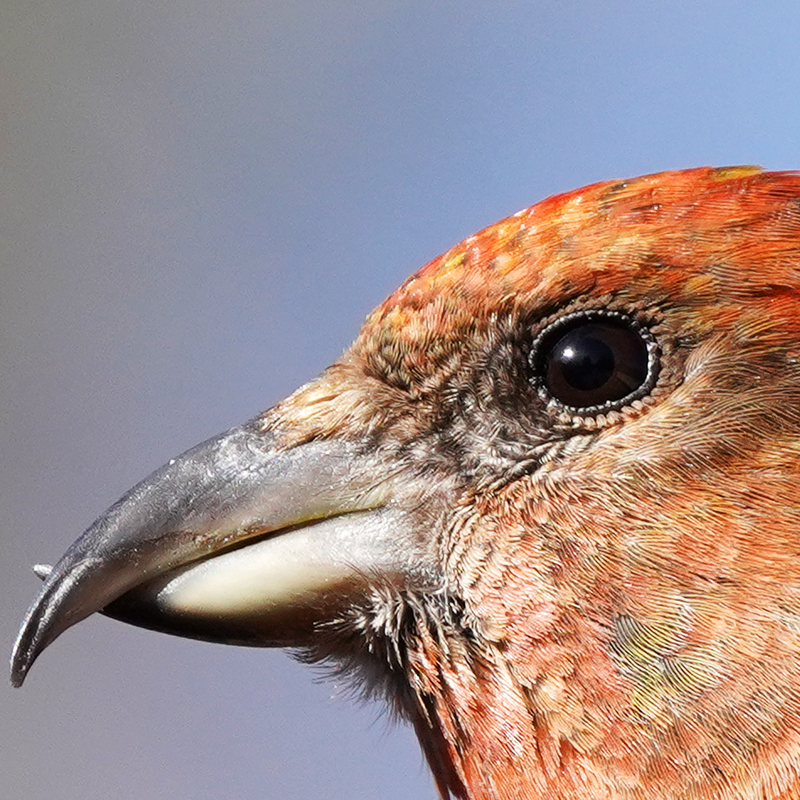
Feeder: Sunflower seeds on open platforms; visits erratically with cone crops.
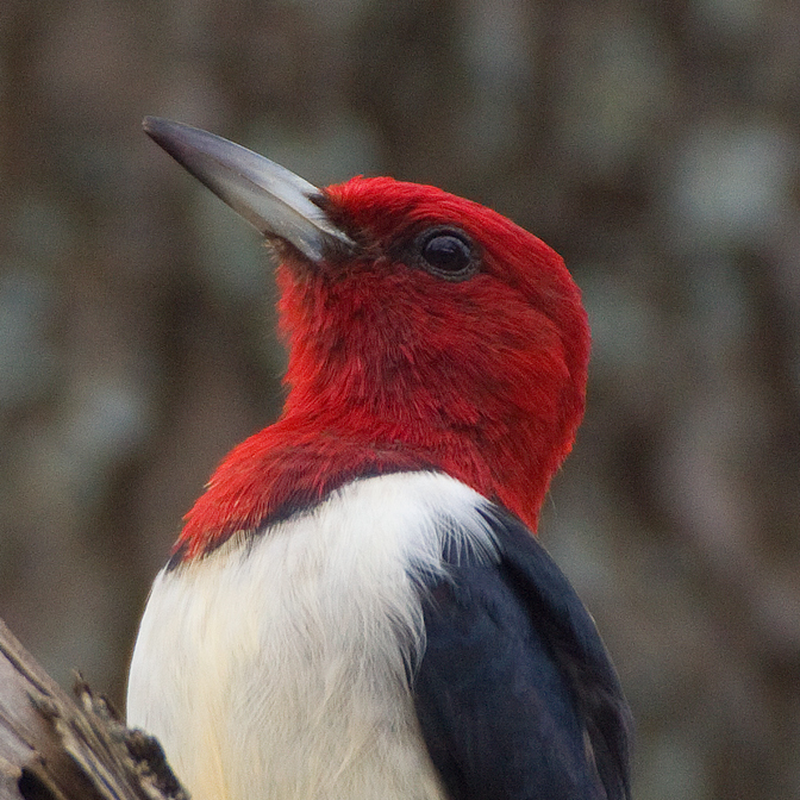
Feeder: Acorns, whole corn, and suet near open mature woodland.
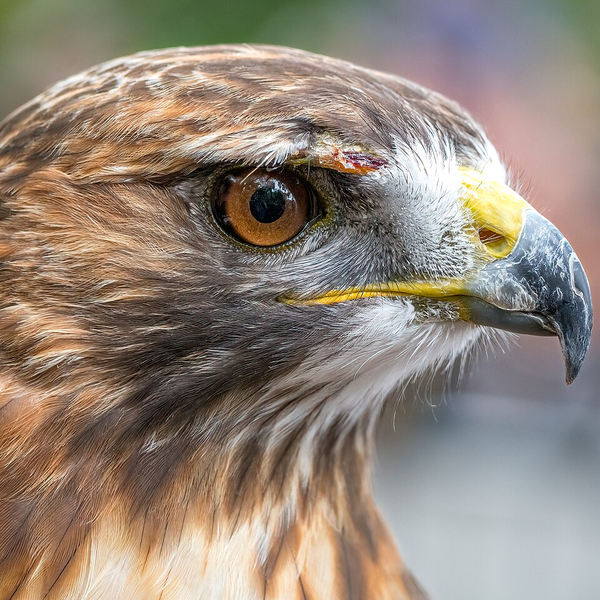
Feeder: Visits backyard feeders and water features.

Feeder: Sunflower, millet, and corn — arrives in loud flocks.
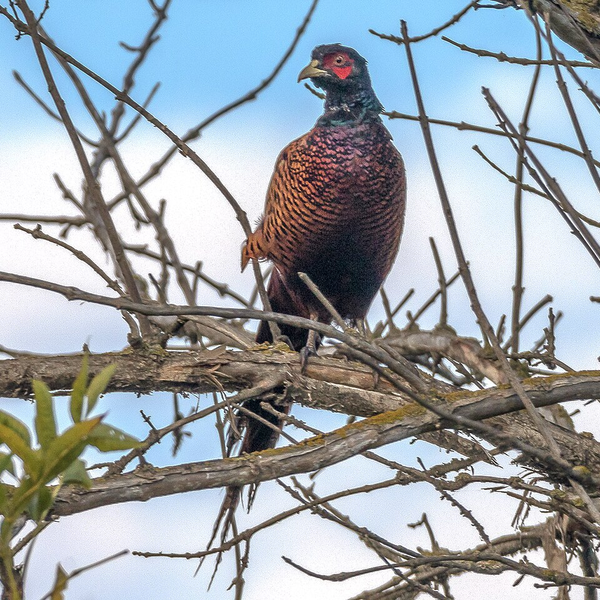
Feeder: Visits backyard feeders and water features.
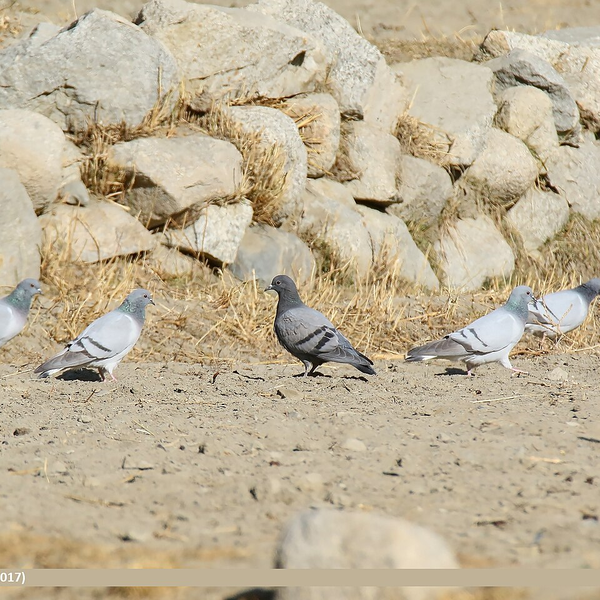
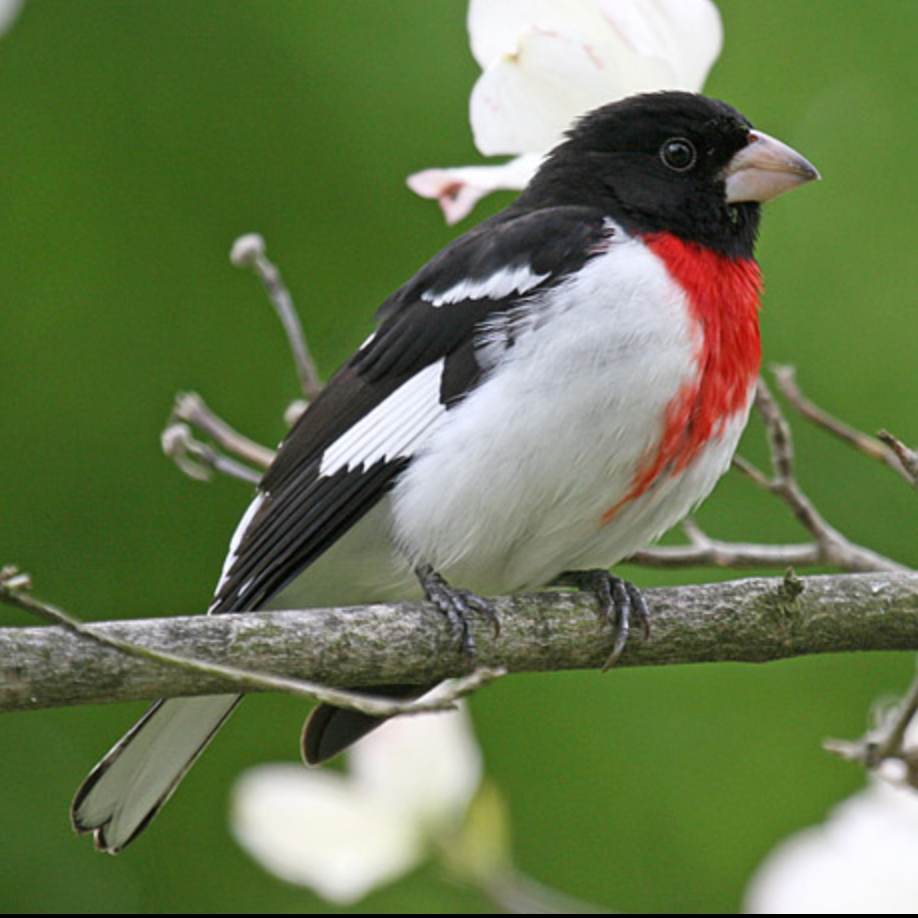
Feeder: Black oil sunflower on a platform; visits May through summer.
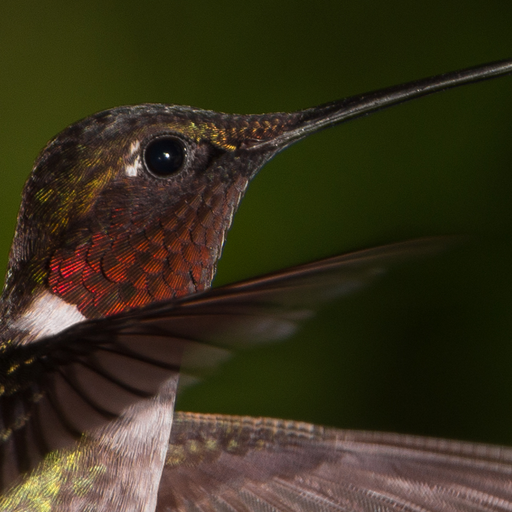
Feeder: 1:4 white sugar water in a red feeder; change every 2–3 days in heat.
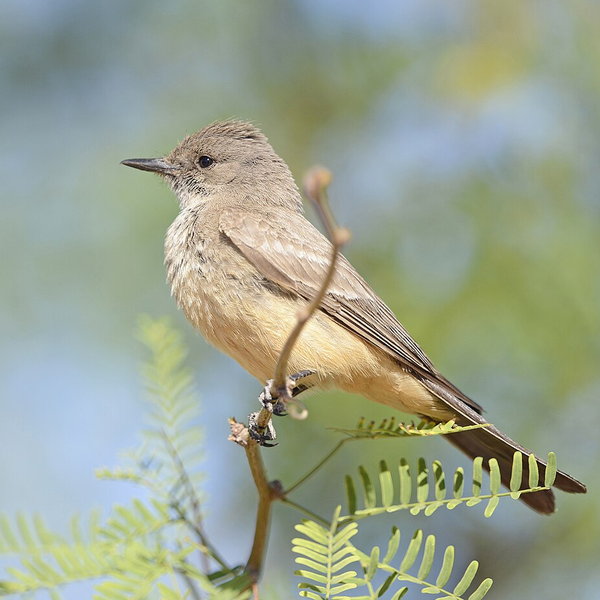
Feeder: Visits backyard feeders and water features.
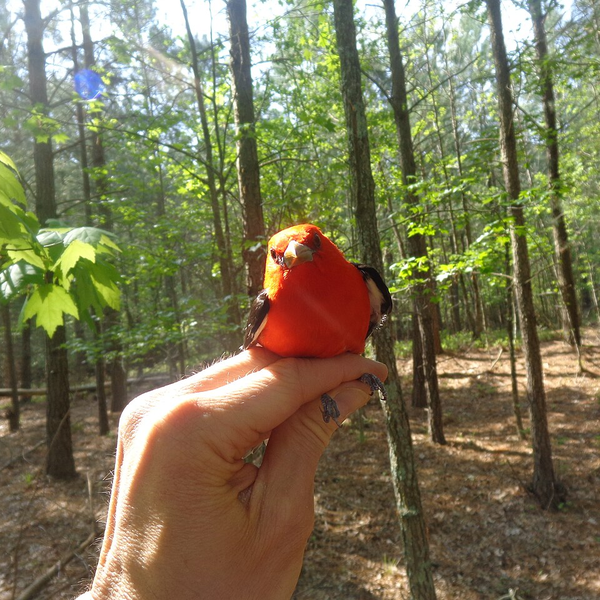
Feeder: Visits backyard feeders and water features.
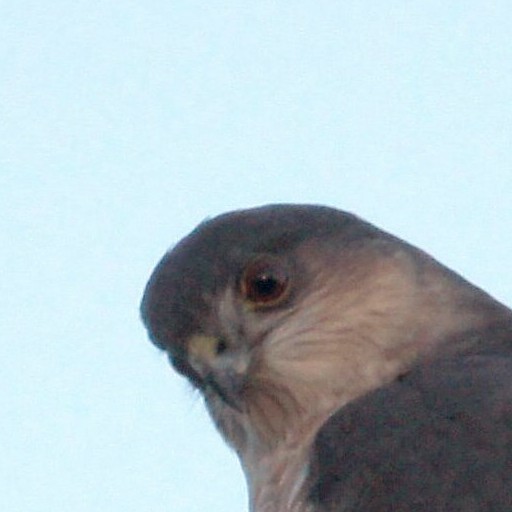
Feeder: Hunts small feeder birds in winter; give feeders escape cover.

Feeder: Mixed seed and white millet near brushy edges; loves a birdbath.

Feeder: Coarse seed mixes on a ground platform near dry thickets.
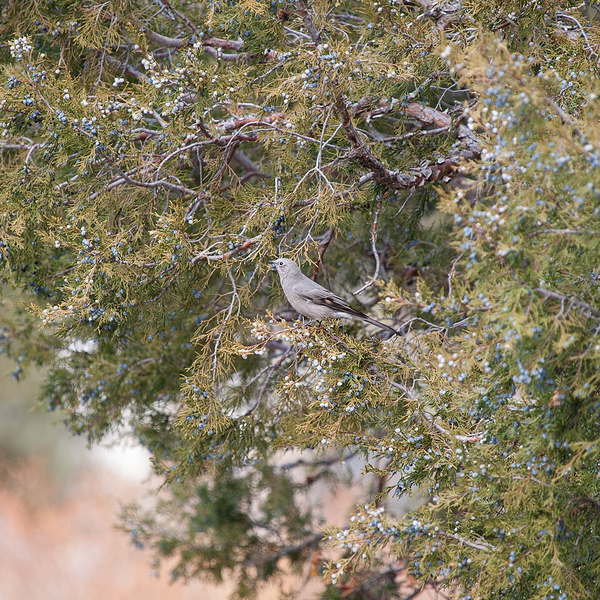
Feeder: Visits backyard feeders and water features.
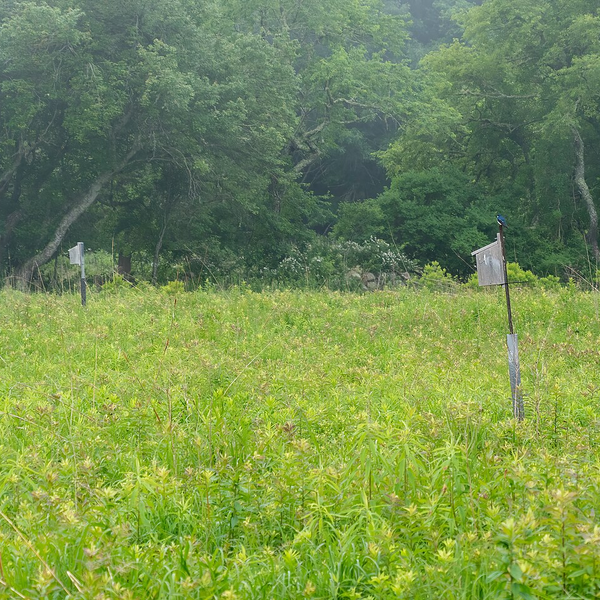
Feeder: Visits backyard feeders and water features.
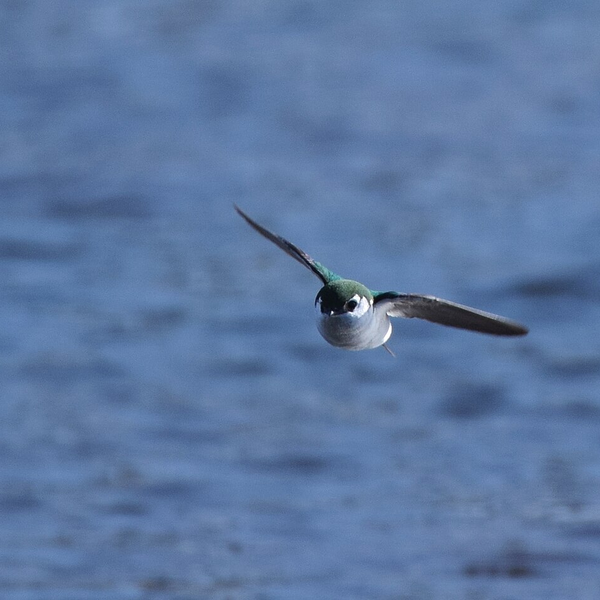
Feeder: Visits backyard feeders and water features.
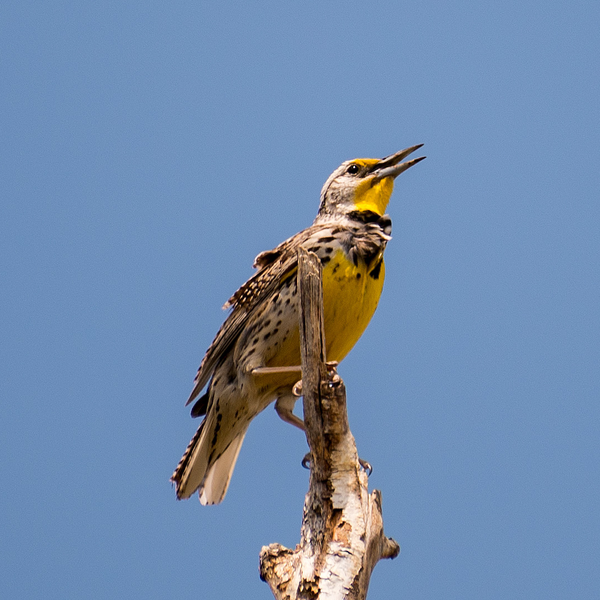
Feeder: Visits backyard feeders and water features.
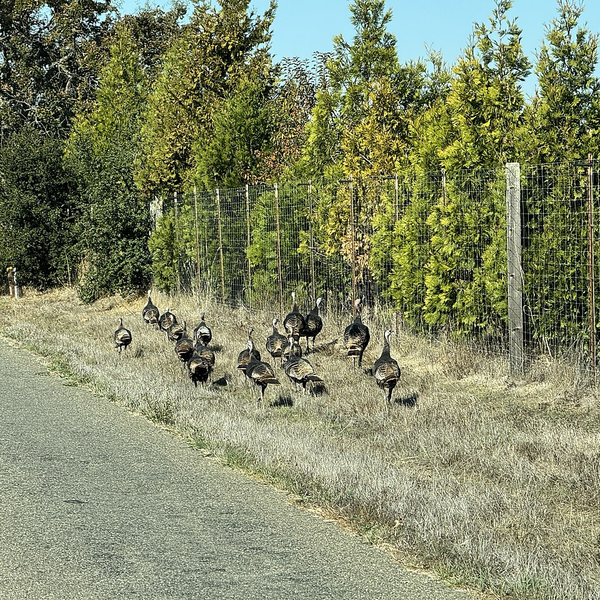
Feeder: Visits backyard feeders and water features.
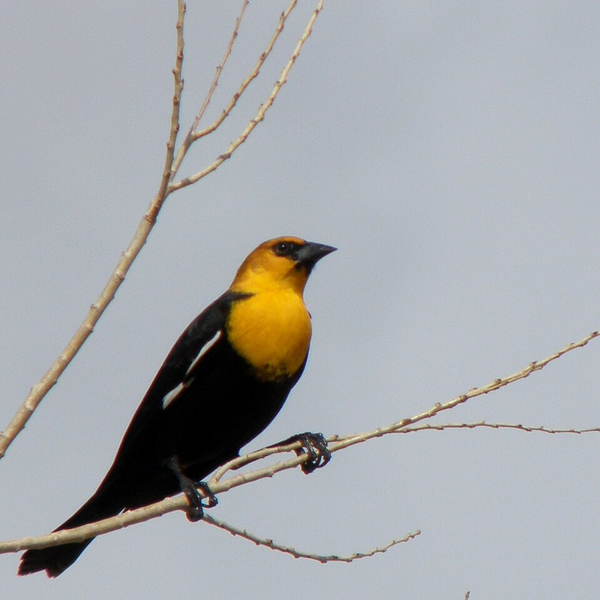
Feeder: Visits backyard feeders and water features.
The South Dakota Seasonal Feeder Calendar
🌱 Spring
March – MayRobins return with the thaw; juncos and tree sparrows linger into April. Watch for Harris’s Sparrows — big, black-hooded beauties — passing through eastern yards in late April and May. Put out oranges and jelly in mid-May for orioles, and clean nest boxes for chickadees. Rural feeders at the prairie edge may draw the state bird, the Ring-necked Pheasant, to spilled corn.
☀️ Summer
June – AugustThe short northern summer is intense: goldfinches nest late on the July thistle crop, oriole families mob jelly dishes, and Mourning Doves coo from every shelterbelt. Keep the birdbath clean and full — water draws western tanagers and flycatchers moving along the Missouri corridor.
🍂 Autumn
September – NovemberThe prairie migration is spectacular. Harris’s Sparrows stop in brushy yards in October, and juncos and tree sparrows settle in for winter by November. Stock sunflower, millet, and suet ahead of the first blizzard — feeders that go empty in a storm lose their flocks.
❄️ Winter
December – FebruarySouth Dakota’s best backyard birding. Chickadees, nuthatches, and three woodpecker species ride out sub-zero nights on suet; junco and tree sparrow flocks work millet patches all day. A heated birdbath can draw a hundred birds in a cold snap. Watch Nyjer socks for Common Redpolls and Pine Siskins in irruption years.
Frequently Asked Questions: Backyard Birding in South Dakota
- The Backyard Icon: The Black-capped Chickadee — tougher than the winters — keeps a South Dakota feeder alive through every blizzard, on sunflower, peanuts, and suet.
- Winter Flocks: Juncos (including western pink-sided and Oregon forms) and American Tree Sparrows arrive with the first snows; tree sparrows show a rusty cap and one dark breast spot.
- Irruption Years: When northern cone crops fail, Red-breasted Nuthatches, redpolls, and Pine Siskins flood town feeders — keep Nyjer stocked from October.
- Summer Jewels: Baltimore Orioles (mid-May) answer to oranges and grape jelly along the eastern rivers; cardinals are pushing west up the Missouri corridor.
- The Map: The pinned map at the top of this page shows where each of the 16 birds is most characteristic; every pin jumps to a profile with photos, a playable call, and a full guide link.
- Best Single Upgrade: A suet cage plus a heated birdbath — the combination that carries chickadees, woodpeckers, and nuthatches through a Mount Rushmore State winter.
South Dakota Birding Checklist
Region: South Dakota — 75 Backyard Species