
Backyard Birds of Montana
Montana runs from the Rocky Mountain Front across wheat prairie to the badlands — a Treasure State feeding station works twelve months a year, and winter is when it shines. Sixteen portraits are pinned on the map below, right where each species is most characteristic. Hover any portrait to see its name, tap to jump to its profile, then open its photo gallery and play its call.
Jump to a Species
The Black-billed Magpie — the bold backyard icon of Big Sky Country — leads the list, followed by feeder regulars, winter finches, and summer songsters. Every entry links to a full species guide.
Backyard Birds in Montana: A Year-Round Seasonal Identification Guide
Quick Answer: Birding a Montana Backyard
Montana’s big skies and bigger winters make feeders a lifeline — backyard birding works 12 months a year. Anchor birds are year-round residents led by the Black-billed Magpie, Black-capped and Mountain Chickadees, Red-breasted Nuthatches, Downy and Hairy Woodpeckers, Northern Flickers, House Finches, Pine Siskins, Evening Grosbeaks, Cassin’s Finches, Dark-eyed Juncos, Common Ravens, and American Goldfinches. Summer adds House Wrens, robins, and hummingbirds. (The state bird, the Western Meadowlark, sings from fence posts over open prairie.) Montana is bear country — bring feeders in at night April through November — and heated birdbaths carry birds through the deepest cold.
Meet the 91 Backyard Birds of Montana
The magpie leads the list, followed by year-round regulars, winter visitors, and summer breeders. Every card opens a photo gallery, plays a real field recording, and links to the full species guide. Use the seasonal filter bar above to narrow the list.
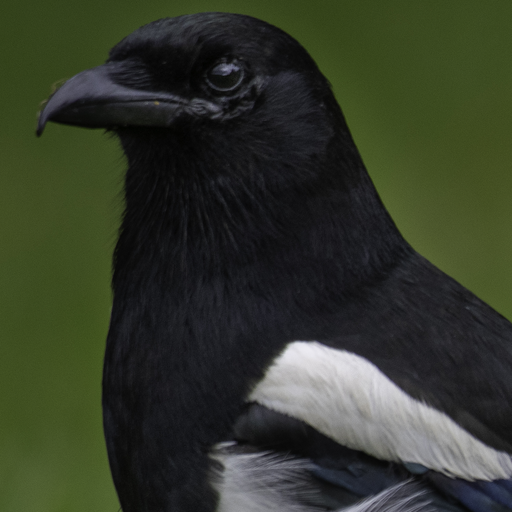 📍 Billings
Black-billed Magpie
Pica hudsoniaA spectacular 17.9–23.6-inch corvid: black-and-white with an iridescent green-blue tail half the bird’s length. Magpies patrol Montana open country and ranch yards in noisy bands, visiting platforms for suet and scraps. They cache food, recognize individual people, and are among the smartest birds on Earth.
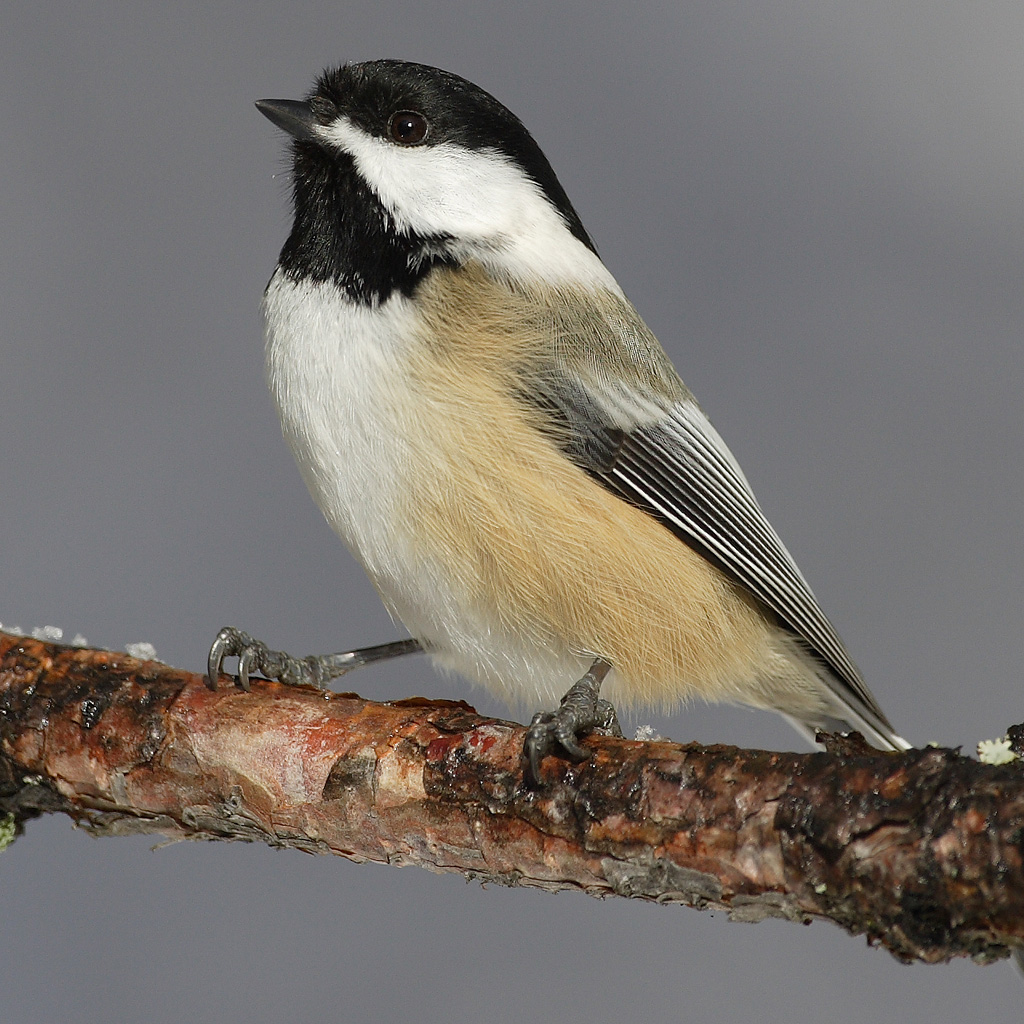 📍 Missoula
Black-capped Chickadee
Poecile atricapillusA tiny 4.7–5.9-inch acrobat with a black cap and bib, white cheeks, and buffy flanks. Chickadees are the bold first visitors to any new feeder, grabbing one seed and flying off to cache it. Listen for the chick-a-dee-dee-dee call that gives the bird its name — and the clear two-note fee-bee whistle of spring.
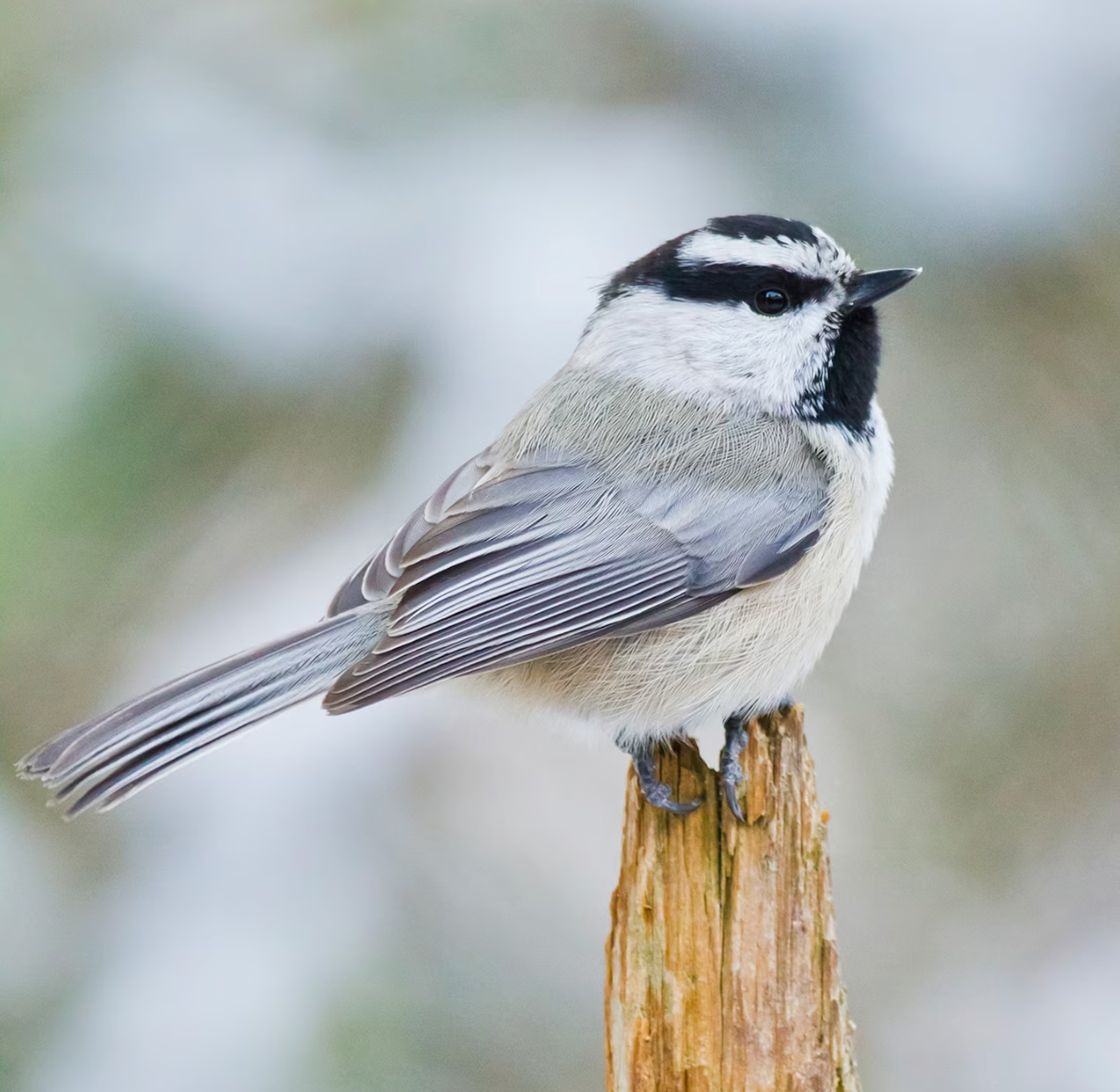 📍 Kalispell
Mountain Chickadee
Poecile gambeliThe chickadee of the high country (4.3–5.5 inches): black bib and cap like its eastern cousins, but with a bold white eyebrow stripe slicing through the black. Mountain Chickadees are year-round residents of Montana’s conifer forests and faithful visitors to mountain feeders all winter.
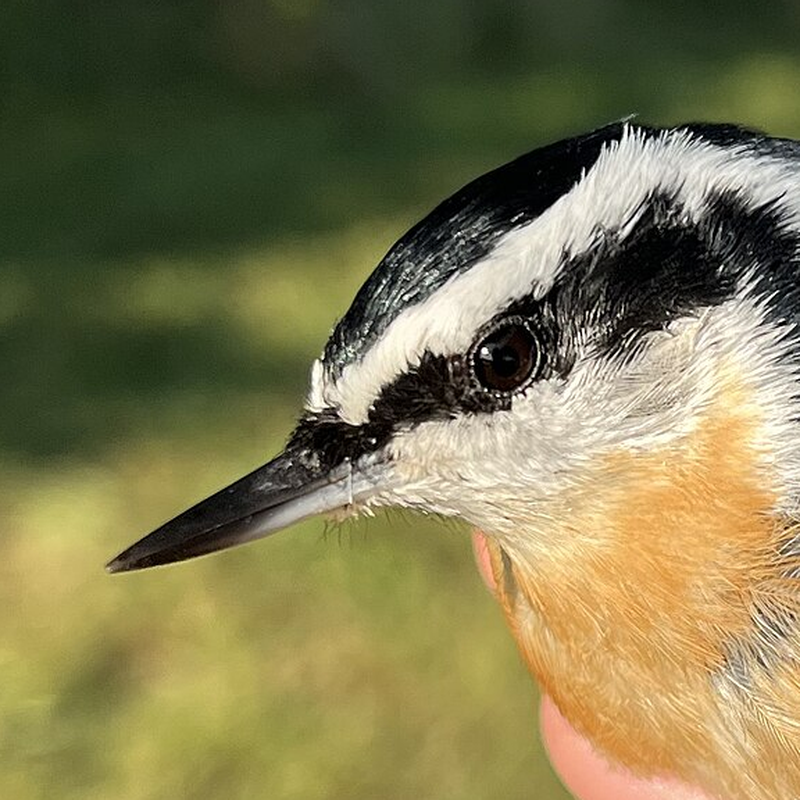 📍 Helena
Red-breasted Nuthatch
Sitta canadensisA compact 4.3-inch nuthatch: blue-gray above, rusty below, with a bold white eyebrow stripe. Red-breasted Nuthatches live in Montana’s conifer belt year-round and irrupt southward in cone-poor winters, hitching down tree trunks headfirst and calling a tin-horn yank-yank.
 📍 Great Falls
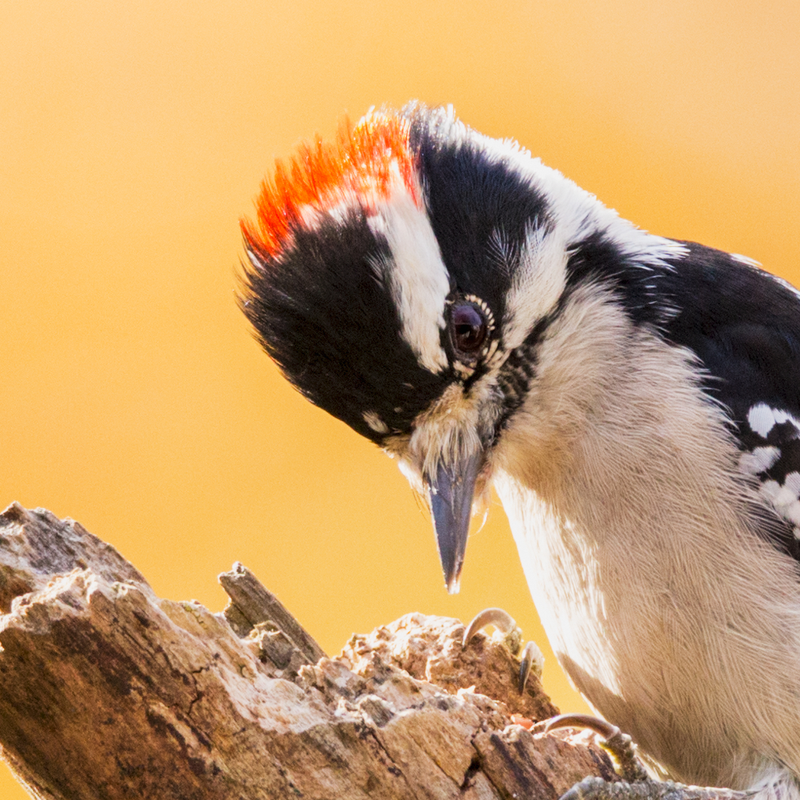
Downy Woodpecker
Dryobates pubescensNorth America’s smallest woodpecker (5.5–6.7 inches) is a Montana backyard regular in every season. Black-and-white checkered wings, a clean white stripe down the back, and a tiny stubby bill separate it from the larger Hairy Woodpecker; males wear a small red patch on the nape.
Recording via Wikimedia Commons / xeno-canto
Read Full Guide →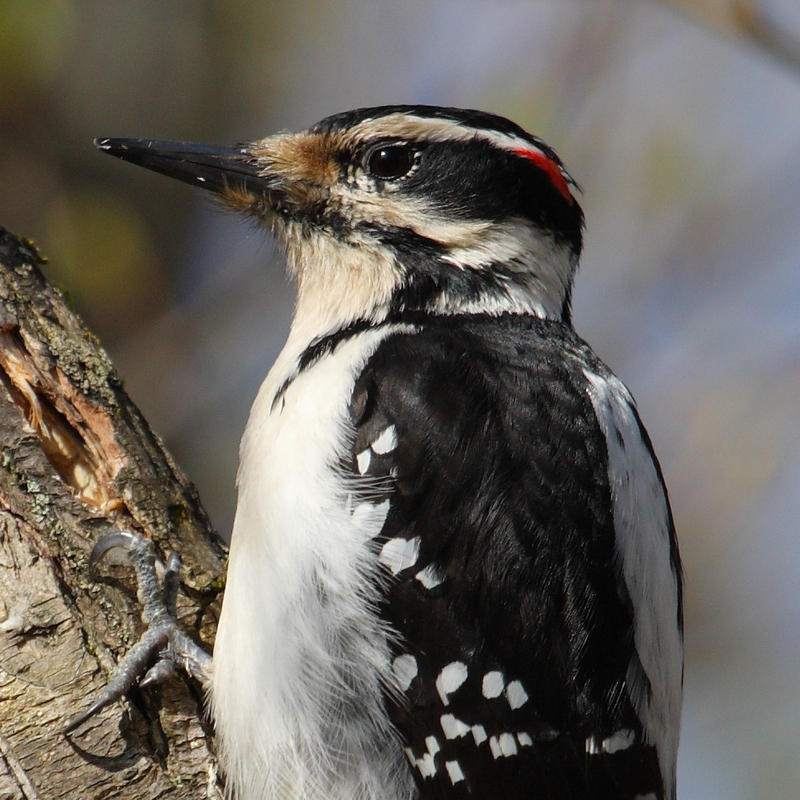 📍 Bozeman
Hairy Woodpecker
Dryobates villosusThe Downy’s bigger look-alike (7.1–10.2 inches) with a long, chisel-tipped bill nearly as long as its head and — on males — a red nape patch. Hairies work mature timber and visit Montana suet feeders all winter. Seeing both species at one feeder is a classic identification lesson.
 📍 Butte
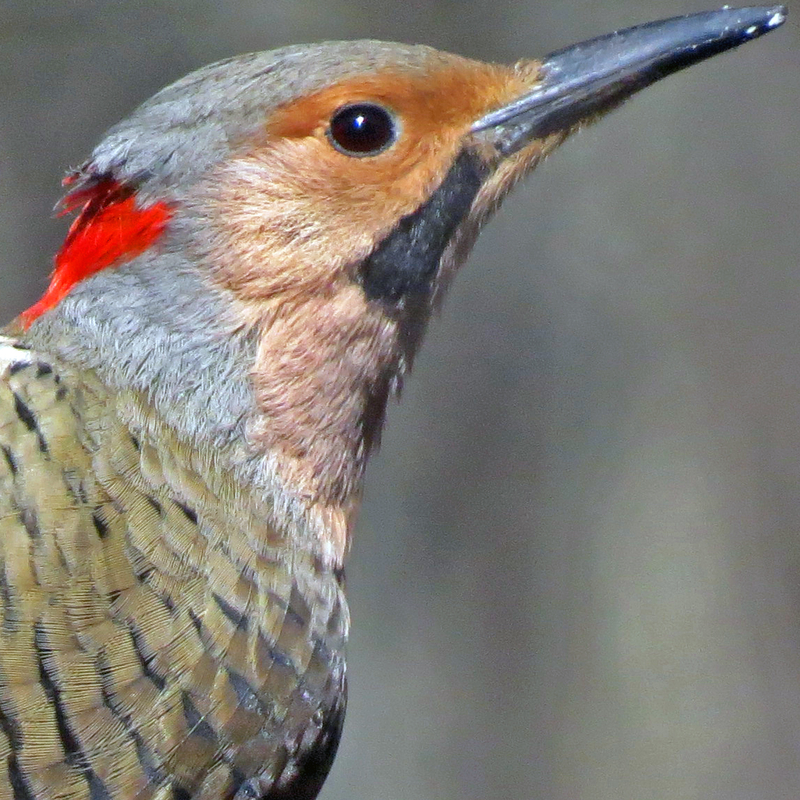
Northern Flicker
Colaptes auratusA big 11–12-inch woodpecker in brown-barred plumage with a black bib and spotted belly; eastern birds flash golden wing linings and a red nape crescent. Flickers spend much of their time on the ground lapping up ants, and drum on Montana gutters at dawn in spring — loud, but it’s a love song.
Recording via Wikimedia Commons / xeno-canto
Read Full Guide →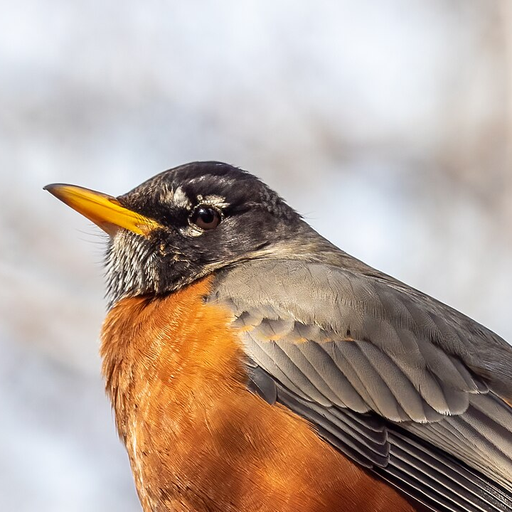 📍 Havre
American Robin
Turdus migratoriusThe familiar 7.9–11-inch thrush: gray above, brick-red below, yellow-billed. The dawn chorus over a Montana lawn is built on its cheerily-cheerup phrases. Robins nest on porch lights and ledges, and big winter flocks descend on holly and hackberry trees across the state.
 📍 Miles City
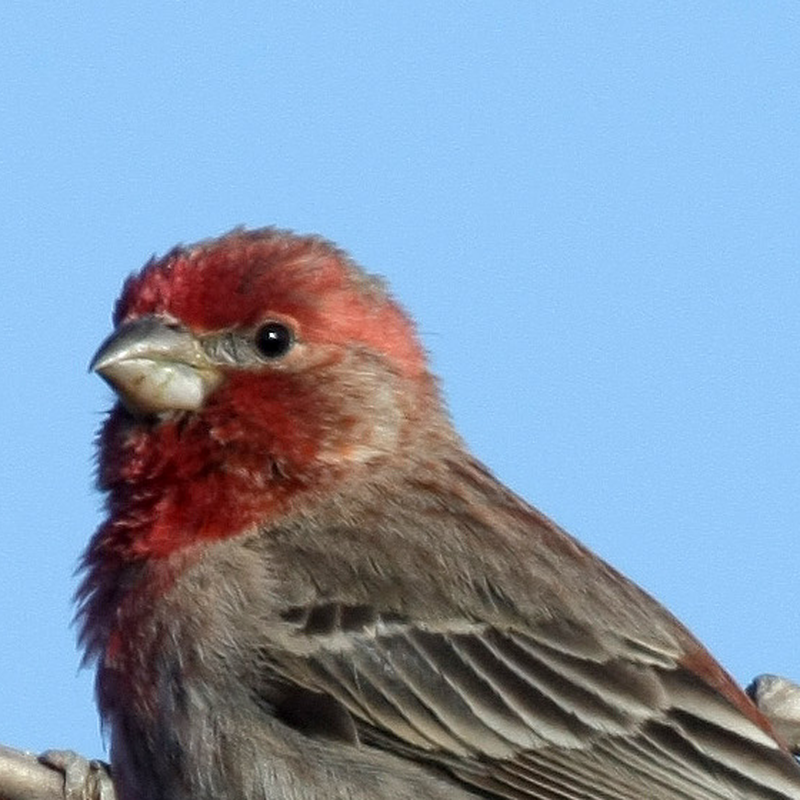
House Finch
Haemorhous mexicanusA 5.1–5.5-inch finch: males washed strawberry-red on head, breast, and rump; females plainly streaked. House Finches spread across the East in the 1990s and now crowd Montana tube feeders year-round, warbling long songs that end in an up-slurred veer.
 📍 Glasgow
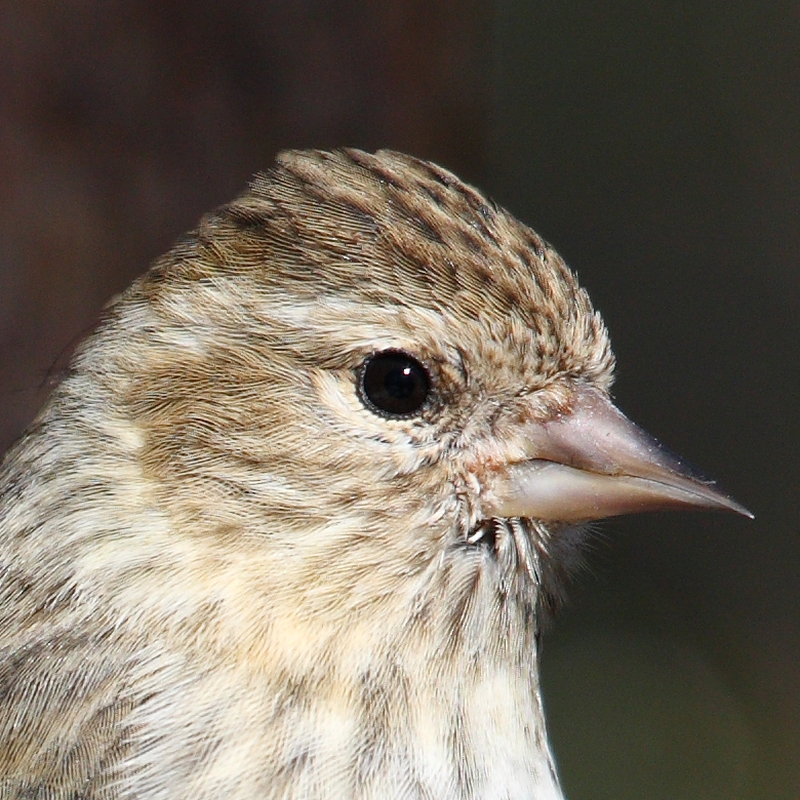
Pine Siskin
Spinus pinusA tiny 4.3–5.5-inch finch, heavily streaked with flashes of yellow in wings and tail. Siskins breed in northern conifers and irrupt into Montana some winters, swarming Nyjer feeders in twittering flocks mixed with goldfinches. Watch for them after poor northern cone crops.
 📍 Lewistown
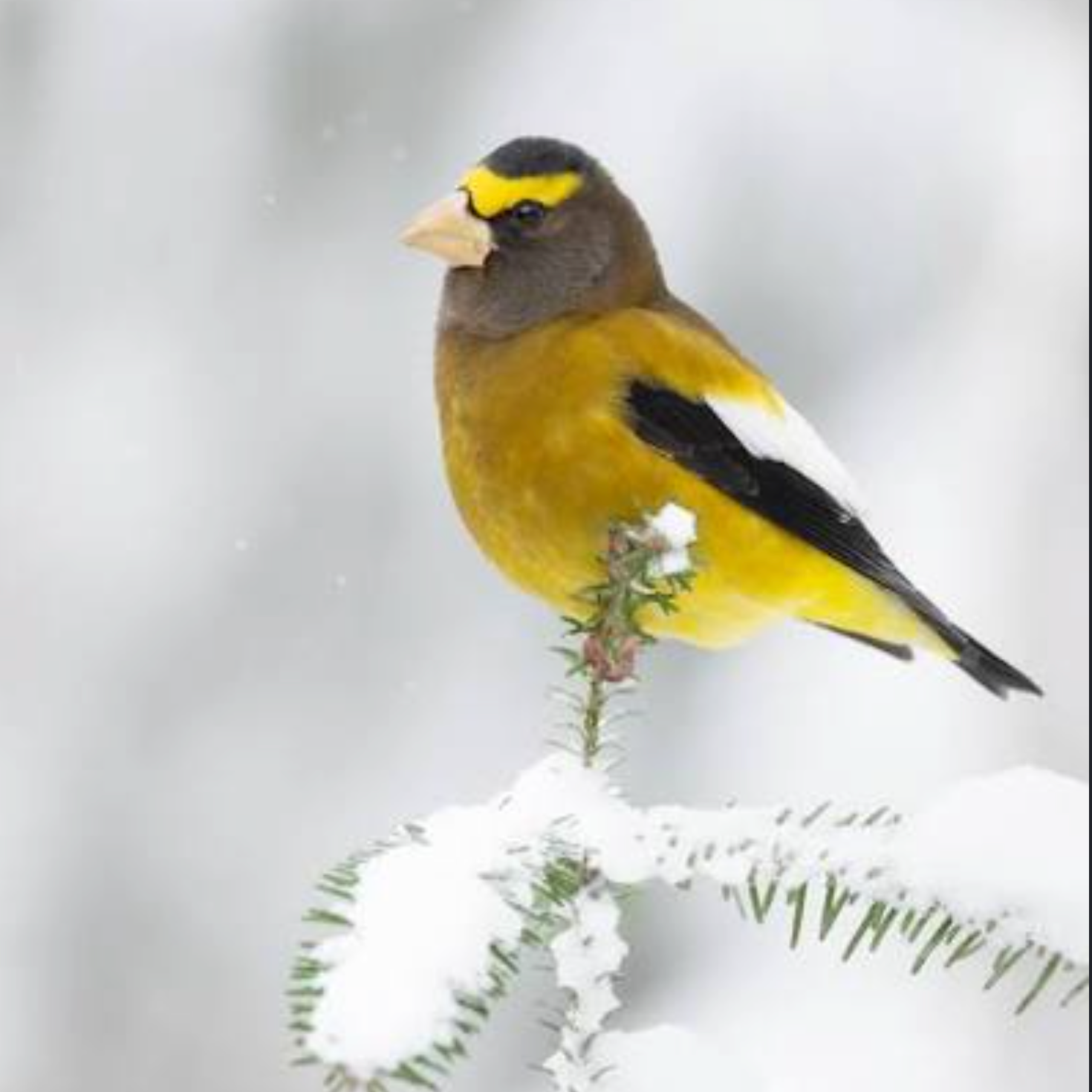
Evening Grosbeak
Hesperiphona vespertinaA big, spectacular finch (6.3–7.1 inches): males are gold and black with a massive pale bill and a yellow eyebrow; females are silver-gray. Evening Grosbeaks roam in flocks, descending on Montana platform feeders in irruption years and emptying them in minutes — a feast day when they arrive.
 📍 Livingston
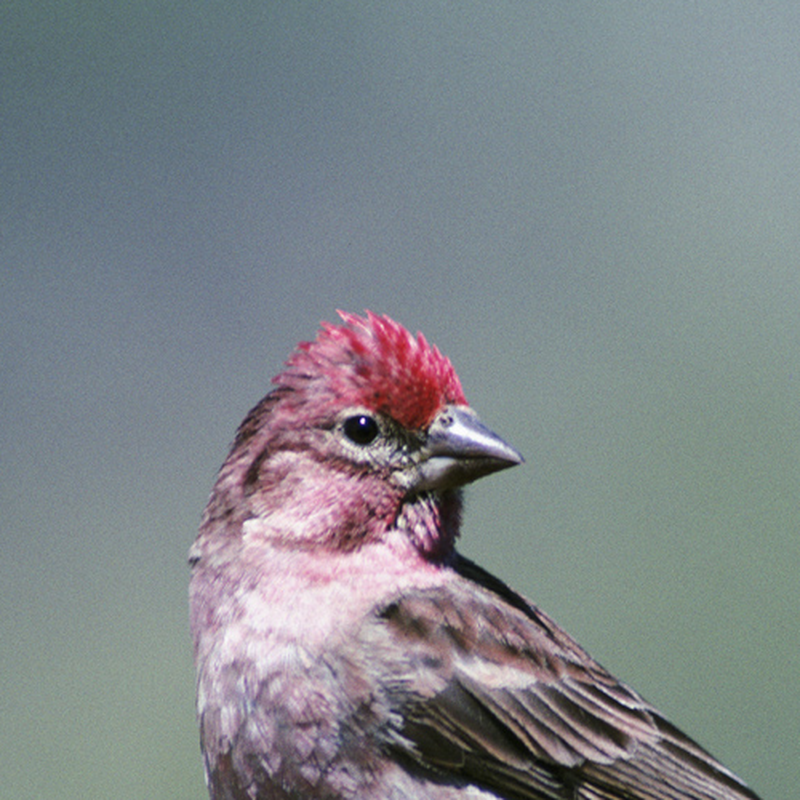
Cassin’s Finch
Haemorhous cassiniiThe mountain cousin of the House Finch (6–6.7 inches): males are rose-pink with a bright red crown patch and fine streaking below; females are crisply streaked. Cassin’s Finches live in Montana’s conifer belt and drop to feeders in winter, often in cheerful mixed flocks with siskins and goldfinches.
 📍 Polson
Dark-eyed Junco
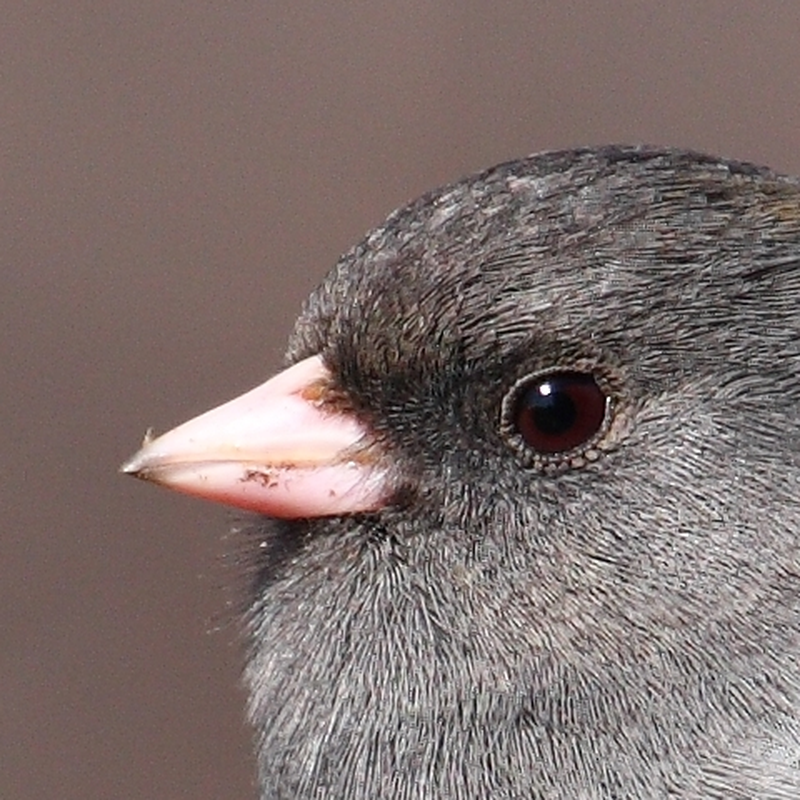
Junco hyemalisThe classic snowbird: a 5.5–6.3-inch sparrow with a slate-gray hood set cleanly against a white belly, white outer tail feathers flashing in flight. Juncos pour into Montana each October and double-scratch for millet under feeders until April — the surest sign of winter.
 📍 Dillon
Common Raven
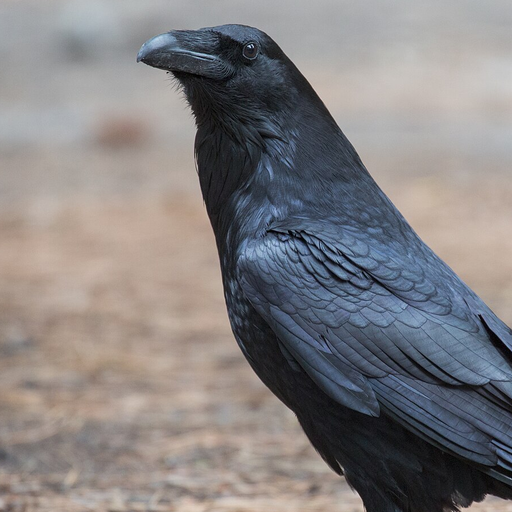
Corvus coraxA huge 22.1–27.2-inch all-black corvid — hawk-sized, with a shaggy throat and wedge tail. Ravens are brilliant: they solve puzzles, play in the wind, and remember who feeds them. Montana ravens visit rural yards and ranch platforms, announcing themselves with a deep, echoing croak.
 📍 Sidney
American Goldfinch
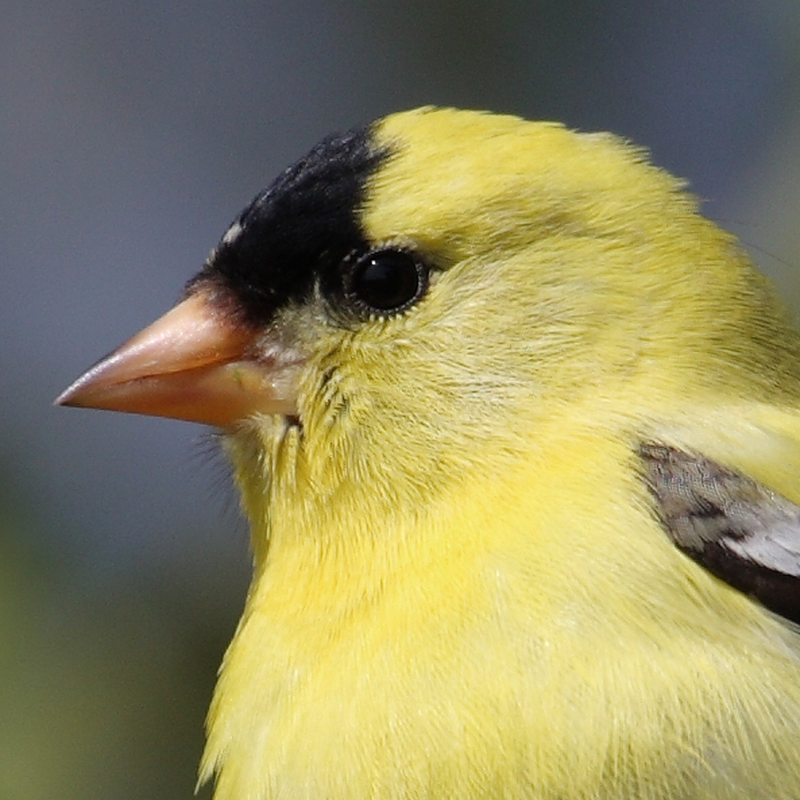
Spinus tristisBreeding males are lemon-yellow with a jet-black cap and wings; winter birds are soft olive-drab. Goldfinches mob Nyjer socks across Montana in every season, nesting late in summer when thistle seed ripens. Their bouncy flight and po-ta-to-chip call are unmistakable.
 📍 Glendive
House Wren
Troglodytes aedonA tiny 4.3–5.1-inch brown wren with a bubbly, cascading song far bigger than its body. House Wrens summer in Montana yards with nest boxes — 1-inch entrance holes keep out sparrows — stuffing them with twigs and raising broods on spiders and insects. Winters along the Gulf.
More Backyard Birds in Montana +75 species
Every other species from our backyard bird library that regularly occurs in Montana — each with its own photo gallery, playable call, and full species guide. Browse 16 per page using the dots below.
Feeder: Whole corn, peanuts, and a shallow water pan on open ground.
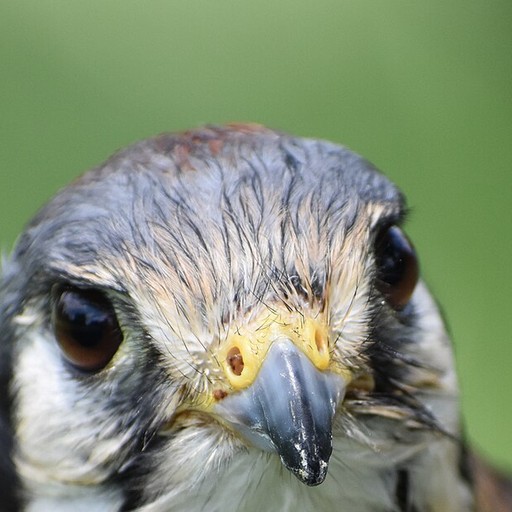
Feeder: Perches on fences; nest boxes on poles in open country.

Feeder: White millet and fine cracked corn on ground or platform.
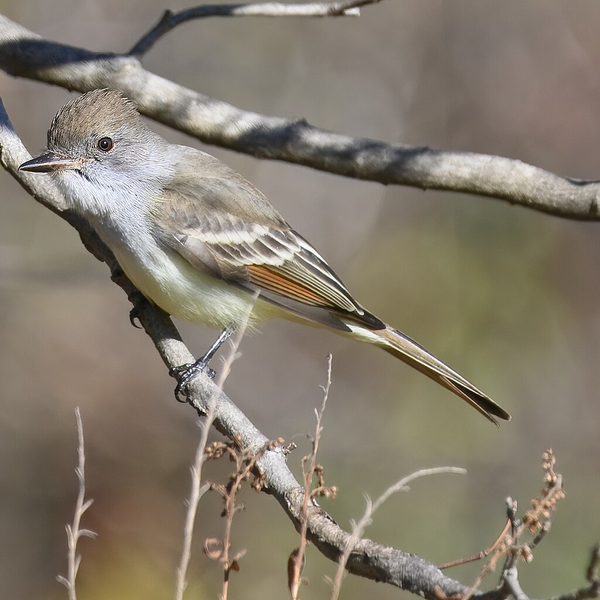
Feeder: Visits backyard feeders and water features.
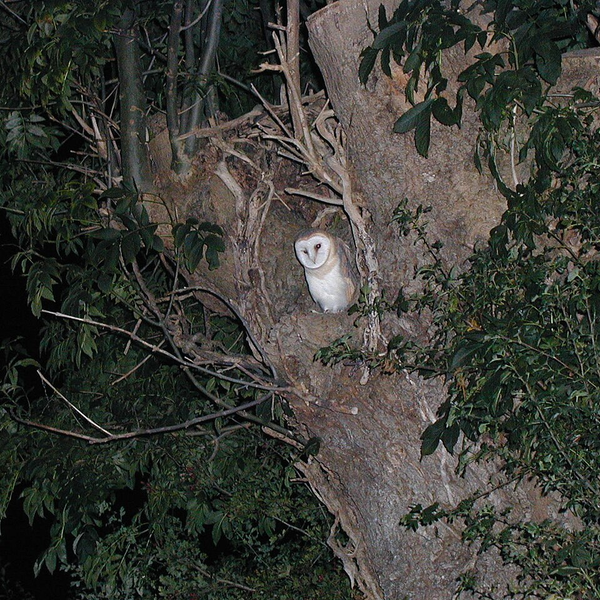
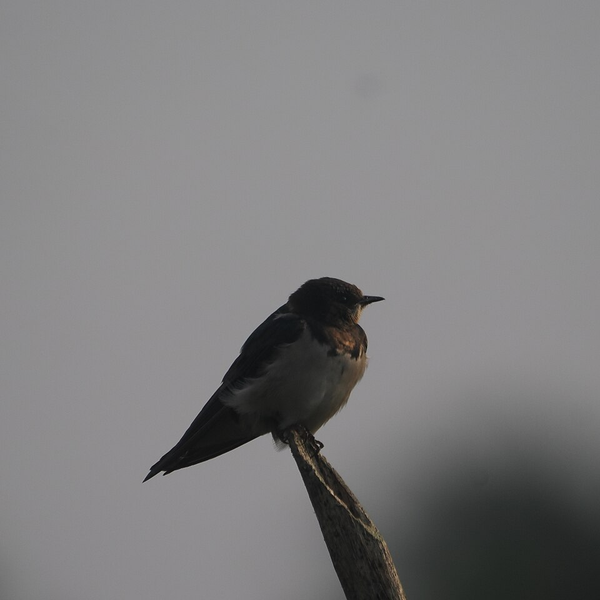
Feeder: Visits backyard feeders and water features.
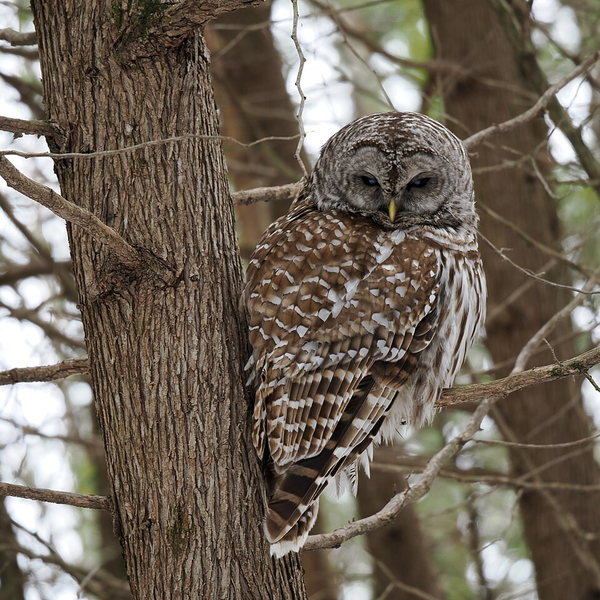
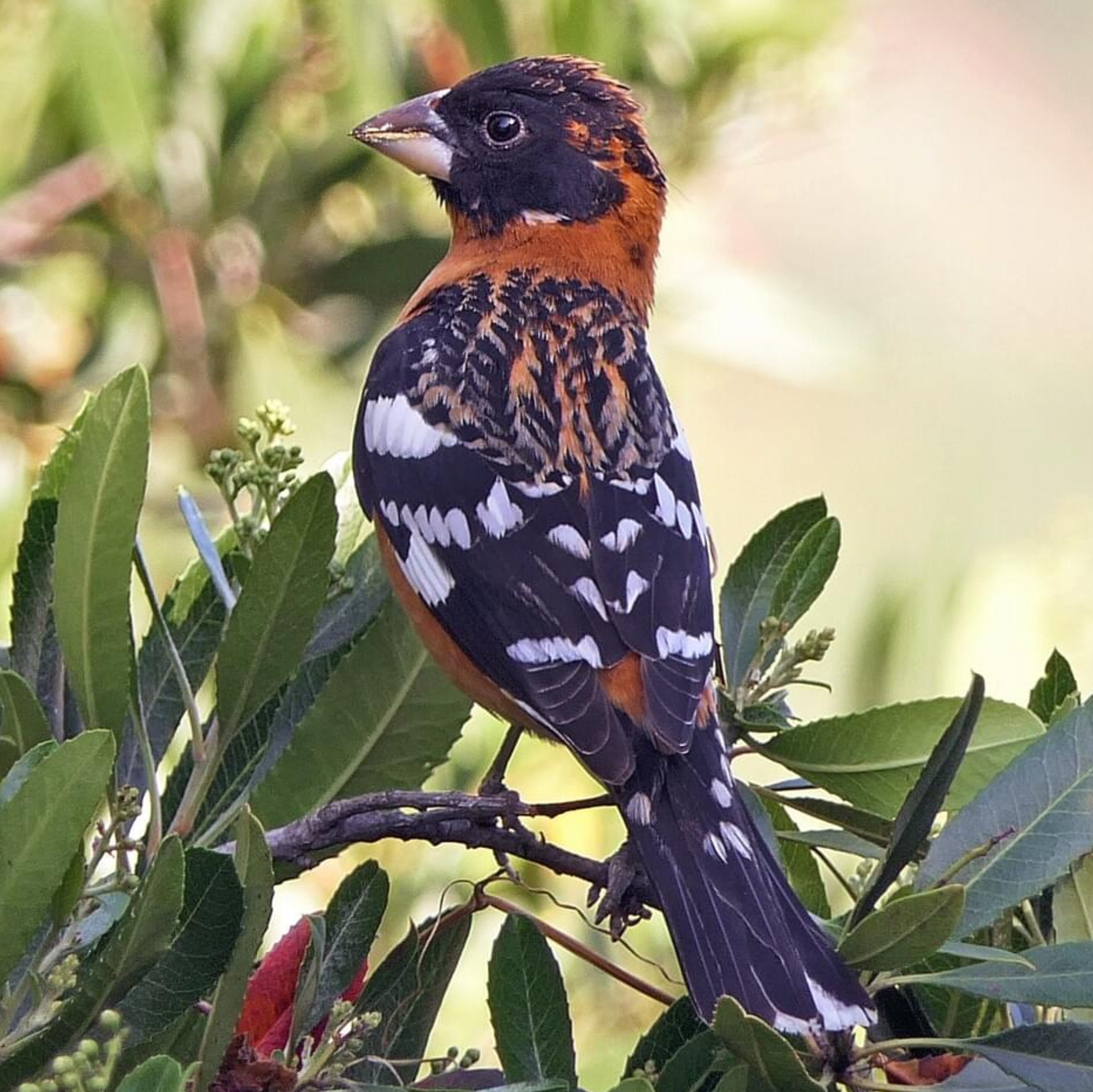
Feeder: Sunflower seeds at a sturdy platform feeder in summer.
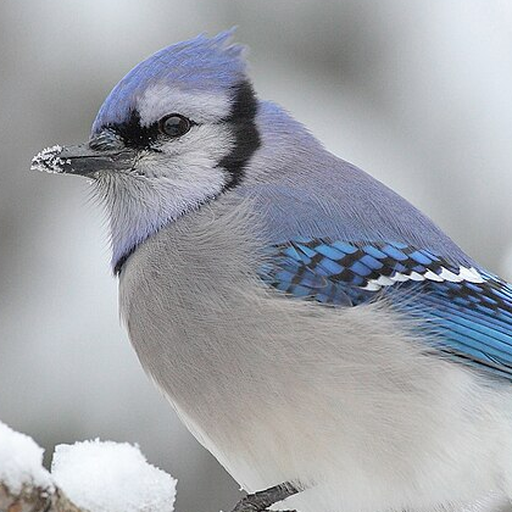
Feeder: Whole in-shell peanuts and coarse sunflower on a large tray.
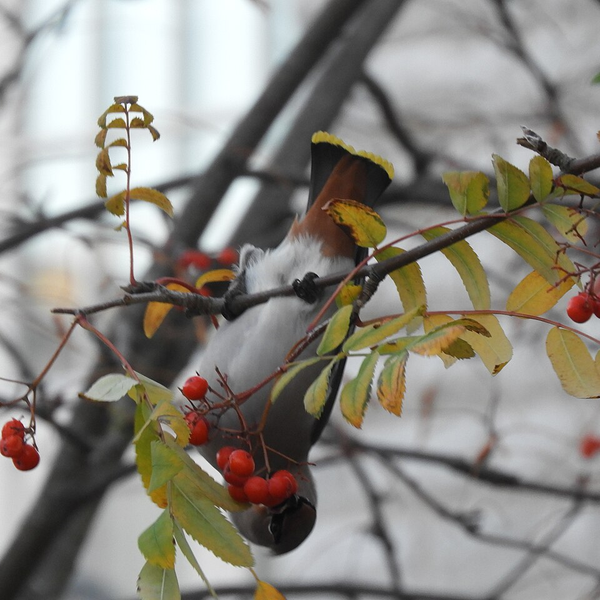
Feeder: Visits backyard feeders and water features.

Feeder: Grain and crumbs on ground platforms in open western yards.
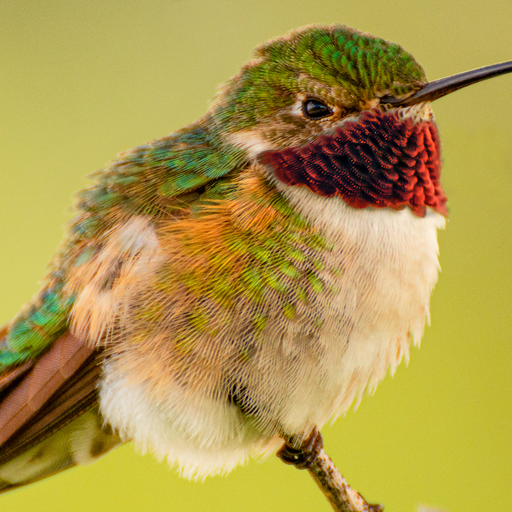
Feeder: Sugar-water feeders near red tubular flowers.
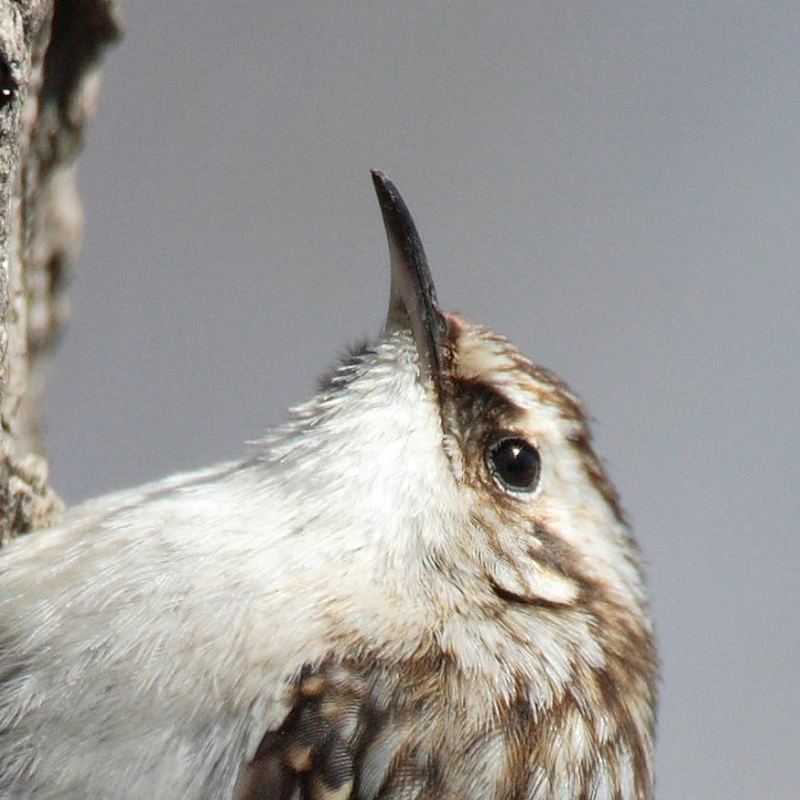
Feeder: Suet smeared on tree bark; spirals up trunks for hidden insects.
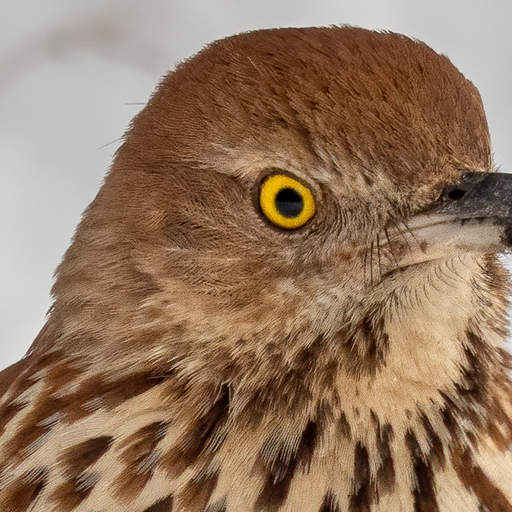
Feeder: Ground-scattered peanuts and corn near thick brush piles.

Feeder: Cracked corn and grain on the ground; a nest parasite.
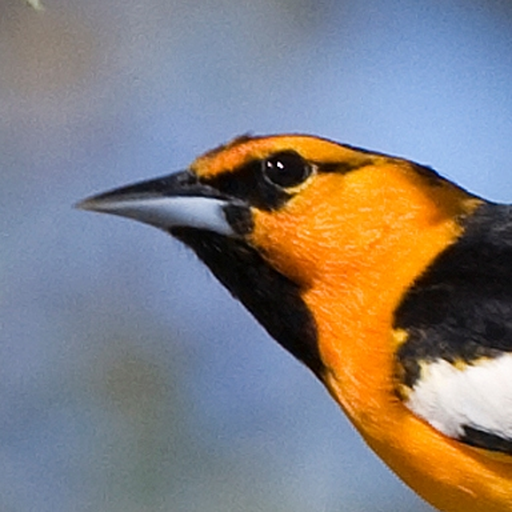
Feeder: Grape jelly, halved oranges, and sugar water in summer.
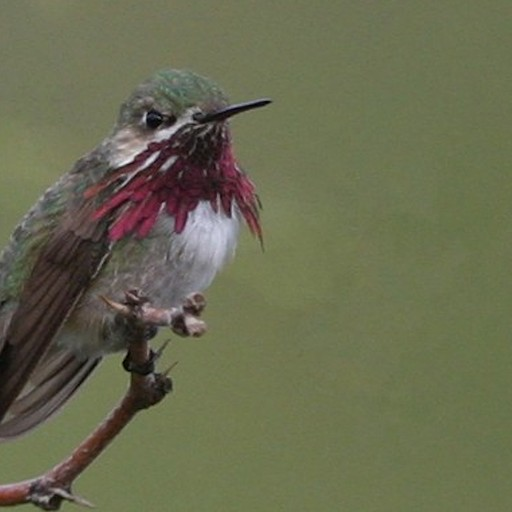
Feeder: Sugar-water feeders; North America’s smallest bird.
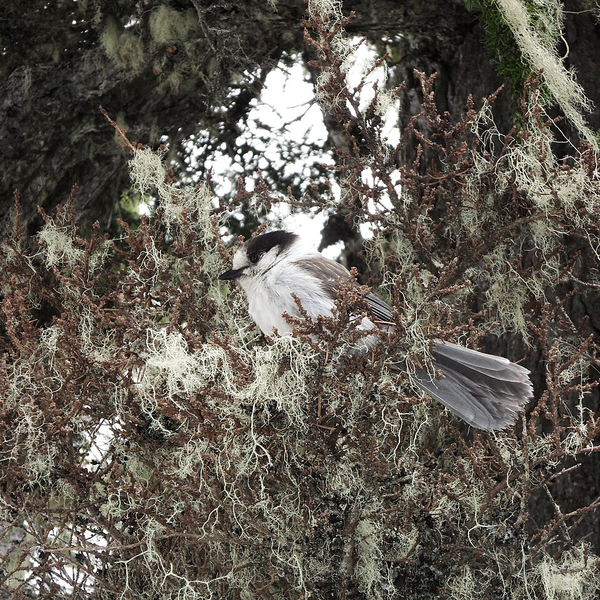
Feeder: Visits backyard feeders and water features.

Feeder: Berry-producing trees and a fountain or moving water.

Feeder: Fine seed mix and grass seed scattered on open ground.
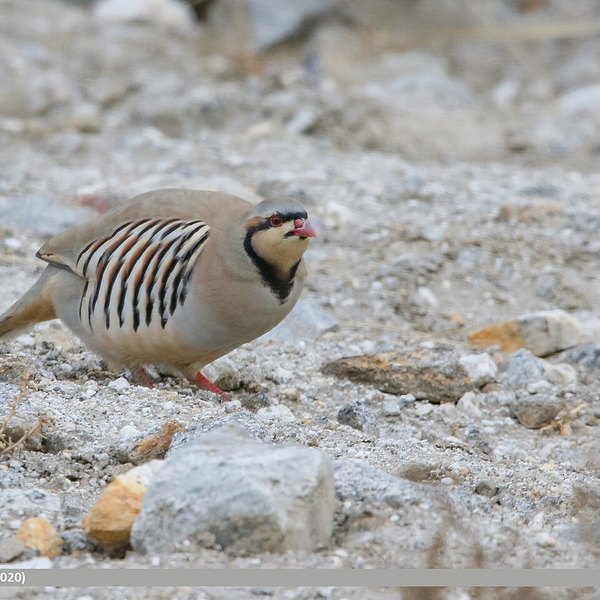
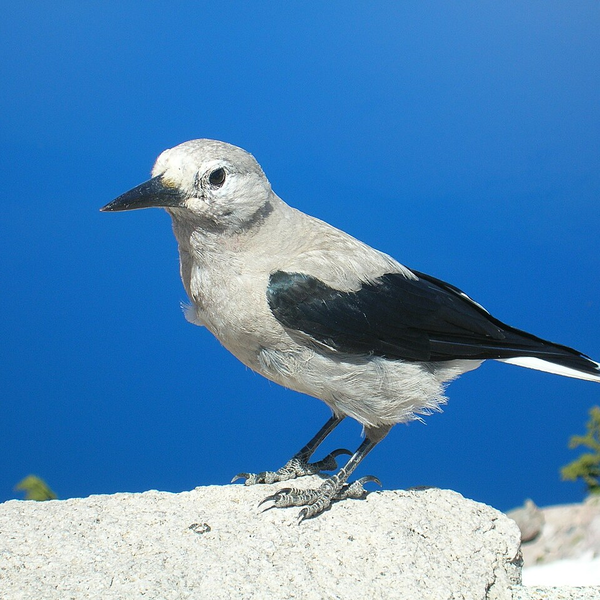
Feeder: Visits backyard feeders and water features.
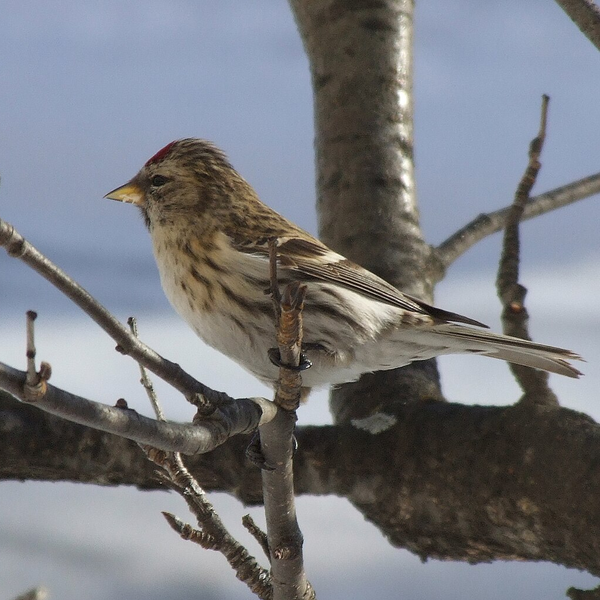
Feeder: Visits backyard feeders and water features.

Feeder: Not a feeder guest — it hunts the birds at your feeders.
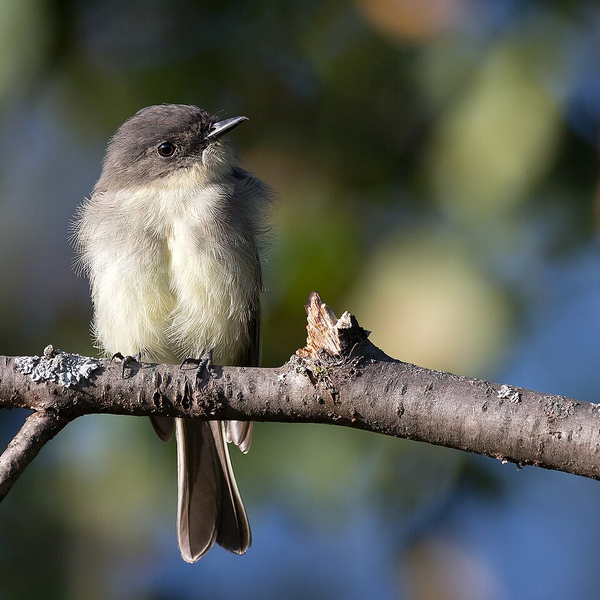
Feeder: Visits backyard feeders and water features.

Feeder: Deep wooden nest boxes in mature trees; hunts at night.
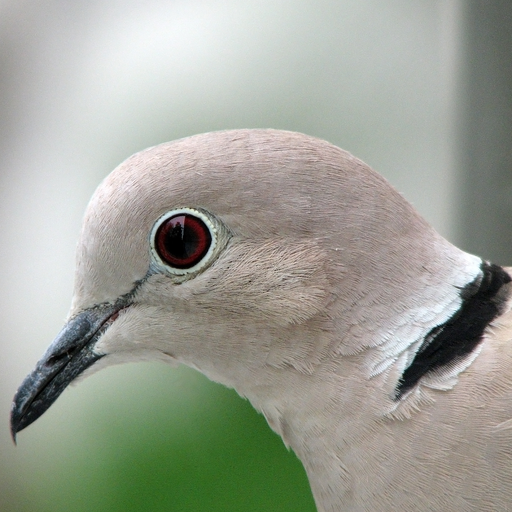
Feeder: Large grains on big platform feeders; spreading fast.

Feeder: Suet and crumbs; use starling-resistant caged feeders.

Feeder: Sunflower pieces and cracked corn; double-scratches in leaf litter.
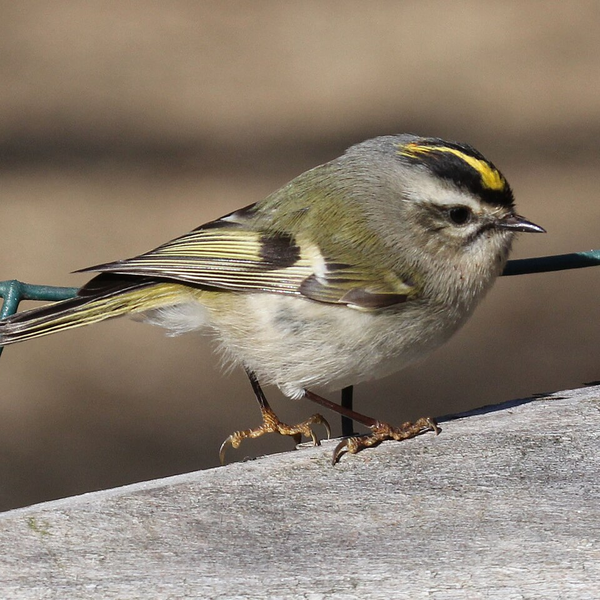
Feeder: Visits backyard feeders and water features.
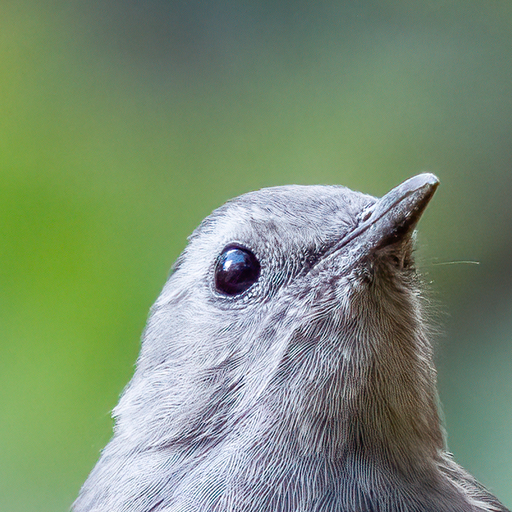
Feeder: Grape jelly, halved oranges, raisins, and dense shady shrubs.
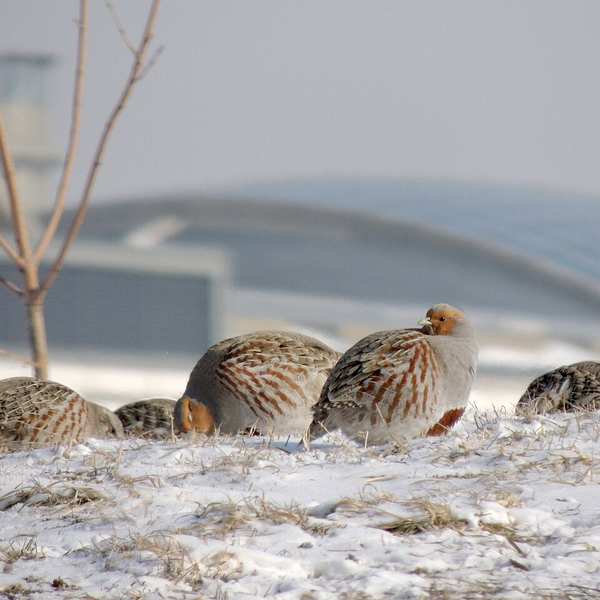
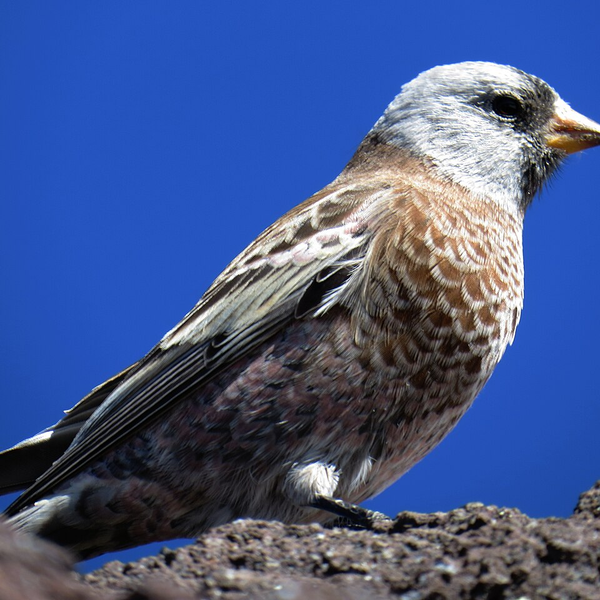
Feeder: Visits backyard feeders and water features.
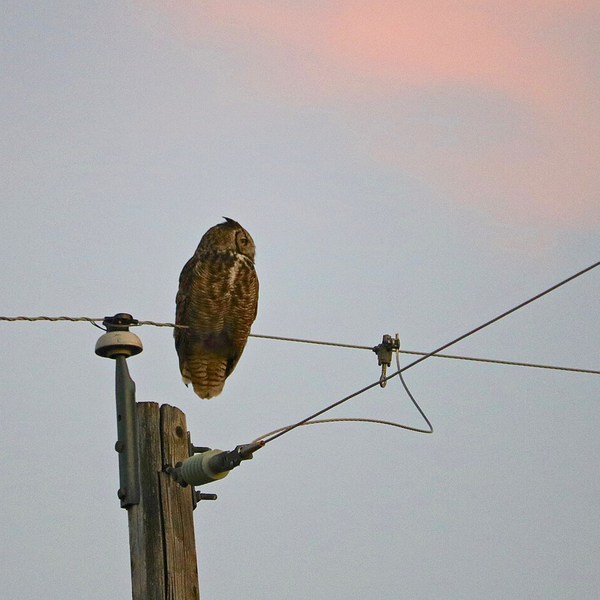
Feeder: Visits backyard feeders and water features.
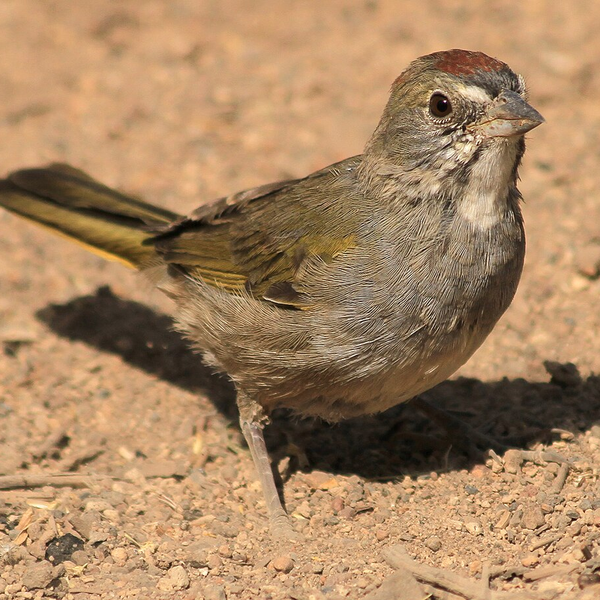
Feeder: Visits backyard feeders and water features.
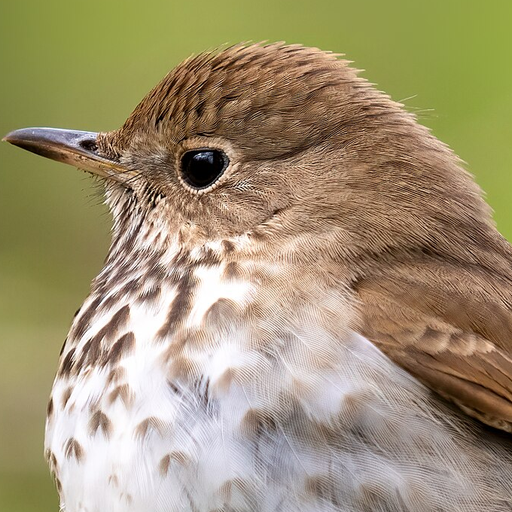
Feeder: Berry-producing shrubs and a ground birdbath in shady yards.
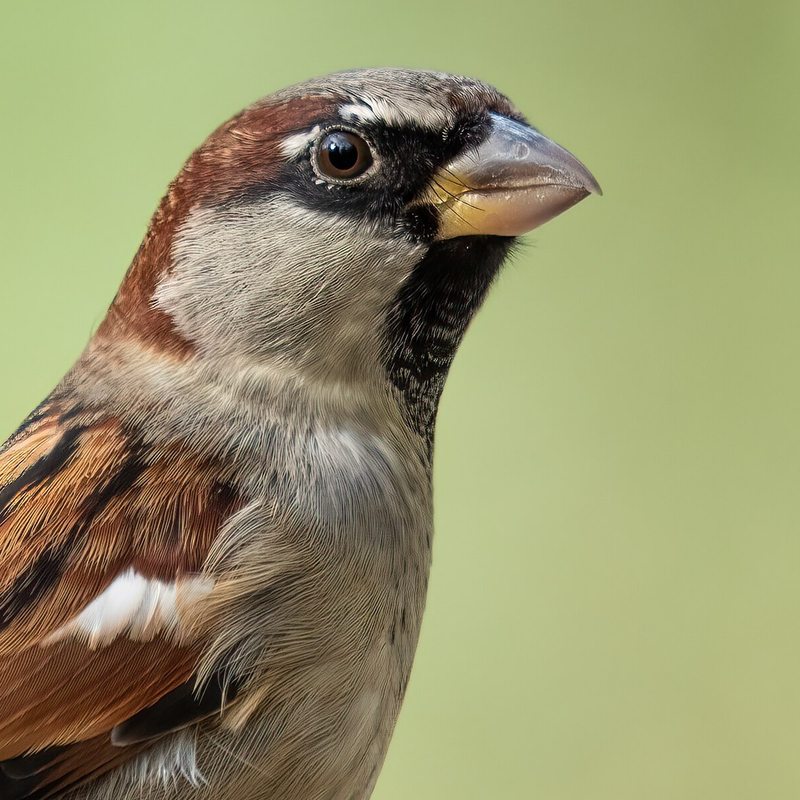
Feeder: Cracked corn, millet, and crumbs; nests in cavities and crevices.
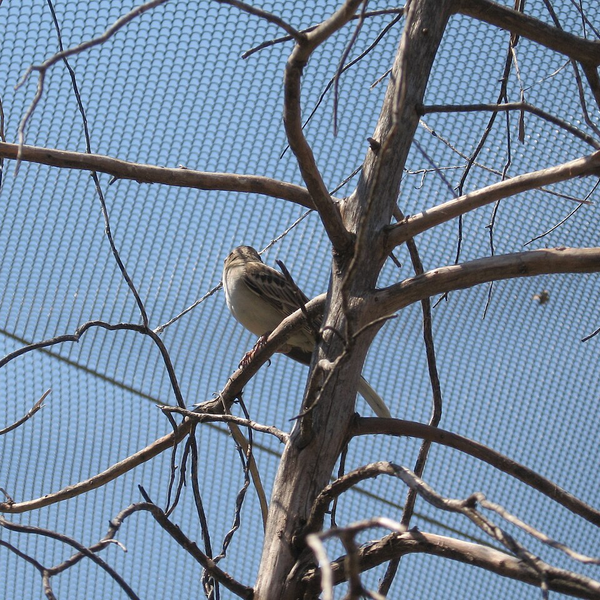
Feeder: Visits backyard feeders and water features.
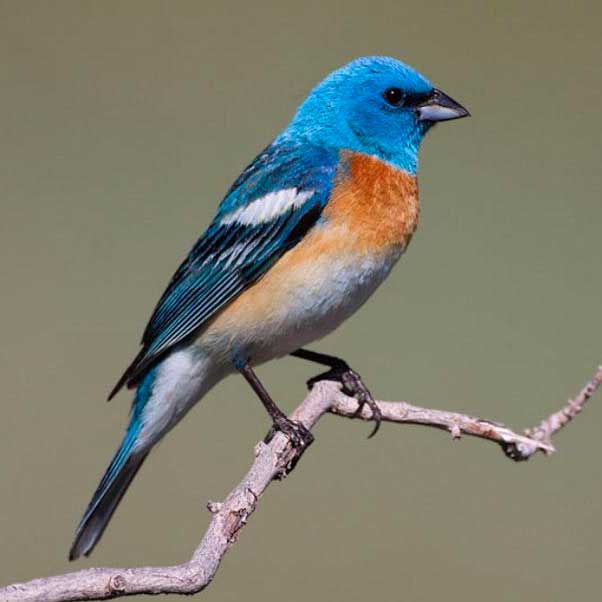
Feeder: White millet and fine sunflower chips near brushy slopes.
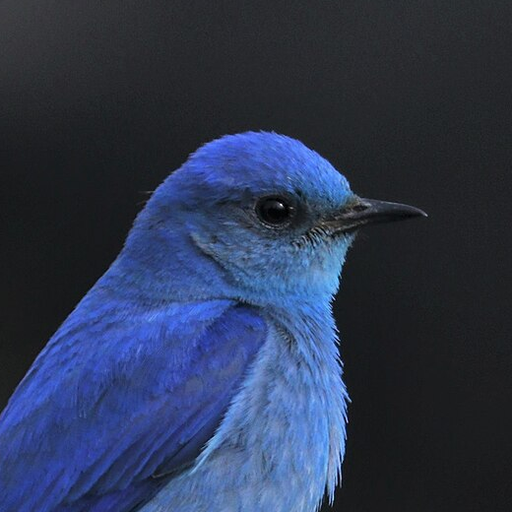
Feeder: Mealworms; nest boxes in open meadows with clear sightlines.
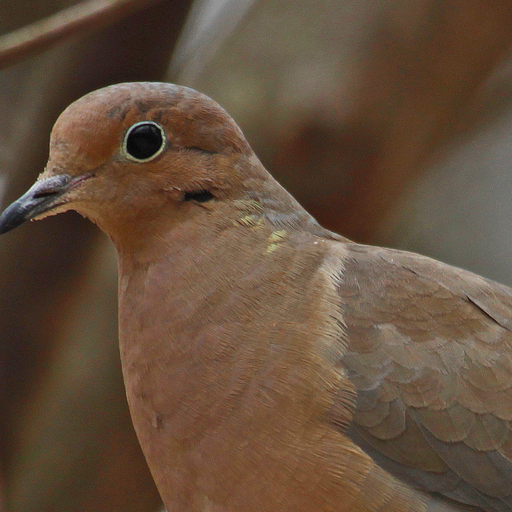
Feeder: White millet and cracked corn on the ground or a low platform.

Feeder: Suet crumbs; occasionally sips at hummingbird feeders.
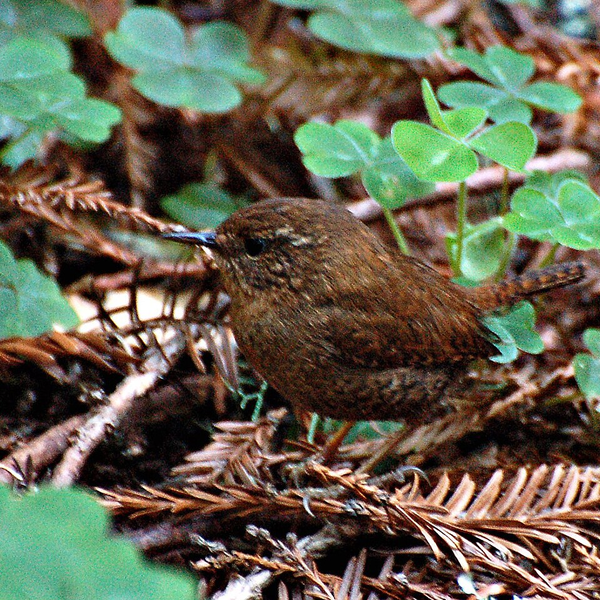
Feeder: Visits backyard feeders and water features.
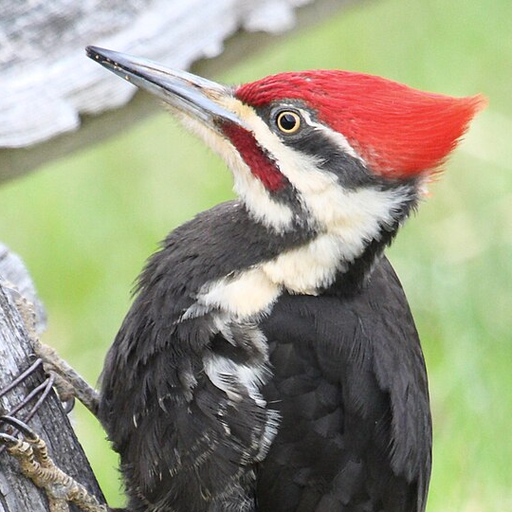
Feeder: Large suet feeders mounted on a board or big trunk.
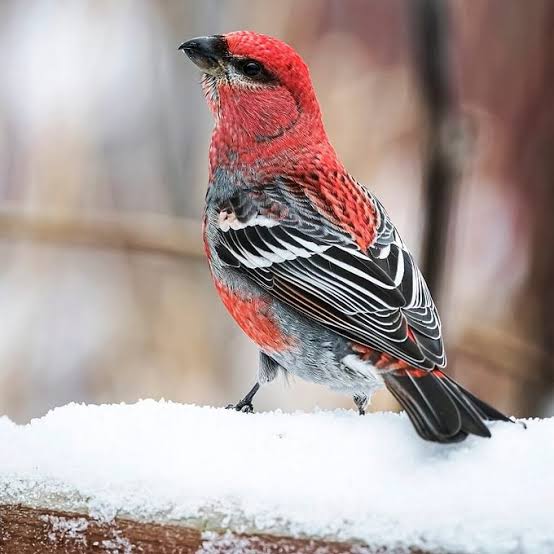
Feeder: Sunflower seeds and mountain ash berries in winter; tame at feeders.
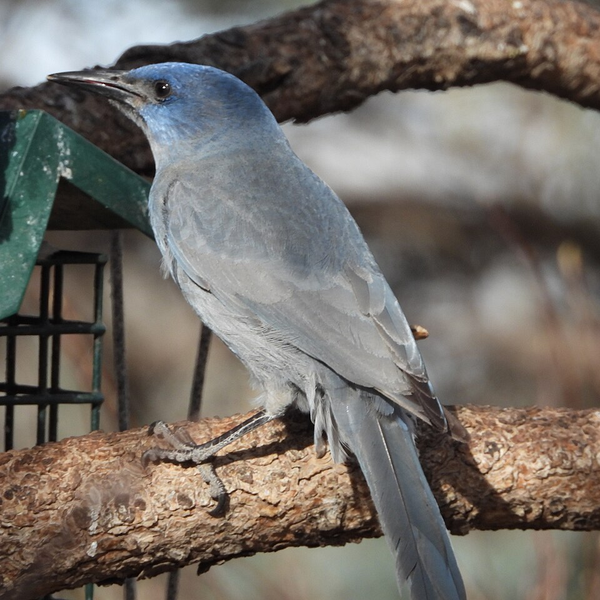
Feeder: Visits backyard feeders and water features.
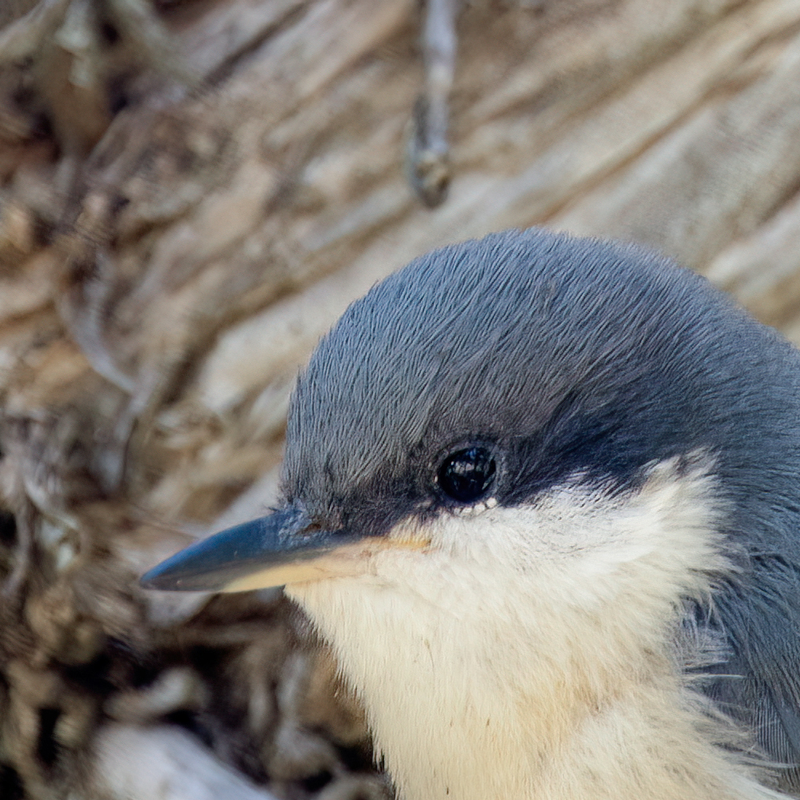
Feeder: Suet and crushed nuts; communal winter flocks in pine towns.
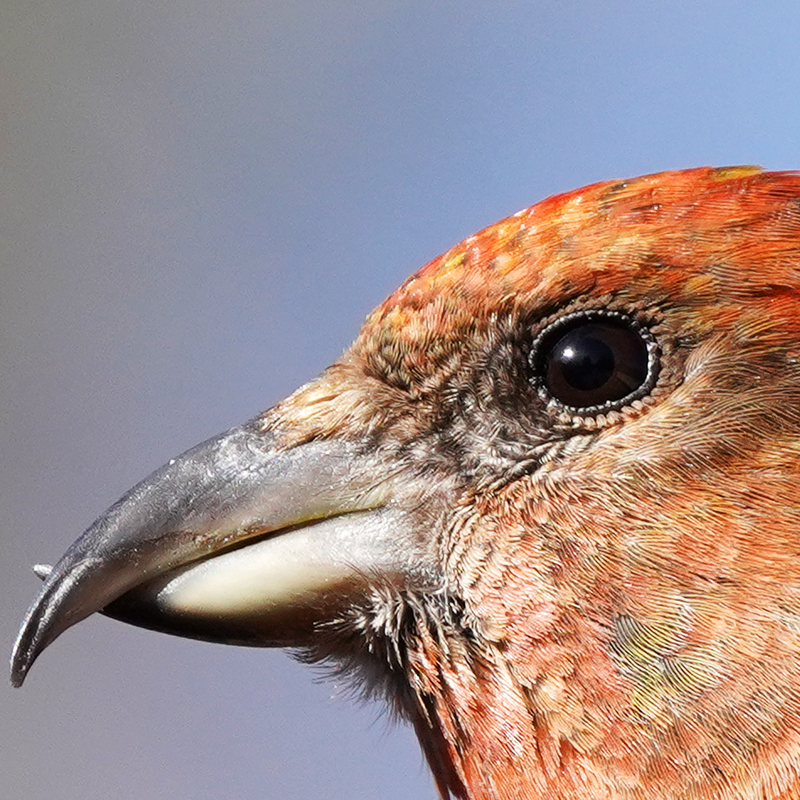
Feeder: Sunflower seeds on open platforms; visits erratically with cone crops.
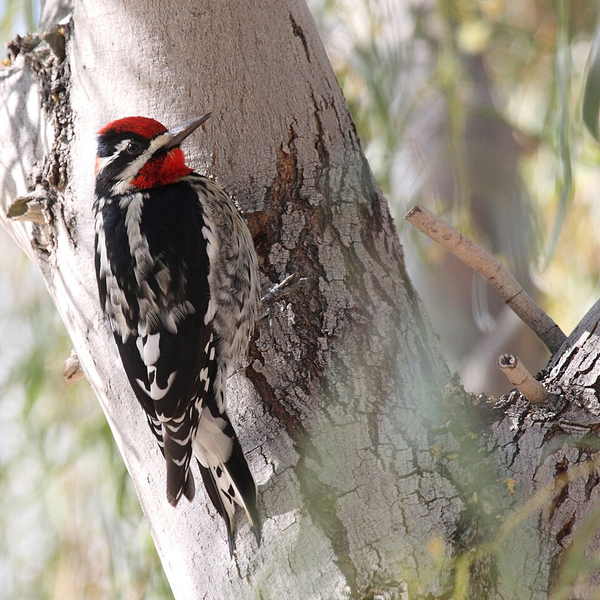
Feeder: Visits backyard feeders and water features.
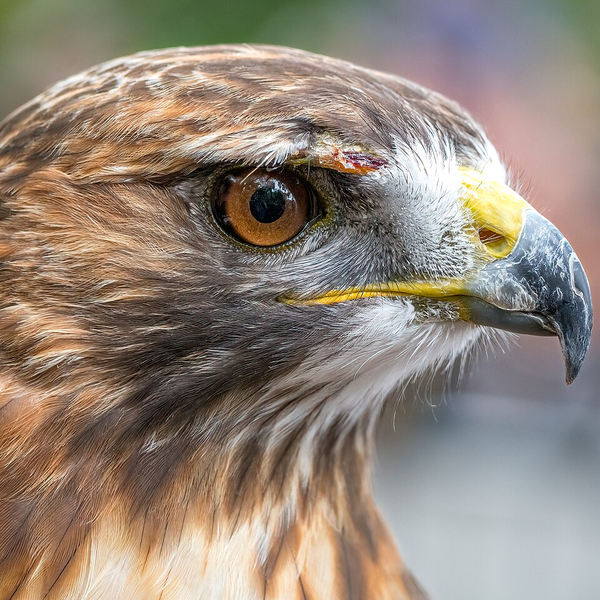
Feeder: Visits backyard feeders and water features.

Feeder: Sunflower, millet, and corn — arrives in loud flocks.
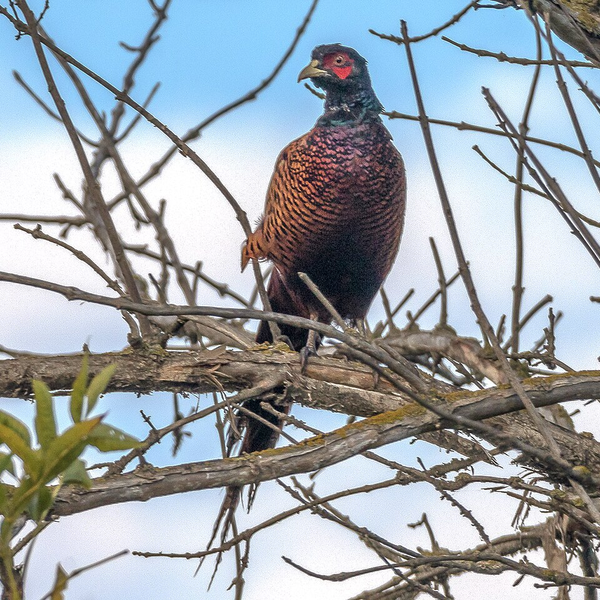
Feeder: Visits backyard feeders and water features.
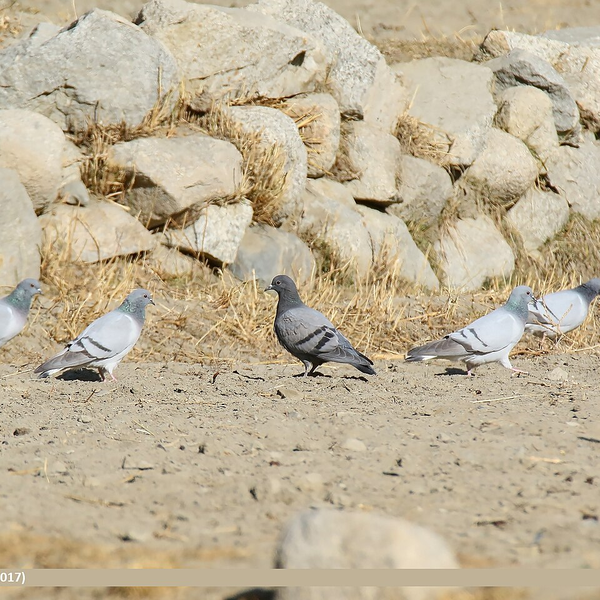
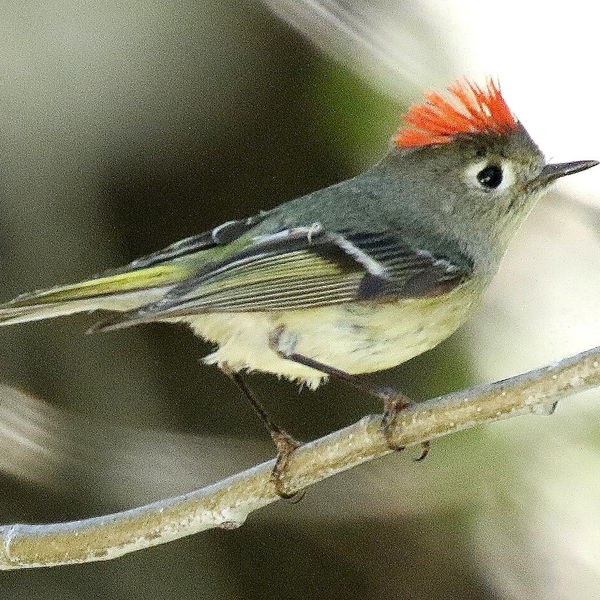
Feeder: Visits backyard feeders and water features.
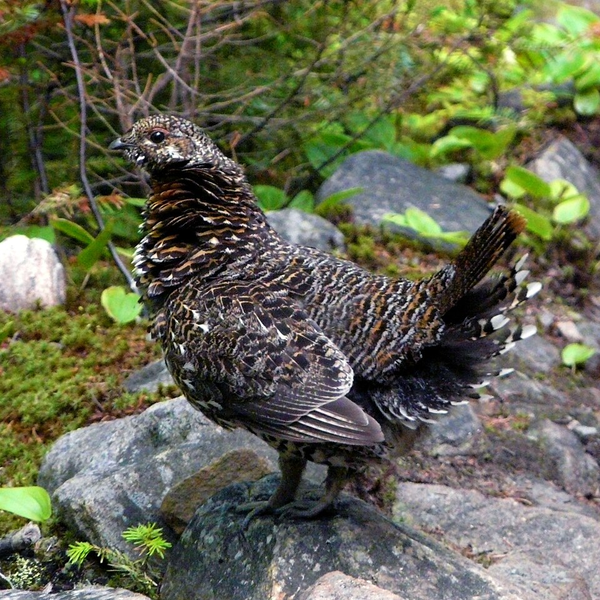
Feeder: Visits backyard feeders and water features.
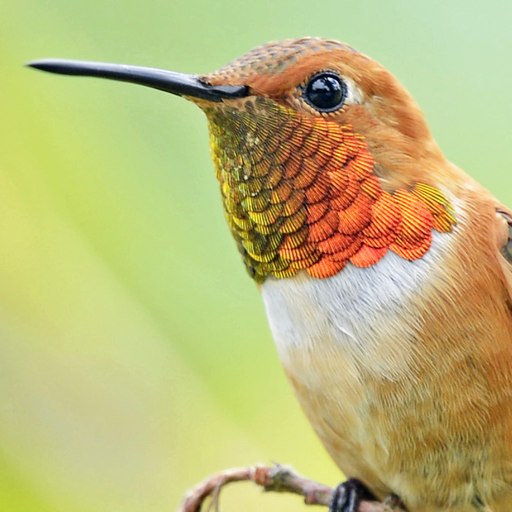
Feeder: Sugar-water feeders; fiercely territorial — hang several apart.
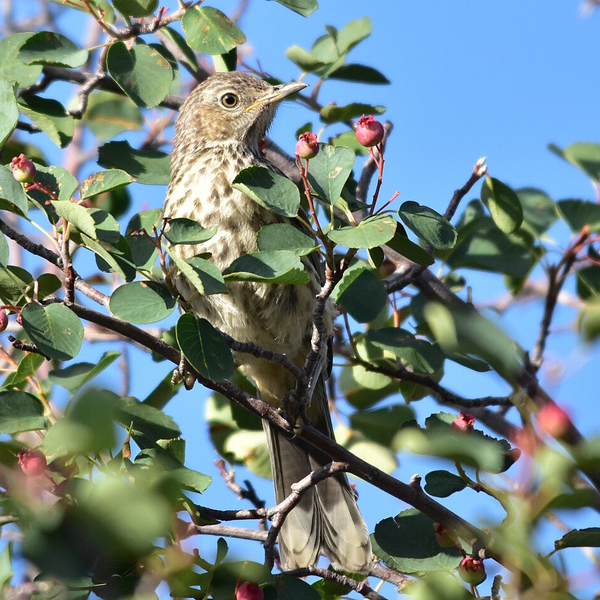
Feeder: Visits backyard feeders and water features.
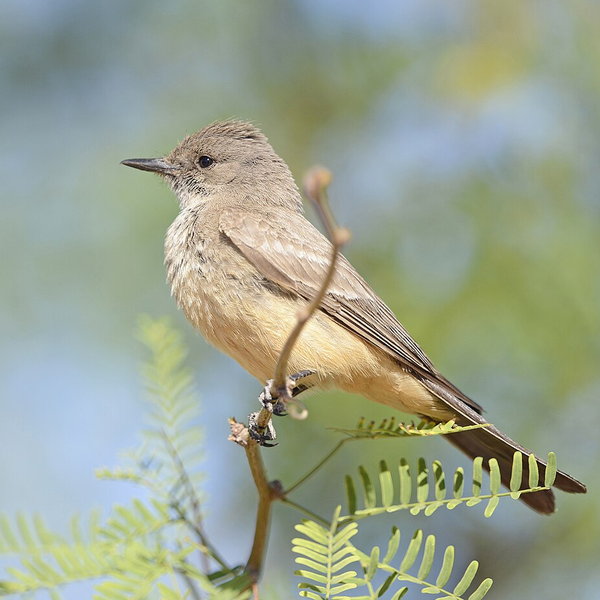
Feeder: Visits backyard feeders and water features.
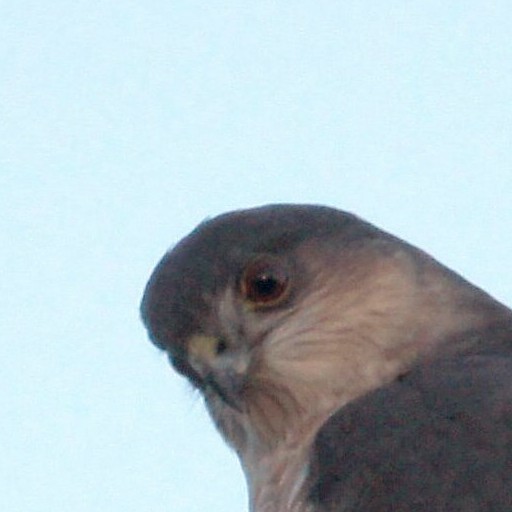
Feeder: Hunts small feeder birds in winter; give feeders escape cover.

Feeder: Mixed seed and white millet near brushy edges; loves a birdbath.

Feeder: Coarse seed mixes on a ground platform near dry thickets.
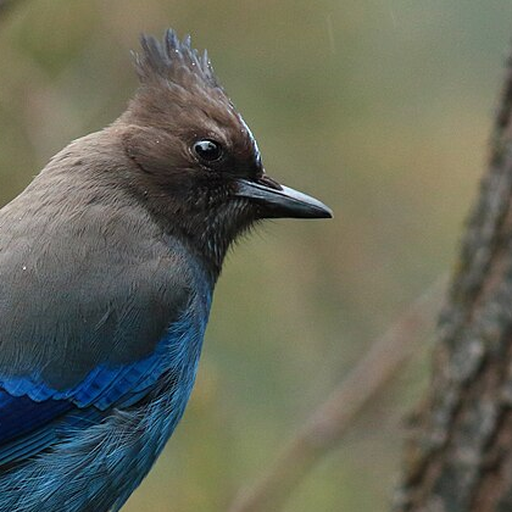
Feeder: Whole peanuts, suet, and large nuts at mountain cabins.
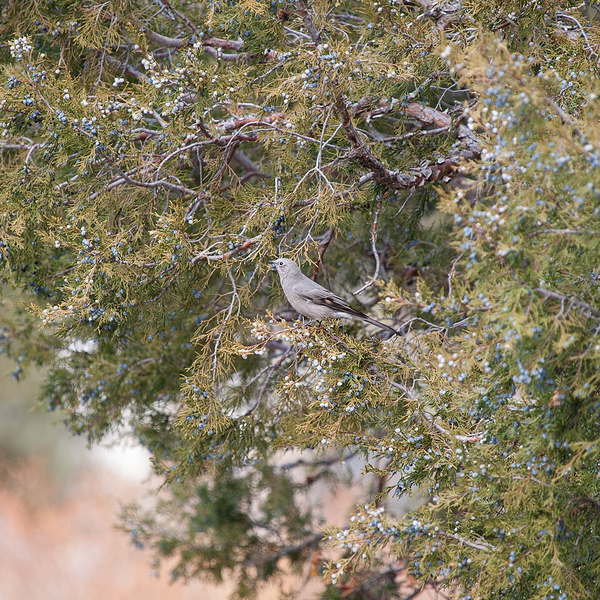
Feeder: Visits backyard feeders and water features.
Feeder: Visits backyard feeders and water features.
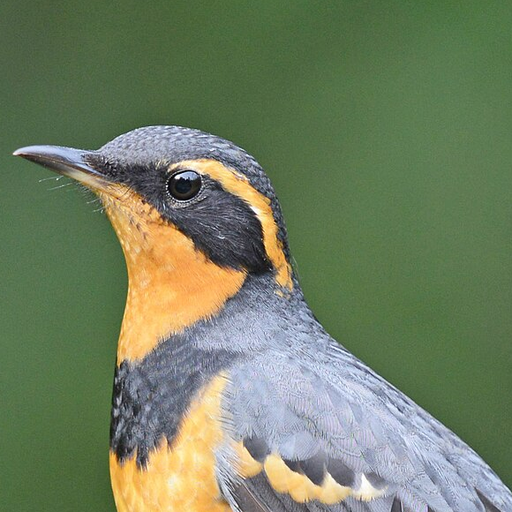
Feeder: Sunflower chips on the ground and berry bushes in winter.
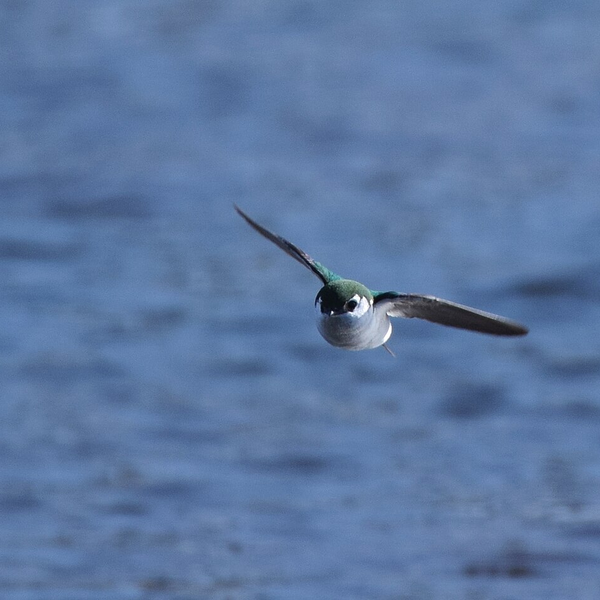
Feeder: Visits backyard feeders and water features.
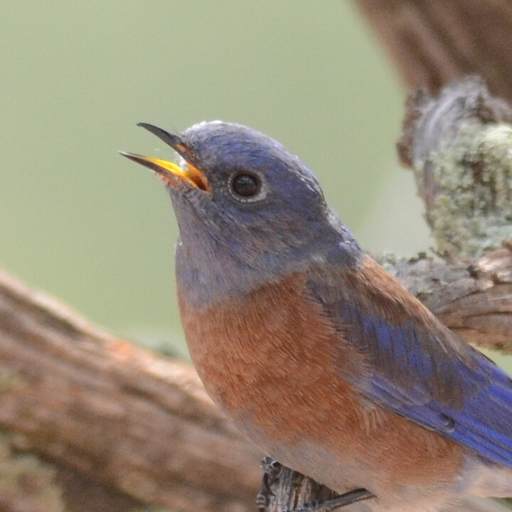
Feeder: Mealworms and a nest box facing open ground.
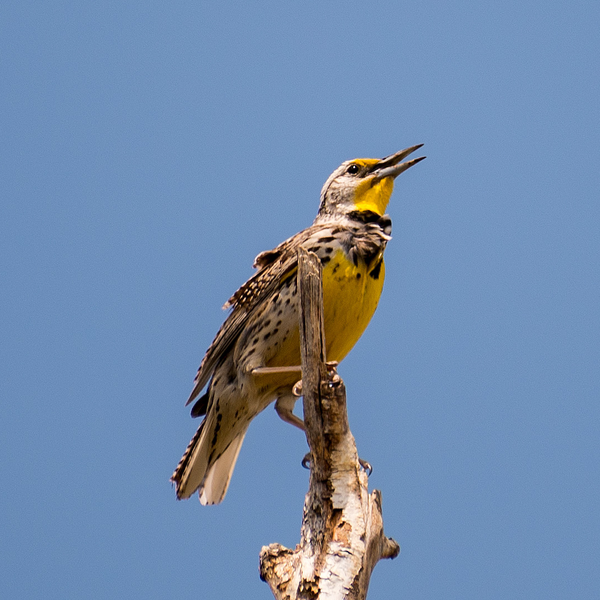
Feeder: Visits backyard feeders and water features.

Feeder: Tree-cavity style nest boxes; listen for the bouncing-ball call.
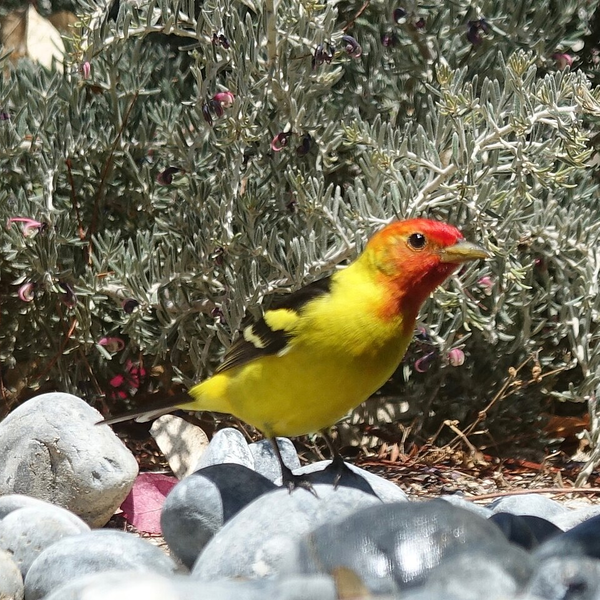
Feeder: Visits backyard feeders and water features.
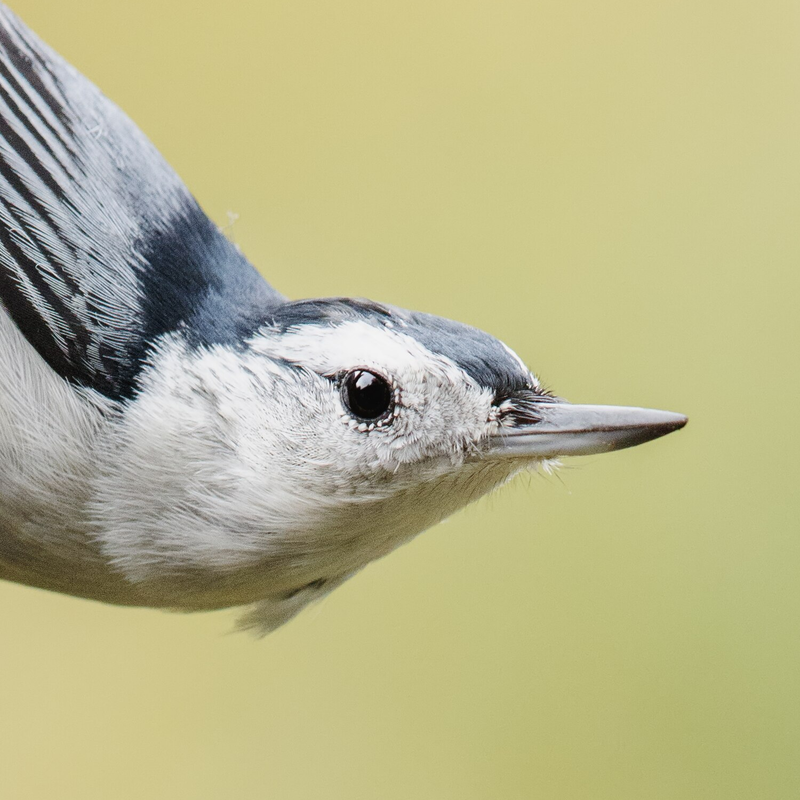
Feeder: Suet, whole peanuts, and sunflower; walks headfirst down trunks.

Feeder: Sunflower chips and white millet on the ground near brush.
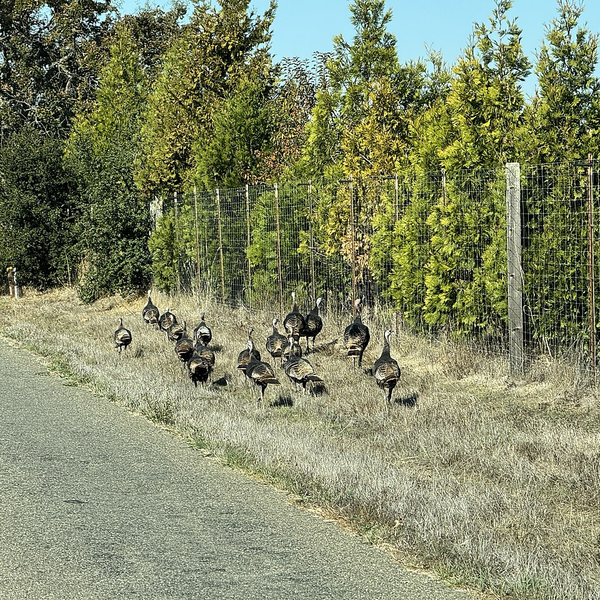
Feeder: Visits backyard feeders and water features.
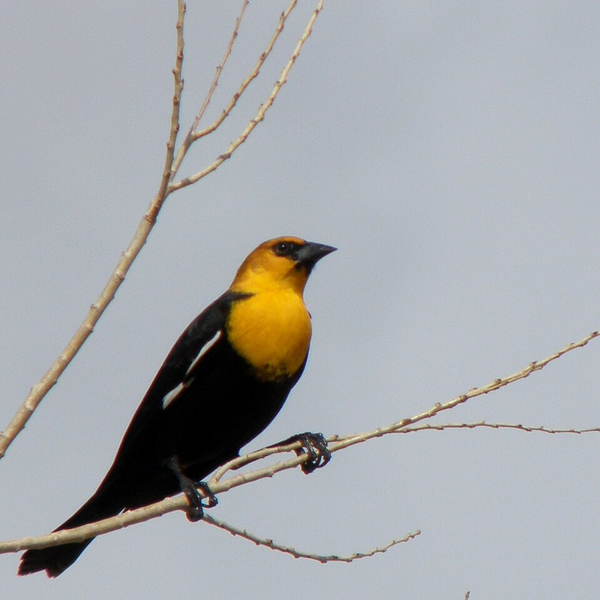
Feeder: Visits backyard feeders and water features.

Feeder: Suet cakes, berries, and peanut butter smeared on bark.
The Montana Seasonal Feeder Calendar
🌱 Spring
March – MayWestern Meadowlarks return to the fence posts in March — Montana’s surest sign of spring. Mountain Bluebirds scout nest boxes; junco flocks drift north. Bears leave dens in April: bring feeders in at night. Hang nectar feeders by mid-May for Calliope and Rufous Hummingbirds.
☀️ Summer
June – AugustChange hummingbird nectar every 2–3 days and keep the birdbath full. House Wrens fill nest boxes; goldfinches nest late, in July, timed to thistle seed. Evening Grosbeaks and Cassin’s Finches visit mountain-town feeders all summer — and young magpies learn which yards have peanuts.
🍂 Autumn
September – NovemberMountain birds drift to the valleys. Juncos, siskins, and crossbills move; hummingbirds leave by early September. Stock seed and suet ahead of the first blizzard, and expect Pine Grosbeaks and redpolls in irruption years.
❄️ Winter
December – FebruaryPrime feeding season — survival season. Black oil sunflower, suet, and Nyjer carry chickadees, nuthatches, and finch flocks through minus-30 cold snaps. A heated birdbath is the biggest draw in a frozen Montana yard, and magpies and ravens clean up suet scraps.
Frequently Asked Questions: Backyard Birding in Montana
- The Backyard Icon: The Black-billed Magpie — brilliant, iridescent, and unafraid — patrols Montana yards year-round for suet, scraps, and peanuts.
- The State Bird: The Western Meadowlark (state bird since 1931) sings from prairie fence posts rather than feeders — cracked corn on short grass brings them close in winter.
- Winter Finch Country: Montana winters bring Evening Grosbeaks, Pine Siskins, Cassin’s Finches, and — in irruption years — Pine Grosbeaks and Common Redpolls to the same feeder.
- Bear Country: Western Montana’s mountain valleys have black bears — bring feeders in at night April through November.
- The Map: The pinned map at the top of this page shows where each of the 16 featured birds is most characteristic; every pin jumps to a profile with photos, a playable call, and a full guide link.
- Best Single Upgrade: A suet cage plus a heated birdbath — chickadees, nuthatches, magpies, and finches through the deepest Montana winter.
Montana Birding Checklist
Region: Montana — 91 Backyard Species