
Backyard Birds of Illinois
Illinois runs from Chicago’s lakefront through the grand prairie to the Shawnee Hills and the confluence of two great rivers — a Prairie State feeding station works twelve months a year. Sixteen portraits are pinned on the map below, right where each species is most characteristic. Hover any portrait to see its name, tap to jump to its profile, then open its photo gallery and play its call.
Jump to a Species
The state bird — the Northern Cardinal — leads the list, followed by feeder regulars, winter flocks, and summer songsters. Every entry links to a full species guide.
Backyard Birds in Illinois: A Year-Round Seasonal Identification Guide
Quick Answer: Birding a Illinois Backyard
Illinois spans Great Lakes shore, tallgrass prairie farmland, and southern hill country, so backyard birding works 12 months a year. Anchor birds are year-round residents led by the Northern Cardinal (the state bird), Black-capped Chickadee, Tufted Titmouse, Downy and Red-bellied Woodpeckers, White-breasted Nuthatch, Blue Jay, Mourning Dove, American Goldfinch, House Finch, Song Sparrow, and — in the south — Carolina Wren. Winter adds Dark-eyed Junco and White-throated Sparrow flocks. Summer brings Ruby-throated Hummingbirds and Baltimore Orioles. Illinois has no resident black bears, so feeders can stay up all year.
Meet the 82 Backyard Birds of Illinois
The state bird leads the list, followed by year-round regulars, winter visitors, and summer breeders. Every card opens a photo gallery, plays a real field recording, and links to the full species guide. Use the seasonal filter bar above to narrow the list.
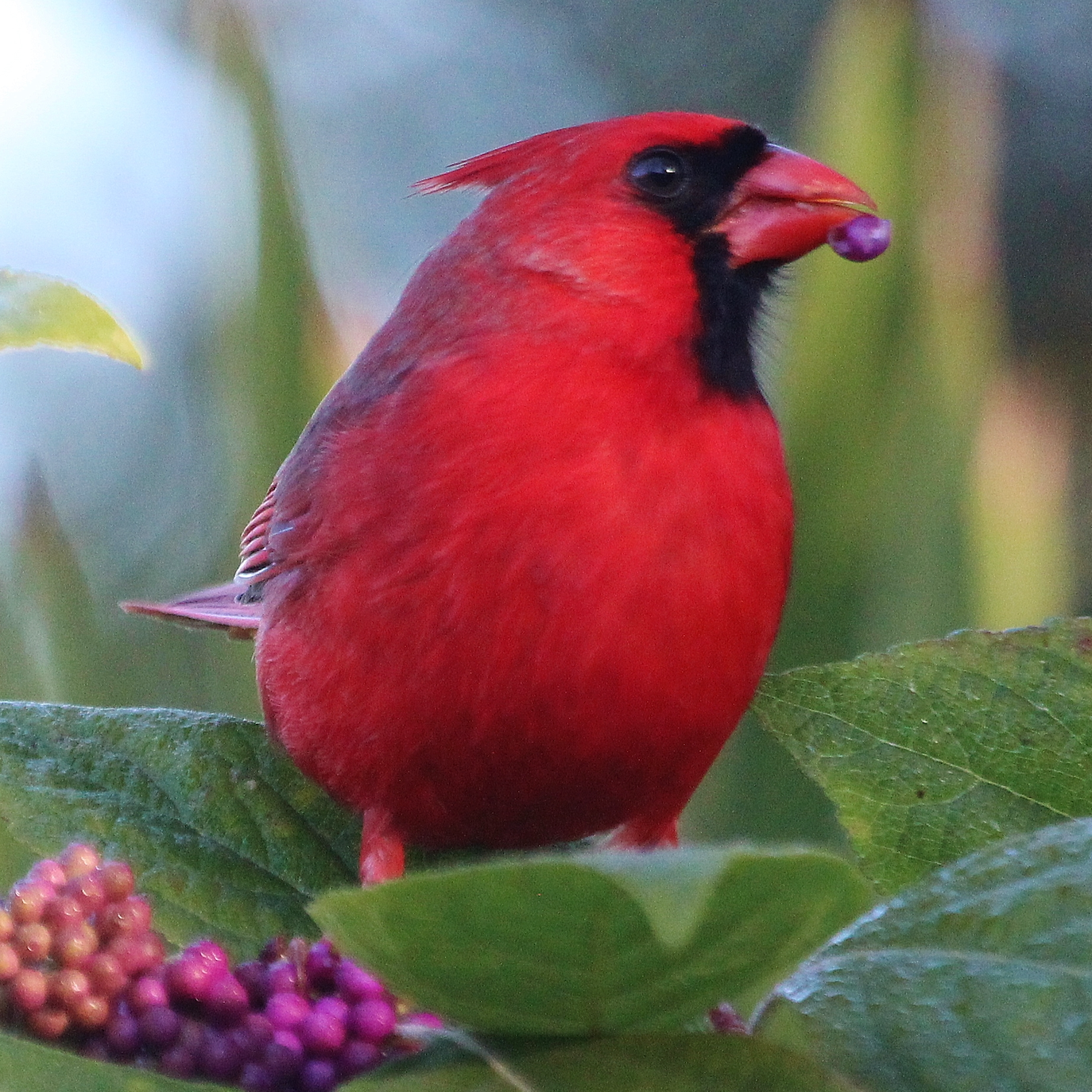 📍 Springfield
Northern Cardinal
CardinalisIllinois’ official state bird (designated 1929) is an 8.3–9.1-inch blaze of crimson with a black mask and proud crest; the warm-buff female sings too. Cardinals are permanent residents in every Illinois county, from Chicago’s lakefront to the Shawnee Hills. Pairs visit feeders together at dawn and dusk, and a male singing cheer-cheer-cheer against January snow is the Prairie State’s winter signature.
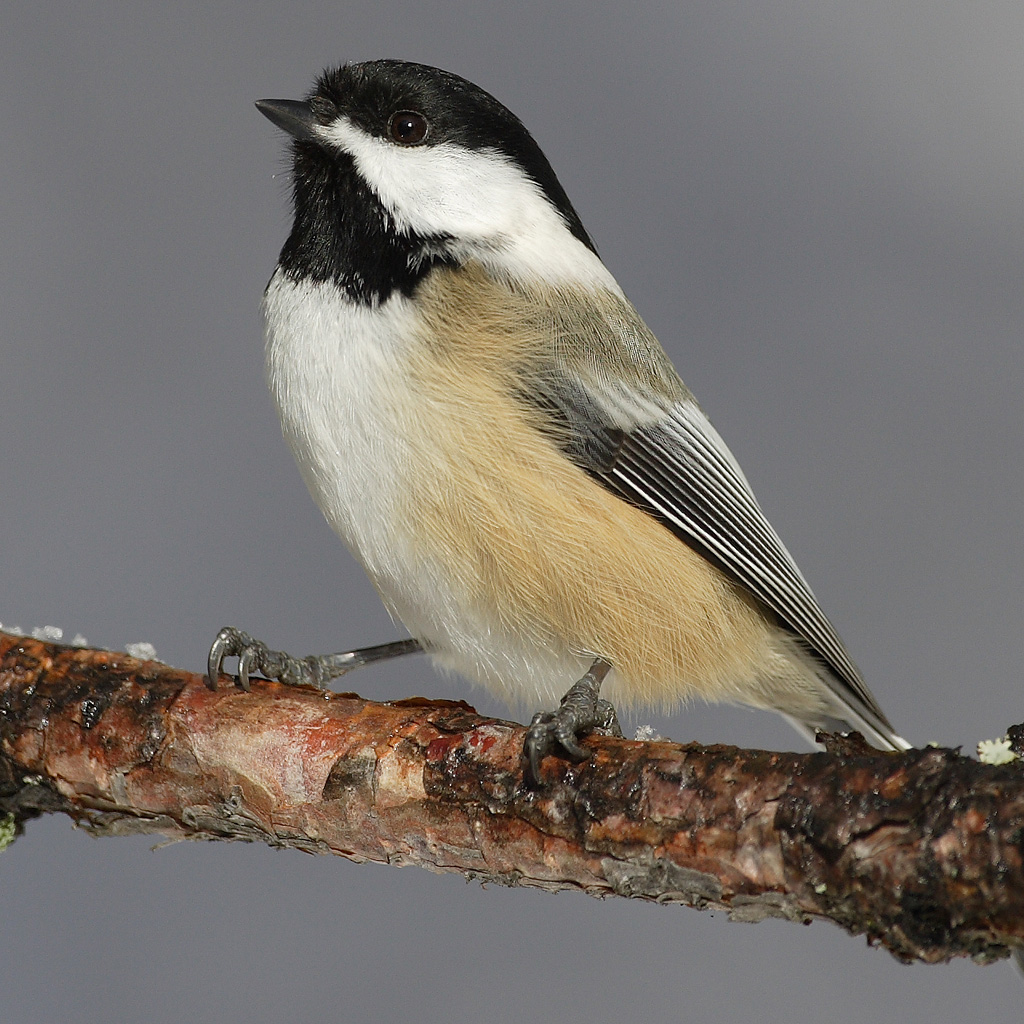 📍 Chicago
Black-capped Chickadee
Poecile atricapillusA 4.7–5.9-inch bundle of fearless energy with a solid black cap and bib framing bright white cheeks. Chickadees anchor Illinois feeders — though the state sits on the famous contact zone with the Carolina Chickadee, which holds the far southern counties while Black-caps hold the north and Chicago. Listen for the clear two-note fee-bee whistle and the namesake chick-a-dee-dee-dee.
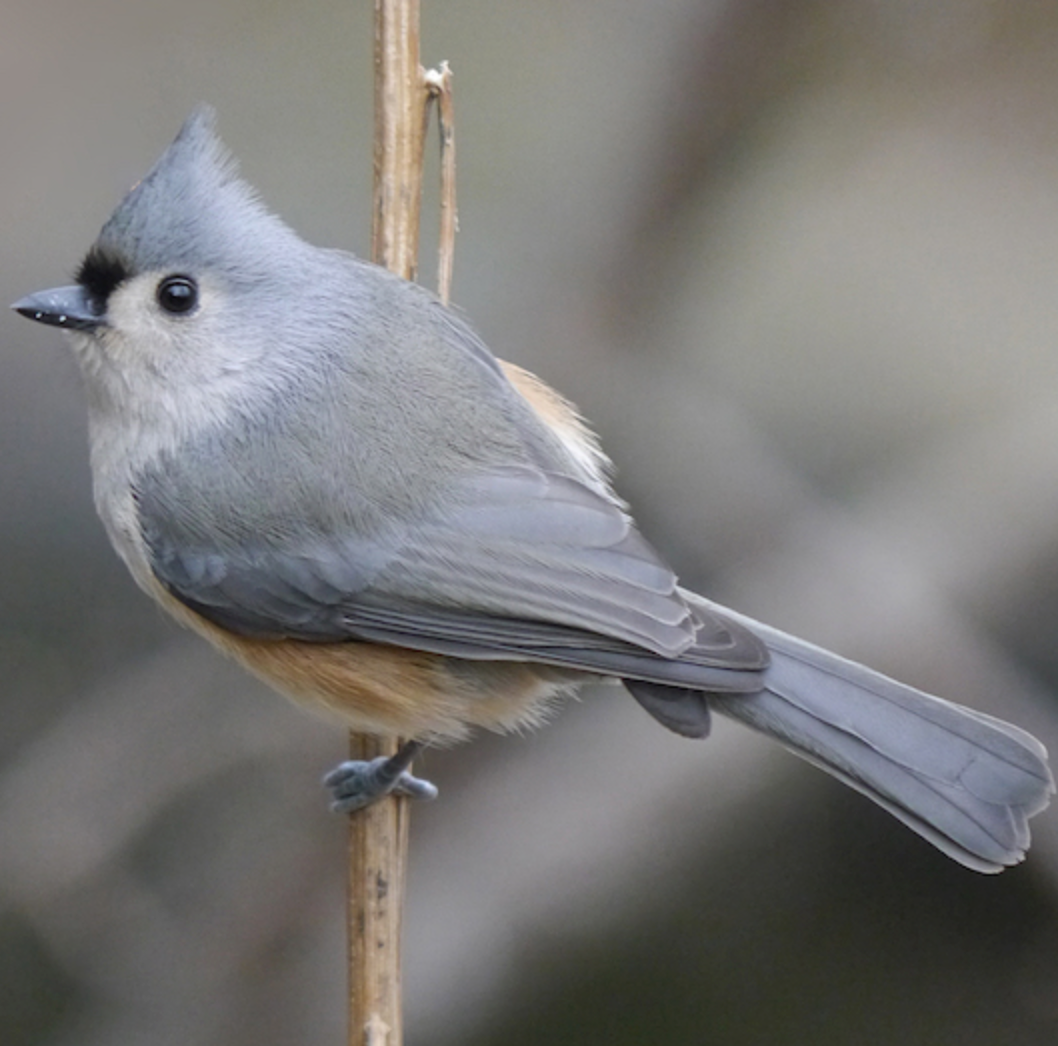 📍 Champaign
Tufted Titmouse
Baeolophus bicolorA soft-gray 5.5–6.3-inch bird with a pointed crest, peachy flanks, and huge dark eyes. Titmice are year-round fixtures at Illinois feeders, hammering seeds open one at a time and announcing themselves with a ringing peter-peter-peter whistle. They travel with chickadee flocks and cache food under loose bark for lean days.
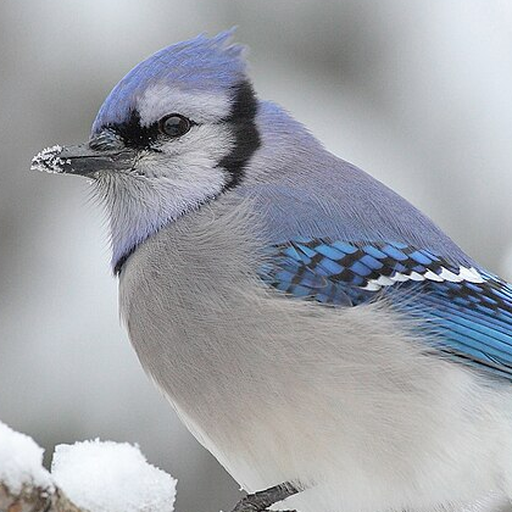 📍 Rockford
Blue Jay
Cyanocitta cristataA brilliant 9.8–11.8-inch crested jay in azure blue, white, and black. Blue Jays are the alarm system of the Illinois yard, screaming jay-jay at hawks and cats, and they cache thousands of acorns each fall. Northern birds partially migrate — watch the big southbound jay flights along the Lake Michigan shore each September at Chicago’s lakefront parks.
 📍 Peoria
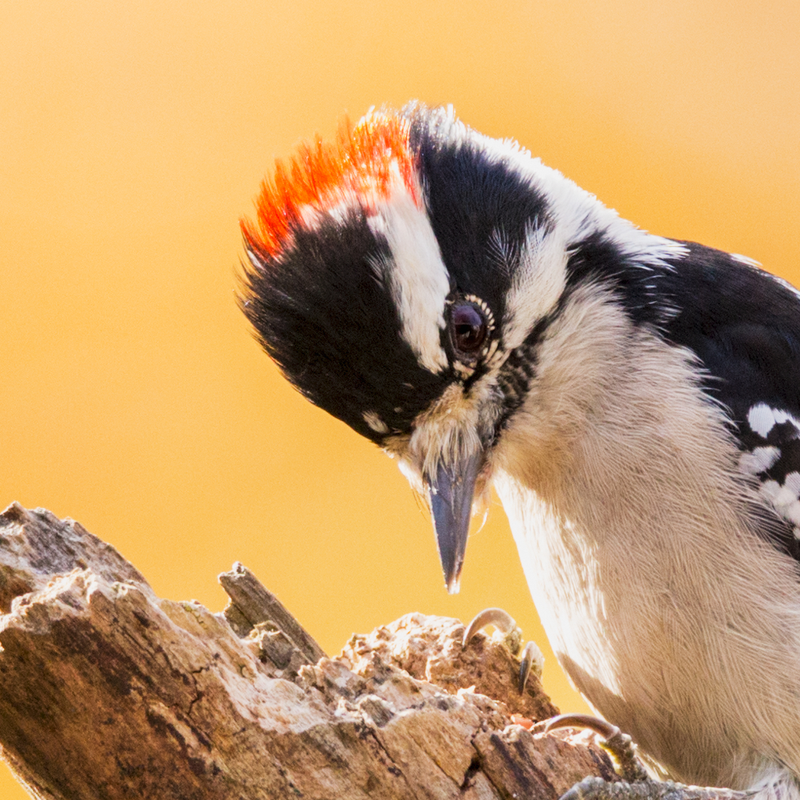
Downy Woodpecker
Dryobates pubescensNorth America’s smallest woodpecker (5.5–6.7 inches) is an Illinois backyard regular in every season. Black-and-white checkered wings, a clean white stripe down the back, and a tiny stubby bill separate it from the larger Hairy Woodpecker; males wear a small red patch on the nape. Downys ride suet cages all winter, often trailing chickadee flocks.
Recording via Wikimedia Commons / xeno-canto
Read Full Guide →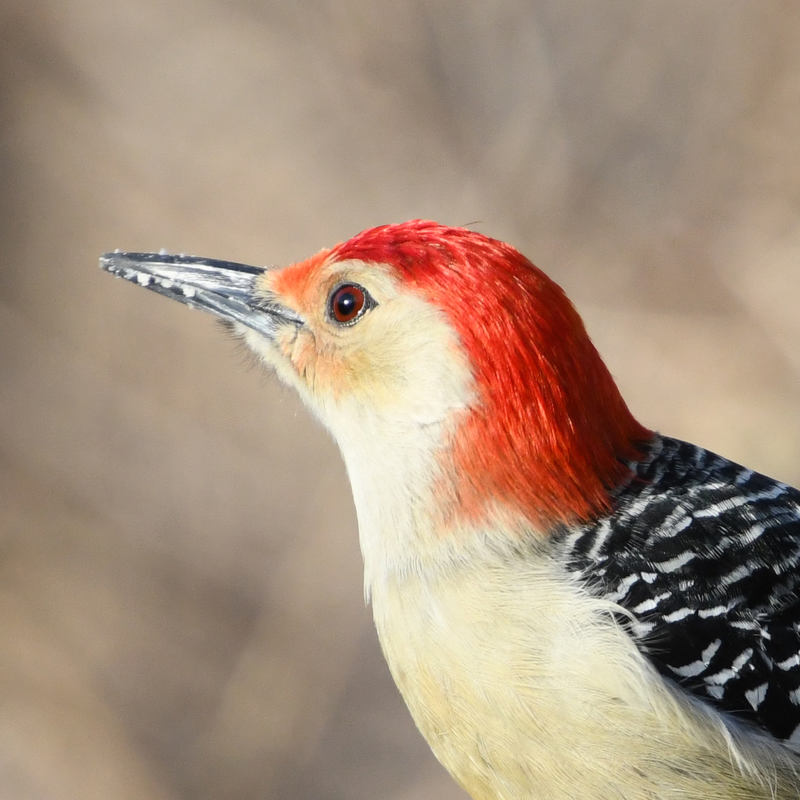 📍 Belleville
Red-bellied Woodpecker
Melanerpes carolinusA zebra-backed 9.4-inch woodpecker whose red runs in a wash from nape over the crown (males) — the namesake belly blush is faint. Red-bellies are common year-round across Illinois and still thickening in the north. Their loud rolling churr is a suburban soundtrack; suet and peanuts keep them loyal through the coldest weeks.
Recording via Wikimedia Commons / xeno-canto
Read Full Guide →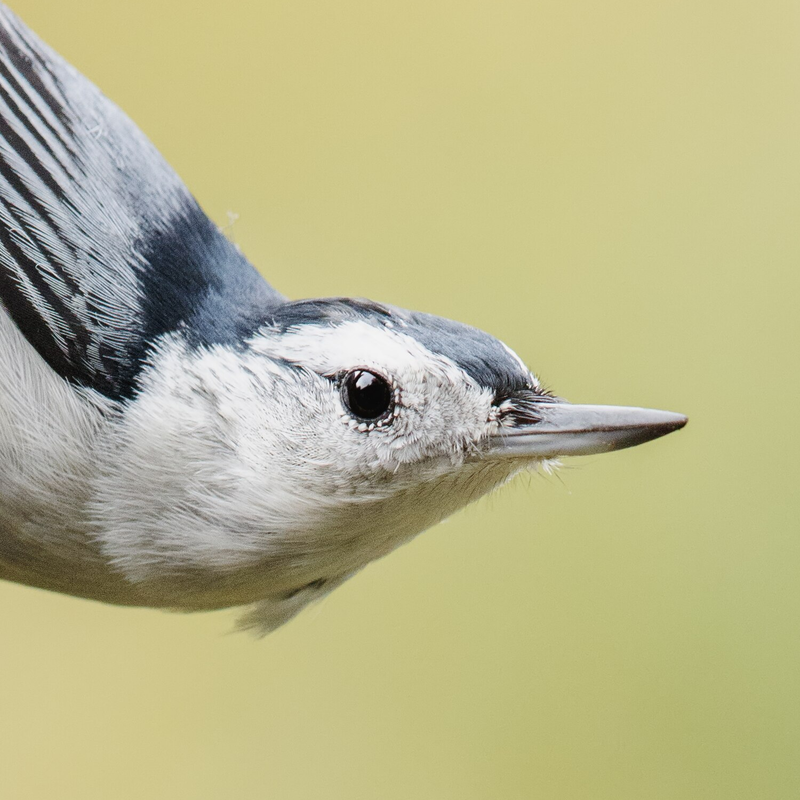 📍 Bloomington
White-breasted Nuthatch
Sitta carolinensisA compact 5.1–5.5-inch bird in blue-gray with a clean white face and breast and black cap. Nuthatches are the acrobats of the feeder, famously walking headfirst down tree trunks. Year-round residents of Illinois’ remaining hardwood groves and older neighborhoods, they wedge seeds into bark and call a nasal yank-yank.
 📍 Decatur
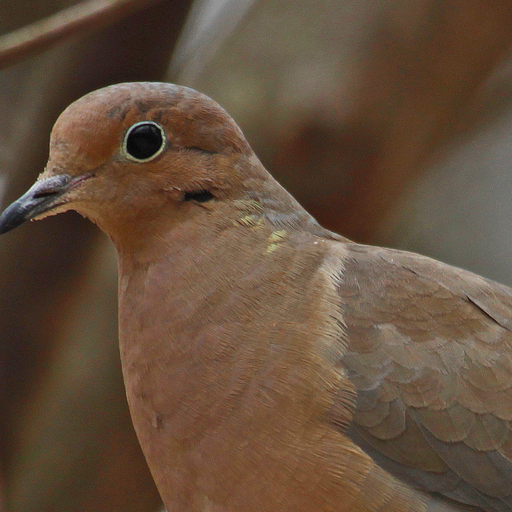
Mourning Dove
Zenaida macrouraA plump, gentle 9.1–13.4-inch dove in soft gray-brown with a long pointed tail edged in white. Named for its mournful cooing, it whistles sharply on takeoff. Mourning Doves feed on the ground beneath feeders across Illinois — thickest in the central farm country — and nest astonishingly early, sometimes on a March snowbank.
 📍 Woodstock
American Goldfinch
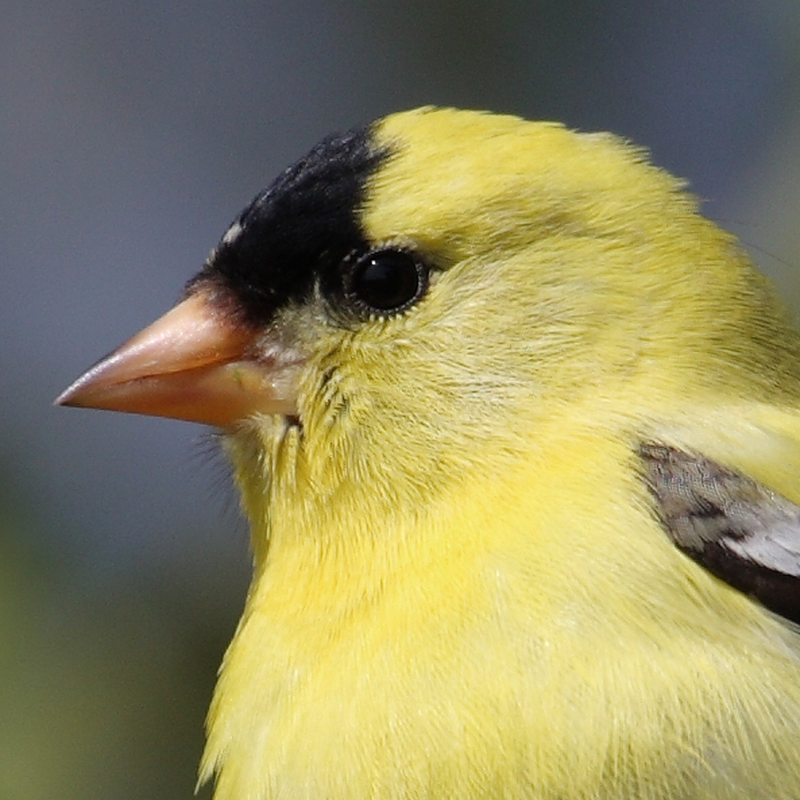
Spinus tristisBreeding males are unmistakable: lemon-yellow body, jet-black cap and wings. In winter both sexes molt to soft olive-drab — the drab birds at your January feeder are the same goldfinches. Strict seedeaters that nest late (July–August) when Illinois prairie remnants go to thistle seed, they adore Nyjer and bound through the air calling po-ta-to-chip.
 📍 Joliet
House Finch
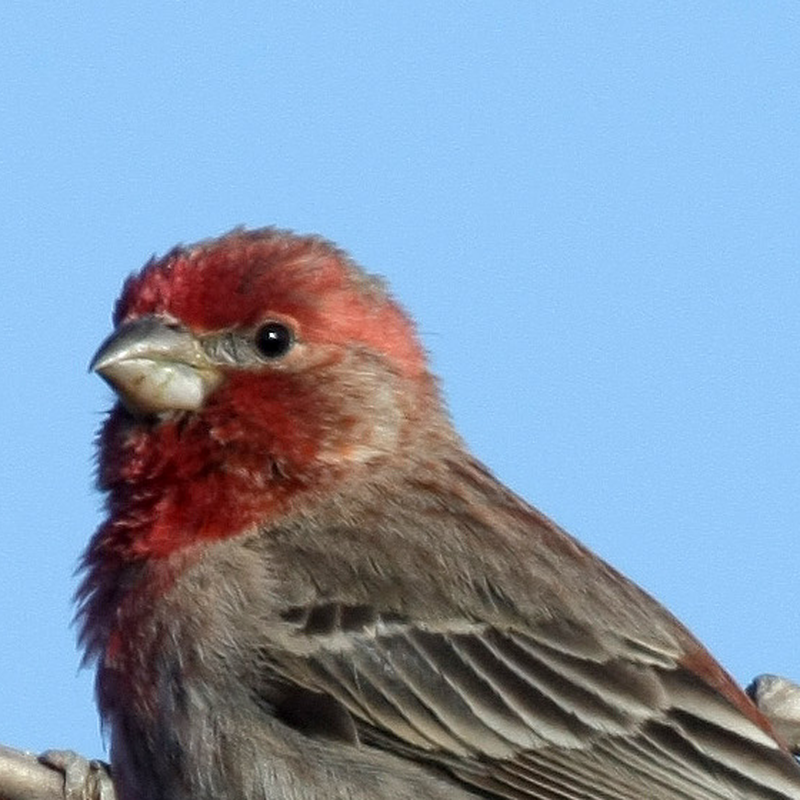
Haemorhous mexicanusA 5.1–5.5-inch finch: males washed strawberry-red on head, breast, and rump; females plainly streaked. House Finches are western natives — a handful released on Long Island in 1940 colonized the entire East, reaching Illinois in the 1980s. Their long warbling song ends in an up-slurred veer. Flocks crowd tube feeders all winter.
 📍 Kankakee
Song Sparrow
Melospiza melodiaA streaky 4.7–6.7-inch sparrow with breast streaks converging into one bold central spot and a long rounded tail it pumps in flight. One of Illinois’ most widespread singers — marsh edges, creek willows, and garden hedges all hold pairs — it delivers its bright three-note-and-a-trill song from March into August.
 📍 Carbondale
Carolina Wren
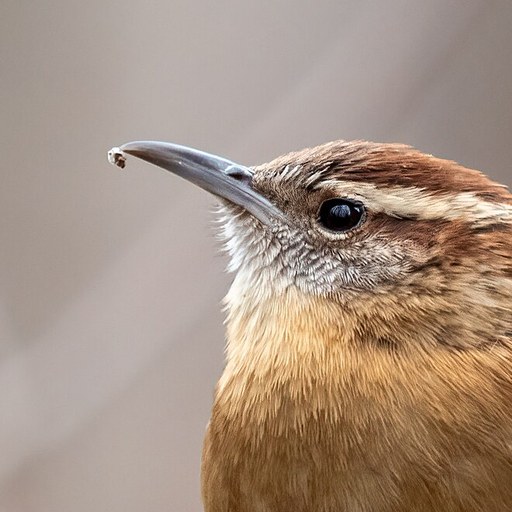
Thryothorus ludovicianusA rufous 4.7–5.5-inch wren with a bold white eyebrow and a cocked tail — and a voice three times its size: a ringing tea-kettle-tea-kettle that carries through Shawnee Hills winters. Carolina Wrens hold southern Illinois year-round and push north in mild decades; hard freezes knock them back, but they always recolonize. Suet and brushy corners keep them close.
 📍 Galena
Dark-eyed Junco
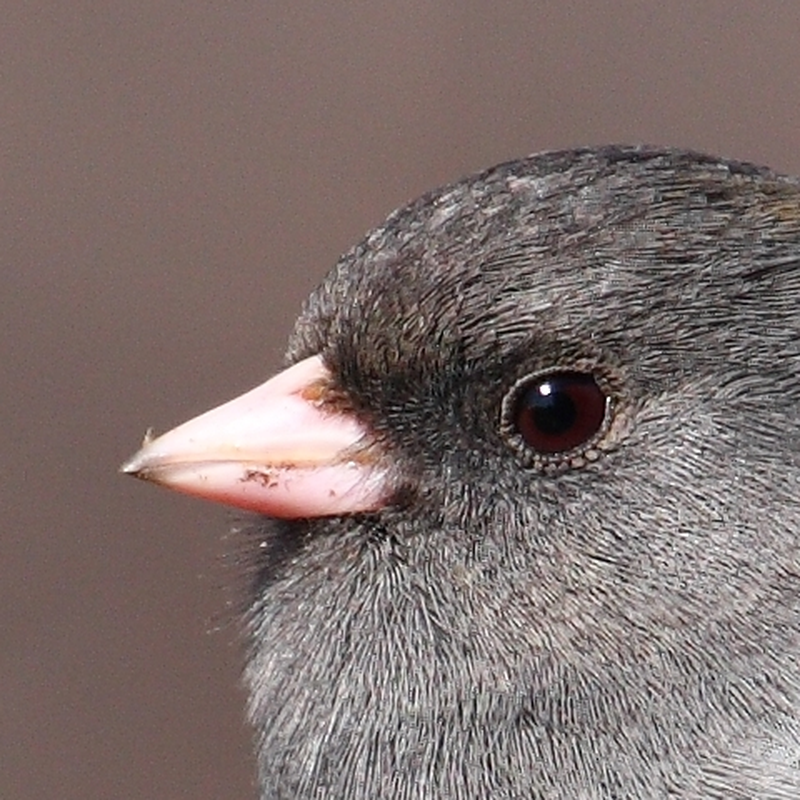
Junco hyemalisThe classic snowbird: a 5.5–6.3-inch sparrow with a slate-gray hood set cleanly against a white belly, with white outer tail feathers that flash in flight. Juncos pour into Illinois each October from the boreal forest and double-scratch for millet under feeders until late April — the surest sign that Prairie State winter has arrived.
 📍 Effingham
White-throated Sparrow
Zonotrichia albicollisA crisp 6.3–7.1-inch sparrow with a bright white throat patch, yellow lores, and a boldly striped crown. A winter visitor from northern forests, it reaches Illinois in late September and stays into May, scratching double-footed under feeders and singing its plaintive Old Sam Peabody-Peabody on mild winter days.
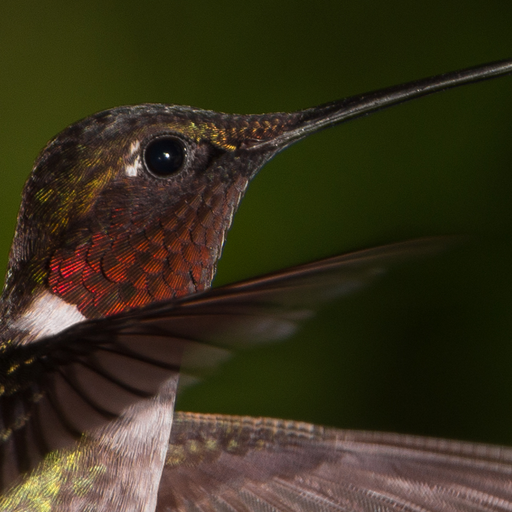 📍 Alton
Ruby-throated Hummingbird
Archilochus colubrisThe only hummingbird that breeds in Illinois: 2.8–3.5 inches of emerald green, the male with an iridescent ruby-red gorget. Arriving in late April up the Mississippi, it works bee balm, jewelweed, and feeders all summer, then slips south by late September. Change sugar water every two to three days in heat.
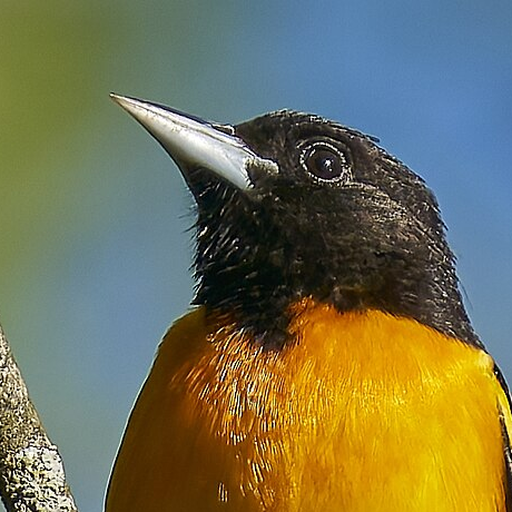 📍 Rock Island
Baltimore Oriole
Icterus galbulaA stunning 6.7–7.5-inch songbird: the male is flame-orange below with a black head and back; females are softer yellow-orange. Orioles reach Illinois in the first week of May along the big rivers, whistling rich flutelike phrases from tall cottonwoods, and weave hanging pouch nests over quiet streets. Tempt them with orange halves and grape jelly; they depart by early September.
More Backyard Birds in Illinois +66 species
Every other species from our backyard bird library that regularly occurs in Illinois — each with its own photo gallery, playable call, and full species guide. Browse 16 per page using the dots below.
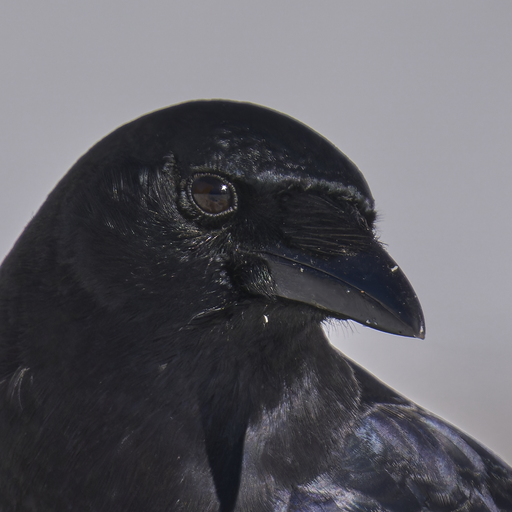
Feeder: Whole corn, peanuts, and a shallow water pan on open ground.
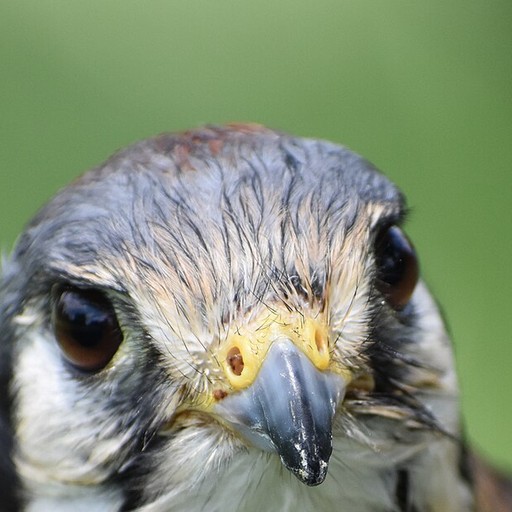
Feeder: Perches on fences; nest boxes on poles in open country.
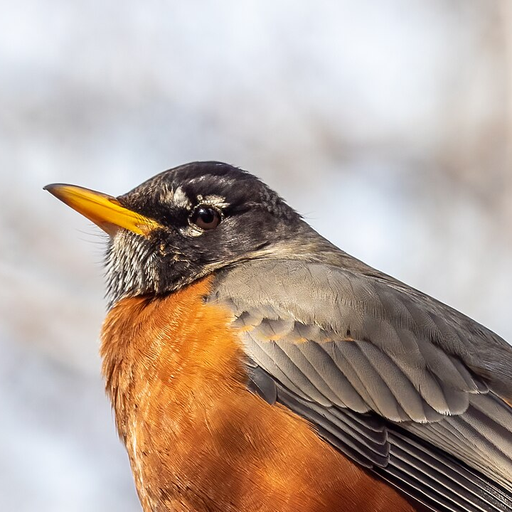
Feeder: Soaked raisins, mealworms, and a ground-level birdbath.

Feeder: White millet and fine cracked corn on ground or platform.
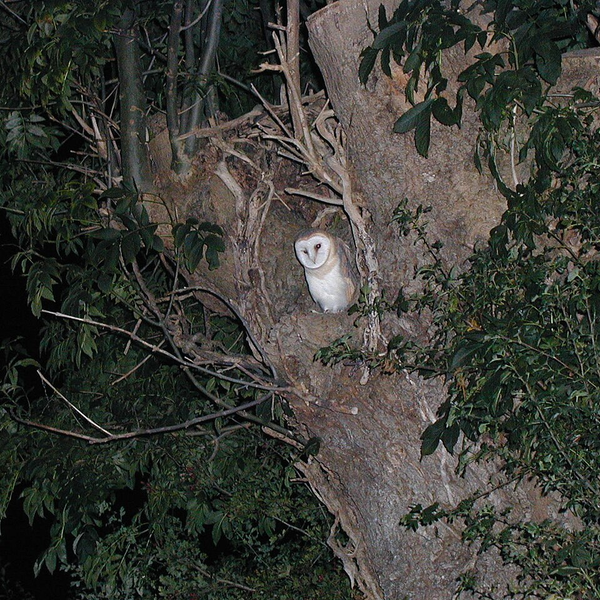
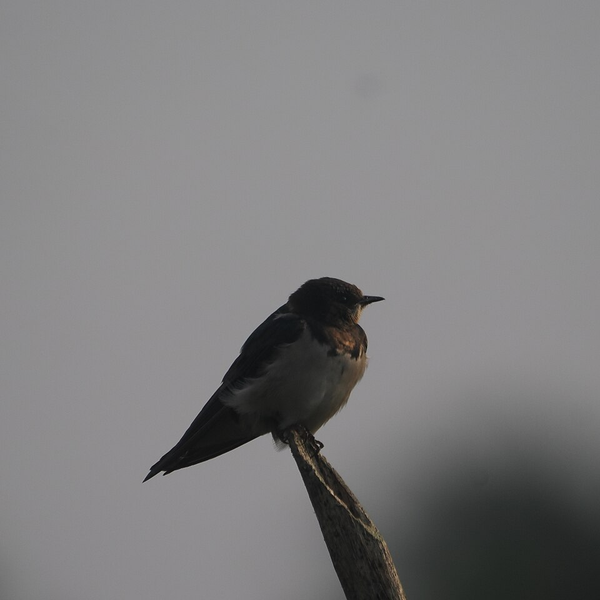
Feeder: Visits backyard feeders and water features.
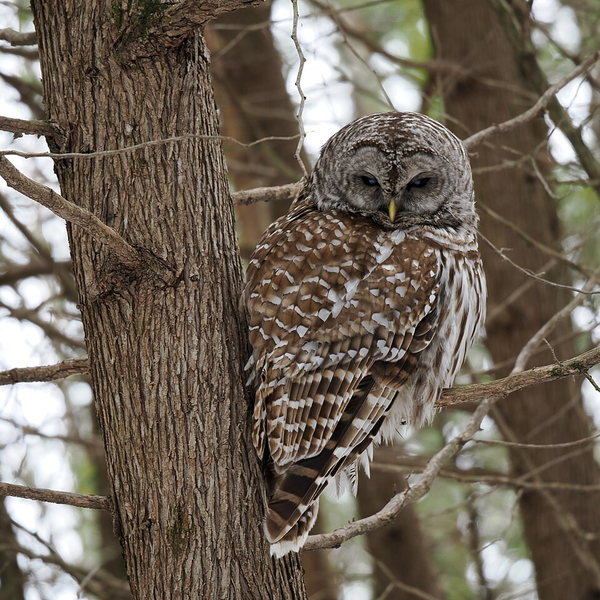
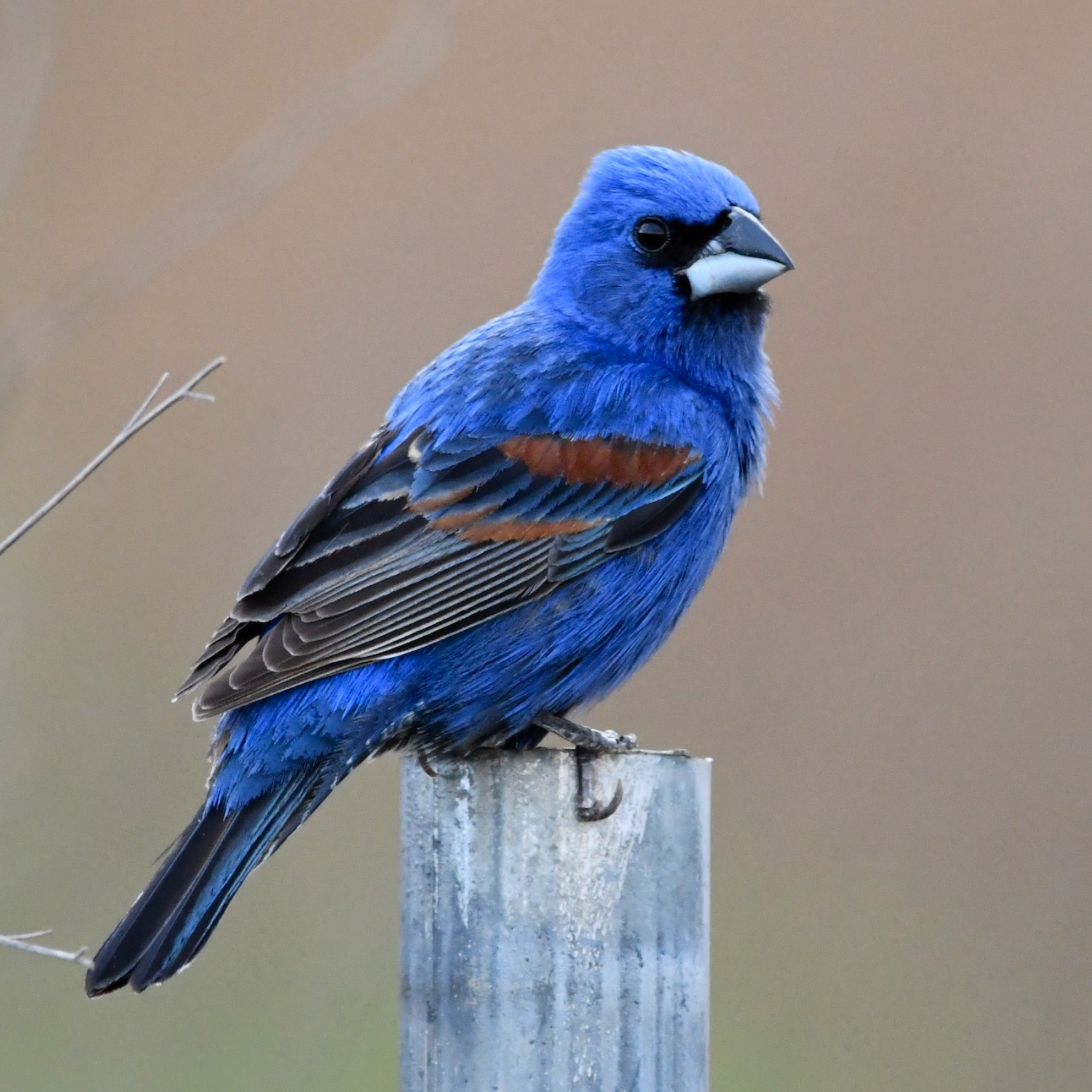
Feeder: Mixed seed and sunflower at low platform feeders near brushy fields.
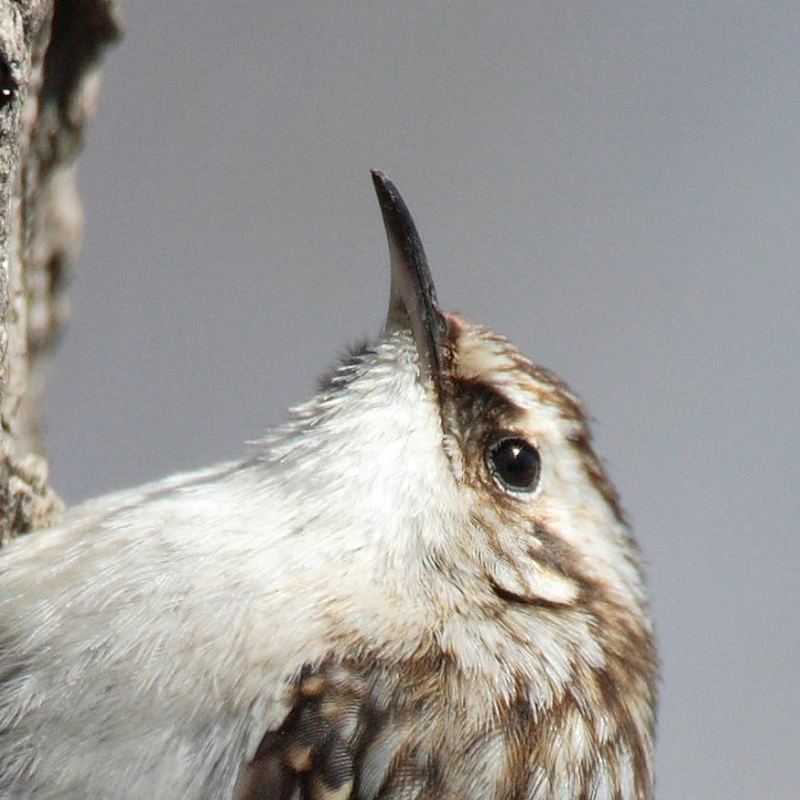
Feeder: Suet smeared on tree bark; spirals up trunks for hidden insects.
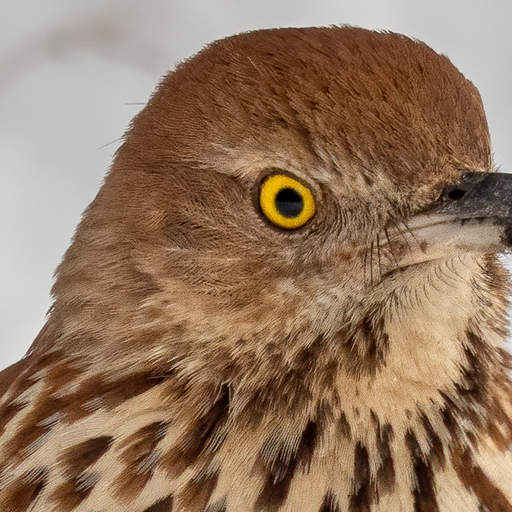
Feeder: Ground-scattered peanuts and corn near thick brush piles.

Feeder: Cracked corn and grain on the ground; a nest parasite.
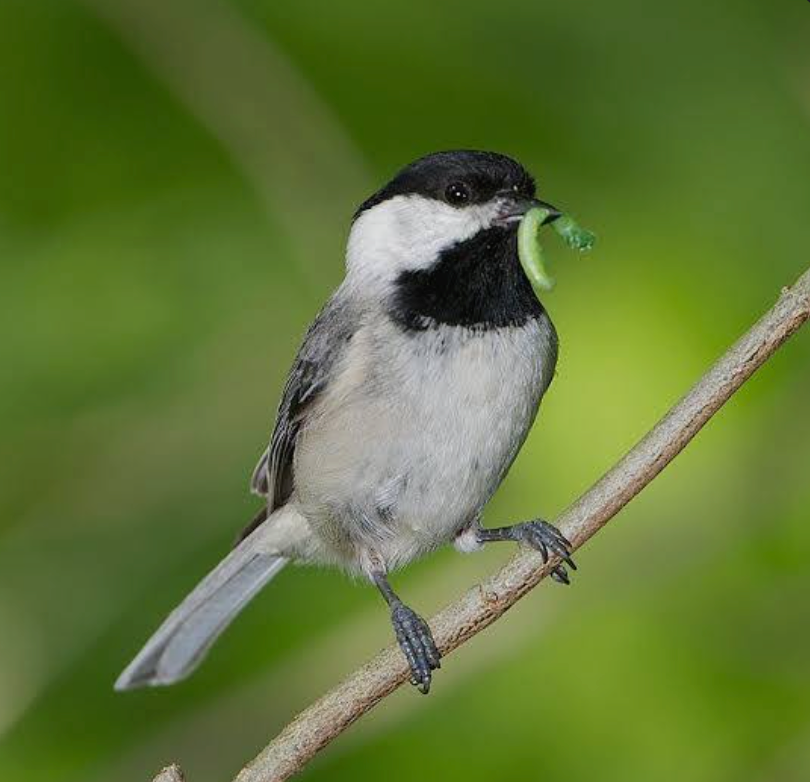
Feeder: Black oil sunflower, suet, and peanut pieces; uses nest boxes.

Feeder: Berry-producing trees and a fountain or moving water.
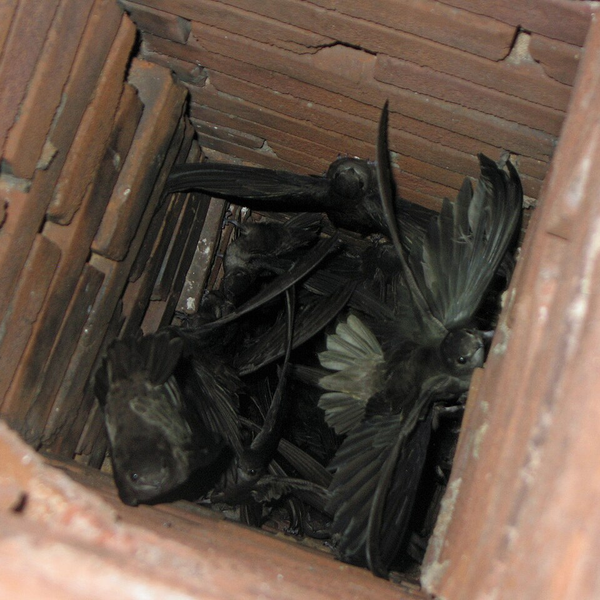
Feeder: Visits backyard feeders and water features.

Feeder: Fine seed mix and grass seed scattered on open ground.

Feeder: Cracked corn and sunflower; dominates feeders — use caged feeders.
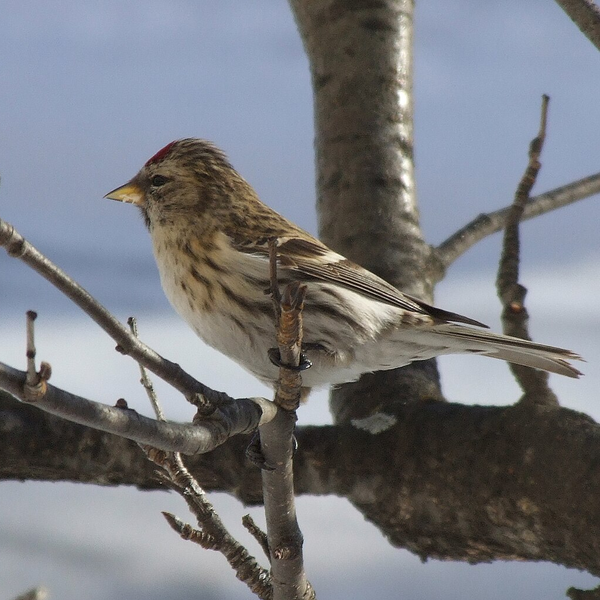
Feeder: Visits backyard feeders and water features.

Feeder: Not a feeder guest — it hunts the birds at your feeders.
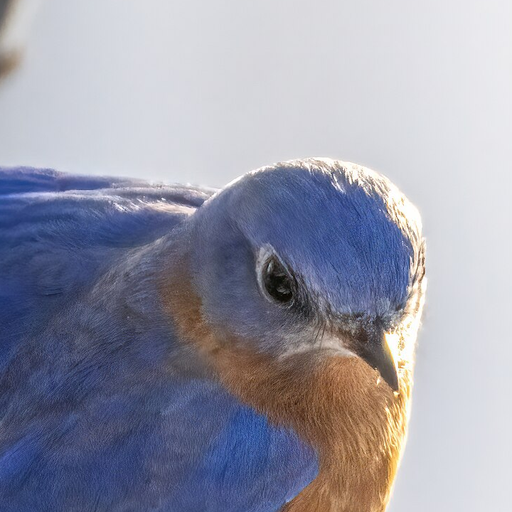
Feeder: Live mealworms in a tray; nest boxes with a 1.5-inch hole.
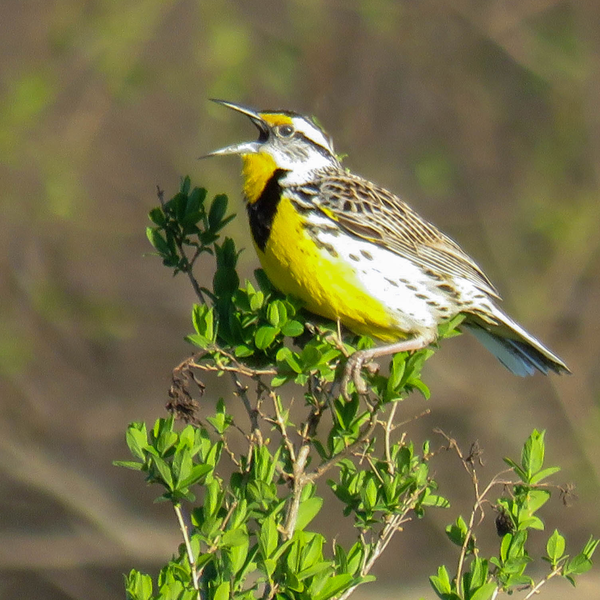
Feeder: Visits backyard feeders and water features.
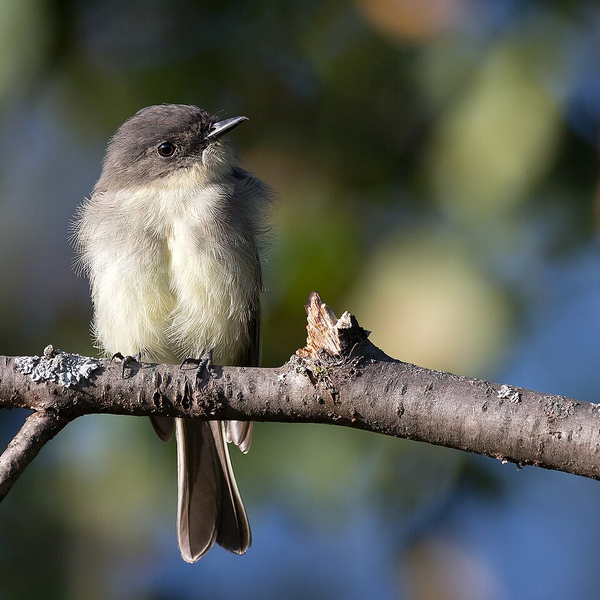
Feeder: Visits backyard feeders and water features.

Feeder: Deep wooden nest boxes in mature trees; hunts at night.

Feeder: Whole peanuts and sunflower under dense shrubs; scratches in leaves.
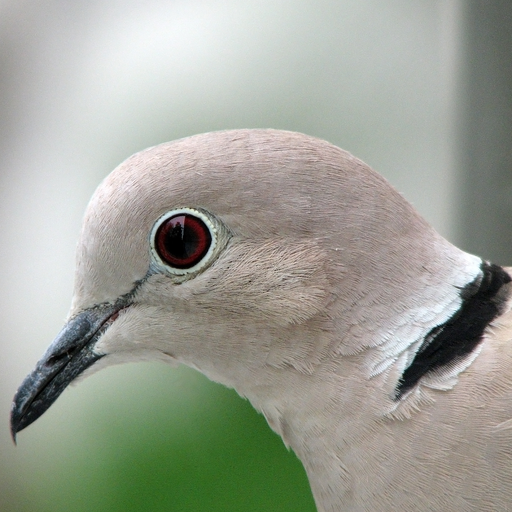
Feeder: Large grains on big platform feeders; spreading fast.

Feeder: Suet and crumbs; use starling-resistant caged feeders.
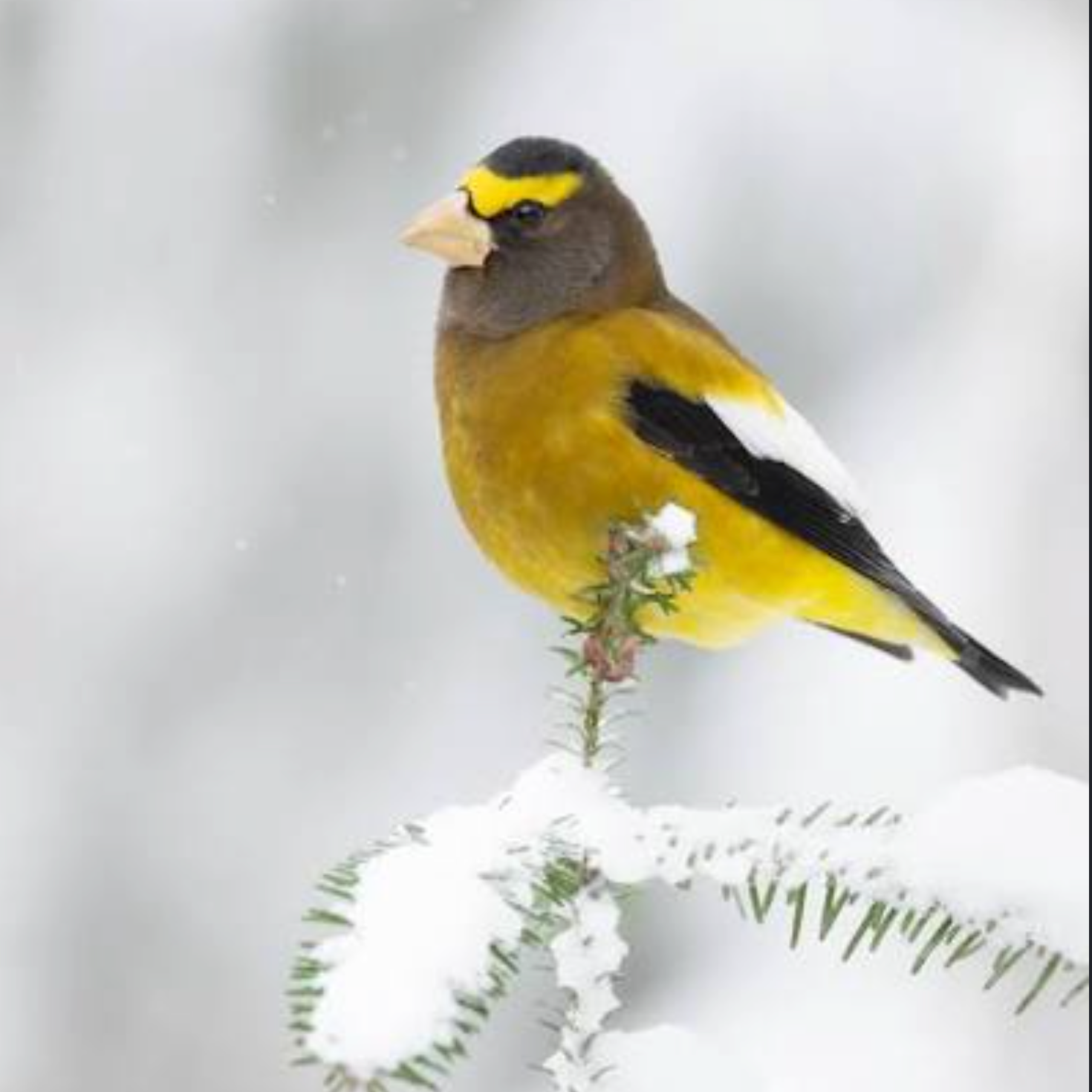
Feeder: Striped sunflower on big platform feeders — arrives in hungry flocks.
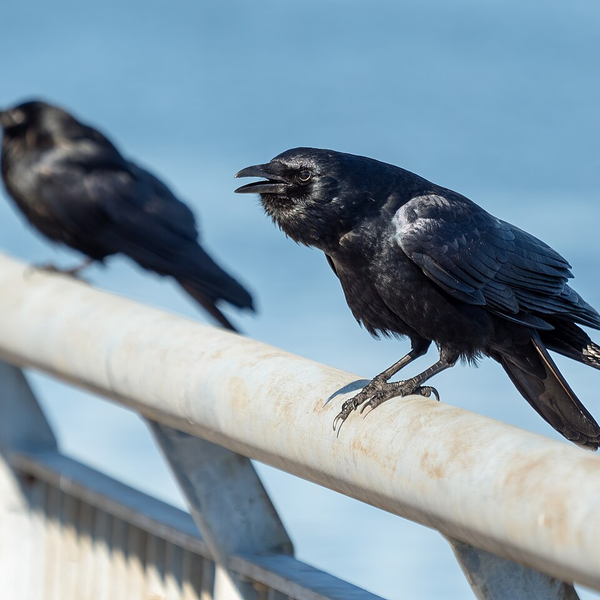

Feeder: Sunflower pieces and cracked corn; double-scratches in leaf litter.
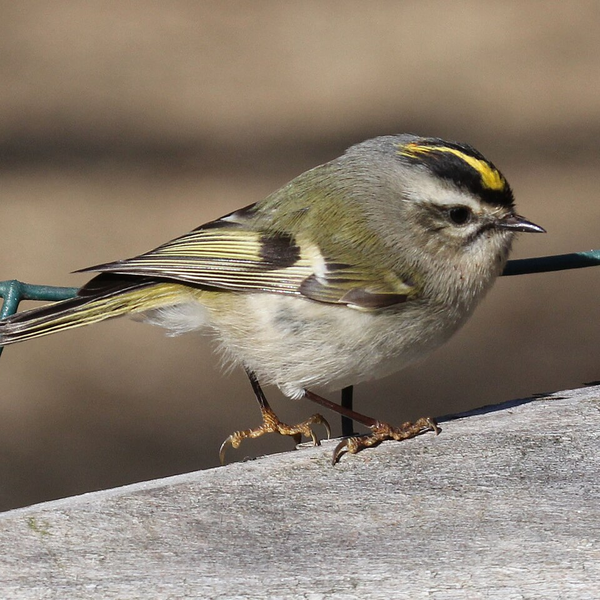
Feeder: Visits backyard feeders and water features.
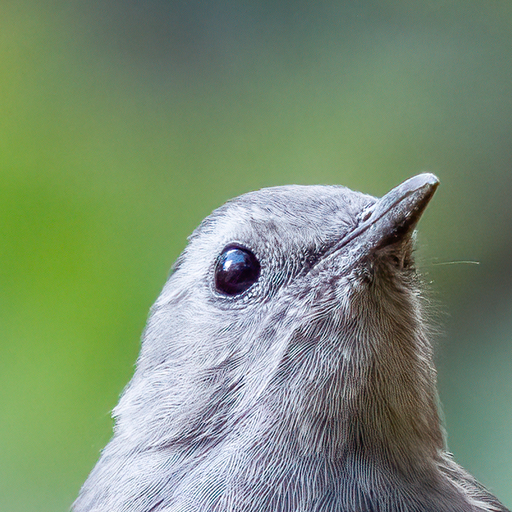
Feeder: Grape jelly, halved oranges, raisins, and dense shady shrubs.
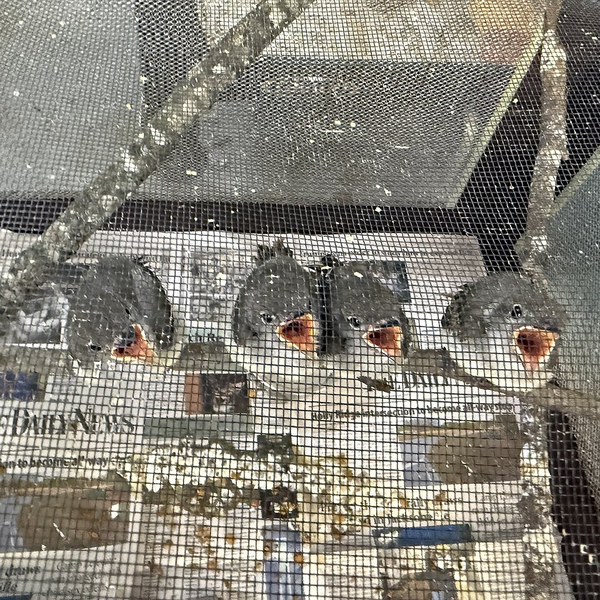
Feeder: Visits backyard feeders and water features.
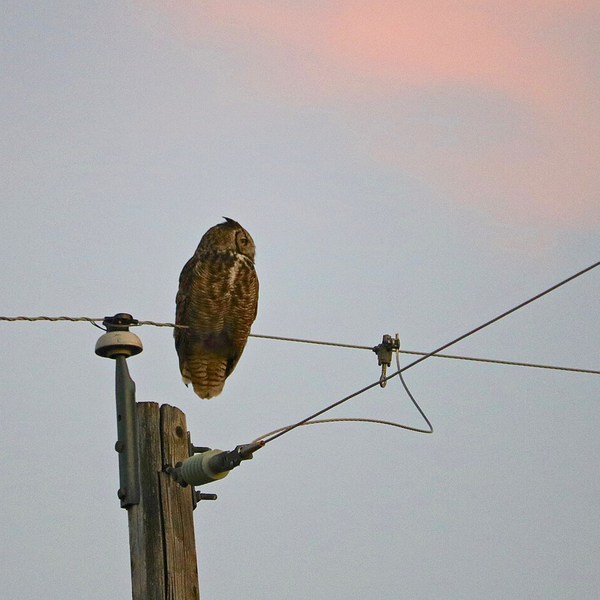
Feeder: Visits backyard feeders and water features.
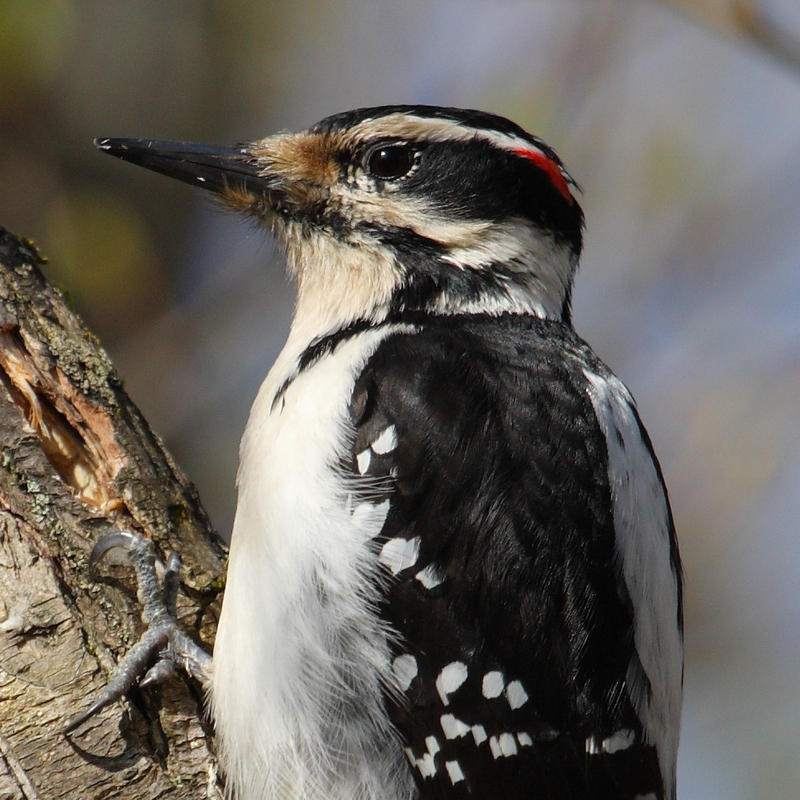
Feeder: Suet blocks and whole peanuts; favors larger trees near feeders.
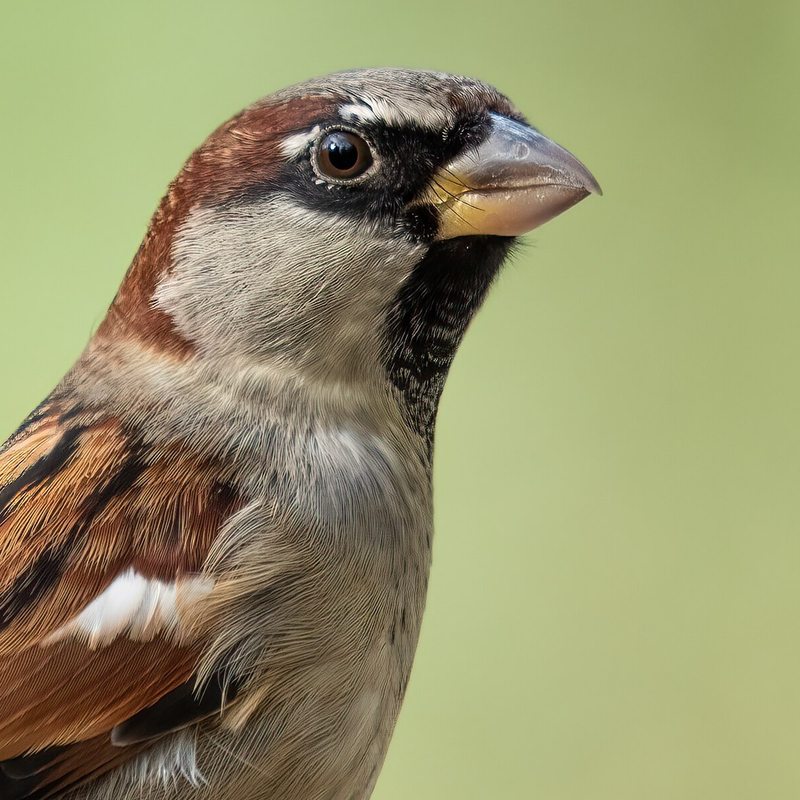
Feeder: Cracked corn, millet, and crumbs; nests in cavities and crevices.

Feeder: Nest boxes with 1-inch holes; eats insects, not seed.
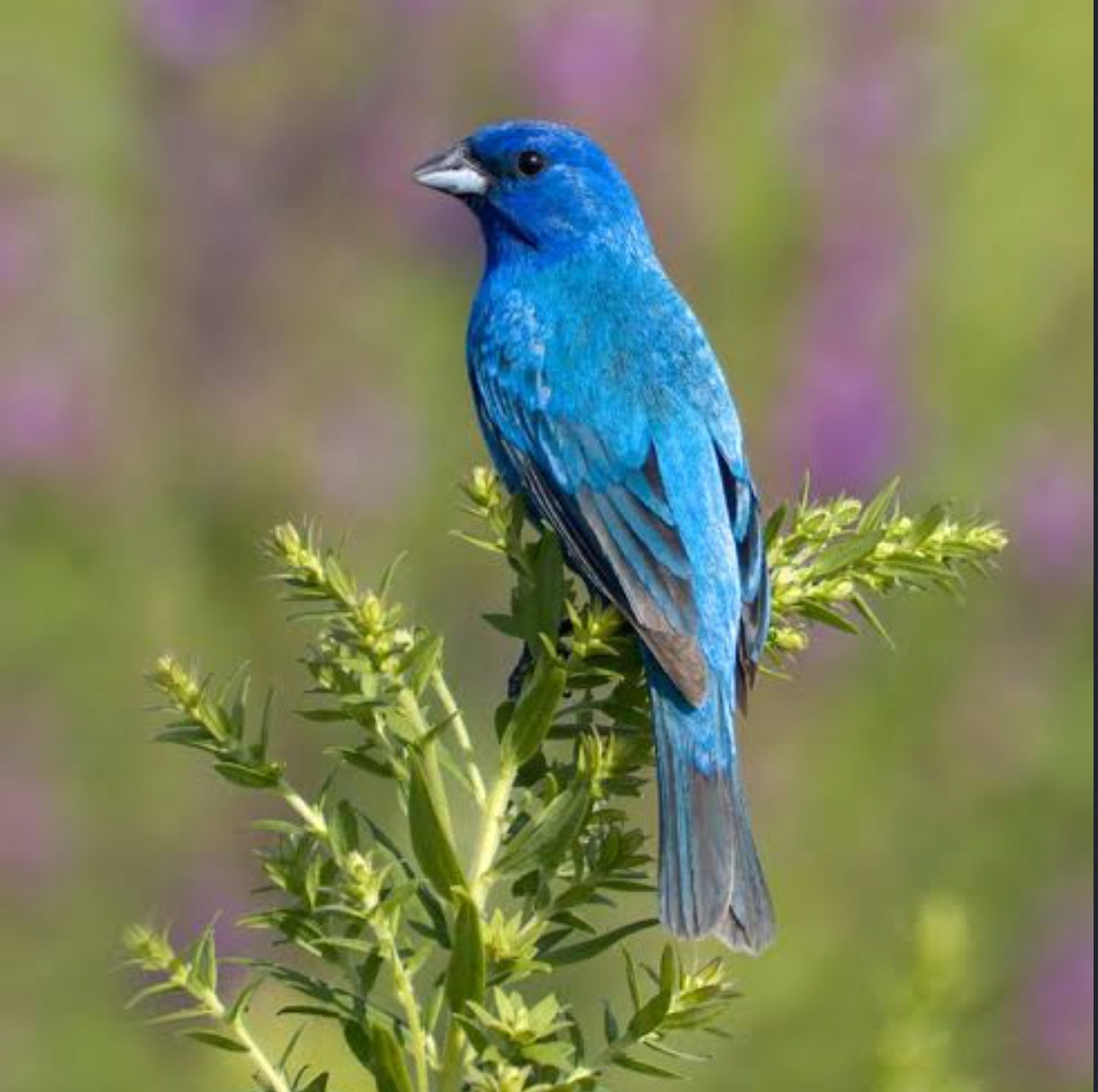
Feeder: Nyjer, white millet, and live mealworms; likes weedy edges.
Feeder: Visits backyard feeders and water features.
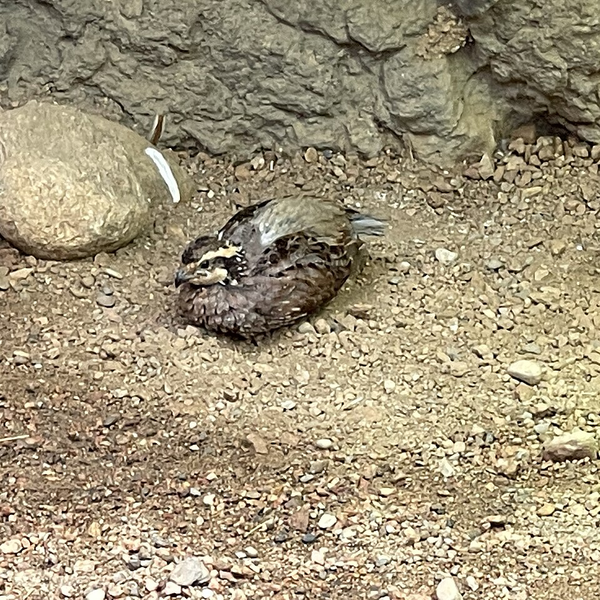
Feeder: Visits backyard feeders and water features.
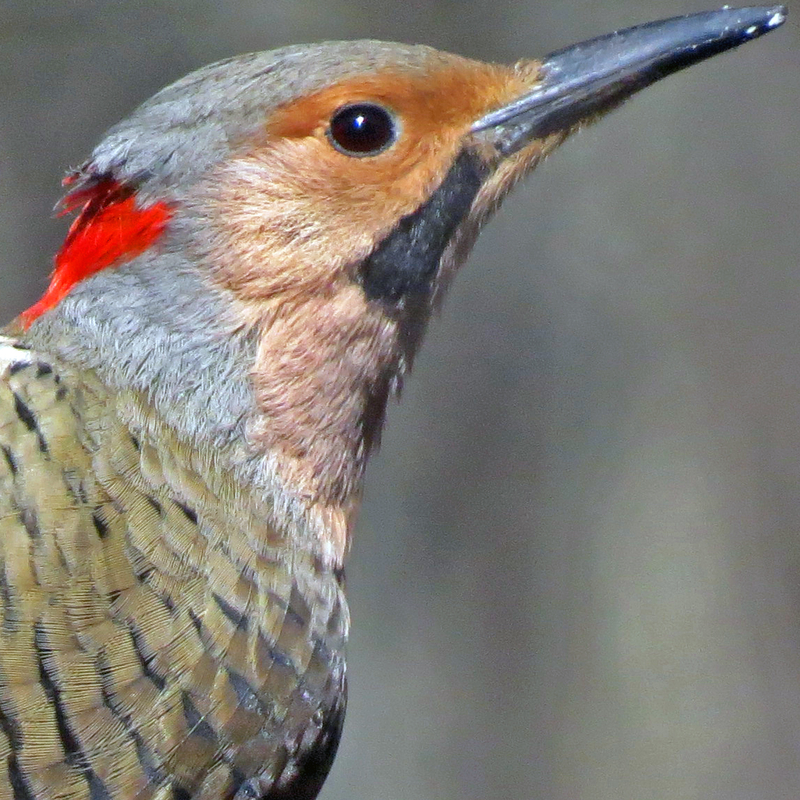
Feeder: Suet on a sturdy cage; often feeds on the ground for ants.
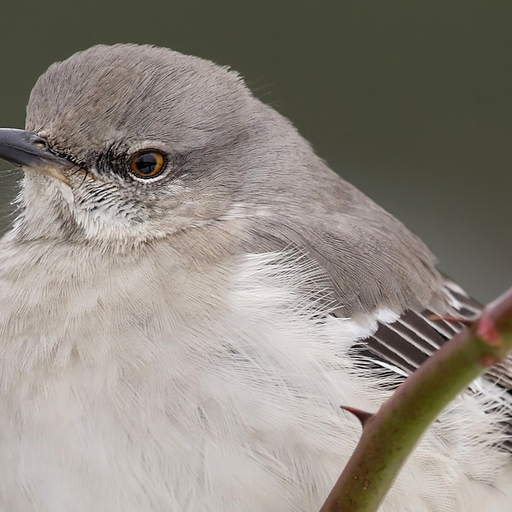
Feeder: Suet, fruit slices, and dense berry-producing shrubs.

Feeder: Nectar feeders and fruit slices near riverside trees.
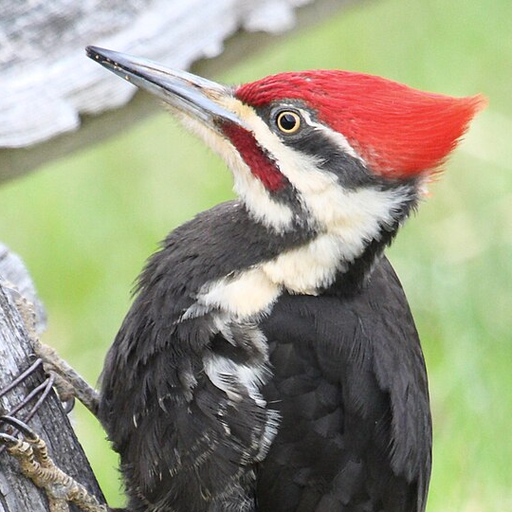
Feeder: Large suet feeders mounted on a board or big trunk.
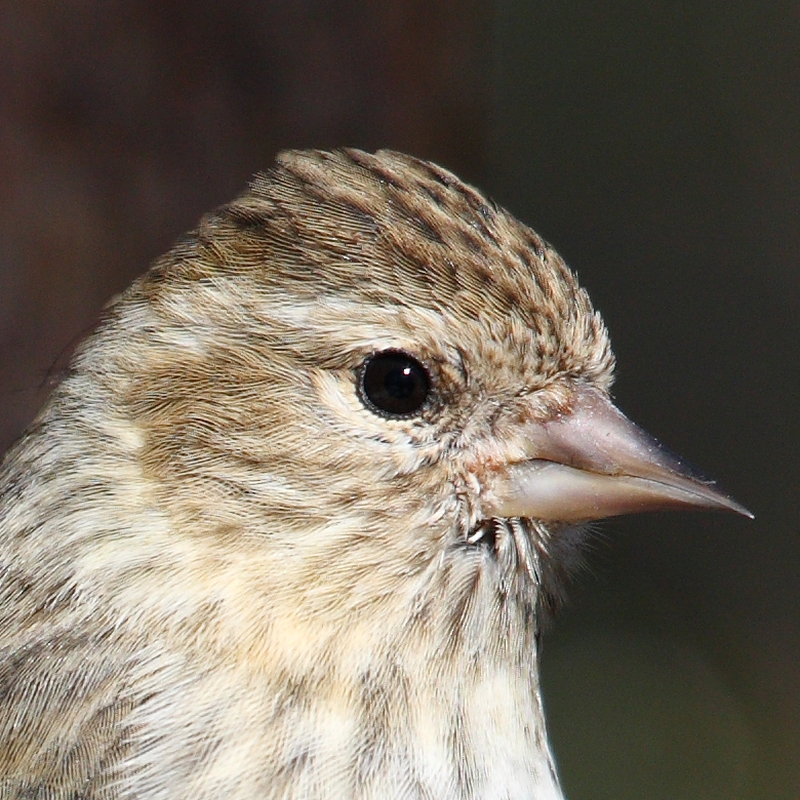
Feeder: Nyjer and fine sunflower chips; irrupts to feeders in dense flocks.
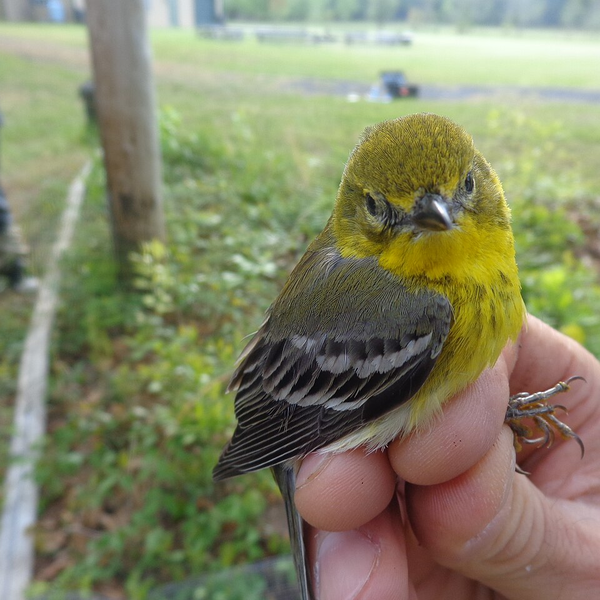
Feeder: Visits backyard feeders and water features.
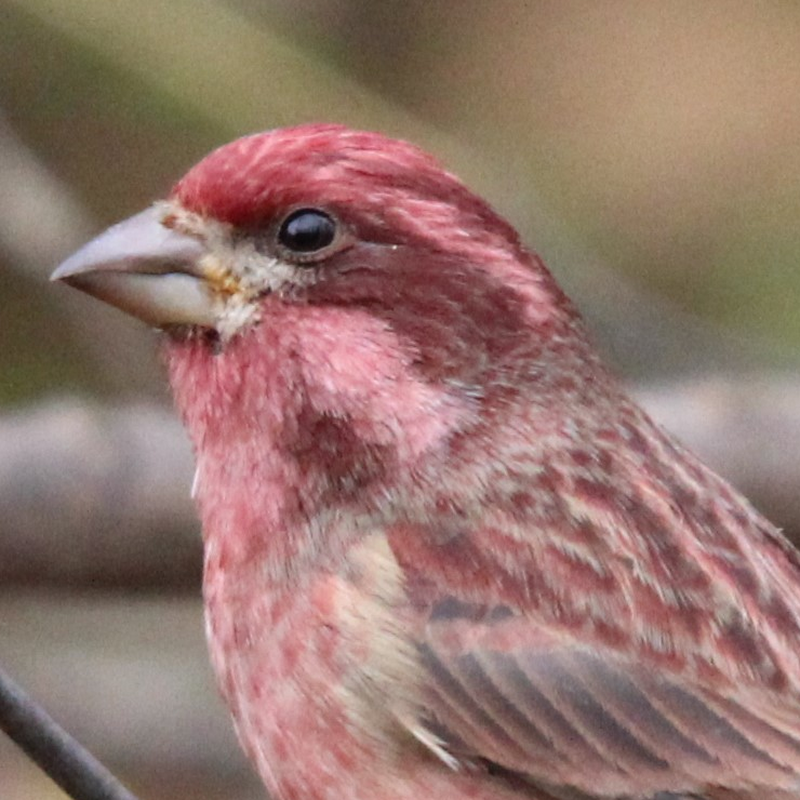
Feeder: Black oil sunflower, especially at tube feeders, in winter and spring.
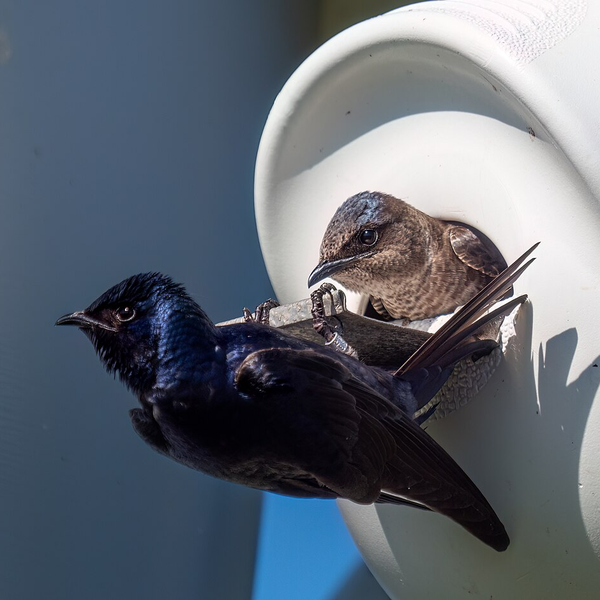
Feeder: Visits backyard feeders and water features.
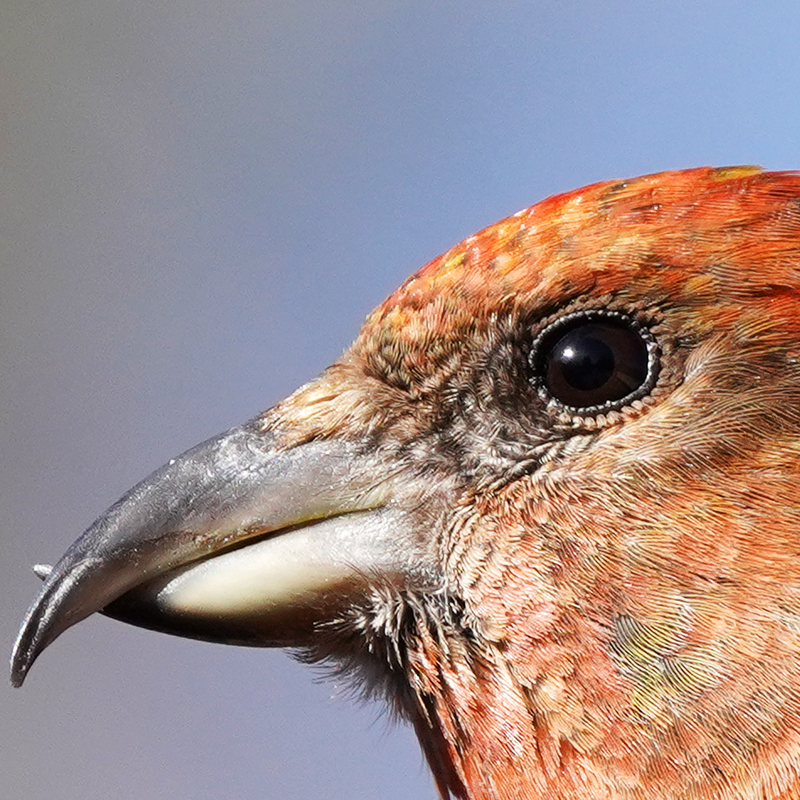
Feeder: Sunflower seeds on open platforms; visits erratically with cone crops.
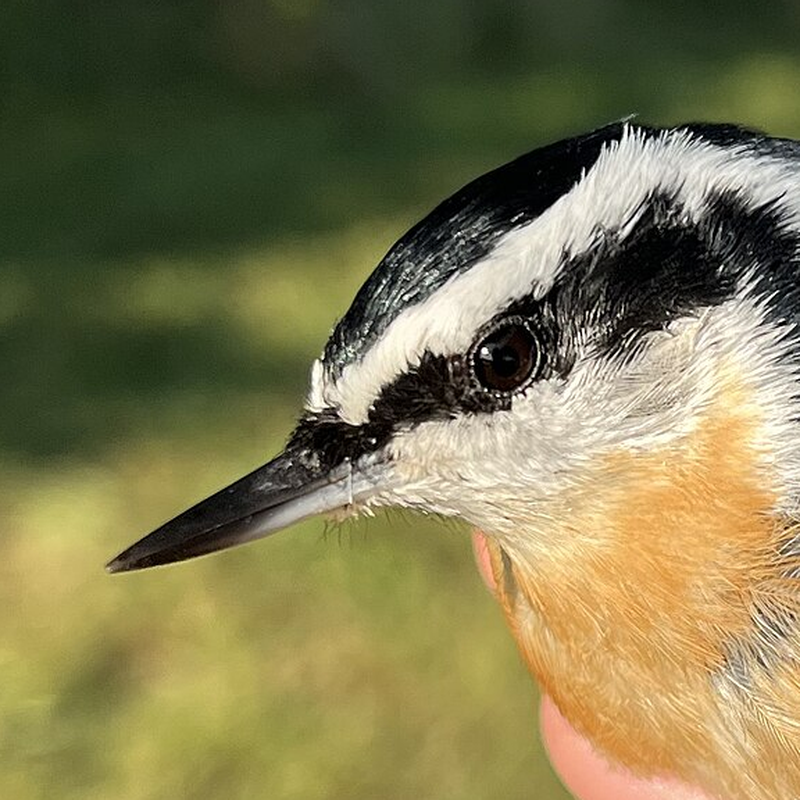
Feeder: Suet, black oil sunflower, and peanut bits at tube feeders.
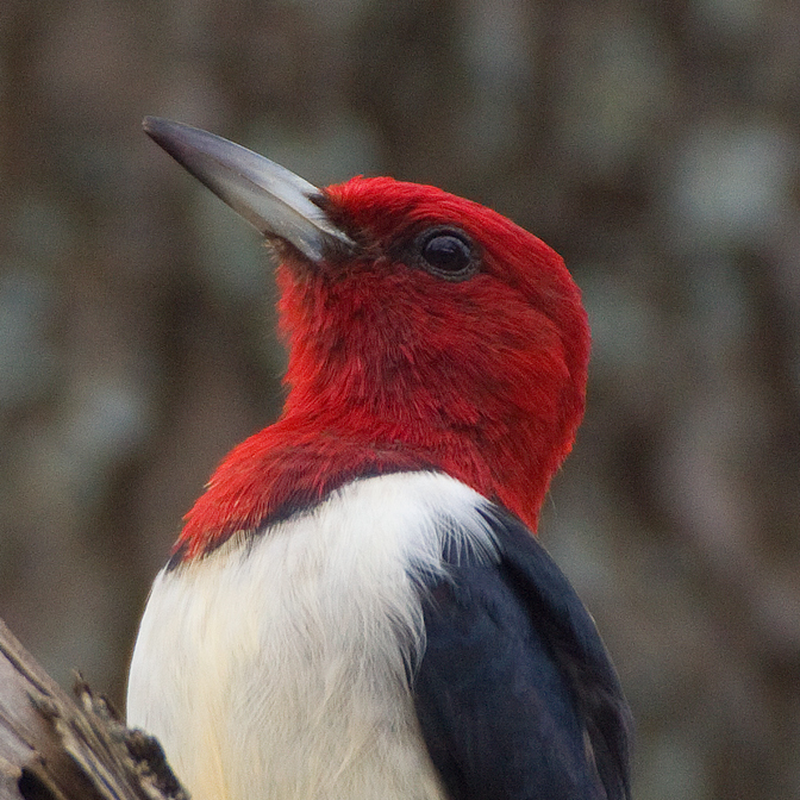
Feeder: Acorns, whole corn, and suet near open mature woodland.
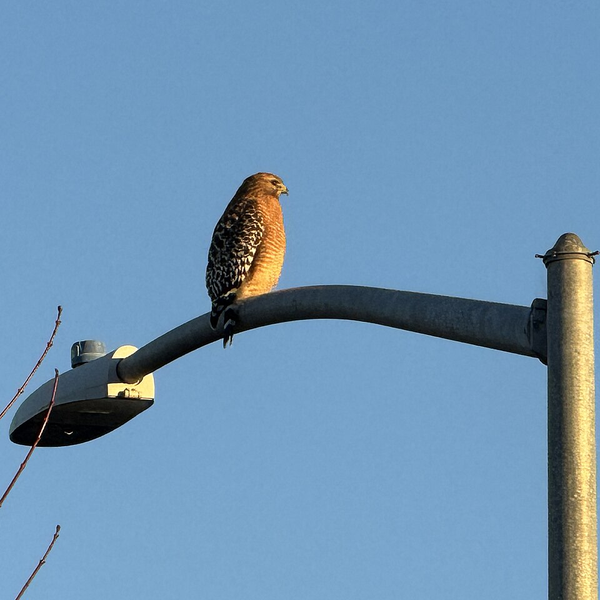
Feeder: Visits backyard feeders and water features.
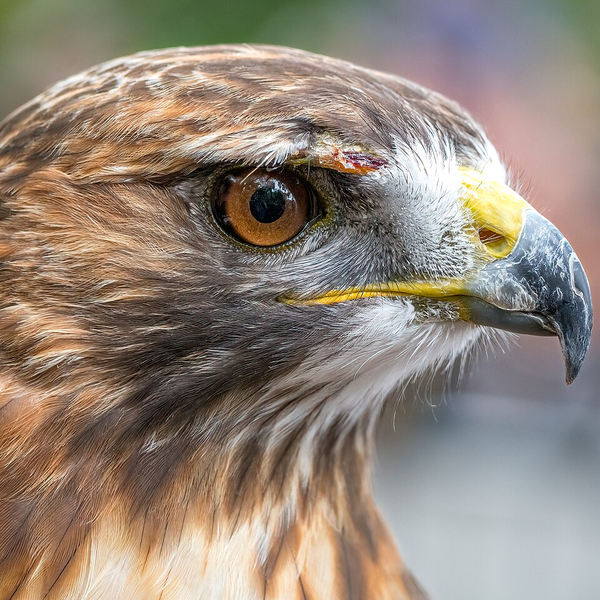
Feeder: Visits backyard feeders and water features.

Feeder: Sunflower, millet, and corn — arrives in loud flocks.
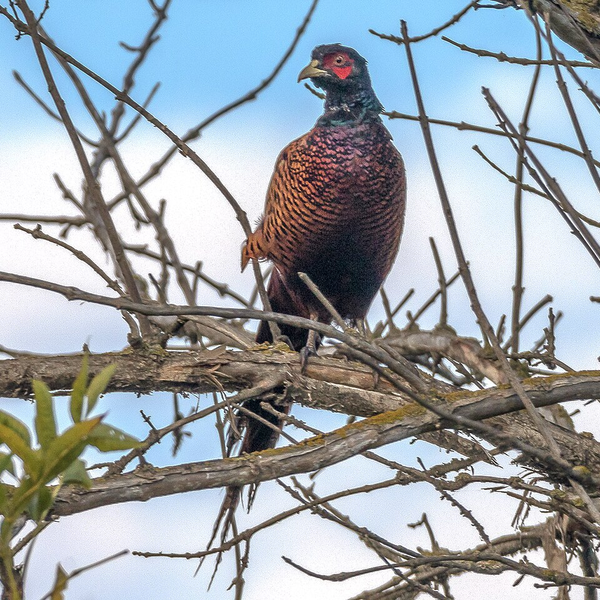
Feeder: Visits backyard feeders and water features.
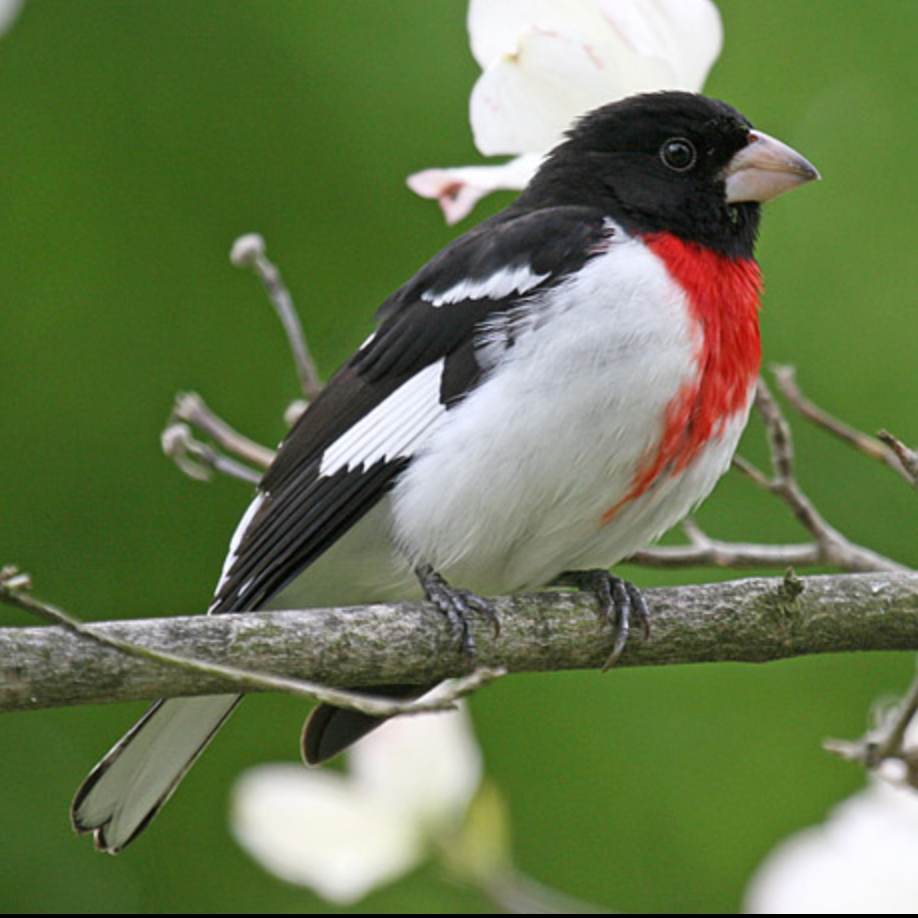
Feeder: Black oil sunflower on a platform; visits May through summer.
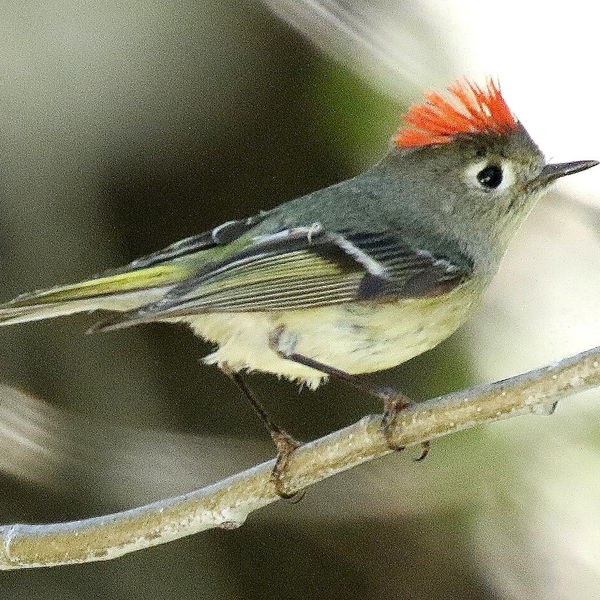
Feeder: Visits backyard feeders and water features.
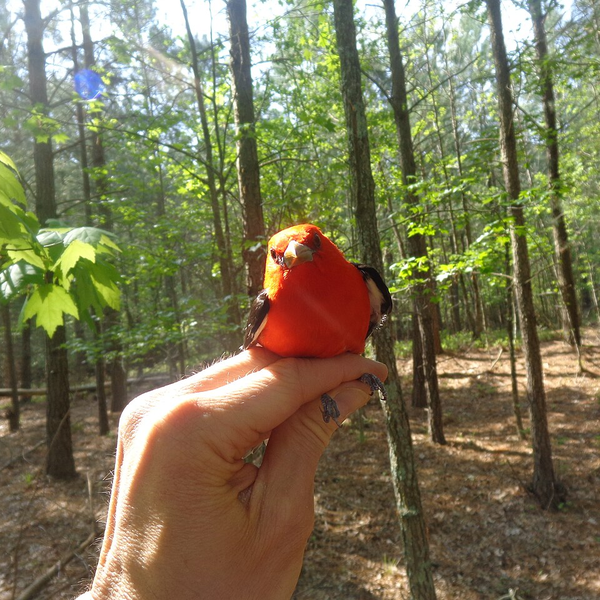
Feeder: Visits backyard feeders and water features.
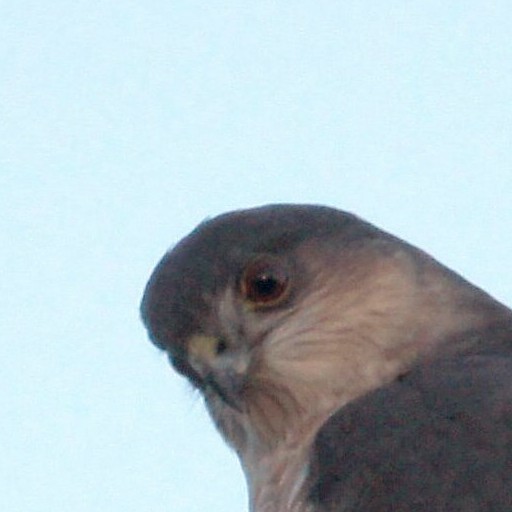
Feeder: Hunts small feeder birds in winter; give feeders escape cover.
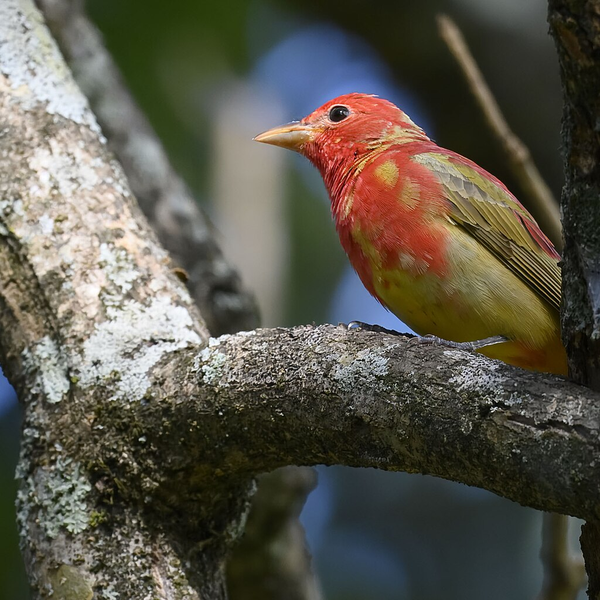
Feeder: Visits backyard feeders and water features.
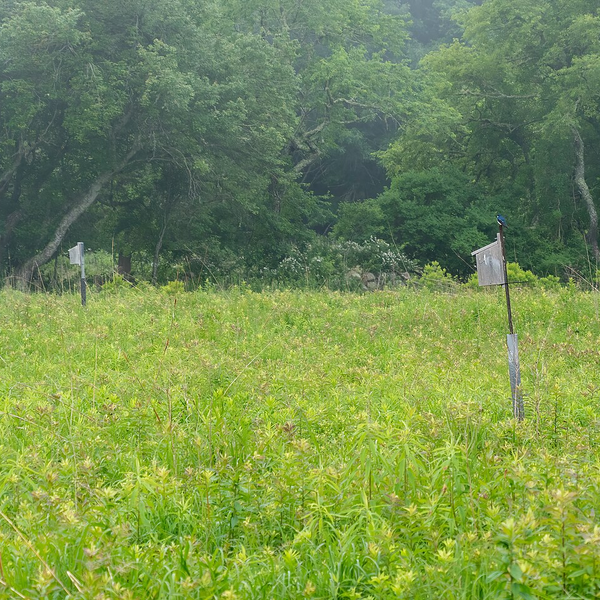
Feeder: Visits backyard feeders and water features.
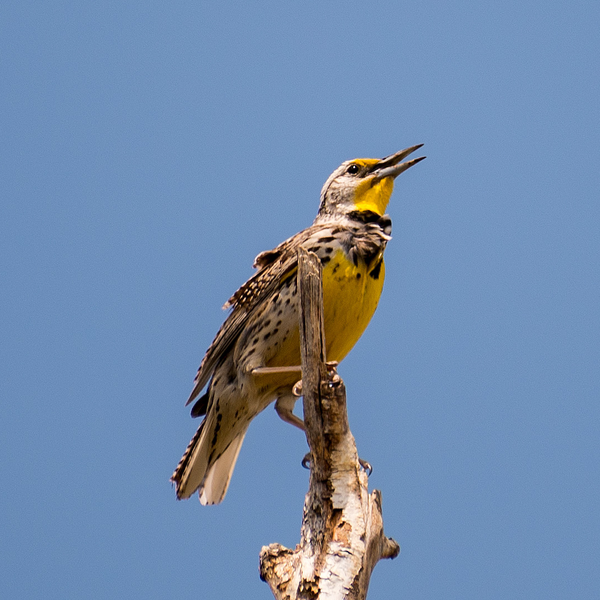
Feeder: Visits backyard feeders and water features.
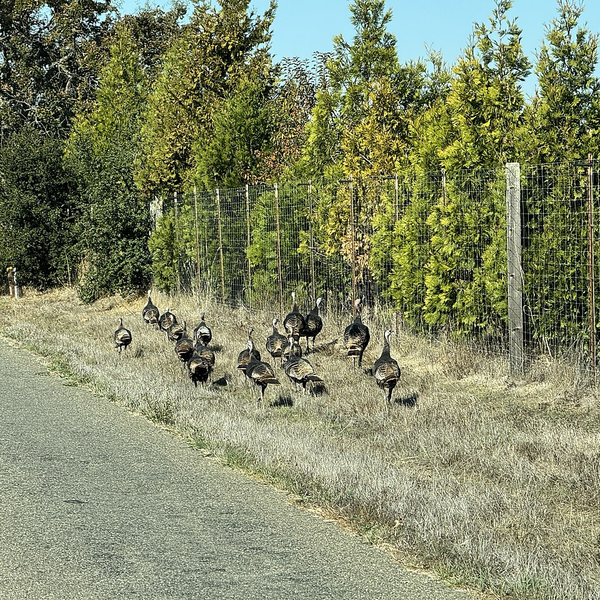
Feeder: Visits backyard feeders and water features.
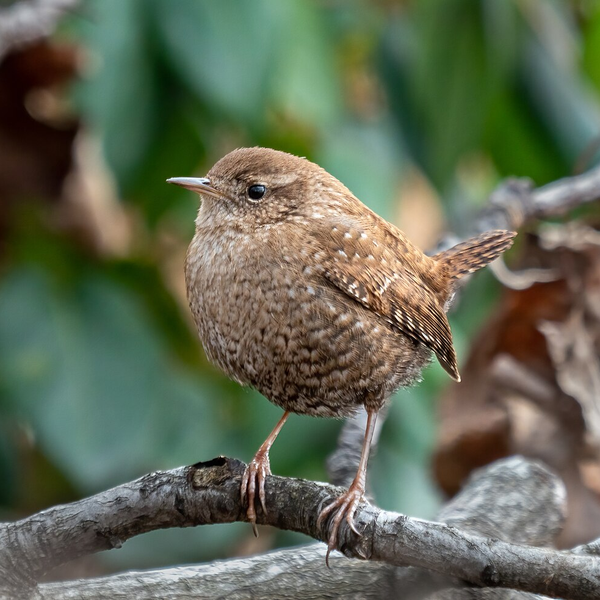
Feeder: Visits backyard feeders and water features.
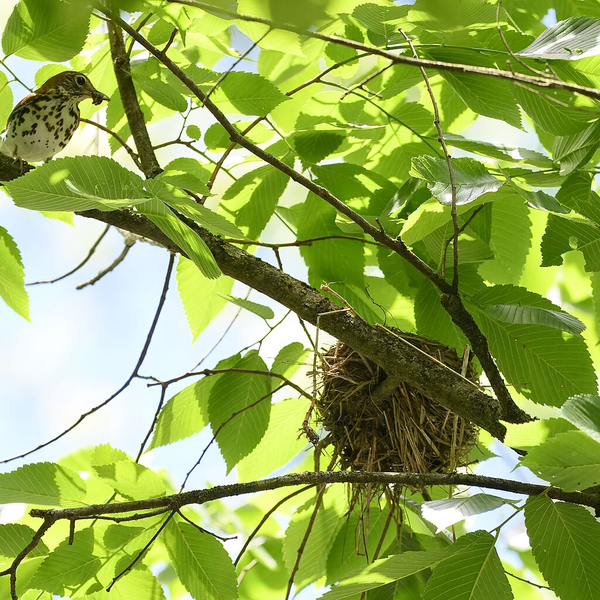
Feeder: Visits backyard feeders and water features.
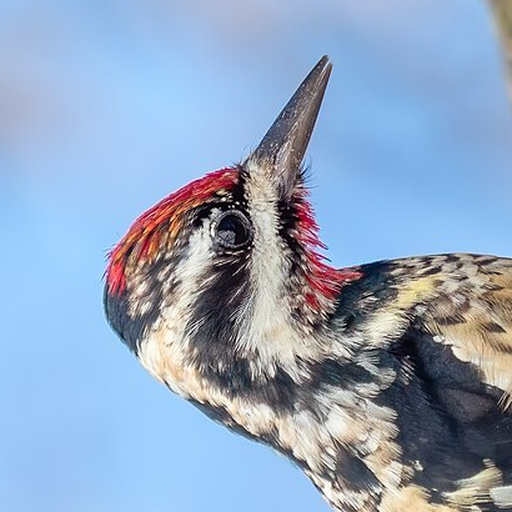
Feeder: Suet and sap wells; drills rows of holes in tree bark.
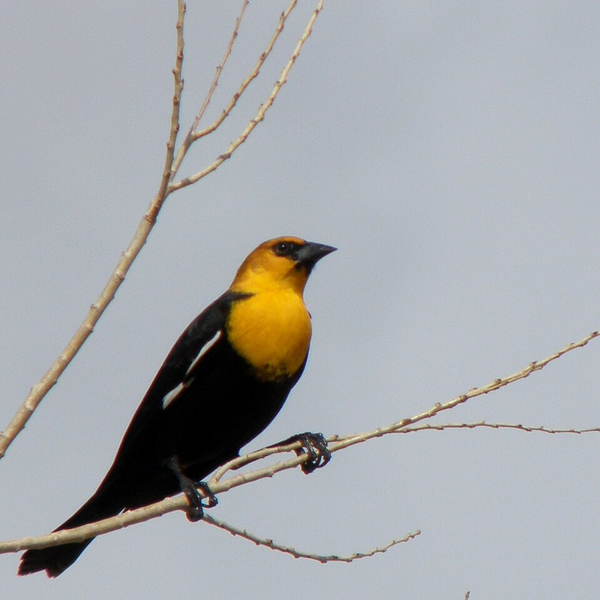
Feeder: Visits backyard feeders and water features.
The Illinois Seasonal Feeder Calendar
🌱 Spring
March – MayCardinals and Song Sparrows sing from every thicket by March. Switch to nectar for hummingbirds (late April) and oranges plus jelly for orioles (early May). White-throated Sparrows linger under feeders into May. Chicago’s lakefront becomes a migration funnel — check your yard after May cold fronts. Clean nest boxes for chickadees.
☀️ Summer
June – AugustKeep hummingbird nectar fresh (change every 2–3 days in heat) and offer a clean birdbath — summer humidity breeds disease at dirty feeders, so scrub weekly. Goldfinches nest late, timing chicks to the July thistle crop. Watch cardinal pairs feeding each other at dusk.
🍂 Autumn
September – NovemberMigration pours down the Lake Michigan shore and along the Mississippi flyway. White-throated Sparrows arrive in late September, juncos in October; hummingbirds leave by early October. Stock seed ahead of the first hard frost; winter flocks form fast.
❄️ Winter
December – FebruaryPrime feeding season. Black oil sunflower, suet, and white millet serve the resident corps plus juncos and white-throats. A heated birdbath is the biggest draw in a frozen yard. Northern counties see irruptive redpolls and Pine Siskins some winters; southern feeders host Carolina Wrens at suet.
Frequently Asked Questions: Backyard Birding in Illinois
- The State Bird: The Northern Cardinal — Illinois’ state bird since 1929 — is the crimson anchor of every Prairie State feeder; pairs visit together at dawn and dusk, and the female sings.
- No Bear Shutdown: Illinois has no resident black bears, so feeders can stay up all year; scrub feeders monthly with 10% bleach and rake spilled seed instead.
- Winter Flocks: Juncos and White-throated Sparrows arrive every fall, goldfinches mob Nyjer in drab plumage, and heated water pulls in everything.
- Summer Jewels: Ruby-throated Hummingbirds (late April to September) and Baltimore Orioles (early May) answer to nectar, oranges, and grape jelly — no seed required.
- The Map: The pinned map at the top of this page shows where each of the 16 birds is most characteristic; every pin jumps to a profile with photos, a playable call, and a full guide link.
- Best Single Upgrade: A heated birdbath — open water in a January deep freeze draws more species than any seed blend.
Illinois Birding Checklist
Region: Illinois — 82 Backyard Species