Backyard Birds in Maryland: A Year-Round Seasonal Identification Guide | BackyardBird.org
State Guide • The Old Line State

Backyard Birds of Maryland

Maryland wraps the Chesapeake Bay from Allegheny ridges to the Eastern Shore — an Old Line State feeding station works twelve months a year. Sixteen portraits are pinned on the map below, right where each species is most characteristic. Hover any portrait to see its name, tap to jump to its profile, then open its photo gallery and play its call.

Backyard Birds in Maryland: A Year-Round Seasonal Identification Guide

Written by Avian Biology Editorial Team • Updated: October 2026 • Verified Backyard Field Data • Coverage: All 79 profiles link to full species guides
State Summary

Quick Answer: Birding a Maryland Backyard

Maryland blends Chesapeake marsh, Piedmont suburbs, and Appalachian forest, so backyard birding works 12 months a year. Anchor birds are year-round residents led by the Northern Cardinal, Carolina Chickadee, Carolina Wren, Tufted Titmouse, Blue Jay, Mourning Dove, three woodpeckers, White-breasted Nuthatch, Eastern Bluebird, and American Robin. Winter adds Dark-eyed Juncos and White-throated Sparrows. Summer brings the Baltimore Oriole (the state bird since 1947) and Ruby-throated Hummingbirds. Western Maryland has black bears, so mountain feeders should come in at night from April through November.

Meet the 79 Backyard Birds of Maryland

The state bird leads the list, followed by year-round regulars, winter visitors, and summer breeders. Every card opens a photo gallery, plays a real field recording, and links to the full species guide. Use the seasonal filter bar above to narrow the list.
Baltimore Oriole avatar 📍 Baltimore

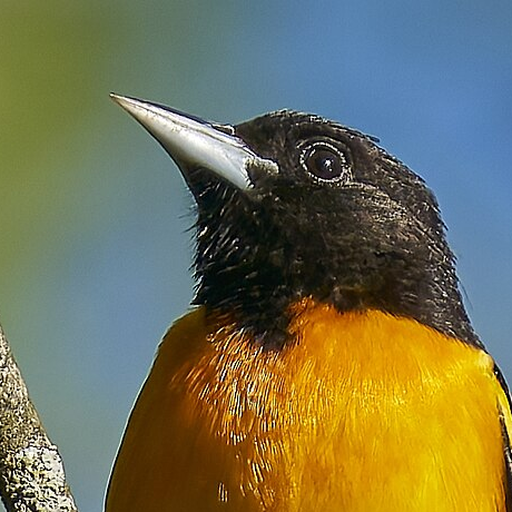
Baltimore Oriole

Icterus galbula
MD State BirdSummer BreederBanding: BALO

A stunning 6.7–7.5-inch songbird: the male is flame-orange below with a black head and back; females are softer yellow-orange. Orioles pass through and breed in Maryland from late April, whistling rich flutelike phrases from tall shade trees. Tempt them with orange halves and grape jelly.
Read Full Guide →
Feeder Preference: Halved oranges and grape jelly in late April; also visits nectar feeders.
Northern Cardinal avatar 📍 College Park

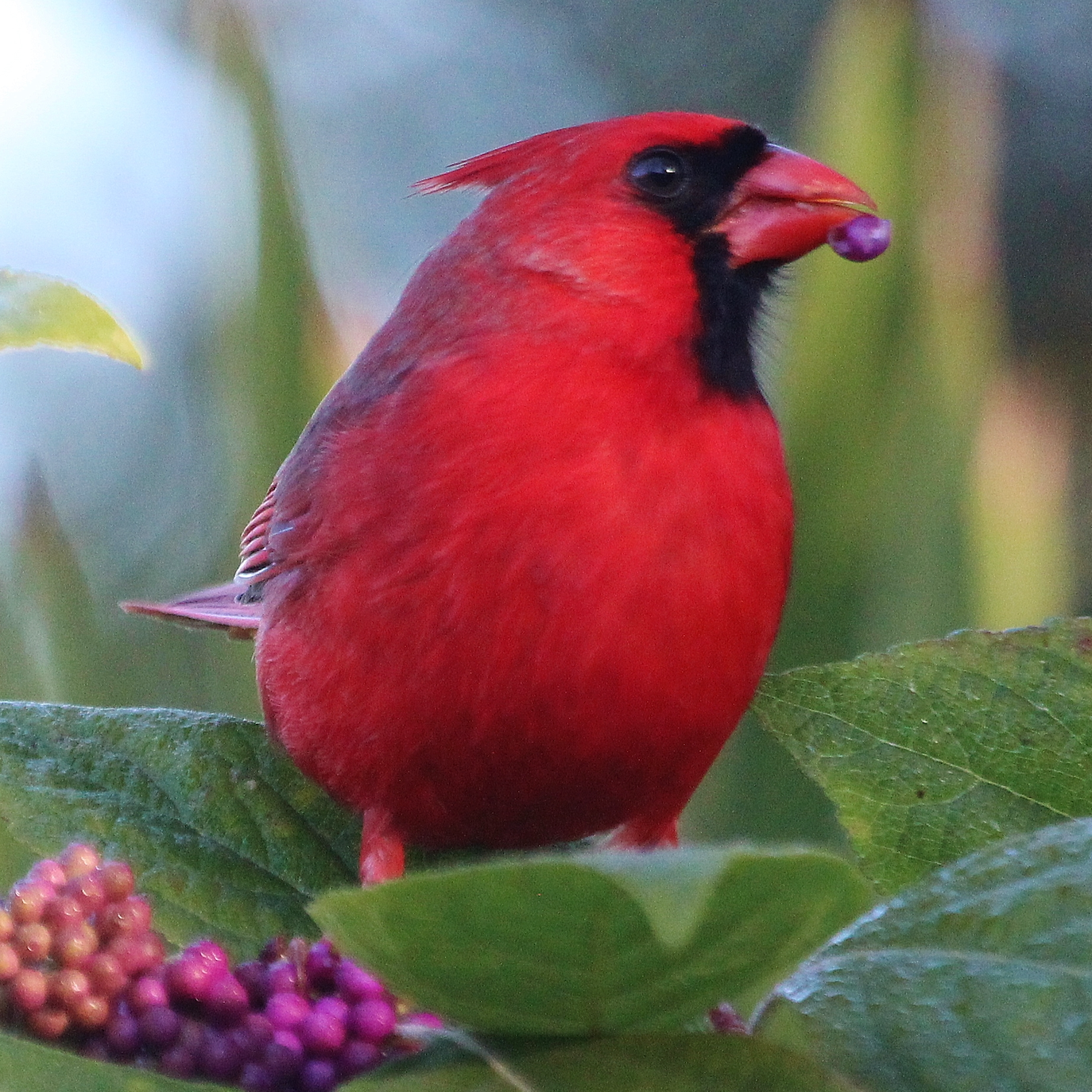
Northern Cardinal

Cardinalis
Year-Round ResidentBanding: NOCA

The male is an 8.3–9.1-inch blaze of crimson with a black mask and proud crest; the warm-buff female sings too — one of few female songbirds that do. Cardinals are permanent residents in every Maryland county, thickest in hedgerows and suburban tangles. Pairs visit feeders together at dawn and dusk, and males sing cheer-cheer-cheer year-round.
Read Full Guide →
Feeder Preference: Sunflower and safflower on a platform feeder near dense shrub cover.
Carolina Chickadee avatar 📍 Annapolis

Carolina Chickadee

Poecile carolinensis
Year-Round ResidentBanding: CACH

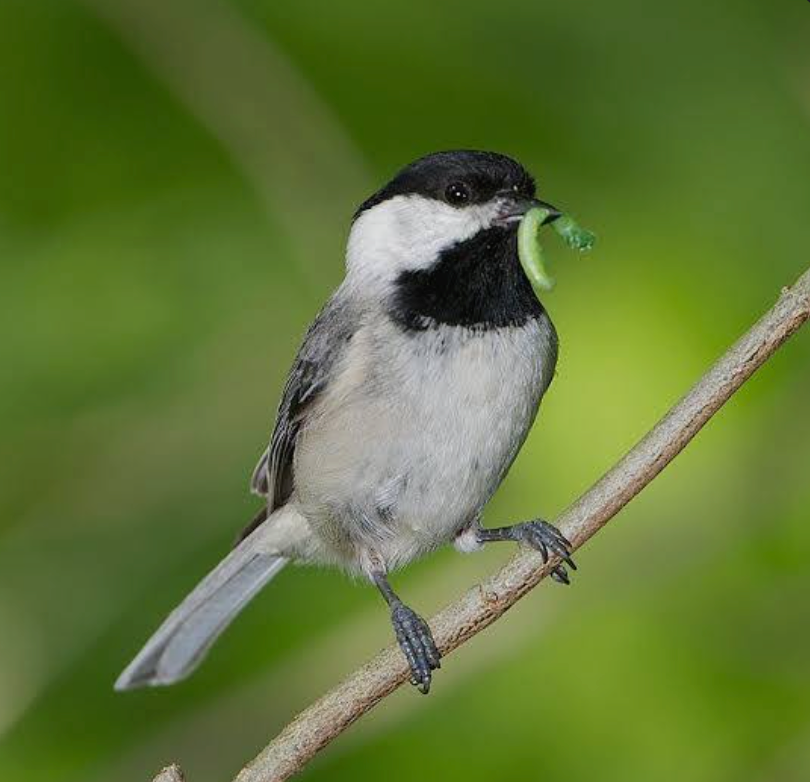
A 3.9–4.7-inch sprite with a solid black cap and bib framing bright white cheeks — the South’s own chickadee. Carolina Chickadees anchor Maryland feeding stations year-round and readily nest in backyard boxes. Their song is a four-note fee-bee-fee-bay, higher and faster than the Black-capped’s two notes.
Read Full Guide →
Feeder Preference: Black oil sunflower, suet, and peanut pieces; nests in boxes with 1.125-inch holes.
Carolina Wren avatar 📍 Easton

Carolina Wren

Thryothorus ludovicianus
Year-Round ResidentBanding: CARW

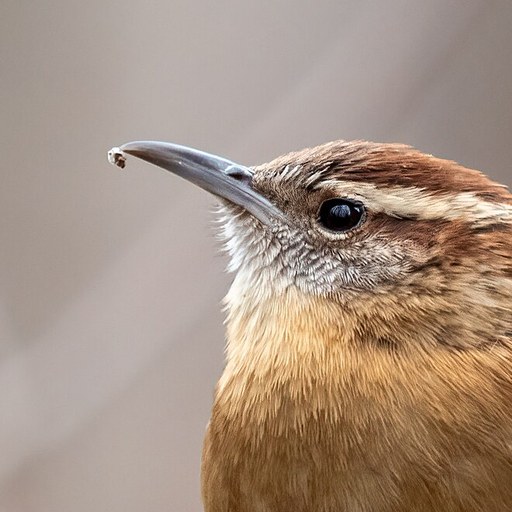
A plump 4.7–5.5-inch wren in rich rufous-brown with a bold white eyebrow and a slightly decurved bill. Carolina Wrens are year-round Maryland fixtures, famous for nesting in flowerpots, wreaths, and garage shelves, and for a loud rolling tea-kettle-tea-kettle song that carries far beyond the yard.
Read Full Guide →
Feeder Preference: Peanut-butter suet, mealworms, and brushy corners; nests in flowerpots and mailboxes.
Tufted Titmouse avatar 📍 Frederick

Tufted Titmouse

Baeolophus bicolor
Year-Round ResidentBanding: TUTI

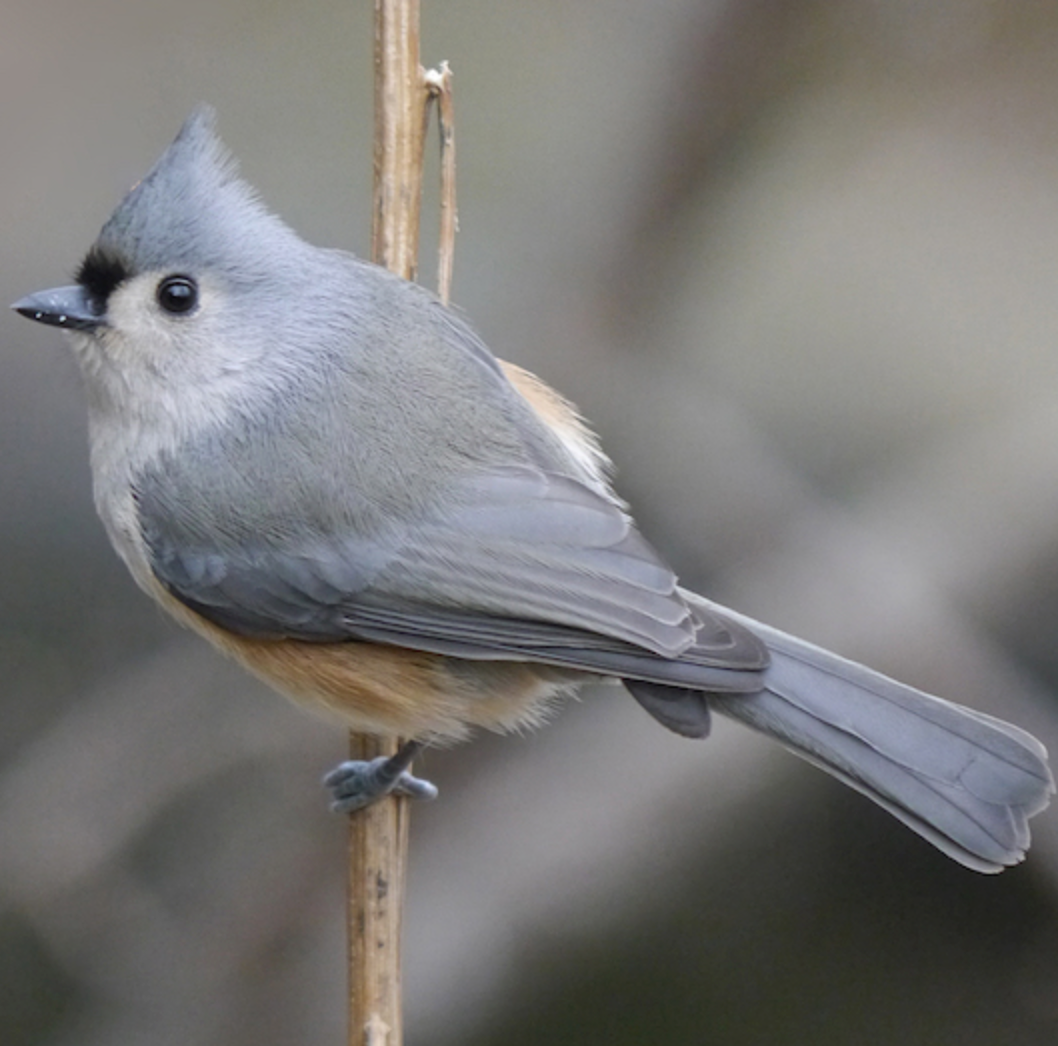
A soft-gray 5.5–6.3-inch bird with a pointed crest, peachy flanks, and huge dark eyes. Titmice are permanent fixtures at Maryland feeders, hammering seeds open while holding them with both feet. Their ringing peter-peter-peter whistle carries through winter woods.
Read Full Guide →
Feeder Preference: Whole peanuts, sunflower seeds, and suet — a devoted food cacher.
Blue Jay avatar 📍 Cumberland

Blue Jay

Cyanocitta cristata
Year-Round ResidentBanding: BLJA

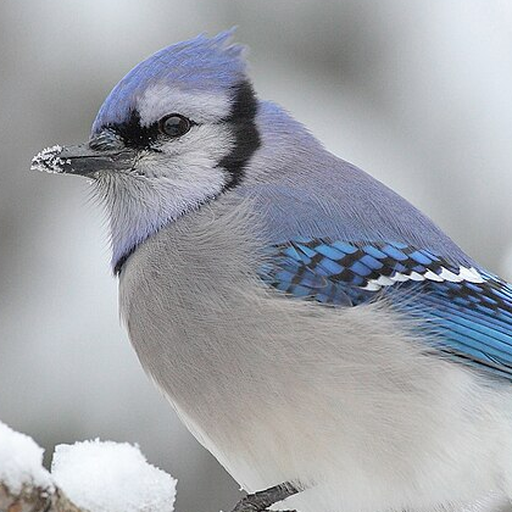
A brilliant 9.8–11.8-inch crested jay in azure blue, white, and black. Blue Jays are the alarm system of the Maryland yard, screaming jay-jay at hawks and cats, and caching thousands of acorns each fall — a single jay can plant an oak grove.
Read Full Guide →
Feeder Preference: Whole in-shell peanuts and coarse sunflower on a large tray feeder.
Mourning Dove avatar 📍 Waldorf

Mourning Dove

Zenaida macroura
Year-Round ResidentBanding: MODO

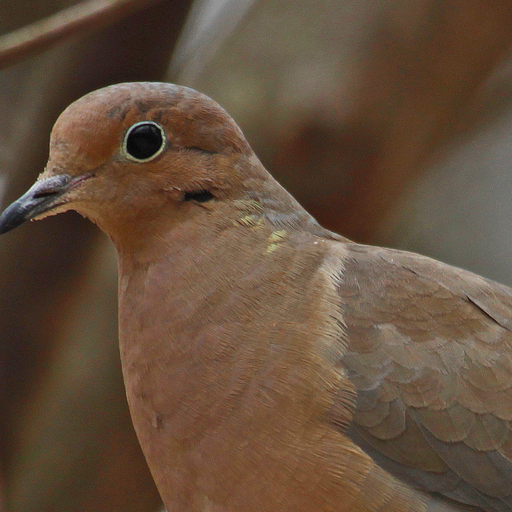
A plump, gentle 9.1–13.4-inch dove in soft gray-brown with a long pointed tail edged in white. Named for its mournful cooing, it whistles sharply on takeoff. Mourning Doves feed beneath Maryland feeders in every season and nest astonishingly early — sometimes with snow still on the ground.
Read Full Guide →
Feeder Preference: White millet and cracked corn scattered on the ground or a low platform.
Downy Woodpecker avatar 📍 Hagerstown

Downy Woodpecker

Dryobates pubescens
Year-Round ResidentBanding: DOWO

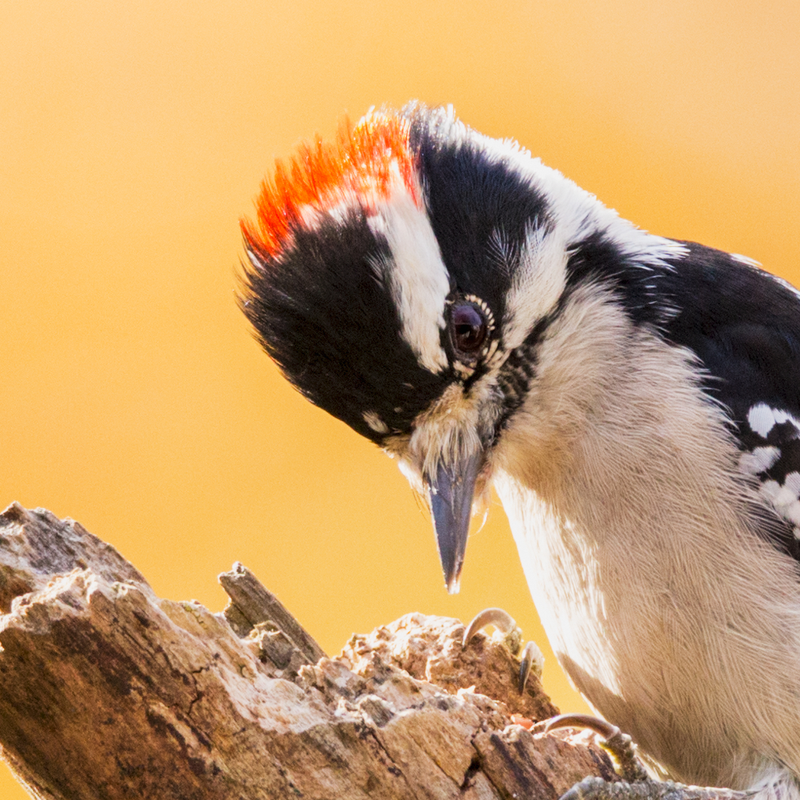
North America’s smallest woodpecker (5.5–6.7 inches) is a Maryland backyard regular in every season. Black-and-white checkered wings, a clean white stripe down the back, and a tiny stubby bill separate it from the larger Hairy Woodpecker; males wear a small red patch on the nape.

Recording via Wikimedia Commons / xeno-canto

Read Full Guide →
Feeder Preference: Suet cakes, peanut bits, and black oil sunflower — uses tail as a prop on feeders.
Red-bellied Woodpecker avatar 📍 Salisbury

Red-bellied Woodpecker

Melanerpes carolinus
Year-Round ResidentBanding: RBWO

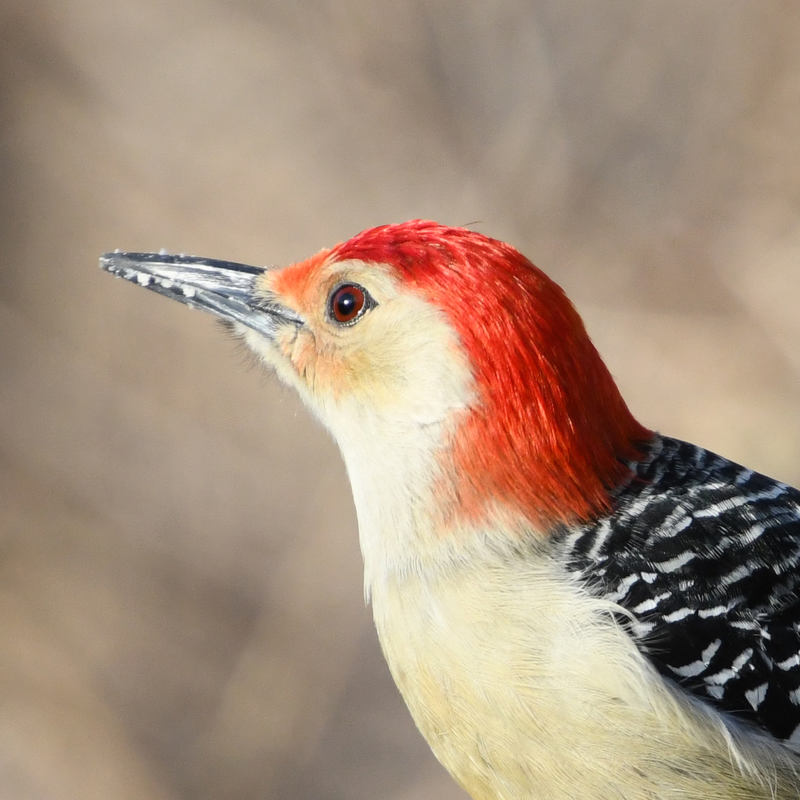
A zebra-backed 9.4-inch woodpecker whose red runs in a wash from nape over the crown (males) — the namesake belly blush is faint. Red-bellies are among the most common Maryland feeder woodpeckers, and their loud rolling churr is a year-round soundtrack.

Recording via Wikimedia Commons / xeno-canto

Read Full Guide →
Feeder Preference: Suet, whole peanuts, and orange halves; listen for the rolling churr.
Pileated Woodpecker avatar 📍 Swallow Falls

Pileated Woodpecker

Dryocopus pileatus
Year-Round ResidentBanding: PIWO

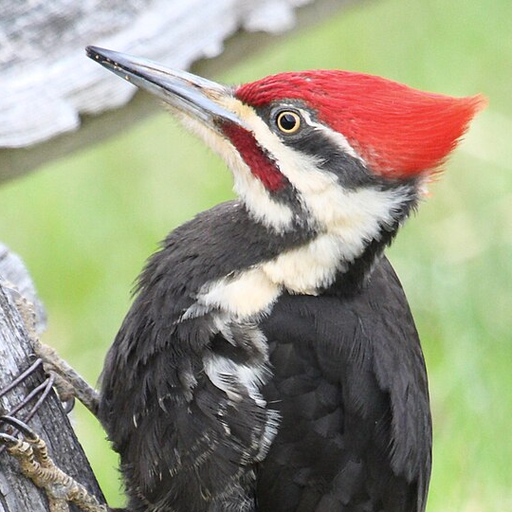
Crow-sized (15.8–19.3 inches) and spectacular: black with white neck stripes and a flaming red crest — the model for Woody Woodpecker. Pileateds chisel rectangular holes in dead timber and visit Maryland yards with mature trees for suet. Their wild laughing call and loud drumming announce them long before you see them.

Recording via Wikimedia Commons / xeno-canto

Read Full Guide →
Feeder Preference: Large suet feeders mounted on a board or big trunk.
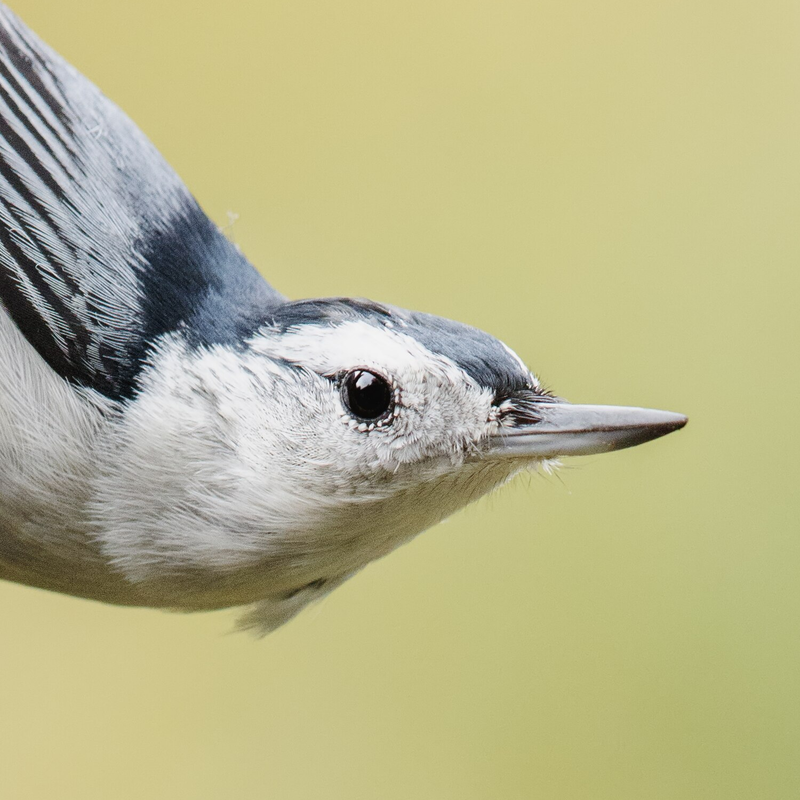
White-breasted Nuthatch avatar 📍 Thurmont

White-breasted Nuthatch

Sitta carolinensis
Year-Round ResidentBanding: WBNU

A compact 5.1–5.5-inch bird in blue-gray with a clean white face and breast and black cap. Nuthatches are the acrobats of the feeder, famously walking headfirst down tree trunks. Year-round residents of Maryland hardwoods and older neighborhoods, they call a nasal yank-yank.
Read Full Guide →
Feeder Preference: Suet, whole peanuts, and sunflower — walks headfirst down tree trunks.
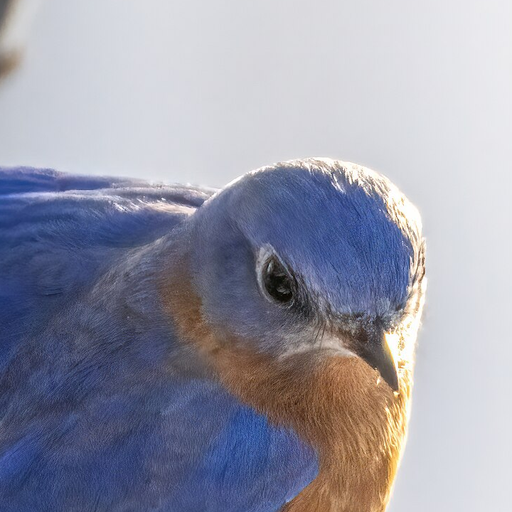
Eastern Bluebird avatar 📍 Olney

Eastern Bluebird

Sialia sialis
Year-Round ResidentBanding: EABL

The male is royal blue above with a rusty throat and breast and a white belly; females are grayer with blue wings. Bluebirds are year-round Maryland residents, shifting to berries in winter. A nest box on a post facing open mowed grass — 1.5-inch hole, no perch — can fledge two or three broods a season.
Read Full Guide →
Feeder Preference: Live mealworms in a tray; nest boxes with a 1.5-inch entrance hole.
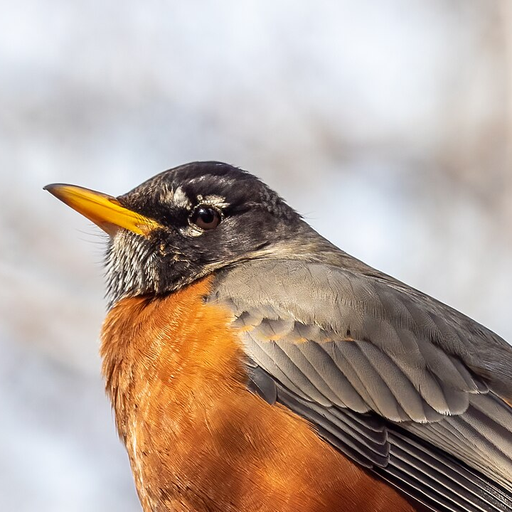
American Robin avatar 📍 Columbia

American Robin

Turdus migratorius
Year-Round ResidentBanding: AMRO

The familiar 7.9–11-inch thrush: gray above, brick-red below, yellow-billed. The dawn chorus over a Maryland lawn is built on its cheerily-cheerup phrases. Robins nest on porch lights and ledges, and big winter flocks descend on holly and hackberry trees across the state.
Read Full Guide →
Feeder Preference: Soaked raisins, mealworms, and a ground-level bath; fruit trees hold winter flocks.
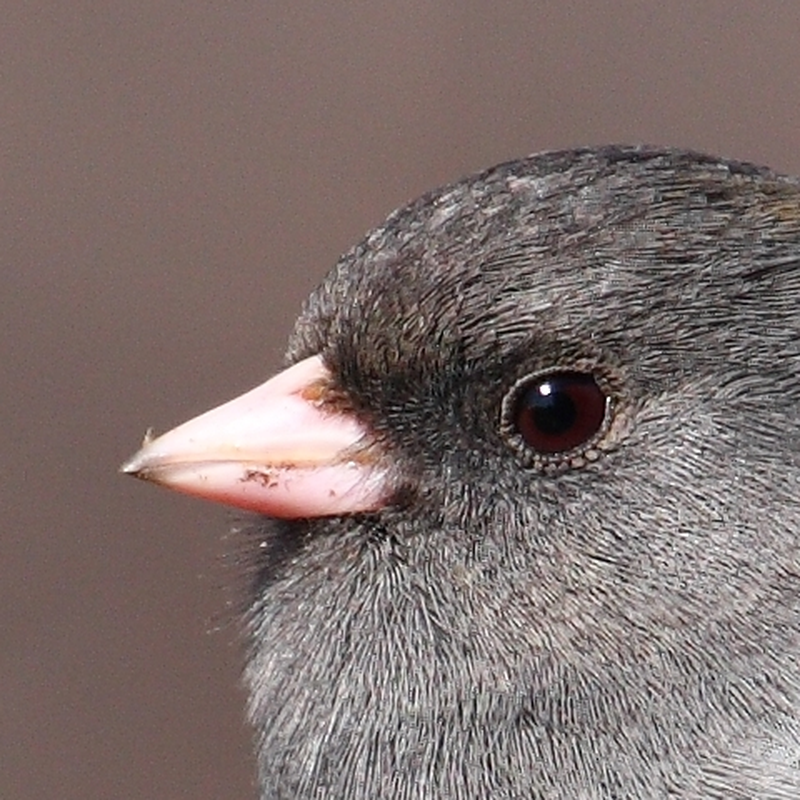
Dark-eyed Junco avatar 📍 Oakland

Dark-eyed Junco

Junco hyemalis
Winter VisitorBanding: DEJU

The classic snowbird: a 5.5–6.3-inch sparrow with a slate-gray hood set cleanly against a white belly, white outer tail feathers flashing in flight. Juncos pour into Maryland each October and double-scratch for millet under feeders until April — the surest sign of winter.

Read Full Guide →
Feeder Preference: White millet scattered on the ground or a snow-cleared low platform.
White-throated Sparrow avatar 📍 Bowie

White-throated Sparrow

Zonotrichia albicollis
Winter VisitorBanding: WTSP

A handsome 6.3–7.1-inch winter sparrow with a bright white throat patch, yellow lores, and a crisp striped crown in white- or tan-striped forms. White-throats winter throughout Maryland’s brushy edges from October to late April, whistling their clear Old-Sam-Peabody song on mild winter days.
Read Full Guide →
Feeder Preference: Cracked corn and millet scattered under shrub cover and leaf litter.
Ruby-throated Hummingbird avatar 📍 Leonardtown

Ruby-throated Hummingbird

Archilochus colubris
Summer BreederOnly Breeding HummerBanding: RTHU

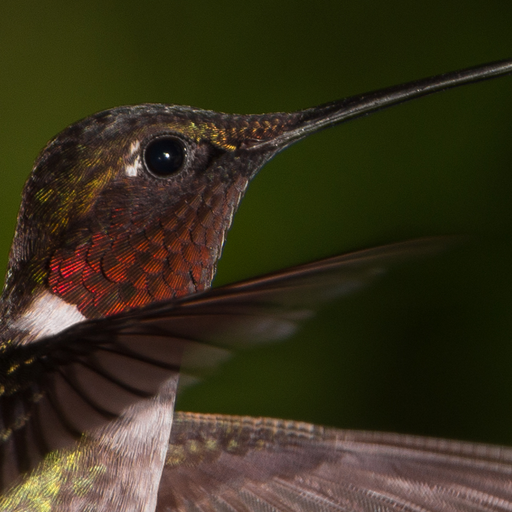
The only hummingbird that breeds in the eastern U.S.: 2.8–3.5 inches of emerald green, the male with an iridescent ruby-red gorget. Arriving in Maryland in April, it works salvia, bee balm, and feeders all summer, then slips south by late September. Change sugar water every two to three days in heat.

Read Full Guide →
Feeder Preference: 1:4 white sugar water in a red feeder, April through September.

More Backyard Birds in Maryland +63 species

Every other species from our backyard bird library that regularly occurs in Maryland — each with its own photo gallery, playable call, and full species guide. Browse 16 per page using the dots below.
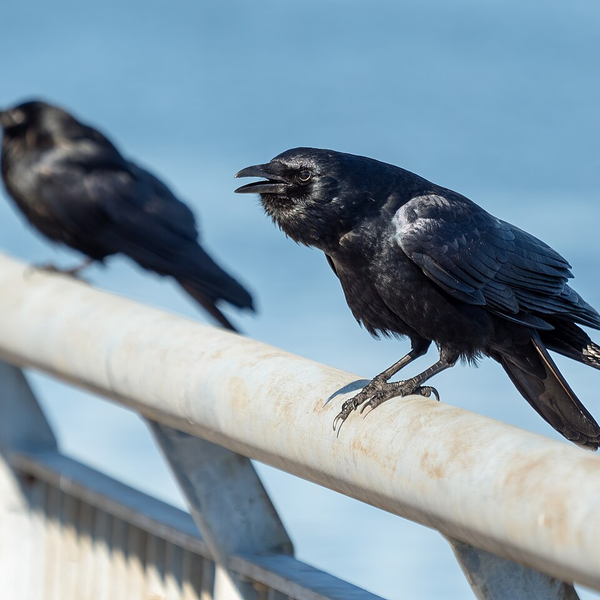
American Crow avatar
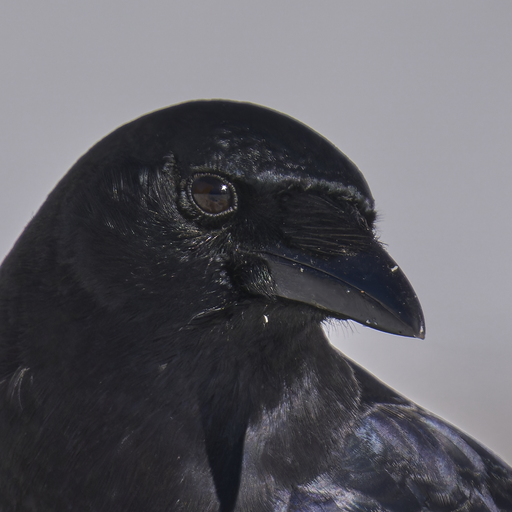
American Crow Corvus brachyrhynchos
Year-Round

Feeder: Whole corn, peanuts, and a shallow water pan on open ground.
Guide →
American Goldfinch avatar
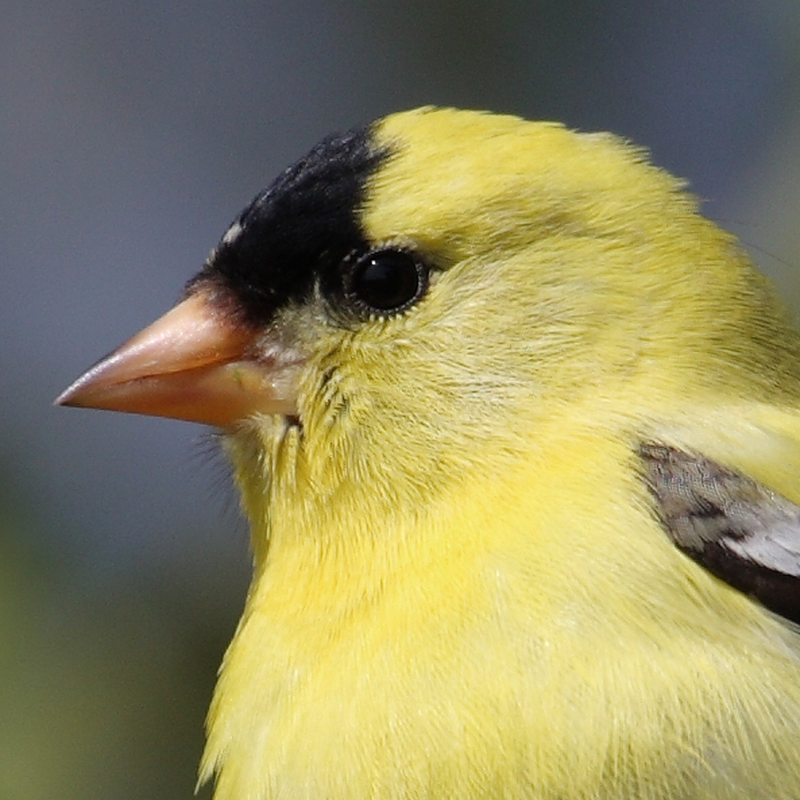
American Goldfinch Spinus tristis
Year-Round

Feeder: Nyjer (thistle) socks and fine sunflower chips year-round.
Guide →
American Kestrel avatar
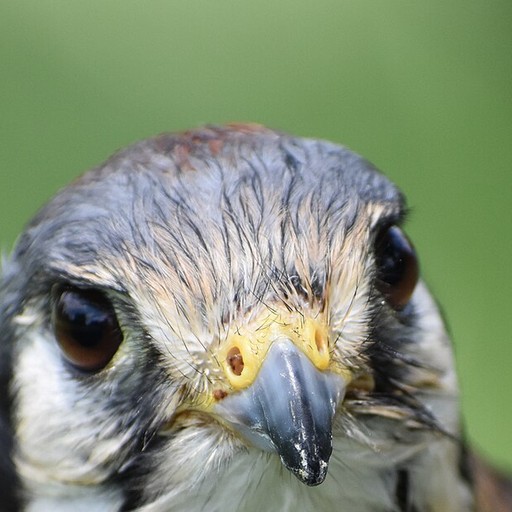
American Kestrel Falco sparverius
Year-Round

Feeder: Perches on fences; nest boxes on poles in open country.
Guide →
Barn Owl avatar
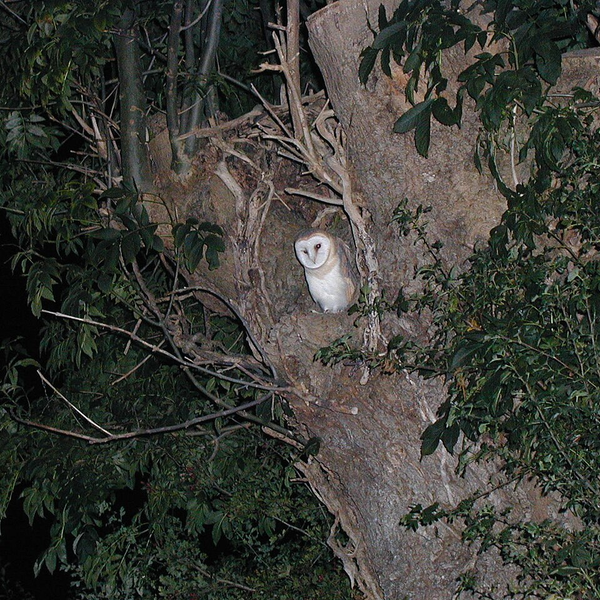
Barn Owl Tyto alba
Year-Round

Feeder: Visits backyard feeders and water features.
Guide →
Barn Swallow avatar
Barn Swallow Hirundo rustica
Summer Breeder

Feeder: Visits backyard feeders and water features.
Guide →
Barred Owl avatar
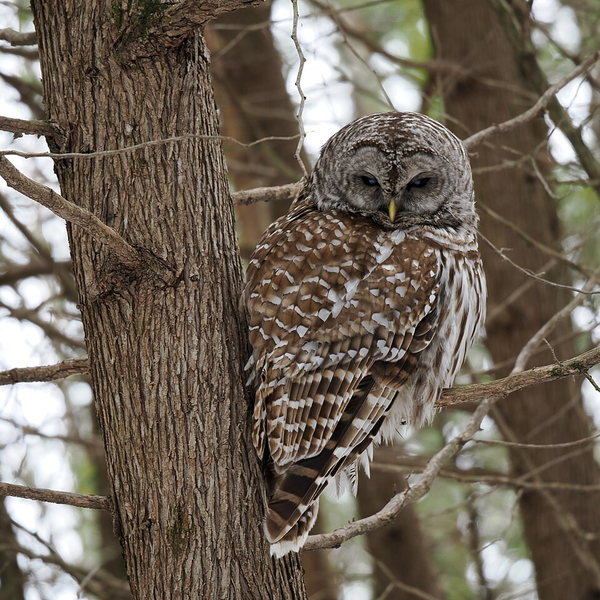
Barred Owl Strix varia
Year-Round

Feeder: Visits backyard feeders and water features.

Guide →
Blue Grosbeak avatar
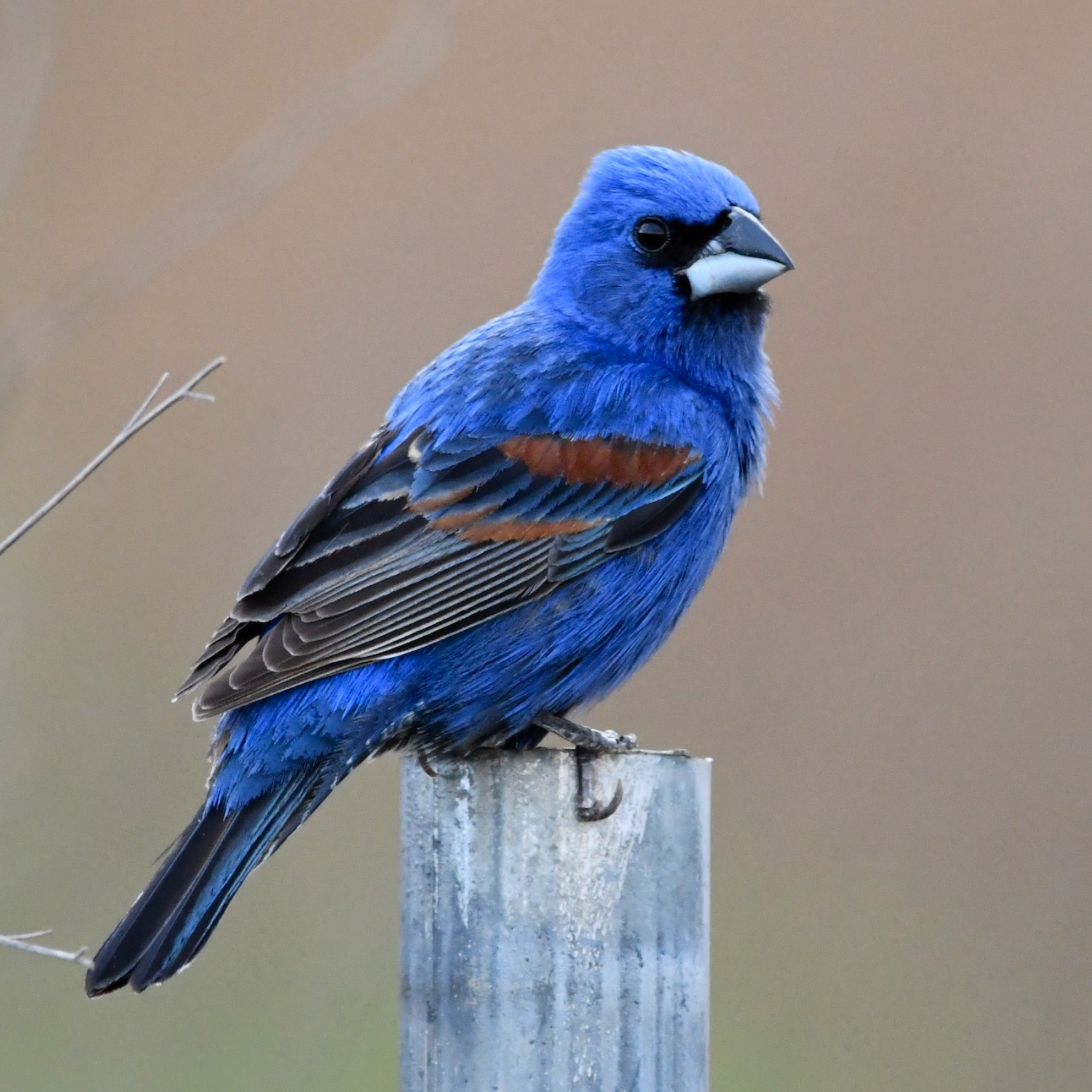
Blue Grosbeak Passerina caerulea
Summer Breeder

Feeder: Mixed seed and sunflower at low platform feeders near brushy fields.
Guide →
Boat-tailed Grackle avatar
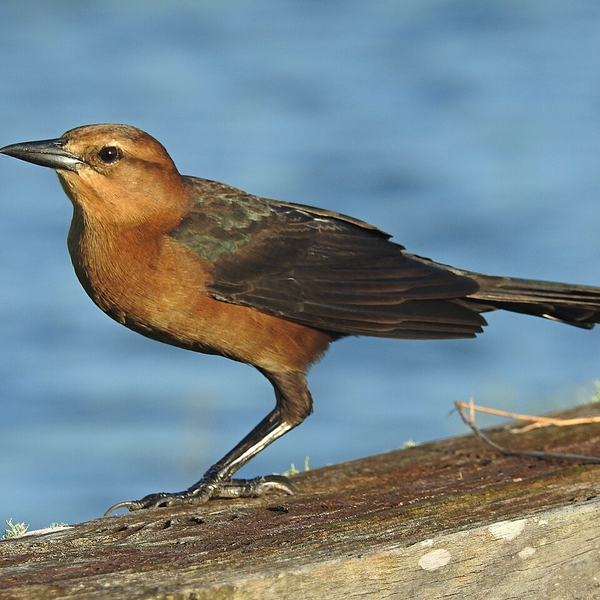
Boat-tailed Grackle Quiscalus major
Year-Round

Feeder: Visits backyard feeders and water features.
Guide →
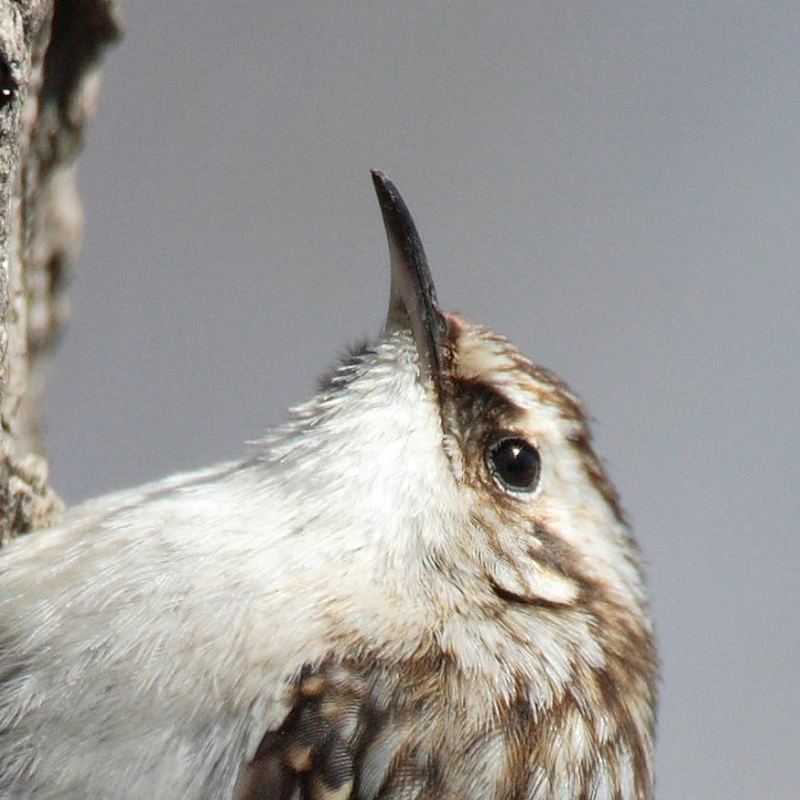
Brown Creeper avatar
Brown Creeper Certhia americana
Winter Visitor

Feeder: Suet smeared on tree bark; spirals up trunks for hidden insects.
Guide →
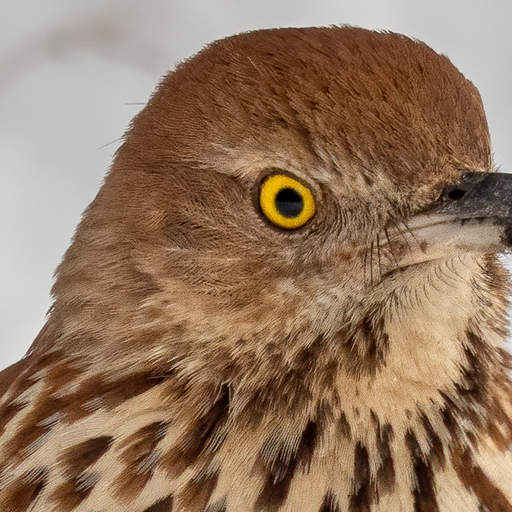
Brown Thrasher avatar
Brown Thrasher Toxostoma rufum
Summer Breeder

Feeder: Ground-scattered peanuts and corn near thick brush piles.

Guide →
Brown-headed Cowbird avatar
Brown-headed Cowbird Molothrus ater
Year-Round

Feeder: Cracked corn and grain on the ground; a nest parasite.
Guide →
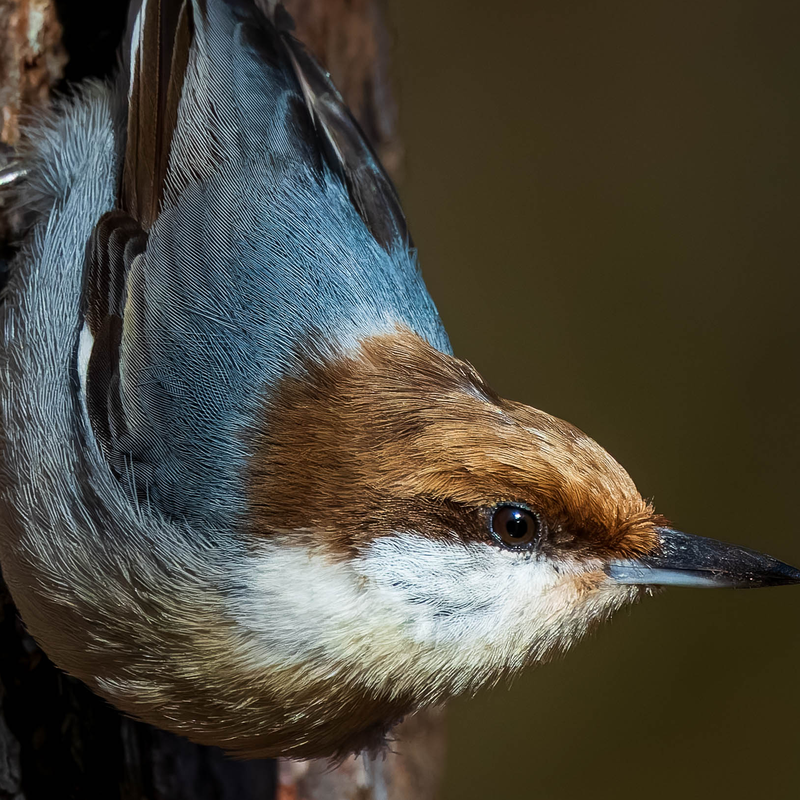
Brown-headed Nuthatch avatar
Brown-headed Nuthatch Sitta pusilla
Year-Round

Feeder: Suet and sunflower; uses small-hole nest boxes in pine yards.

Guide →
Cedar Waxwing avatar
Cedar Waxwing Bombycilla cedrorum
Winter Visitor

Feeder: Berry-producing trees and a fountain or moving water.
Guide →
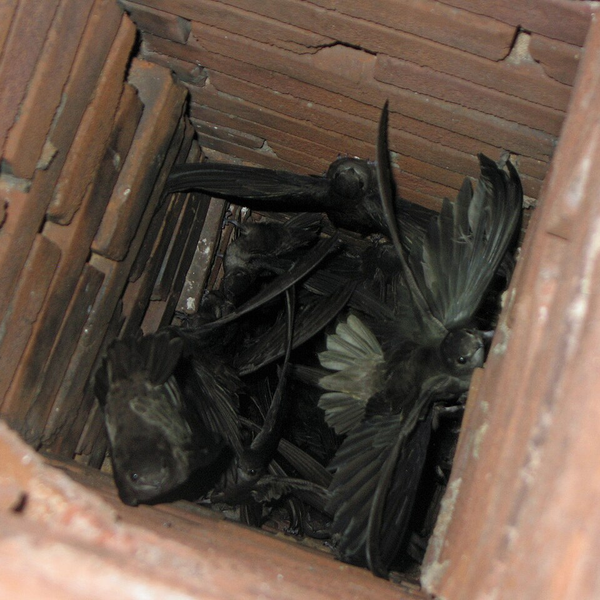
Chimney Swift avatar
Chimney Swift Chaetura pelagica
Summer Breeder

Feeder: Visits backyard feeders and water features.

Guide →
Chipping Sparrow avatar
Chipping Sparrow Spizella passerina
Summer Breeder

Feeder: Fine seed mix and grass seed scattered on open ground.

Guide →
Common Grackle avatar
Common Grackle Quiscalus quiscula
Year-Round

Feeder: Cracked corn and sunflower; dominates feeders — use caged feeders.

Guide →
Cooper's Hawk avatar
Cooper’s Hawk Accipiter cooperii
Year-Round

Feeder: Not a feeder guest — it hunts the birds at your feeders.
Guide →
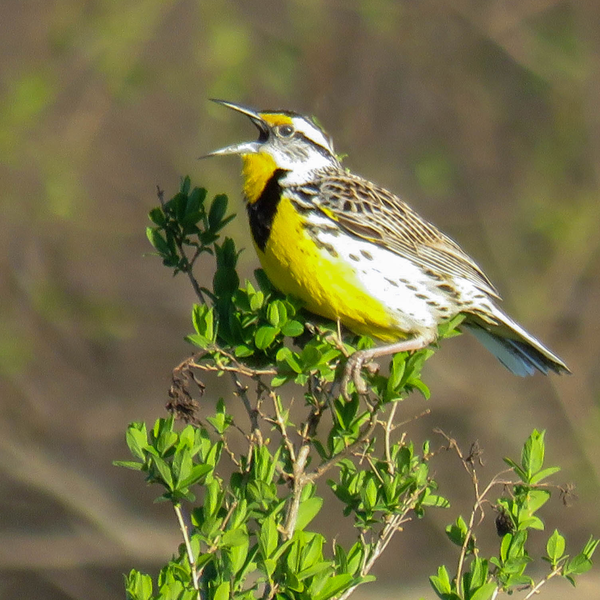
Eastern Meadowlark avatar
Eastern Meadowlark Sturnella magna
Year-Round

Feeder: Visits backyard feeders and water features.
Guide →
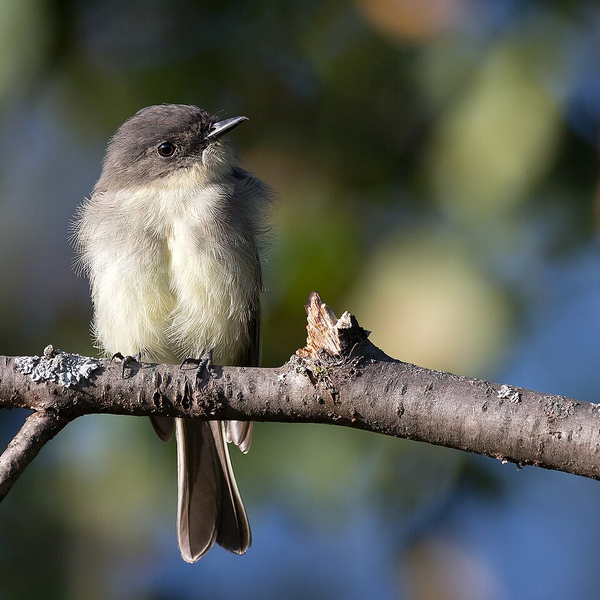
Eastern Phoebe avatar
Eastern Phoebe Sayornis phoebe
Summer Breeder

Feeder: Visits backyard feeders and water features.

Guide →
Eastern Screech-Owl avatar
Eastern Screech-Owl Megascops asio
Year-Round

Feeder: Deep wooden nest boxes in mature trees; hunts at night.

Guide →
Eastern Towhee avatar
Eastern Towhee Pipilo erythrophthalmus
Summer Breeder

Feeder: Whole peanuts and sunflower under dense shrubs; scratches in leaves.
Guide →
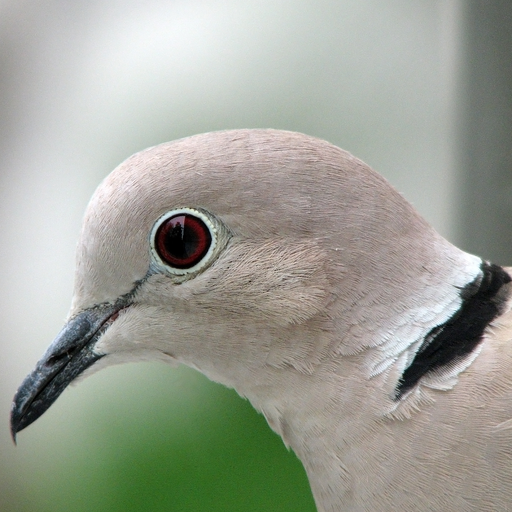
Eurasian Collared-Dove avatar
Eurasian Collared-Dove Streptopelia decaocto
Year-Round

Feeder: Large grains on big platform feeders; spreading fast.

Guide →
European Starling avatar
European Starling Sturnus vulgaris
Year-Round

Feeder: Suet and crumbs; use starling-resistant caged feeders.
Guide →
Fish Crow avatar
Fish Crow Corvus ossifragus
Year-Round

Feeder: Visits backyard feeders and water features.

Guide →
Fox Sparrow avatar
Fox Sparrow Passerella iliaca
Winter Visitor

Feeder: Sunflower pieces and cracked corn; double-scratches in leaf litter.
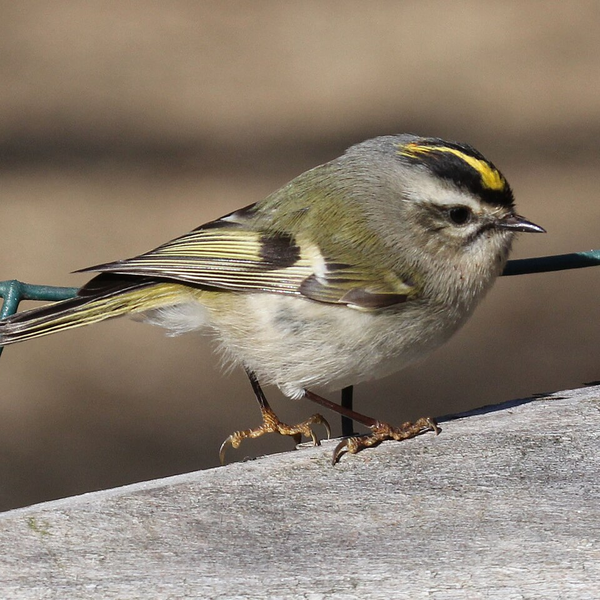
Guide →
Golden-crowned Kinglet avatar
Golden-crowned Kinglet Regulus satrapa
Winter Visitor

Feeder: Visits backyard feeders and water features.
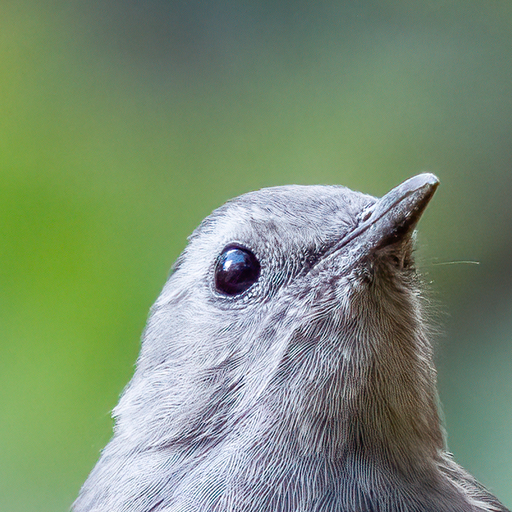
Guide →
Gray Catbird avatar
Gray Catbird Dumetella carolinensis
Summer Breeder

Feeder: Grape jelly, halved oranges, raisins, and dense shady shrubs.
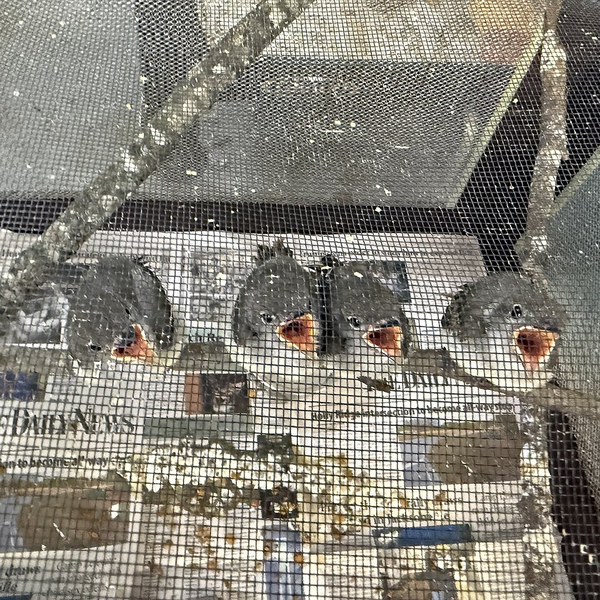
Guide →
Great Crested Flycatcher avatar
Great Crested Flycatcher Myiarchus crinitus
Summer Breeder

Feeder: Visits backyard feeders and water features.
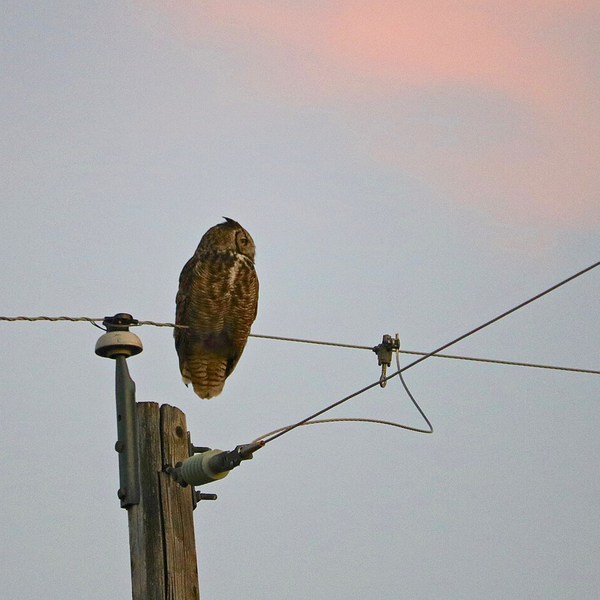
Guide →
Great Horned Owl avatar
Great Horned Owl Bubo virginianus
Year-Round

Feeder: Visits backyard feeders and water features.
Guide →
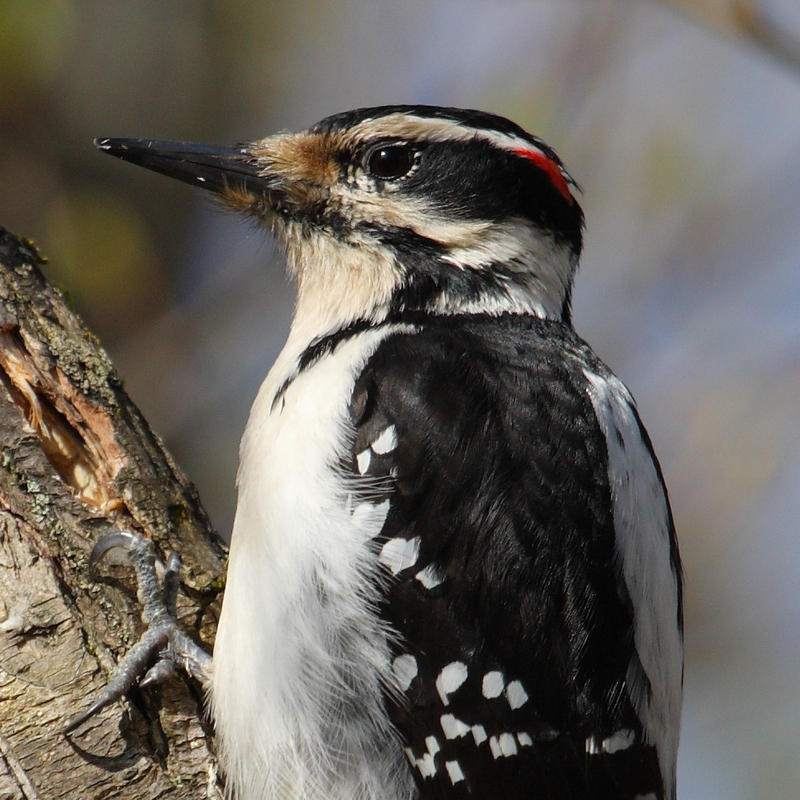
Hairy Woodpecker avatar
Hairy Woodpecker Dryobates villosus
Year-Round

Feeder: Suet blocks and whole peanuts; favors larger trees near feeders.
Guide →
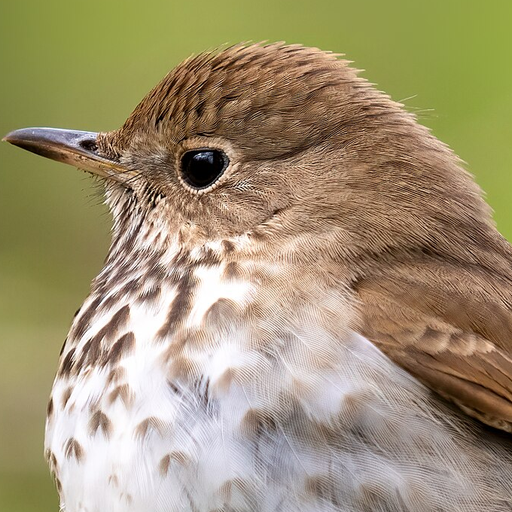
Hermit Thrush avatar
Hermit Thrush Catharus guttatus
Winter Visitor

Feeder: Berry-producing shrubs and a ground birdbath in shady yards.
Guide →
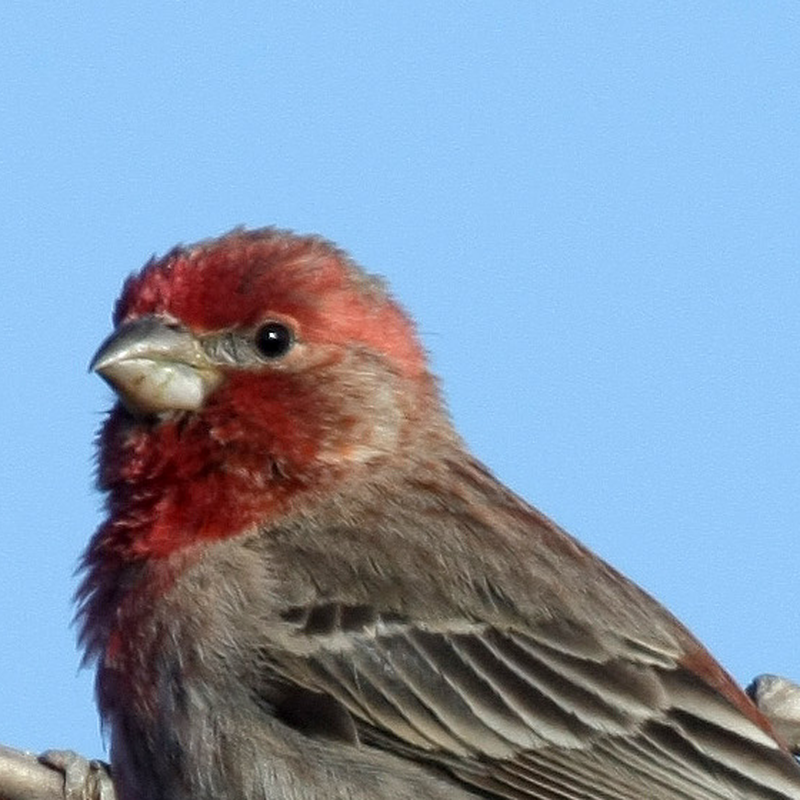
House Finch avatar
House Finch Haemorhous mexicanus
Year-Round

Feeder: Black oil sunflower at tube feeders; nests in hanging baskets.
Guide →
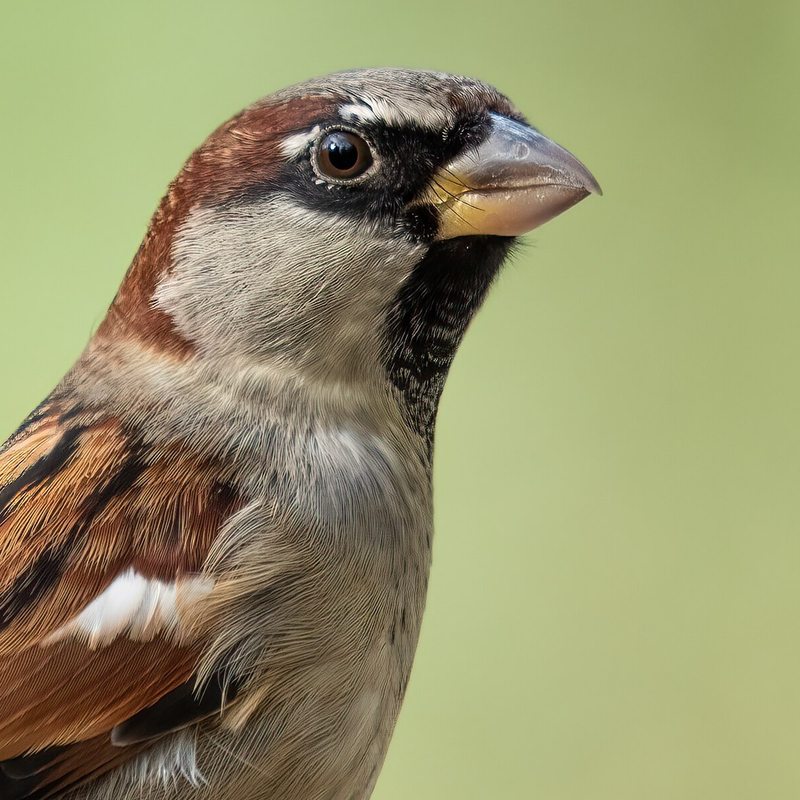
House Sparrow avatar
House Sparrow Passer domesticus
Year-Round

Feeder: Cracked corn, millet, and crumbs; nests in cavities and crevices.

Guide →
House Wren avatar
House Wren Troglodytes aedon
Summer Breeder

Feeder: Nest boxes with 1-inch holes; eats insects, not seed.
Guide →
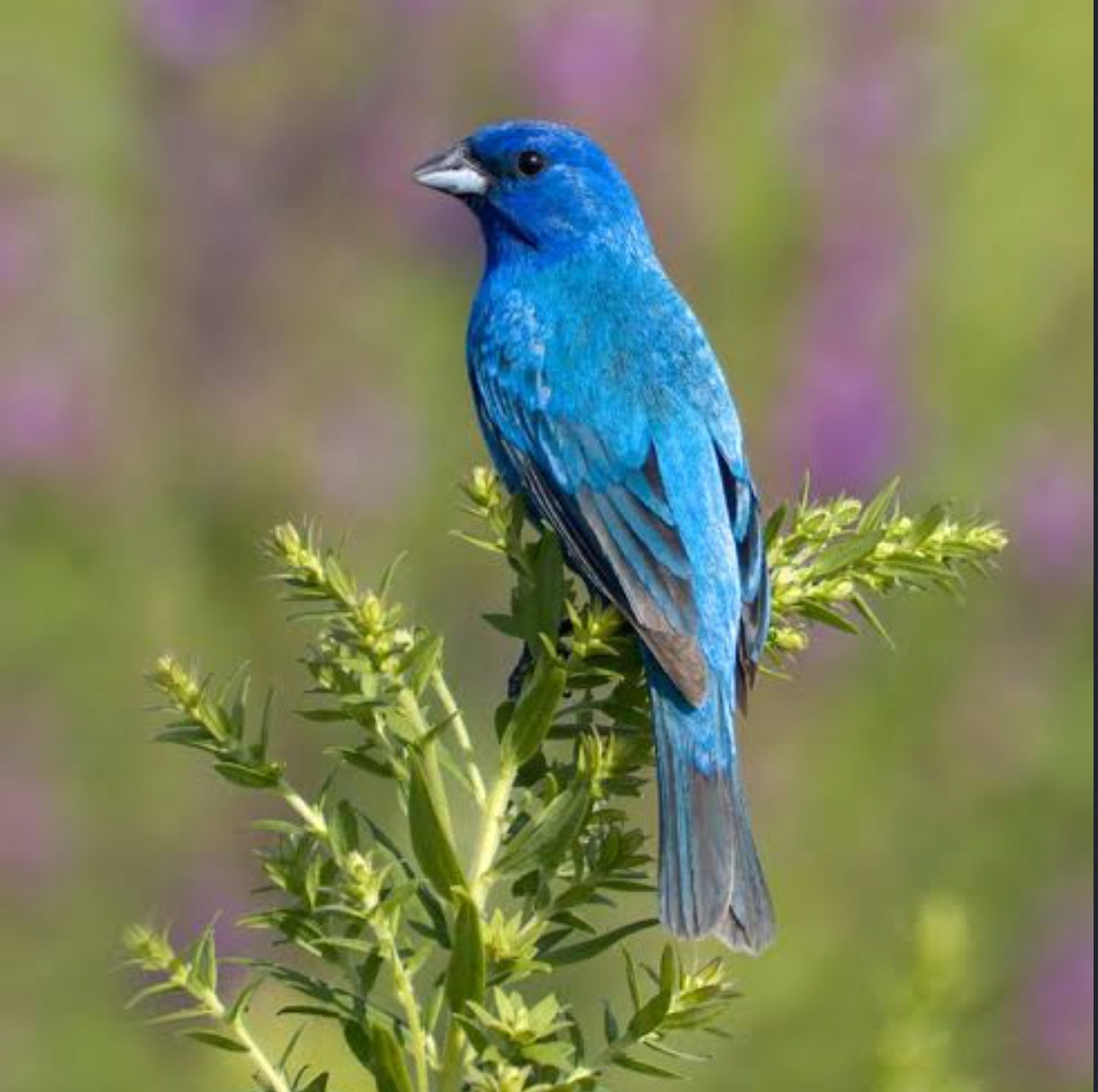
Indigo Bunting avatar
Indigo Bunting Passerina cyanea
Summer Breeder

Feeder: Nyjer, white millet, and live mealworms; likes weedy edges.
Guide →
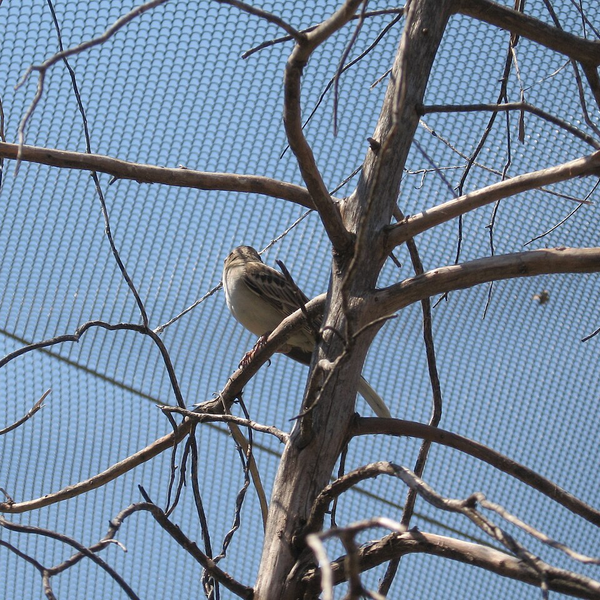
Lark Sparrow avatar
Lark Sparrow Chondestes grammacus
Summer Breeder

Feeder: Visits backyard feeders and water features.
Guide →
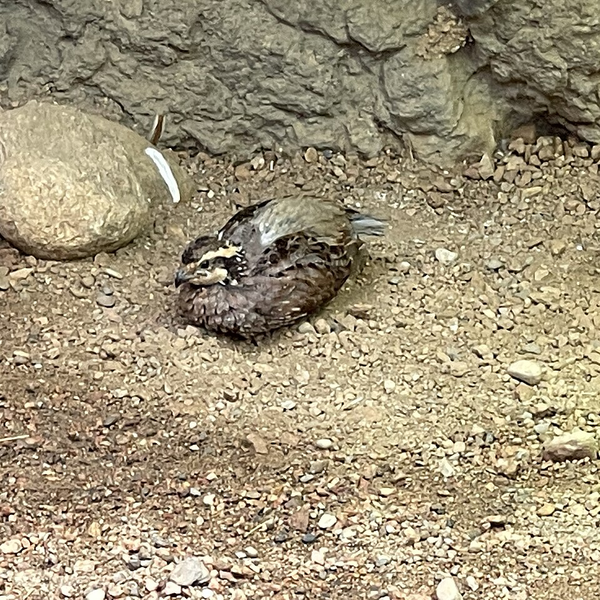
Northern Bobwhite avatar
Northern Bobwhite Colinus virginianus
Year-Round

Feeder: Visits backyard feeders and water features.
Guide →
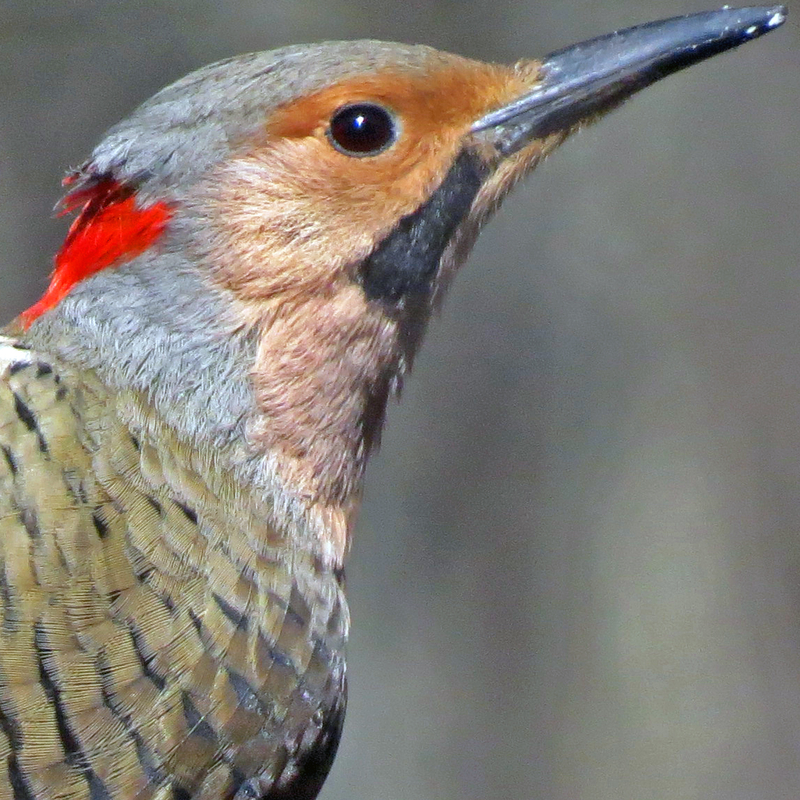
Northern Flicker avatar
Northern Flicker Colaptes auratus
Year-Round

Feeder: Suet on a sturdy cage; often feeds on the ground for ants.
Guide →
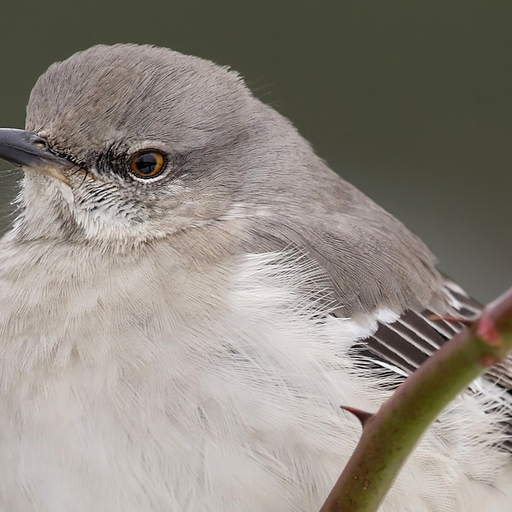
Northern Mockingbird avatar
Northern Mockingbird Mimus polyglottos
Year-Round

Feeder: Suet, fruit slices, and dense berry-producing shrubs.

Guide →
Orchard Oriole avatar
Orchard Oriole Icterus spurius
Summer Breeder

Feeder: Nectar feeders and fruit slices near riverside trees.
Guide →
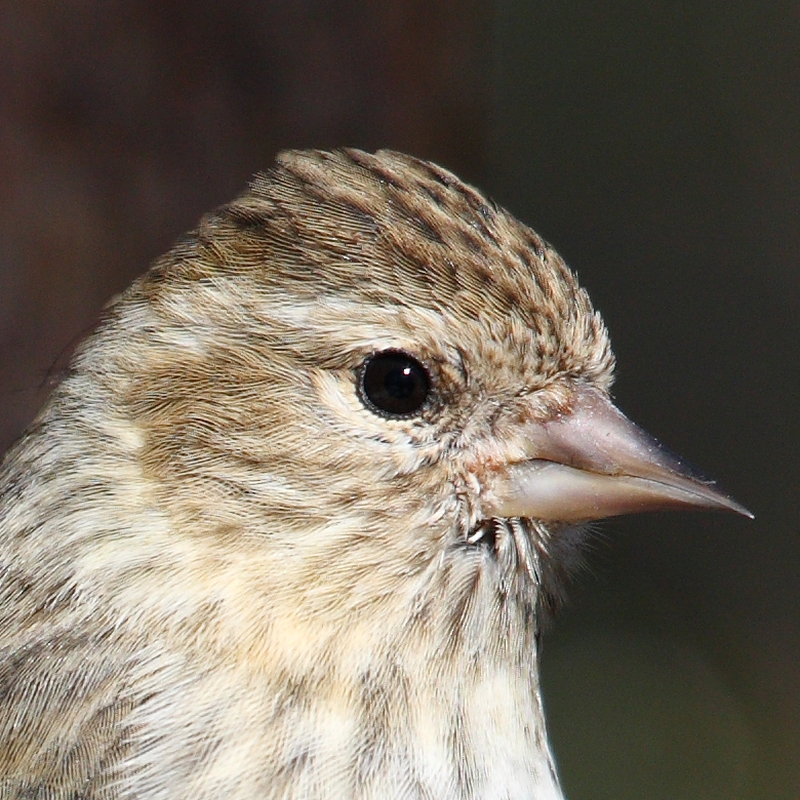
Pine Siskin avatar
Pine Siskin Spinus pinus
Winter Visitor

Feeder: Nyjer and fine sunflower chips; irrupts to feeders in dense flocks.
Guide →
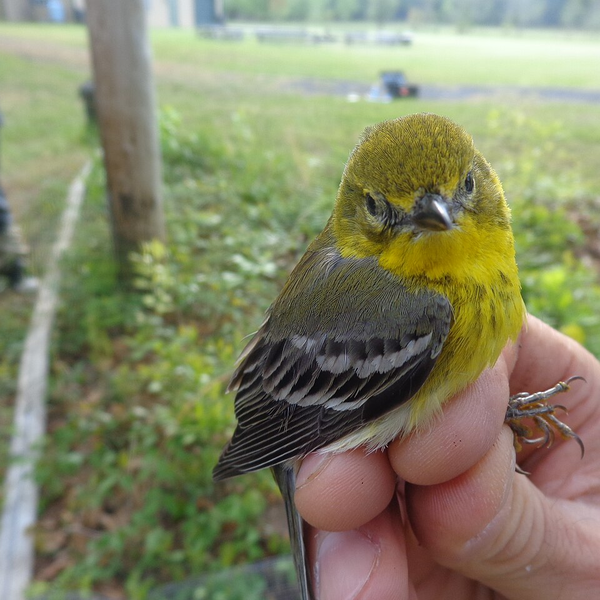
Pine Warbler avatar
Pine Warbler Setophaga pinus
Summer Breeder

Feeder: Visits backyard feeders and water features.
Guide →
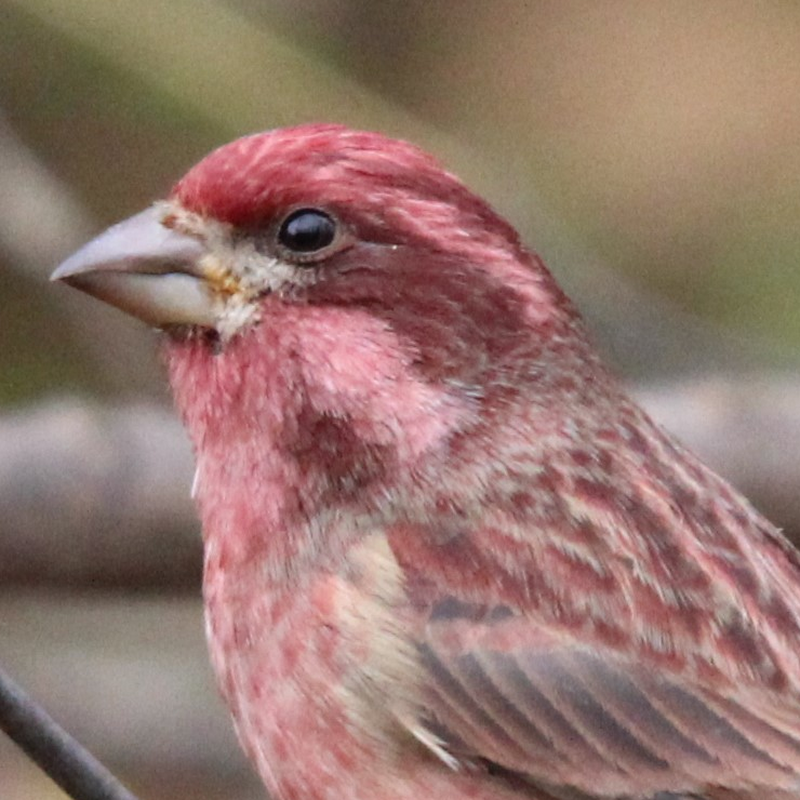
Purple Finch avatar
Purple Finch Haemorhous purpureus
Winter Visitor

Feeder: Black oil sunflower, especially at tube feeders, in winter and spring.
Guide →
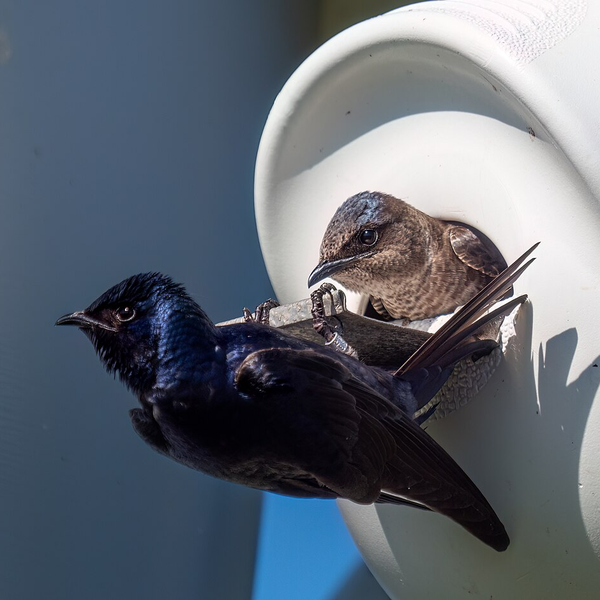
Purple Martin avatar
Purple Martin Progne subis
Summer Breeder

Feeder: Visits backyard feeders and water features.
Guide →
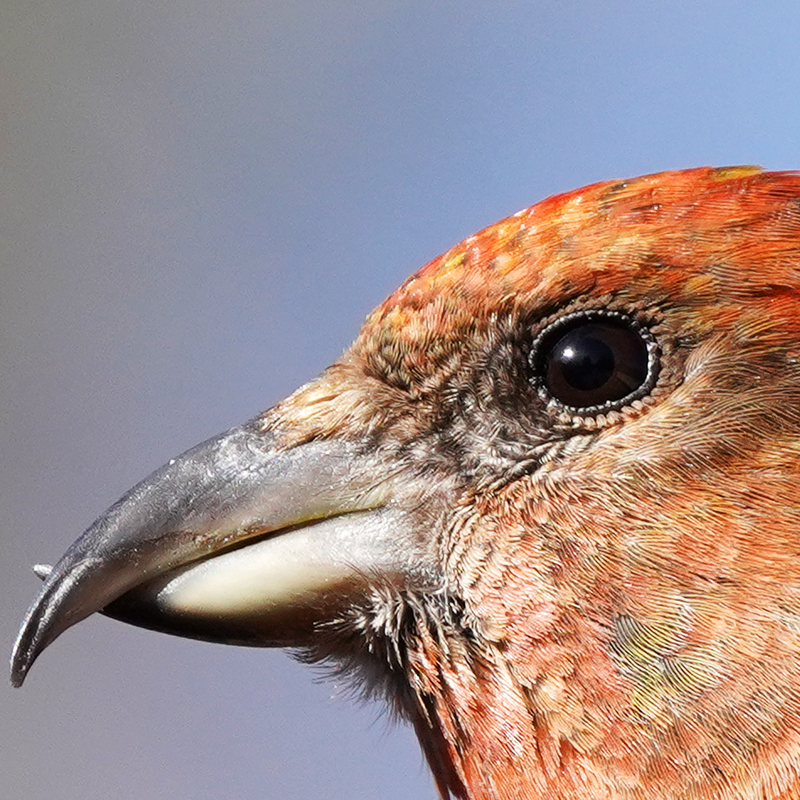
Red Crossbill avatar
Red Crossbill Loxia curvirostra
Winter Visitor

Feeder: Sunflower seeds on open platforms; visits erratically with cone crops.
Guide →
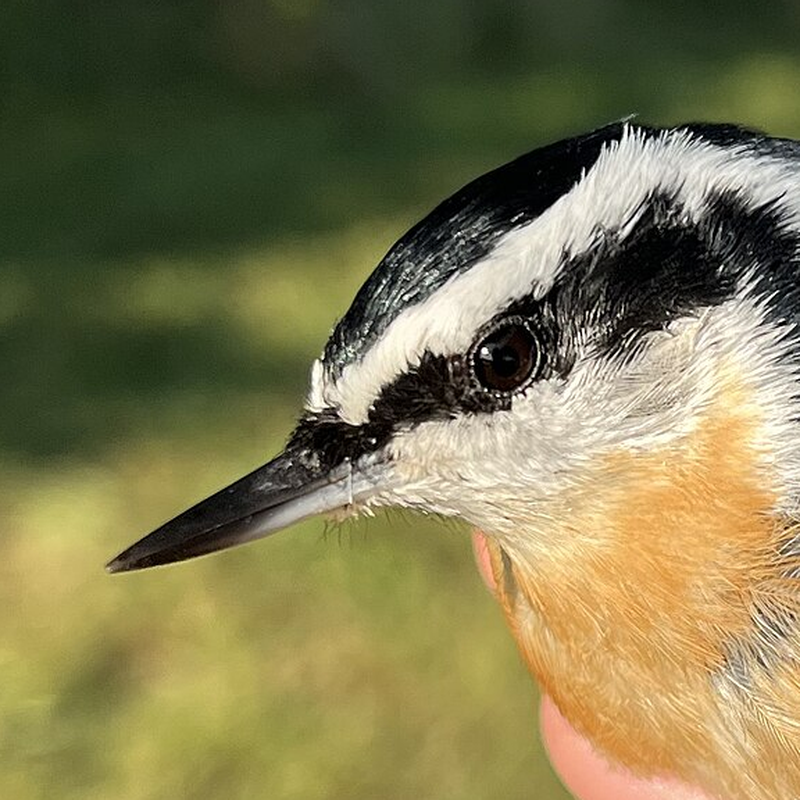
Red-breasted Nuthatch avatar
Red-breasted Nuthatch Sitta canadensis
Winter Visitor

Feeder: Suet, black oil sunflower, and peanut bits at tube feeders.
Guide →
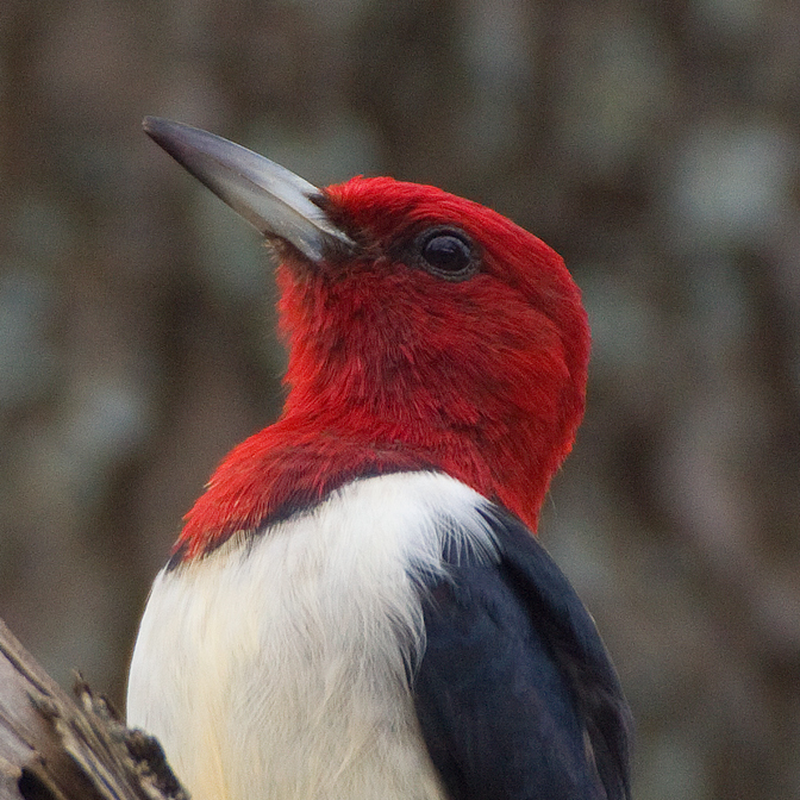
Red-headed Woodpecker avatar
Red-headed Woodpecker Melanerpes erythrocephalus
Summer Breeder

Feeder: Acorns, whole corn, and suet near open mature woodland.
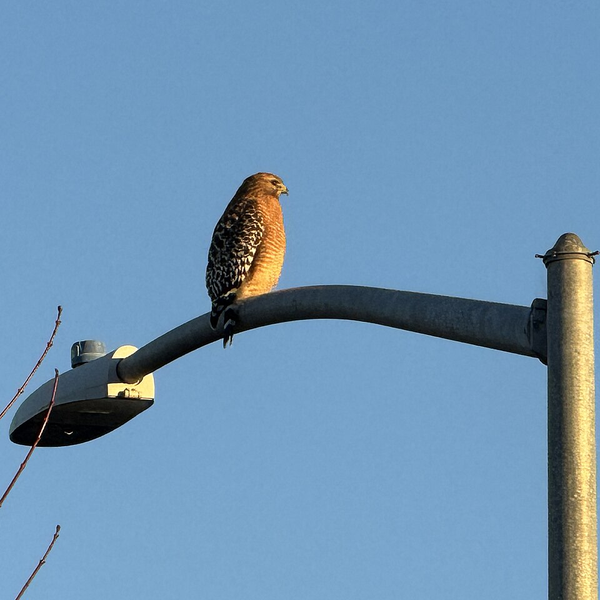
Guide →
Red-shouldered Hawk avatar
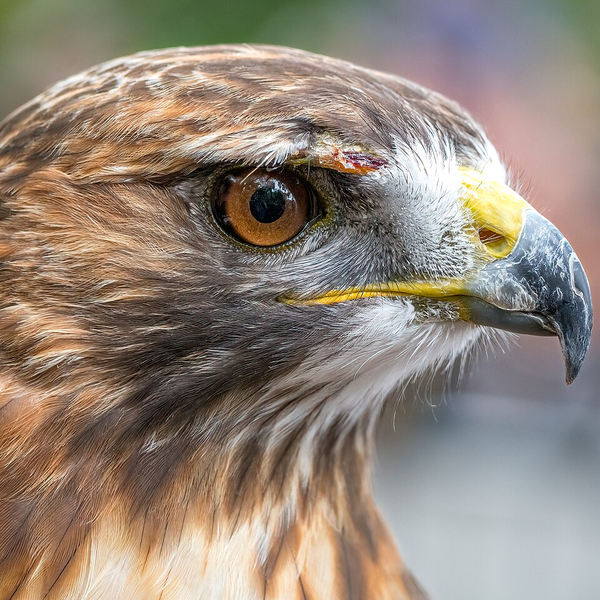
Red-shouldered Hawk Buteo lineatus
Year-Round

Feeder: Visits backyard feeders and water features.
Guide →
Red-tailed Hawk avatar
Red-tailed Hawk Buteo jamaicensis
Year-Round

Feeder: Visits backyard feeders and water features.

Guide →
Red-winged Blackbird avatar
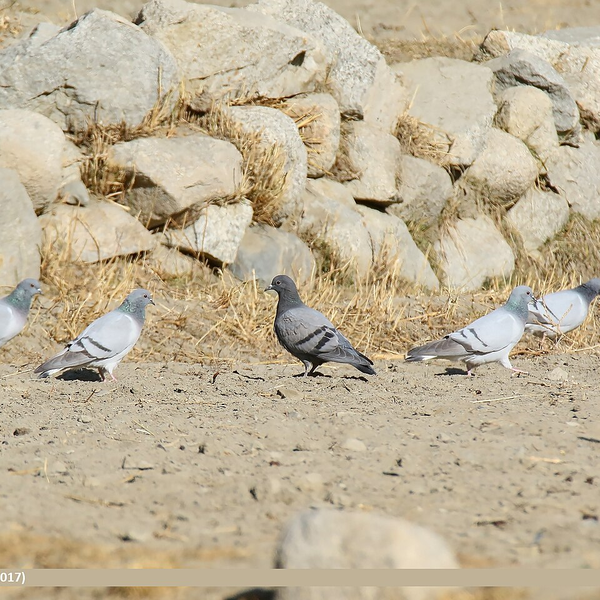
Red-winged Blackbird Agelaius phoeniceus
Year-Round

Feeder: Sunflower, millet, and corn — arrives in loud flocks.
Guide →
Rock Pigeon avatar
Rock Pigeon Columba livia
Year-Round

Feeder: Visits backyard feeders and water features.

Guide →
Rose-breasted Grosbeak avatar
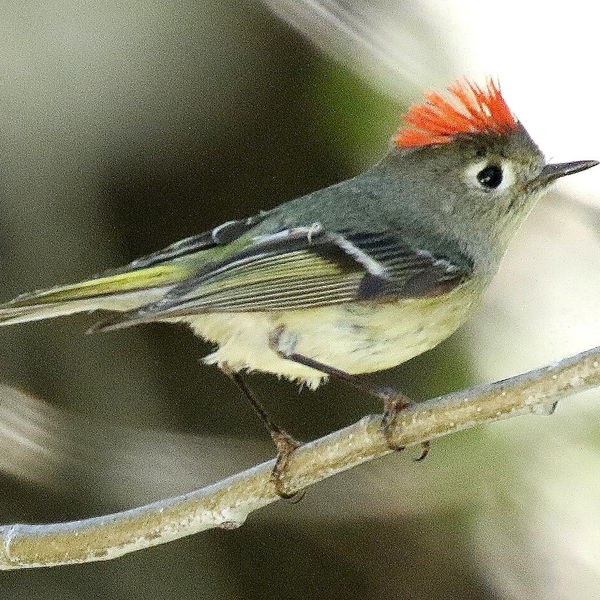
Rose-breasted Grosbeak Pheucticus ludovicianus
Summer Breeder

Feeder: Black oil sunflower on a platform; visits May through summer.
Guide →
Ruby-crowned Kinglet avatar
Ruby-crowned Kinglet Corthylio calendula
Winter Visitor

Feeder: Visits backyard feeders and water features.
Guide →
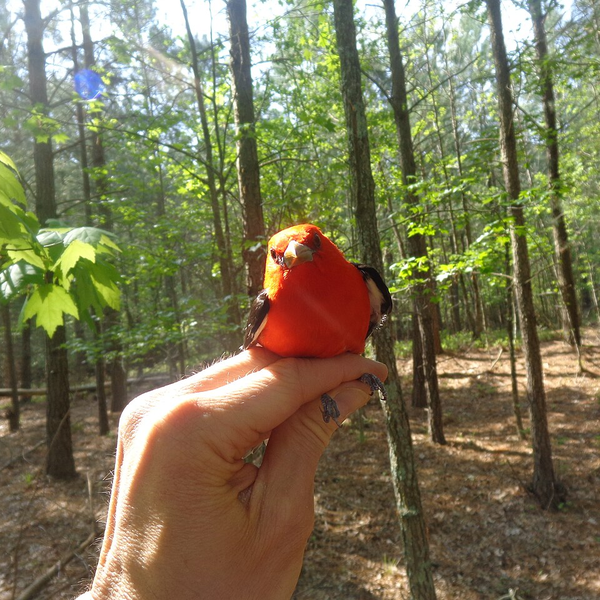
Scarlet Tanager avatar
Scarlet Tanager Piranga olivacea
Summer Breeder

Feeder: Visits backyard feeders and water features.
Guide →
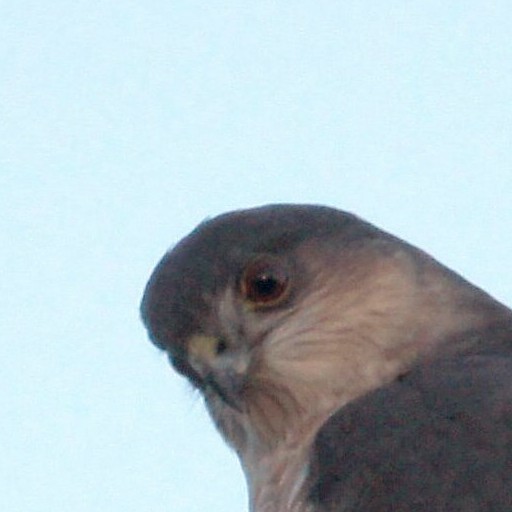
Sharp-shinned Hawk avatar
Sharp-shinned Hawk Accipiter striatus
Winter Visitor

Feeder: Hunts small feeder birds in winter; give feeders escape cover.

Guide →
Song Sparrow avatar
Song Sparrow Melospiza melodia
Year-Round

Feeder: Mixed seed and white millet near brushy edges; loves a birdbath.
Guide →
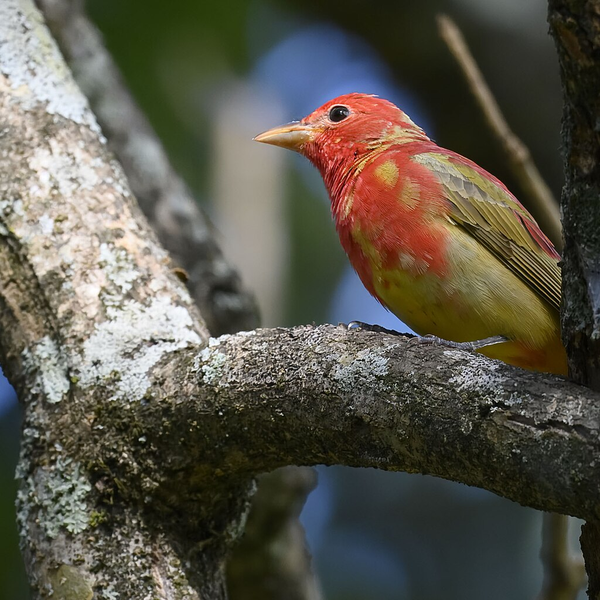
Summer Tanager avatar
Summer Tanager Piranga rubra
Summer Breeder

Feeder: Visits backyard feeders and water features.
Guide →
Tree Swallow avatar
Tree Swallow Tachycineta bicolor
Summer Breeder

Feeder: Visits backyard feeders and water features.
Guide →
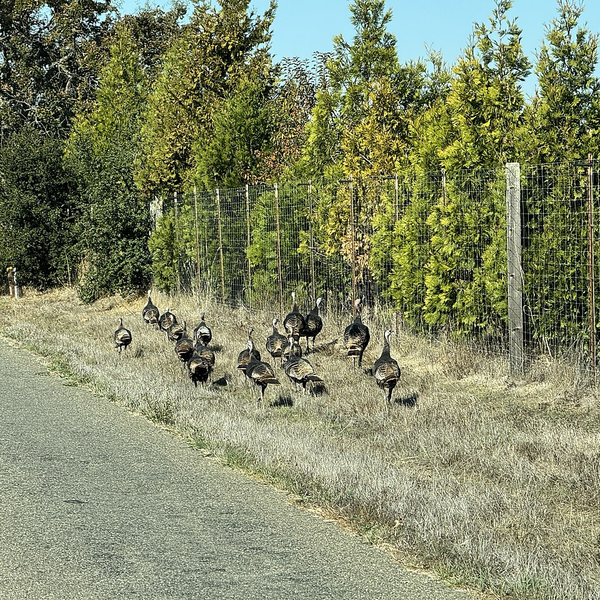
Wild Turkey avatar
Wild Turkey Meleagris gallopavo
Year-Round

Feeder: Visits backyard feeders and water features.
Guide →
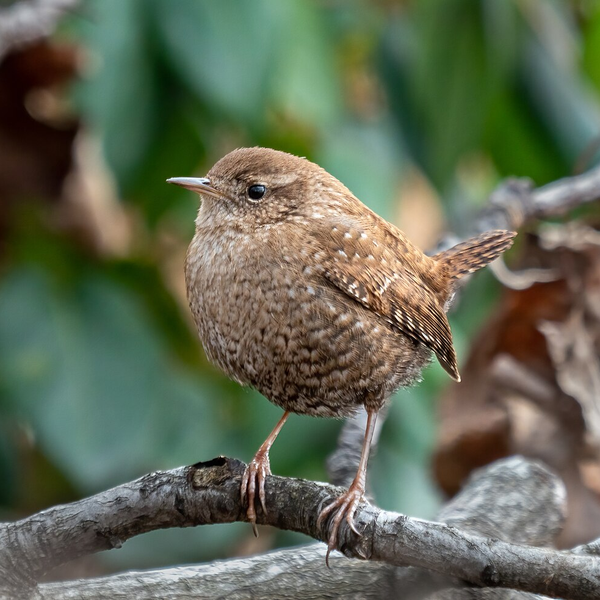
Winter Wren avatar
Winter Wren Troglodytes hiemalis
Winter Visitor

Feeder: Visits backyard feeders and water features.
Guide →
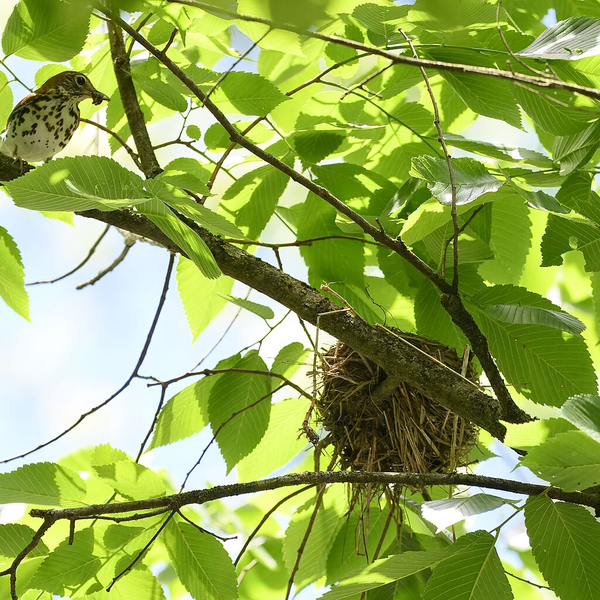
Wood Thrush avatar
Wood Thrush Hylocichla mustelina
Summer Breeder

Feeder: Visits backyard feeders and water features.
Guide →
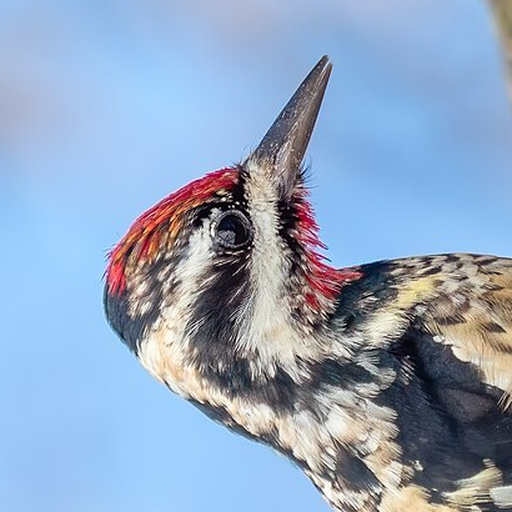
Yellow-bellied Sapsucker avatar
Yellow-bellied Sapsucker Sphyrapicus varius
Winter Visitor

Feeder: Suet and sap wells; drills rows of holes in tree bark.

Guide →
Yellow-rumped Warbler avatar
Yellow-rumped Warbler Setophaga coronata
Winter Visitor

Feeder: Suet cakes, berries, and peanut butter smeared on bark.

Guide →

The Maryland Seasonal Feeder Calendar

🌱 Spring

March – May

Bluebirds and chickadees inspect nest boxes in March; hummingbirds arrive in mid-April. Orioles hit Maryland in late April — have orange halves and grape jelly ready. In the western mountains, bears are out of dens: bring feeders in at night where bears are seen.

☀️ Summer

June – August

Keep nectar fresh (change every 2–3 days in Chesapeake humidity) and the birdbath clean. Oriole families mob jelly dishes through July; goldfinches nest late on the August thistle crop. Mold grows fast in Maryland summers — smaller seed portions, more often.

🍂 Autumn

September – November

The Atlantic flyway funnels down the Bay. Juncos and white-throated sparrows return in October; hummingbirds and orioles leave by early October. Stock seed ahead of the first frost; watch berry trees for Cedar Waxwing flocks in November.

❄️ Winter

December – February

Prime feeding season. Black oil sunflower, suet, and white millet serve the resident corps plus junco and white-throated sparrow flocks. Yellow-rumped Warblers take suet near the Bay; a heated birdbath is the biggest draw in a frozen Piedmont yard.

Frequently Asked Questions: Backyard Birding in Maryland

What is the state bird of Maryland? +
The Baltimore Oriole (Icterus galbula), designated in 1947 — its black-and-orange plumage matches the Calvert family crest that colors Maryland’s flag. Males are flame-orange below with a black head and back; females are softer yellow-orange. Orioles arrive in Maryland in late April, weave hanging pouch nests in tall shade trees, and visit feeders offering halved oranges, grape jelly, or nectar. They depart by early September for Central America.
Can I feed birds year-round in Maryland? +
Mostly yes. Maryland’s black bears are concentrated in the four western counties — Garrett, Allegany, Washington, and Frederick — where wildlife officials recommend bringing feeders in at night from April through November. The rest of the state can feed year-round with good hygiene: scrub feeders monthly with a 10% bleach solution and rake up spilled seed. If you see finches with crusty, swollen eyes, take feeders down for two weeks and disinfect.
What birds come to Maryland feeders in winter? +
The resident corps: Northern Cardinals, Carolina Chickadees, Carolina Wrens, Tufted Titmice, Downy, Red-bellied, and (in mature woods) Pileated Woodpeckers, White-breasted Nuthatches, Blue Jays, Mourning Doves, House Finches, and American Goldfinches in drab winter plumage. Winter visitors add Dark-eyed Juncos, White-throated Sparrows, and Yellow-bellied Sapsuckers; Bay-side yards may host Yellow-rumped Warblers at suet.
Do hummingbirds live in Maryland? +
Yes — one species breeds here. The Ruby-throated Hummingbird arrives in mid-April, nests statewide, and departs by early October. Feed a 1:4 solution of white sugar and water (never honey or red dye), changing it every two to three days in hot weather, and plant bee balm, cardinal flower, and trumpet vine. Leave one feeder up into November — Maryland records a few wintering Rufous Hummingbirds most years.
How do I attract Baltimore Orioles to my Maryland yard? +
Timing is everything: put feeders out the last week of April, before the orioles arrive. Offer halved oranges impaled on spikes and grape jelly in a shallow dish or an oriole-specific feeder — orange-colored ports help. Nectar feeders with larger ports also work. Keep everything fresh (jelly spoils fast in heat), place feeders in open sight near tall trees, and once a pair finds you, they usually return every spring for years.
Key Takeaways
  • The State Bird: The Baltimore Oriole — Maryland’s state bird since 1947, colors of the Calvert crest — arrives late April and answers to oranges and grape jelly.
  • Bear Country: Garrett, Allegany, and Washington counties hold black bears — bring feeders in at night April through November in the mountains.
  • Winter Flocks: Juncos and White-throated Sparrows arrive every October; Yellow-rumped Warblers and Yellow-bellied Sapsuckers work suet and bayberries all winter.
  • Summer Jewels: Baltimore Orioles and Ruby-throated Hummingbirds (both gone by early October) need nectar, oranges, and jelly — no seed required.
  • The Map: The pinned map at the top of this page shows where each of the 16 featured birds is most characteristic; every pin jumps to a profile with photos, a playable call, and a full guide link.
  • Best Single Upgrade: An oriole feeder stocked with grape jelly in late April — the state bird, in your yard, every spring.

Maryland Backyard Bird Watching Checklist

Large-print checklist format designed for American seniors. Print or download as a 1-page PDF, then tick off each species as you see it.

Baltimore Oriole Avatar

Maryland Birding Checklist

Region: Maryland — 79 Backyard Species

DATE: LOCATION:
TIME: OBSERVERS:
SPECIES CHECKLIST — TICK & COUNT
Baltimore Oriole Icterus galbula
Northern Cardinal Cardinalis
Carolina Chickadee Poecile carolinensis
Carolina Wren Thryothorus ludovicianus
Tufted Titmouse Baeolophus bicolor
Blue Jay Cyanocitta cristata
Mourning Dove Zenaida macroura
Downy Woodpecker Dryobates pubescens
Red-bellied Woodpecker Melanerpes carolinus
Pileated Woodpecker Dryocopus pileatus
White-breasted Nuthatch Sitta carolinensis
Eastern Bluebird Sialia sialis
American Robin Turdus migratorius
Dark-eyed Junco Junco hyemalis
White-throated Sparrow Zonotrichia albicollis
Ruby-throated Hummingbird Archilochus colubris
American Crow Corvus brachyrhynchos
American Goldfinch Spinus tristis
American Kestrel Falco sparverius
Barn Owl Tyto alba
Barn Swallow Hirundo rustica
Barred Owl Strix varia
Blue Grosbeak Passerina caerulea
Boat-tailed Grackle Quiscalus major
Brown Creeper Certhia americana
Brown Thrasher Toxostoma rufum
Brown-headed Cowbird Molothrus ater
Brown-headed Nuthatch Sitta pusilla
Cedar Waxwing Bombycilla cedrorum
Chimney Swift Chaetura pelagica
Chipping Sparrow Spizella passerina
Common Grackle Quiscalus quiscula
Cooper’s Hawk Accipiter cooperii
Eastern Meadowlark Sturnella magna
Eastern Phoebe Sayornis phoebe
Eastern Screech-Owl Megascops asio
Eastern Towhee Pipilo erythrophthalmus
Eurasian Collared-Dove Streptopelia decaocto
European Starling Sturnus vulgaris
Fish Crow Corvus ossifragus
Fox Sparrow Passerella iliaca
Golden-crowned Kinglet Regulus satrapa
Gray Catbird Dumetella carolinensis
Great Crested Flycatcher Myiarchus crinitus
Great Horned Owl Bubo virginianus
Hairy Woodpecker Dryobates villosus
Hermit Thrush Catharus guttatus
House Finch Haemorhous mexicanus
House Sparrow Passer domesticus
House Wren Troglodytes aedon
Indigo Bunting Passerina cyanea
Lark Sparrow Chondestes grammacus
Northern Bobwhite Colinus virginianus
Northern Flicker Colaptes auratus
Northern Mockingbird Mimus polyglottos
Orchard Oriole Icterus spurius
Pine Siskin Spinus pinus
Pine Warbler Setophaga pinus
Purple Finch Haemorhous purpureus
Purple Martin Progne subis
Red Crossbill Loxia curvirostra
Red-breasted Nuthatch Sitta canadensis
Red-headed Woodpecker Melanerpes erythrocephalus
Red-shouldered Hawk Buteo lineatus
Red-tailed Hawk Buteo jamaicensis
Red-winged Blackbird Agelaius phoeniceus
Rock Pigeon Columba livia
Rose-breasted Grosbeak Pheucticus ludovicianus
Ruby-crowned Kinglet Corthylio calendula
Scarlet Tanager Piranga olivacea
Sharp-shinned Hawk Accipiter striatus
Song Sparrow Melospiza melodia
Summer Tanager Piranga rubra
Tree Swallow Tachycineta bicolor
Wild Turkey Meleagris gallopavo
Winter Wren Troglodytes hiemalis
Wood Thrush Hylocichla mustelina
Yellow-bellied Sapsucker Sphyrapicus varius
Yellow-rumped Warbler Setophaga coronata
FIELD NOTES — WEATHER, SEASON & SIGHTINGS
Weather, season, and notable conditions
✏️
Unexpected visitors, flock counts, first arrival dates