
Backyard Birds of California
California spans foggy redwood coast, Central Valley, Sierra granite, and Mojave desert — a Golden State feeding station works twelve months a year. Sixteen portraits are pinned on the map below, right where each species is most characteristic. Hover any portrait to see its name, tap to jump to its profile, then open its photo gallery and play its call.
Jump to a Species
The state bird — the California Quail — leads the list, followed by feeder regulars, winter flocks, and the hummingbird that never leaves. Every entry links to a full species guide.
Backyard Birds in California: A Year-Round Seasonal Identification Guide
Quick Answer: Birding a California Backyard
California’s size means every yard is different, but backyard birding works 12 months a year statewide. Anchor birds are year-round residents led by the California Quail (the state bird since 1931), Anna’s Hummingbird, Chestnut-backed Chickadee, Oak Titmouse, Bushtit, California Scrub-Jay, Steller’s Jay, Northern Flicker, California and Spotted Towhees, House Finch, Lesser Goldfinch, Mourning Dove, and Downy Woodpecker. Winter adds White-crowned and Golden-crowned Sparrows. California’s dry summers make water the best feeder — a dripping birdbath outdraws seed from May to October. In Sierra foothill bear country, bring feeders in at night April through November.
Meet the 124 Backyard Birds of California
The state bird leads the list, followed by year-round regulars, winter visitors, and summer breeders. Every card opens a photo gallery, plays a real field recording, and links to the full species guide. Use the seasonal filter bar above to narrow the list.
 📍 Sacramento
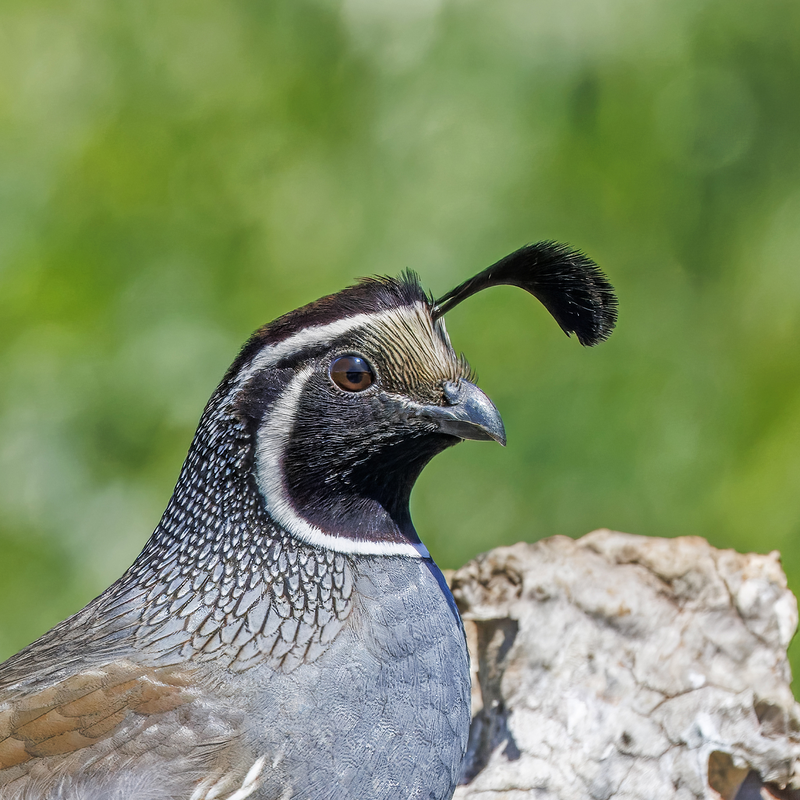
California Quail
Callipepla californicaA plump 9.4–10.6-inch quail with a forward-curling black head plume, scaled belly, and (on males) a bold black face. California Quail — the Golden State’s state bird — scurry through California yards in coveys, bursting into cover at a cat’s shadow and calling chi-CA-go from fence posts.
 📍 Los Angeles
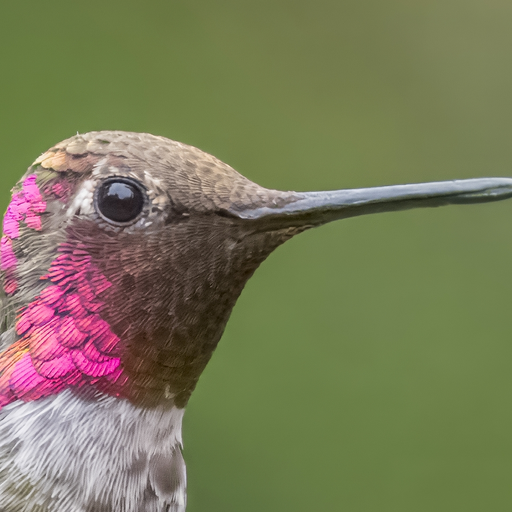
Anna’s Hummingbird
Calypte annaThe West’s year-round hummingbird (3.9–4.3 inches): males wear an iridescent rose-pink hood that blazes in sunlight; females are green with spotted throats. Anna’s Hummingbirds don’t migrate — they live in California yards all year, even through frosts, and sing a scratchy, buzzy song from exposed perches, unusual among hummingbirds.
 📍 San Francisco
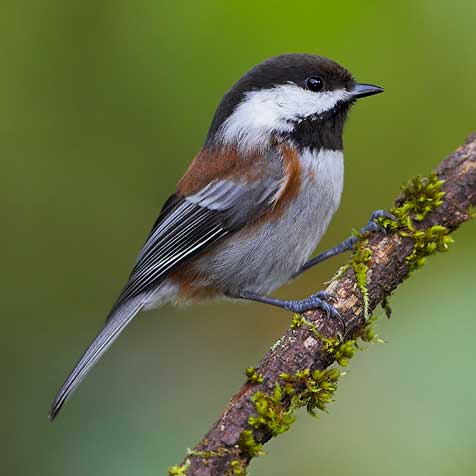
Chestnut-backed Chickadee
Poecile rufescensThe Pacific coast chickadee (3.9–4.7 inches): rich chestnut back and flanks, black bib, and white cheeks — a little jewel of the fog belt. Chestnut-backs live year-round in California’s conifer and mixed woods, visit suet and seed feeders, and travel with winter flocks of kinglets and nuthatches.
 📍 Fresno
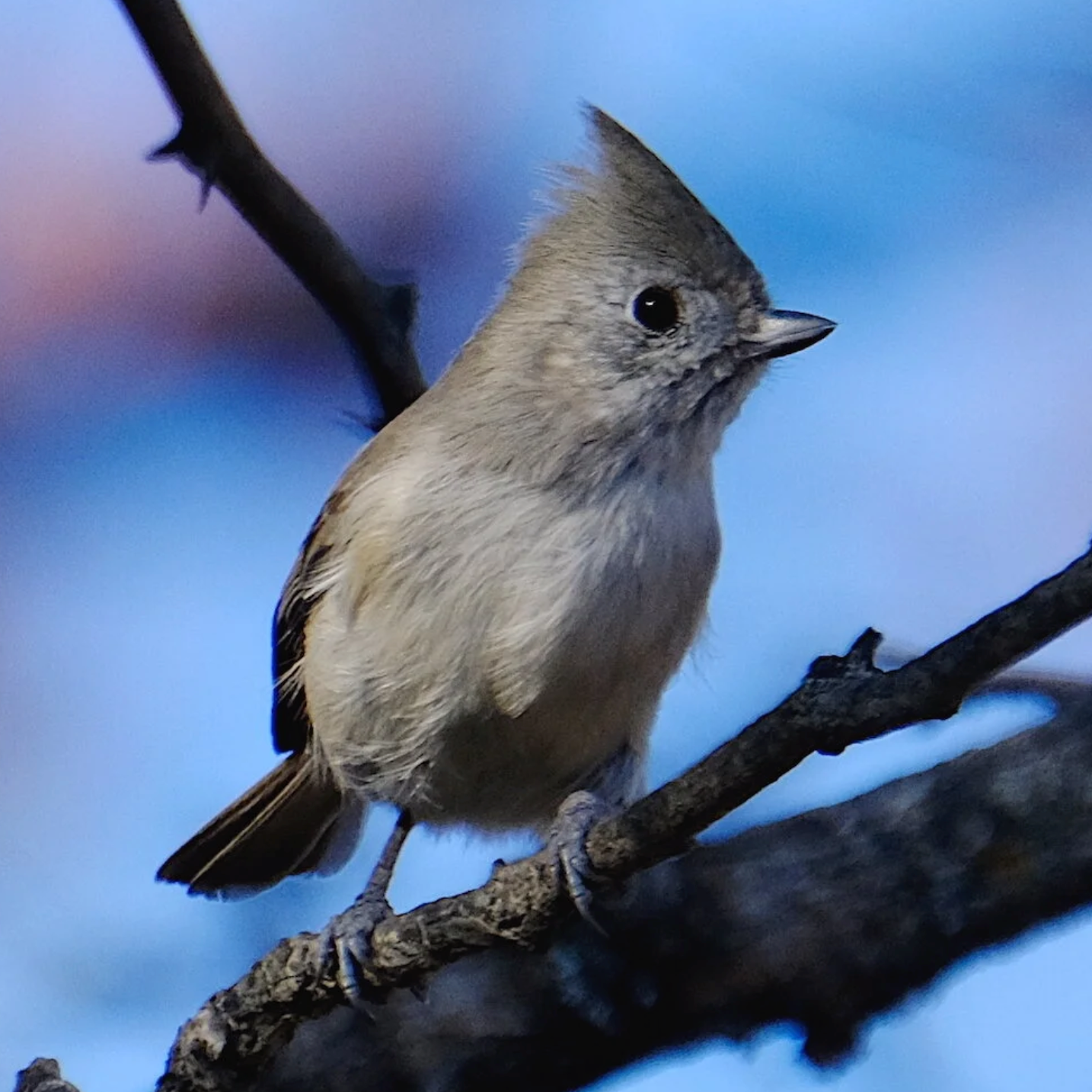
Oak Titmouse
Baeolophus inornatusA small 5.1–5.9-inch plain gray bird with a tiny crest — the spirit of the California oak woodlands. Oak Titmice live year-round in California’s oak belts, hammering acorns and seeds, scolding from branches, and nesting in tree cavities. Plain plumage, oversized personality.
 📍 San Jose
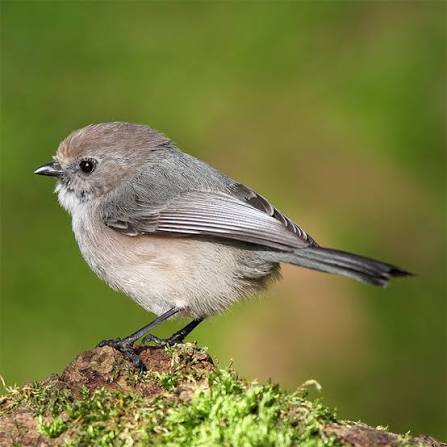
Bushtit
Psaltriparus minimusA tiny 3.7–4.3-inch gray puffball with a long tail — plain, busy, and never alone. Bushtits roam California in twittering flocks of 10 to 40, hanging upside down on twigs and suet cages. One minute your feeder is empty; the next it’s wearing a dozen Bushtits; then they’re gone.
 📍 Oakland
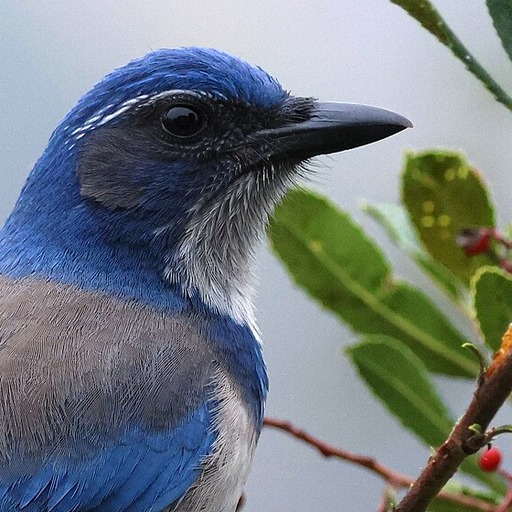
California Scrub-Jay
Aphelocoma californicaA bold 11–11.8-inch jay: azure blue above, gray-white below, with a white throat and no crest. Scrub-jays are the personalities of California suburbs — they cache thousands of acorns each fall (and remember most of them), scold cats, and land on your shoulder for peanuts if you let them.
 📍 Redding
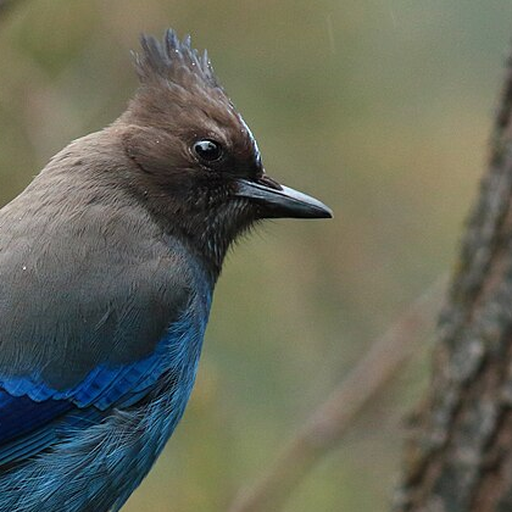
Steller’s Jay
Cyanocitta stelleriA gorgeous 11.5–12.6-inch jay: black crest and head melting into deep blue body — the crested jay of the West. Steller’s Jays dominate California mountain and coastal yards, caching peanuts, imitating hawks to clear feeders, and announcing everything with a rattling shack-shack-shack.
 📍 Bakersfield
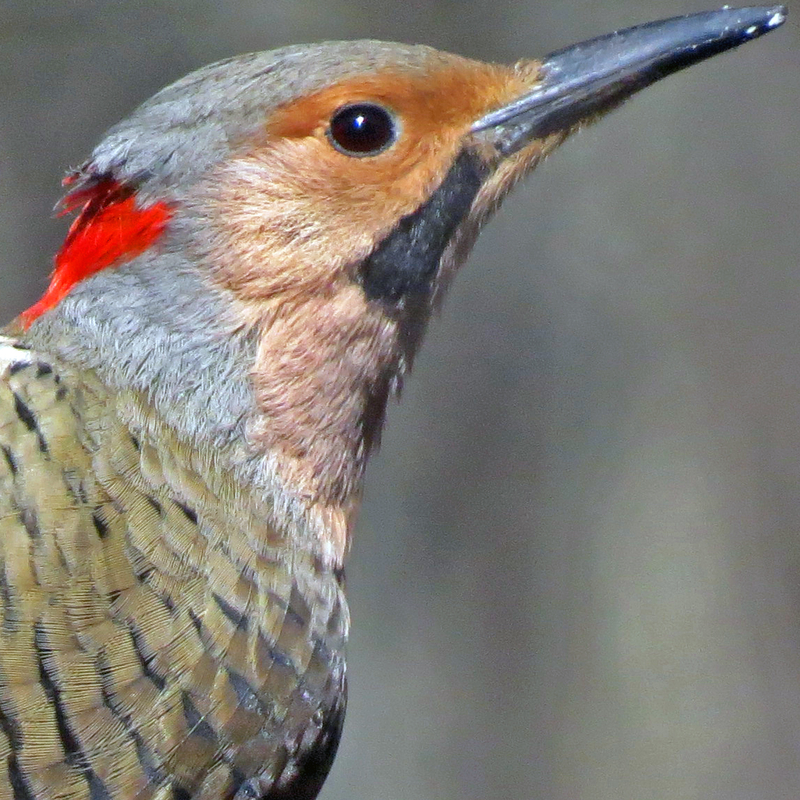
Northern Flicker
Colaptes auratusA big 11–12-inch woodpecker in brown-barred plumage with a black bib and spotted belly; eastern birds flash golden wing linings and a red nape crescent. Flickers spend much of their time on the ground lapping up ants, and drum on California gutters at dawn in spring — loud, but it’s a love song.
Recording via Wikimedia Commons / xeno-canto
Read Full Guide → 📍 Santa Barbara
California Towhee
Melozone crissalisA big 8.3–9.8-inch sparrow, plain warm brown with a rusty undertail and face shading — the unglamorous workhorse of California yards. California Towhees scratch in leaf litter with double-footed hops under California shrubs, mate for life, and defend territories with sharp metallic chink calls.
 📍 Santa Rosa
Spotted Towhee
Pipilo maculatusA striking 6.7–8.3-inch sparrow: black hood, white-spotted back, rusty flanks, and red eyes — the western counterpart of the Eastern Towhee. Spotted Towhees double-scratch in California leaf litter, singing a buzzy tow-hee from shrubs and visiting ground feeders near cover.
 📍 Monterey
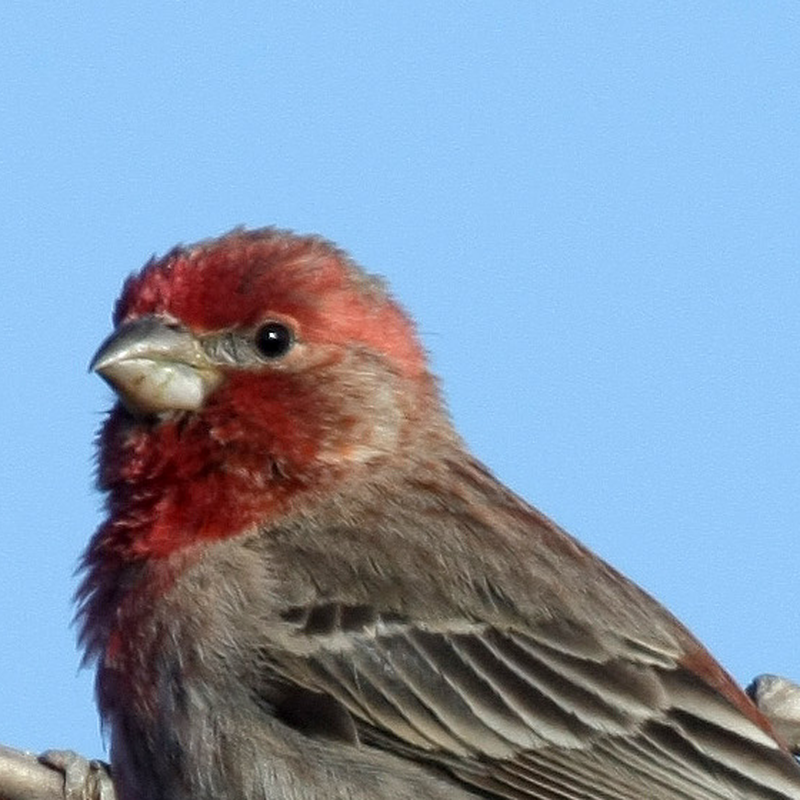
House Finch
Haemorhous mexicanusA 5.1–5.5-inch finch: males washed strawberry-red on head, breast, and rump; females plainly streaked. House Finches spread across the East in the 1990s and now crowd California tube feeders year-round, warbling long songs that end in an up-slurred veer.
 📍 Palm Springs
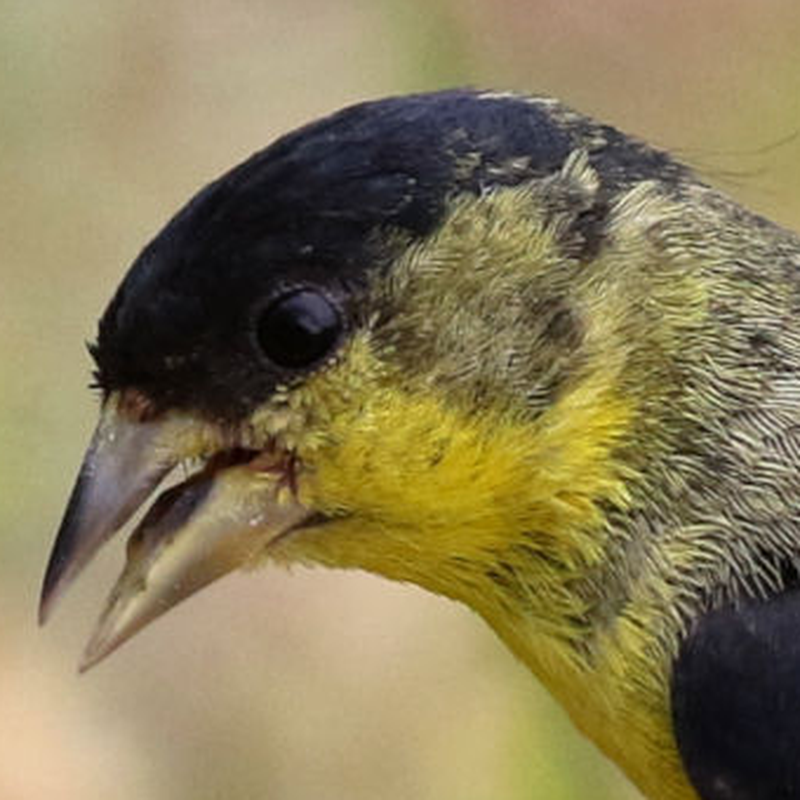
Lesser Goldfinch
Spinus psaltriaA tiny 4.5-inch finch: males are bright yellow below with a black cap and black (western) or green (eastern) back; females are olive-yellow. Lesser Goldfinches ride California flower stalks like acrobats and mob Nyjer feeders in cheerful flocks, chattering sweeet calls as they feed.
 📍 Chico
White-crowned Sparrow
Zonotrichia leucophrysA crisp 5.9–6.3-inch sparrow: gray face and body with a bold black-and-white bicycle-helmet crown. White-crowned Sparrows winter across California yards and fields, hopping in mixed flocks under feeders, and singing a clear, whistled song that changes dialect from valley to valley.
 📍 Eureka
Golden-crowned Sparrow
Zonotrichia atricapillaA big 7.2–8.3-inch sparrow, gray-brown with a gold forehead patch bordered in black (brightest in spring). Golden-crowned Sparrows winter along the Pacific slope, scratching under California shrubs with White-crowned flocks and singing a plaintive, descending oh-dear-me.
 📍 San Luis Obispo
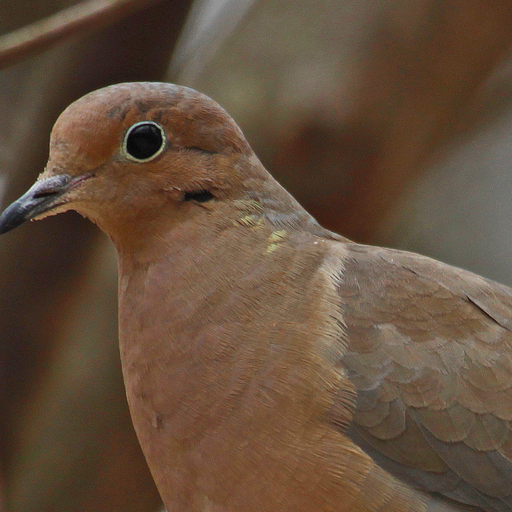
Mourning Dove
Zenaida macrouraA plump, gentle 9.1–13.4-inch dove in soft gray-brown with a long pointed tail edged in white. Named for its mournful cooing, it whistles sharply on takeoff. Mourning Doves feed beneath California feeders in every season and nest astonishingly early — sometimes with snow still on the ground.
 📍 San Diego
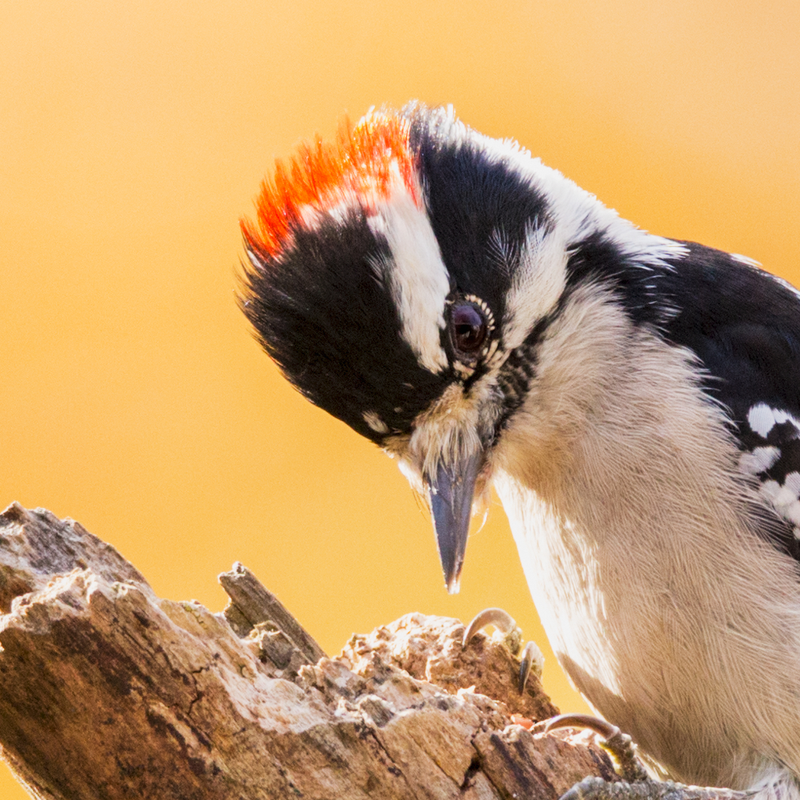
Downy Woodpecker
Dryobates pubescensNorth America’s smallest woodpecker (5.5–6.7 inches) is a California backyard regular in every season. Black-and-white checkered wings, a clean white stripe down the back, and a tiny stubby bill separate it from the larger Hairy Woodpecker; males wear a small red patch on the nape.
Recording via Wikimedia Commons / xeno-canto
Read Full Guide →More Backyard Birds in California +108 species
Every other species from our backyard bird library that regularly occurs in California — each with its own photo gallery, playable call, and full species guide. Browse 16 per page using the dots below.
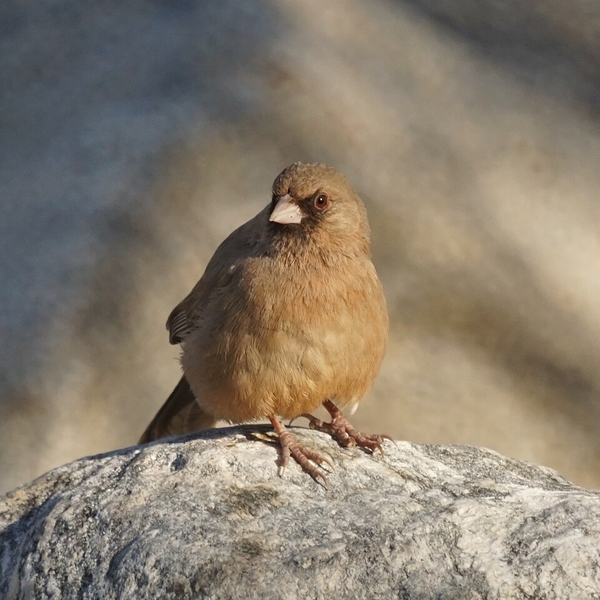
Feeder: Visits backyard feeders and water features.
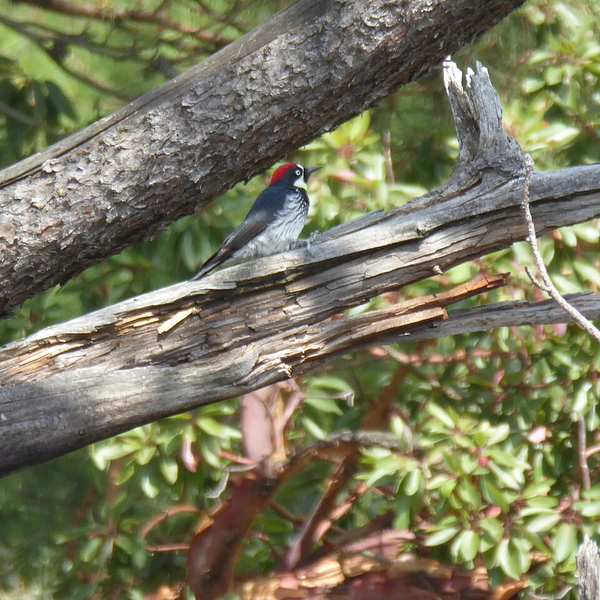
Feeder: Visits backyard feeders and water features.
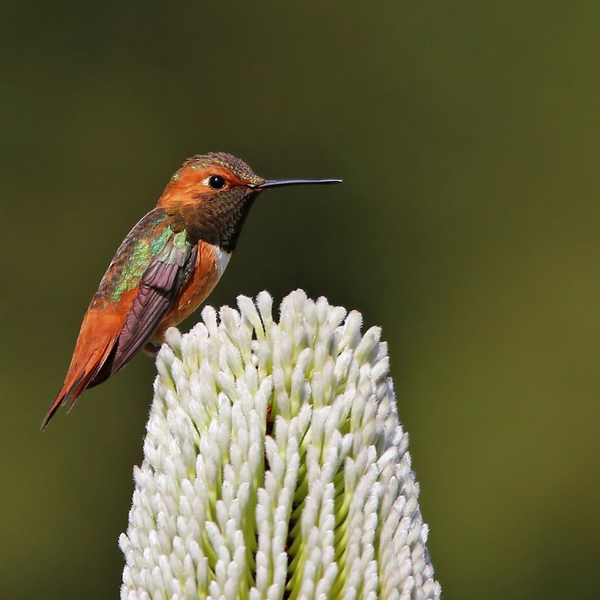
Feeder: Visits backyard feeders and water features.
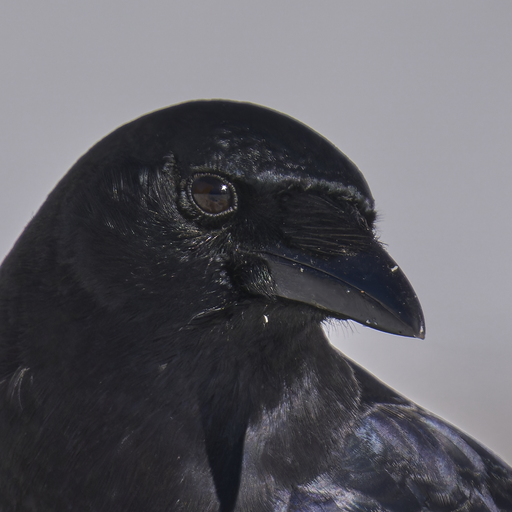
Feeder: Whole corn, peanuts, and a shallow water pan on open ground.
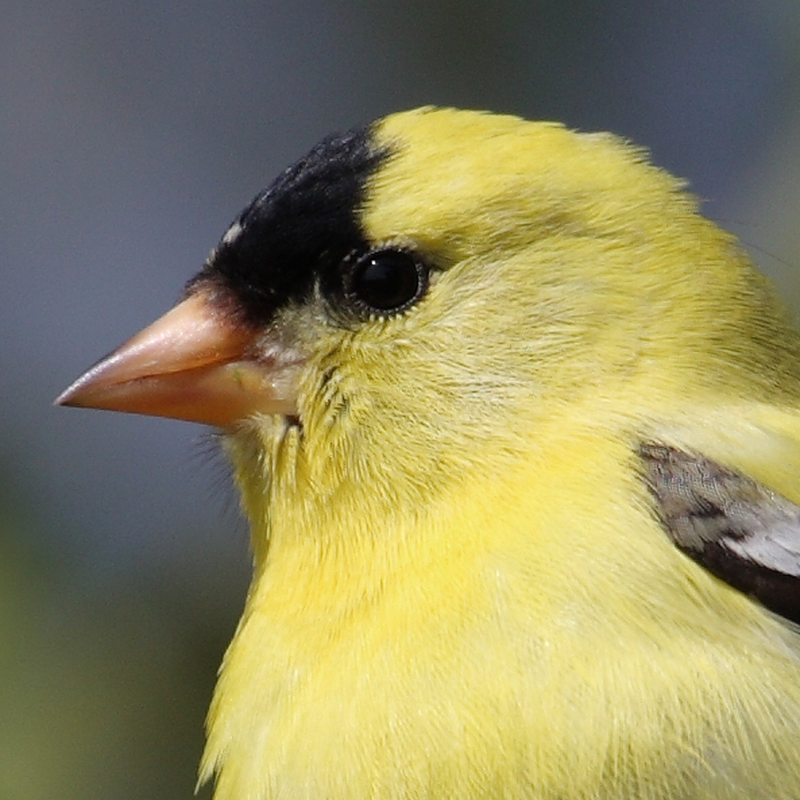
Feeder: Nyjer (thistle) socks and fine sunflower chips year-round.
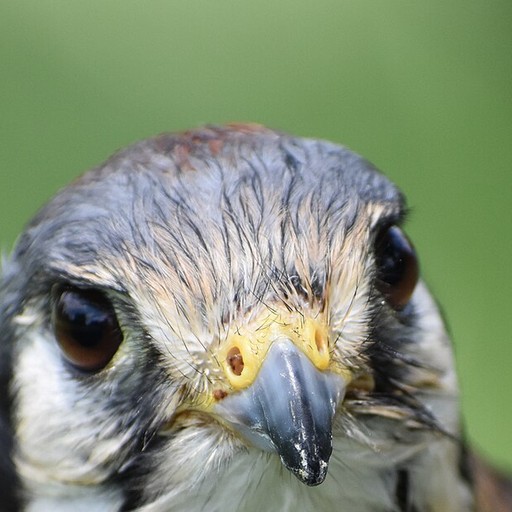
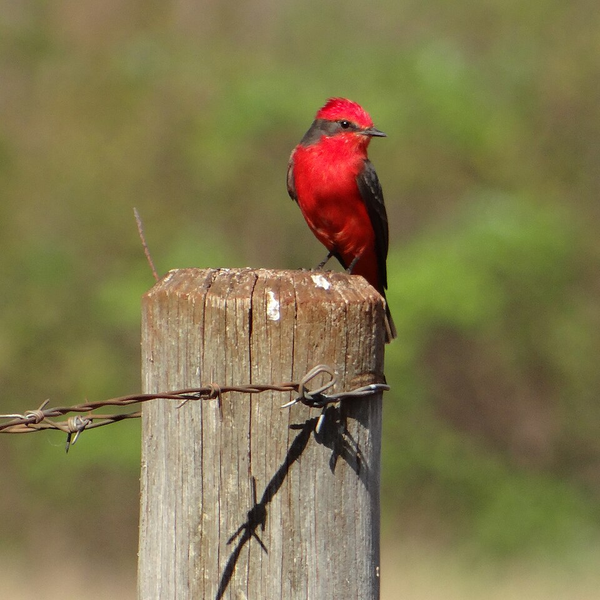
Feeder: Perches on fences; nest boxes on poles in open country.
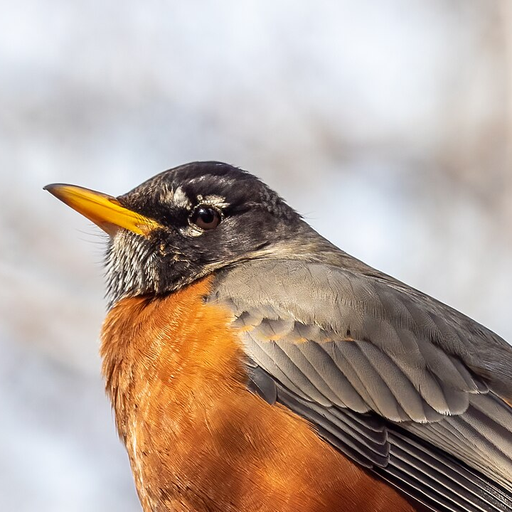
Feeder: Soaked raisins, mealworms, and a ground-level birdbath.
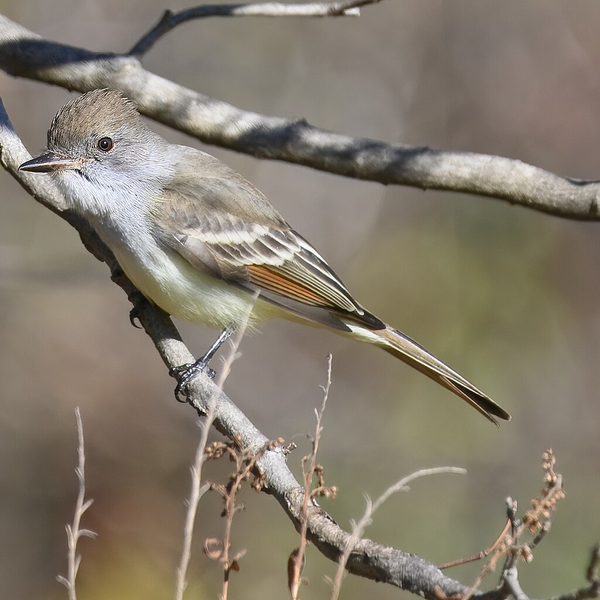
Feeder: Visits backyard feeders and water features.
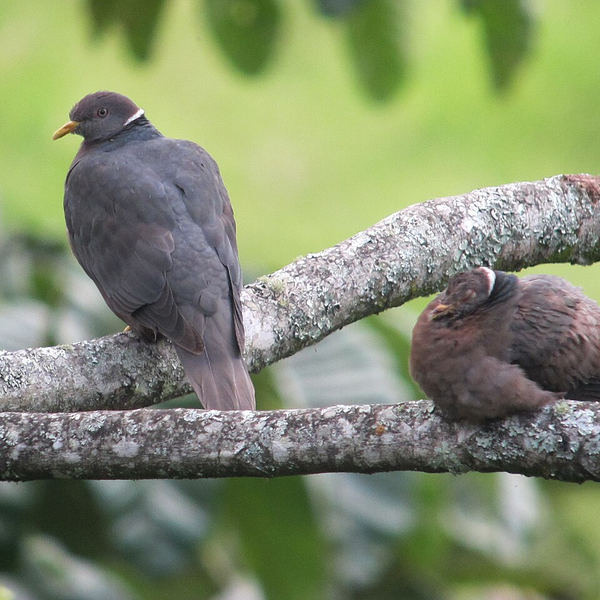
Feeder: Visits backyard feeders and water features.
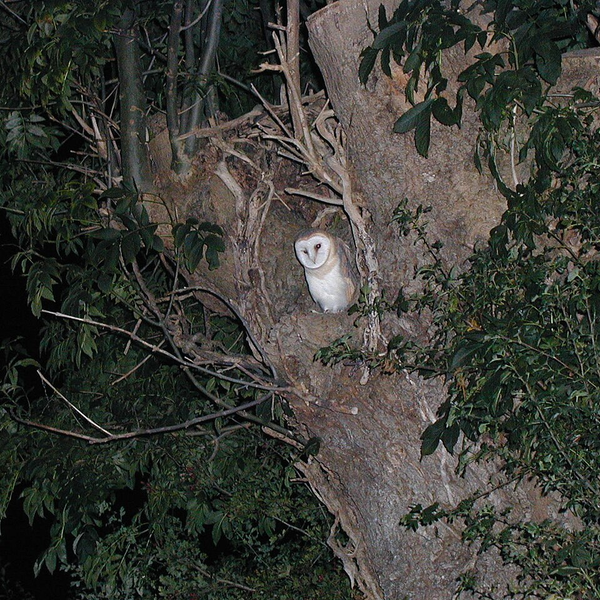
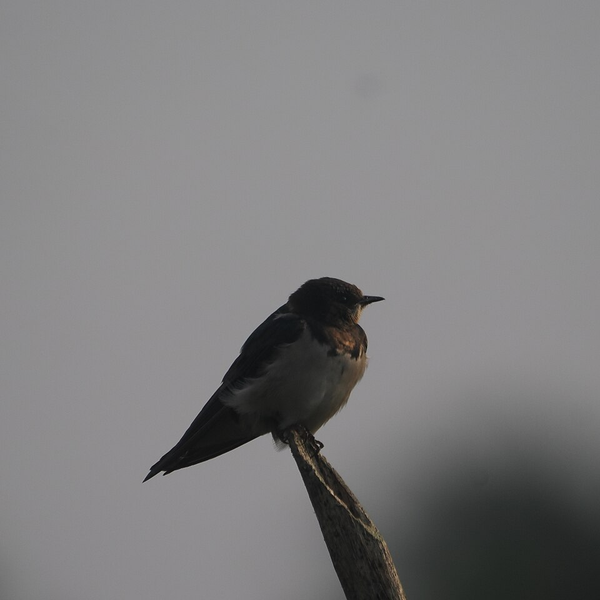
Feeder: Visits backyard feeders and water features.
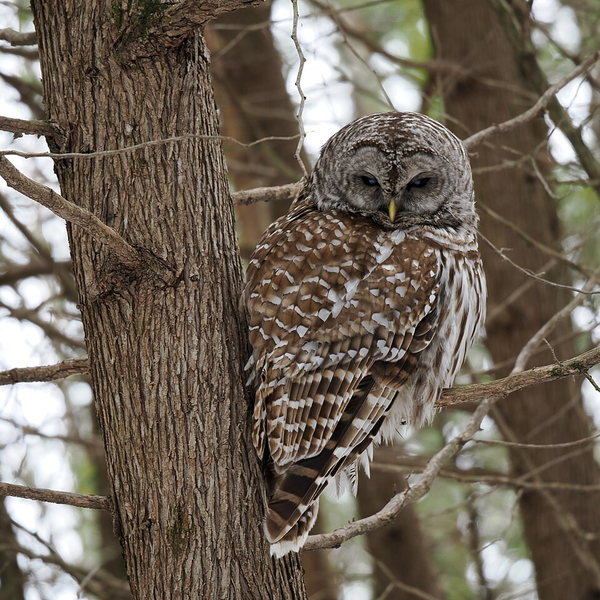

Feeder: Suet crumbs and brush piles or wood stacks for cover.
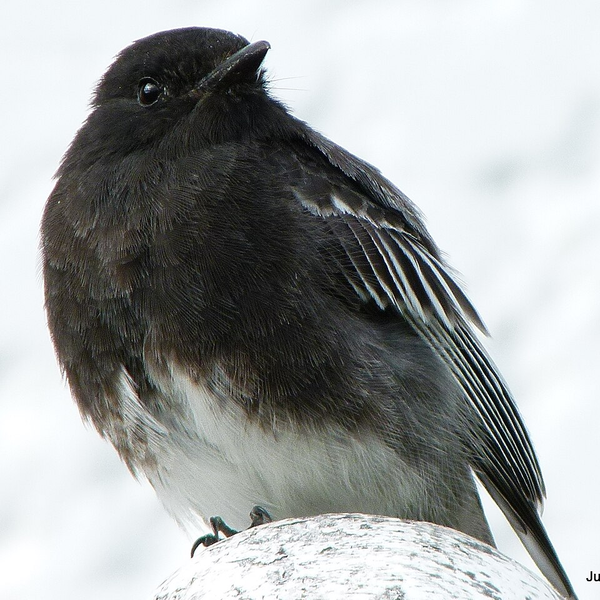
Feeder: Visits backyard feeders and water features.
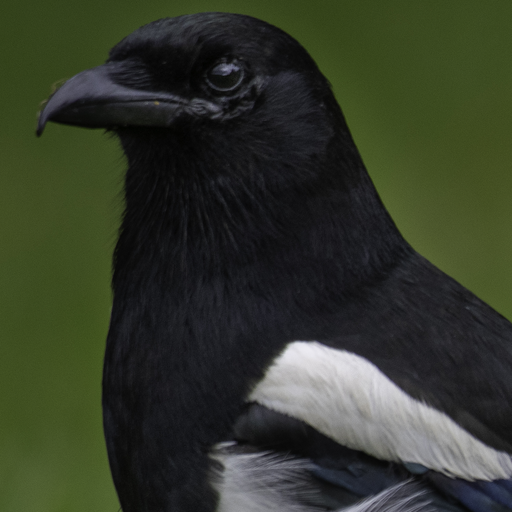
Feeder: Suet and table scraps on a big open platform; bold and clever.
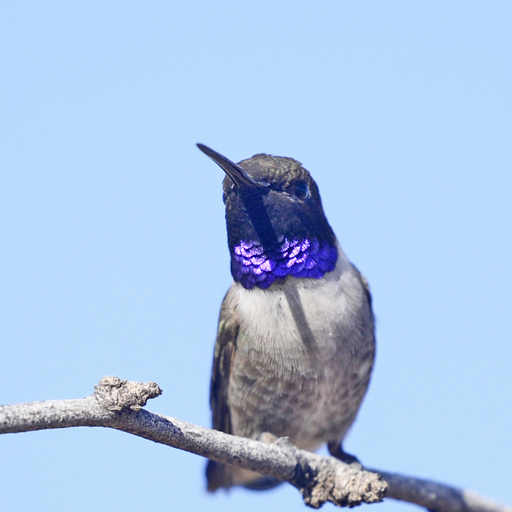
Feeder: Sugar-water feeders and a fine misting feature.
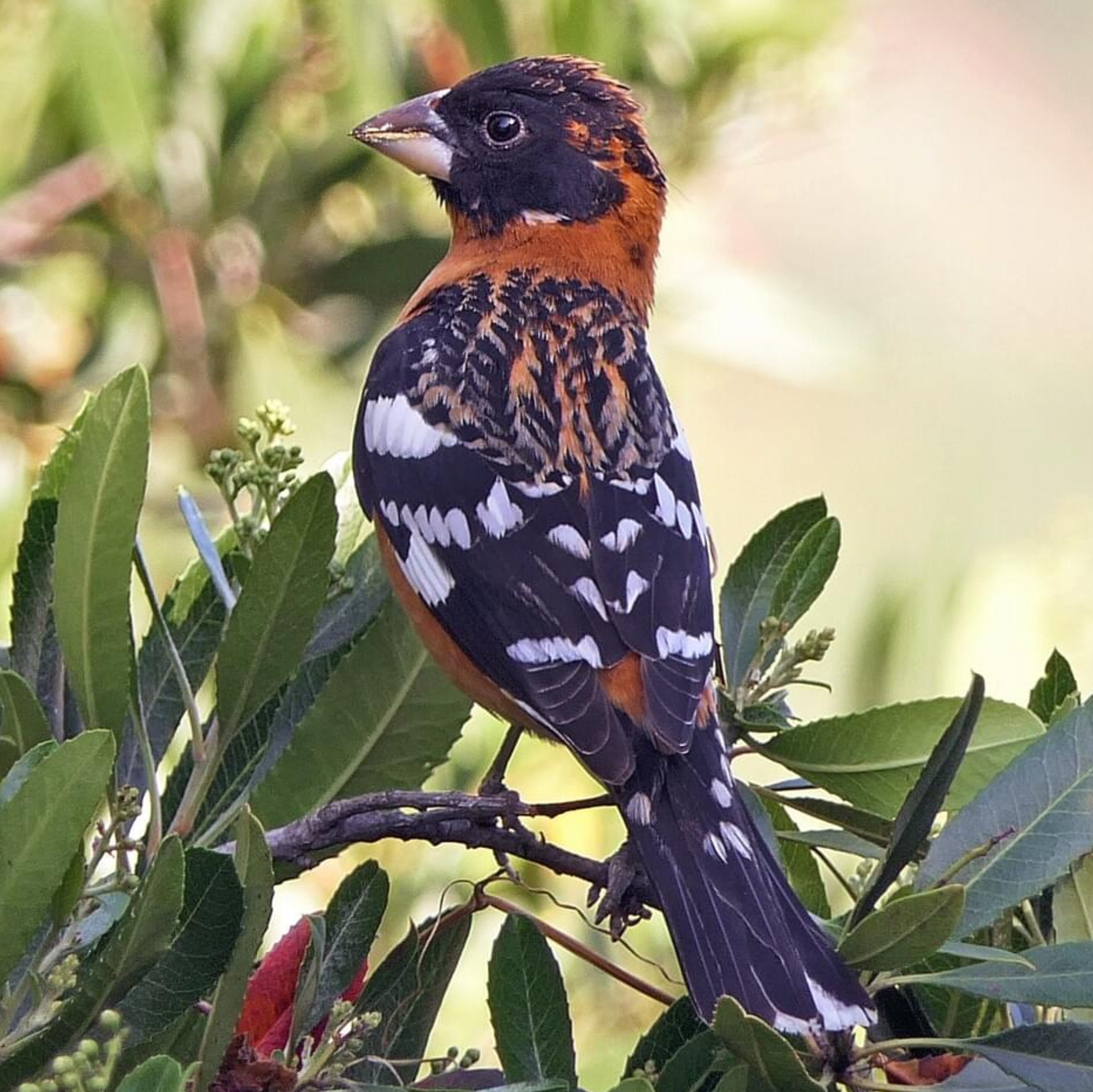
Feeder: Sunflower seeds at a sturdy platform feeder in summer.
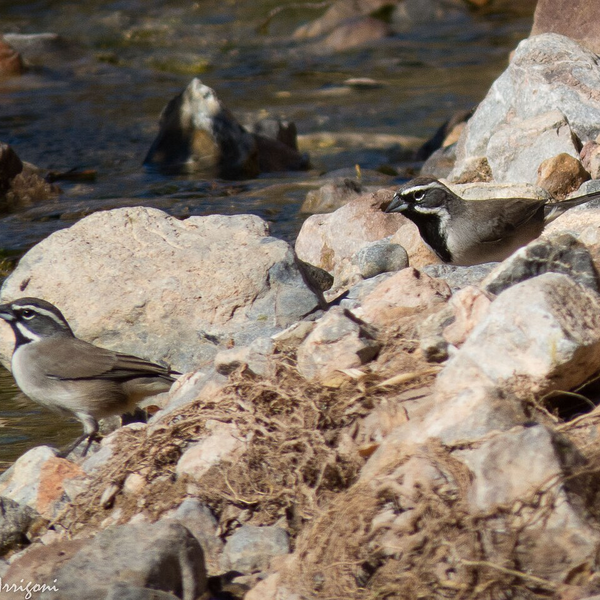
Feeder: Visits backyard feeders and water features.

Feeder: Grain and crumbs on ground platforms in open western yards.
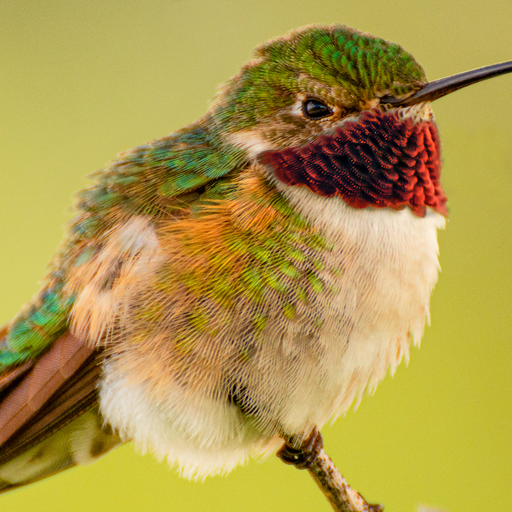
Feeder: Sugar-water feeders near red tubular flowers.
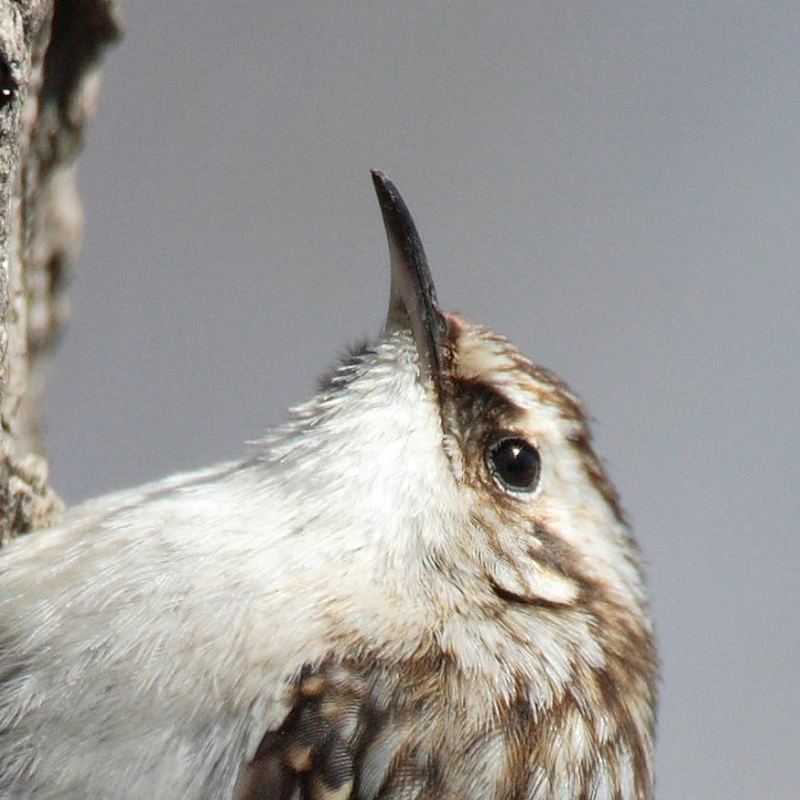
Feeder: Suet smeared on tree bark; spirals up trunks for hidden insects.

Feeder: Cracked corn and grain on the ground; a nest parasite.
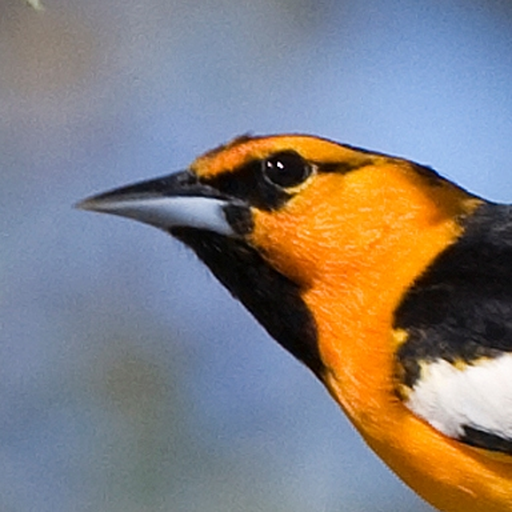
Feeder: Grape jelly, halved oranges, and sugar water in summer.
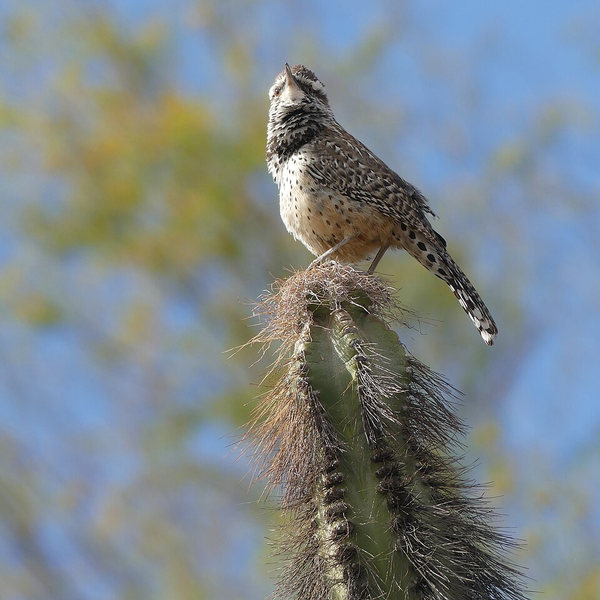
Feeder: Visits backyard feeders and water features.
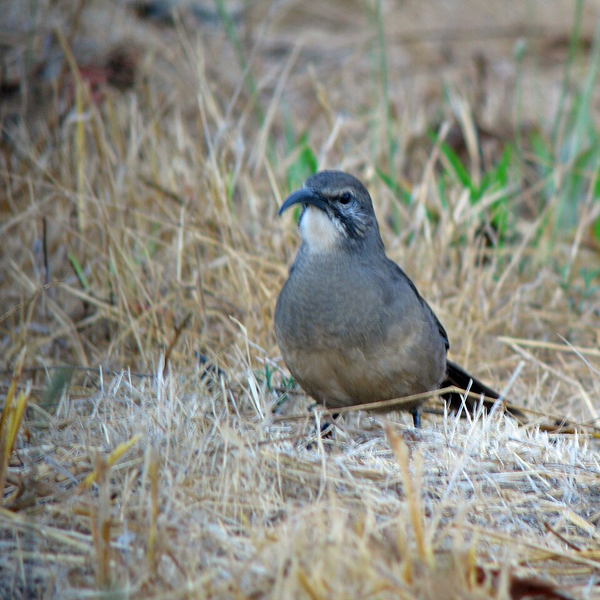
Feeder: Visits backyard feeders and water features.
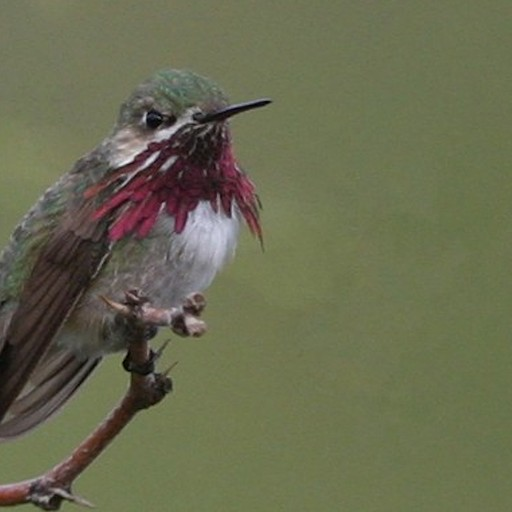
Feeder: Sugar-water feeders; North America’s smallest bird.
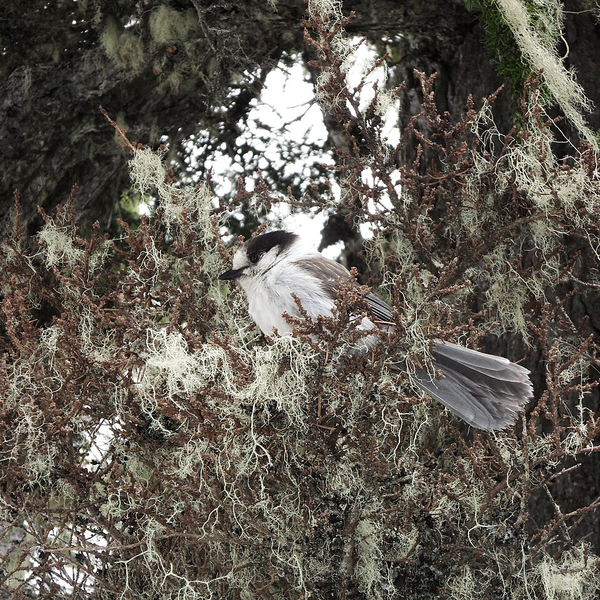
Feeder: Visits backyard feeders and water features.
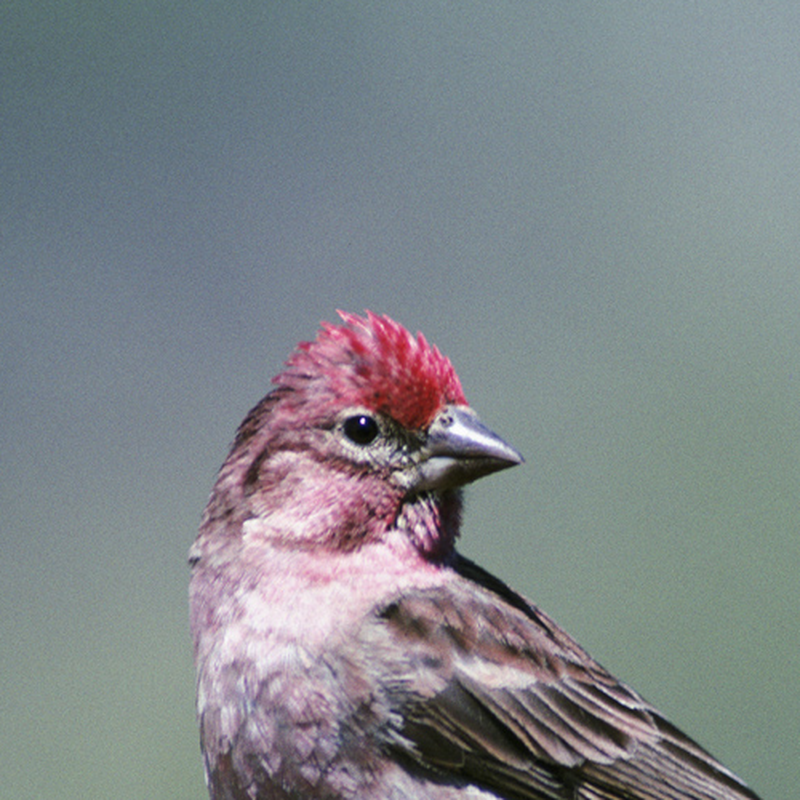
Feeder: Sunflower chips at mountain-town feeders; loves a water dish.

Feeder: Berry-producing trees and a fountain or moving water.

Feeder: Fine seed mix and grass seed scattered on open ground.
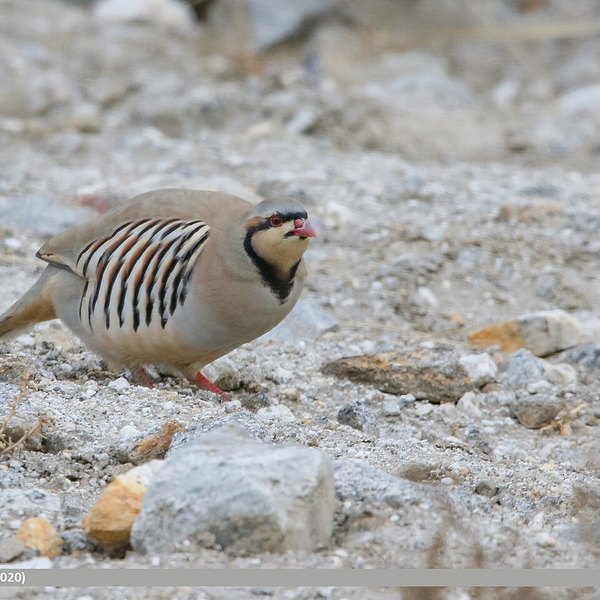
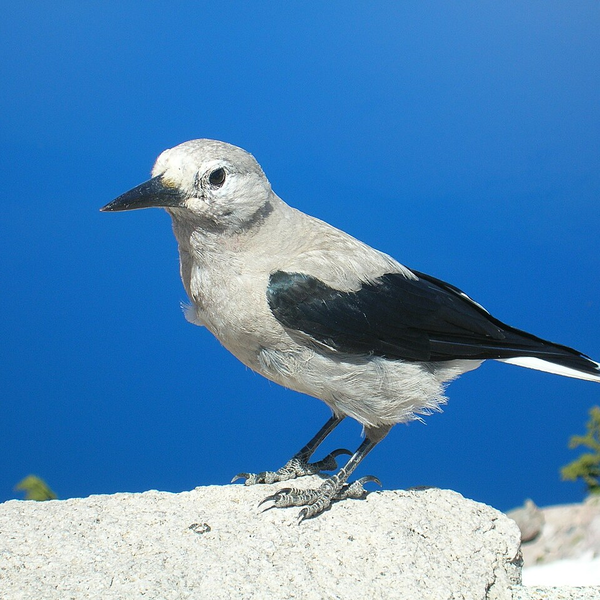
Feeder: Visits backyard feeders and water features.
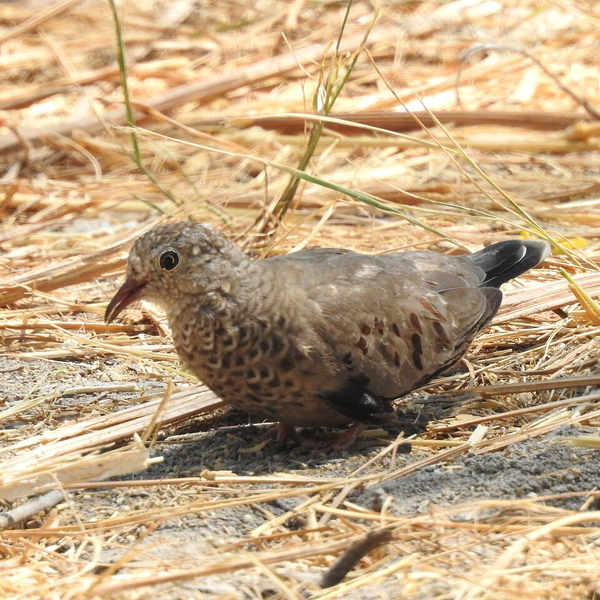
Feeder: Visits backyard feeders and water features.
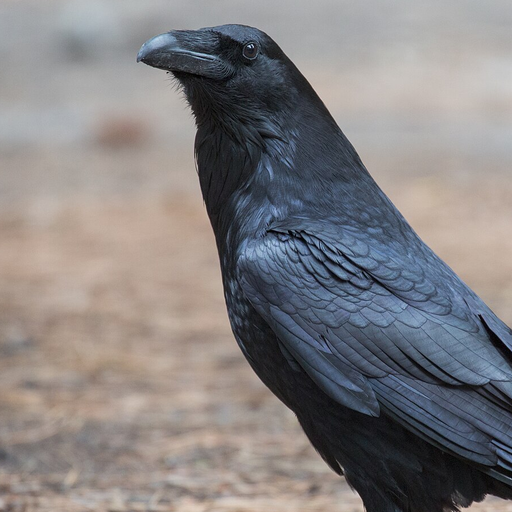
Feeder: Rarely visits feeders; appreciate these giants from the window.

Feeder: Not a feeder guest — it hunts the birds at your feeders.
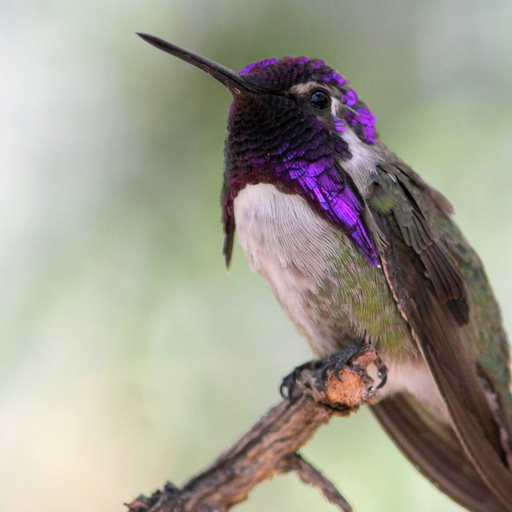
Feeder: Sugar-water feeders near desert sage and penstemon.
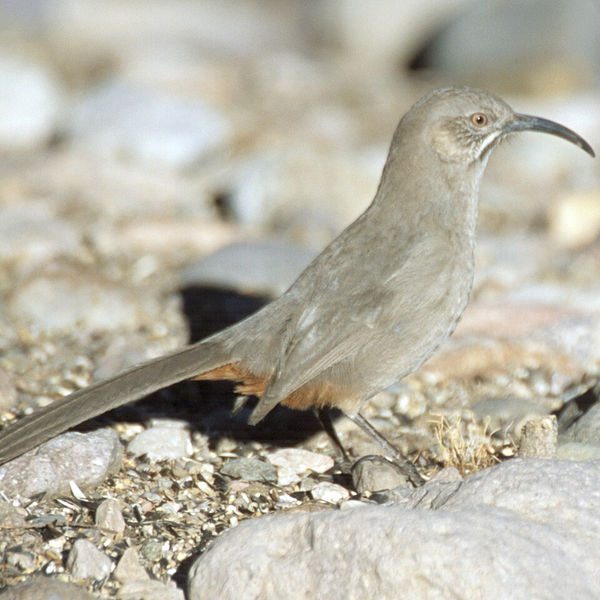
Feeder: Visits backyard feeders and water features.
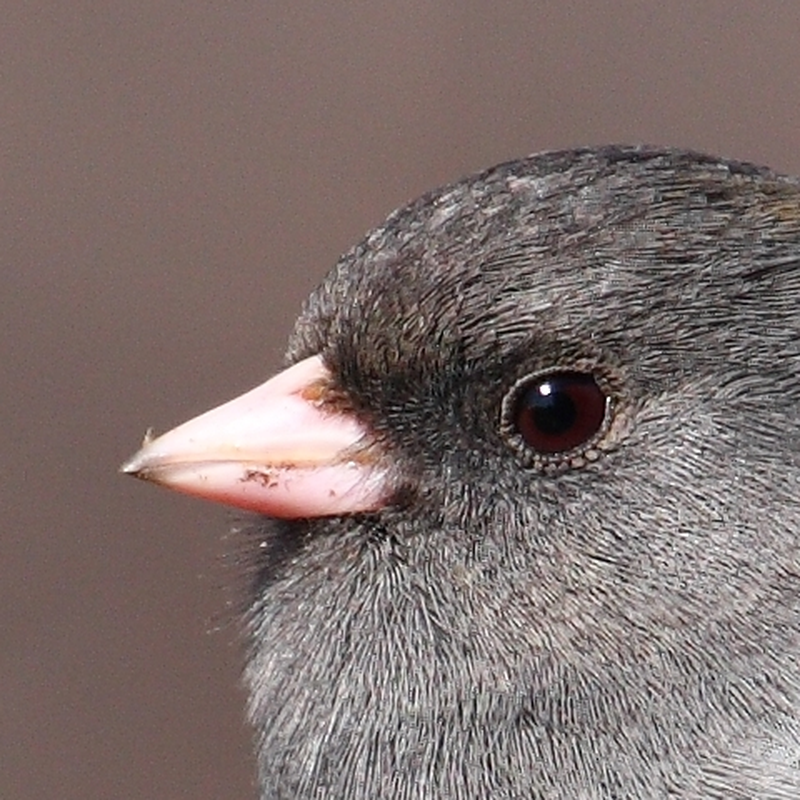
Feeder: White millet scattered on the ground or a snow-cleared platform.
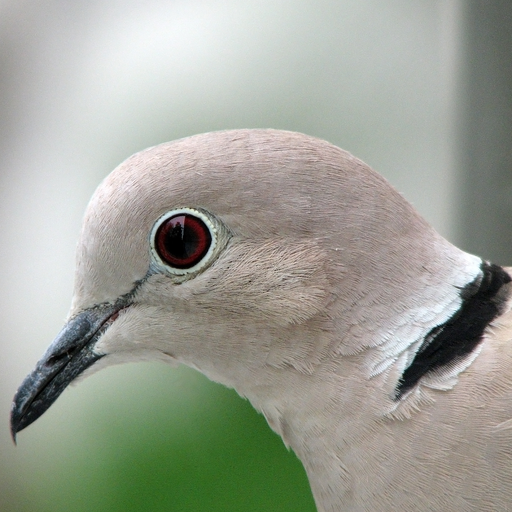
Feeder: Large grains on big platform feeders; spreading fast.

Feeder: Suet and crumbs; use starling-resistant caged feeders.

Feeder: Sunflower pieces and cracked corn; double-scratches in leaf litter.
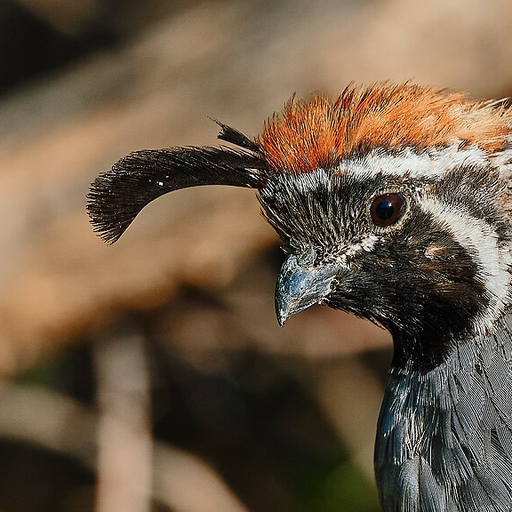
Feeder: Ground grain and a low, shaded water dish in desert yards.
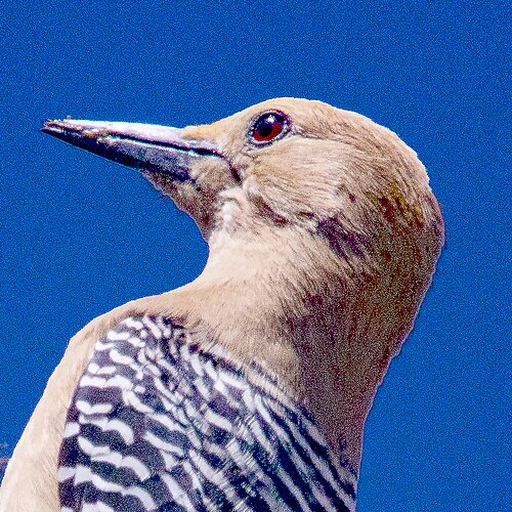
Feeder: Suet and nectar feeders in desert yards with saguaros.
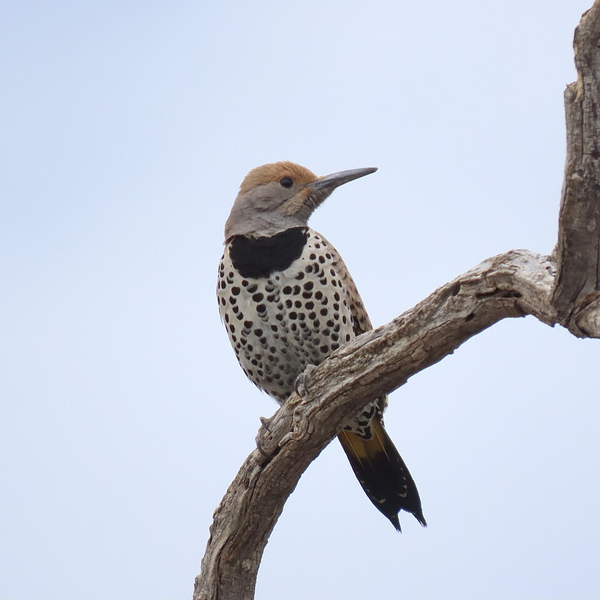
Feeder: Visits backyard feeders and water features.
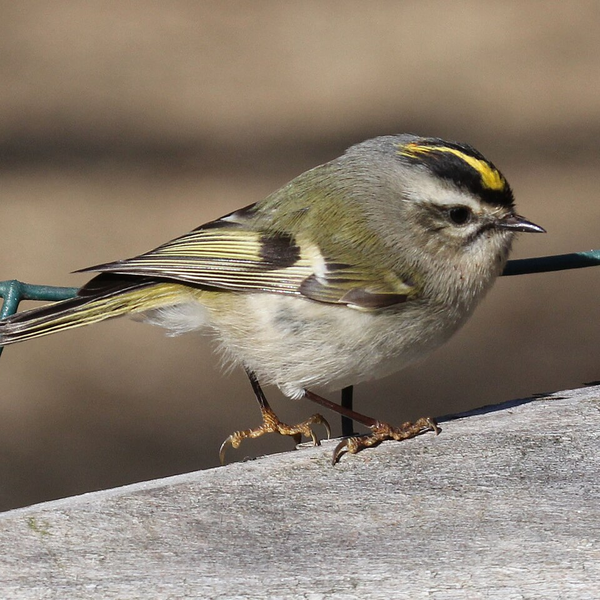
Feeder: Visits backyard feeders and water features.
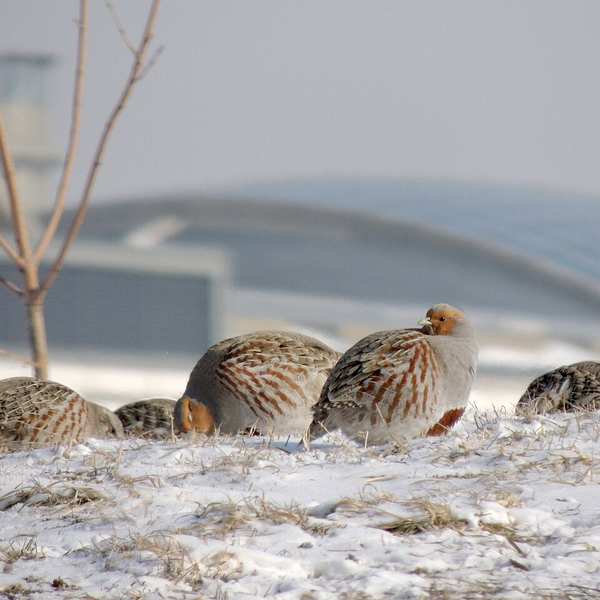
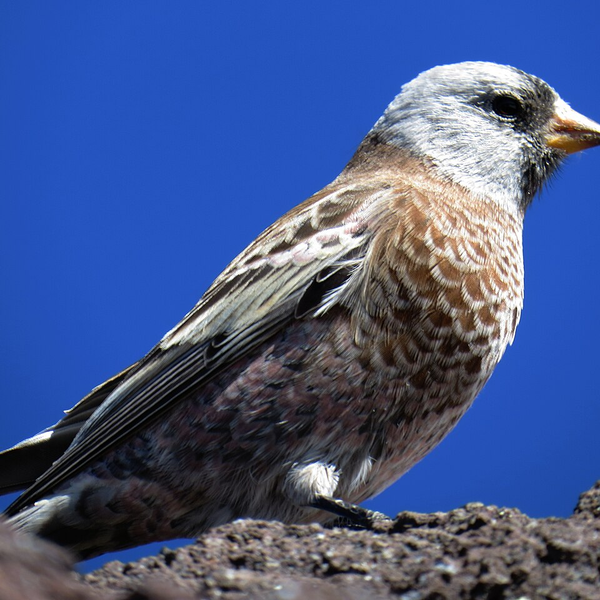
Feeder: Visits backyard feeders and water features.
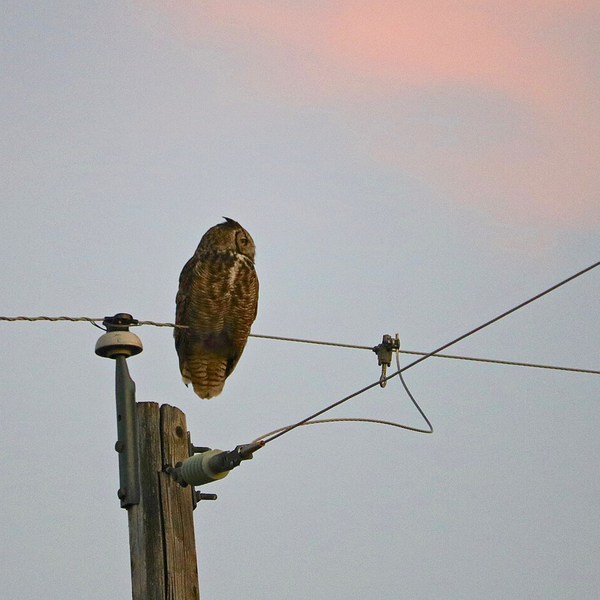
Feeder: Visits backyard feeders and water features.
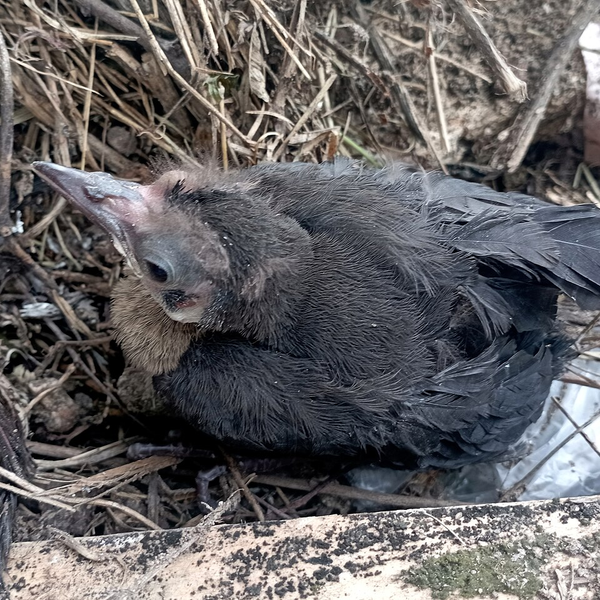
Feeder: Visits backyard feeders and water features.
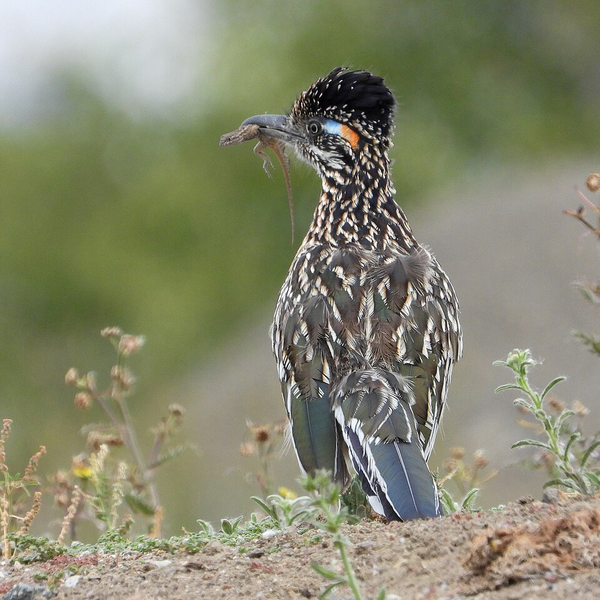
Feeder: Visits backyard feeders and water features.
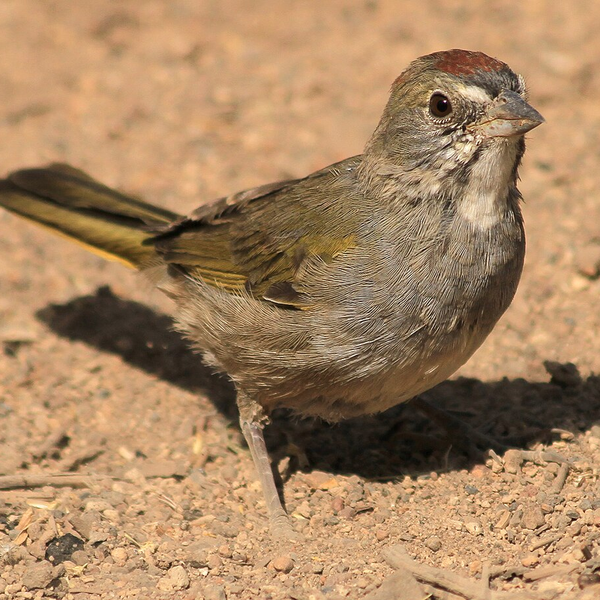
Feeder: Visits backyard feeders and water features.
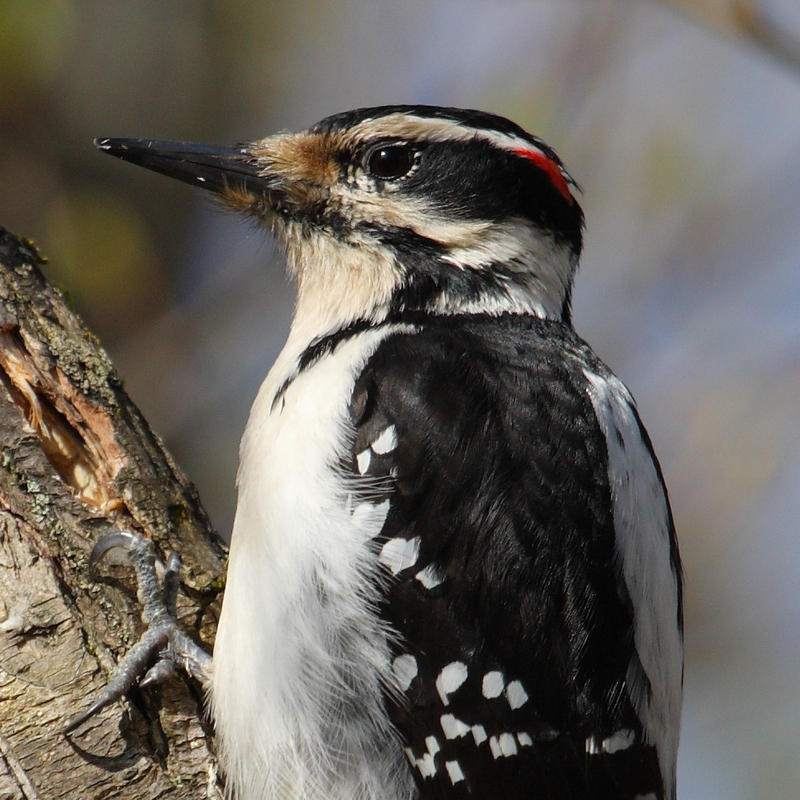
Feeder: Suet blocks and whole peanuts; favors larger trees near feeders.
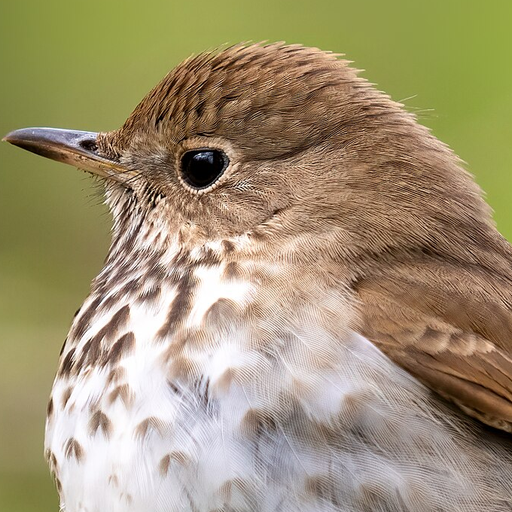
Feeder: Berry-producing shrubs and a ground birdbath in shady yards.

Feeder: Nectar feeders and oranges near palms in warm suburbs.
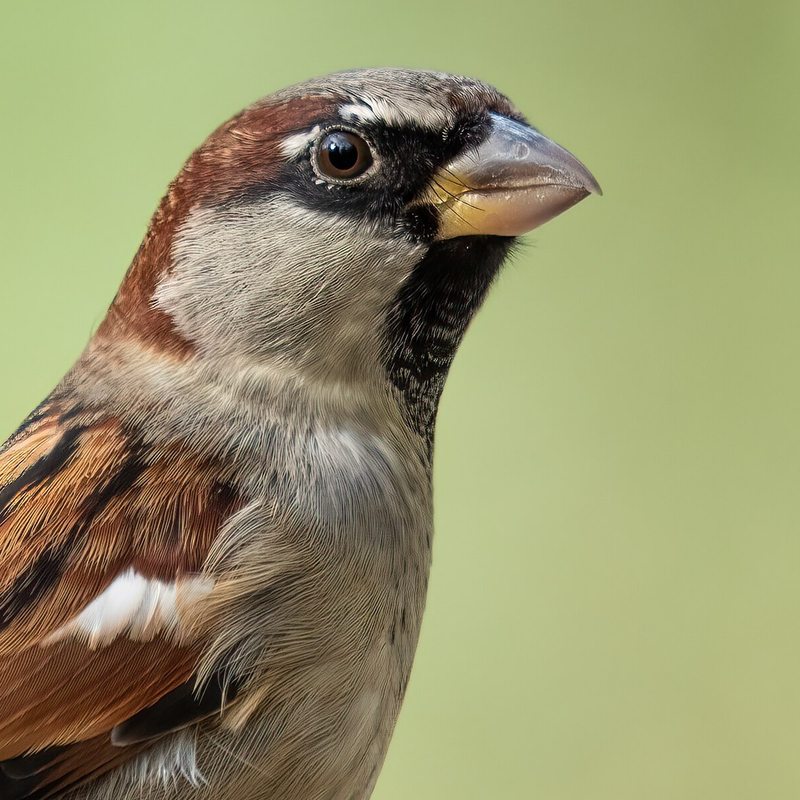
Feeder: Cracked corn, millet, and crumbs; nests in cavities and crevices.

Feeder: Nest boxes with 1-inch holes; eats insects, not seed.
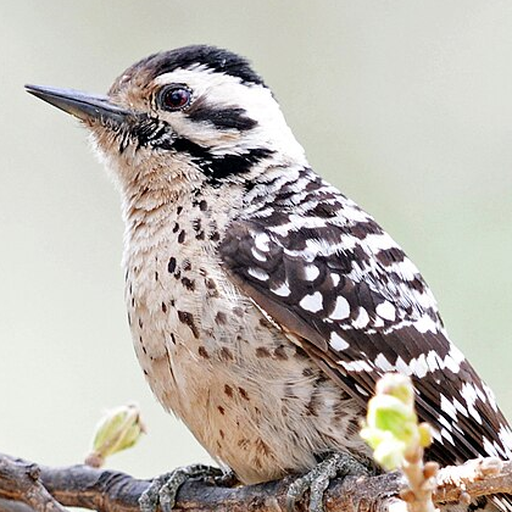
Feeder: Suet and nut pieces in arid scrub yards.
Feeder: Visits backyard feeders and water features.
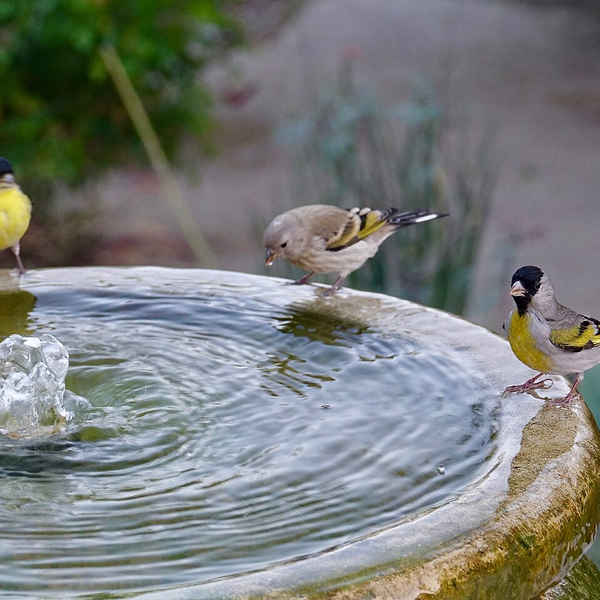
Feeder: Visits backyard feeders and water features.
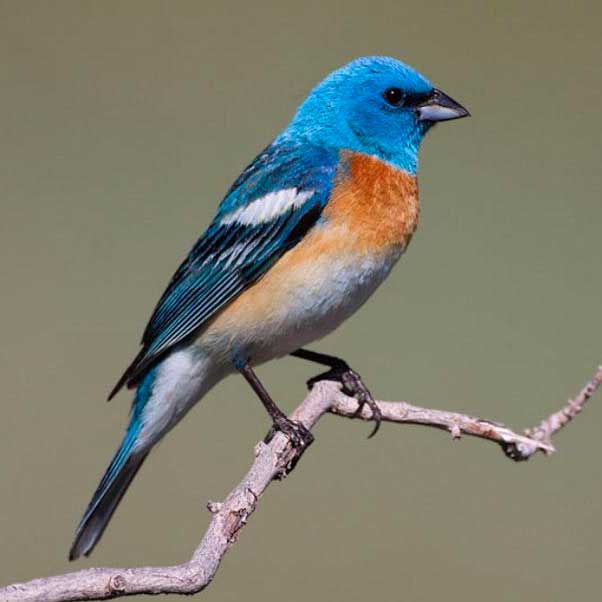
Feeder: White millet and fine sunflower chips near brushy slopes.
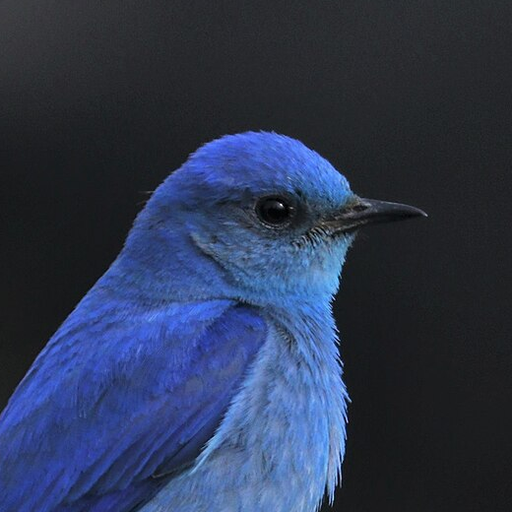
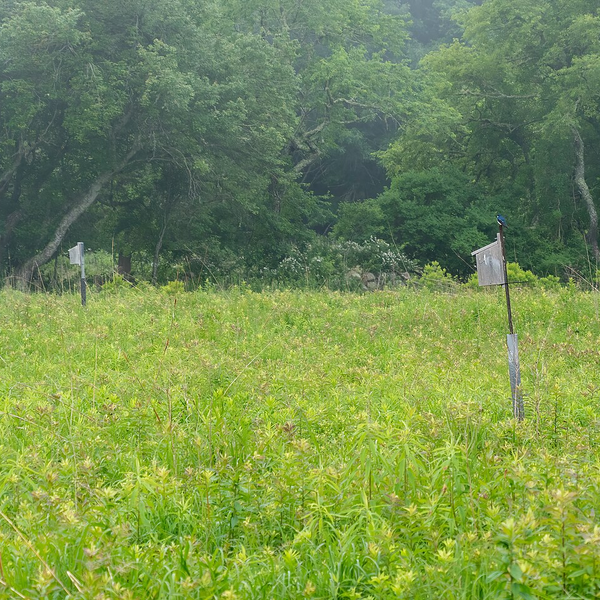
Feeder: Mealworms; nest boxes in open meadows with clear sightlines.
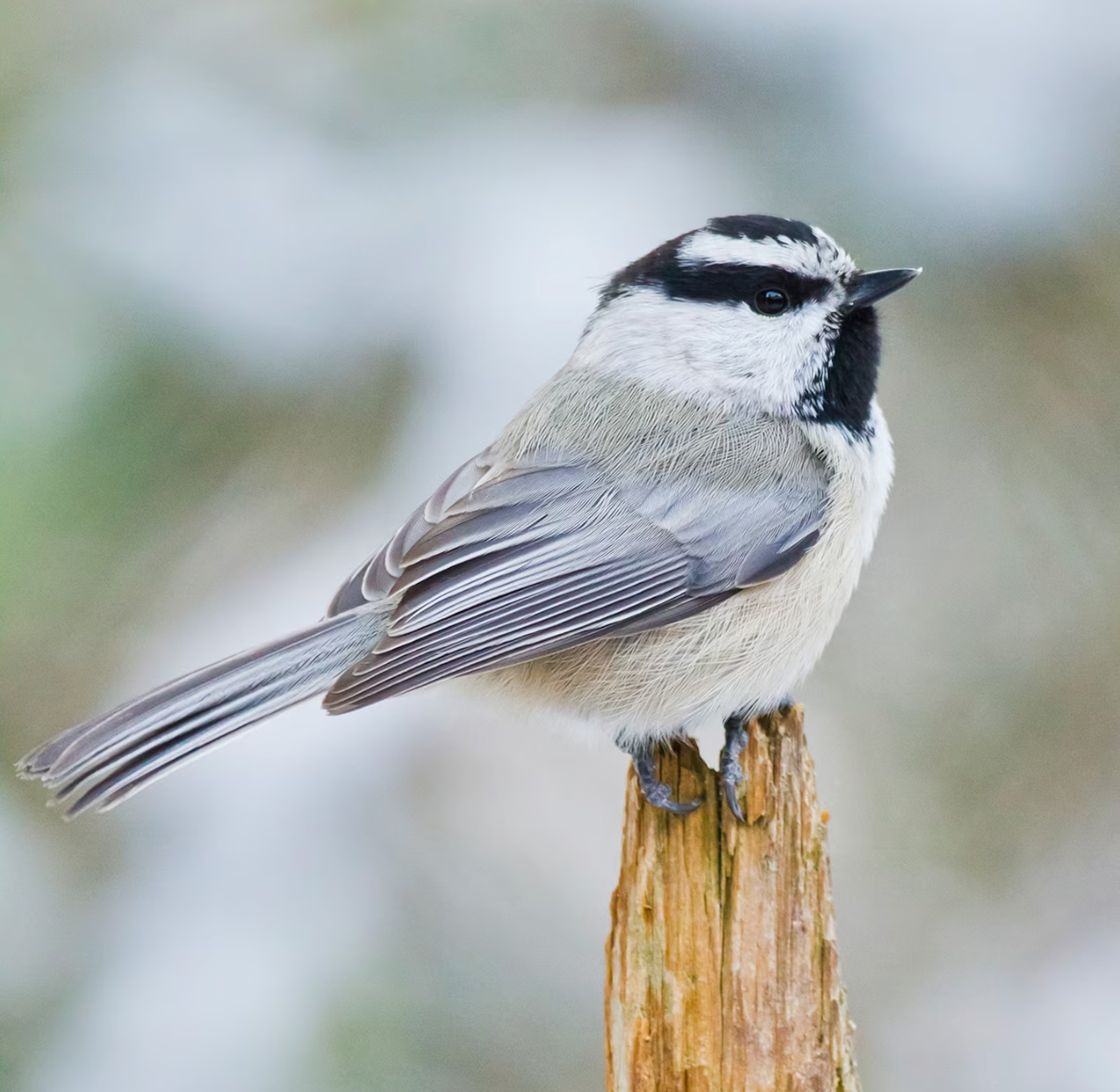
Feeder: Suet, sunflower, and pine seeds at mountain feeders.
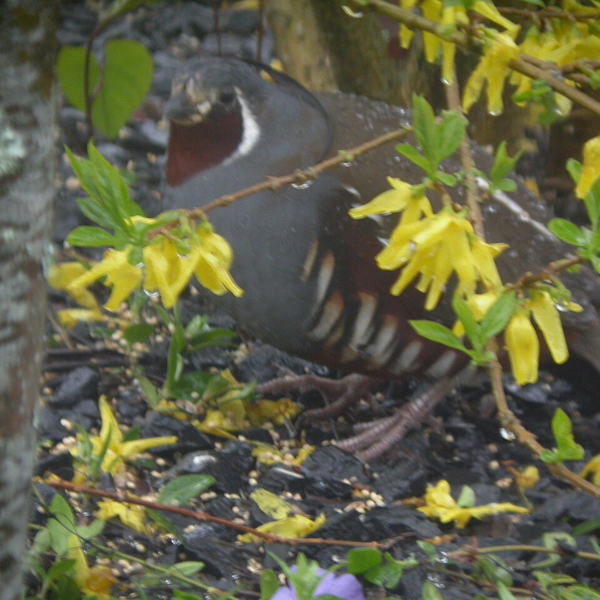
Feeder: Visits backyard feeders and water features.
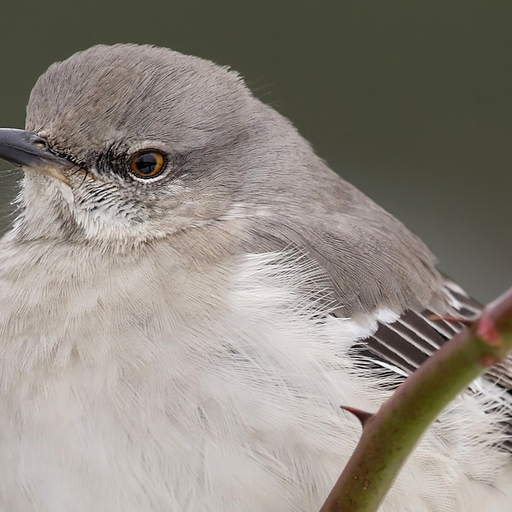
Feeder: Suet, fruit slices, and dense berry-producing shrubs.
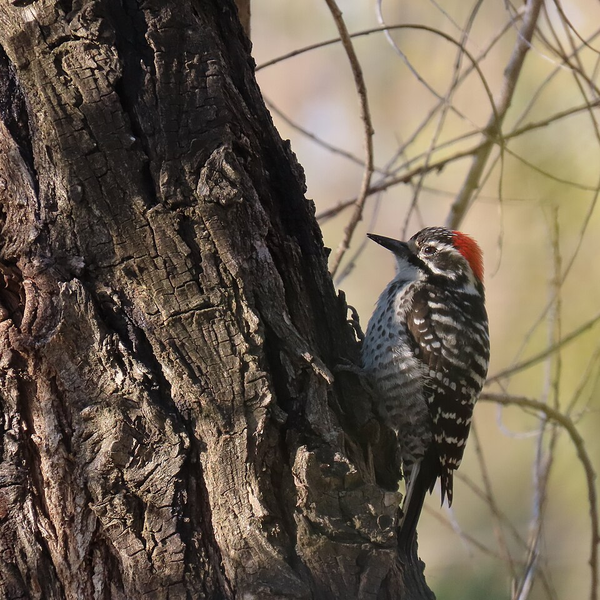
Feeder: Visits backyard feeders and water features.

Feeder: Suet crumbs; occasionally sips at hummingbird feeders.
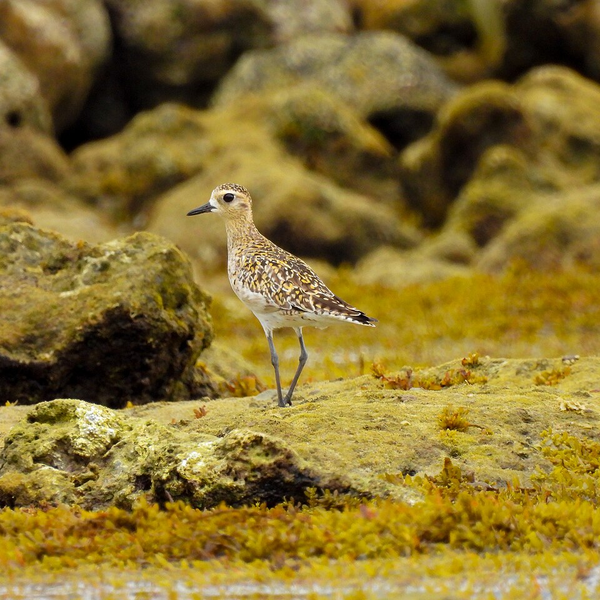
Feeder: Visits backyard feeders and water features.
Feeder: Visits backyard feeders and water features.
Feeder: Visits backyard feeders and water features.
Feeder: Large suet feeders mounted on a board or big trunk.
Feeder: Nyjer and fine sunflower chips; irrupts to feeders in dense flocks.
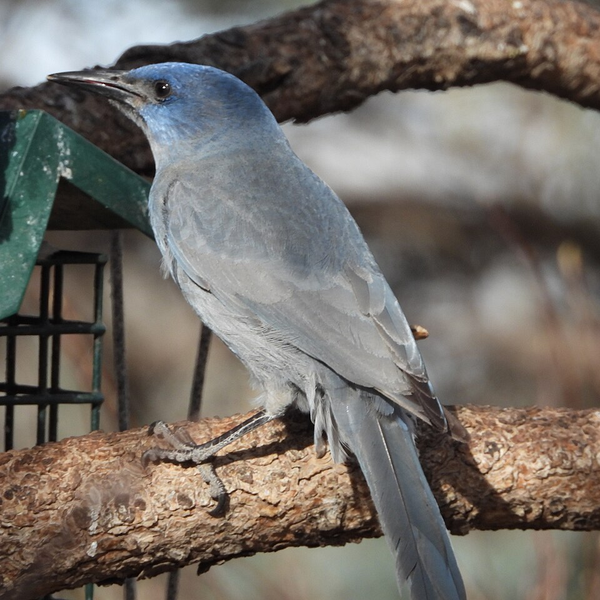
Feeder: Visits backyard feeders and water features.
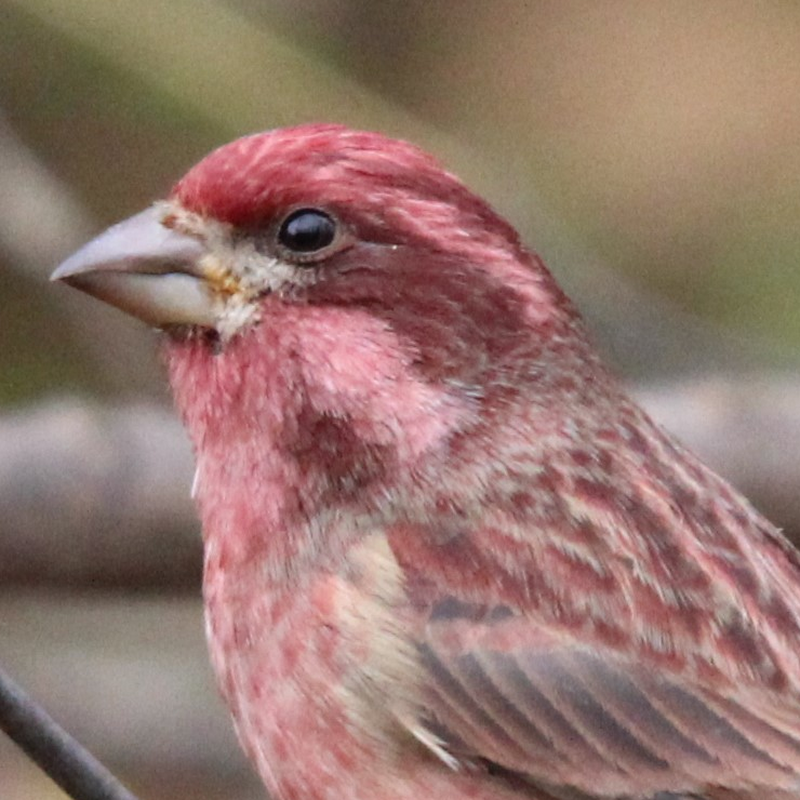
Feeder: Black oil sunflower, especially at tube feeders, in winter and spring.
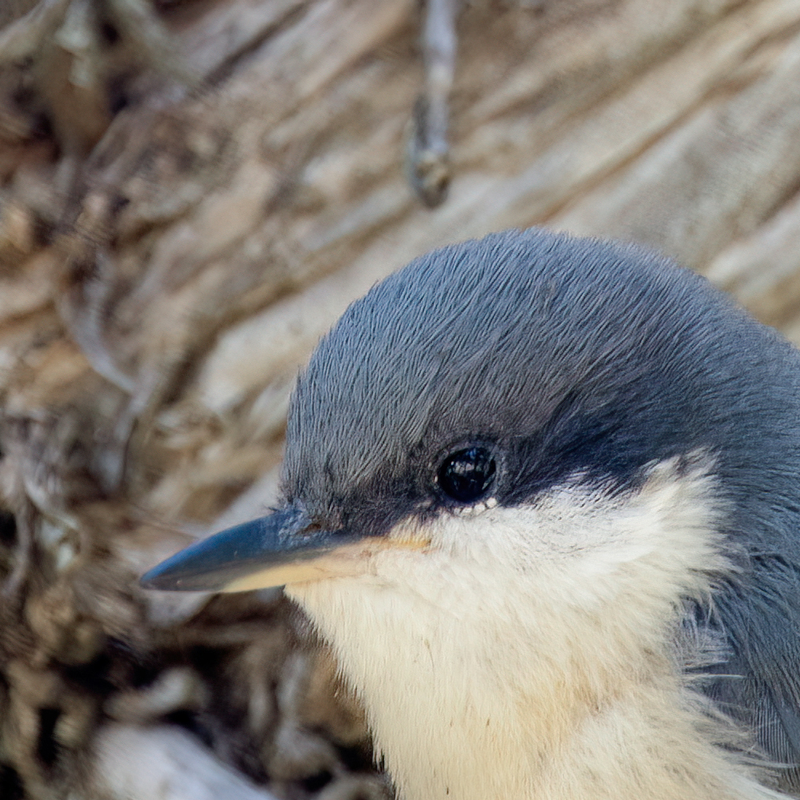
Feeder: Suet and crushed nuts; communal winter flocks in pine towns.
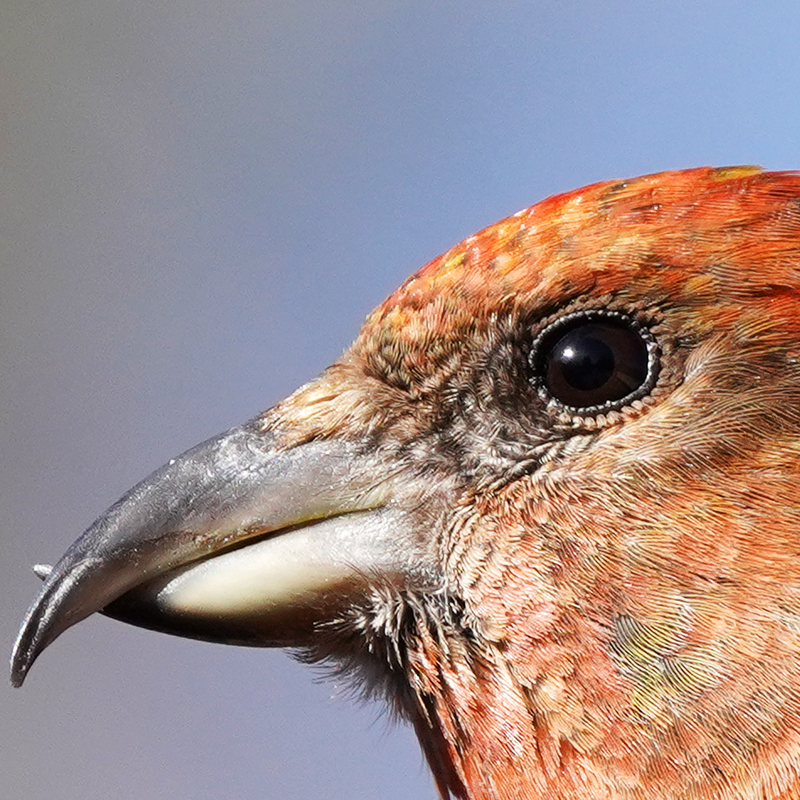
Feeder: Sunflower seeds on open platforms; visits erratically with cone crops.
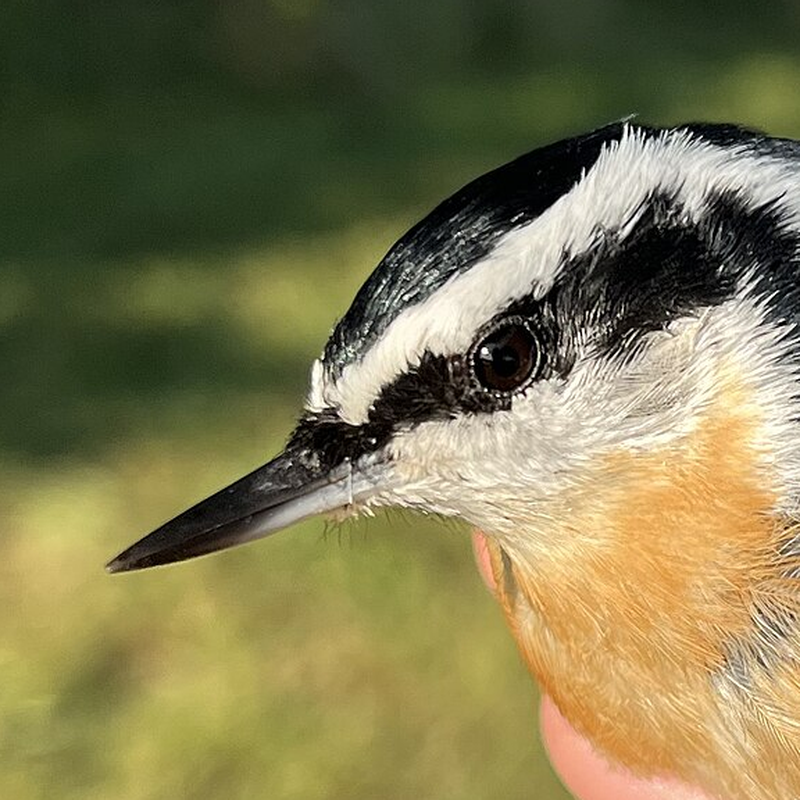
Feeder: Suet, black oil sunflower, and peanut bits at tube feeders.
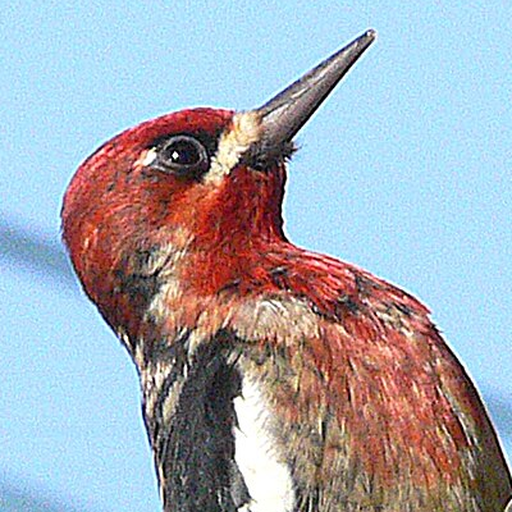
Feeder: Suet and fruit; tends sap wells on birches and conifers.
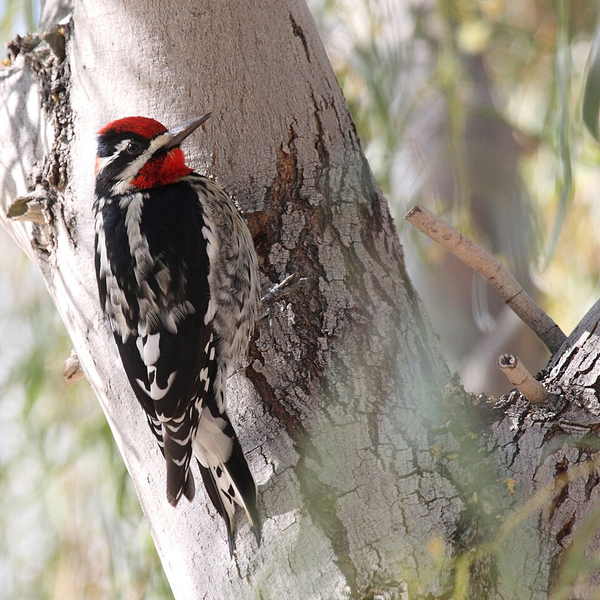
Feeder: Visits backyard feeders and water features.
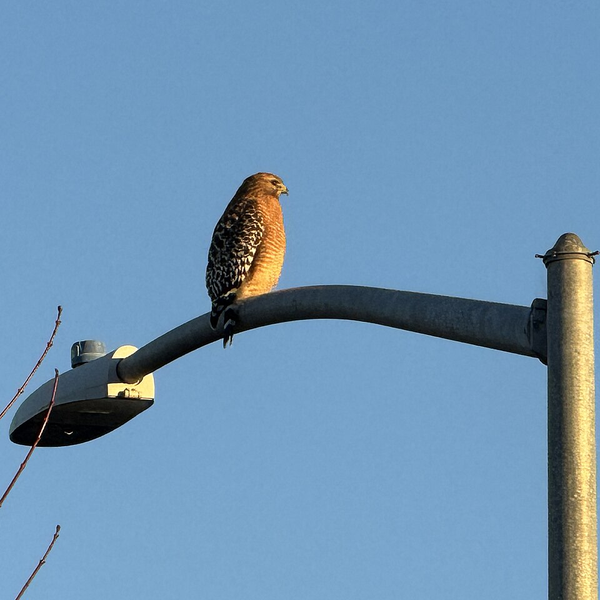
Feeder: Visits backyard feeders and water features.
Feeder: Visits backyard feeders and water features.

Feeder: Sunflower, millet, and corn — arrives in loud flocks.
Feeder: Visits backyard feeders and water features.
Feeder: Visits backyard feeders and water features.
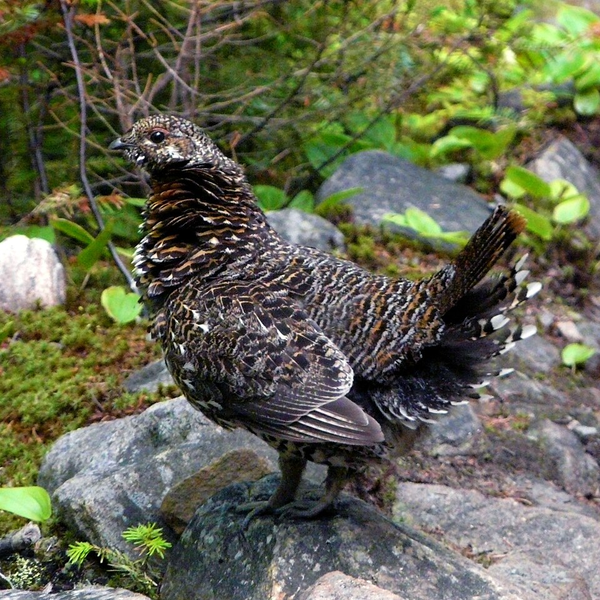
Feeder: Visits backyard feeders and water features.
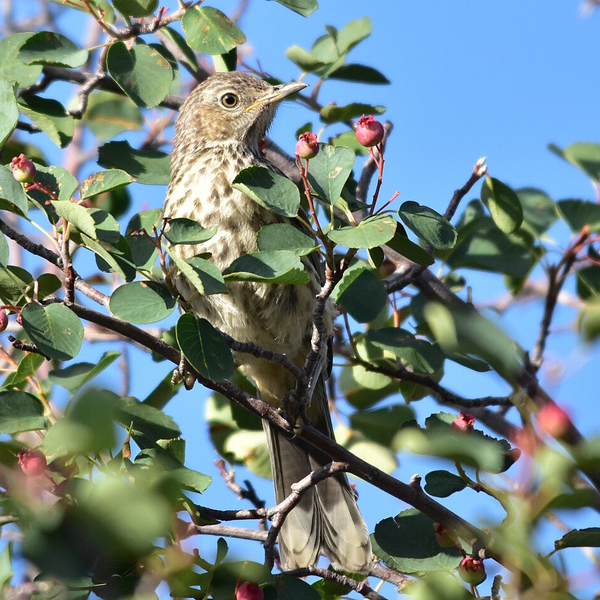
Feeder: Visits backyard feeders and water features.
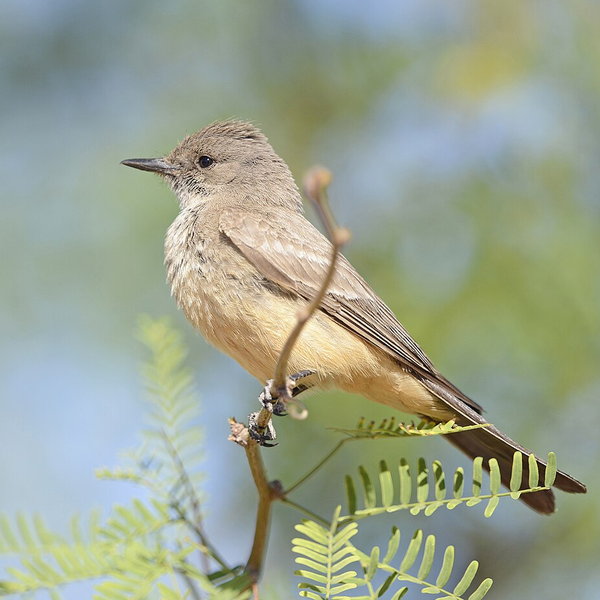
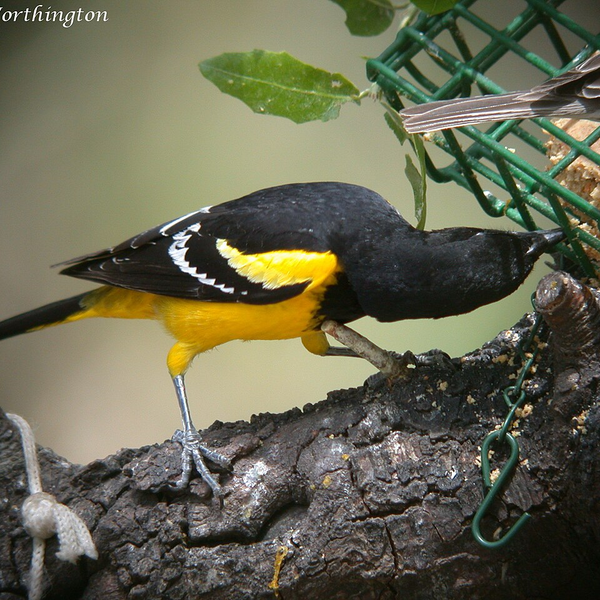
Feeder: Visits backyard feeders and water features.
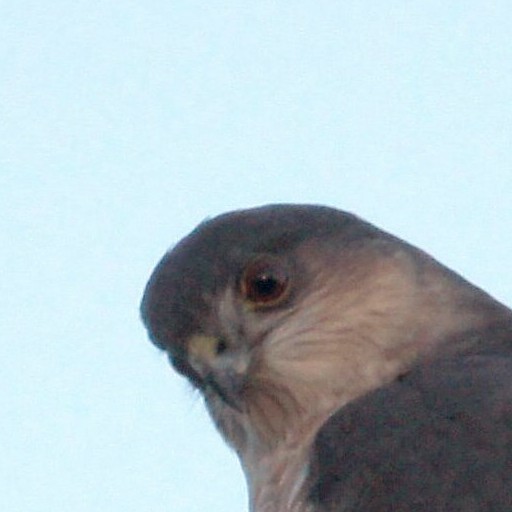
Feeder: Hunts small feeder birds in winter; give feeders escape cover.

Feeder: Mixed seed and white millet near brushy edges; loves a birdbath.
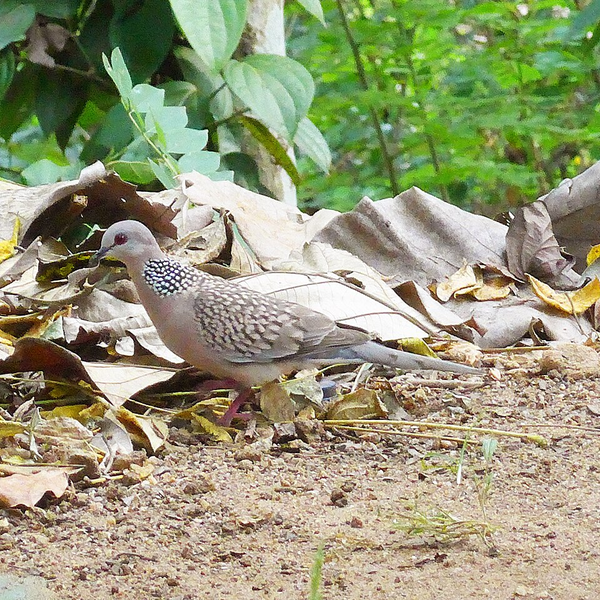
Feeder: Visits backyard feeders and water features.
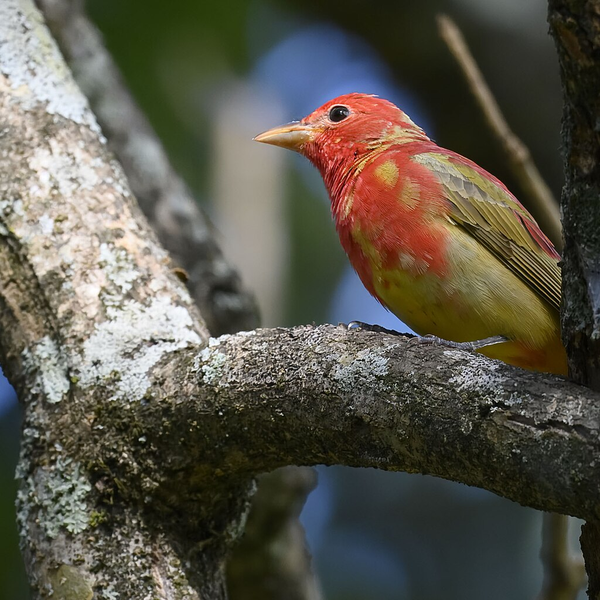
Feeder: Visits backyard feeders and water features.
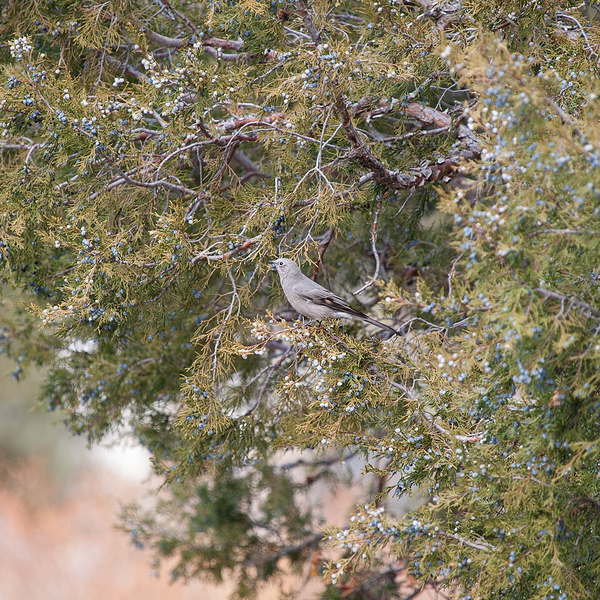
Feeder: Visits backyard feeders and water features.
Feeder: Visits backyard feeders and water features.
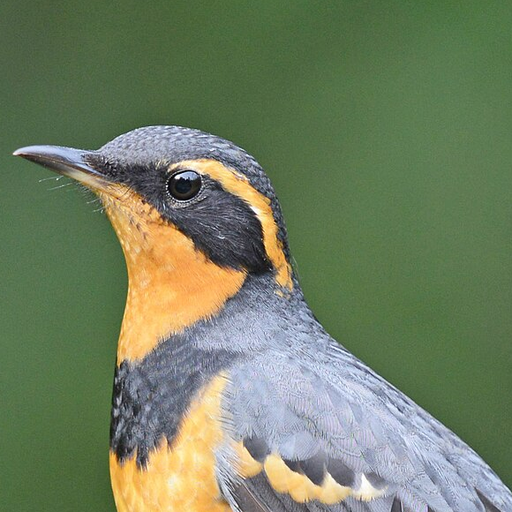
Feeder: Sunflower chips on the ground and berry bushes in winter.
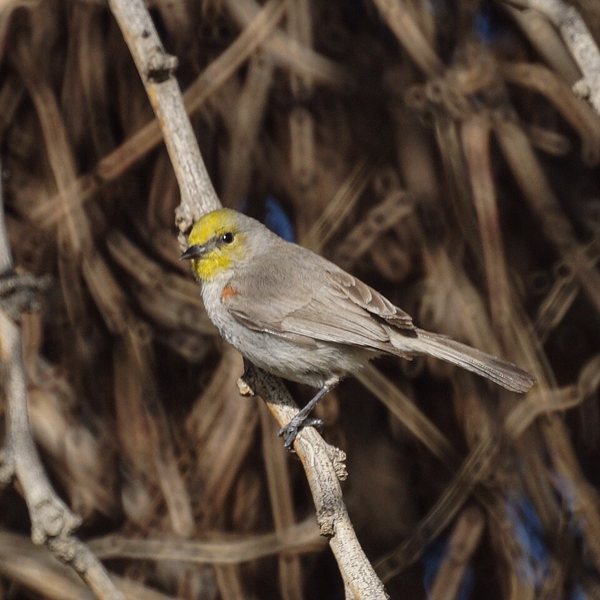
Feeder: Visits backyard feeders and water features.
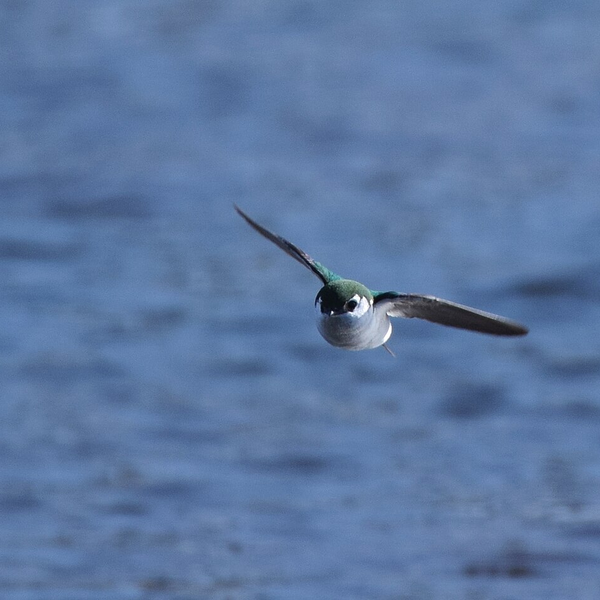
Feeder: Visits backyard feeders and water features.
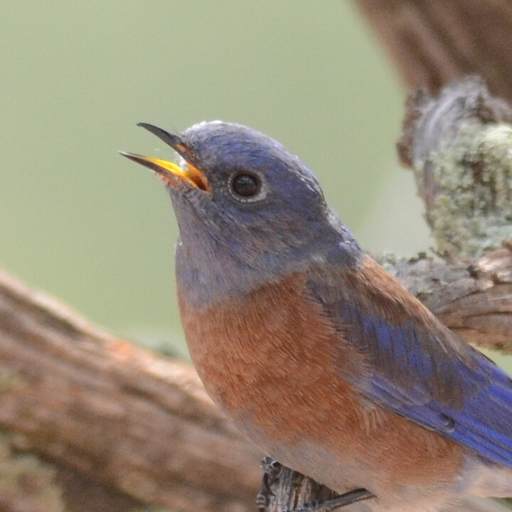
Feeder: Mealworms and a nest box facing open ground.
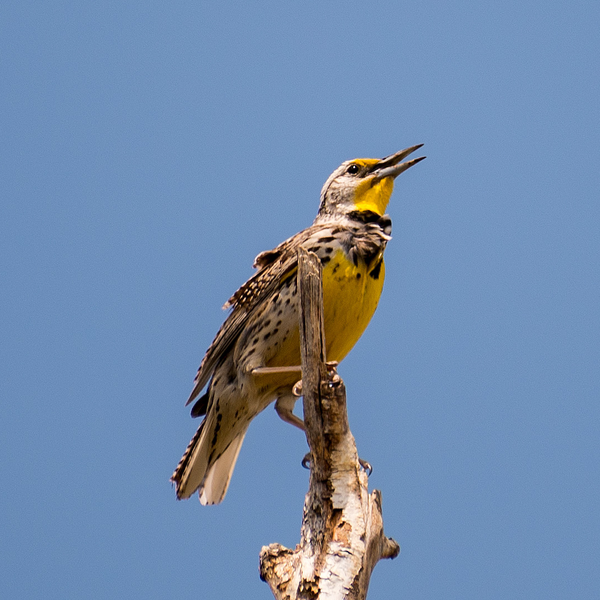
Feeder: Visits backyard feeders and water features.

Feeder: Tree-cavity style nest boxes; listen for the bouncing-ball call.
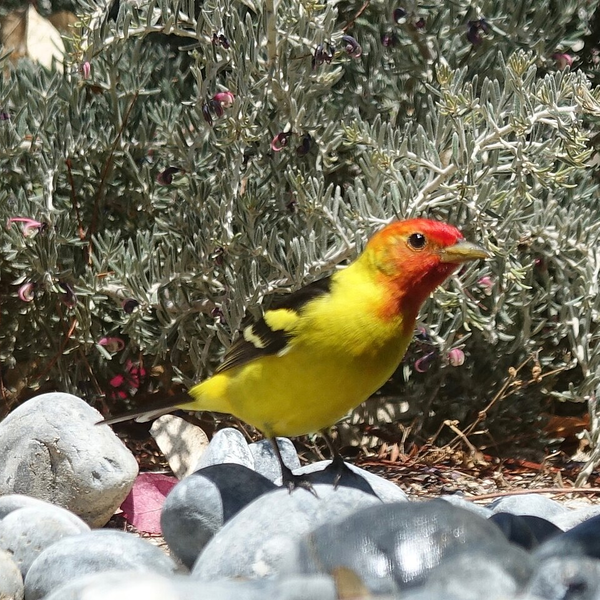
Feeder: Visits backyard feeders and water features.
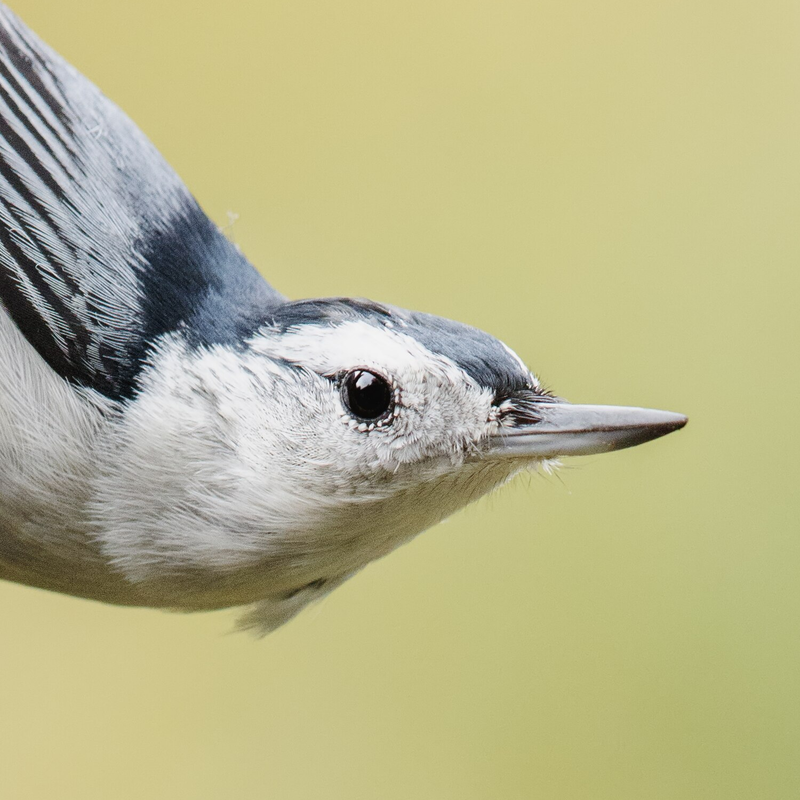
Feeder: Suet, whole peanuts, and sunflower; walks headfirst down trunks.
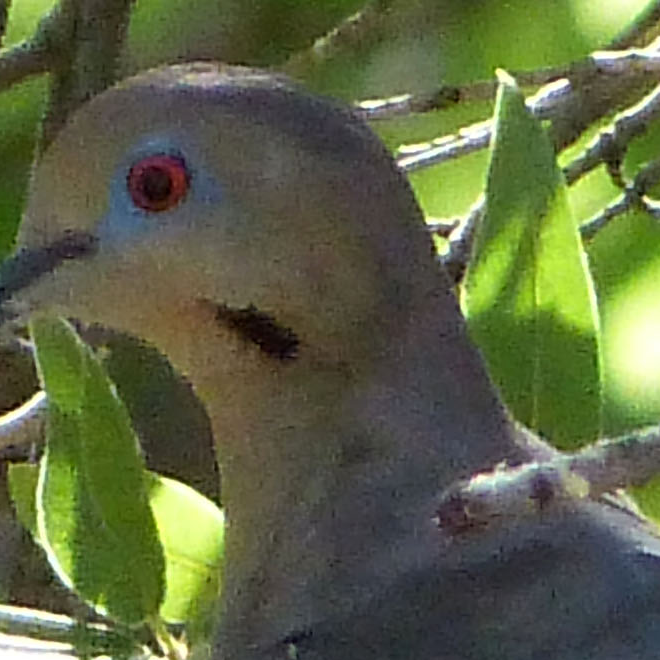
Feeder: Cracked corn and large seeds on open platforms; loves water.
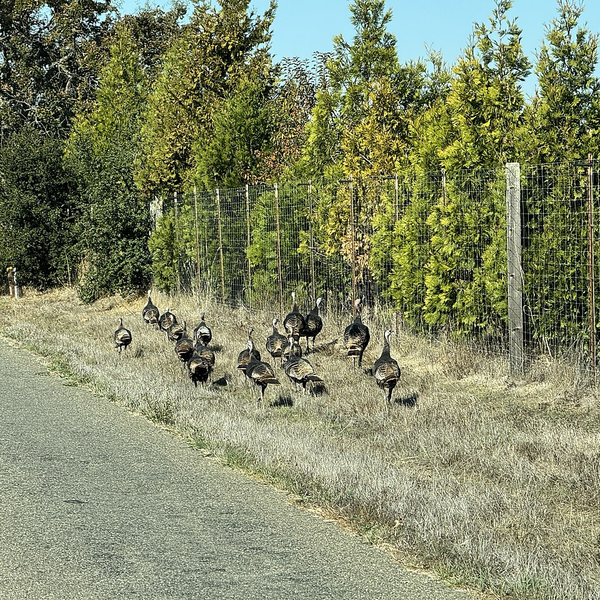
Feeder: Visits backyard feeders and water features.
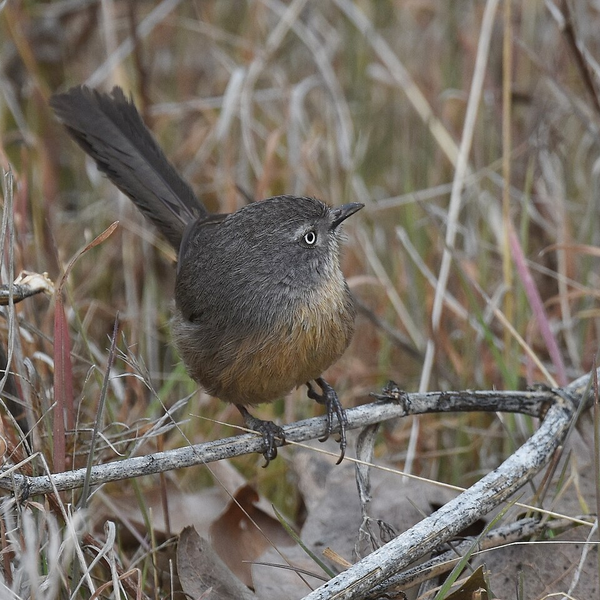
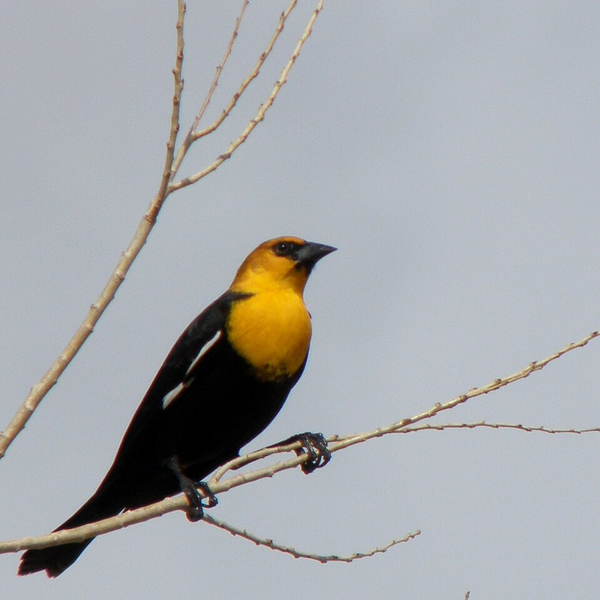
Feeder: Visits backyard feeders and water features.

Feeder: Suet cakes, berries, and peanut butter smeared on bark.
The California Seasonal Feeder Calendar
🌱 Spring
March – MayQuail pairs scout nesting cover; Hooded and Bullock’s Orioles arrive in March — put out oranges and jelly early. Keep Anna’s feeders full as Rufous Hummingbirds pass through. In Sierra foothill bear country, bears leave dens in April — bring feeders in at night where bears are seen.
☀️ Summer
June – AugustCalifornia’s dry season rules everything: a dripping birdbath or shallow fountain outdraws every feeder. Change hummingbird nectar every 2–3 days in the heat, shade seed feeders, and watch for juvenile scrub-jays, towhees, and goldfinches begging at feeders by July.
🍂 Autumn
September – NovemberThe Pacific flyway runs the length of the state. White-crowned and Golden-crowned Sparrows arrive in October; Cedar Waxwings mob berry bushes. Stock seed and suet before the first rains — residents learn feeder locations now and stay all winter.
❄️ Winter
December – FebruaryPrime feeding season. Sparrow flocks (White-crowned, Golden-crowned) work ground feeders; Varied Thrushes appear in northern yards after storms; Anna’s Hummingbirds depend on thawed nectar during cold snaps. Suet and sunflower hold the resident woodpeckers, chickadees, and titmice.
Frequently Asked Questions: Backyard Birding in California
- The State Bird: The California Quail — the state bird since 1931 — scurries through yards in coveys, calling chi-CA-go from fence posts; scatter cracked corn near dense cover.
- The Winter Hummingbird: Anna’s Hummingbirds live in California yards all year and nest as early as December — keep nectar up and thawed all winter.
- Water Wins: In California’s dry summers, a dripping birdbath attracts more species than any seed feeder — quail, towhees, finches, and warblers all come to drink.
- Bear Country: Sierra foothill and mountain communities have black bears — bring feeders in at night April through November where bears are active.
- The Map: The pinned map at the top of this page shows where each of the 16 featured birds is most characteristic; every pin jumps to a profile with photos, a playable call, and a full guide link.
- Best Single Upgrade: A ground feeding station with cracked corn near a dense shrub — California Quail, towhees, and sparrows, twelve months a year.
California Birding Checklist
Region: California — 124 Backyard Species